Do ADUs Worsen Parking in Scarce-Midwest Suburbs?
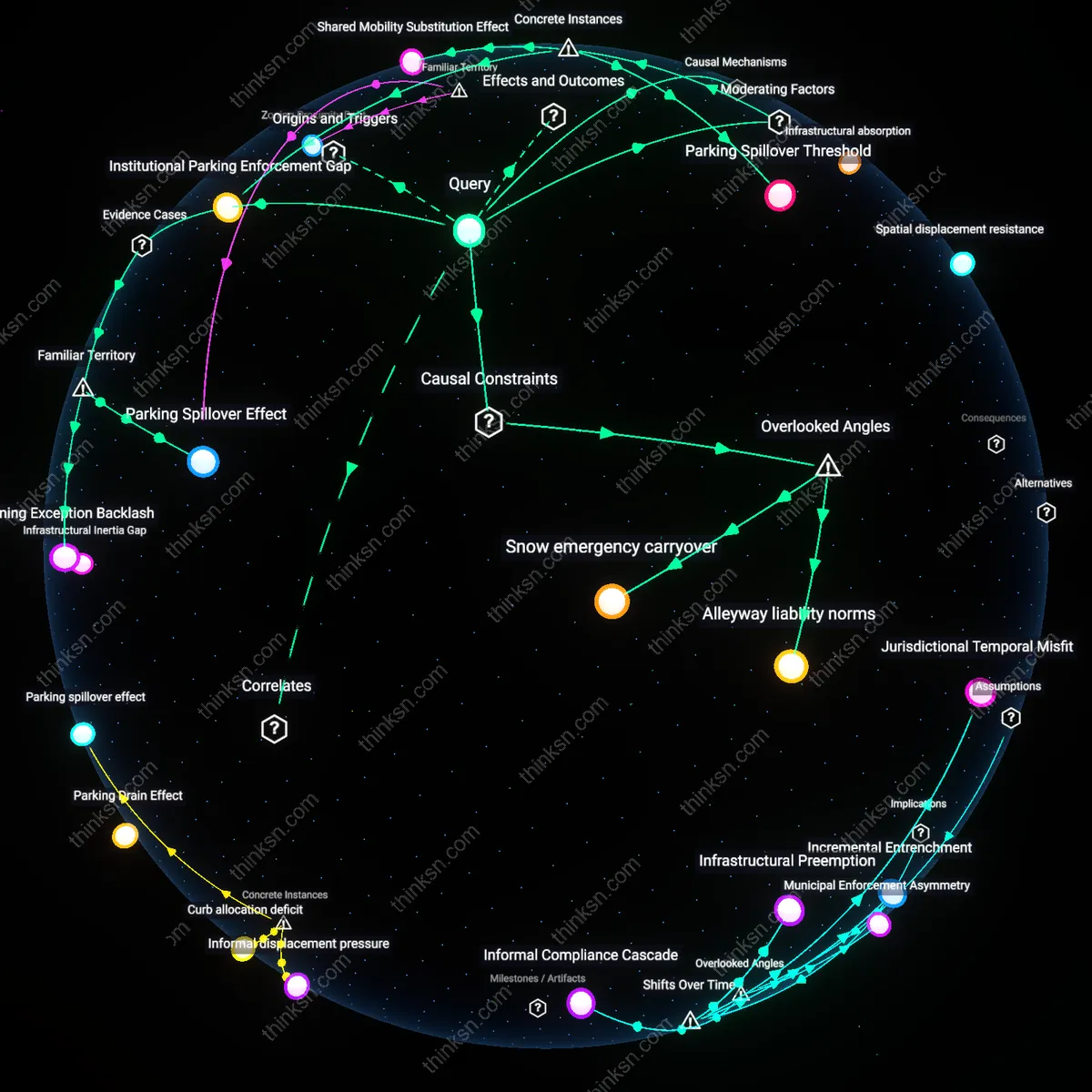
Analysis reveals 10 key thematic connections.
Key Findings
Infrastructural absorption
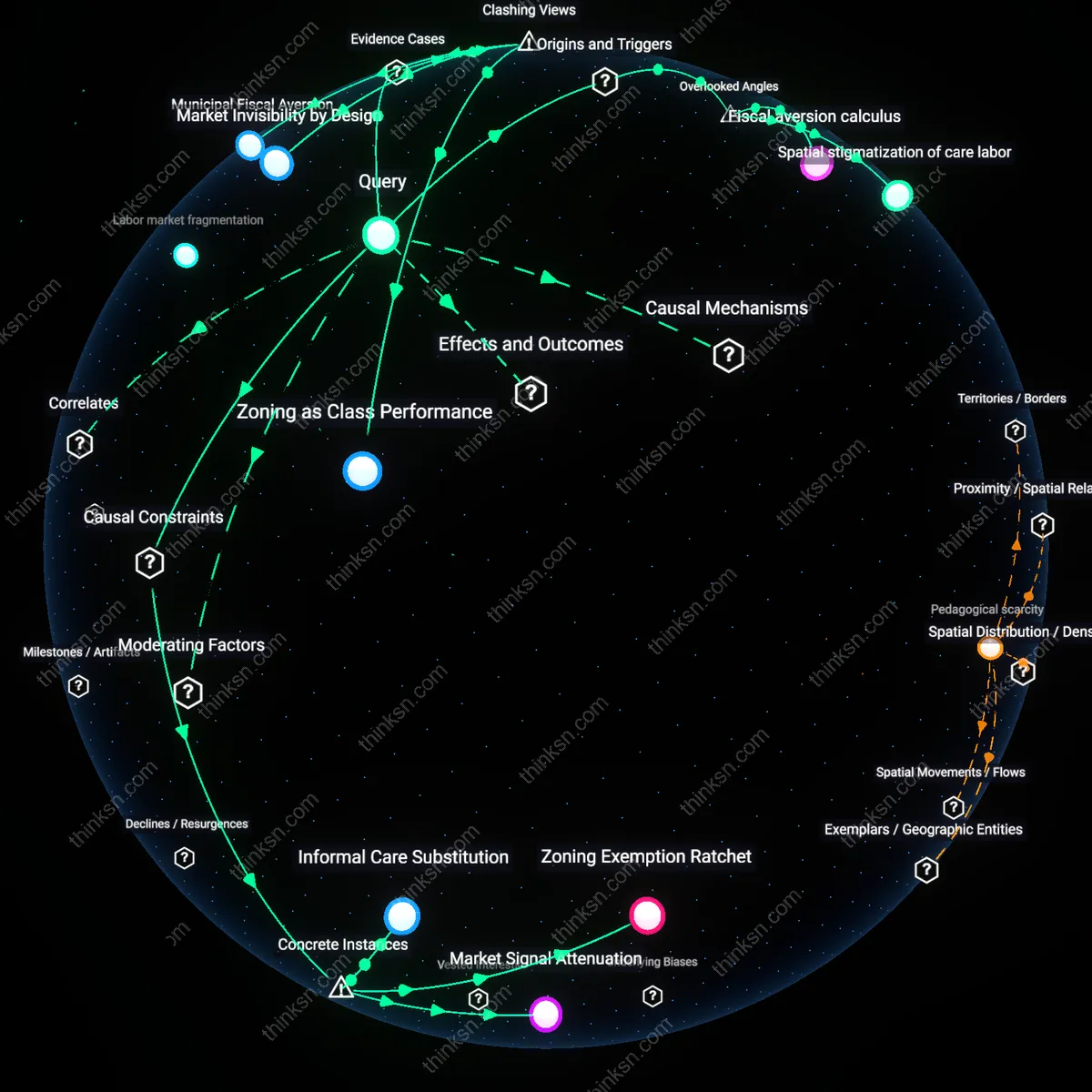
Allowing accessory dwelling units reduces parking congestion in dense Midwest suburbs because new ADUs frequently occupy underused private lots or garages, thereby relying on existing off-street parking capacity that would otherwise sit idle. Homeowners converting garages or adding ADUs over driveways often consolidate vehicles or restrict tenant parking, effectively repurposing built infrastructure without increasing net demand for street parking. This mechanism contradicts the intuitive claim that more units inevitably generate more curbside competition—instead, the physical constraints of existing suburban lots discipline parking use. What is underappreciated is how private property configurations can absorb added occupancy without transferring pressure to public rights-of-way.
Generational substitution
Accessory dwelling unit allowances ease parking congestion by enabling older homeowners to host adult children or aging parents, replacing what would have been a second household seeking independent housing and a dedicated parking space with an embedded family arrangement. In suburbs like Oak Park or Ann Arbor, where single-family zoning and narrow streets limit new construction, this intra-household consolidation avoids the creation of new vehicle trips or curbside claims that accompany standalone units. This flies in the face of conventional traffic impact models, which assume each new dwelling adds linear parking demand—ignoring how familial proximity can suppress mobility needs. The overlooked reality is that household bundling under ADU policies can yield lower aggregate vehicle dependence than dispersed suburban development.
Spatial displacement resistance
ADU allowances increase localized parking congestion not due to overall demand growth but because they expose pre-existing tensions over spatial entitlement among single-family homeowners who resist reallocation of street space. In suburbs such as Evanston or Highland Park, residents often treat on-street parking as an extension of private ownership, and even modest increases in residential density via ADUs trigger fierce opposition that amplifies the perception of scarcity, regardless of actual occupancy data. The mechanism relies on normative resistance—not empirical overload—where symbolic claims to exclusivity mediate access to shared infrastructure. This contradicts the dominant supply-demand framing by showing that parking conflict emerges less from physical saturation and more from jurisdictional contest over whose presence legitimizes parking claims.
Parking Spillover Threshold
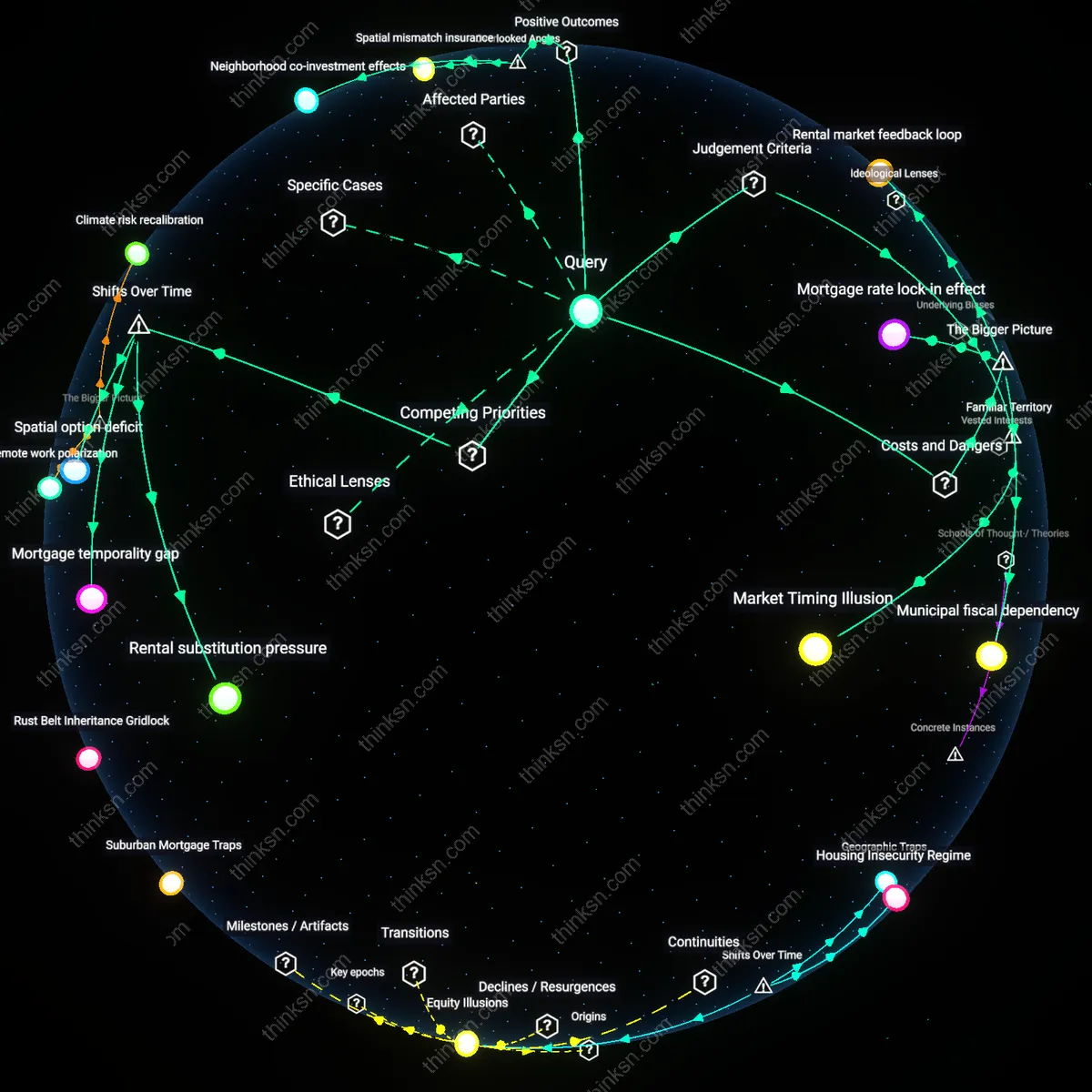
In Minneapolis’s Powderhorn neighborhood, the elimination of parking minimums for ADUs in 2019 led to disproportionate spillover of tenant parking onto adjacent streets in block groups where off-street driveway coverage fell below 40%, revealing that permissive ADU policy only intensifies street congestion when structural parking supply is already constrained. The mechanism emerged because new ADU tenants competed with single-family homeowners for public curb space in areas built before 1950 with narrow streets and no alleys, making the policy’s impact contingent on pre-existing infrastructure capacity. This exposes the non-obvious reality that zoning reform efficacy is mediated not by density alone, but by the mismatch between historical development form and contemporary vehicle ownership patterns.
Institutional Parking Enforcement Gap
In Evanston, Illinois, a 2021 pilot program permitting ADUs in R2 zones failed to reduce street parking pressure because the city lacked a formal mechanism to enforce ADU-specific parking permits, allowing unrestricted vehicle accumulation by ADU occupants in the absence of monitoring. The dynamic unfolded as private landlords converted garages into ADUs while leasing units to renters without verifying parking arrangements, effectively privatizing curb access without accountability. This case reveals that regulatory permissiveness without accompanying enforcement infrastructure can invert intended outcomes, rendering zoning allowances ineffective or counterproductive in contexts with weak municipal monitoring capacity.
Shared Mobility Substitution Effect
In the Kent Station area of Grand Rapids, Michigan, a cluster of city-subsidized ADUs built near rapid bus transit corridors in 2022 saw negligible increase in street parking demand because over 60% of ADU residents opted for transit passes or bike-sharing memberships instead of car ownership, a behavioral shift actively supported by developer-partnered mobility vouchers. The outcome hinged on co-locating housing density with high-frequency public transport and financial incentives that de-coupled housing expansion from vehicle dependency. This illustrates that ADU impacts on parking are not inherently negative but can reverse under conditions where mobility alternatives are structurally embedded and economically accessible.
Alleyway liability norms
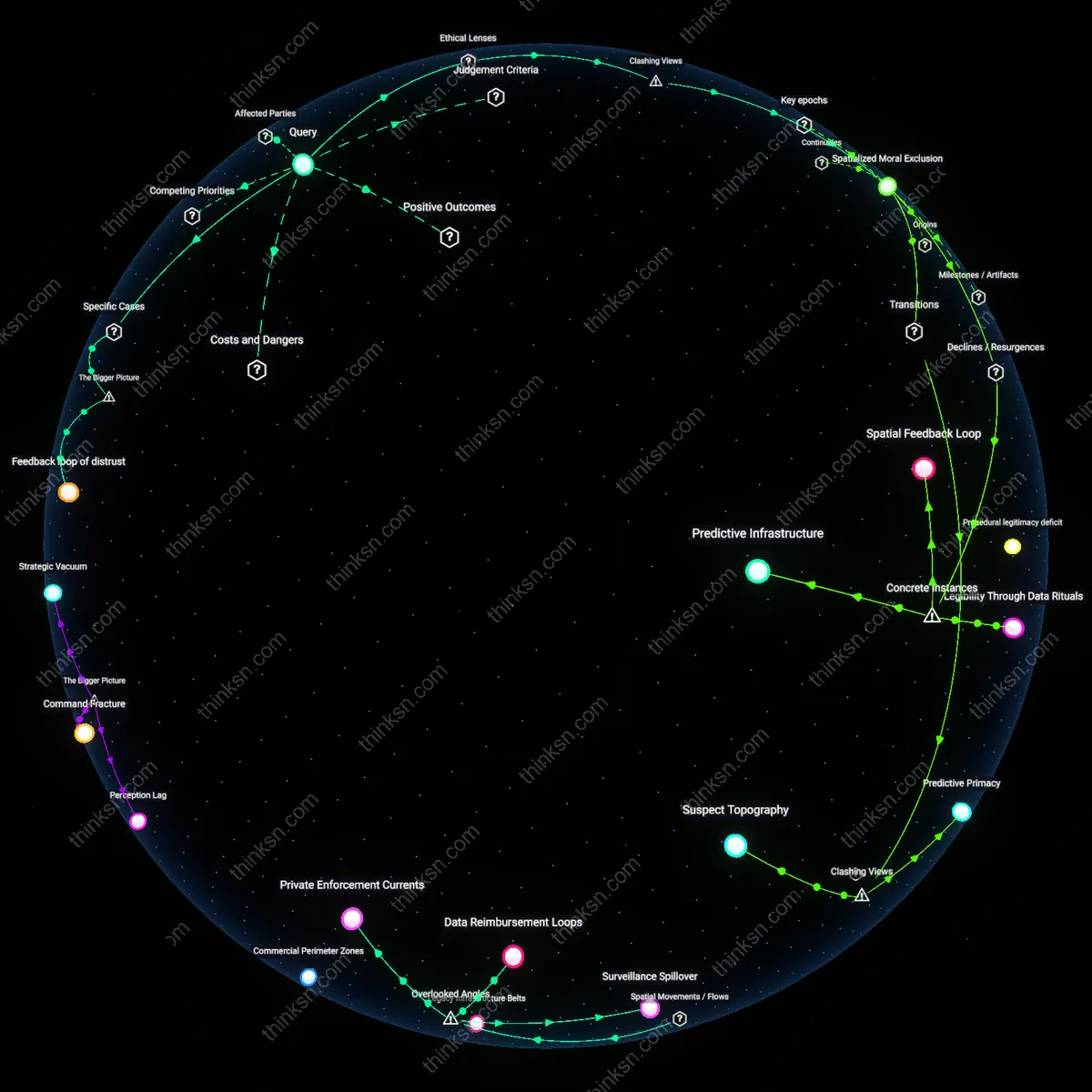
Accessory dwelling unit allowances increase parking congestion in dense Midwest suburbs because rear-alley parking—a common but informal practice in cities like Evanston or Oak Park—is displaced when new ADUs lack alley access or when municipalities enforce long-ignored ordinances due to resident complaints, forcing vehicles onto narrow front streets. This occurs because many existing single-family homes historically relied on de facto alley parking for guest or secondary vehicles, a pattern now disrupted as ADUs generate new occupants without expanding alley infrastructure or clarifying liability for shared access, making adjacent residents reluctant to permit shared use. The overlooked dynamic is that parking scarcity is exacerbated not by vehicle volume alone, but by the collapse of informal, liability-ambiguous parking arrangements that were stable only under low-density conditions, which ADUs rupture without legal or physical adaptation.
Snow emergency carryover
In dense Midwest suburbs such as those in Cook County, Illinois, winter snow emergency protocols, which temporarily ban street parking to allow plowing, become significantly harder to enforce when ADU-driven density increases curb demand year-round, causing residents to circumvent rules during thaw periods and accumulate congestion through reactive ticket avoidance rather than long-term adaptation. The causal bottleneck is the fixed municipal snow route schedule, which cannot dynamically expand to accommodate increased vehicle storage pressure, causing a temporal compression of parking demand during shoulder months. This creates a seasonal ‘parking debt’—overlooked in most policy models—that amplifies congestion in spring and fall when vehicles remain on-street longer to avoid fines, not due to lack of supply per se, but because the enforcement calendar becomes a de facto occupancy governor.
Parking Spillover Effect
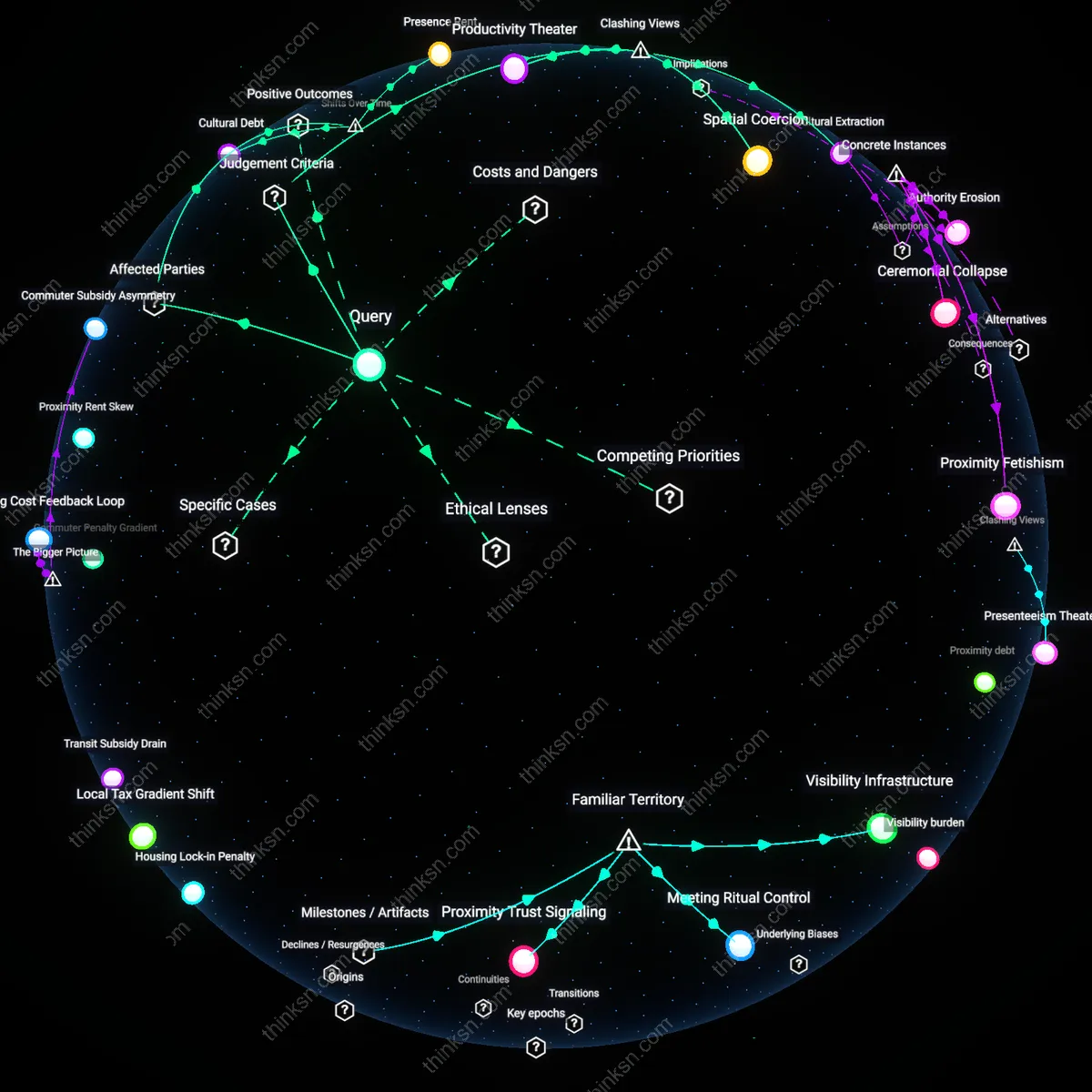
Allowing accessory dwelling units in single-family neighborhoods of Minneapolis leads to increased on-street parking demand because original zoning assumed one vehicle per household, but ADUs generate additional vehicles without corresponding off-street parking requirements. This mismatch forces residents from both the primary and accessory units to compete for limited public curb space, especially on narrow residential streets never designed for high vehicle density. The non-obvious implication is that zoning reform focused on housing supply inadvertently strains unmodernized infrastructure regimes, revealing that parking congestion is not just a function of population but institutional lag.
Zoning Exception Backlash
In Evanston, Illinois, city council decisions to permit ADUs as part of equity-oriented housing policy triggered immediate pushback from homeowner associations citing overcrowded street parking in tree-lined, prewar neighborhoods where garages are rare and driveways are shallow. These groups leveraged public meetings to spotlight visible spillover—double-parked cars, permit abuse claims, and cut-through traffic—as evidence that ADU allowances destabilize neighborhood predictability. The underappreciated dynamic is that parking becomes a socially acceptable proxy for resisting densification, masking broader exclusionary concerns under the familiar, legally defensible complaint of curb scarcity.