Do Courts Value Emotional Distress in Financial Disputes?
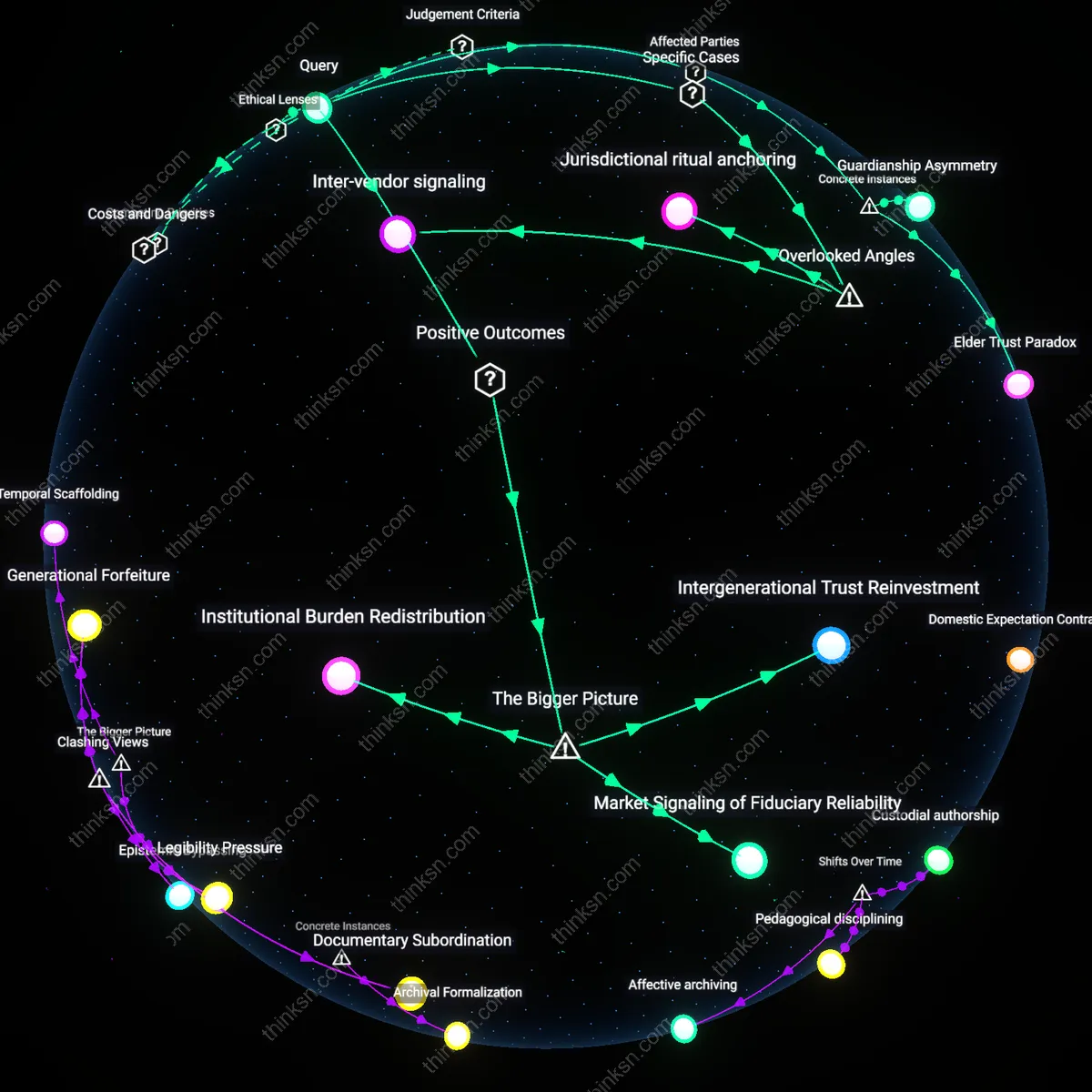
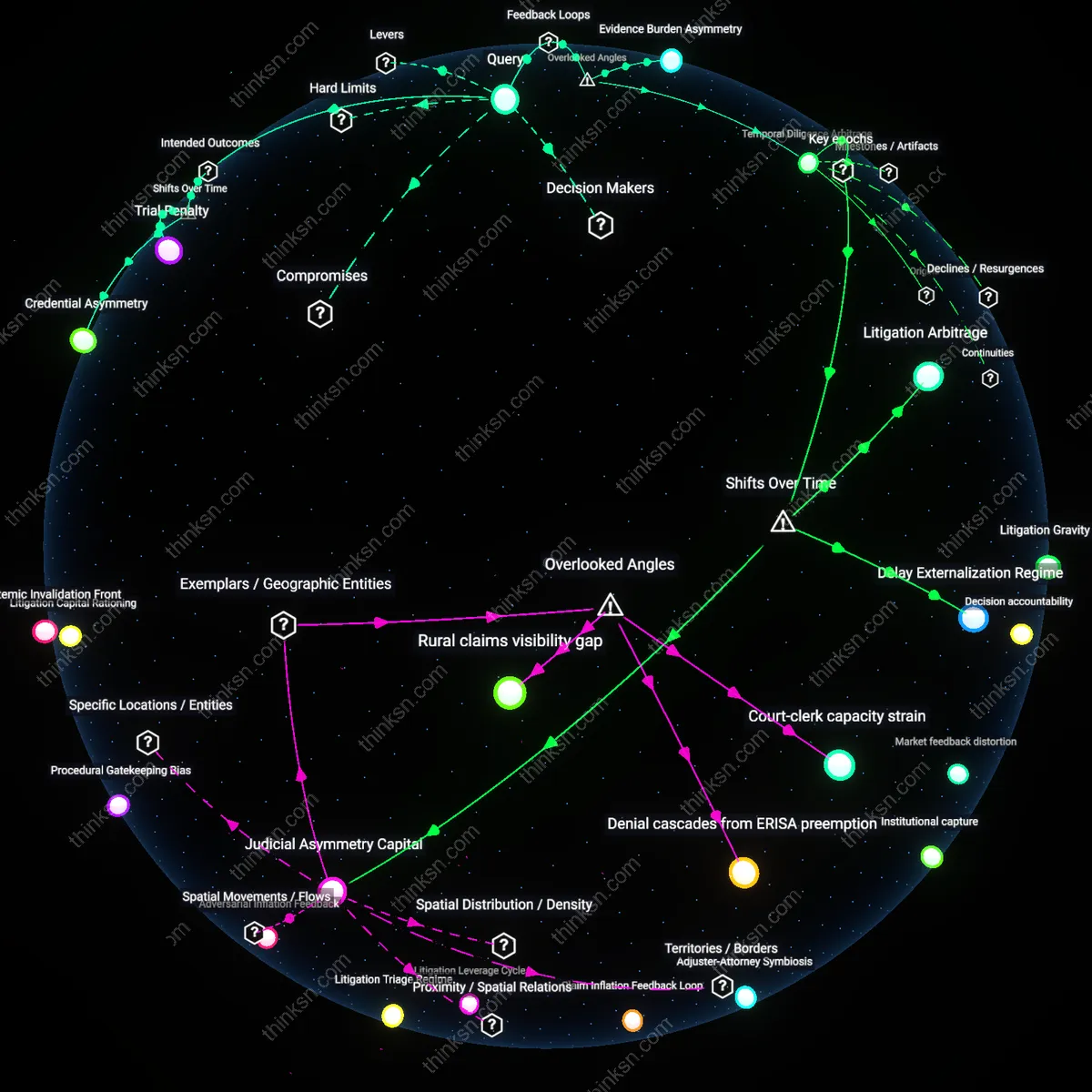
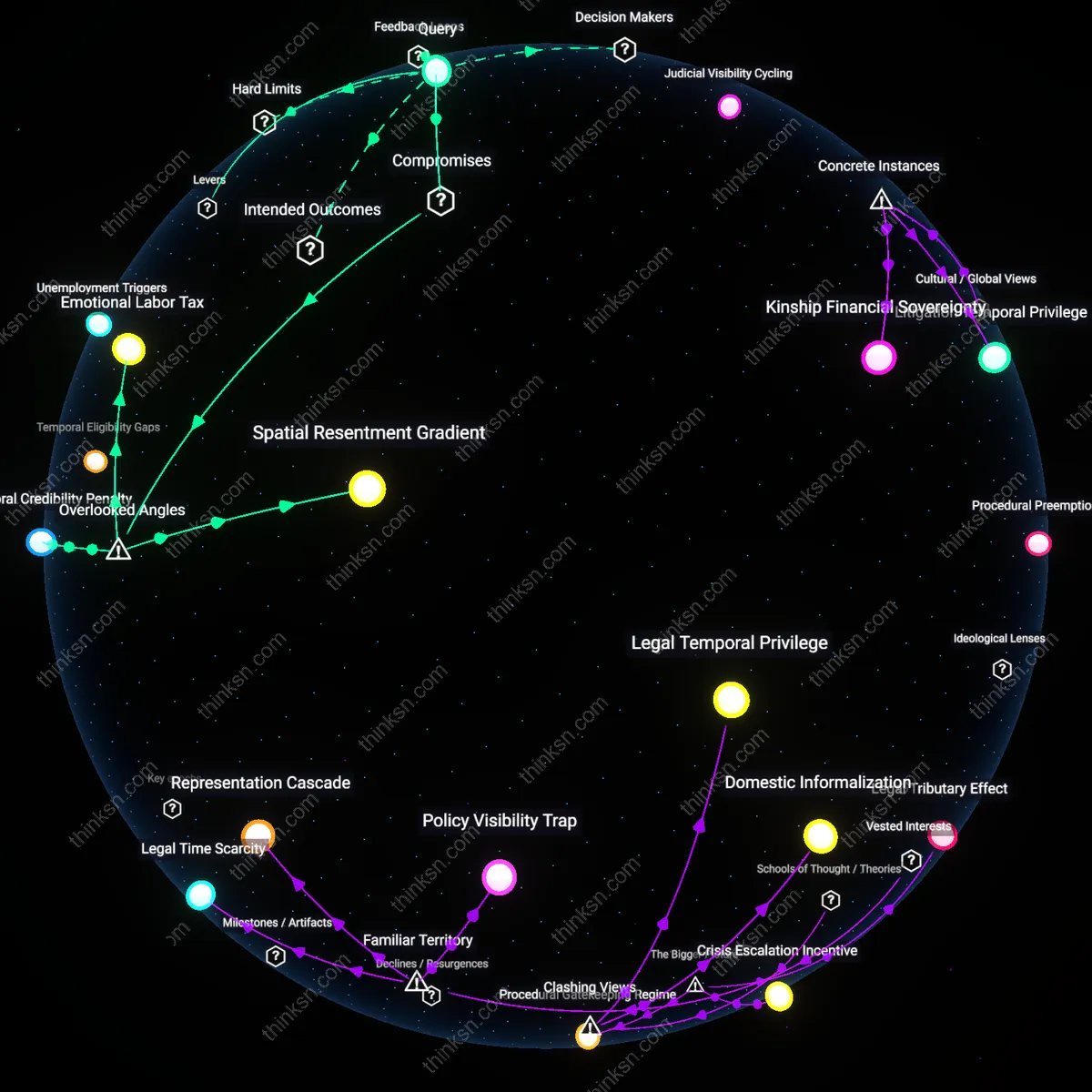
Analysis reveals 9 key thematic connections.
Key Findings
Judicial Bypass
The legal system fails to adequately recognize emotional distress in consumer financial disputes because courts systematically deprioritize non-pecuniary claims when monetary loss is present, treating emotional harm as incidental rather than additive. This occurs through procedural norms in civil litigation—particularly in small claims and contract courts—where measurable financial damages are prioritized for efficient case resolution, reducing emotional distress to a secondary concern only admissible with excessive evidentiary burdens. The non-obvious consequence is that consumers are incentivized to underreport or forgo claims involving psychological impact altogether, leading to an artificial suppression of harm recognition that serves judicial efficiency at the cost of equitable redress.
Market-Backed Normalization
Emotional distress from consumer financial loss is inadequately addressed because regulatory enforcement agencies, such as the CFPB or FTC, rely on market-conforming remedies like restitution or fines that do not account for subjective harm, thus embedding a normative assumption that psychological impacts are non-curable outside medical contexts. This mechanism functions through risk-assessment models that quantify consumer harm in actuarial terms, effectively calibrating acceptable levels of distress as externalities in cost-benefit analyses of corporate conduct. The underappreciated systemic effect is that recurring, low-level financial abuse—such as predatory lending or deceptive billing—becomes institutionally normalized because its diffuse psychological toll does not trigger regulatory thresholds designed for acute or physical injury.
Compensation Thresholding
The legal system’s inadequate response to emotional distress in financial consumer disputes is structurally reinforced by insurance frameworks that contractually exclude mental harm unless conjoined with physical injury or diagnosed psychiatric treatment, thereby creating a financial disincentive for legal pursuit of such claims. This operates through liability insurance protocols used by banks, fintechs, and retailers that cap indemnity to objectively verifiable losses, which shapes legal strategy by defense counsel and settlement norms. The overlooked dynamic is that this exclusionary threshold becomes a de facto legal standard, not because emotional distress lacks recognition in doctrine, but because its compensability is preempted by the economic architecture underlying litigation risk management.
Procedural Dignity Deficit
The legal system fails to recognize emotional distress in consumer disputes because adjudicative procedures silently repudiate the legitimacy of subjective injury through rigid evidentiary thresholds, particularly in small claims courts where plaintiffs are expected to self-narrate trauma without legal aid or psychological corroboration. Under a deontological ethics framework rooted in Kantian respect for persons, this procedural dismissal constitutes a moral failure—not merely due to undercompensation, but because the structure of courtroom validation requires quantifiable harm, effectively silencing non-monetary suffering; this is non-obvious because most analyses focus on damages awarded, not the dignity-denying mechanics of how testimony is filtered through legal formalism.
Temporal Discounting Bias
Emotional distress from financial loss is systematically downgraded in tort assessments because legal reasoning implicitly applies a temporal discount rate to non-pecuniary harms, privileging immediate, tangible losses over latent psychological consequences. Drawing from virtue ethics—particularly MacIntyre's notion of narrative unity—the court’s role in shaping a coherent life story is compromised when long-term emotional disruptions, such as eroded trust or chronic insecurity, are rendered invisible by doctrines like proximate cause or mitigation; this matters because legal timeframes misalign with psychological recovery, a dependency rarely acknowledged in doctrinal design.
Institutional Epistemic Hierarchy
Consumer arbitration systems, such as those governed by mandatory clauses in financial contracts, systematically exclude emotional distress claims not due to overt illegitimacy, but because these private legal forums operate under a neoliberal ideology that redefines justice as efficiency, privileging expedited resolution over restorative validation. From the standpoint of critical legal studies and the ethics of care, the delegation of consumer dispute resolution to arbitration bodies creates an epistemic barrier where only economically rational injuries are cognizable, erasing affective harm through institutional design rather than jurisprudential reasoning—a structural bias overlooked when focus remains on statutory coverage alone.
Litigation Austerity
The U.S. federal court system, particularly in consumer finance cases under the Fair Debt Collection Practices Act (FDCPA), routinely permits claims for emotional distress without requiring corroboration, yet the actual award amounts—often nominal ($1–$500)—reflect a systemic devaluation of such harms, as seen in rulings from the Southern District of New York in cases against collectors like LVNV Funding or Midland Credit Management. This mechanism of allowing claims but minimizing compensation operates through judicial skepticism toward subjective injury and risk-averse jury instructions, revealing that recognition on paper does not equate to remedial adequacy. The non-obvious reality is that procedural inclusion functions as a substitute for material redress, normalizing psychological harm as peripheral to financial wrongdoing.
Empathic Arbitrage
Arbitration clauses imposed by fintech platforms such as Robinhood or SoFi financially penalize users for pursuing emotional distress claims by requiring individualized, high-cost proceedings with strict evidentiary burdens, effectively pricing out non-pecuniary relief despite nominal contractual recognition. This dynamic, enforced through privately administered systems like the National Arbitration Forum, privileges scalable dispute resolution over human consequence, rendering emotional injury invisible not through omission but through frictional design. The counterintuitive result is that consumer choice—opting into these platforms—is reframed as consent to emotional harm, undermining legal personhood in favor of transactional efficiency.
Regulatory Atrophy
The Consumer Financial Protection Bureau’s enforcement actions, such as those against Wells Fargo for fraudulent account openings, consistently prioritize restitution and fines over mandating recognition of widespread emotional distress, even when claimants report anxiety, shame, or loss of trust. By treating emotional harm as secondary to monetary loss within remediation frameworks, the CFPB reinforces a bureaucratic ontology where psychological injury lacks measurable footprint unless quantified through medicalization or litigation. The underappreciated force here is that administrative agencies, despite public mandates, reproduce market logics that silence affective damage by refusing to institutionalize it as a regulatory metric.