Does Accepting Confidential Settlement Silence Employee Collective Action?
Analysis reveals 8 key thematic connections.
Key Findings
Legal Preemption Threshold
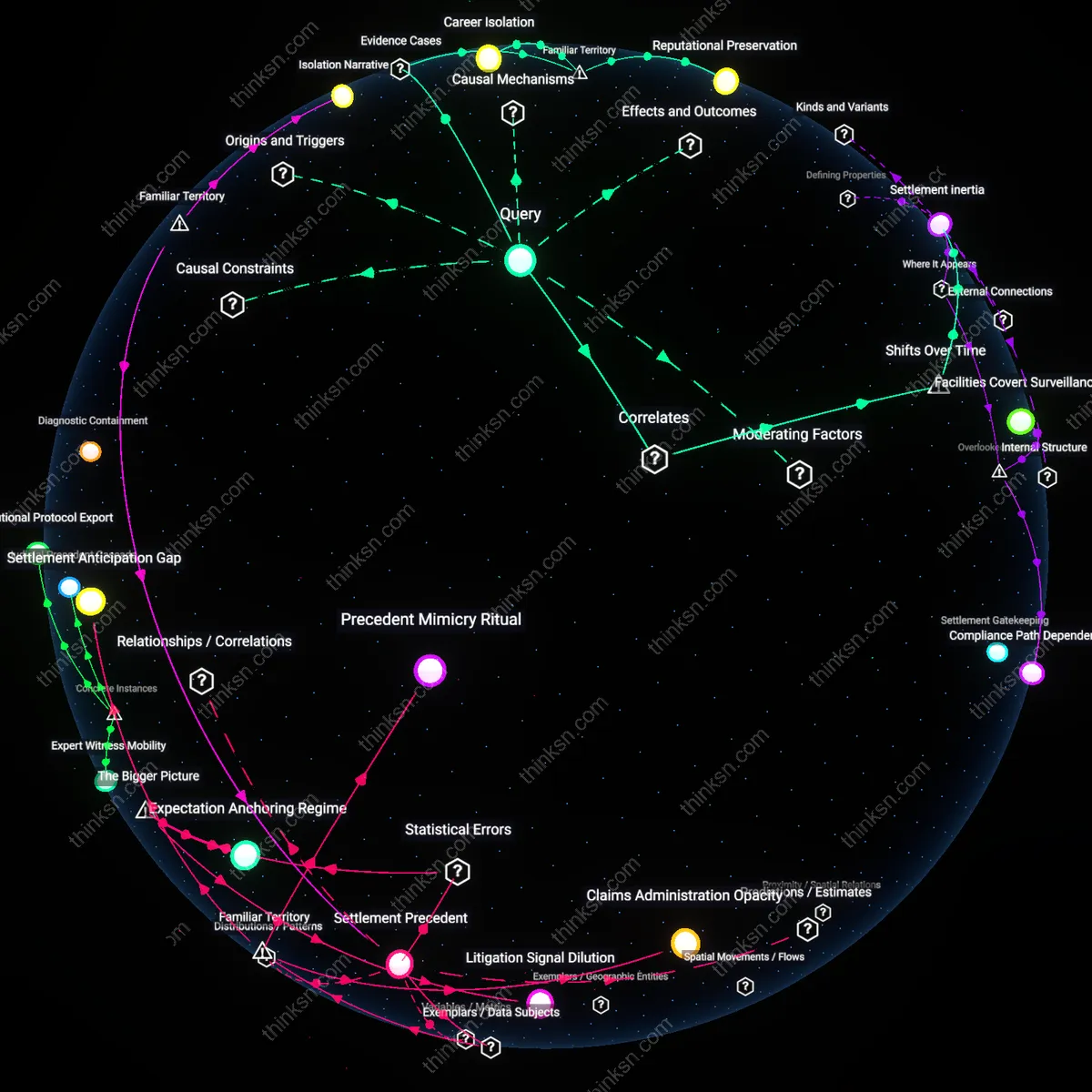
Signing a settlement with a confidentiality clause during the 2018 Google walkout aftermath legally barred individual employees from publicly discussing their claims, thereby preventing coordinated public campaigns even when grievances recurred; this created a silent cohort bound by contract law rather than collective agency, revealing that the enforceability of such clauses at scale can preemptively dissolve the foundational transparency required for future organizing, a systemic effect not merely of privacy but of contractual fragmentation across dispersed actors.
Discursive Blackout Regime
After Mitsubishi’s 1998 sexual harassment settlement imposed confidentiality on plaintiffs, internal workplace discourse about gender-based grievances sharply declined even beyond the case’s scope, demonstrating that confidentiality functions not only as a legal instrument but as a communicative suppressor that disrupts the very language through which collective identity forms—making visible how silence becomes a structuring condition that erodes the shared narratives necessary for labor mobilization.
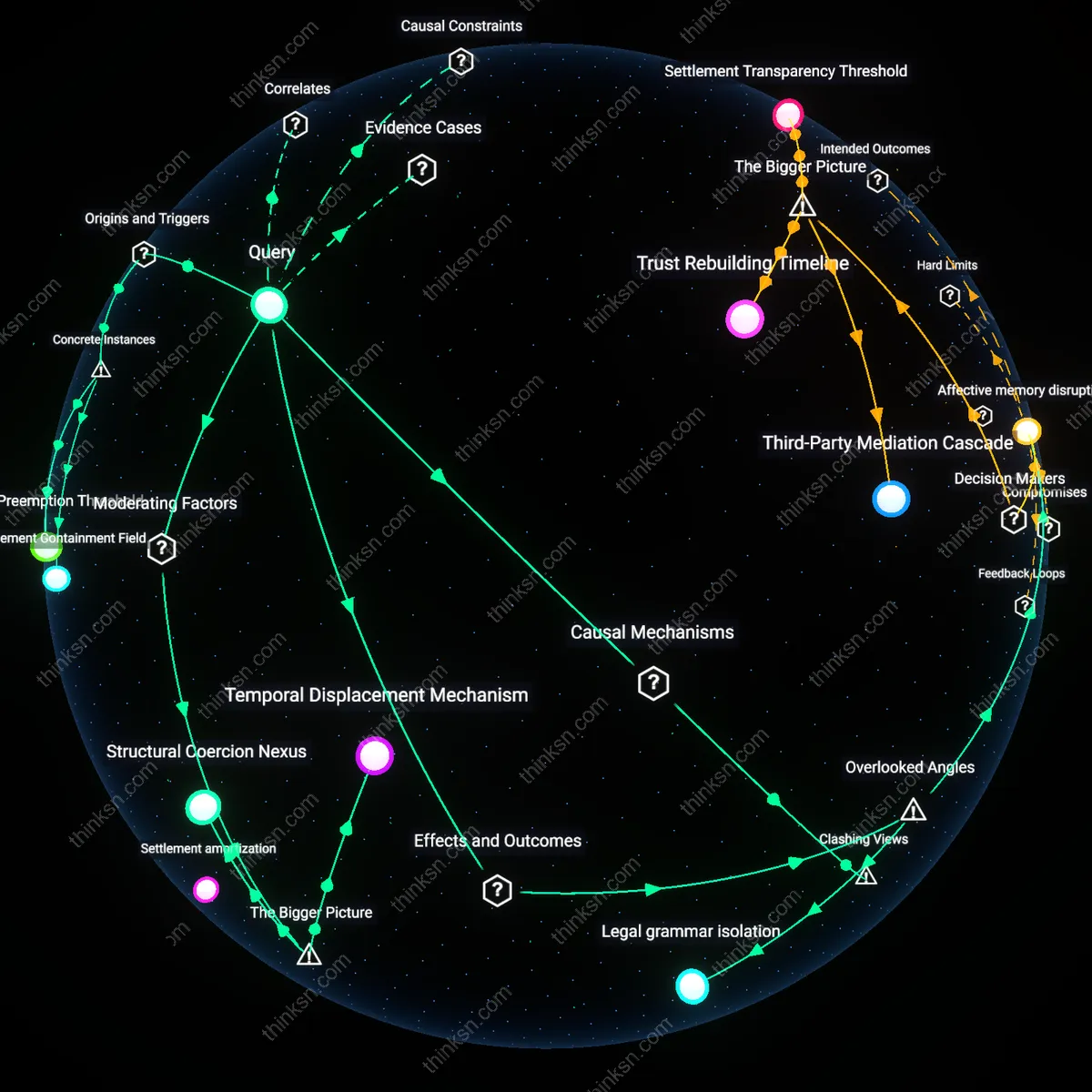
Settlement Containment Field
The 2016 Fox News settlements involving multiple harassment claims, all bound by strict NDAs, effectively localized dissent within discrete legal transactions, preventing any lateral awareness among employees that could catalyze broader action; this transformed individual redress into isolated incidents, illustrating how confidentiality clauses act as institutional shock absorbers that insulate organizational power from cumulative accountability by design.
Coercive Individualization
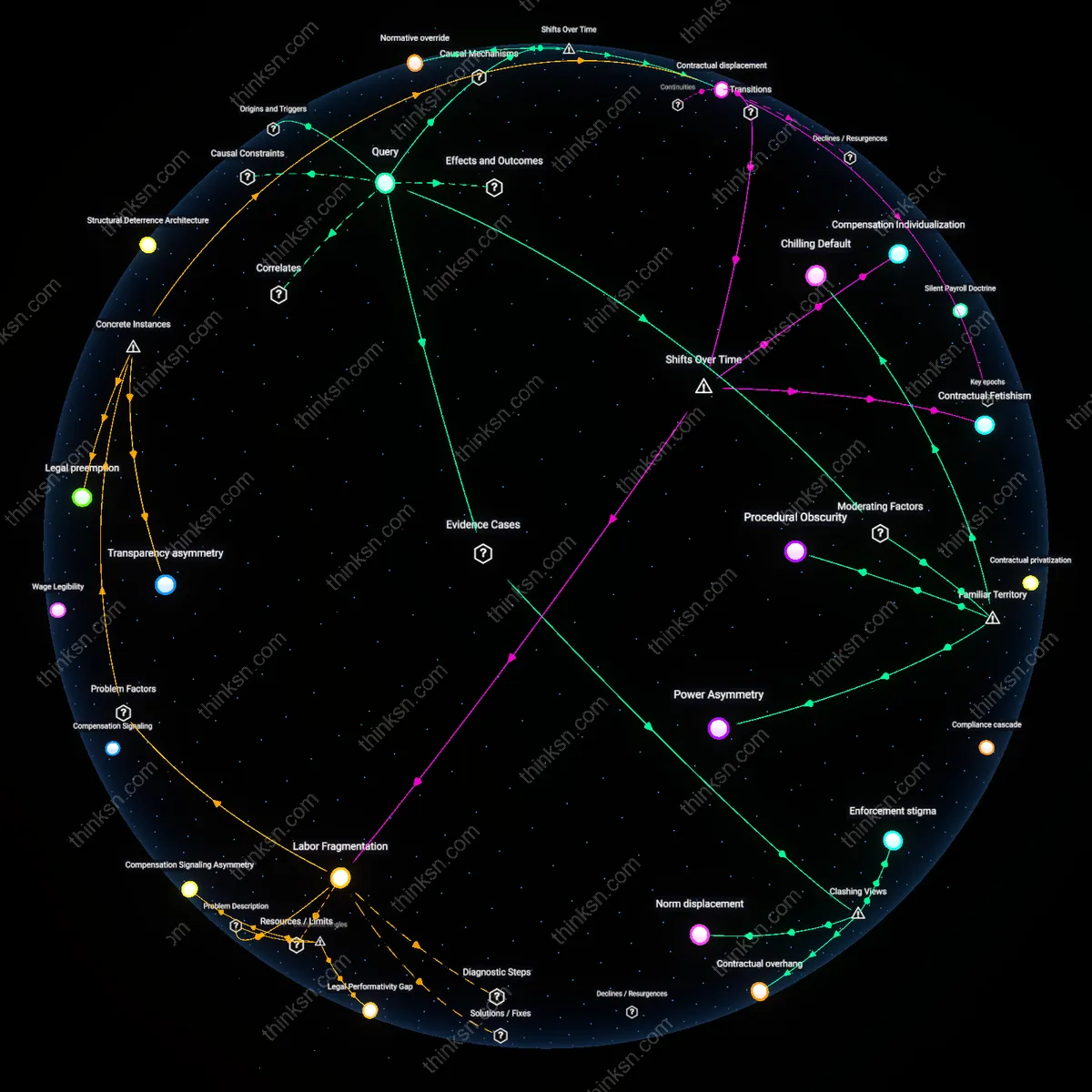
Accepting a settlement with a confidentiality clause actively dissolves collective political subjectivity by legally binding individuals to silence, thereby preventing the public synchronization of grievances necessary for mobilization. The mechanism operates through contract law, which transforms workplace injustices from shared social experiences into privatized legal transactions enforced by the threat of financial penalties. This reframing severs the causal link between repeated harms and collective identity formation, a process that labor organizers depend on to build solidarity across isolated incidents. The non-obvious reality is that these clauses don't just hide information—they structurally prevent the emergence of a collective 'we' capable of challenging power.
Legal grammar isolation
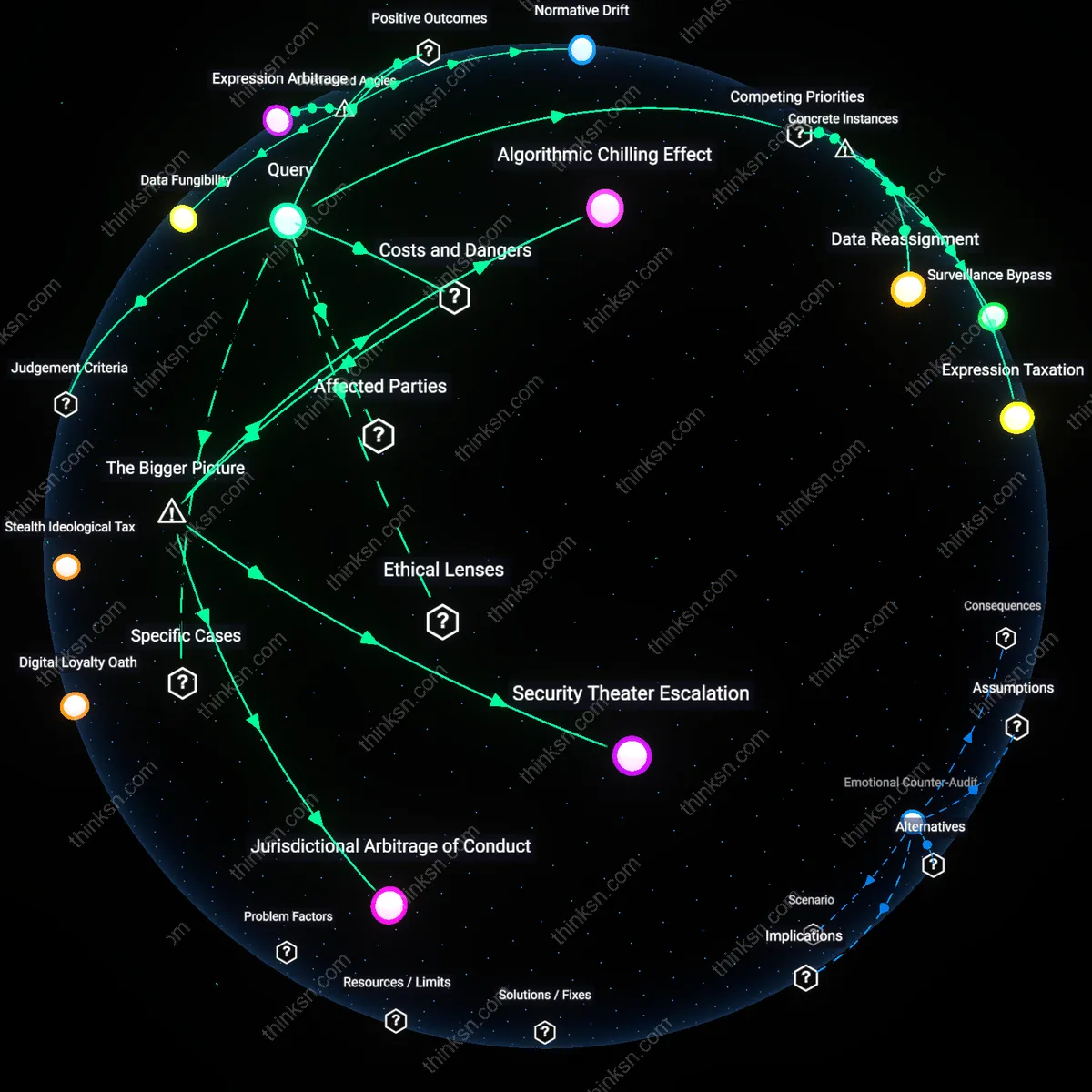
Accepting a settlement with a confidentiality clause severs employees’ ability to align future grievances through shared narrative templates. Confidentiality blocks not just disclosure of facts but the reproduction of legally legible complaint structures—such as patterns of retaliation or systemic wage suppression—that are necessary to build collective claims in labor forums. This operates through the erosion of precedent-forming language in worker-to-worker transmission, a mechanism typically ignored because legal analyses focus on enforceable rights rather than the epistemic preconditions for collective claim-making. What is overlooked is that confidentiality doesn’t merely silence outcomes—it starves future organizing of the discursive raw material needed to recognize and articulate injustice in forms that institutions will recognize.
Affective memory disruption
Confidentiality clauses disrupt the formation of inter-worker affective memory, preventing the emotional reinforcement that solidifies group identity after harm. When employees cannot discuss the experience of exploitation or abuse, the shared trauma that often catalyzes collective action loses its social texture and fades into isolated, privatized distress. This operates through the suppression of informal storytelling networks—such as break-room dialogues or off-clock gatherings—that encode moral outrage into durable group consciousness. Most analyses assume legal or economic disincentives are primary deterrents, but the erosion of emotional coherence across worker cohorts undermines solidarity at a psychosocial level that precedes formal organization.
Structural Coercion Nexus
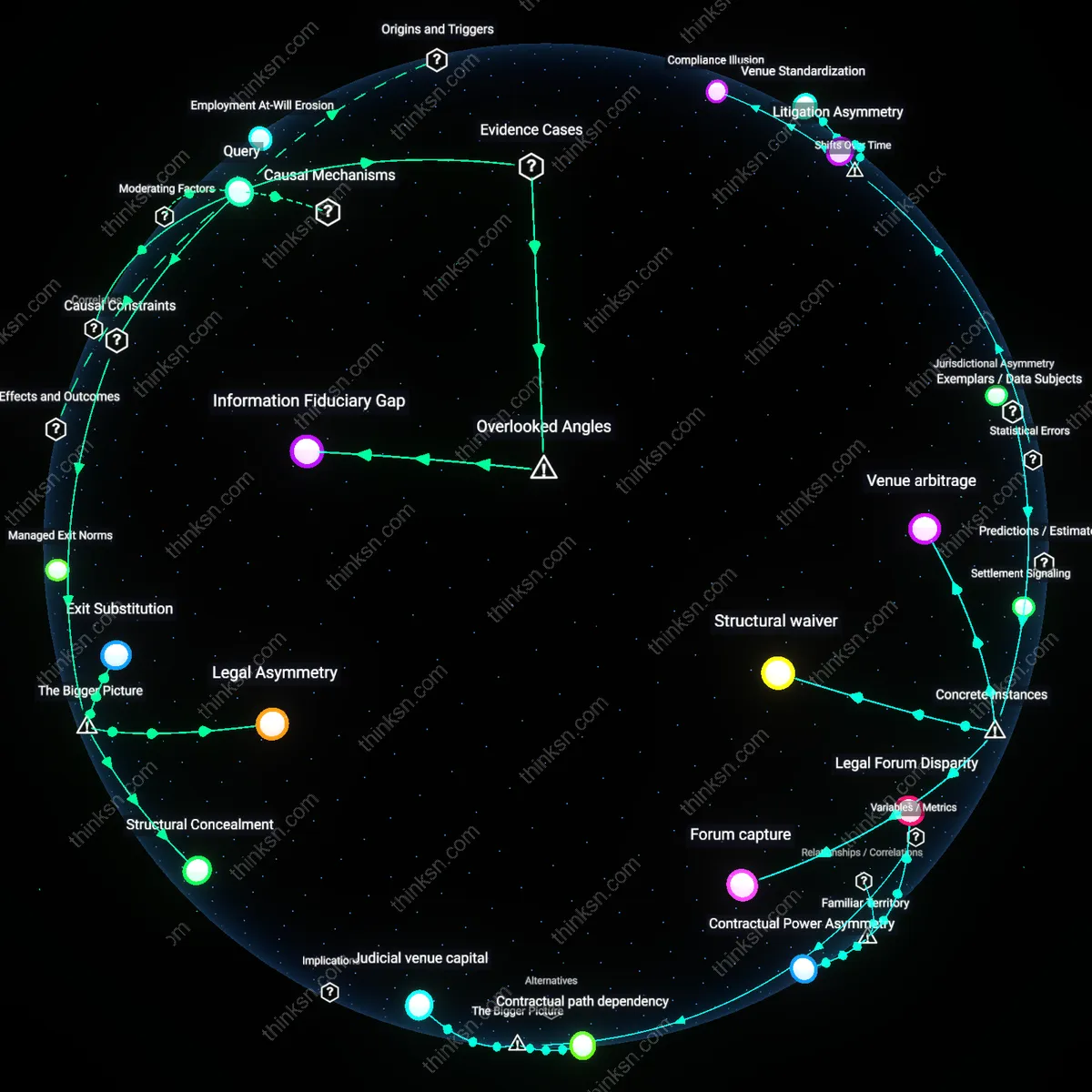
Accepting a settlement with a confidentiality clause can prevent future collective action by binding individual employees to silence under threat of legal penalty, thereby disrupting informal communication networks essential for labor mobilization. This effect is amplified when employers pair NDAs with strict enforcement mechanisms, such as mandatory arbitration agreements, which shift conflict resolution into private, non-precedential forums where solidarity-building is structurally suppressed. The non-obvious insight lies in recognizing that confidentiality clauses function not merely as legal tools but as nodes in a broader system of structural coercion—one that preemptively dismantles the social infrastructure necessary for collective organizing, especially in decentralized workplaces where trust and information-sharing are scarce resources.
Temporal Displacement Mechanism
Confidentiality agreements delay the conditions for collective action by temporally displacing awareness of systemic abuse, allowing organizational memory to dissipate across employee turnover. Because these clauses suppress public disclosure and internal discussion, patterns of misconduct remain fragmented across individual experiences and dispersed over time, preventing the accumulation of evidence necessary to trigger coordinated response. This mechanism is especially potent in high-turnover service or tech sectors where knowledge continuity is weak, meaning that even if no single clause permanently forbids organizing, the cumulative effect of deferred reckoning disrupts the synchronicity required for collective mobilization to emerge.