Do Payment Processor Policies Silence Legitimate Debate?
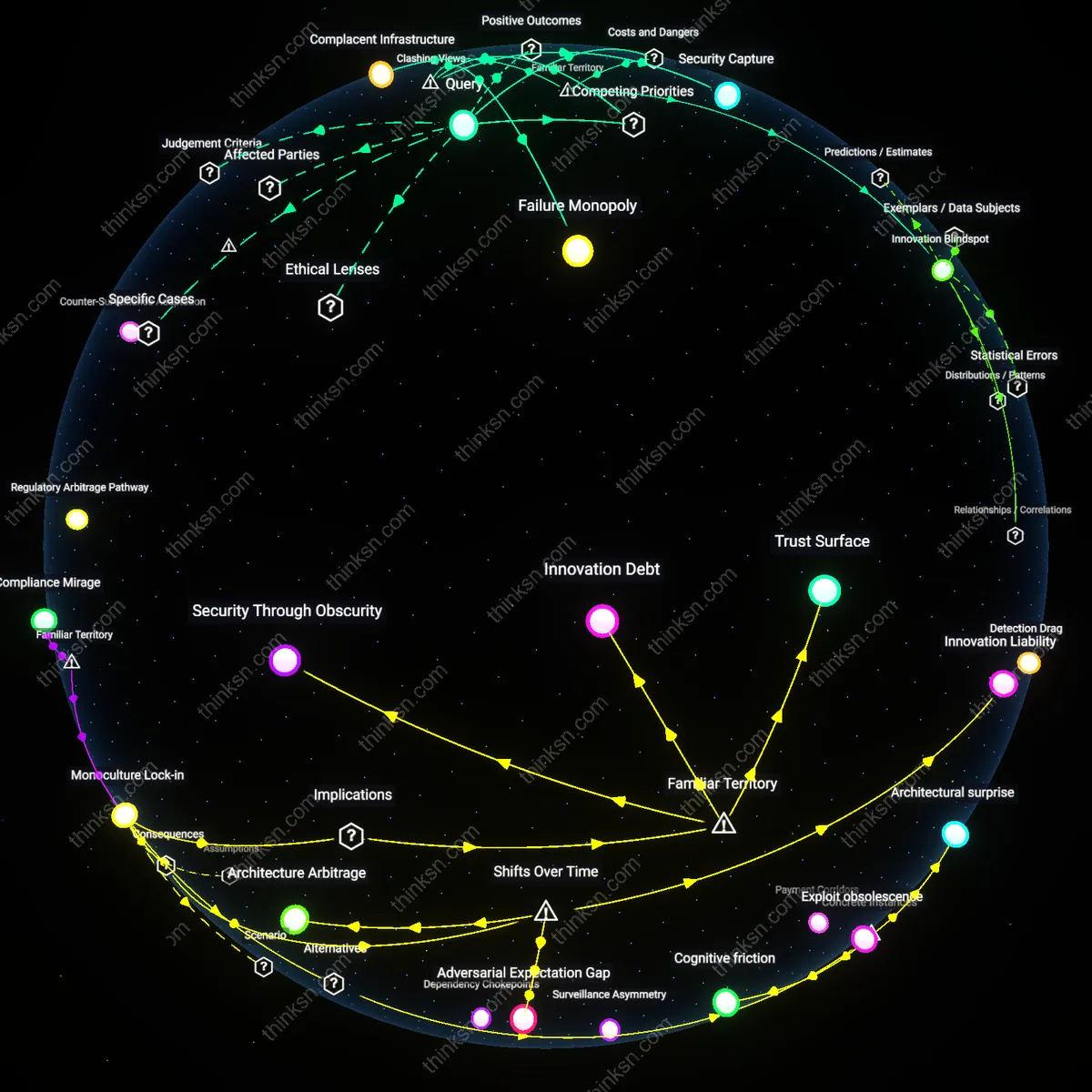
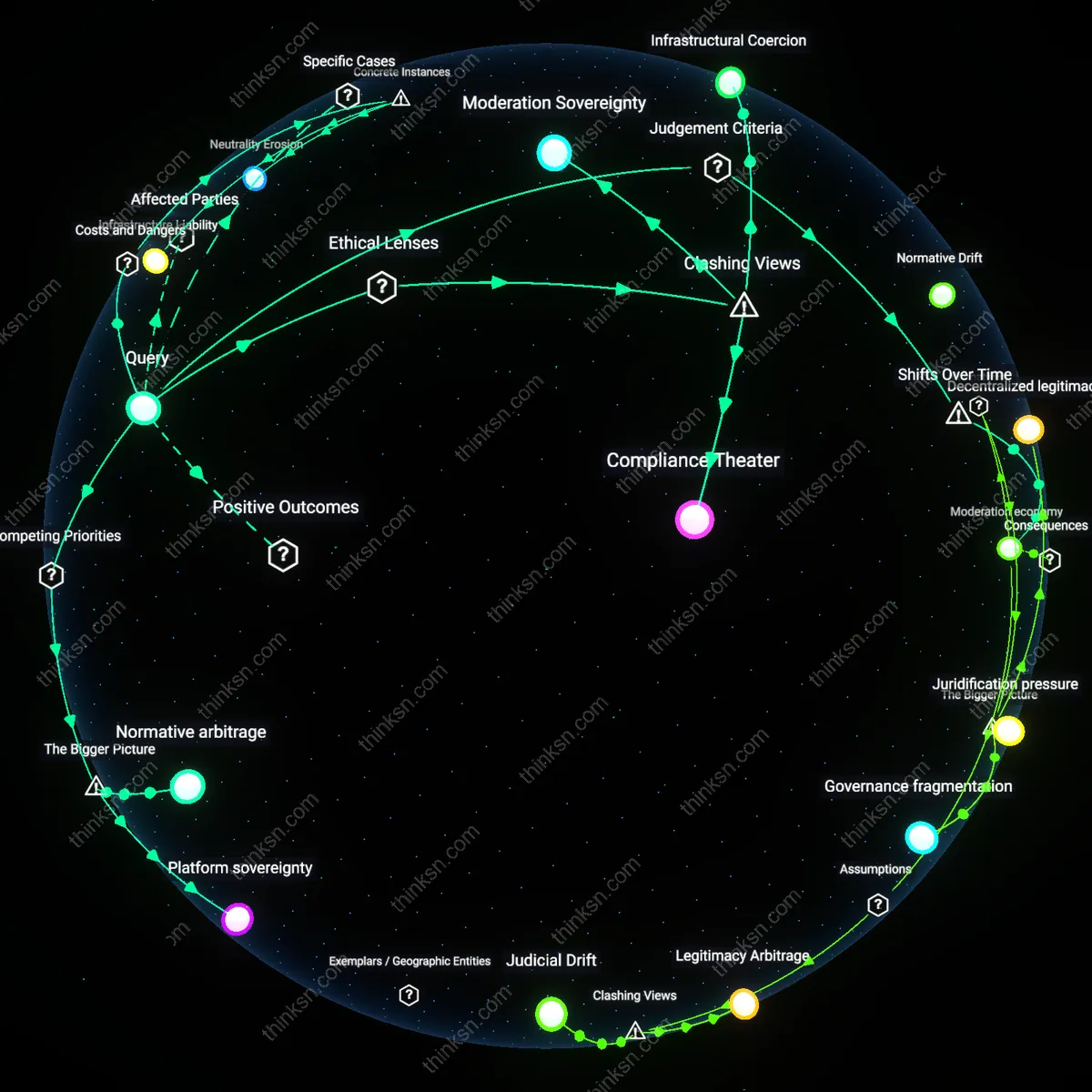
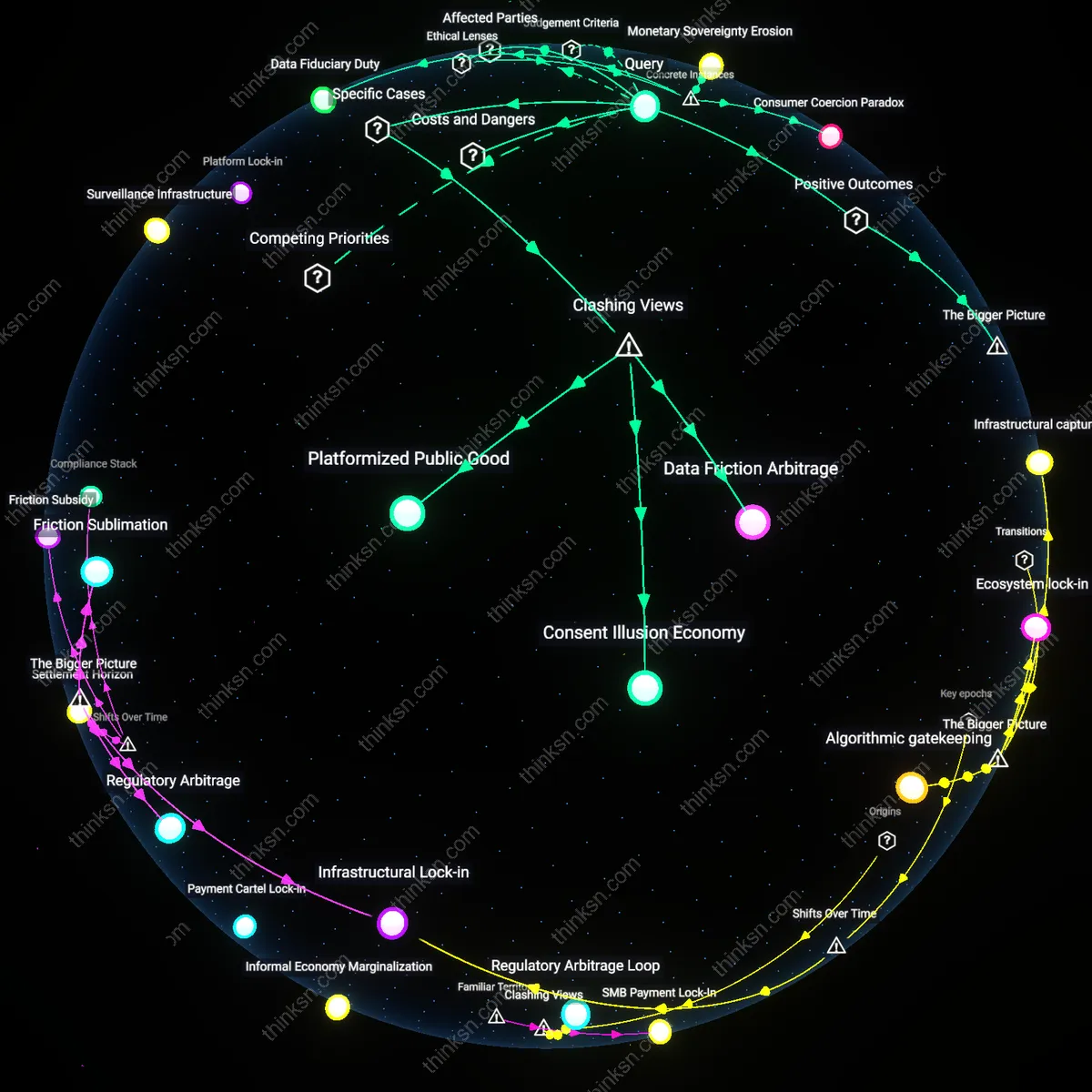
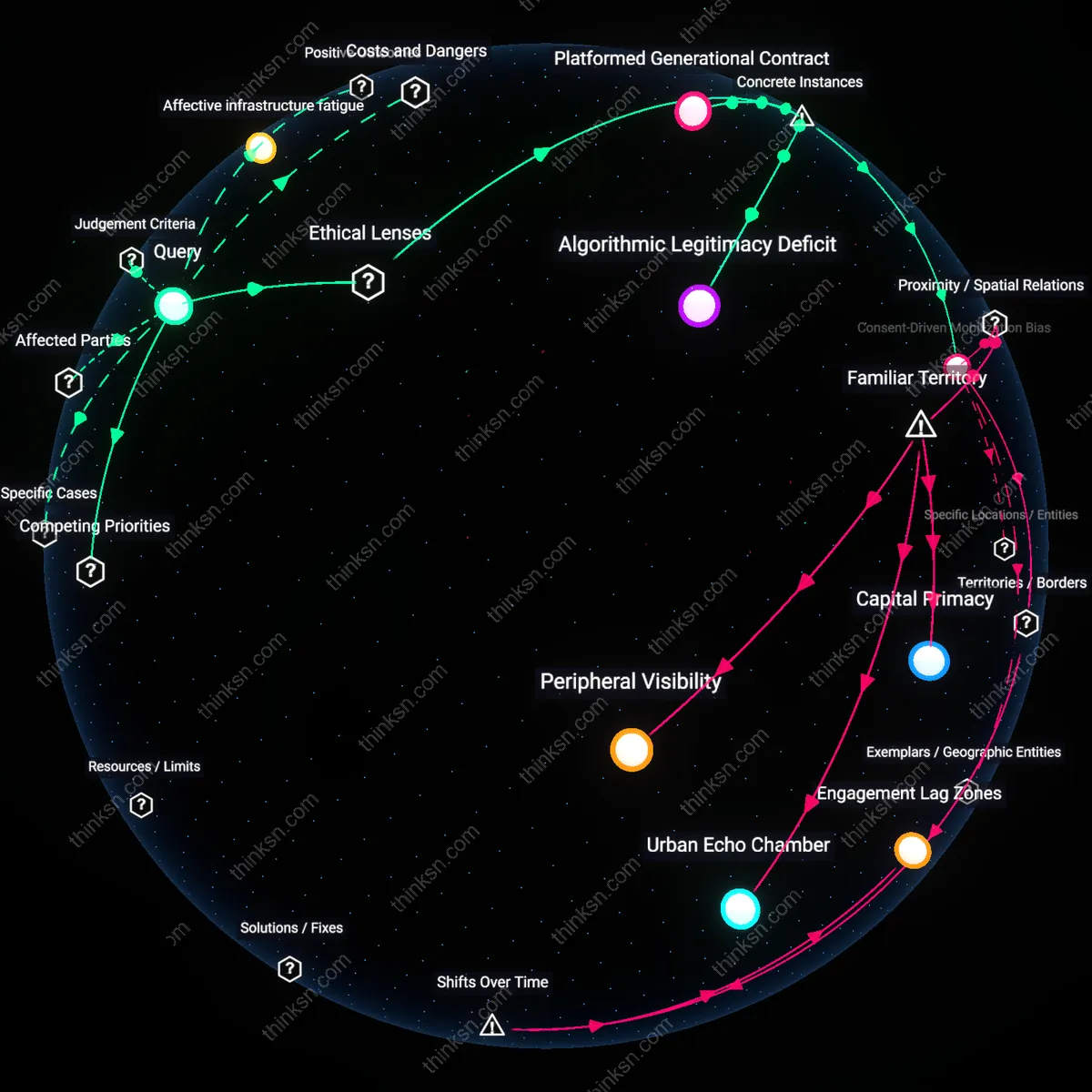
Analysis reveals 7 key thematic connections.
Key Findings
Financial Friction
Payment processors adopting 'no hate speech' policies since the mid-2010s have redirected extremist movements' access to mainstream financial infrastructure, transforming ideological exclusion into a logistical constraint. This shift from content moderation on speech platforms to financial deplatforming—evident in cases like PayPal cutting off InfoWars in 2018—creates friction that limits organizational sustainability, not just expression, thereby reducing the real-world harm of monetized extremism. The non-obvious outcome is that payment systems, once treated as neutral utilities, have become pivotal regulators of political radicalism through operational gatekeeping rather than legal censorship.
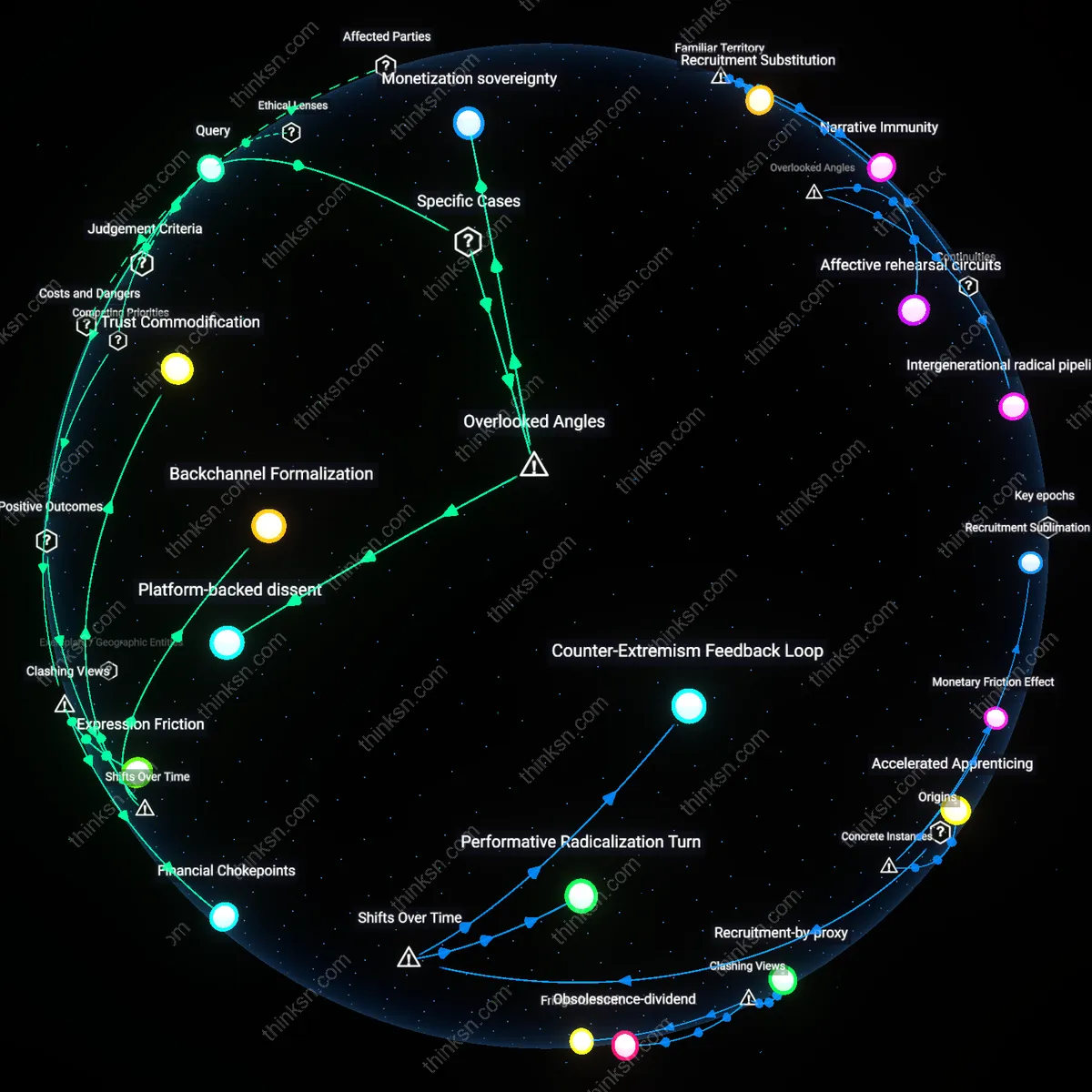
Trust Commodification
The post-2008 financial crisis normalization of compliance-driven risk management enabled payment processors to reframe consumer protection as the elimination of reputational and systemic risk tied to hate actors, turning brand trust into a marketable asset. Visa and Mastercard’s withdrawal from serving platforms like Parler after January 6, 2021, exemplifies how political expression is now filtered through financial institutions’ self-interest in preserving institutional legitimacy with regulators and consumers. This marks a departure from the 1990s-era view of intermediaries as passive conduits, revealing that trust itself has become a monetized, actively managed infrastructure.
Backchannel Formalization
As mainstream payment gatekeepers enforced hate speech restrictions after 2017, decentralized alternatives like cryptocurrency processors and niche fintechs emerged as formalized backchannels, converting what was once an ad hoc survival tactic into a structured ecosystem for disallowed speech. This evolution—seen in platforms like BitPay gaining traction among deplatformed groups—indicates a systemic bifurcation where political expression deemed toxic in regulated finance migrates into shadow financial networks with reduced consumer safeguards. The shift reveals that suppression in formal systems does not eliminate demand but accelerates the institutionalization of alternative financial sovereignties.
Financial Chokepoints
Enforcing a 'no hate speech' policy by payment processors primarily functions as a systemic exercise of infrastructural domination, not consumer protection or free expression—it shifts regulatory power to private financial intermediaries like Visa and PayPal, who enforce ideological compliance through transaction denial, deplatforming organizations such as extremist media outlets or controversial activist groups not by legal mandate but through risk-based de-risking strategies. This mechanism reveals that financial networks have become de facto speech regulators, operating beyond public accountability, where the withdrawal of payment access effectively silences political actors without judicial oversight or due process. The non-obvious implication is that the most consequential censorship in digital public spheres now occurs not through state decree or content takedown, but through invisible payment layer interventions that exploit economic dependency.
Expression Friction
Efforts to suppress hate speech through payment systems do not eliminate political expression but instead relocate it into less regulated, higher-risk modalities—platforms like cryptocurrency-based donation systems or decentralized hosting services—where speech becomes more resilient but also less visible and more prone to radicalization. This shift demonstrates that financial enforcement inadvertently amplifies the very discourse it seeks to contain, by pushing it beyond moderation capacity and into environments where counter-speech and fact-checking are absent. The underappreciated dynamic is that friction in expression does not equate to suppression; it reconfigures discourse hierarchies, privileging technically adept dissidents while disenfranchising mainstream-adjacent voices, thereby destabilizing the liberal assumption that reducing reach reduces harm.
Platform-backed dissent
Blocking payment flows to far-right media outlets like InfoWars after deplatforming by social networks amplifies financial isolation more than speech suppression, revealing that economic infrastructure withdrawal targets influence, not just expression. Processors like PayPal and Stripe act as enforcement arms of a broader content moderation ecosystem, where the loss of revenue matters more than the right to speak—this shifts the causal mechanism from constitutional rights to operational viability. The overlooked angle is that de-monetization, not de-platforming, is the decisive choke point, making free expression dependent on commercial survival. This recasts political speech protection as contingent on integration with corporate financial systems, a dependency rarely acknowledged in free speech debates.
Monetization sovereignty
In India, when Paytm restricted transactions to websites promoting 'anti-state narratives' under government pressure, the enforcement bypassed judicial oversight by operating through licensing obligations tied to financial compliance, not speech law. The mechanism works through payment processors’ obligation to report and block transactions under anti-terror financing rules (PMLA), turning consumer protection into a national security instrument. The overlooked dynamic is that financial regulation becomes a stealth medium for political control, where speech is curtailed not by censorship orders but by cutting off monetization under economically justified pretexts. This redefines consumer protection as a vector of state-mediated financial discipline, a shift obscured by the framing of payment systems as neutral utilities.