Generational Filtering
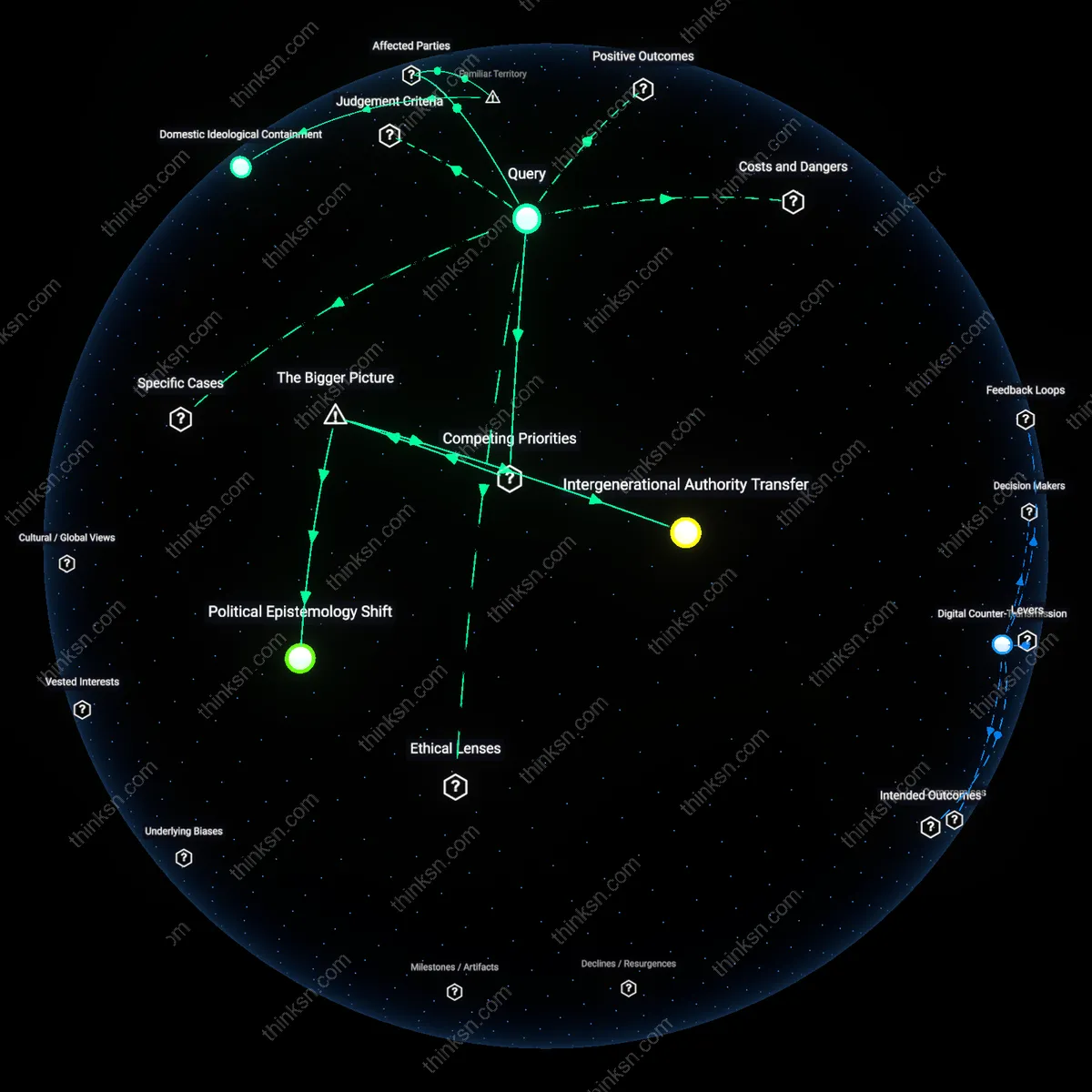
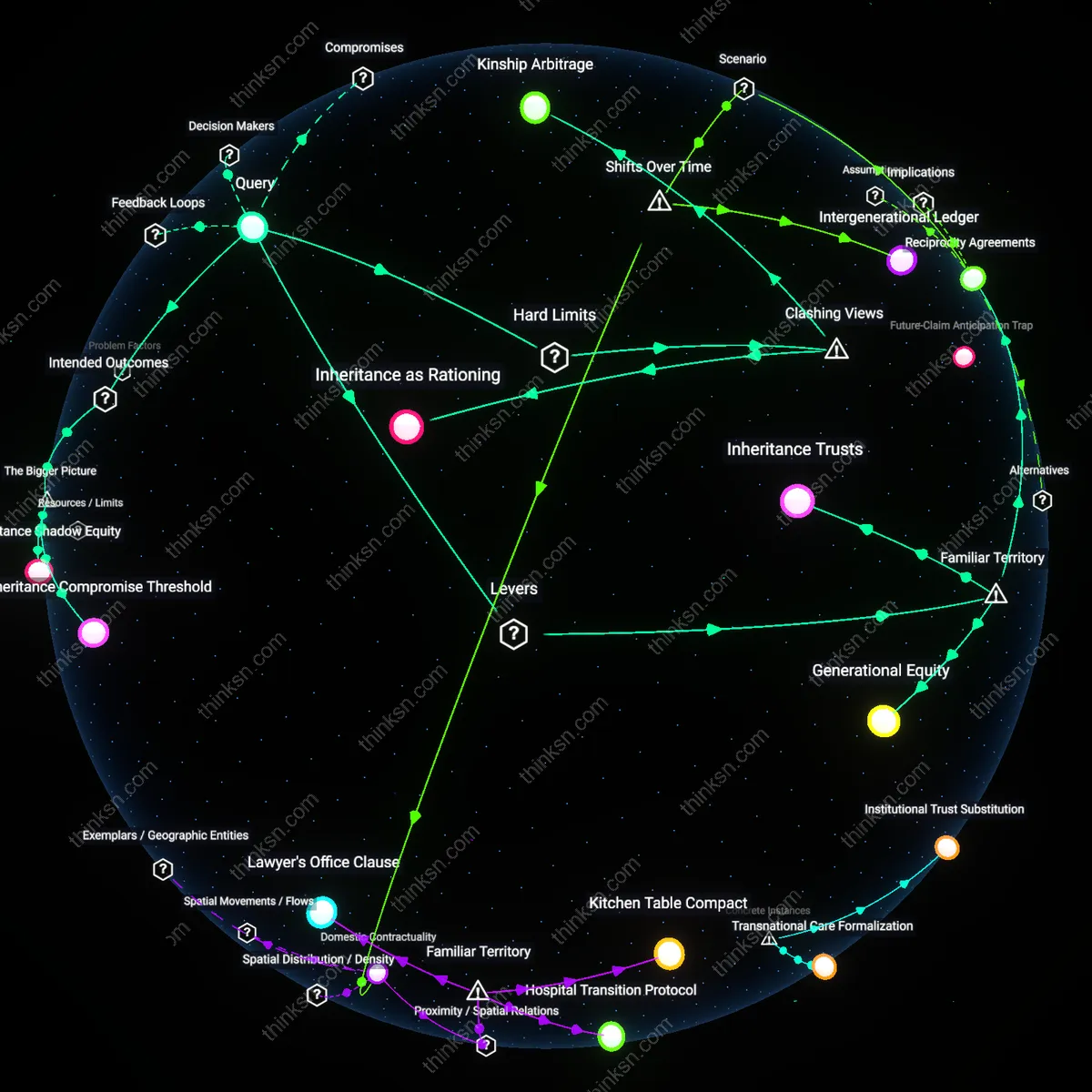
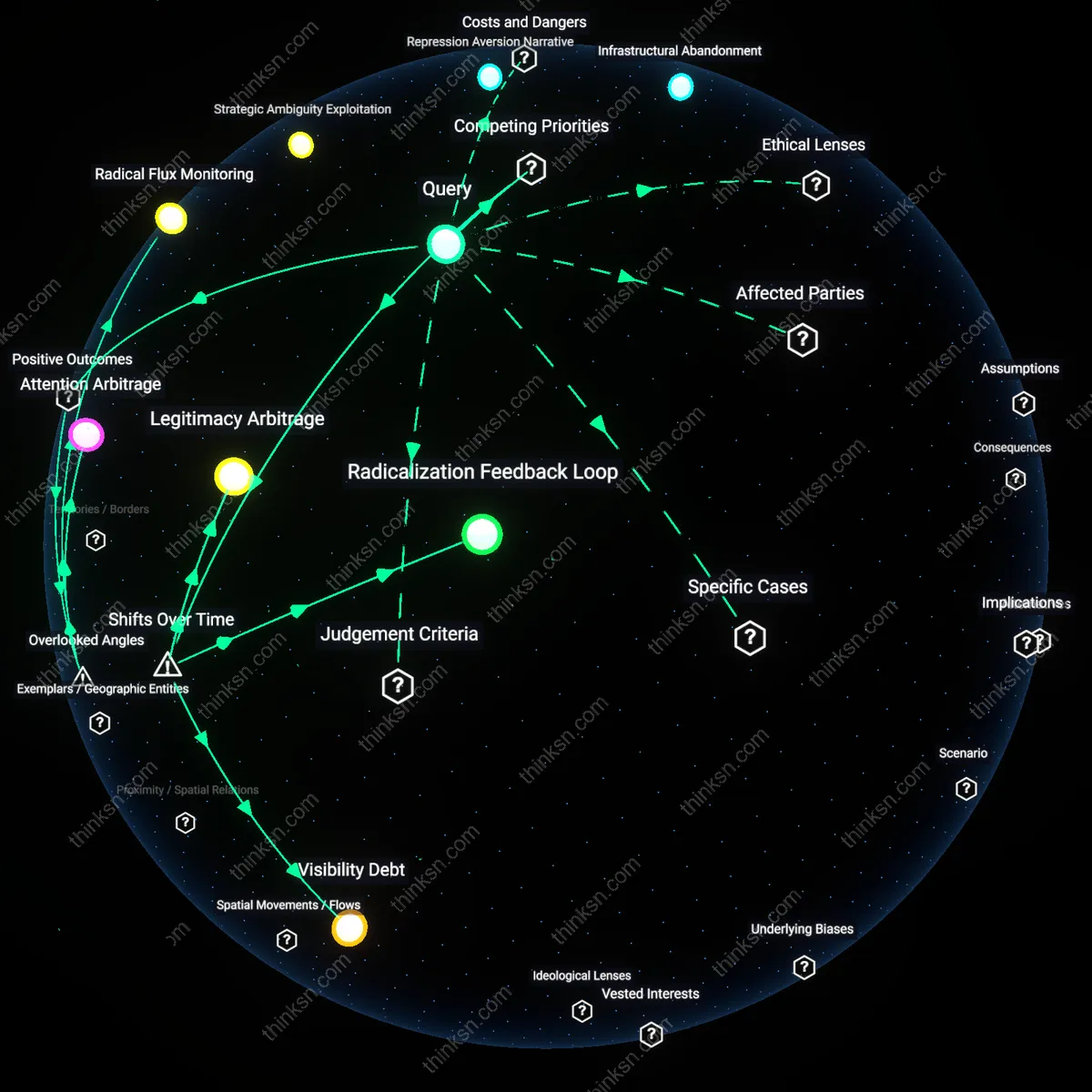
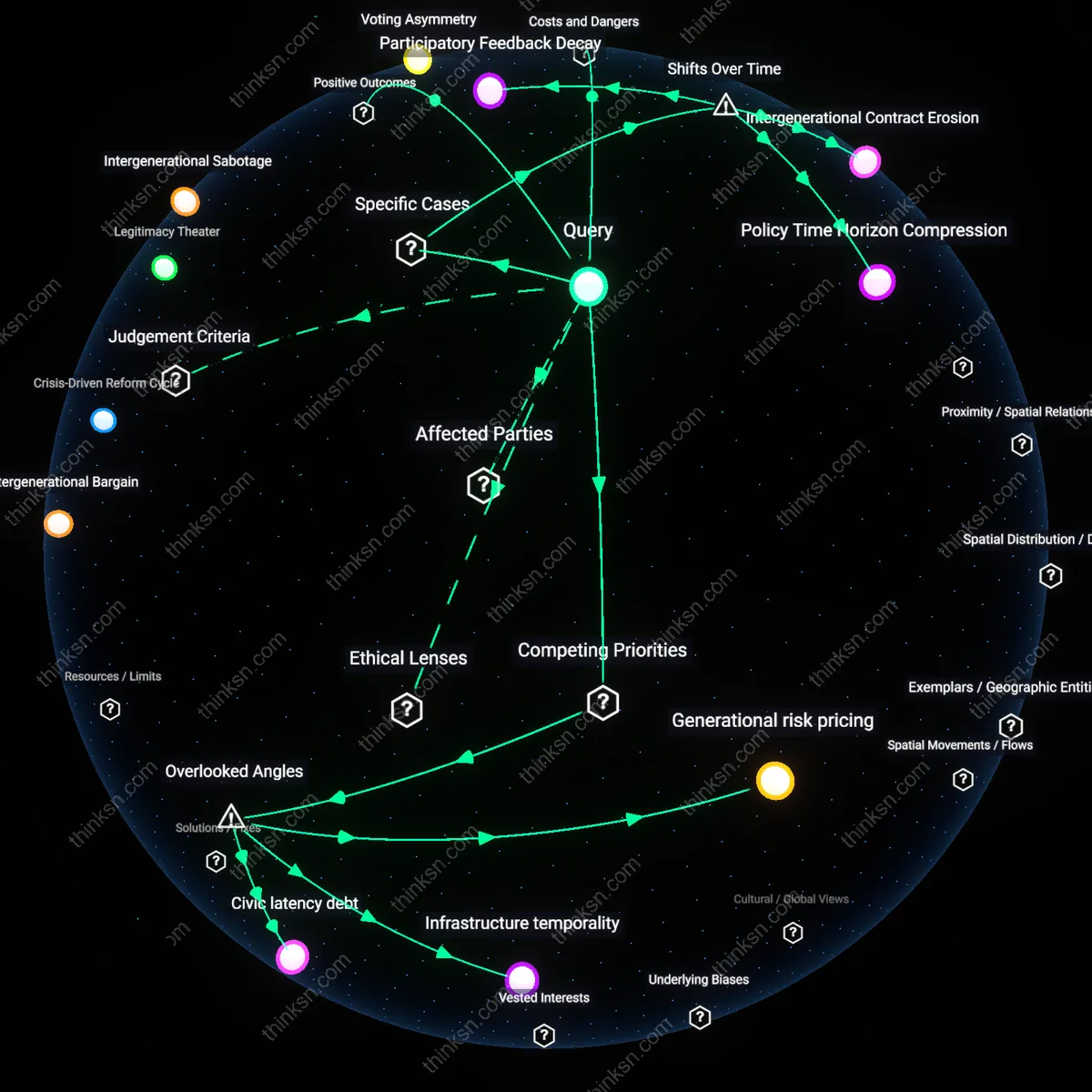
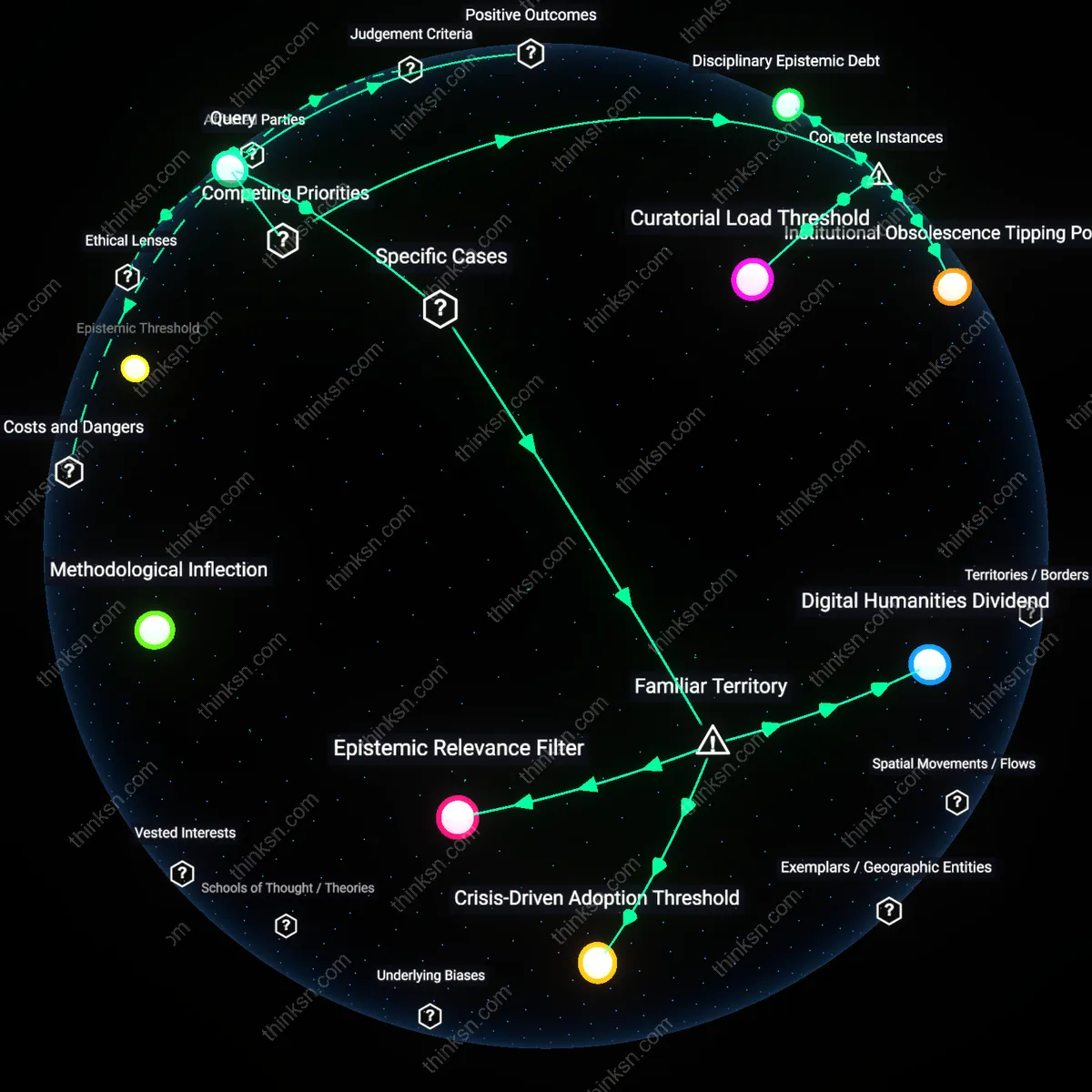
Teenagers initially absorb grandparents' cultural teachings uncritically during early adolescence, but shifts occur when formal education exposes them to pluralistic discourse, particularly in state-curriculum systems between the ages of 14 and 17. In contexts like rural Oklahoma or eastern Germany, where intergenerational transmission of nationalist or ethnocentric ideologies is common, school-based civic education acts as a counterweight, activating cognitive dissonance as teens reconcile familial loyalty with peer-influenced norms. This transition from passive reception to active evaluation reveals a latent period of ideological renegotiation that rarely occurs in isolation but is institutionally mediated. What is underappreciated is that resistance to extremist teachings often emerges not from moral rejection but from the procedural logic of bureaucratic schooling systems that systematically undermine familial authority through standardized civic epistemologies.
Digital Reinterpretation
As teenagers enter late adolescence (ages 18–19), access to decentralized digital networks enables them to reframe their grandparents' extremist cultural teachings through comparative exposure on platforms like Reddit or TikTok, especially after 2015 when algorithmic amplification of counter-narratives increased. Urban Moroccan youth, for instance, encountering both Salafi-influenced elders and global youth movements online, begin to repackage elements of tradition as folklore rather than doctrine, using memes and satirical commentary to create psychological distance. This shift is not a rejection of identity per se but a re-signification facilitated by digital semiotics, where extremity is recoded as anachronism. The non-obvious insight is that digital environments do not merely counter extremism but transmute it into performative nostalgia, defusing ideological threat without direct confrontation.
Crisis-Triggered Reaffiliation
During periods of societal rupture—such as the 2008 economic crash or the 2020 pandemic—teenagers who had previously distanced themselves from grandparents' extremist worldviews sometimes re-adopt softened versions of those teachings as structures of meaning collapse. In post-industrial towns in northern England, for example, disaffected youth re-engaged with nationalist narratives during austerity protests, not because they accepted the ideology wholesale but because crisis re-empowered familial authority as a source of epistemic stability. This reversion is conditional and context-dependent, revealing that ideological drift is not linear but pendular, with extremism resurfacing in attenuated form during institutional vacuum. The overlooked mechanism is that temporal shifts in youth orientation are less about individual development than about the relative credibility of institutions across historical conjunctures.
Doctrinal orphanhood
Teenage rejection of grandparents' extremist cultural teachings intensifies over time not because of exposure to external counter-narratives, but because those teachings fail to adapt to lived realities, rendering them functionally useless in navigating modern dilemmas. The grandparental framework, rigid and unyielding, collapses under its inability to answer questions about identity, belonging, or justice in contexts like school, digital life, or inter-ethnic relationships—spaces where adolescents must act but the ideology offers no operational guidance. This analytical significance lies in shifting blame from 'outside influence' to internal ideological bankruptcy, revealing that extremism’s fragility emerges not from opposition but from irrelevance—a dissonant finding against the common assumption that such teachings persist through emotional or familial allegiance.
Narrative hostages
Adolescents retain extremist cultural teachings from grandparents not because they agree with them, but because those narratives form the only available language for expressing intergenerational trauma, particularly in post-conflict or marginalized communities where silence dominates. The emotional weight of the grandparent’s suffering becomes inseparable from the ideology itself, binding the teenager to the form of the message even as they resist its content—such that rejecting the idea feels like betraying the survivor. This challenges the dominant view that exposure naturally erodes extremism, revealing instead a hidden continuity where the unresolved past holds youth ideologically captive through loyalty, not conviction.
Generational Fracture
Teenagers initially absorb grandparents' cultural teachings as familial heritage but begin to reject extremist interpretations when exposed to institutional education systems that frame those beliefs as socially illegitimate. Schools in pluralistic democracies, particularly in Western Europe and North America, serve as countervailing institutions that systematically reposition ancestral narratives within broader civic and human rights frameworks, making ideological adherence socially and legally costly. This shift is not due to individual moral development alone but to the coercive normalizing power of state-curated curricula that mark certain extremist doctrines as incompatible with citizenship. The non-obvious insight is that ideological distancing is less a moral awakening than a registration of institutional consequence.
Digital Counter-Transmission
When extremist cultural teachings are challenged by online activist communities and global human rights networks, teenagers reinterpret their grandparents' doctrines through transnational digital discourse, replacing isolation with connectivity. Platforms like Reddit, YouTube, and Telegram allow youth to compare familial narratives with survivor testimonies, declassified documents, and survivor-led educational content, creating an epistemic renegotiation that prioritizes verifiable atrocity evidence over oral tradition. This shift depends not on age per se but on access to decentralized information ecosystems that bypass local consensus. The underappreciated mechanism is that digital exposure doesn’t just inform—it re-situates moral authority from kin to global civil society.
Ritual Invalidation
The erosion of reverence for extremist cultural teachings accelerates when public atrocities committed in their name become commemorated as crimes, rendering associated rituals socially unperformable. For example, public memorials for victims of ethnic cleansing or terrorism—such as the Srebrenica Genocide Memorial in Bosnia or the Oklahoma City National Memorial—materially reframe extremist ideologies as historical wrongs, making familial defense of such beliefs socially toxic. Grandparents’ teachings lose intergenerational traction when their ideological lineage is anchored to physically inscribed sites of condemnation. The critical point is that spatialized memory institutions, not debates or pedagogy, make continued allegiance existentially untenable for youth navigating public belonging.