Should Diabetics Risk Pancreatitis for Weight Loss with New Drugs?
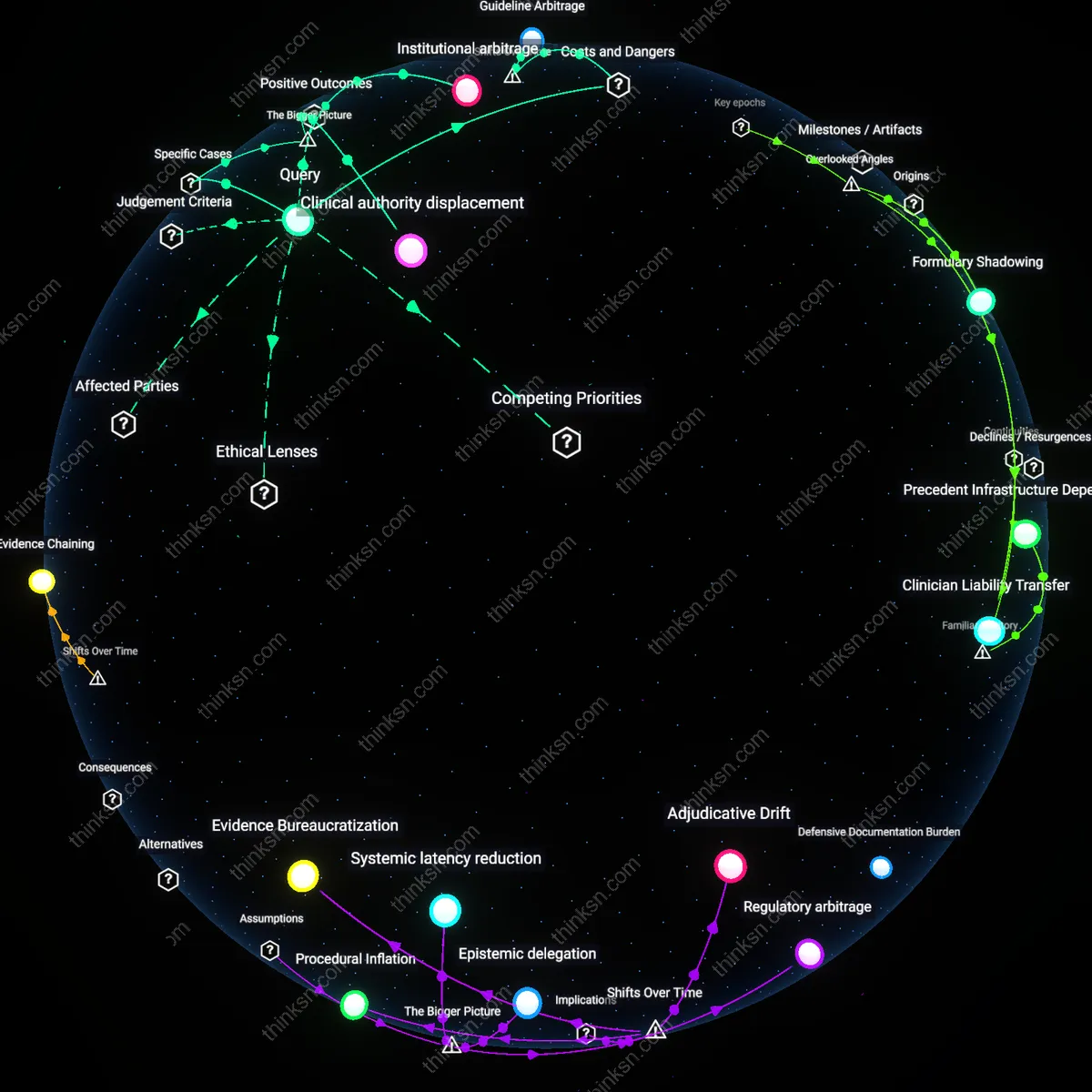
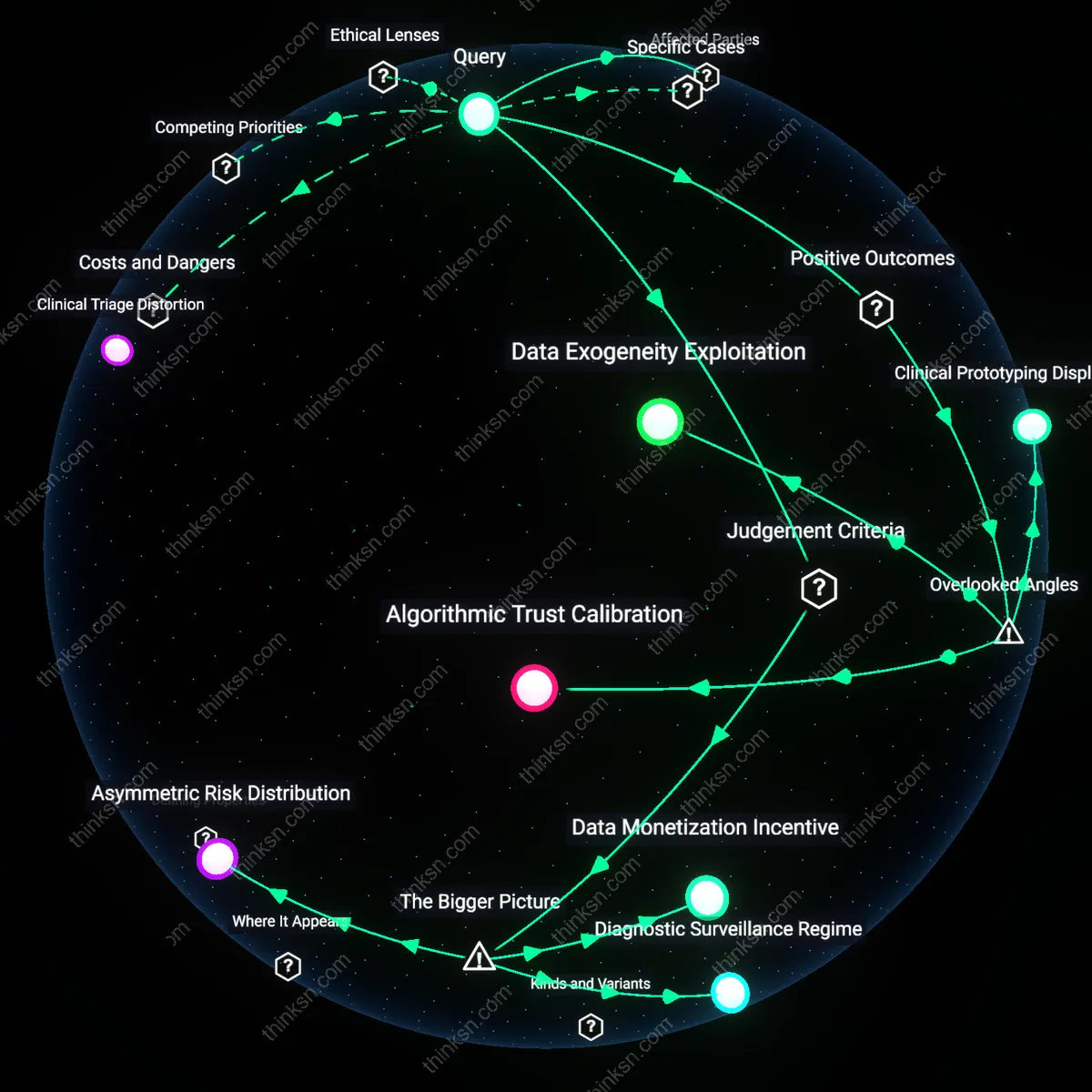
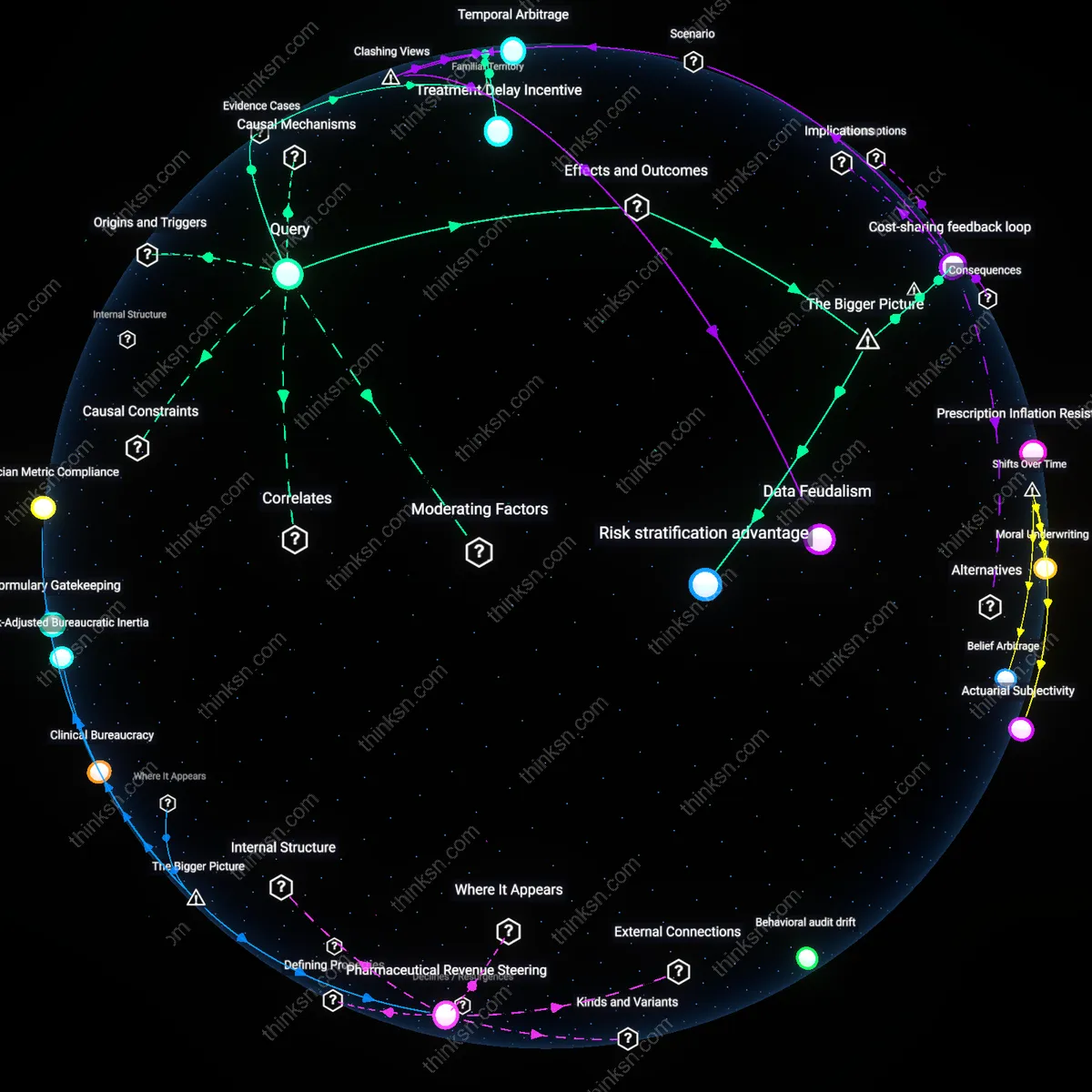
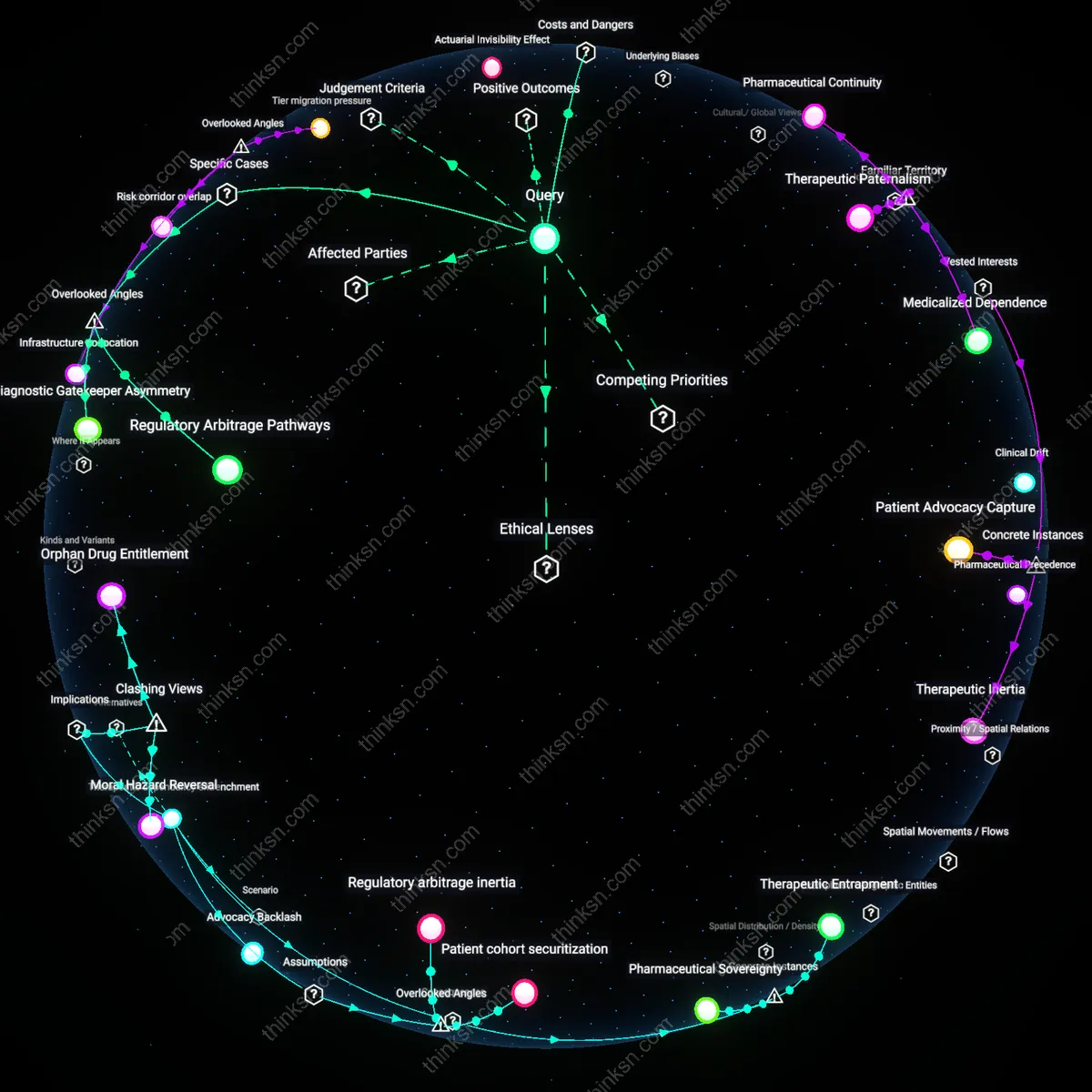
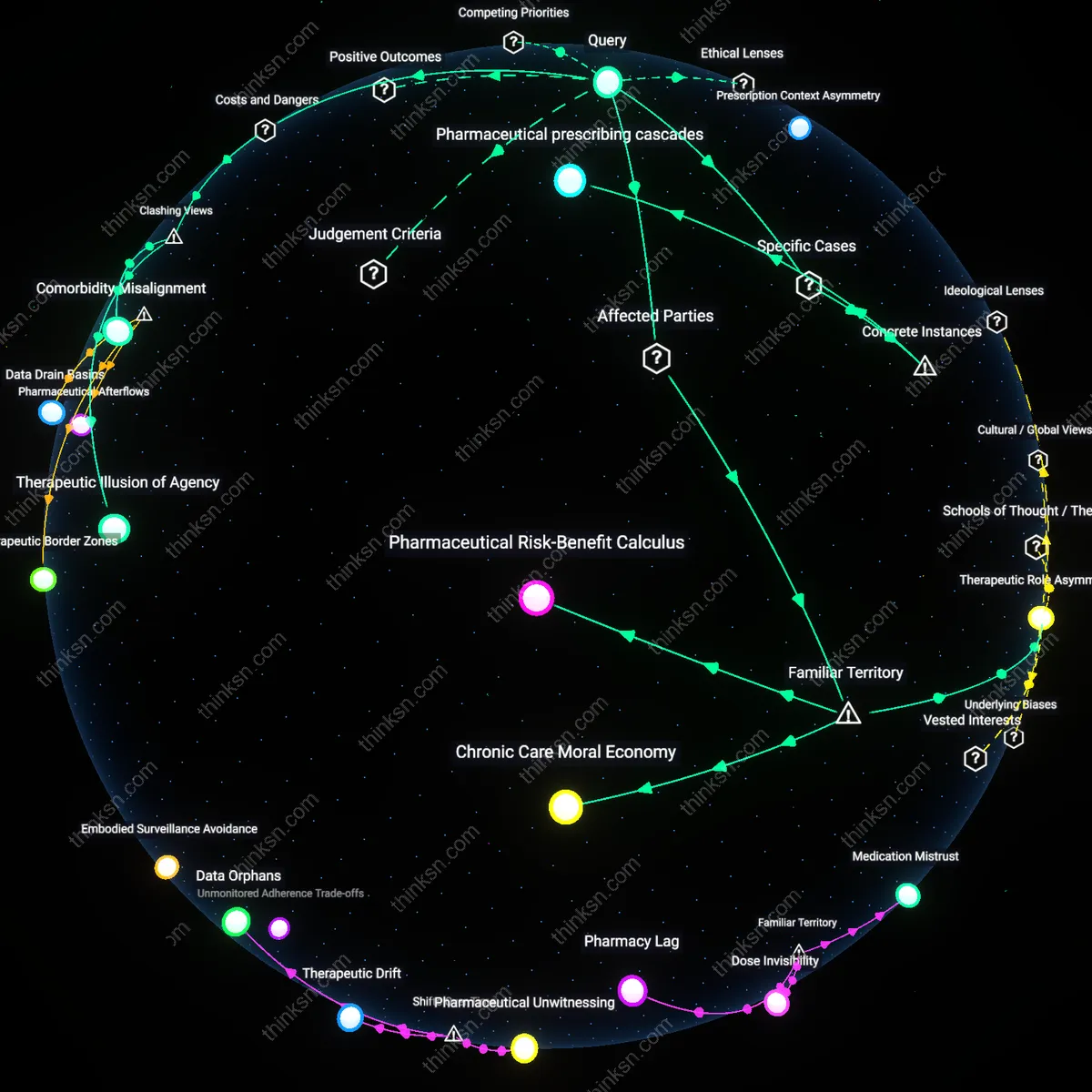
Analysis reveals 8 key thematic connections.
Key Findings
Pharmaceutical Risk-Benefit Calculus
Patients must defer to clinical practice guidelines shaped by regulatory agencies and medical societies when weighing rare risks like pancreatitis against glycemic benefits because these guidelines integrate population-level trial data, contraindication profiles, and comorbidity weighting that individual patients cannot reliably assess on their own. The mechanism operates through institutional standardization—bodies like the ADA and FDA structure decision pathways that depersonalize risk calculation, embedding it in protocolized care. What is non-obvious is that patients’ intuitive risk perceptions often conflict with epidemiological reasoning, making adherence less about personal weighing and more about trust in algorithmic medicine.
Chronic Care Moral Economy
Patients navigate a moral landscape where personal discipline in weight management is socially valued more than passive medication adherence, so they interpret weight loss efficacy as a sign of responsible self-management regardless of pancreatitis risk. This dynamic unfolds through long-standing cultural narratives that equate body weight with willpower, especially in diabetes discourse, where success stories center on personal transformation rather than drug safety. The non-obvious truth is that risks perceived as passive harm from a pill are psychologically more troubling than self-attributed risks from lifestyle failure, even if objectively more dangerous.
Therapeutic Role Asymmetry
Patients rely on endocrinologists to operationalize risk trade-offs because these specialists inhabit a binary of treatment optimization and harm avoidance that is institutionally rewarded, making them the sole legitimate interpreters of complex comorbidity data. This rests on a clinical hierarchy where general practitioners defer to subspecialists on nuanced medication decisions, especially when lab monitoring (like amylase levels) intersects with chronic disease regimens. What is underappreciated is that patients often accept pancreatitis risk not because they understand it, but because they abdicate interpretive authority to physicians who manage uncertainty through surveillance rather than patient education.
Therapeutic Illusion of Agency
A patient should not weigh the risks of pancreatitis against weight-loss benefits because the decision-making burden itself is a harmful byproduct of pharmaceutical market strategies that shift liability onto individuals. Drug regimens for diabetes are shaped less by patient-specific risk calculus and more by payer-driven formulary placements that favor newer, high-cost GLP-1 agonists with marginal glycemic advantages but strong marketing around weight loss—conditions that reframe metabolic disease management as a personal behavioral project rather than a systemic failure. This illusion of informed trade-offs distracts from the reality that manufacturers financially incentivize weight loss as a proxy outcome, thereby embedding rare but severe risks like pancreatitis into widely distributed therapies without proportional monitoring infrastructure, making individual risk assessment both technically inadequate and ethically misleading. What’s non-obvious is that the act of weighing risks—not the drug itself—becomes the primary mechanism of harm by depoliticizing pharmaceutical risk and sanitizing corporate accountability.
Comorbidity Misalignment
Weight loss benefits should be disregarded entirely in patients with multiple comorbidities because fat loss can destabilize non-metabolic conditions more than pancreatitis ever could. In elderly patients with diabetes and concurrent heart failure, sarcopenia-inducing weight loss from GLP-1 medications accelerates functional decline and increases fall-related hospitalizations—outcomes that carry higher cumulative morbidity than rare pancreatitis but are structurally ignored in risk-benefit algorithms tuned only to HbA1c and BMI. Regulatory frameworks assess pancreatitis as an ‘adverse event’ but treat muscle wasting as ‘expected comorbidity progression,’ enabling drug approvals that shift harm from acute, traceable incidents to chronic, systemic deterioration. The non-obvious insight is that pancreatitis, though dangerous, functions as a visible scapegoat for damage that is already systemic, allowing clinicians to overlook the medication’s broader catabolic erosion of physiological reserve.
Risk Bureaucratization
The patient should not engage in risk comparison at all because the statistical rarity of pancreatitis obscures how clinical trial exclusion criteria systematically excise the very patients most vulnerable to it—those with multiple comorbidities—rendering the reported risk grossly underestimated. Real-world patients on polypharmacy face drug interactions and hepatic fluctuations that amplify pancreatitis likelihood, but post-marketing surveillance fails to capture these dynamics due to fragmented electronic health records and fee-for-service care models that disincentivize long-term monitoring. This creates a false safety consensus where rare risks are declared ‘acceptable’ based on data from healthier trial cohorts, institutionalizing a bureaucratic tolerance for unmeasured harm. The non-obvious truth is that the process of weighing known risks reinforces a regulatory fiction that risk is calculable, when in reality it is administratively erased.
Clinical risk stratification
A patient with type 2 diabetes, severe obesity, and chronic kidney disease prescribed semaglutide must weigh its proven cardiovascular and glycemic benefits against the drug's rare association with pancreatitis; this trade-off became clinically salient in the SUSTAIN-6 trial outcomes, where patients with prior pancreatic pathology experienced disproportionate adverse events despite overall population-level benefits. The trial did not exclude all high-risk comorbid profiles, revealing that real-world decision-making hinges on identifying subpopulations for whom a medication’s mechanism—GLP-1 receptor agonism—exerts divergent physiological pressures, such as increased pancreatic ductal pressure, which only becomes clinically actionable when comorbidity load amplifies baseline vulnerability. This illustrates that benefit-risk assessment in polypharmacy is not additive but emergent, shaped by how drug mechanisms interact with pre-existing biological stressors rather than acting in isolation.
Pharmaceutical prescribing cascades
In 2019, a cohort of elderly diabetic patients in the Veterans Health Administration was initiated on dulaglutide, leading to several hospitalizations for acute pancreatitis—events that triggered secondary prescriptions for analgesics and bowel regimens, masking the primary drug etiology for weeks. The VA’s integrated electronic health record system eventually flagged the pattern through algorithmic adverse event linkage, revealing that in complex patients, the downstream consequences of a rare side effect can generate iatrogenic complications indistinguishable from disease progression. This case shows that the risk of pancreatitis is not merely a binary adverse event but a trigger for a broader, system-level cascade where medication burden compounds in unpredictable ways, especially when monitoring is fragmented across specialties.