Is Wrongful Termination Worth 2+ Years of EEOC Limbo for Salaried Workers?
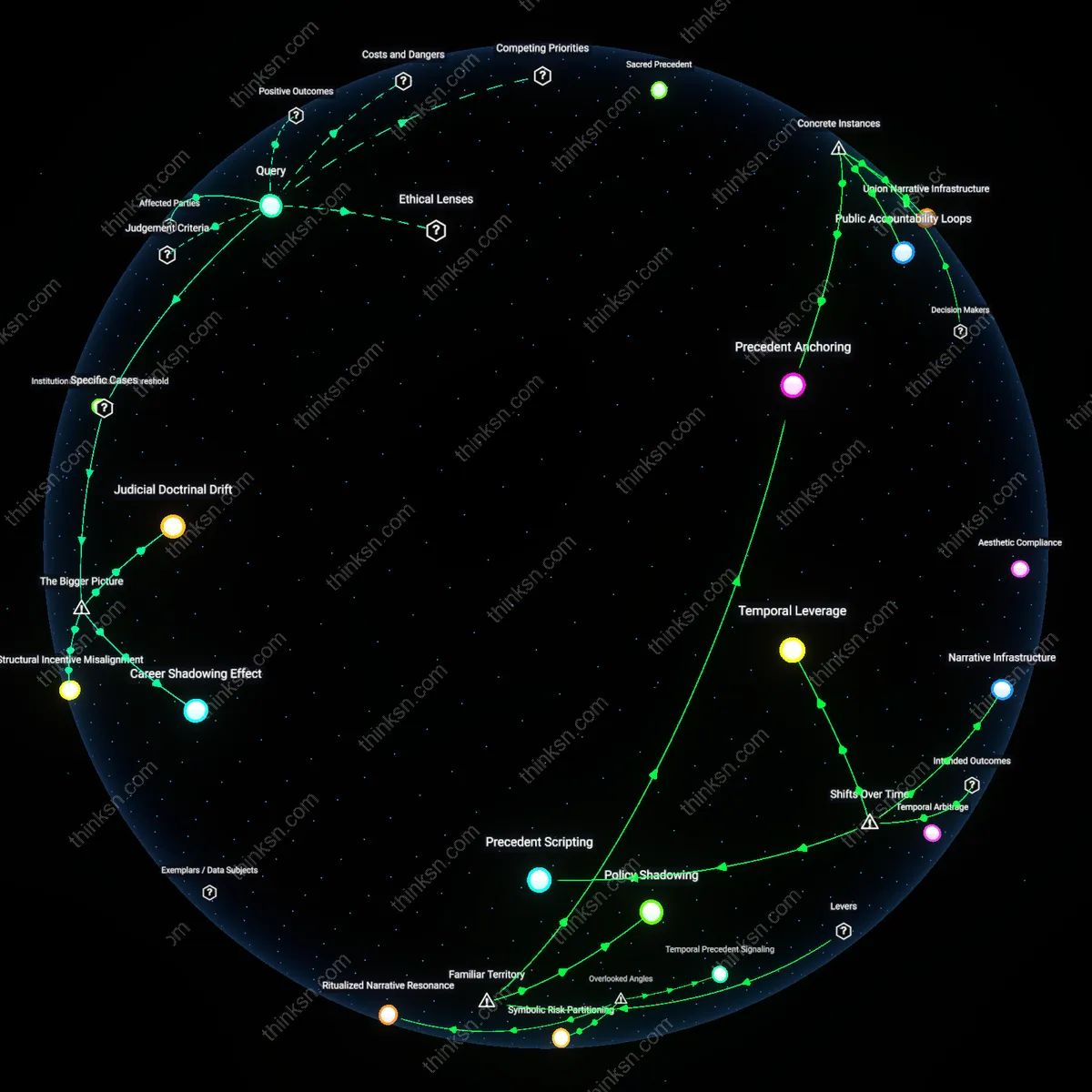
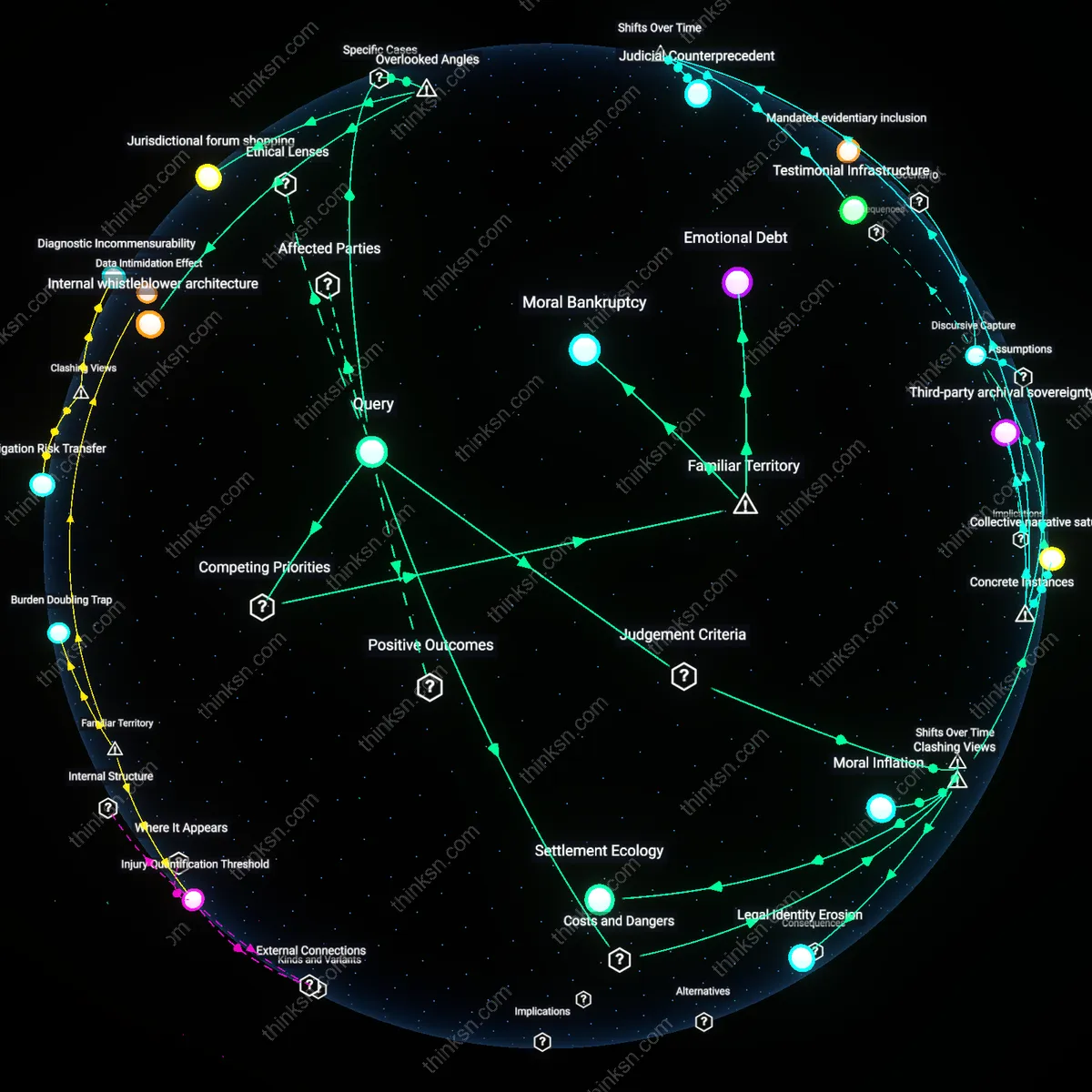
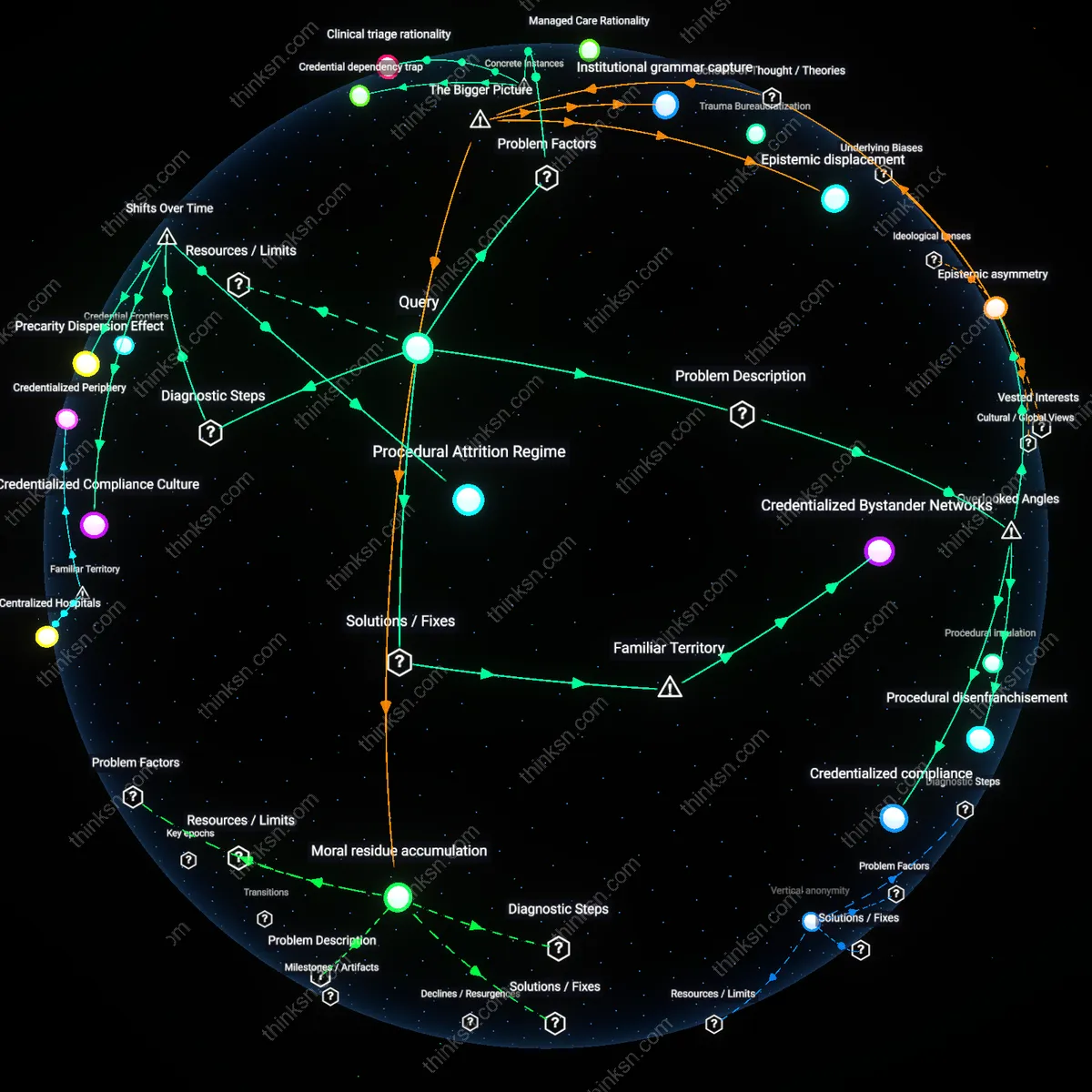
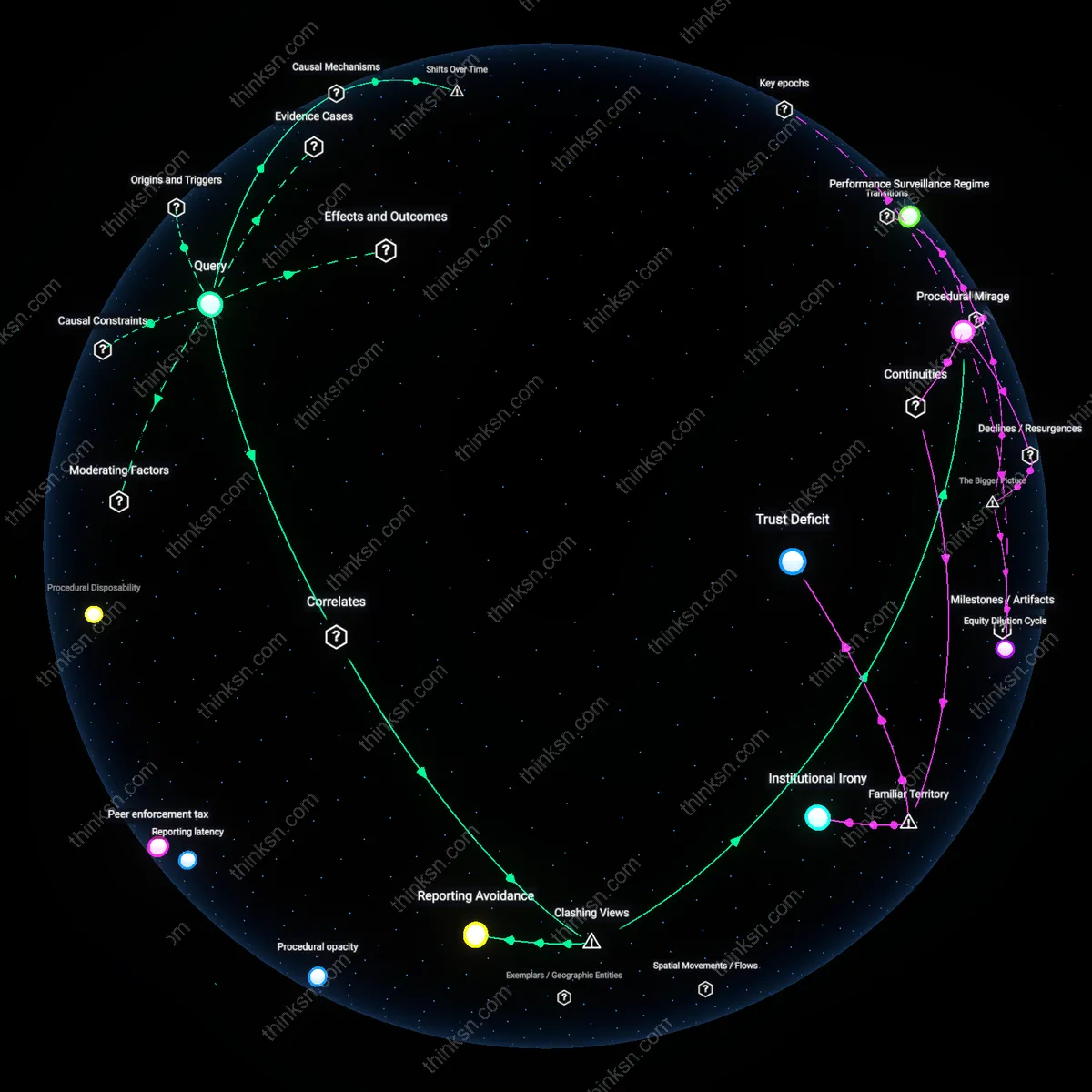
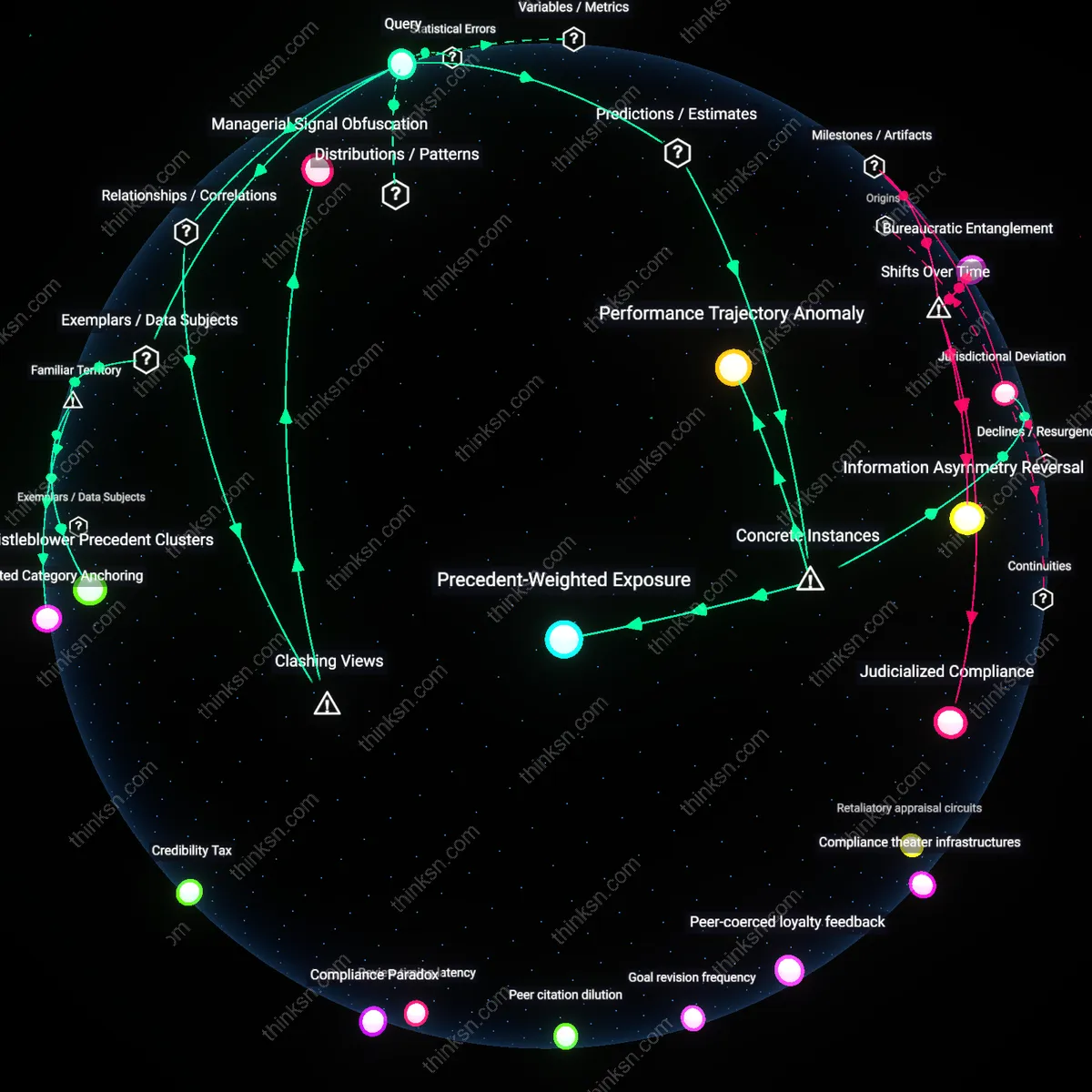
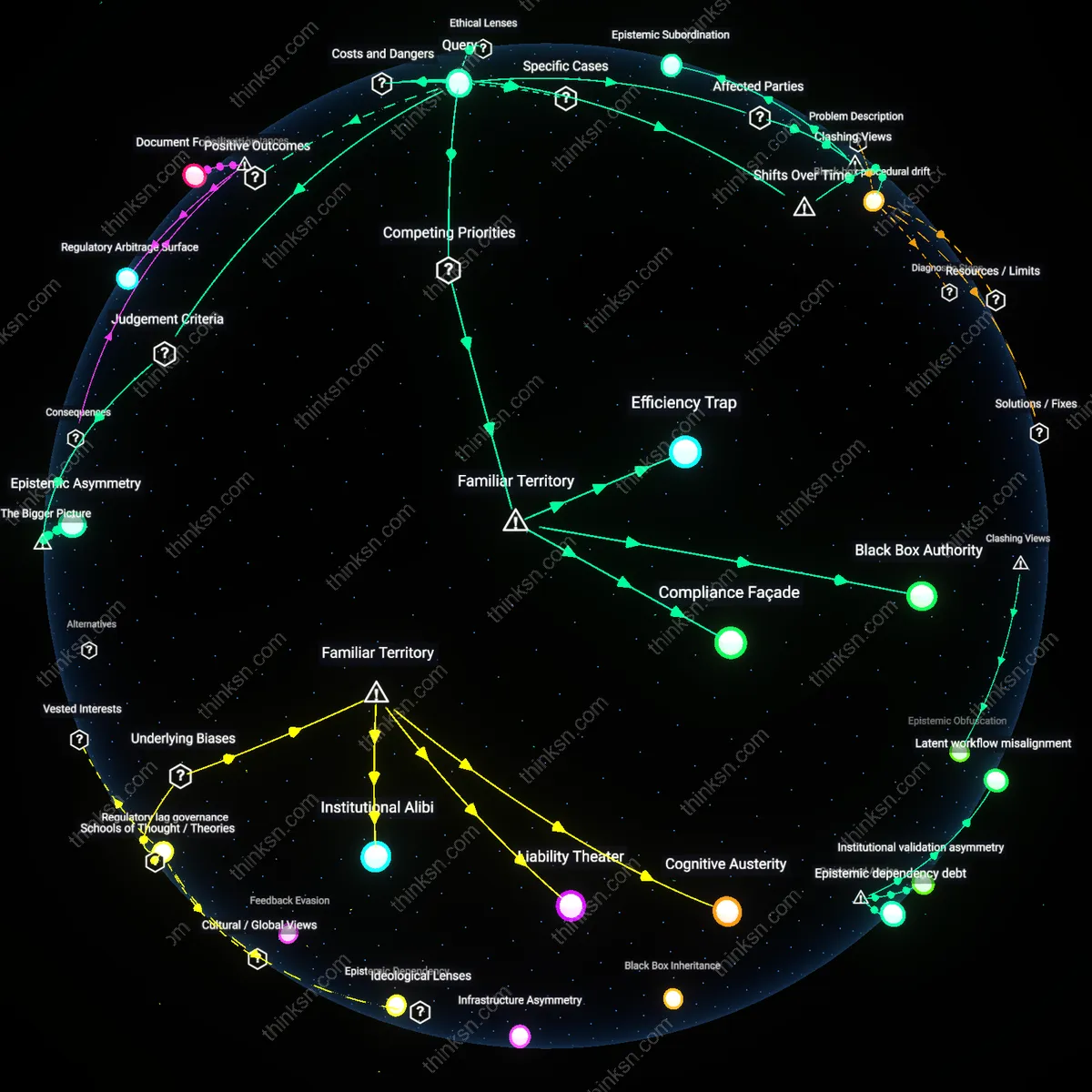
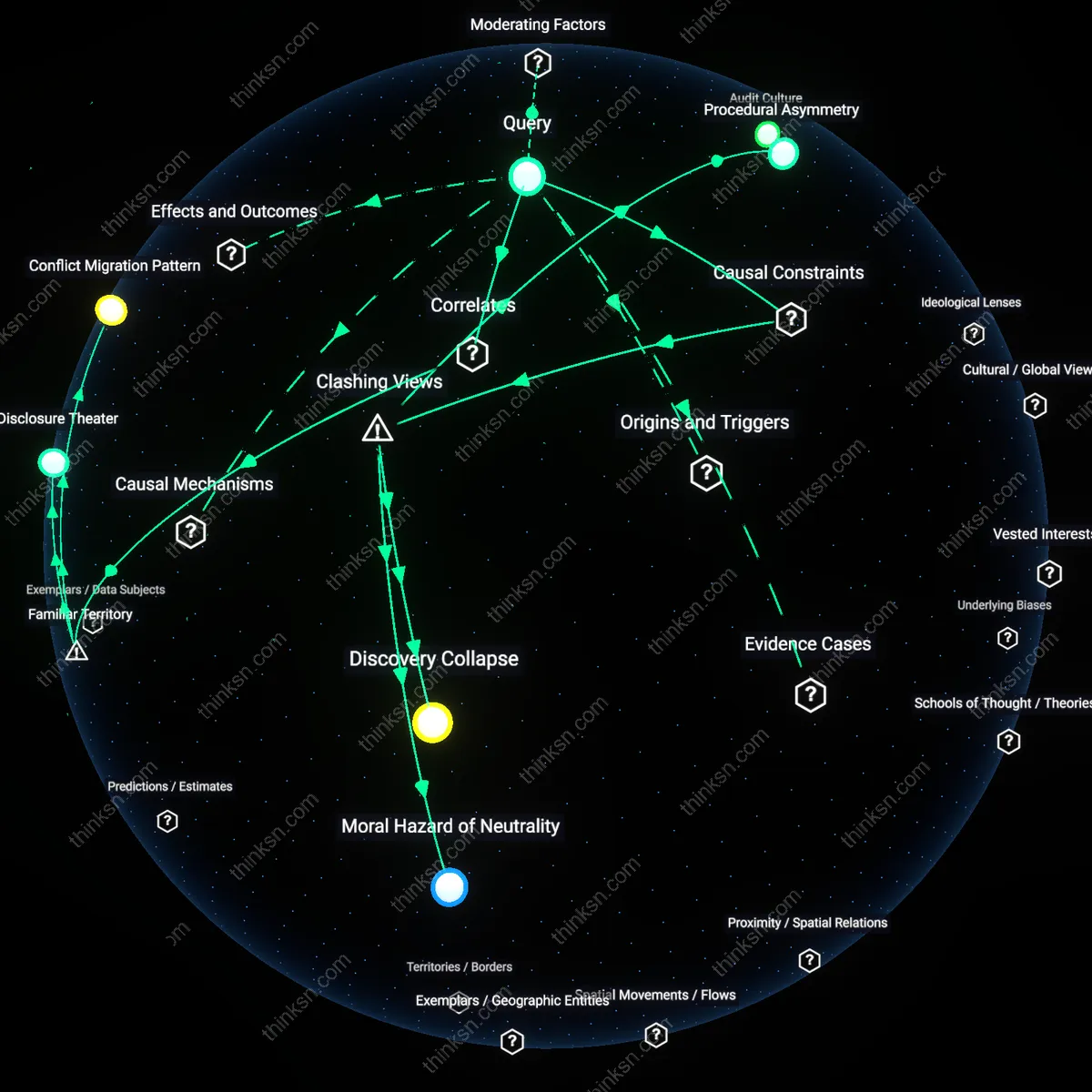
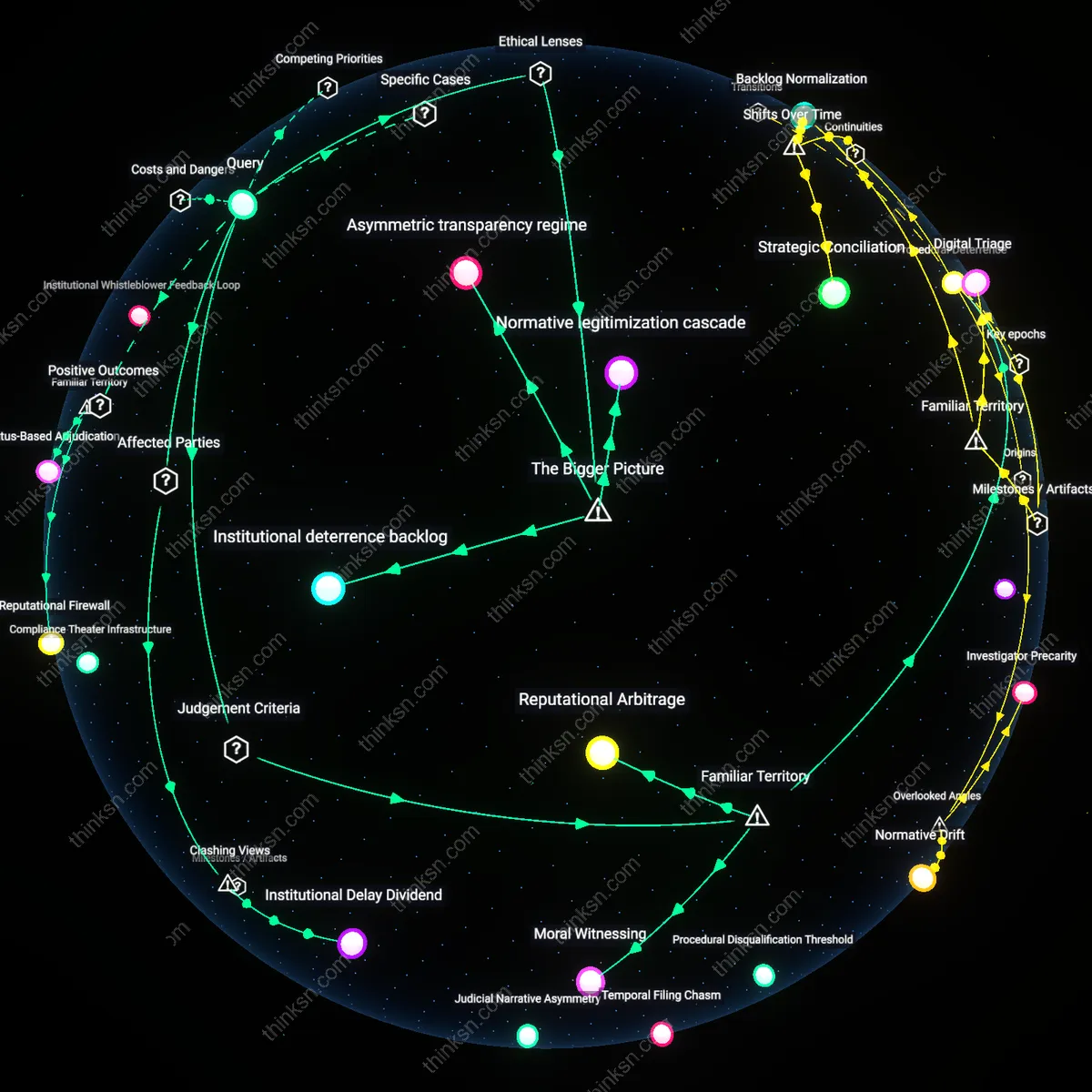
Analysis reveals 8 key thematic connections.
Key Findings
Institutional Delay Dividend
Yes, a salaried professional should pursue a wrongful termination claim through the EEOC precisely because of its long resolution time, as the procedural lag functions as a strategic asset for employers who benefit from the employee’s economic exhaustion and eventual withdrawal. The EEOC process, reliant on mandatory mediation and backlogged investigations, creates a temporal squeeze that disproportionately pressures individuals with finite savings or career momentum, while large firms with legal departments and insurance coverage absorb delays as routine operational costs. This asymmetry reveals that the delay is not a flaw but a covert feature preserving organizational impunity, making the prolonged timeline a form of institutional risk management that sustains power differentials under the guise of due process. The non-obvious insight is that slowness itself becomes a compliance tool—one that rewards systemic patience with structural advantage.
Credentialing Paradox
Yes, a salaried professional should file with the EEOC not to win direct redress but to generate an institutional credential that signals legitimacy to future employers, professional networks, and credentialing bodies, thereby converting personal harm into career capital. In knowledge-intensive industries—such as tech, finance, or consulting—unexplained employment gaps or sudden departures trigger suspicion, whereas a documented EEOC filing reframes the exit as contested and externally validated, often outweighing stigma with perceived resilience and ethical standing. This transformation depends on the fact that human capital markets increasingly treat bureaucratic documentation as proof of competence and integrity, even when the outcome is inconclusive. The counterintuitive insight is that initiating a claim becomes less about justice and more about narrating professional identity in a risk-averse labor ecosystem.
Procedural Deterrence
A salaried professional should not pursue a wrongful termination claim through the EEOC due to its long resolution time because the delay functions as a systemic deterrent to individual action, involving employees, HR departments, and legal counsel navigating a federal bureaucracy where case backlogs and resource constraints slow investigations, making it practically ineffective for timely redress; this reveals how the very structure of administrative enforcement—designed for fairness and thoroughness—undermines its purpose by conditioning abandonment, a reality often overlooked in public narratives that assume filing a claim inherently empowers the worker.
Moral Witnessing
A salaried professional should pursue a wrongful termination claim through the EEOC despite its long resolution time because the act transforms the individual into a formal witness within a regulatory surveillance system, where submitting a charge triggers documentation, inter-agency referrals, and potential pattern investigations by agencies like the Office of Federal Contract Compliance Programs, thereby serving a societal function beyond personal remedy; this reflects the underappreciated role of individual claims as data nodes in detecting systemic discrimination, even when personal outcomes are delayed or inconclusive, contrasting with the common belief that justice must be swift to be meaningful.
Reputational Arbitrage
A salaried professional should pursue a wrongful termination claim through the EEOC not for immediate legal resolution but to leverage the pending status as a strategic asset in private negotiations with current or future employers, where human capital markets—especially in regulated or reputation-sensitive industries like finance or tech—discount the risk of hiring someone with unresolved claims, and the mere existence of a docketed charge alters power dynamics in settlement discussions; this instrumentalizes bureaucratic inertia as a bargaining chip, an insight rarely acknowledged in mainstream discourse that frames the EEOC process as purely corrective rather than transactional.
Institutional deterrence backlog
A salaried professional should pursue a wrongful termination claim through the EEOC because the act of filing reinforces institutional deterrence despite delays, as each case contributes to a aggregate data stream that shapes enforcement priorities and employer risk calculus. The EEOC’s prolonged resolution times are not merely administrative inefficiencies but systemic outcomes of deliberate underfunding and legislative constraints, which corporations exploit through calculated non-compliance when expected penalties remain below compliance costs. This renders individual filings part of a distributed accountability mechanism, where cumulative reporting alters regulatory targeting and signals normative breaches to federal monitors, a function often overlooked when evaluating personal legal strategy. The non-obvious impact lies in how isolated claims feed pattern recognition algorithms and district office resource allocations, amplifying their influence beyond individual remedy.
Asymmetric transparency regime
A salaried professional should avoid pursuing a wrongful termination claim through the EEOC because the agency’s extended timelines expose the claimant to prolonged professional vulnerability while affording employers covert adjustment periods. Corporate HR departments routinely monitor EEOC intake data and internalize investigation schedules, enabling them to preemptively reframe narratives, secure favorable testimonials, or reclassify roles before resolution—tactics embedded in a broader system of asymmetric information access that favors repeat institutional actors over isolated individuals. This dynamic perpetuates an uneven playing field wherein procedural transparency for employees coexists with operational opacity for firms, undermining the ethical principle of fairness in dispute resolution. The underappreciated consequence is that delay becomes a tactical asset, not just a bureaucratic flaw.
Normative legitimization cascade
A salaried professional should pursue a wrongful termination claim through the EEOC because initiating the process contributes to a broader legitimization of workplace civil rights norms, even absent personal redress. Each formal complaint strengthens the discursive foundation of employment equity by reinforcing the state’s role as arbiter and validating protected class identities within organizational discourse, particularly in industries where managerial discretion is culturally unchallenged. This operates through a feedback loop between federal documentation practices and corporate diversity governance, where rising complaint volumes trigger mandatory training reforms, DEI reporting, and board-level risk assessments, thus converting individual grievance into systemic policy momentum. The overlooked effect is that procedural participation itself performs a symbolic function, advancing ethical recognition within neoliberal labor regimes that prioritize performative compliance.