Is a Public Utility Model the Key to Safer Payment Processing?
Analysis reveals 7 key thematic connections.
Key Findings
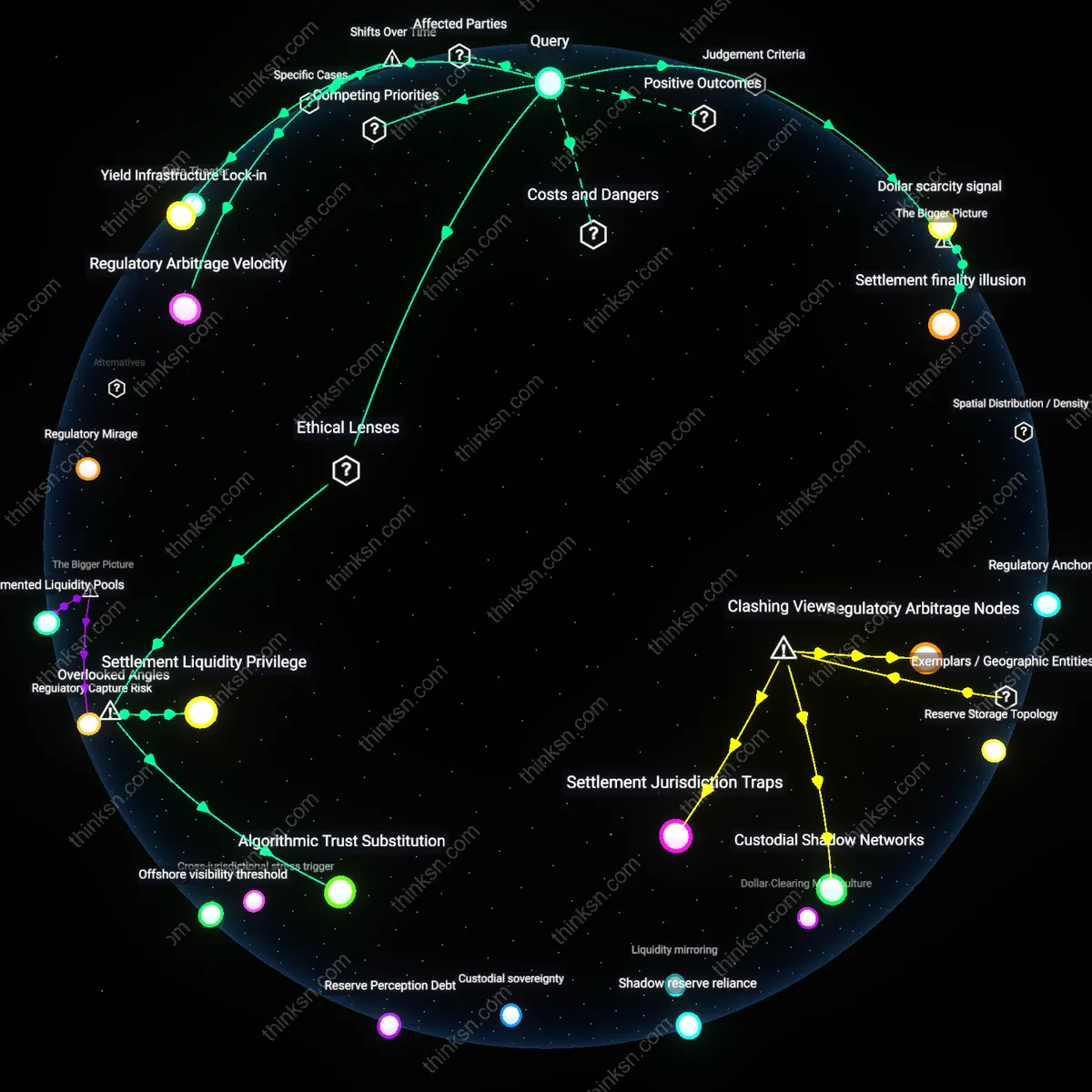
Jurisdictional arbitrage externalities
Concentrated payment processors increase systemic risk by enabling jurisdictional arbitrage that undermines national financial safeguards. Major firms like Stripe or Adyen route transactions through low-regulation hubs such as Ireland or Singapore, exploiting regulatory gaps to optimize compliance cost—this creates interdependencies where a failure in one node propagates not just financially but legally, as liability becomes diffuse and resolution frameworks mismatched. This dynamic is rarely modeled in systemic risk assessments, which assume uniform regulatory enforcement, but the real vulnerability lies in the legal fragmentation beneath technical integration—revealing that the geography of compliance matters as much as the scale of infrastructure.
Settlement velocity feedback loops
Dominant processors like Visa and FedNow heighten systemic fragility by compressing settlement cycles into real-time flows, which amplifies feedback loops during liquidity stress. When settlement occurs in seconds rather than days, a local shock—say, a merchant fraud cascade in Atlanta—affects reserve positions across correspondent banks in Chicago and London within minutes, leaving no buffer for manual intervention. Most risk models focus on credit or counterparty exposure, but the speed of value transfer itself becomes a contagion vector when automated systems cannot distinguish between normal volume and pathological surges—this velocity-induced instability is invisible in balance-sheet-centric analyses but decisive in operational resilience.
Interoperability asymmetry burdens
A public-utility payment model could reduce systemic risk only if it addresses the hidden cost of asymmetric interoperability, where smaller institutions bear the technical burden of adapting to proprietary APIs from dominant processors like Square or PayPal. These asymmetries force regional banks and credit unions to patch legacy systems at their own expense, creating brittle integration points that fail first during network stress—yet this fragility is attributed to local mismanagement rather than centralized architectural control. The overlooked insight is that concentration risks are not just about size but about power to set technical defaults; a utility must therefore standardize not just access but development parity, or it will reproduce the same failure points under public branding.
Regulatory Asymmetry
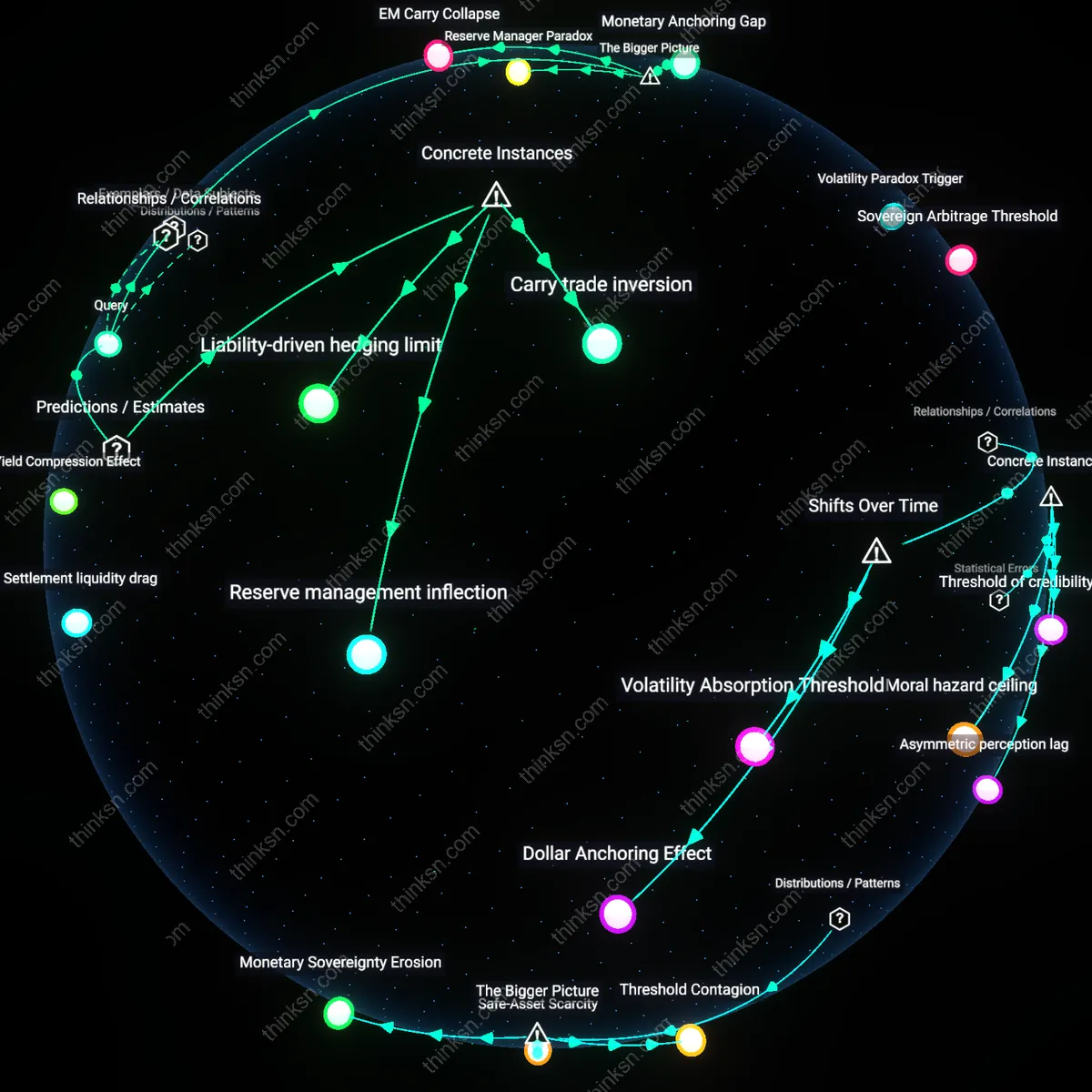
The rise of concentrated payment processors since the mid-2010s has heightened systemic risk by decoupling operational scale from public oversight, allowing firms like PayPal and Stripe to assume utility-like functions without utility-like accountability. As e-commerce surged post-2015, these platforms absorbed not just transaction volume but identity verification, fraud scoring, and capital advances—de facto centralizing financial gatekeeping—yet remained regulated as money transmitters, not systemically important institutions, creating a gap between functional impact and supervisory authority. The non-obvious consequence of this shift is that systemic resilience now depends on entities whose risk models are optimized for shareholder value, not continuity of service, exposing the financial system to abrupt withdrawal decisions (e.g., PayPal freezing Ukrainian accounts in 2022) that mimic state-like power without democratic safeguards, thus revealing how deregulatory classifications from the 1990s failed to anticipate the recomposition of control in digital payment layers.
Contingent Monopoly Leverage
Concentrated payment processing amplifies systemic financial risk when interoperability standards are weak, allowing dominant firms like Visa or Mastercard to dictate terms during crises. In moments of economic stress—such as a surge in transaction failures or cyberattacks—these firms can unilaterally alter routing protocols or suspend services, disrupting liquidity flows across banks and merchants due to the absence of enforced backup pathways. This leverage is non-obvious because market share alone doesn’t determine fragility; it’s the interaction of dominance with poorly mandated fail-safes that crystallizes systemic vulnerability, revealing how technical governance gaps empower private actors to function as crisis gatekeepers.
Institutional Arbitrage Pressure
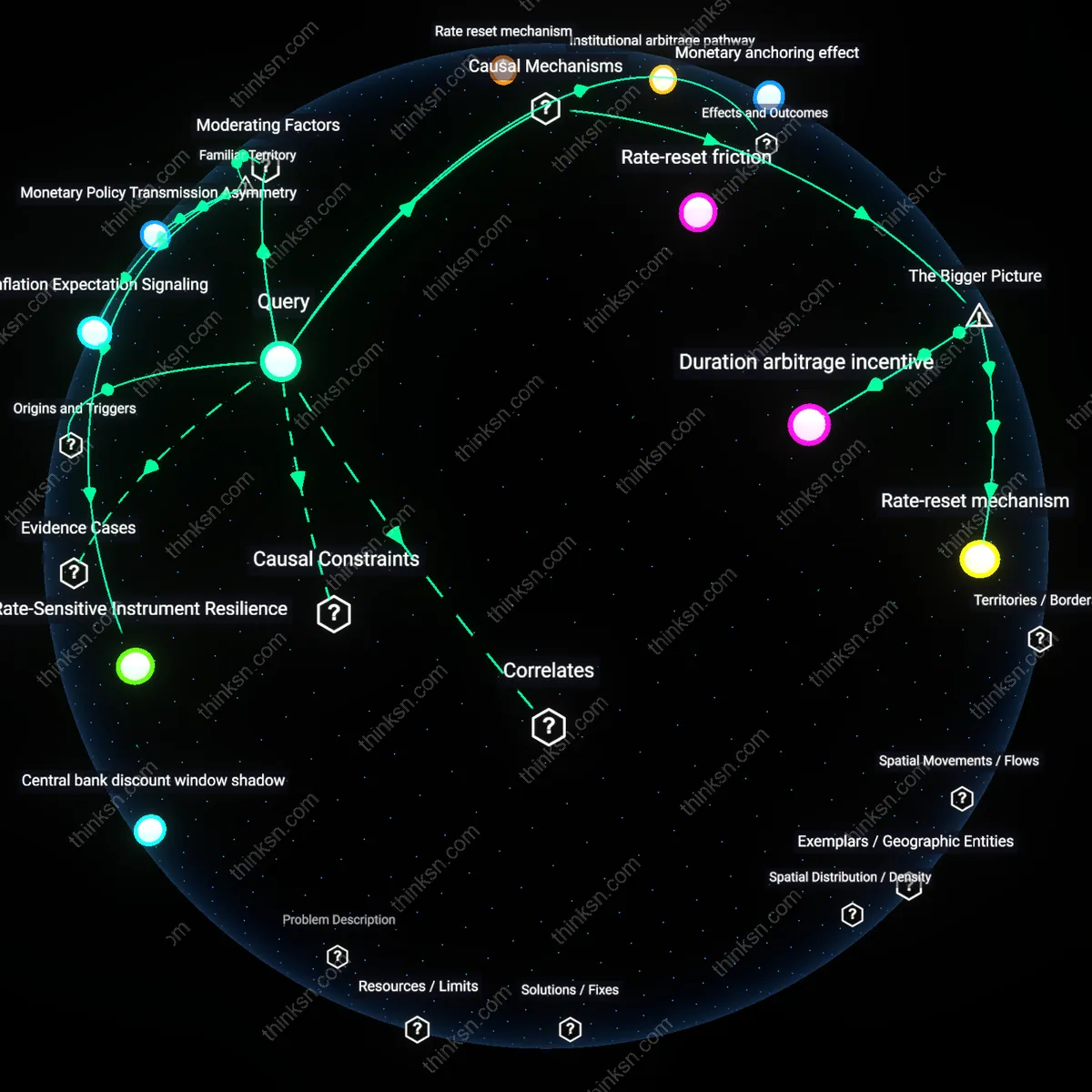
A public-utility model for payment processing could reduce systemic risk only if it is shielded from political budget cycles and regulatory capture, yet its very structure invites arbitrage by shadow fintech ecosystems. When public utilities impose uniform fees or compliance rules—such as the U.S. FedNow system attempting to standardize instant payments—profit-driven actors like neobanks and crypto platforms reconfigure around them using regulatory asymmetries, often migrating riskier transactions to unregulated layers. The non-obvious consequence is that systemic risk isn't eliminated but displaced, revealing how institutional design that ignores jurisdictional mismatches can generate more volatile, less transparent alternatives in the broader financial ecology.
Critical Path Interdependence
The concentration of payment processing heightens systemic risk because settlement finality in real-time gross settlement (RTGS) systems depends on a handful of nodes—such as SWIFT or CHIPS—that route both commercial and central bank transactions. When a single processor experiences technical failure or cyber compromise, cascading delays interrupt not just consumer payments but interbank liquidity positioning, threatening monetary policy execution during tight windows—like the end of a reserve maintenance period in the Eurozone. This interdependence is underappreciated because risk models focus on asset correlations, not the shared operational pathways whose disruption alters the direction of financial stress from retail to sovereign levels.