Does Gender Bias Skew Parole Decisions or Not?
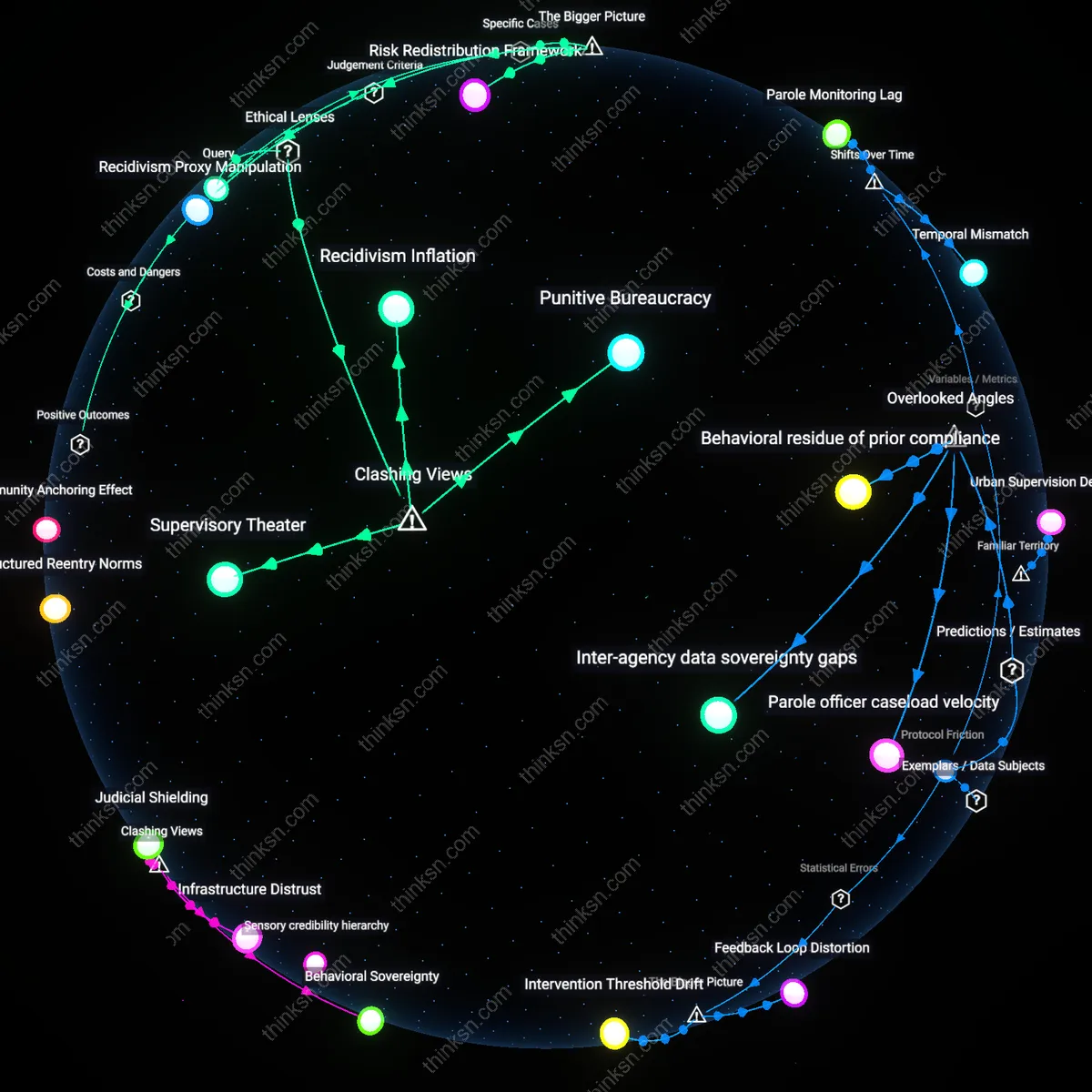
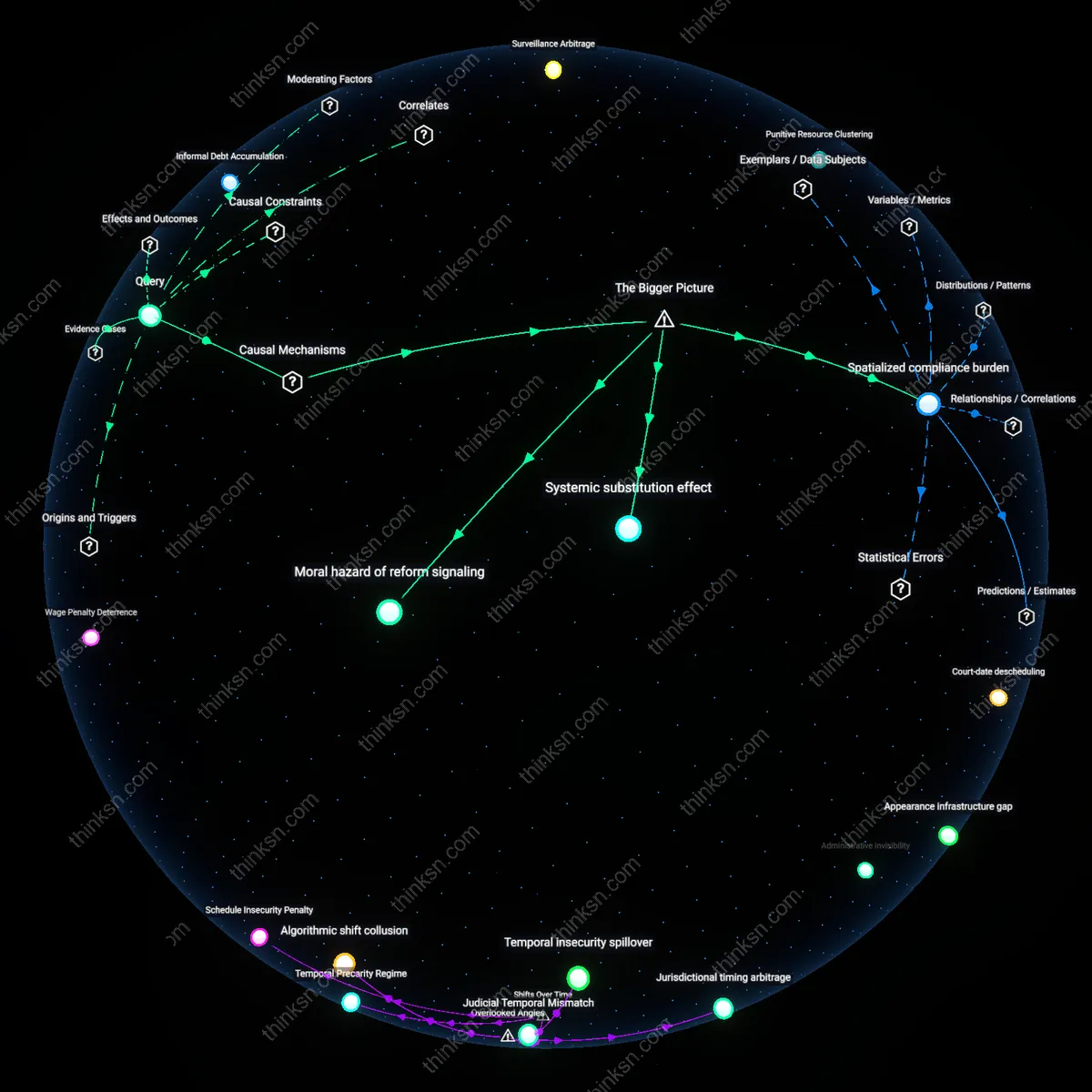
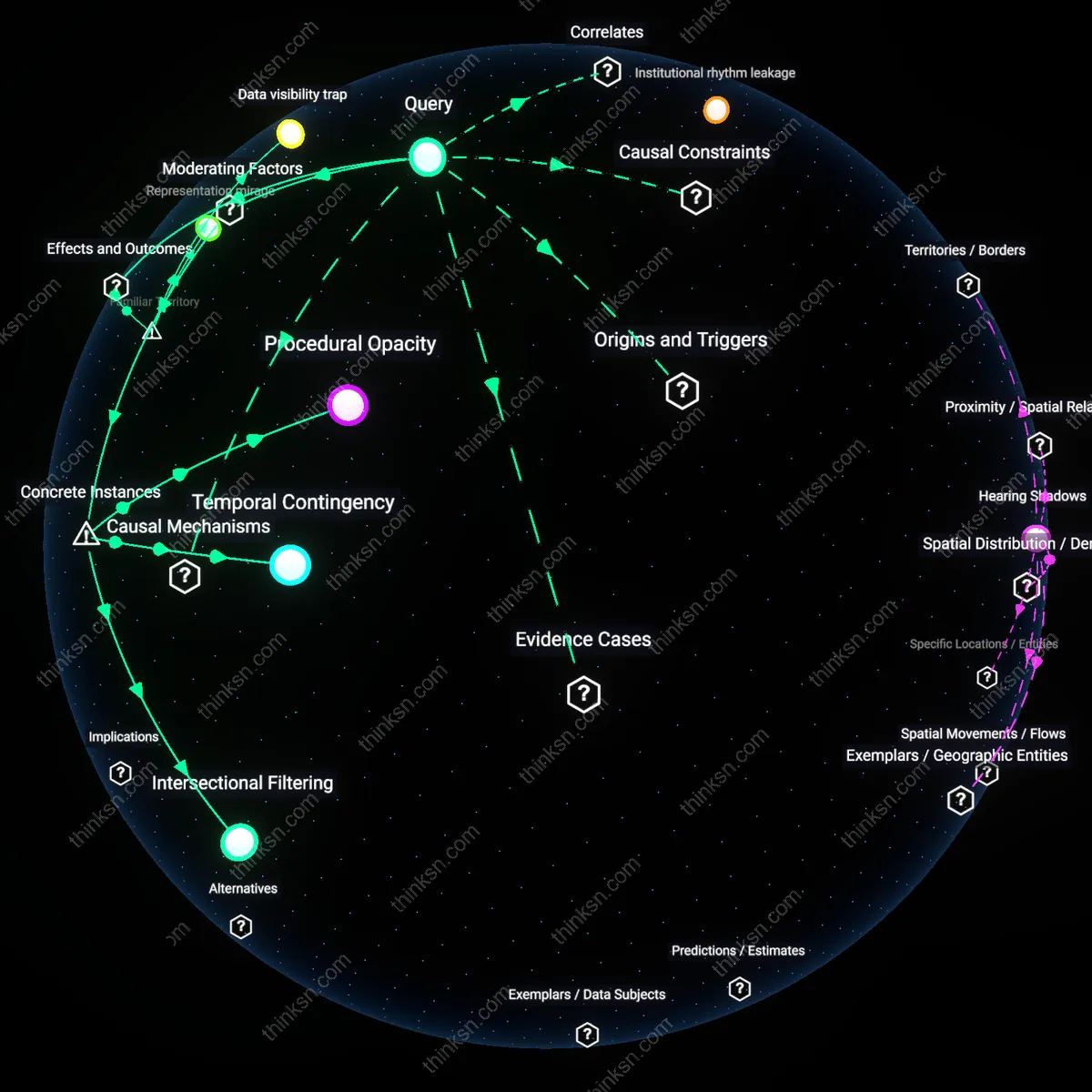
Analysis reveals 6 key thematic connections.
Key Findings
Decision fatigue effect
Parole board members are more likely to grant parole early in the day or right after breaks, and this pattern undermines consistent detection of gender bias because fluctuations in cognitive stamina swamp demographic effects. The mechanism operates through individual decision-makers—typically appointed legal professionals in state-level boards—whose rulings drift with circadian rhythms and workload, not just policy or prejudice, making gender appear statistically negligible when it is merely masked. This is significant because it reveals that what seems like inconsistent evidence may actually stem from timing and energy, not the absence of bias. What is underappreciated in public discourse is that fairness debates focus on identity while overlooking biological and procedural noise that drowns it out.
Representation mirage
Increasing gender diversity on parole boards does not reliably alter outcomes because new members adapt to preexisting institutional norms rather than reshape them, producing the appearance of reform without shifts in release rates or criteria. The mechanism functions through organizational acculturation in state correctional systems, where voting patterns converge toward historical averages regardless of individual identity, due to risk-aversion and precedent reliance. This matters because policy reforms targeting board composition assume identity shapes judgment directly, when the deeper lever is decision-making culture. The public assumes visible diversity implies functional change, but the system neutralizes deviation through implicit standardization.
Data visibility trap
Gender bias measurements rely on sparse, inconsistently recorded parole files where key variables like offense severity or rehabilitation efforts are missing or subjectively coded, so statistical models cannot isolate gender’s role with confidence. This occurs within state-level corrections databases where clerical practices vary across jurisdictions, leading researchers to over-rely on accessible but shallow indicators like release denials alone. The consequence is not simply inconclusive findings, but misdirected reforms that treat composition as the primary fix. The public presumes data reflects reality transparently, but the real obstacle is not prejudice or identity—it is the invisibility built into recordkeeping itself.
Procedural Opacity
Parole hearings in Pennsylvania’s correctional system during the 2010s routinely excluded standardized evaluation criteria, allowing individual board members’ subjective interpretations of 'rehabilitation' to disproportionately influence decisions, which amplified gender bias when male applicants were credited with behavioral changes while similar conduct in women was overlooked; the absence of transparent benchmarks intensified discretion, making systematic bias harder to isolate from legitimate case variation, revealing that inconsistent procedural design—rather than overt discrimination—is a primary source of evidentiary noise.
Intersectional Filtering
In California’s 2022 parole review data, Black transgender women released under Governor Newsom’s clemency initiative faced distinct evaluative hurdles compared to cisgender women or white LGBTQ+ applicants, as board assessments often conflated gender identity, criminal history severity, and prior survival-related offenses (e.g., sex work) into assumptions about 'public safety risk,' thereby dampening the visibility of gender bias when analyzed along single-axis lines; this demonstrates that mainstream studies failing to account for race-gender-legality layering systematically misattribute or obscure bias, rendering aggregate findings inconclusive.
Temporal Contingency
The shift in New York’s parole denial patterns after 2019, when the 'Fair and Impartial Parole Act' mandated diverse board panels, initially showed no reduction in gender disparities until 2021—when concurrent sentencing reform shortened drug-related terms, aligning women’s release eligibility with demonstrated behavioral metrics—revealing that gender bias in parole outcomes is not a fixed trait of panel composition but conditionally activated by the timing of policy convergence; without synchronized eligibility changes, even restructured boards lack leverage to alter entrenched decision rhythms.