How Siblings in Different States Can Share End-of-Life Care Decisions?
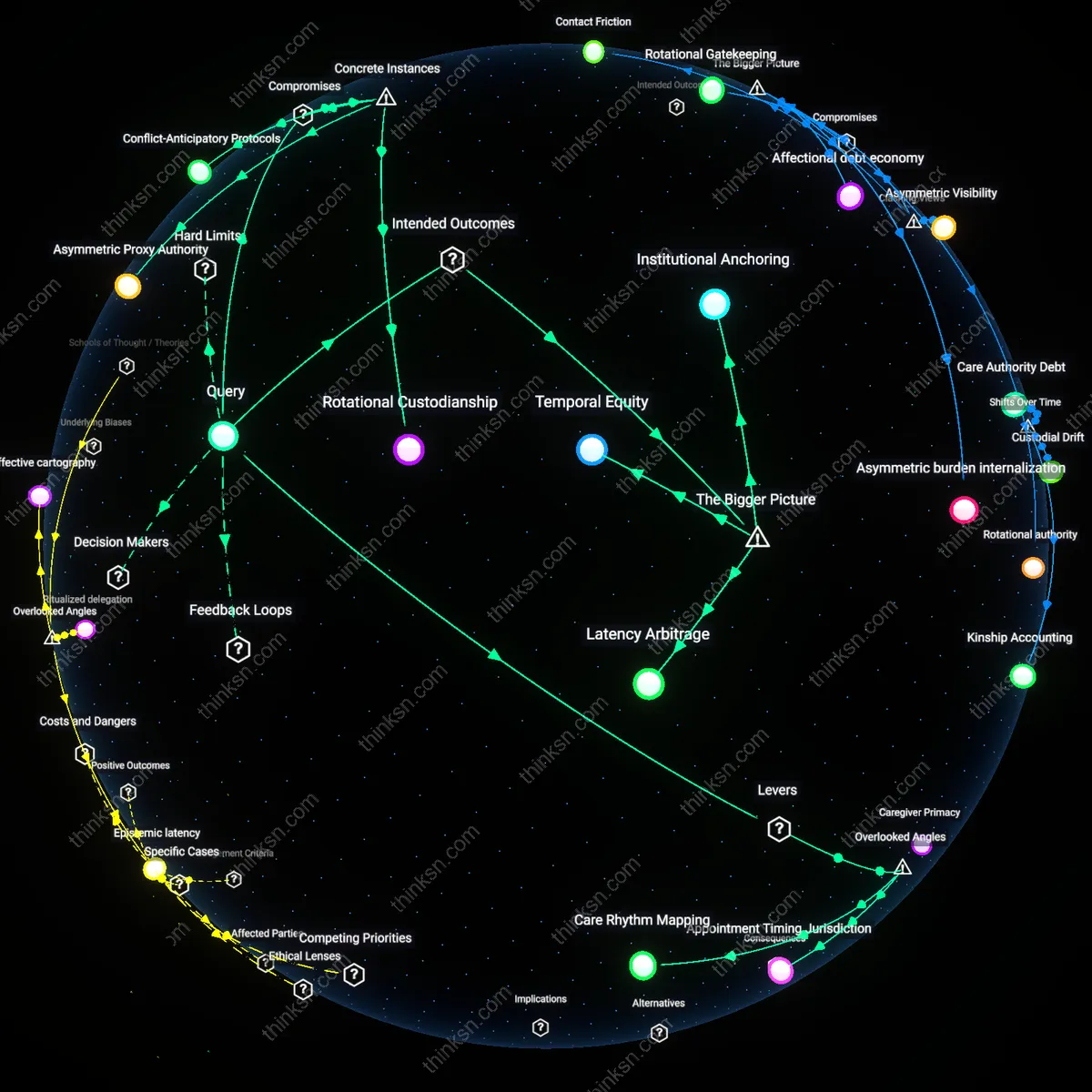
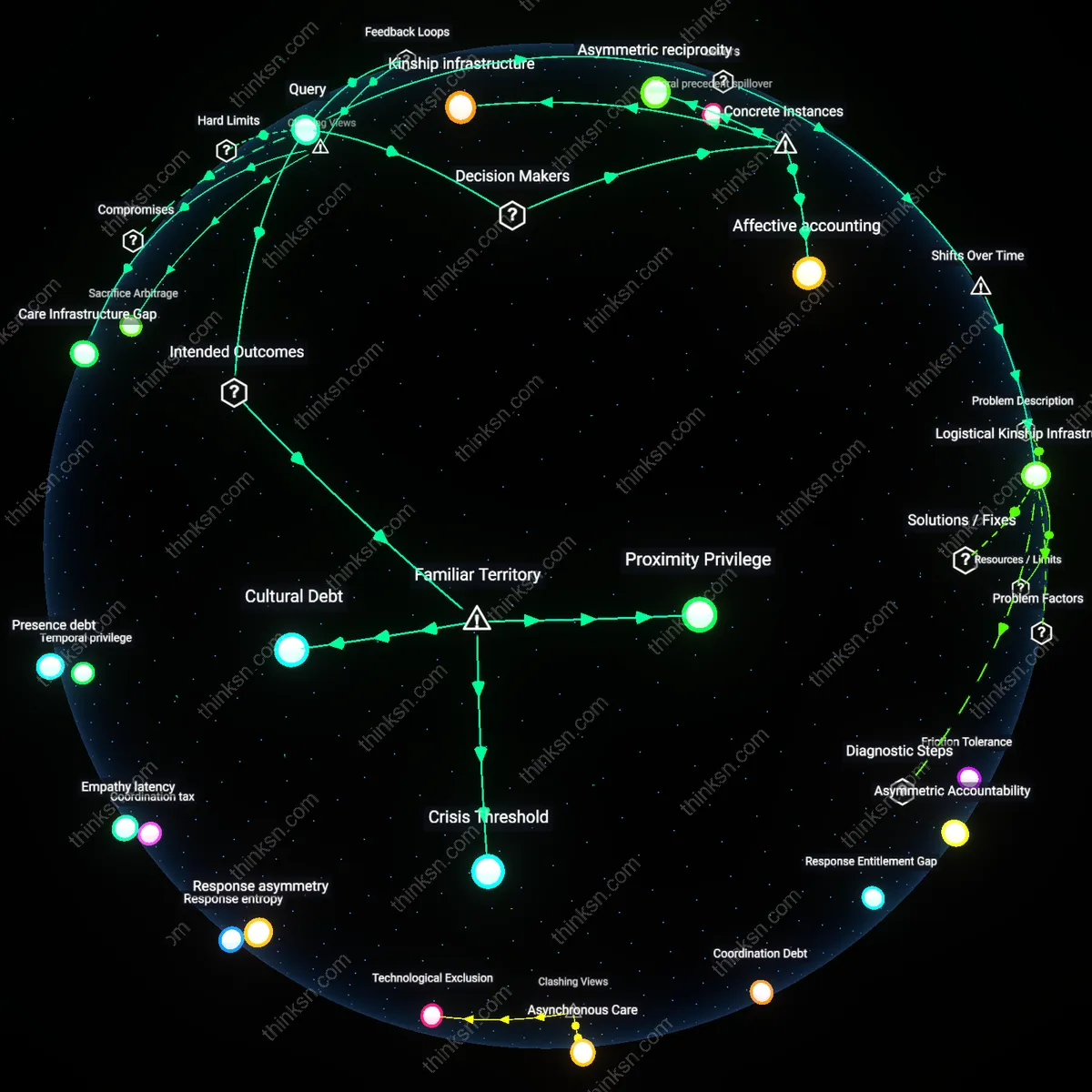
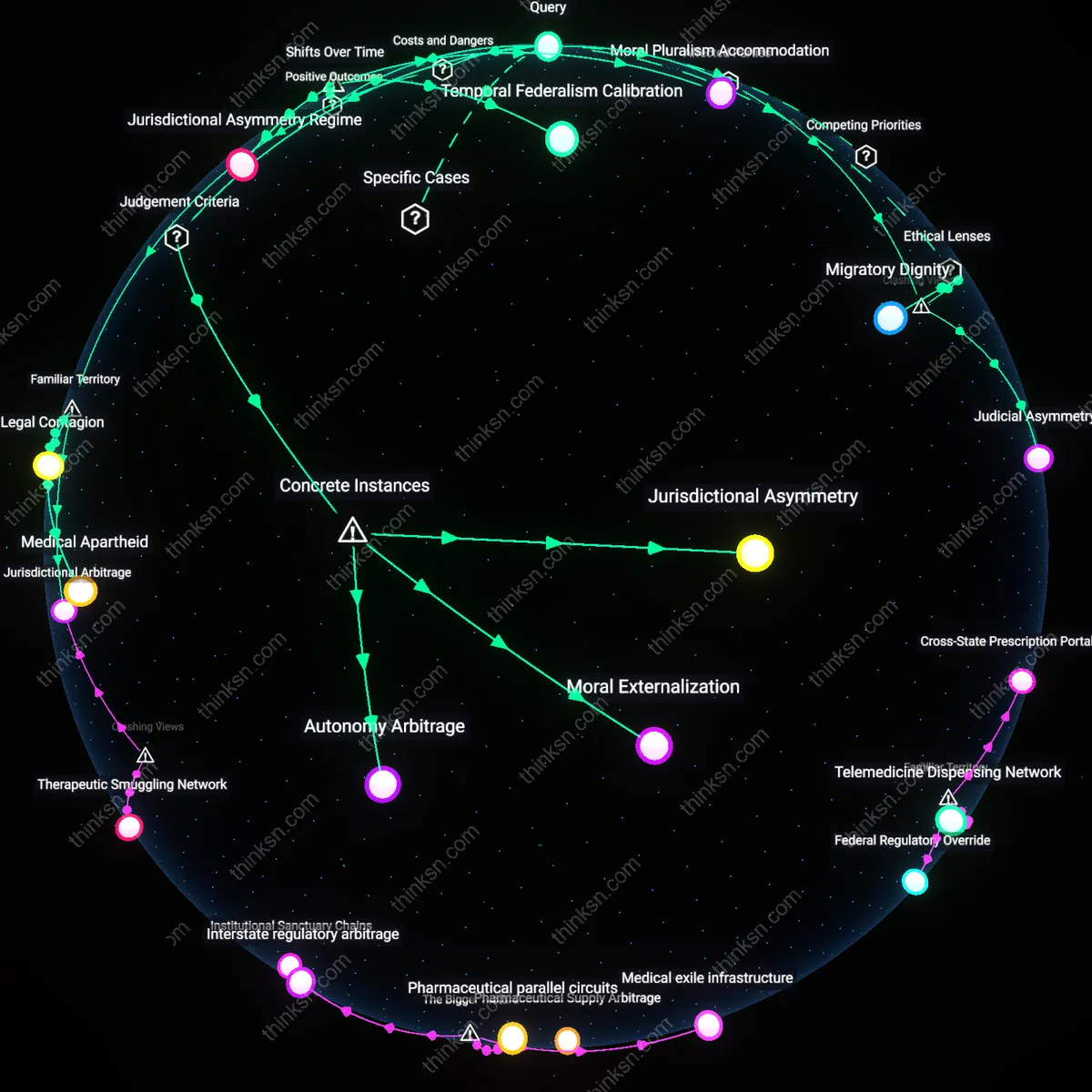
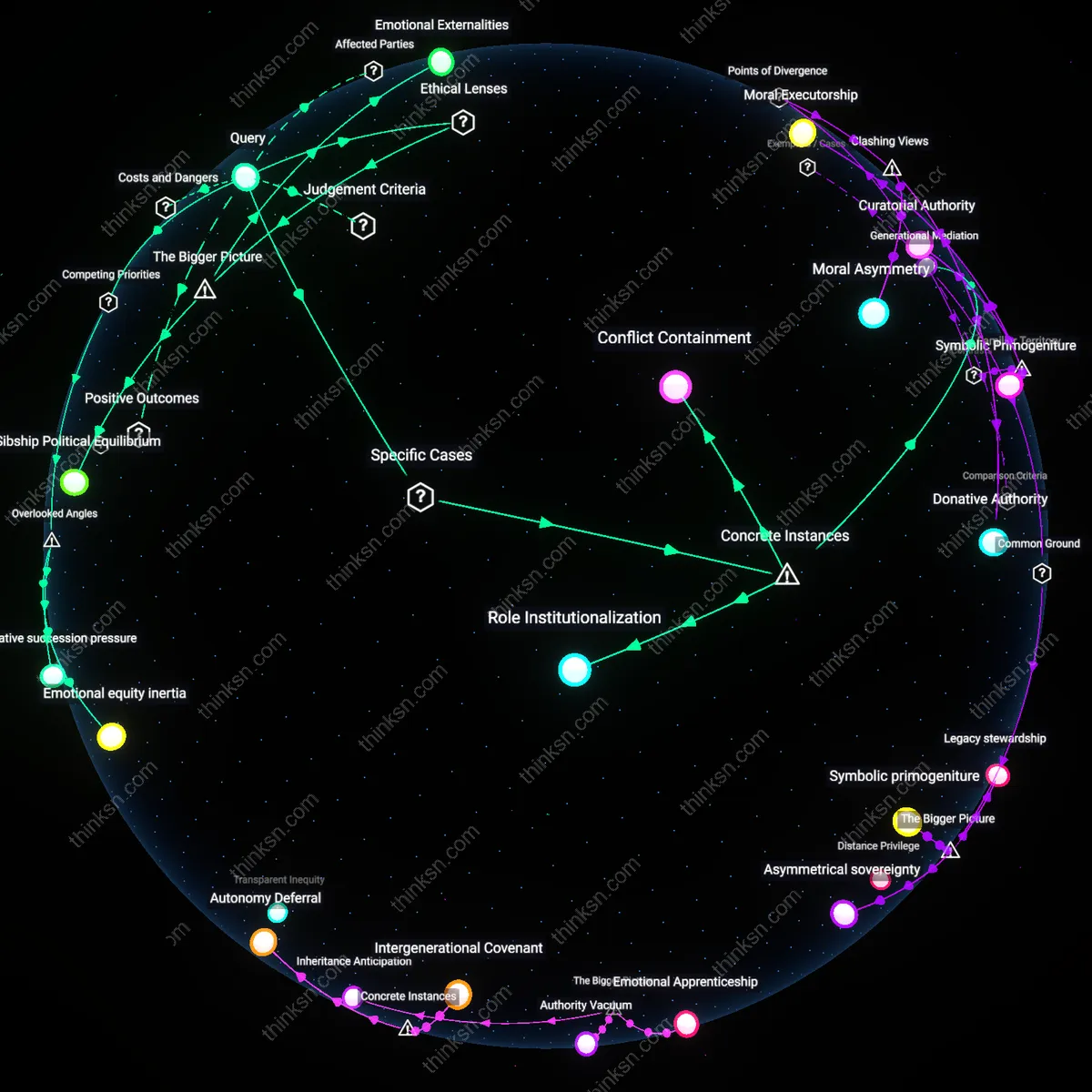
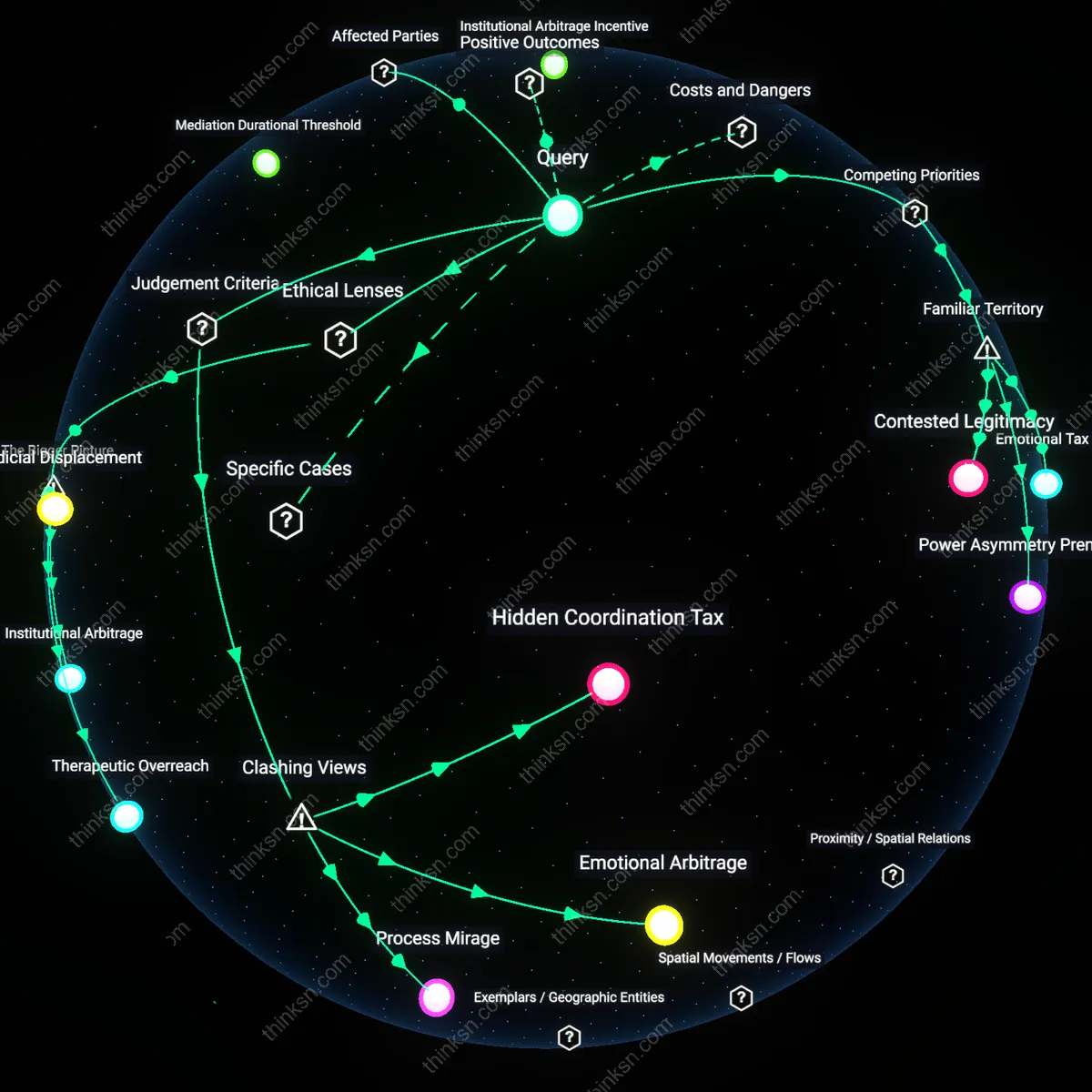
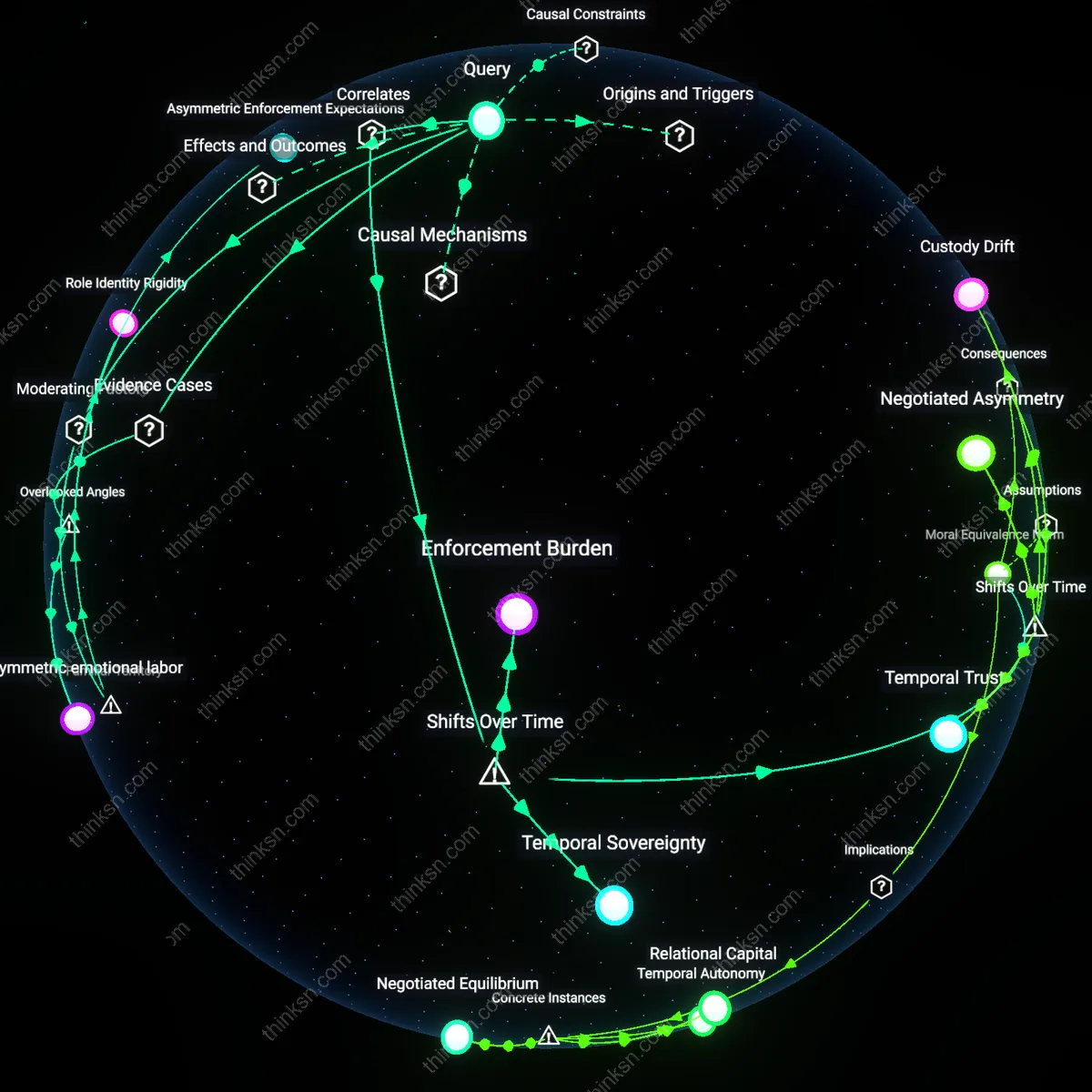
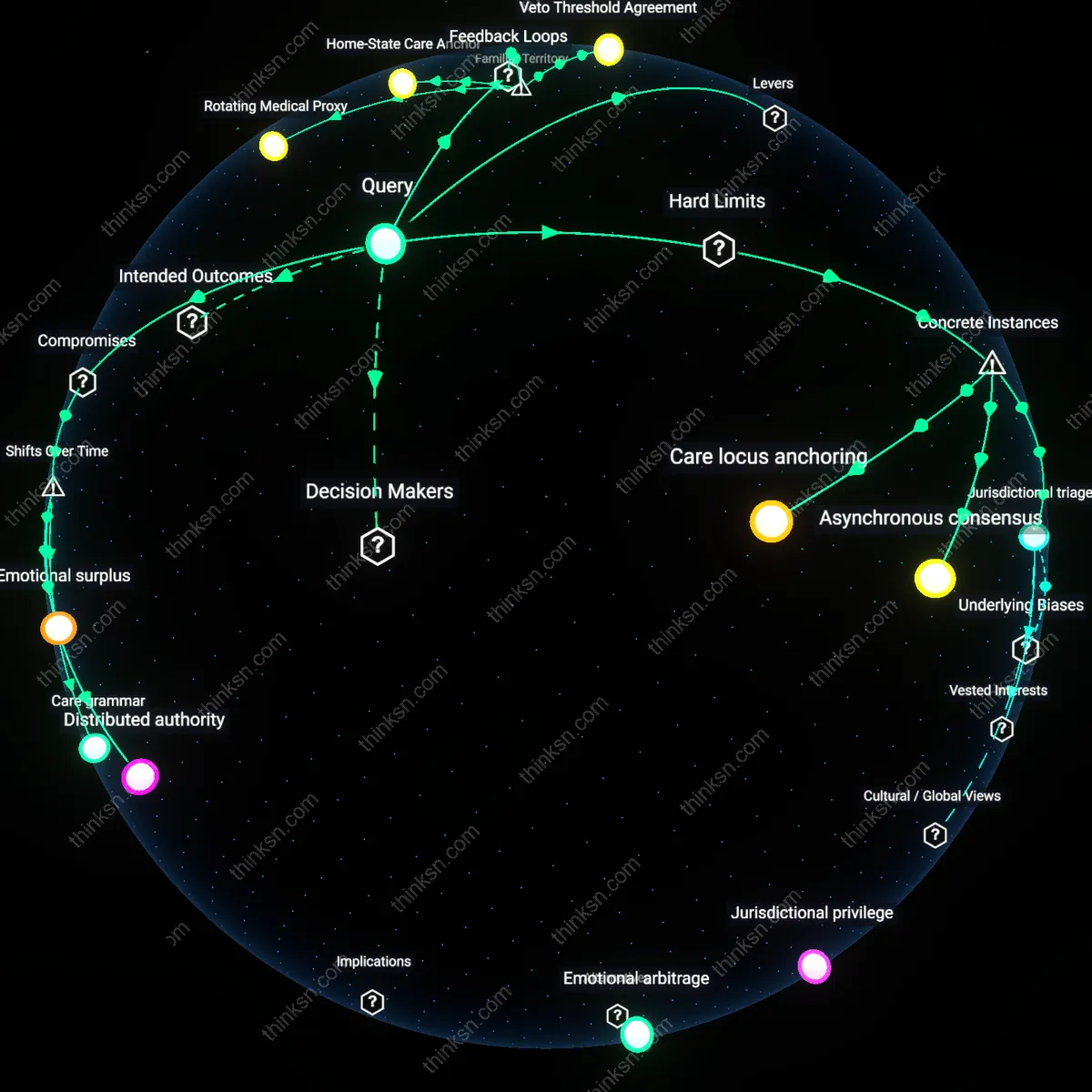
Analysis reveals 11 key thematic connections.
Key Findings
Jurisdictional triage
Designate decision-making authority based on local healthcare jurisdiction laws to resolve conflicts when siblings live across state or national borders, as seen when the Miller siblings centralized proxy decisions with their brother in Ohio because only his state recognized durable powers of attorney for health care, which legally bound medical facilities to defer to him despite equal emotional involvement from siblings in California and New Jersey; this mechanism bypasses logistical gridlock by anchoring legitimacy in the most enforceable legal framework, revealing that fairness is not distributed equally among siblings but weighted by regulatory efficacy.
Asynchronous consensus
Implement time-bound digital deliberation cycles using structured email threads or shared care platforms, as demonstrated by the Patel family who coordinated their mother’s palliative transition across London, Toronto, and Mumbai by adopting a 72-hour response rule on a private Basecamp-style board where silence equaled consent—this system respected disparate time zones and work constraints while preserving inclusion, exposing that practicality in distributed families often depends not on real-time agreement but on designed defaults that prevent decision drift.
Care locus anchoring
Assign the sibling residing nearest to the parent’s primary care facility the role of on-site validator, as the Okafor siblings did when their sister in Minneapolis managed daily assessments for their father at the University of Minnesota Medical Center while her brothers in Atlanta and Seattle voted on interventions via summarized weekly briefings; this spatial tethering limited misinformation and reaction to anecdote, uncovering that geographical proximity creates an epistemic advantage in end-of-life judgment which must be formally integrated rather than informally assumed.
Decision Escrow
Designate a neutral third-party mediator with binding arbitration authority to resolve disputes over care decisions through a pre-signed agreement among siblings. This mechanism operates through legal instruments like advance care agreements, where unresolved disagreements are adjudicated by a trained health care mediator or ethics committee tied to the parent’s medical institution—bypassing familial power imbalances that dominate informal consensus. The non-obvious insight is that fairness in family decision-making does not require unanimity; it requires a defection-proof structure that prevents any one sibling from hijacking the process through emotional leverage or geographic presence, revealing that trust is not a prerequisite for equitable outcomes when institutionalized procedural legitimacy substitutes for relational consensus.
Temporal Rotation
Implement a time-bound, geographically indexed rotation schedule that allocates decision rights—not just caregiving duties—based on who is physically present during critical inflection points in the parent’s decline. Rather than distributing authority equally across distance, this system grants temporary primacy to the sibling on-site during medical crises, hospitalizations, or hospice transitions, with mandatory documentation and notification to others within 24 hours. This disrupts the intuitive assumption that equal input requires synchronous participation, exposing how physical proximity creates asymmetric access to real-time information and thus de facto control—by formalizing that reality instead of resisting it, the framework turns visibility into a governed privilege rather than an exploitable advantage.
Rotating Medical Proxy
Appoint one sibling to serve as the primary medical decision-maker for a fixed three-month term, after which responsibility rotates to the next sibling in birth order. This creates a formalized succession that prevents any one sibling from bearing prolonged emotional or logistical burden, while ensuring all have equal ownership over critical junctures in care. The rotation acts as a balancing feedback loop by periodically resetting authority, which counters the reinforcing cycle of resentment that builds when one sibling is perceived as overreaching or disengaged. Though families typically associate shared responsibility with constant consensus—a source of gridlock—this mechanism leverages time-bound roles to transform conflict into structured handoffs, making equitable participation sustainable without requiring continuous agreement.
Home-State Care Anchor
Designate the sibling living nearest to the parent’s primary residence as the default executor of daily care logistics and local medical coordination. Proximity reduces information latency and increases situational awareness, creating a stable locus for decision implementation despite geographic dispersion. This arrangement forms a balancing loop by grounding volatile, emotionally charged choices in a consistent physical and institutional context—local hospitals, pharmacies, and home health agencies—thereby resisting the destabilizing pull of long-distance assumptions or second-guessing. While families often equate fairness with identical involvement, the non-obvious insight here is that anchoring authority in geographic reality enhances system stability more reliably than abstract equality, making the familiar notion of 'being there' the functional core of equitable responsibility.
Veto Threshold Agreement
Establish a rule that any sibling can trigger an emergency family council by invoking a single, binding veto on a proposed care decision, but only if they simultaneously commit to covering a predetermined share of uncovered care costs for the next quarter. This coupling of high-stakes objection with immediate financial accountability creates a reinforcing loop where the cost of conflict accelerates shared caution, leading to greater pre-consultation and information gathering before decisions are formalized. Since the familiar framing of sibling conflict centers on emotional grievances, the underappreciated mechanism is that material stakes—here, out-of-pocket expenses—can be engineered to make dissent self-limiting, transforming impulsive resistance into a rare, considered act. The system stabilizes because the veto, though powerful, becomes increasingly costly to the individual, aligning personal and collective incentives over time.
Distributed authority
Adopt rotating decision stewardship among siblings to balance equity and responsiveness as family dynamics shift post-retirement. This mechanism assigns one sibling at a time to consolidate medical input, liaise with care providers, and escalate concerns—rotating quarterly to prevent burnout and ensure all voices rhythmically lead; it emerged as a pragmatic adaptation after the 2010s expansion of telehealth infrastructure, which made remote coordination feasible whereas prior eras relied on unilateral decisions by the nearest sibling. The non-obvious insight is that fairness evolved not through simultaneity of input but through temporal parity of control, revealing how geographic inequity was historically masked by proximity-based de facto authority.
Care grammar
Codify a shared care lexicon—defining terms like 'comfort care' or 'crisis threshold'—to reduce interpretive drift as siblings inherit responsibilities during the transition from acute to palliative phases. Starting around 2005, as advance directives became common but inconsistently interpreted across regions, families began supplementing legal documents with narrative addenda explaining values in plain language, often mediated by hospice social workers; this compensates for the fact that medical jargon evolves faster than familial understanding, and that a term like 'intubation' may carry different emotional weight in Minnesota versus Arizona. The underappreciated shift is that standardization of meaning, not just delegation of power, became critical once decision-making migrated from hospitals to homes across time zones.
Emotional surplus
Designate a non-decision-making sibling as emotional witness to absorb grief and mediate tone in group communications, a role that crystallized during the pandemic-era acceleration of virtual care meetings. When Medicare expanded reimbursement for telehealth-based family conferences in 2020, clinical teams began structuring sessions with clear roles—one sibling synthesizes, one questions, one observes—mimicking team-based medicine; the observer, though not voting, tracks affect, calls out silences, and prevents reactive votes during emotionally charged moments. What changed over time is that emotional labor shifted from an invisible burden on the most available sibling to a formalized, rotating function, exposing how earlier models confused cognitive consensus with affective alignment.