Is Small Claims Court or CFPB Better for Telecom Credit Damage?
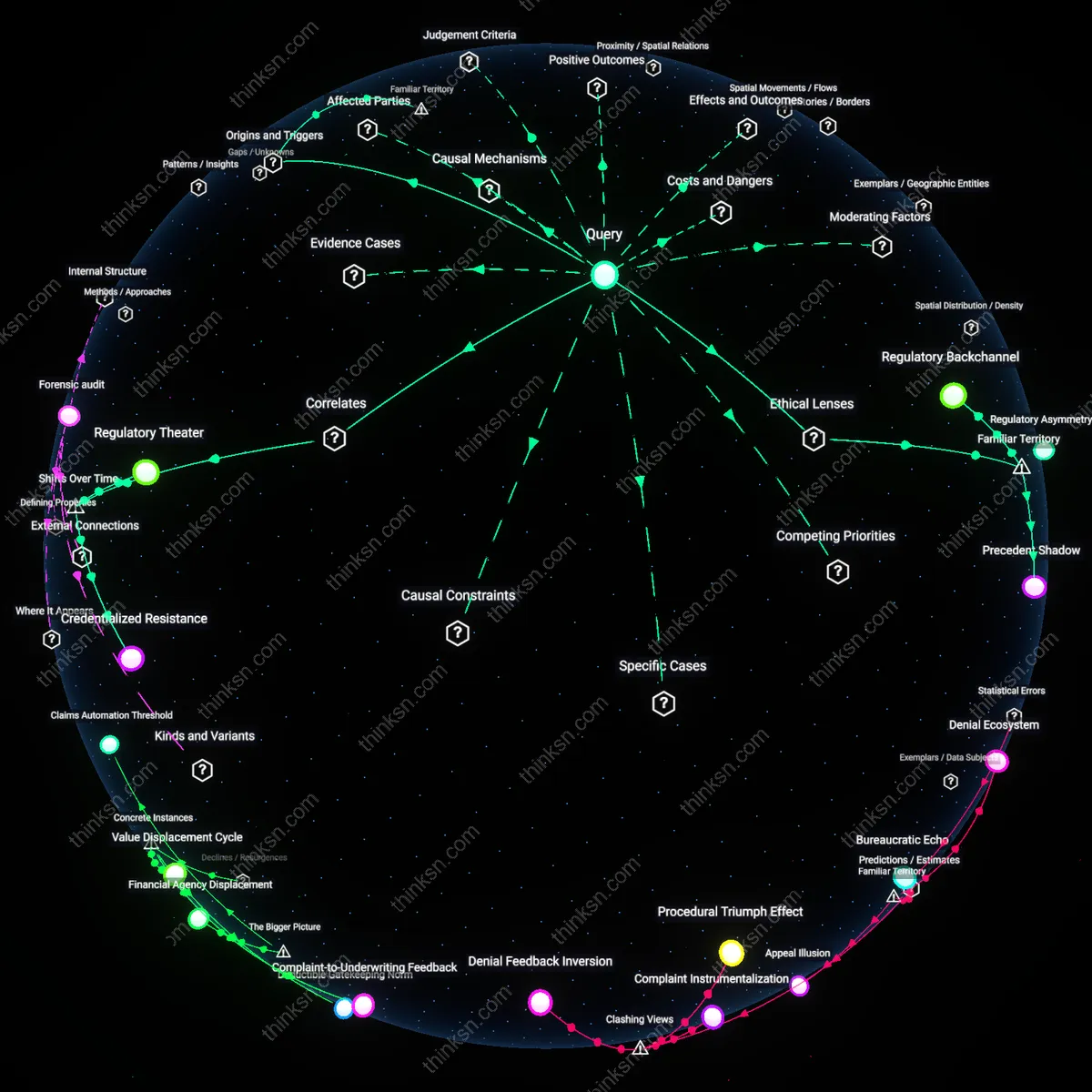
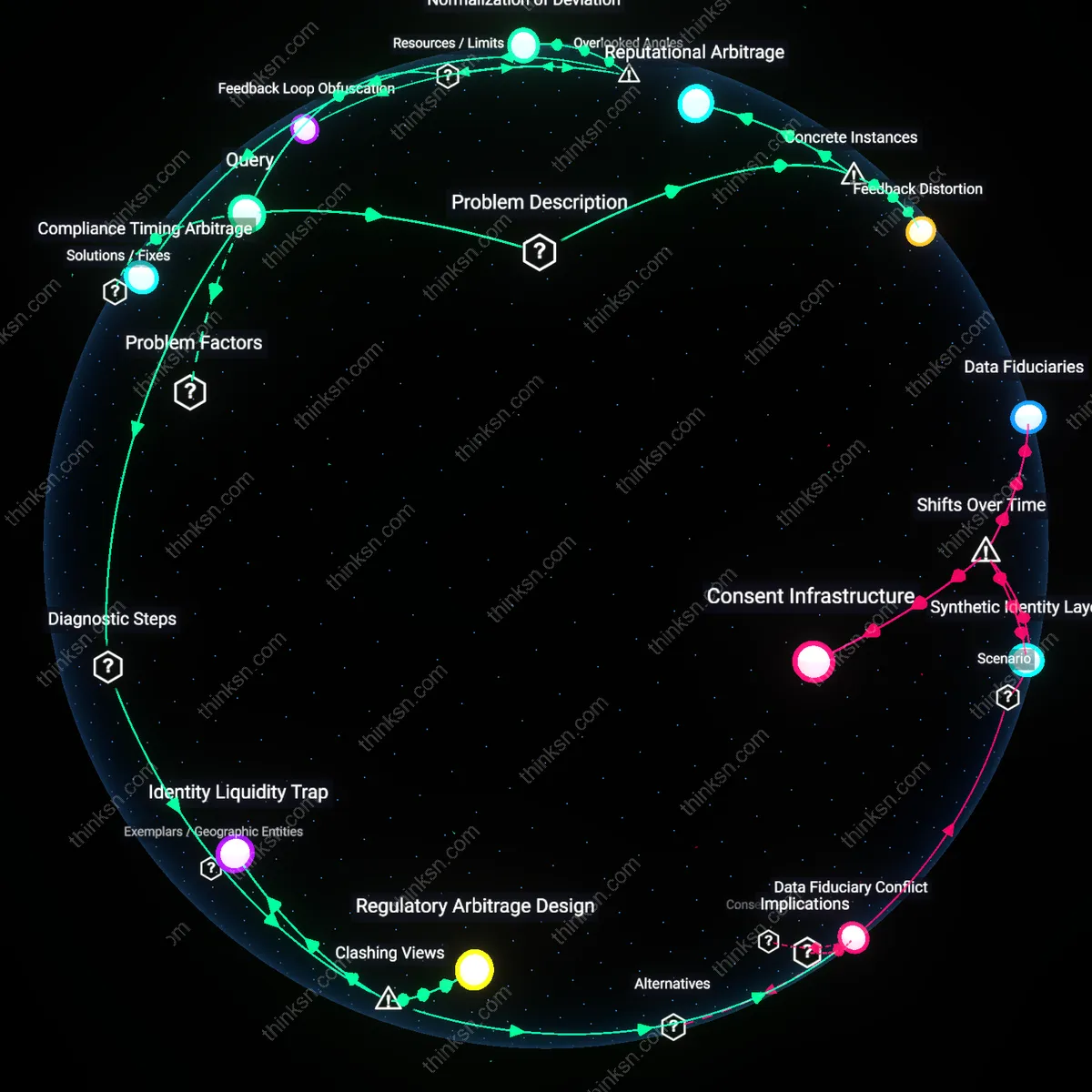
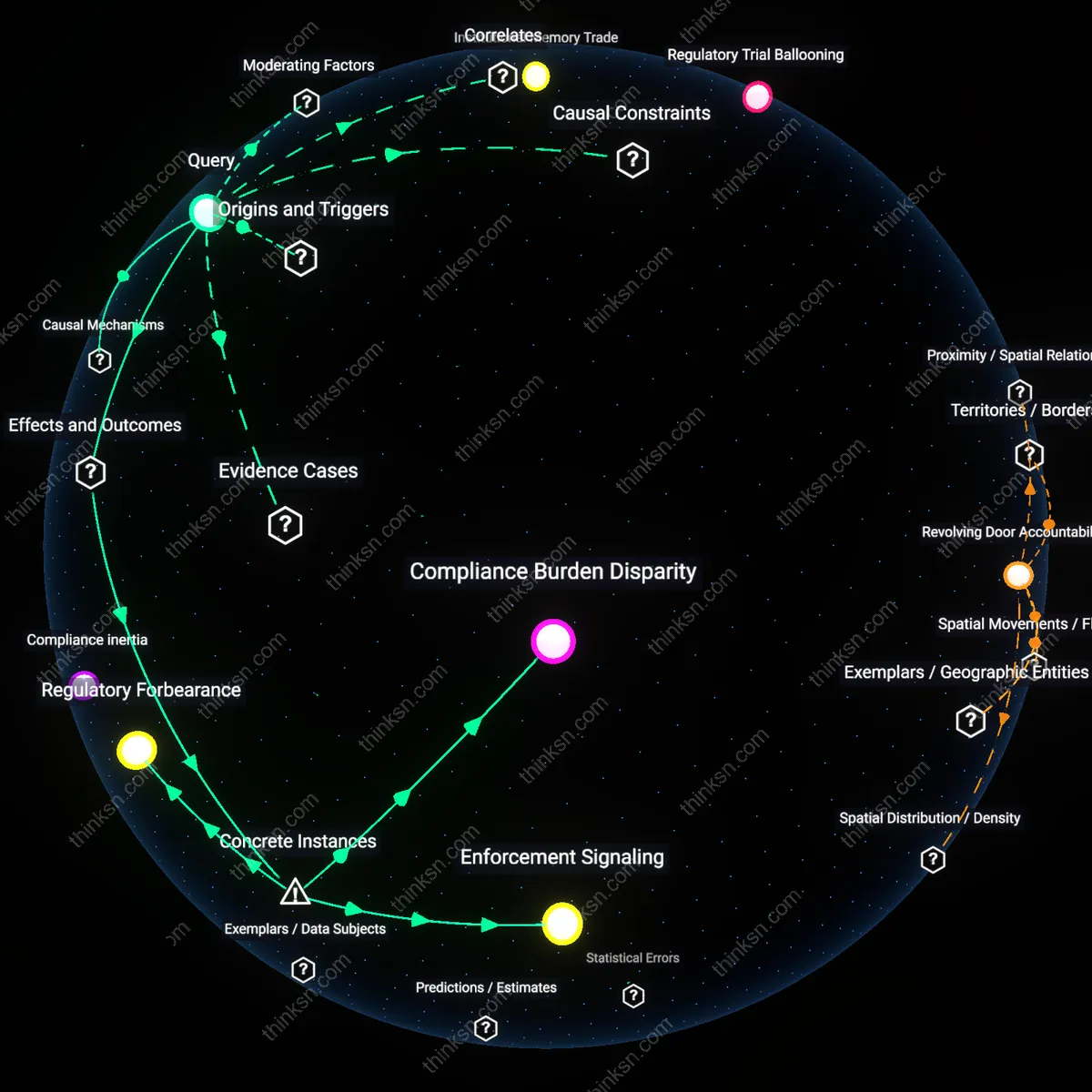
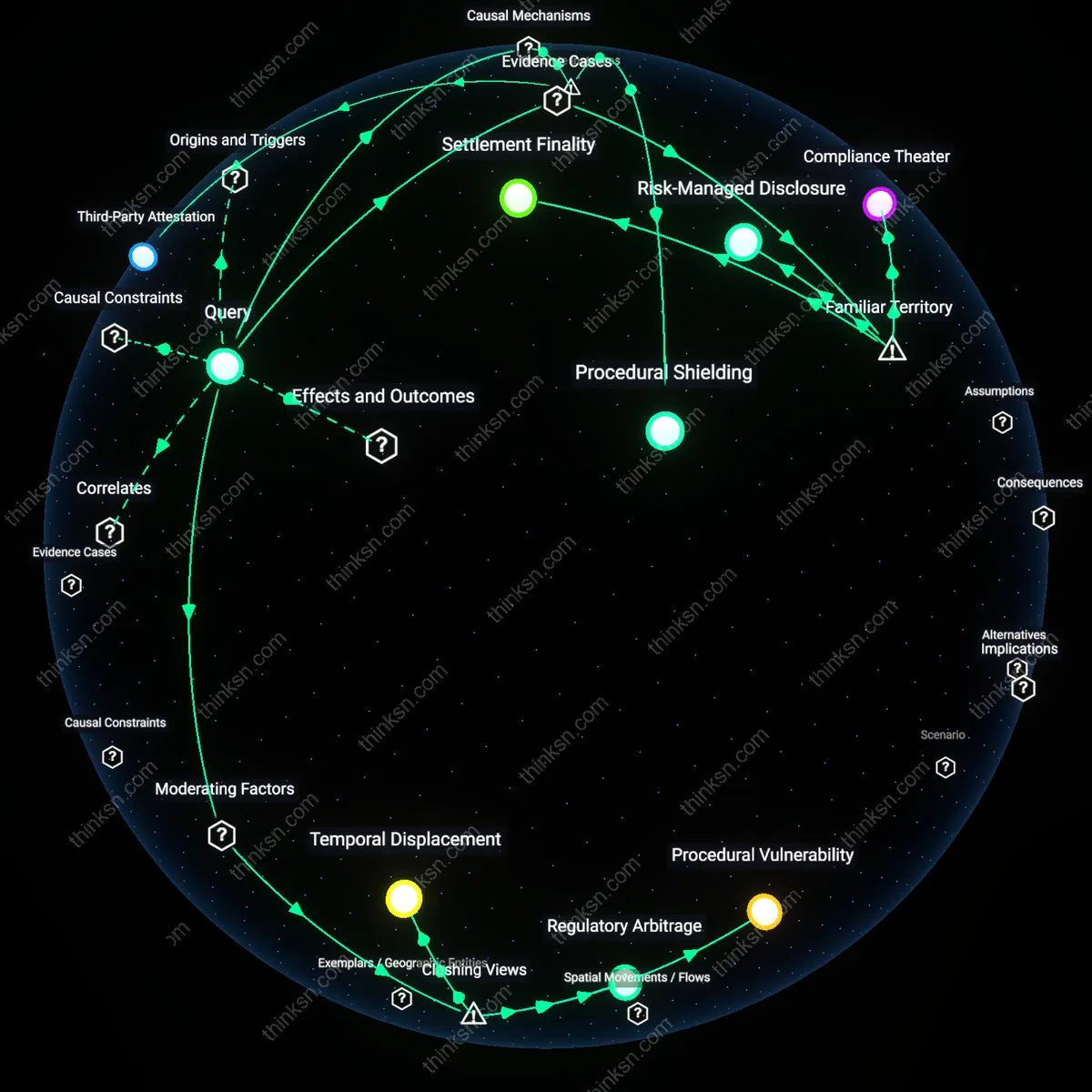
Analysis reveals 3 key thematic connections.
Key Findings
Judicial Futility
Small-claims court provides a more realistic chance of restitution than a CFPB complaint because it enables enforceable judgment against the telecom provider’s legal entity within a binding jurisdictional forum, unlike the CFPB’s non-adjudicative, mediation-based process which lacks compulsion and results in opaque, non-replicable outcomes; this reveals that judicial futility—where formal legal access masks actual enforcement impotence—is misattributed to consumer incapacity when it is structurally embedded in administrative deference, exposing how perceived institutional strength (CFPB) often collapses under non-coercive mandates.
Regulatory Illusion
A CFPB complaint offers a more realistic chance of restitution than small-claims court because it triggers centralized data aggregation that can force systemic adjustments in telecom credit reporting behavior through supervisory pressure, pattern recognition, and consent decrees—mechanisms unavailable in fragmented, one-off court actions; this challenges the intuitive primacy of individual legal agency, exposing the regulatory illusion wherein personal legal victories are celebrated despite their impotence against institutionalized credit reporting errors that only responsive bureaucracy can reshape at scale.
Private Enforcement Threshold
A CFPB complaint provides a more realistic chance of restitution than small-claims court because it activates federal oversight infrastructure capable of mandating industry-wide behavioral corrections that indirectly secure individual redress. When consumers file complaints, the CFPB compiles them into actionable datasets that can trigger supervisory exams, enforcement decrees, or consent orders requiring companies to refund harmed consumers at scale—something no individual plaintiff can achieve in court. The real mechanism is the bureau's authority under the Dodd-Frank Act to compel remediation across entire customer cohorts when systemic misconduct is detected. What is underappreciated is that individual restitution often occurs not through litigation wins but through regulatory settlements that treat isolated cases as symptoms of structural failure.