When Homeschooling Shields or Silos Neurodiverse Kids?
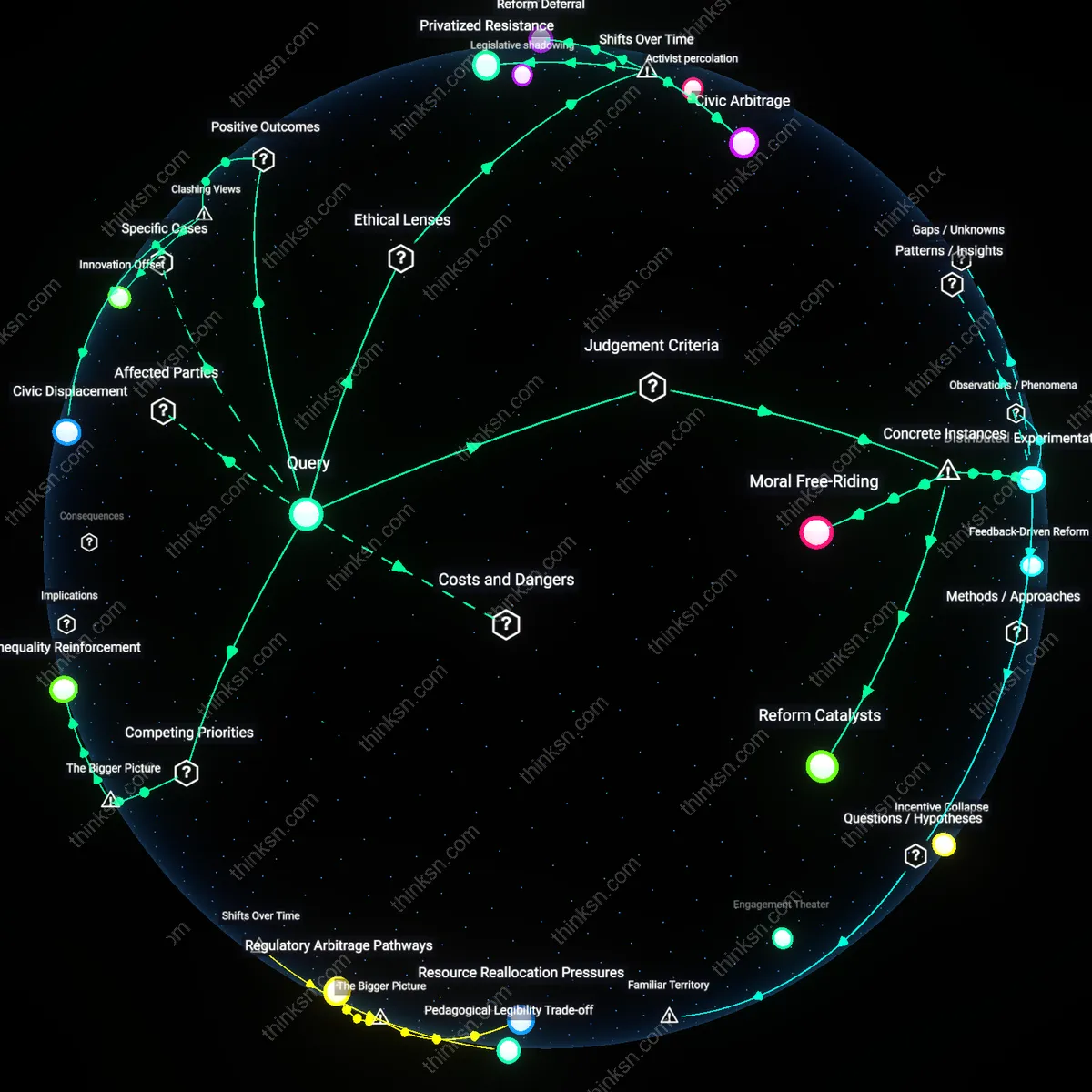
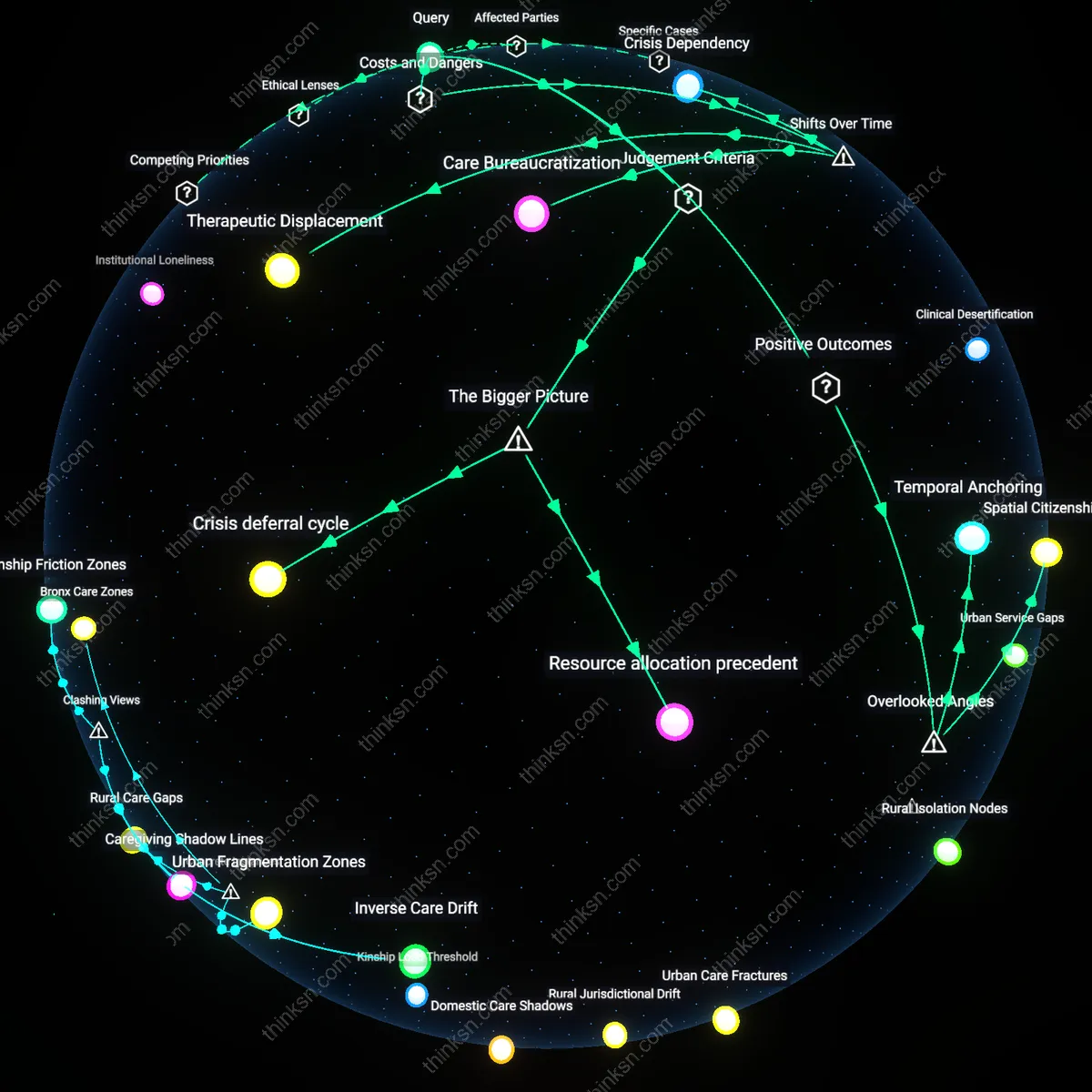
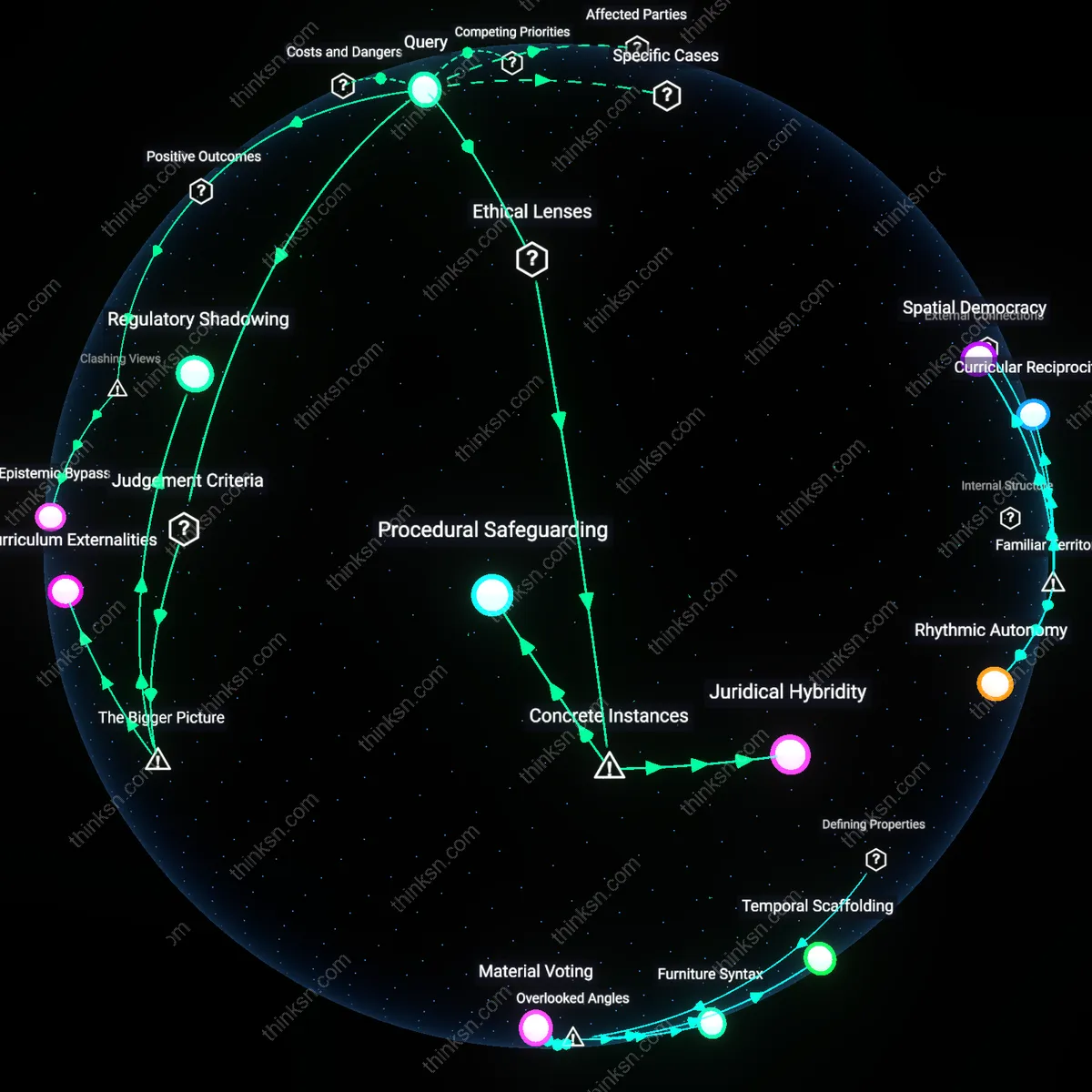
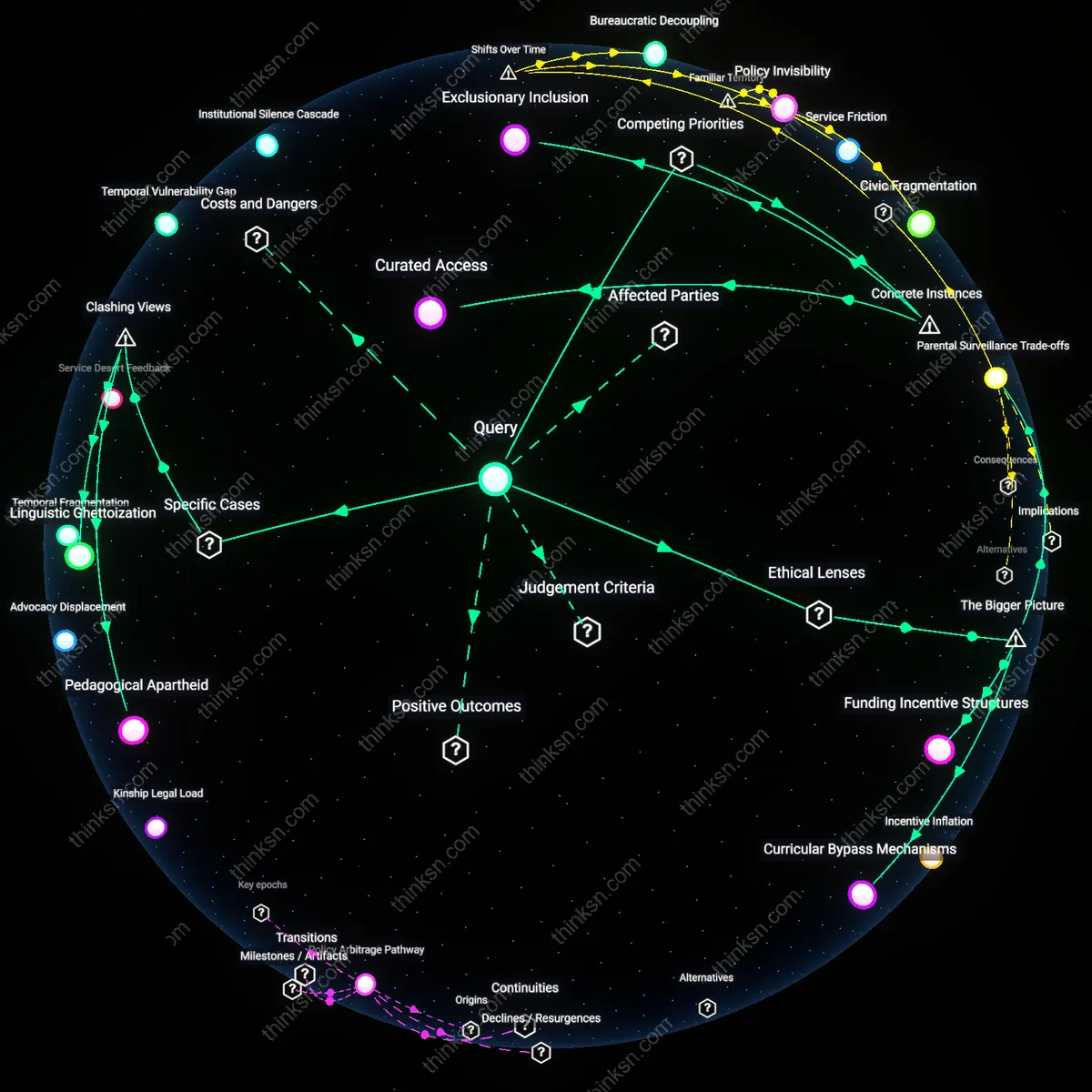
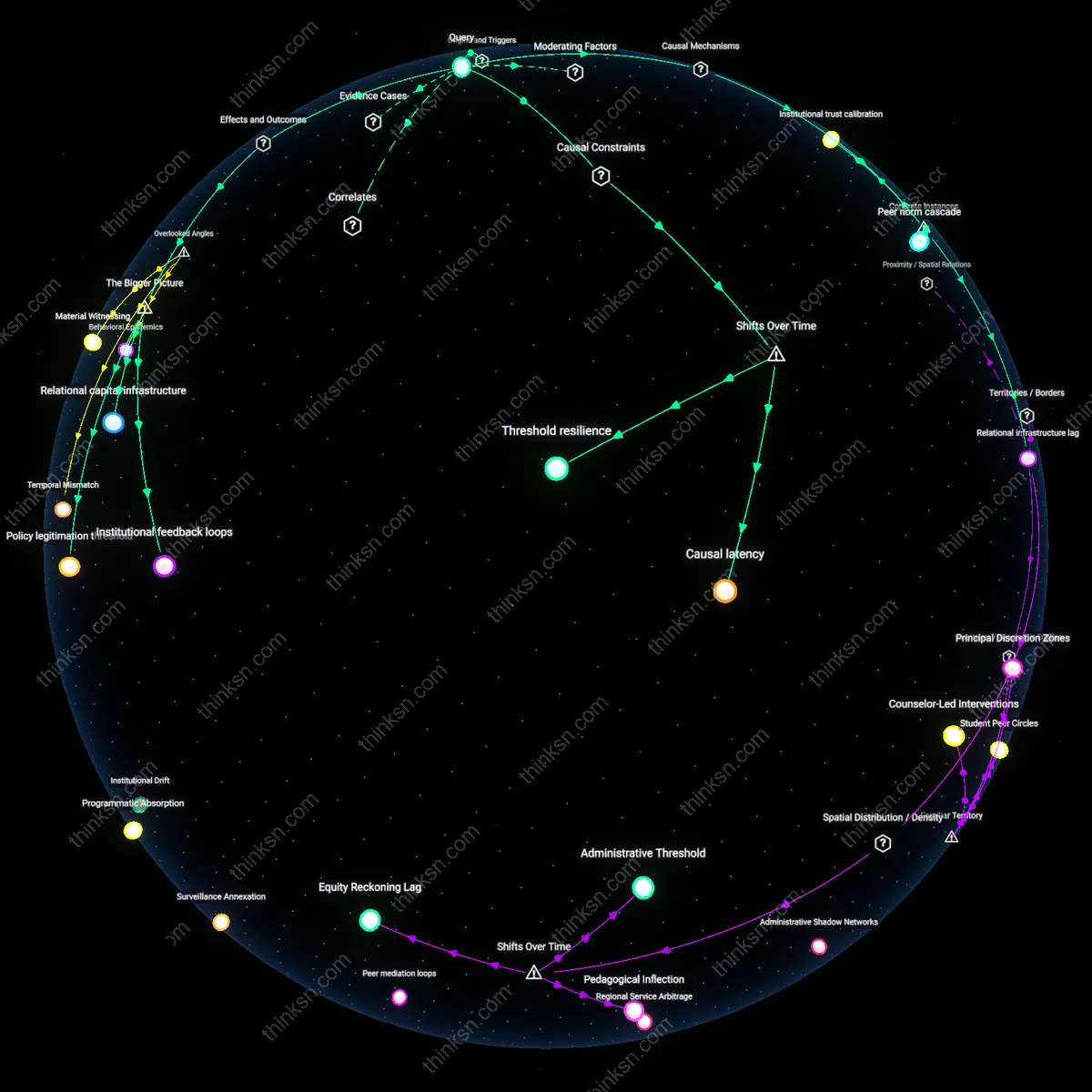
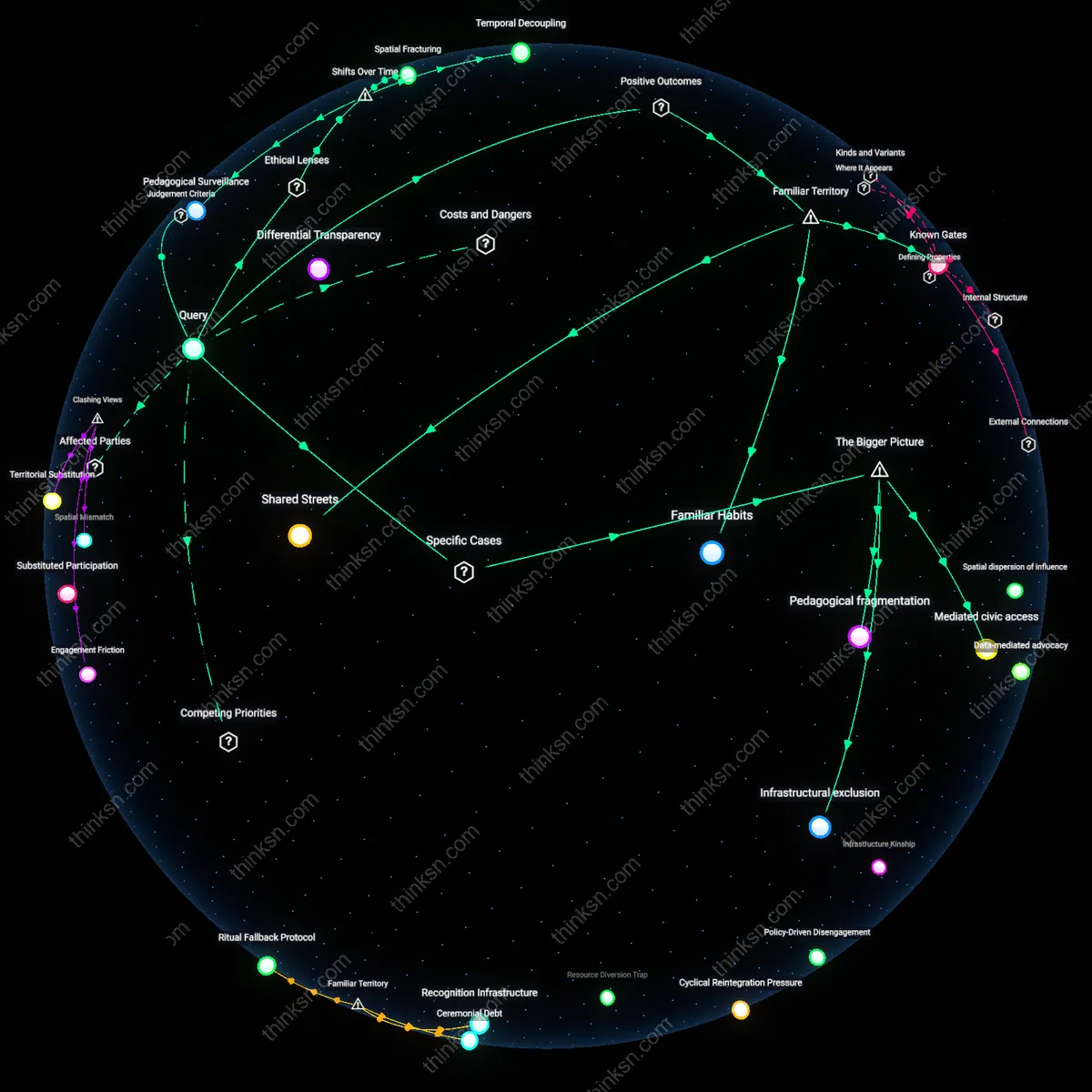
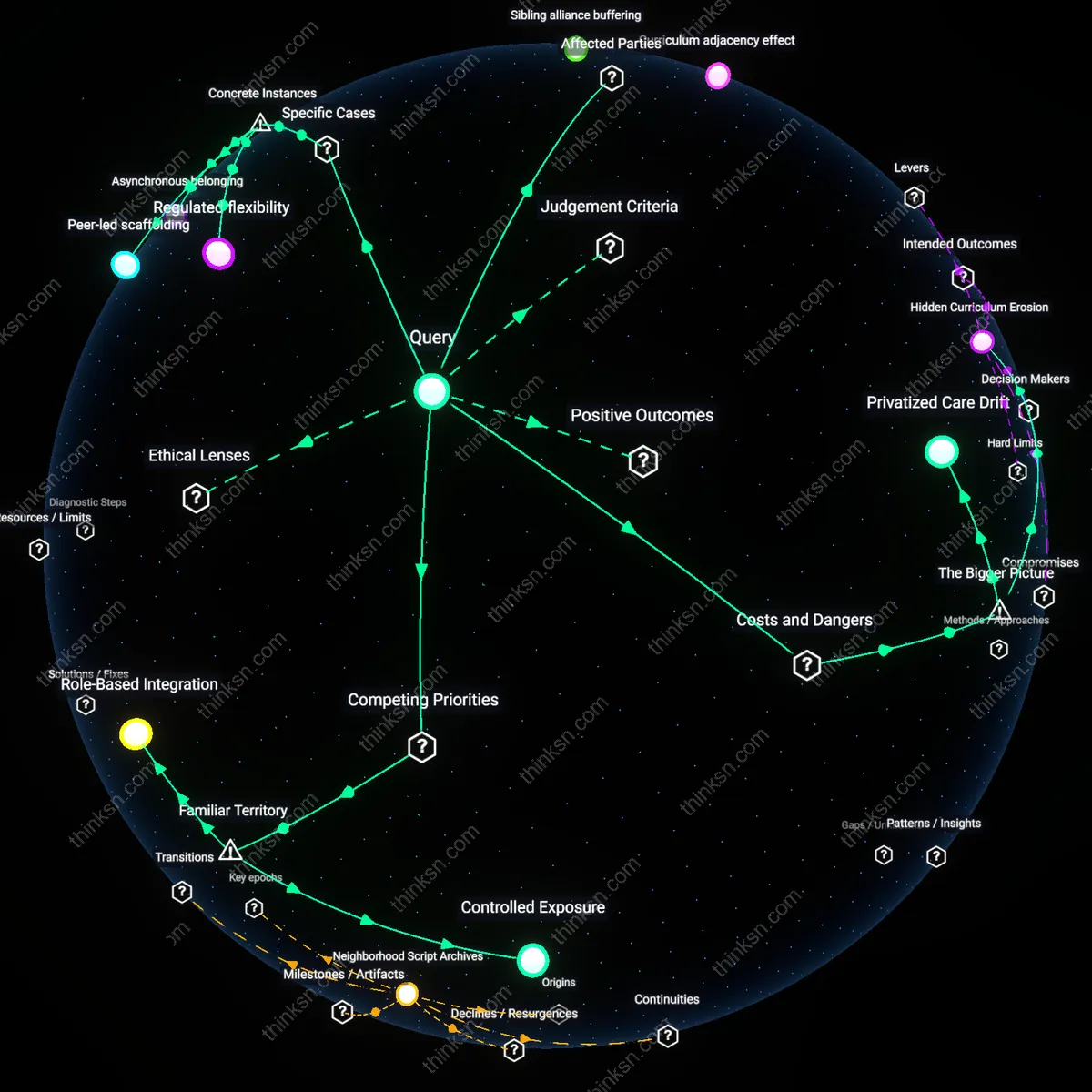
Analysis reveals 11 key thematic connections.
Key Findings
Sibling alliance buffering
Homeschooling supports a neurodiverse child's well-being without compromising social development when an older sibling actively mediates peer-like conflict resolution in shared daily tasks. This dynamic occurs when siblings co-manage household responsibilities or homeschooling projects that require negotiation, such as scheduling joint activities or resolving disagreements over resource use, creating low-stakes environments for the neurodiverse child to practice social reciprocity. Unlike formal peer interactions, these sibling-mediated exchanges are emotionally buffered by existing affective bonds, reducing anxiety while still demanding adaptive communication—an overlooked mechanism because it bypasses the typical peer-contact imperative in social development metrics.
Curriculum adjacency effect
Homeschooling benefits neurodiverse children’s well-being and social growth when academic content is spatially and temporally paired with community-based skill application, such as learning fractions while volunteering at a food bank that requires meal portioning. This works through local nonprofit infrastructures that tacitly serve as unbranded social immersion sites, where structured tasks provide predictable social roles that reduce cognitive overload. The overlooked dimension is that social development in neurodiverse learners often depends not on quantity of peer exposure but on the alignment of cognitive strengths with socially embedded routines—a mechanism invisible in studies that separate academic from social curricula.
Parental disclosure scaffolding
Homeschooling sustains both well-being and social development when parents systematically disclose the child’s neurodivergence to community gatekeepers—like librarians, park coordinators, or clerks—framing it as a shared stewardship responsibility. This operates through micro-institutions of the built environment where repeated, ritualized interactions (e.g., returning books, joining a gardening club) become predictable social scripts that reduce anxiety and increase inclusion, contingent on the adult custodian’s awareness of the child’s needs. The underappreciated factor is that parental disclosure functions not as exposure risk but as a stealth social scaffold, transforming ambient civic spaces into developmental terrain—a role rarely acknowledged in debates that center school-based socialization.
Hidden Curriculum Erosion
Homeschooling undermines neurodiverse children’s access to institutionalized peer-mediated learning norms that scaffold long-term adaptive social cognition. When families withdraw from public systems due to sensory overload or misdiagnosis stigma, they inadvertently excise recurring micro-interactions—like conflict negotiation in group projects or unstructured recess hierarchies—that prime neural flexibility through unpredictable social input. This erosion is accelerated by well-meaning parents who optimize for behavioral stability over developmental friction, effectively decoupling the child from the hidden curriculum embedded in collective schooling environments. The non-obvious consequence is not isolation per se, but the replacement of ambient, complex social data with curated, low-stakes rehearsals that fail to simulate real-world relational unpredictability.
Privatized Care Drift
Homeschooling neurodiverse children concentrates long-term care labor within familial units, particularly on mothers, which entrenches dependency structures that collapse when the caregiver falters. This model thrives only under narrow economic conditions—such as dual-income households hiring private therapists or single-income homes with rigid gendered labor divisions—masking the instability of its reliance on uninterrupted domestic capacity. When broader public health systems underfund developmental disability support, homeschooling appears as a cost-effective alternative, yet it externalizes developmental risk onto isolated homes lacking crisis infrastructure. The residual danger is not poor outcomes during childhood, but the systemic invisibility of these children as they approach adulthood, where absence from institutional pipelines cuts them off from adult disability services.
Controlled Exposure
Homeschooling supports neurodiverse children’s well-being without stalling social development when parents deliberately engineer low-stress, structured social interactions outside school. This mechanism involves caregivers coordinating with therapists, extracurricular programs, and peer support groups to offer calibrated doses of social engagement that avoid sensory overload while building relational skills. The non-obvious insight is that the familiar trade-off between safety and socialization is not inherent but managed through external scaffolding—most assume isolation is inevitable in homeschooling, but the dominant cultural script overlooks how parental curation can substitute school-based randomness with developmentally optimized encounters.
Peer Matching
Well-being and social growth align in homeschooling when neurodiverse children are placed in social settings with peers who have similar cognitive rhythms rather than age peers. This works through specialized micro-schools, interest-based collectives, or neurodiversity-affirming cooperatives where shared communication styles reduce social friction and foster genuine connection. The underappreciated point within familiar concerns about 'missing out' is that typical classrooms often reward neurotypical social performance, whereas homeschooling can bypass forced assimilation by prioritizing compatibility over proximity, turning social development from a trial by immersion into a practice of mutual recognition.
Role-Based Integration
Neurodiverse homeschooled children maintain social development without sacrificing emotional safety when they participate in community roles that confer responsibility rather than just observation. This occurs through structured involvement in libraries, maker spaces, farms, or faith groups where consistent responsibilities build identity and belonging outside academic comparison. The overlooked reality, despite common fears of social atrophy, is that school is not the only—or most effective—site of socialization; when homeschooled children occupy functional roles in real-world settings, they develop competence and connection simultaneously, subverting the zero-sum assumption that security requires withdrawal from contribution.
Regulated flexibility
In British Columbia’s distributed learning programs, homeschooled autistic students demonstrate stable peer engagement through structured online classes and hybrid co-op attendance, where provincial oversight ensures curriculum access while allowing families to customize pacing and social exposure according to the child’s sensory needs; this model reveals that state-supervised educational flexibility enables neurodiverse children to engage socially on adapted timelines without academic or relational isolation, challenging the assumption that full-time institutional schooling is necessary for socialization.
Peer-led scaffolding
At the Quad City Special Interest Group in Iowa, a community of homeschooled ADHD and twice-exceptional children sustain long-term social development through interest-based clubs—such as robotics and theater—organized and led by older neurodivergent peers, where shared cognitive styles reduce social anxiety and foster natural mentorship; this instance shows that social competence in neurodiverse children can grow more effectively in self-directed, affinity-driven groups than in compulsory peer environments, revealing that developmental reciprocity, not mere exposure, drives authentic social integration.
Asynchronous belonging
In the online homeschooling collective 'Autistic Self-Advocacy Network's Youth Program', participants from across rural Alaska maintain consistent identity formation and social connection through text-based forums and scheduled video meetups that accommodate irregular sleep cycles and communication preferences, illustrating how digital homeschooling ecosystems can decouple social participation from real-time interaction; this case demonstrates that for some neurodivergent children, sustained belonging emerges not through daily face-to-face contact but through time-shifted, low-pressure exchanges that honor neurological difference as a structural feature of community design.