Why States Fund Education Research Over Family Subsidies?
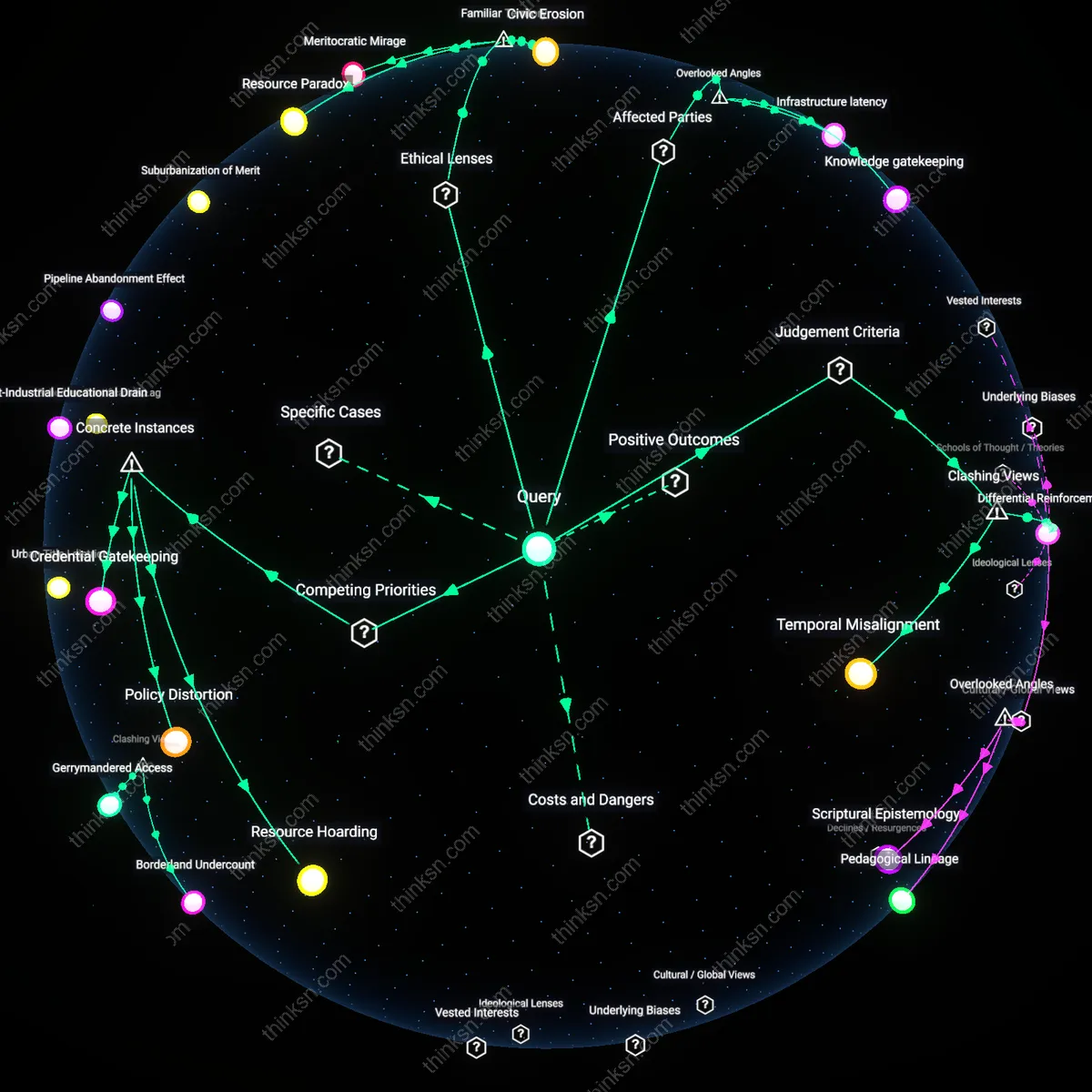
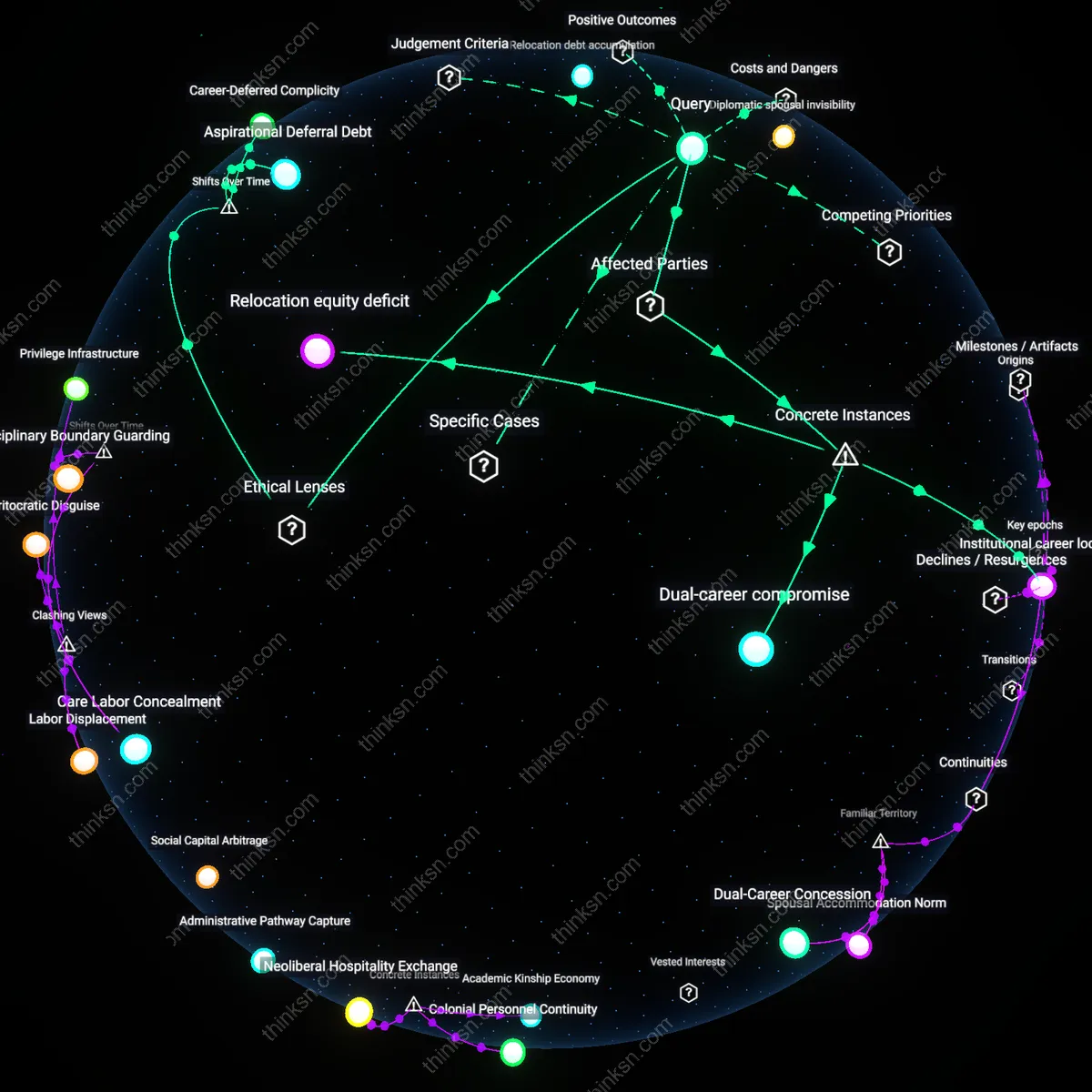
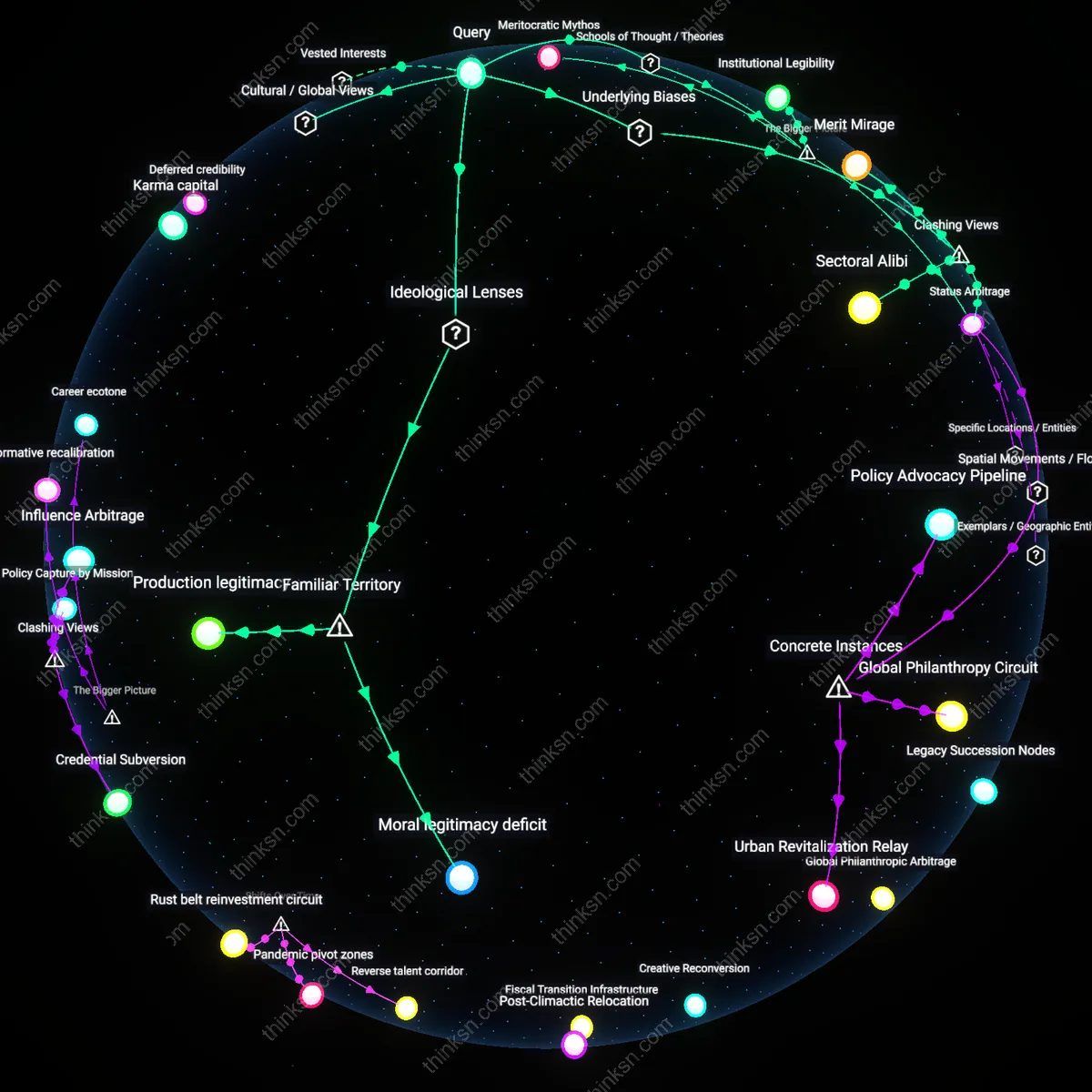
Analysis reveals 5 key thematic connections.
Key Findings
Legitimacy banking
State funding favors early-education research over direct subsidies because it allows policymakers to demonstrate commitment to equity while deferring redistributive accountability, operating through symbolic alignment with progressive values without immediate fiscal exposure. This mechanism—common in education policy in states like California and Minnesota—enables political actors to accumulate 'legitimacy capital' by associating with scientifically rigorous, future-oriented initiatives, even when those do not yield near-term benefits for target populations. What is overlooked is that research investment serves as a politically safer proxy for action, buffering governments from the visibility and volatility of cash transfers; this reflects a judgment criterion of systemic legitimacy over distributive justice.
Epistemic infrastructure debt
States prioritize research funding because building knowledge infrastructure enables long-term control over policy narratives and intervention design, particularly in federally influenced domains like Head Start or Preschool Development Grants. By channeling resources into studies rather than services—evident in state-university partnerships such as those between Ohio’s DOE and OSU—governments quietly consolidate decision-making authority within technocratic networks, marginalizing community-based providers who lack research capacity. The overlooked angle is that underfunding direct subsidies perpetuates a dependency on external validation for program legitimacy, revealing a judgment yardstick of epistemic efficiency—valuing data-certified interventions over locally validated need—thus entrenching a hidden backlog in practical knowledge application.
Intervention deferral risk
Funding research instead of subsidies functions as a calibrated delay mechanism, allowing states to manage fiscal exposure while appearing proactive, particularly under balanced-budget mandates like those in Colorado or New Jersey. This deferral operates through performance-based funding models that make direct support contingent on research-derived metrics of 'readiness' or 'impact,' effectively shifting risk onto future administrations or federal bailouts. The non-obvious dynamic is that research becomes a risk-assessment proxy rather than a knowledge-generating tool, reflecting a judgment principle of fiscal conservativism masked as scientific rigor—one that systematically discounts present harm in favor of future-calibrated action.
Technocratic Legitimacy
Some states prioritize early-education research over direct subsidies because policymakers use credentialed expertise to justify budget allocations, shielding decisions from political contestation. State education agencies and legislative budget offices rely on longitudinal studies and cost-benefit analyses produced by university partners to position research as a neutral, evidence-based investment, which grants decisions a veneer of scientific objectivity. This shifts accountability from immediate family needs to long-term metrics managed by experts, reflecting a procedural ethic where governance legitimacy stems from technical rigor rather than distributive justice. The non-obvious consequence is that research becomes a deflection mechanism, delaying structural redistribution under the guise of prudent planning.
Policy Deferral Regime
Prioritizing research enables political coalitions to maintain consensus by postponing contentious decisions about redistribution under the banner of 'awaiting evidence.' In politically divided states like Arizona or North Carolina, bipartisan support for early-education research emerges precisely because it avoids direct confrontation over means-tested programs, allowing moderate Democrats and fiscal conservatives to co-sponsor studies while deferring subsidy expansions. This deferral is institutionalized through interim legislative committees and demonstration grants, which extend review cycles indefinitely. The overlooked dynamic is that policy uncertainty becomes a functional tool for preserving the status quo, where the act of studying a problem displaces the obligation to solve it.