Can Remote Employers Reject Disability Accommodations?
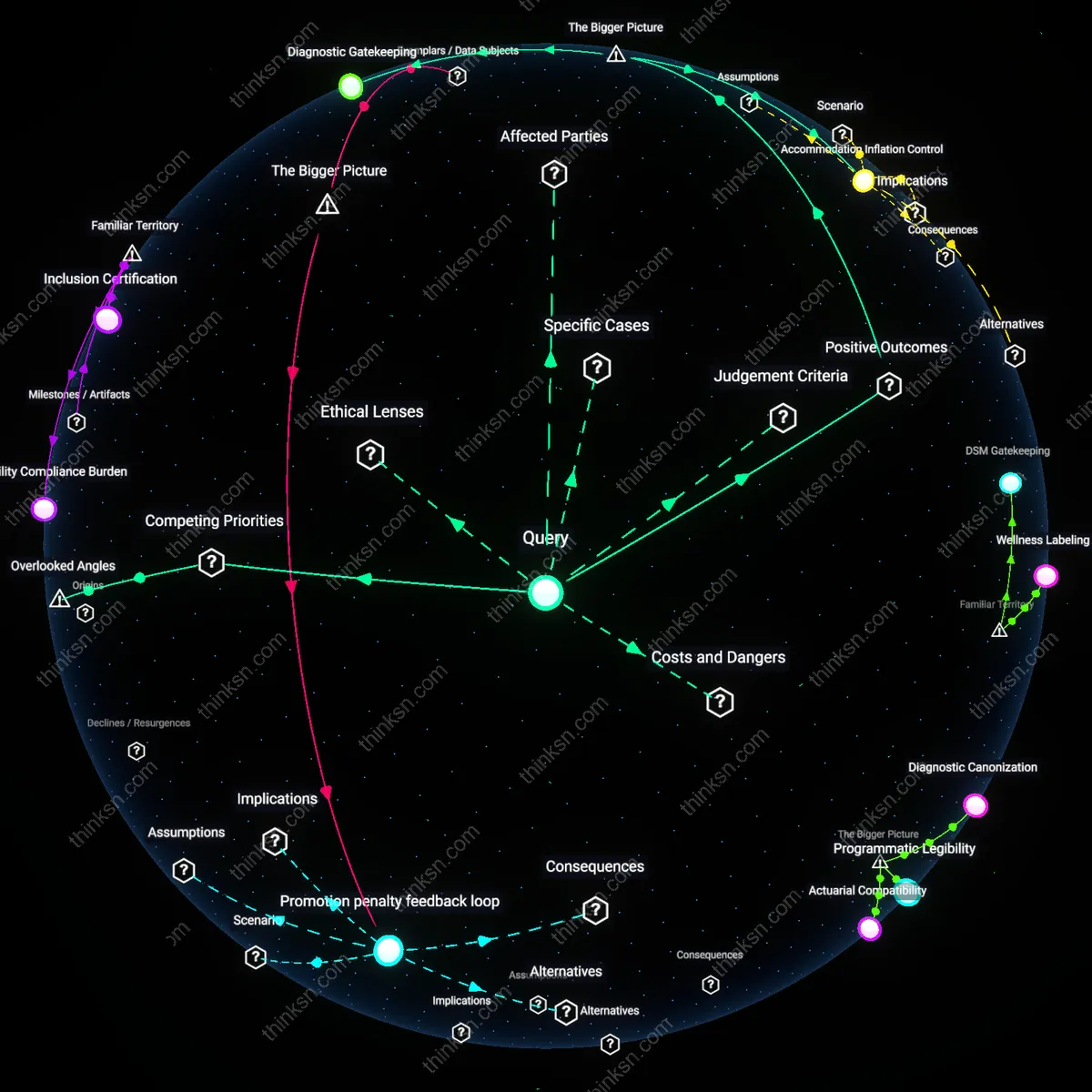
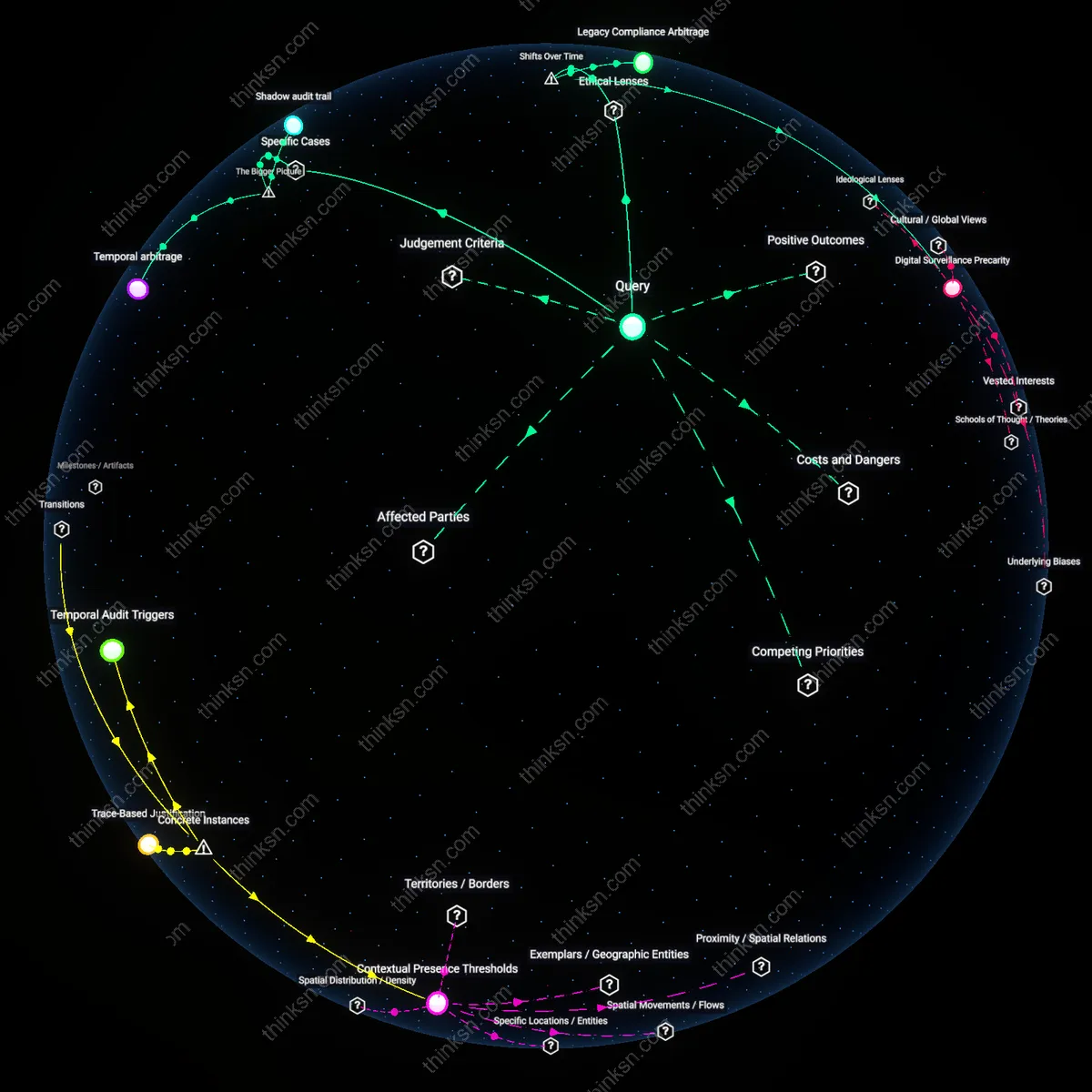
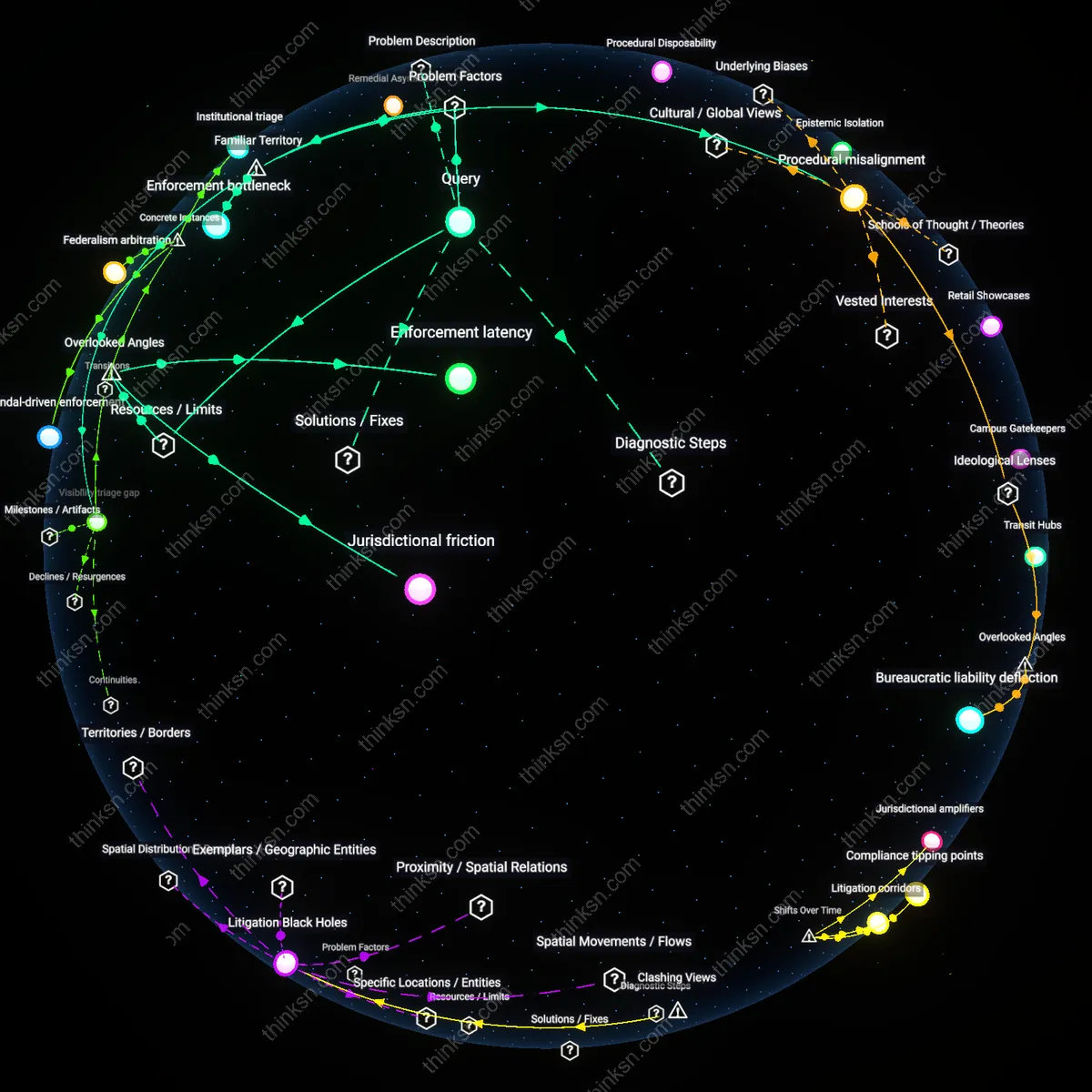
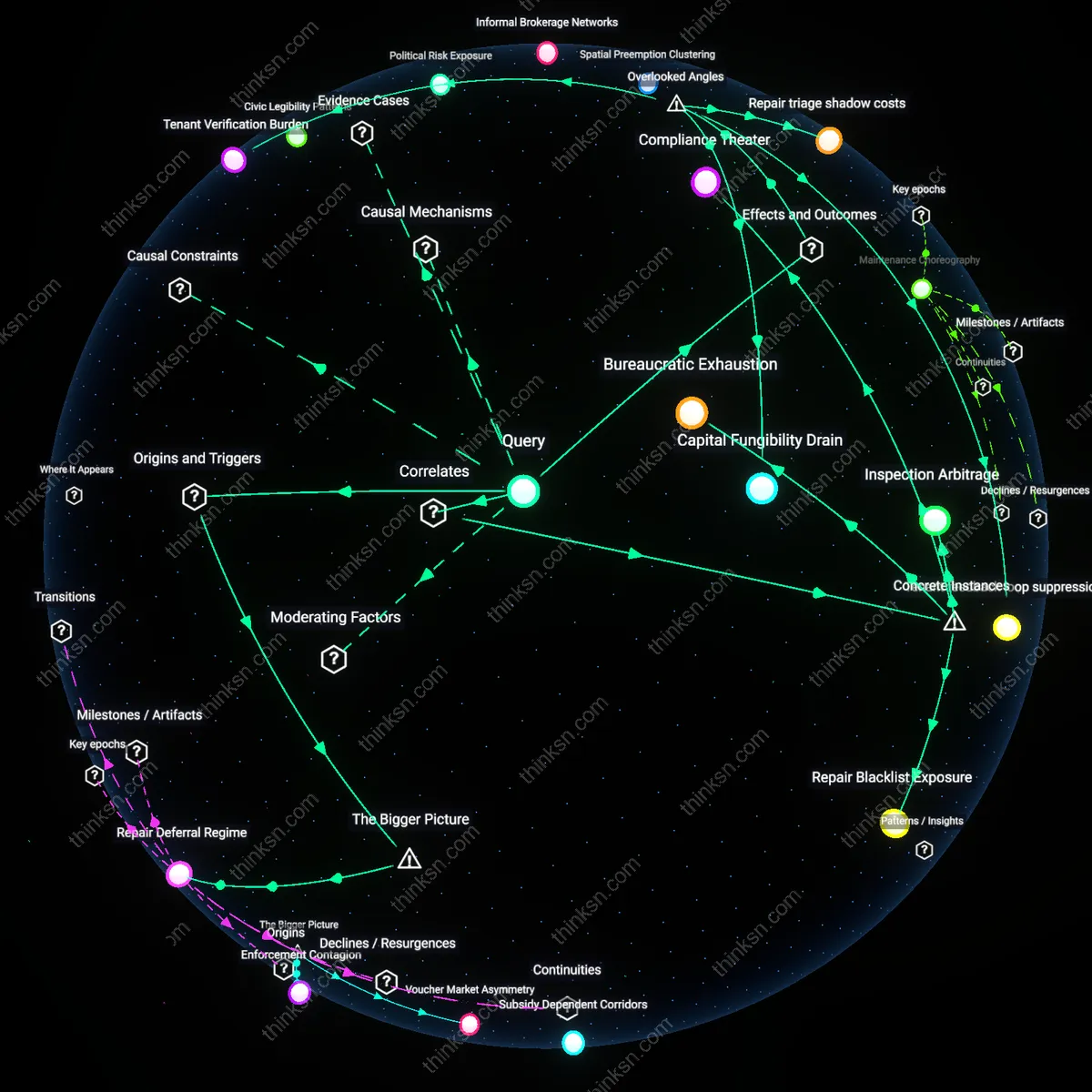
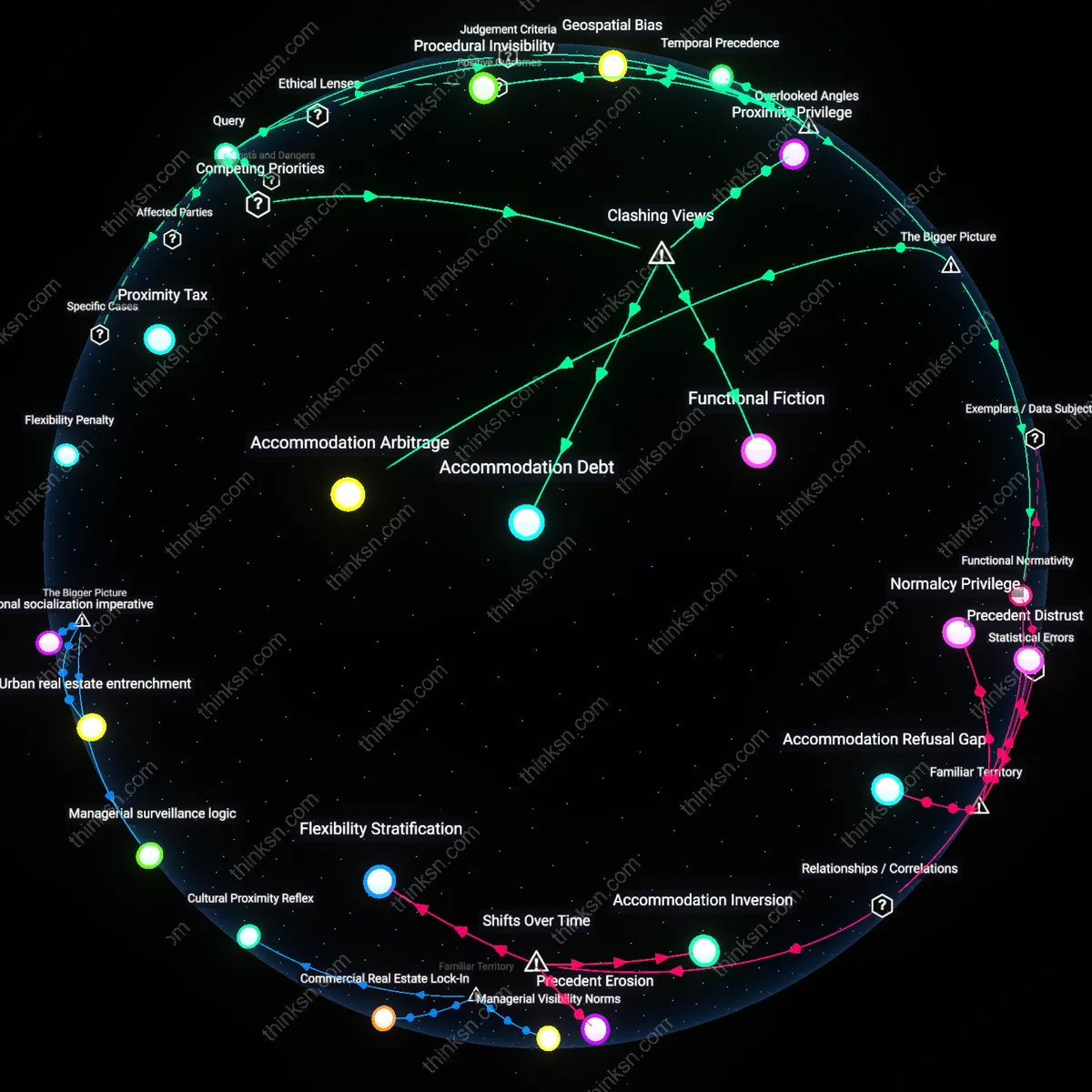
Analysis reveals 11 key thematic connections.
Key Findings
Functional Normativity
A remote employee can reasonably request disability accommodation because employers’ claims about core functions rely on historically constructed norms rather than objective operational necessity, revealing that what counts as ‘essential’ is shaped by entrenched workplace customs that often exclude disabled workers. Employers such as Amazon or IBM have maintained on-site expectations even when identical work occurs remotely for non-disabled peers, exposing how ‘core functions’ are socially interpreted rather than technically defined. Research consistently shows that post-pandemic shifts have decoupled physical presence from productivity across knowledge sectors, making exclusions based on location a proxy for ableist assumptions. This reframing matters because it challenges the legitimacy of functional arguments that reinforce disability-based exclusion under neutral pretenses, exposing their dependence on unstated spatial norms.
Accommodation Arbitrage
Remote work requests succeed or fail based not on job functions but on how employers strategically classify roles—expanding flexibility for high-performing employees while denying it to others—demonstrating that accommodation decisions serve as tools of labor control rather than functional assessments. Tech and finance firms like JPMorgan and Google have permitted remote arrangements for certain divisions while citing ‘team collaboration’ as essential for roles held by lower-status workers, including those with disabilities. These asymmetries are enabled by vague standards in the Americans with Disabilities Act (ADA), which allow employers to adjudicate ‘reasonableness’ without transparent criteria, creating a system where accommodation becomes a negotiated privilege rather than a guaranteed right. This dynamic is significant because it reveals disability accommodation as a site of differential inclusion, where cost-saving logic and managerial discretion override statutory equity goals.
Accommodation Mirage
A remote employee can be denied disability accommodation if employers successfully frame remote work as incompatible with core job functions, leveraging the Americans with Disabilities Act’s undue hardship and essential function clauses to justify exclusion. This mechanism operates through managerial discretion in defining what counts as essential, often inflated in practice to include presence-based rituals like in-person meetings or spontaneous collaboration—elements more cultural than operational. The non-obvious risk is that the legal standard for ‘core functions’ is malleable and frequently anchored in tradition rather than measurable output, enabling organizations to mask resistance to accommodation as functional necessity, thereby converting legitimate access claims into logistical exceptions.
Proximity Tax
Remote disability accommodation requests are systematically undermined when employers treat physical presence as an implicit job requirement, even in roles where output can be measured independently of location. This dynamic persists through the normalization of surveillance-adjacent management practices—such as desk monitoring or time-stamped activity logs—that conflate visibility with productivity, particularly in corporate or government sectors where legacy structures dominate. What’s underappreciated is how this cultural tax on remote work disproportionately burdens disabled employees by forcing them to either disclose sensitive medical information to justify absence or absorb the physical and psychological costs of commuting and on-site performance.
Flexibility Penalty
Employees who request remote accommodations risk being sidelined into less influential roles or excluded from advancement tracks, as flexibility becomes silently associated with reduced commitment or visibility within organizational hierarchies. This occurs through informal networks and promotion systems that prioritize face-time, mentorship access, and ad hoc decision-making—spaces that remote workers, especially those with disabilities, are structurally locked out of. The danger lies in how this penalty is rarely formalized, evading legal scrutiny while entrenching inequity, making accommodation technically available but professionally costly in ways that deter pursuit.
Functional Fiction
Yes, a remote employee can reasonably request disability accommodation even if the employer asserts that remote work undermines core functions, because the designation of ‘core functions’ is often a negotiable construct shaped by managerial preference rather than operational necessity. Evidence indicates that post-pandemic telework adaptations in federal agencies and Fortune 500 firms have revealed latent flexibility in roles previously deemed site-essential, exposing how ‘core functions’ can be retroactively justified to resist accommodation rather than derived from objective job analysis. This reveals the non-obvious reality that functional requirements are frequently performative—invoked to preserve control under the guise of productivity—making them contestable when disability rights are at stake.
Accommodation Debt
Yes, the employee’s request is not only reasonable but exposes an accumulating moral and legal liability when employers delay structural adaptation under the pretext of role integrity. Organizations that historically rejected remote infrastructure despite available technology now invoke operational continuity to deny accommodations, effectively shifting the cost of unpreparedness onto disabled workers. Research consistently shows that companies with legacy in-office mandates often lack the digital workflows to support distributed teams—not because remote work is inherently incompatible, but because investment was deferred, making the current denial of accommodation a consequence of prior institutional neglect rather than functional imperatives.
Proximity Privilege
Yes, because the insistence on physical presence often functions as a covert proxy for cultural conformity and visibility-based performance metrics, not technical necessity. In knowledge sectors like legal services or tech, where output can be quantified independently of location, proximity requirements sustain an unacknowledged hierarchy privileging employees who can navigate office politics and perform availability, disadvantaging those with invisible disabilities who may excel remotely. This challenges the intuitive framing of remote work as a logistical issue by revealing it as a mechanism of normative workplace power—where ‘being seen’ becomes a hidden job function that undermines equity.
Procedural Invisibility
Yes, a remote employee can reasonably request disability accommodation even if the employer claims remote work violates core functions, because the legitimacy of such claims is subject to scrutiny under the Americans with Disabilities Act (ADA), which mandates individualized assessments rather than categorical refusals; the overlooked dimension is that employers often invoke 'core functions' without documenting how presence operates as a proxy for performance, concealing a procedural failure to engage in the interactive process, which systematically disadvantages disabled workers by defaulting to exclusionary assumptions masked as operational necessity; this procedural invisibility hides the absence of evidence-based job function analysis and shifts the burden of proof onto the employee, undermining the ADA’s corrective intent.
Geospatial Bias
Yes, a remote employee can reasonably request disability accommodation because the assertion that remote work undermines core functions frequently reflects organizational habits rooted in geographic centralization rather than objective functional requirements, exposing a geospatial bias—unexamined assumptions that value proximity to specific locations as intrinsic to productivity, even when digital tools enable parity; this bias disproportionately affects disabled employees by naturalizing office presence as normative, thus treating remote arrangements as deviations rather than legitimate configurations, which alters the standard understanding by revealing how spatial norms function as invisible barriers validated through routine rather than necessity.
Temporal Precedence
Yes, a remote employee can reasonably request disability accommodation because the timing of when a role’s 'core functions' are defined—often retroactively after remote work is requested—creates a malleable justification that can override statutory accommodation duties; evidence indicates employers frequently redefine essential job functions post hoc to resist accommodation, an act that exploits the lack of legally binding, time-stamped job descriptions, thereby privileging employer discretion over consistency and accountability; this temporal precedence, where definitions shift to preempt accommodations, exposes a hidden procedural weaponization that enables compliance theater over substantive equity.