Will Uncertainty in Wind Turbine Cost Projections Undermine Investment?
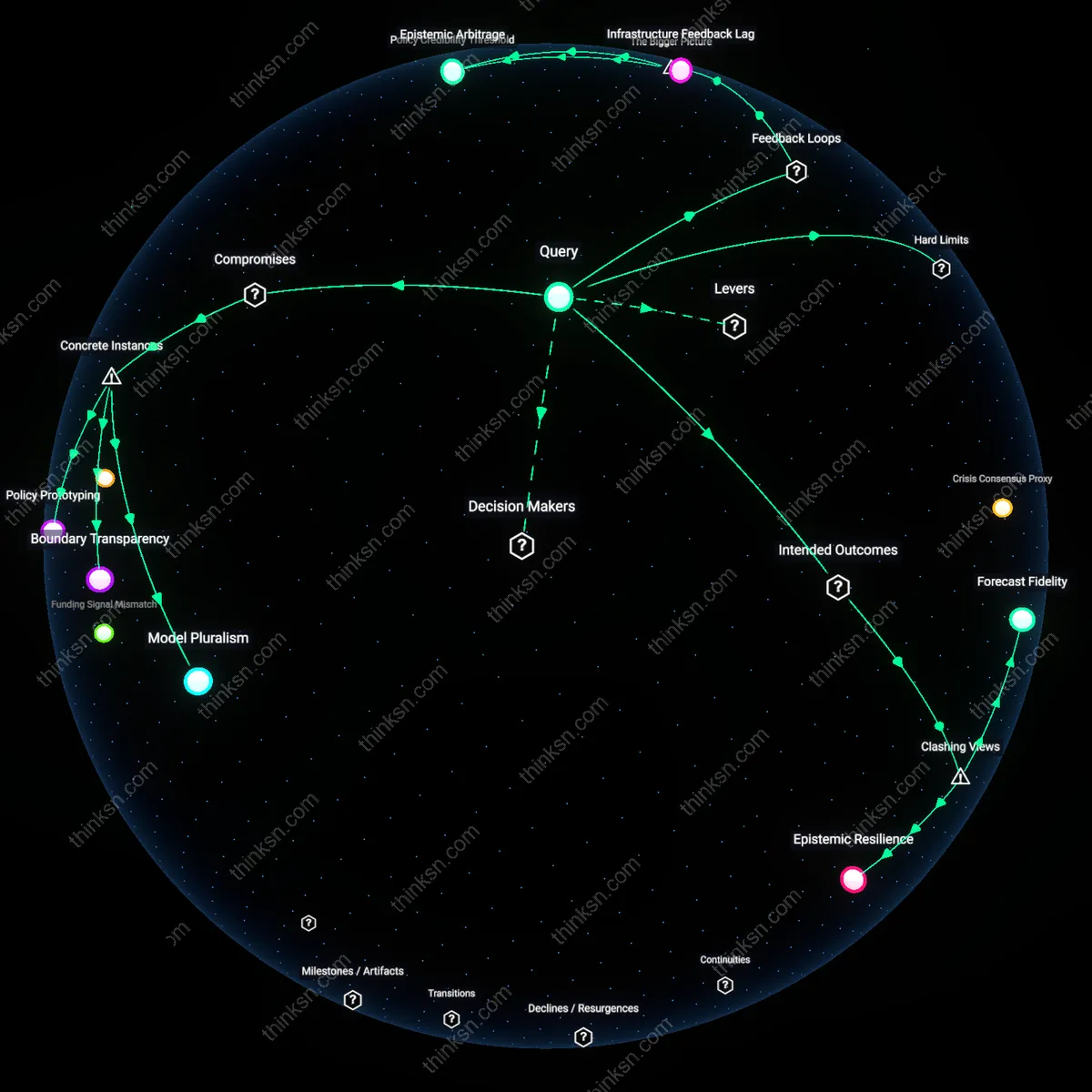
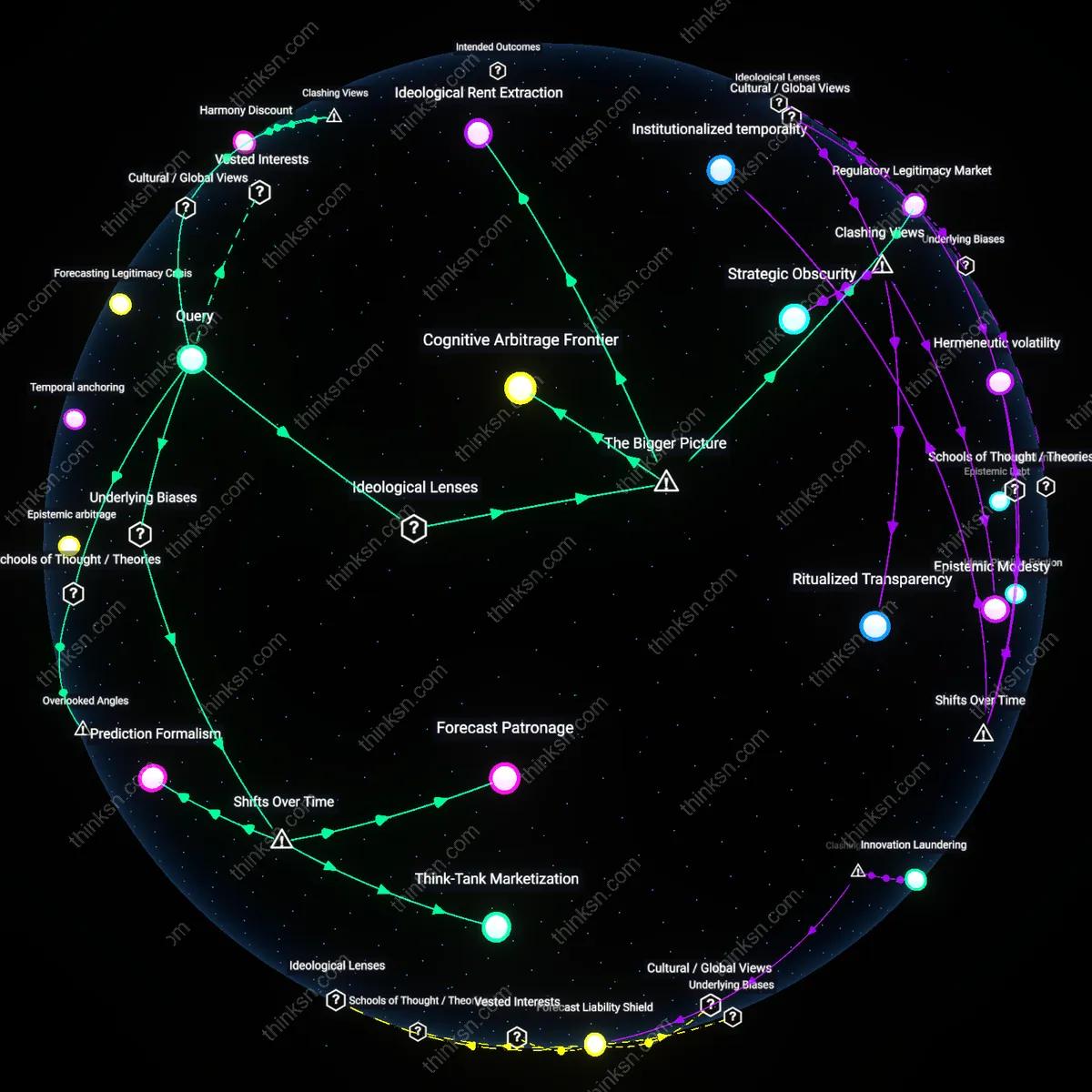
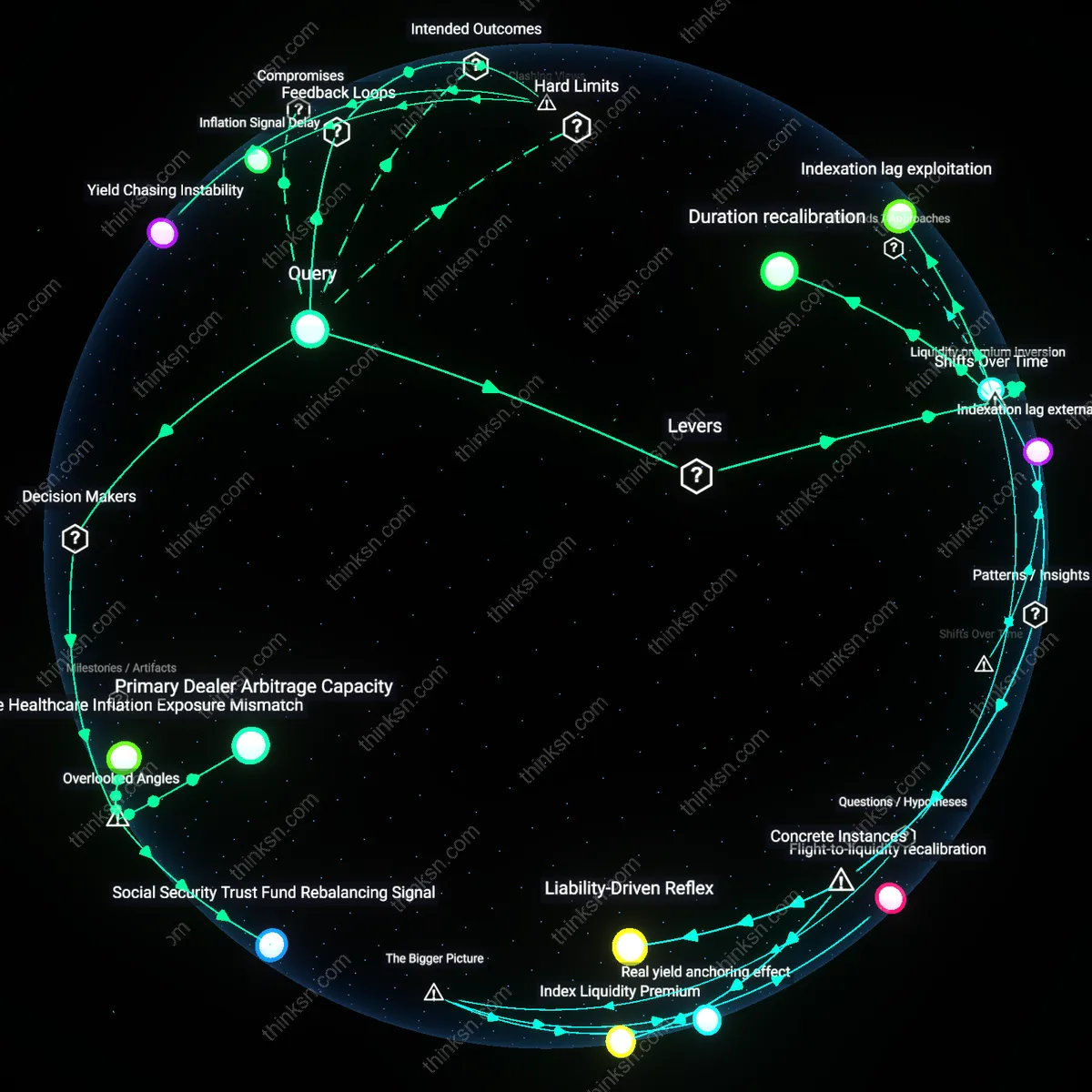
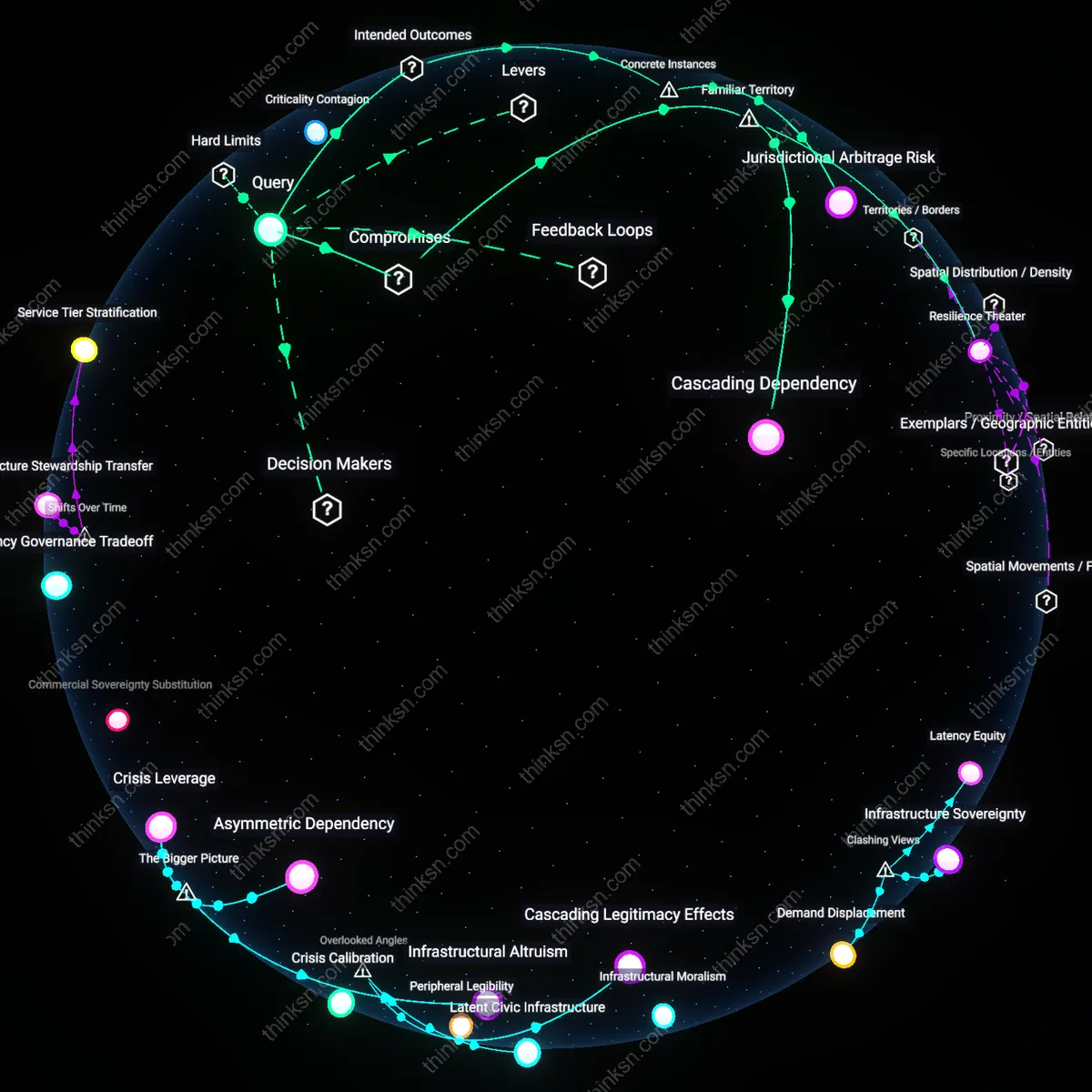
Analysis reveals 4 key thematic connections.
Key Findings
Forecast Divergence
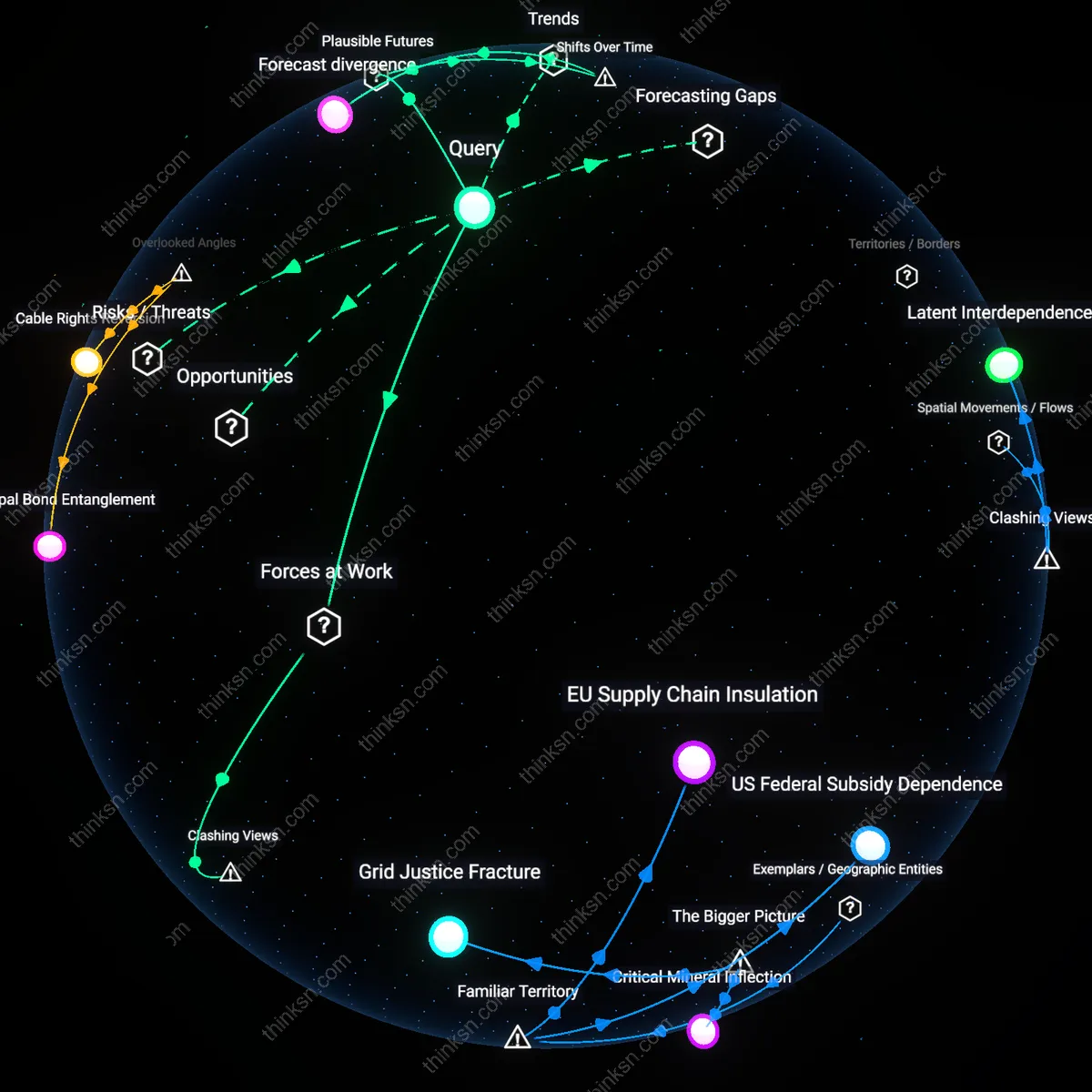
Wind turbine cost projections are diverging sharply between models due to conflicting assumptions about material supply constraints, not technological learning rates, which undercuts the narrative of steady decline. Research consistently shows that models using static commodity price assumptions project costs falling below $30/MWh by 2030, while those incorporating geopolitical and mining bottlenecks—such as rare earth availability in China or copper shortages in Chile—predict flat or rising post-2027 costs. This split is most pronounced in EU vs. Asia-Pacific models, where regional resource access alters risk weighting, revealing that physical supply chains, not algorithmic optimism, are the deciding variable. The non-obvious insight is that model disagreement stems not from computational error but from fundamentally different views of planetary resource limits, which fractures investor expectations.
Policy Anchoring
Cost projection consistency is being artificially enforced through policy-backed price guarantees, not model convergence, creating a false appearance of forecasting alignment. In markets like Texas and the North Sea, government-backed power purchase agreement floors and tax-credit baselines have effectively compressed the range of viable project economics, making disparate models appear in agreement because they are all fitting within a legislated cost envelope. This regulatory floor disconnects projections from underlying technological or material realities, privileging fiscal frameworks over engineering trends. The underappreciated force is that political timelines, not turbine efficiency curves, are now the primary determinant of projected cost trajectories, masking deeper systemic risks.
Forecast divergence
Wind turbine cost projections diverge sharply across models under plausible futures shaped by material supply constraints. In high-demand scenarios where rare earth elements face geopolitical bottlenecks—particularly in regional markets dependent on dysprosium for direct-drive turbines—costs plateau or rise, contradicting global learning-curve assumptions baked into dominant forecasting models; this shift became pronounced after 2015 when China’s export policies exposed model fragility, revealing that long-term projections had underweighted supply-side shocks in favor of steady innovation trajectories. The non-obvious insight is that cost forecasting increasingly reflects not just technological progress but strategic mineral geopolitics, a variable historically marginalized in levelized cost analyses.
Confidence decay
Investment confidence decays when model uncertainty persists across successive project finance cycles, particularly in offshore wind developments where capital commitments span decades. After the 2020–2023 phase of contract-for-difference auctions in the UK North Sea, developers began demanding longer pre-construction visibility windows because earlier cost models failed to predict inflationary steel and labor spikes—indicating that model variance eroded investor trust more than mean projection errors. This marks a transition from treating model differences as noise to recognizing them as a structural feature of energy transitions, where path dependency and regulatory learning rates alter project economics retroactively.