Who Wins in Fintechs Regulatory Sandbox Games?
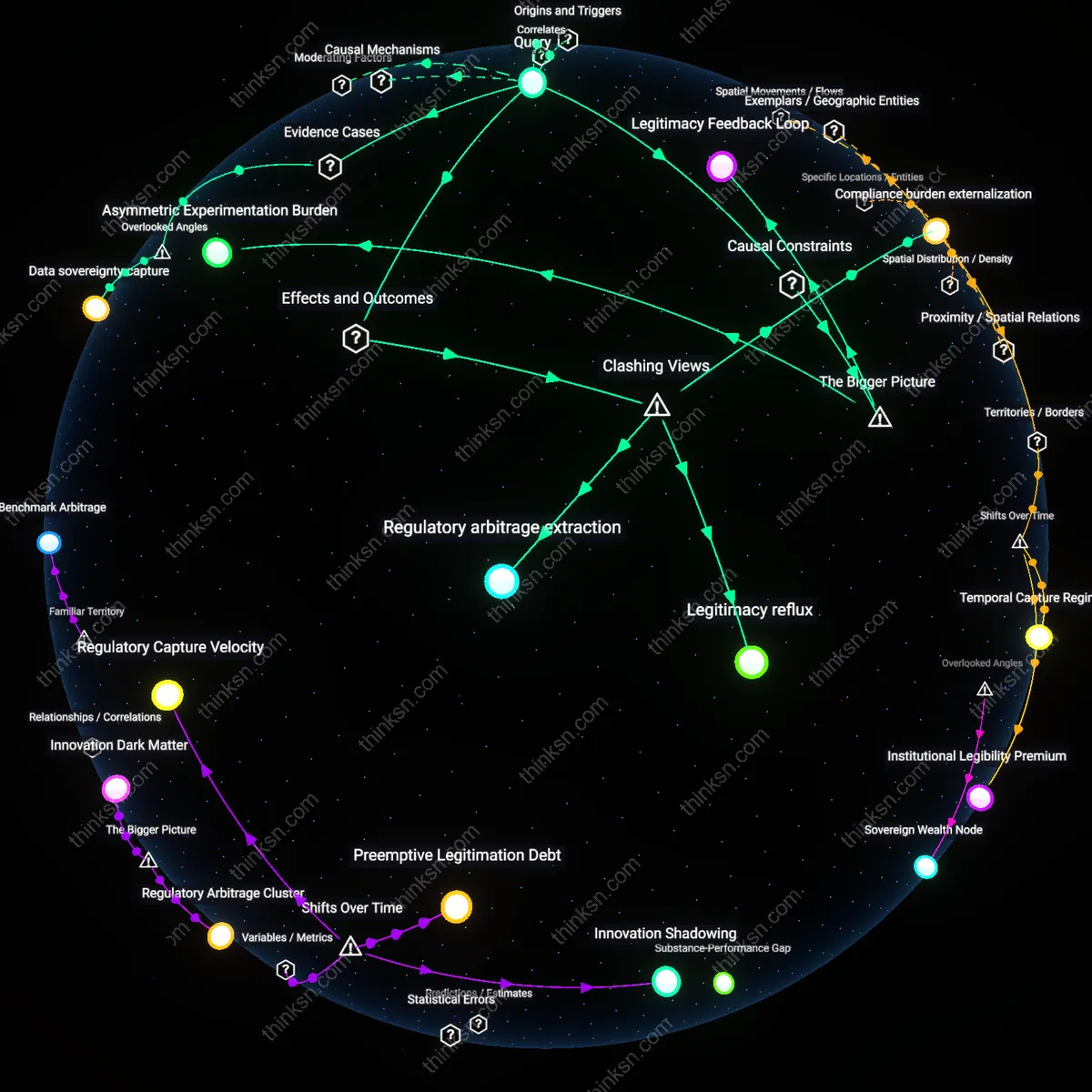
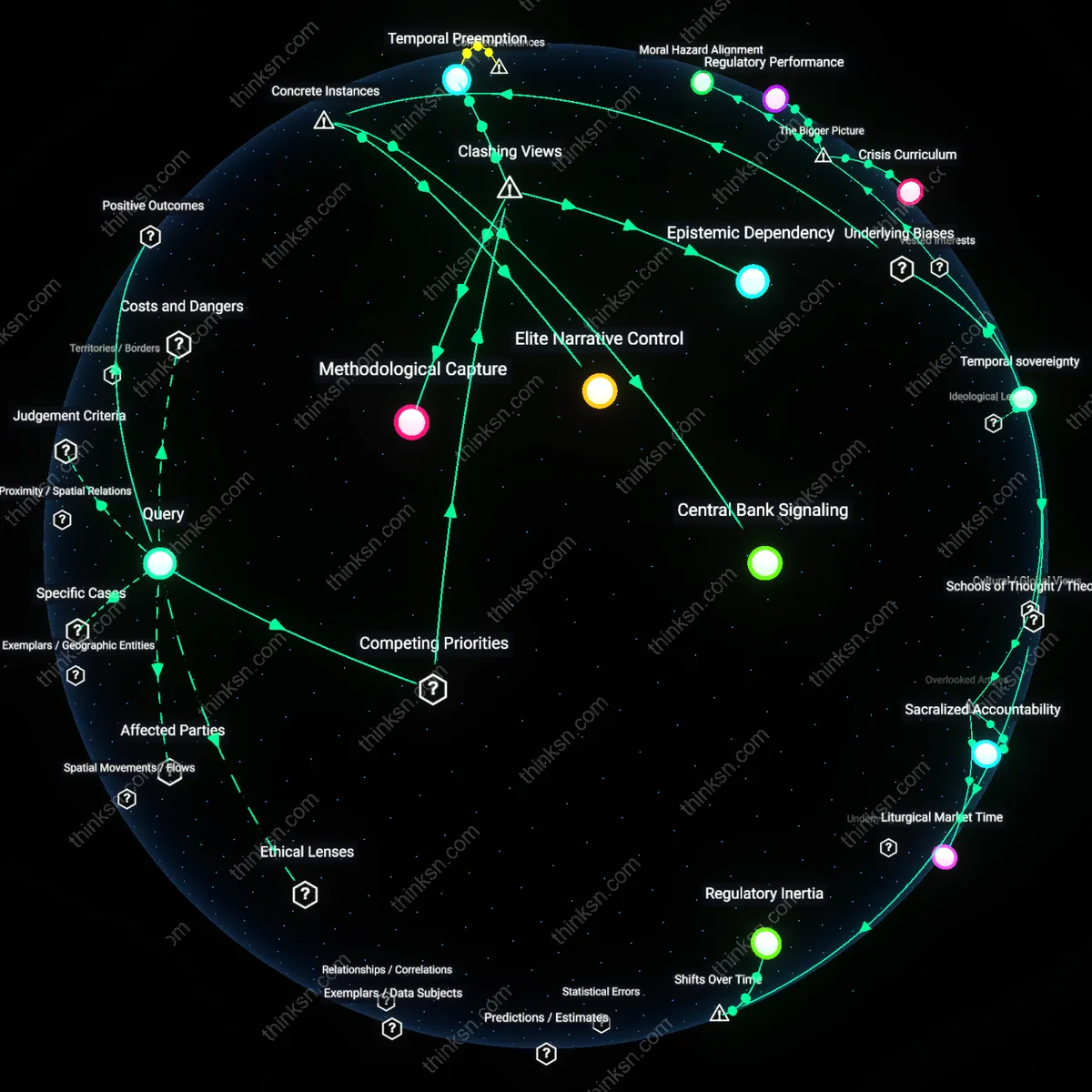
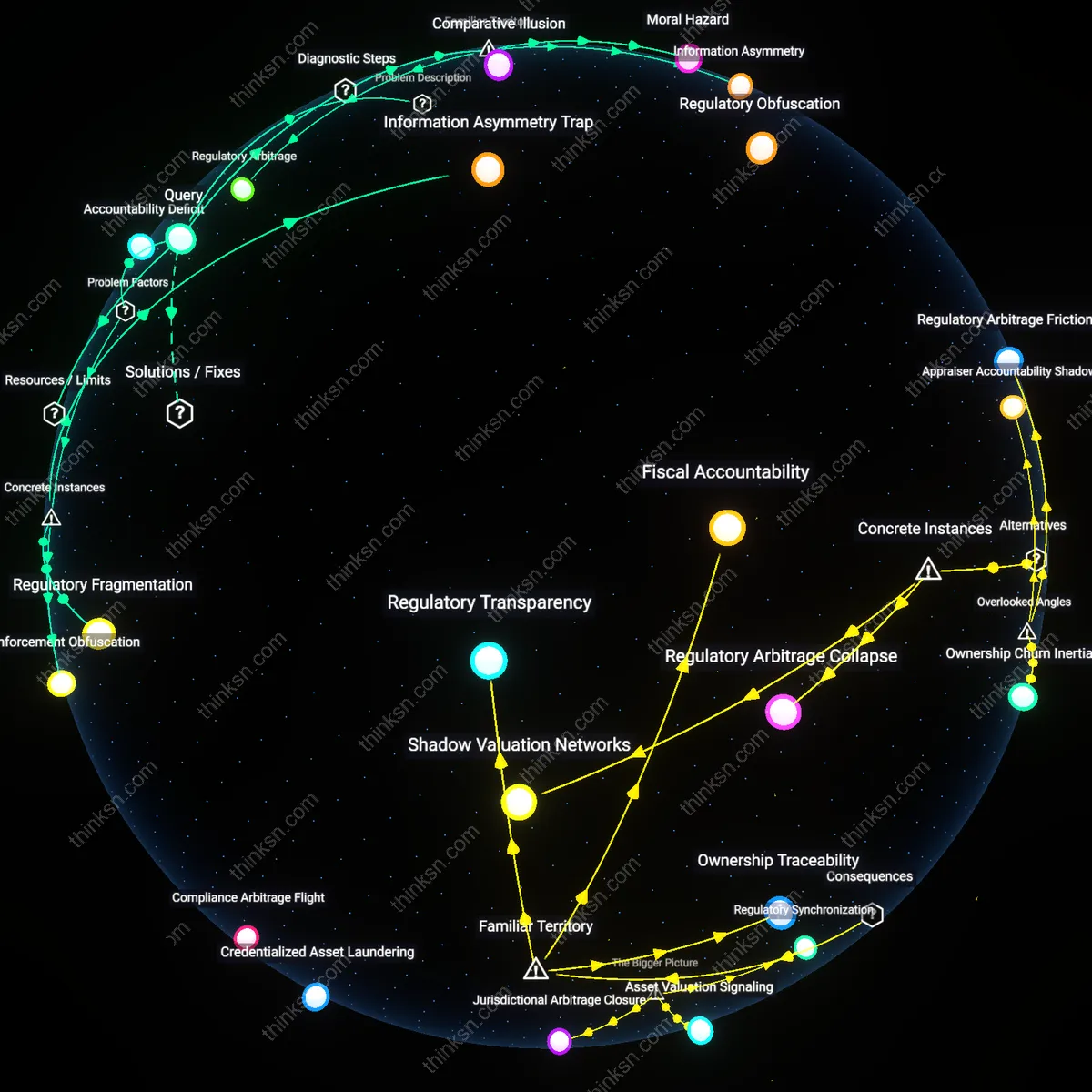
Analysis reveals 4 key thematic connections.
Key Findings
Normative Preemption
From a Marxist perspective, sandboxes function not merely as innovation enablers but as instruments of ideological preemption, where the state absorbs disruptive potential by inviting fintechs to co-construct regulatory norms before structural challenges to financial capitalism can emerge. The non-obvious mechanism is that by requiring startups to reveal business models early and adjust them within sandbox confines, regulators shape what counts as legitimate financial innovation—effectively sanitizing it of redistributive or decentering possibilities, such as peer-governed currencies or anti-surveillance lending. This preemptive norm-setting embeds capitalist logics into the DNA of new firms, ensuring that even disruptive technologies align with extractive financial paradigms. Standard analyses overlook that the primary product of many sandboxes is not pilot-tested products, but the reproduction of hegemonic financial subjectivity among entrepreneurs.
Regulatory Capture by Design
The rise of regulatory sandboxes enables incumbent banks to shape oversight mechanisms under the guise of innovation support, leveraging their access to regulatory staff and resources to embed favorable interpretations of compliance into sandbox rules. Because large banks can afford the legal and technical infrastructure to engage continuously with regulators during sandbox testing, they effectively co-author emerging standards, while startups—dependent on approval and lacking comparable lobbying capacity—become de facto implementers of frameworks designed by and for established players. This dynamic reveals how innovation-friendly regulation can function not as a leveler but as a channel for institutionalizing advantage, masking asymmetric influence within a neutral procedural format. The non-obvious consequence is that sandboxes may reinforce rather than disrupt regulatory capture, institutionalizing it through experimental legality.
Startup Legibility Premium
Regulatory sandboxes elevate startups not because they threaten incumbents but because their simplified, monitorable structures make them politically safer testing grounds for regulators navigating uncertainty. Unlike large banks with complex, systemically embedded operations, startups offer clean edges, discrete products, and limited customer bases that reduce the political risk of test failures—allowing agencies like the UK Financial Conduct Authority or Singapore’s MAS to demonstrate agility without jeopardizing financial stability. Evidence indicates that sandboxes disproportionately select firms using narrow, non-core financial technologies (e.g., payment APIs or identity verification), avoiding areas that challenge entrenched banking functions like credit creation or reserve intermediation. This reveals that the regulatory preference for startups is not pro-innovation bias but a preference for legibility, privileging clarity of oversight over transformative potential.
Jurisdictional Arbitrage Theater
The proliferation of fintech sandboxes reflects not a shift in domestic power but a global competition among states to position themselves as innovation hubs, where regulatory leniency becomes a tool of economic statecraft. National agencies like Abu Dhabi Global Market or Switzerland’s FINMA craft permissive sandbox environments not primarily to rebalance power between banks and startups, but to attract capital and talent from more restrictive regimes like the U.S. or EU—thereby turning regulatory design into a performative display of market-friendliness. Research consistently shows that most sandbox participants do not scale beyond the test phase, suggesting the real audience for these programs is not firms but international investors assessing jurisdictional risk. The non-obvious outcome is that sandboxes function less as policy instruments than as staged demonstrations of neoliberal credibility, where the appearance of openness matters more than actual disruption.