Do Varying State Abortion Laws Complicate Ectopic Pregnancy Care?
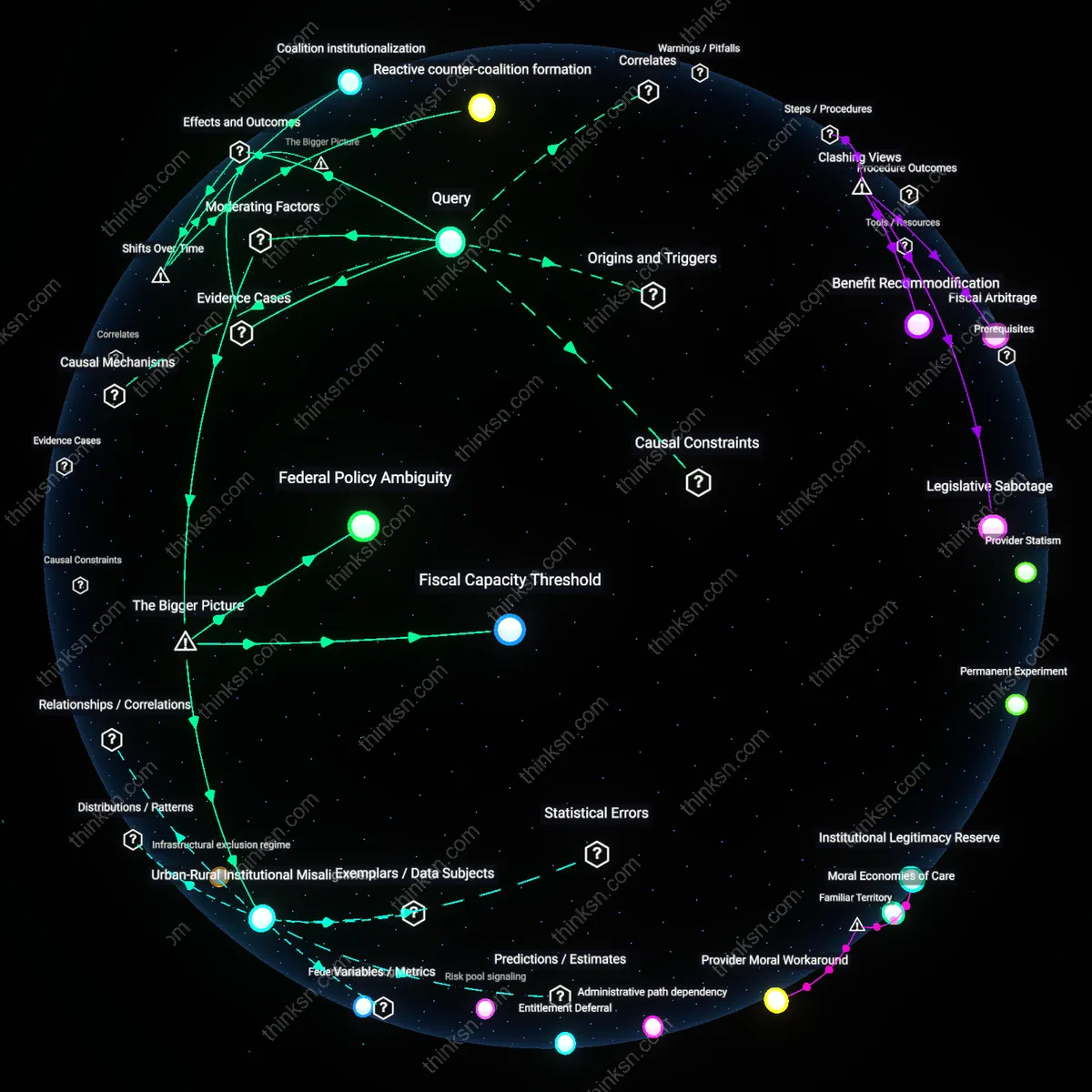
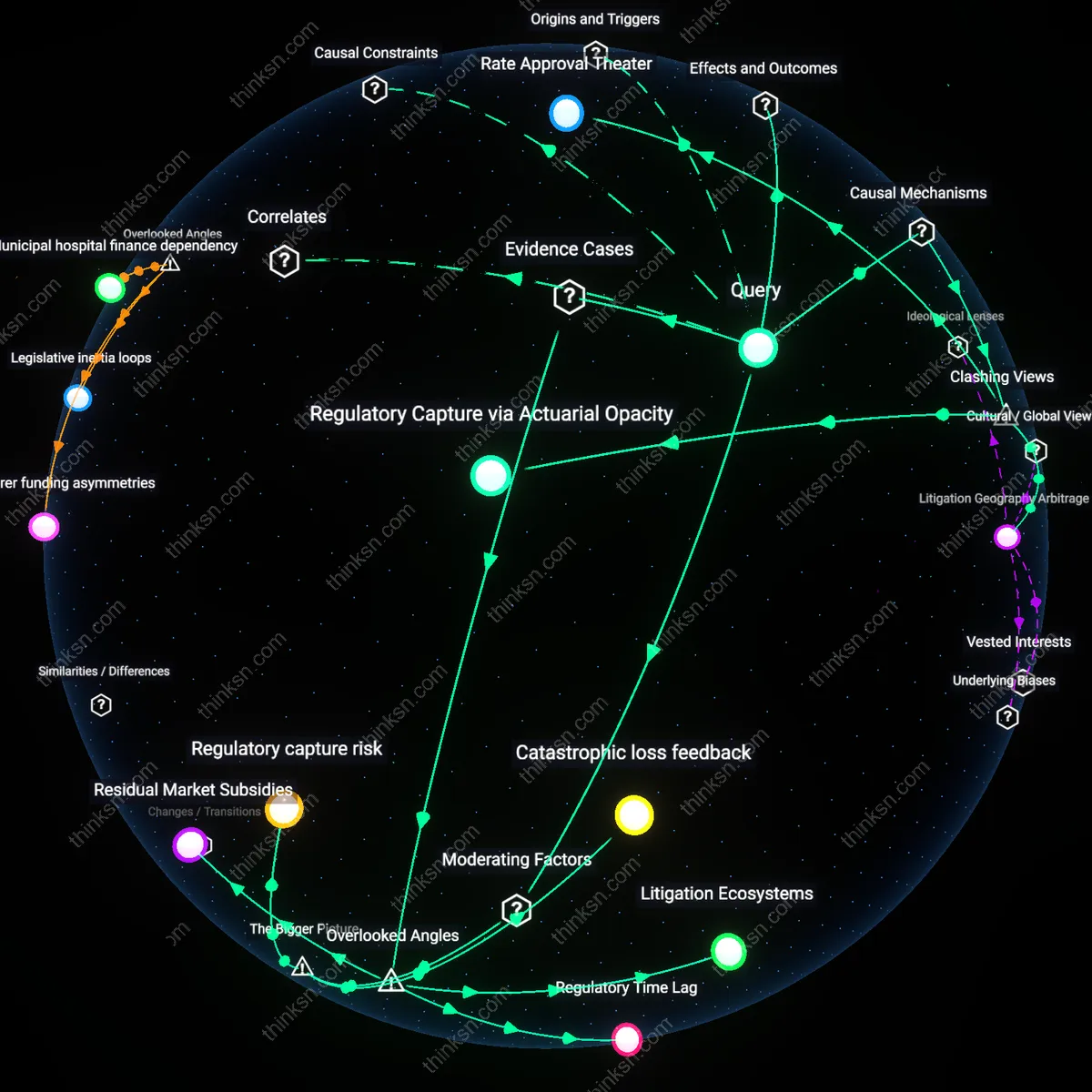
Analysis reveals 9 key thematic connections.
Key Findings
Legal ambiguity propagation
Differences in exception wording directly increase uncertainty in clinical decision-making because providers cannot uniformly interpret what constitutes a sufficient threat to maternal life under variable statutory standards. When states use inconsistent thresholds—such as 'imminent risk' versus 'serious bodily injury'—hospitals and physicians face divergent liability exposure even for clinically identical ectopic pregnancies, which activates risk-averse behavior in conservative jurisdictions. This mechanism is mediated by hospital legal counsel who impose internal restrictions beyond statutory requirements, amplifying unpredictability. The significance lies in how micro-level textual variation triggers macro-level suppression of care through institutional self-preservation, a dynamic often overlooked in favor of overt bans.
Asymmetric interjurisdictional spillover
Variation in exception wording generates legal risk instability for provider networks operating across state lines, especially in border regions like Dallas-Fort Worth or Kansas City, where clinicians may treat patients from states with harsher penalties. Even when a provider acts lawfully in their own state, differences in how neighboring states define medical necessity create exposure to investigation or extradition threats, particularly when patient transfer pathways are involved. This effect is magnified by state attorneys general weaponizing vague exceptions to assert jurisdiction over out-of-state providers via telehealth or record requests. The underappreciated consequence is that legal risk becomes contagious across borders, destabilizing regional standards of care despite compliance with local law.
Institutional risk absorption
Hospital systems, not individual physicians, become the primary calculators of legal risk due to differences in exception wording, because they bear liability for malpractice and regulatory sanctions under federal and state tort regimes. As a result, centralized compliance departments apply standardized conservative protocols to all ectopic pregnancy cases, regardless of local statutory flexibility, to minimize exposure across their multi-state operations. This mechanism operates through risk-pooling logics in large health systems like HCA or Ascension, which prioritize system-wide legal insulation over site-specific legal allowances. The overlooked insight is that statutory variation is flattened by corporate risk management, making predictability depend more on organizational structure than legislative text.
Lexical Ambiguity Threshold
Differences in exception wording create a lexical ambiguity threshold that blocks clinical decision-making from being shielded by law, as seen in the 2022 treatment delay at Phoenix Baptist Hospital following Arizona’s vague ‘medical emergency’ exception—where obstetricians withheld intervention for a ruptured ectopic pregnancy due to unresolved conflict between statutory ‘imminent mortality’ language and clinical best practices, revealing that legal risk predictability collapses when statutory terms exclude medically recognized standards of imminent harm.
Jurisdictional Precedent Vacuum
The absence of binding appellate rulings on ectopic pregnancy exceptions prevents providers from predicting enforcement risk, illustrated by the 2023 University of New Mexico Health case where physicians evacuated a tubal gestation only after consulting hospital counsel due to New Mexico’s untested therapeutic exception clause—demonstrating that even identical wording lacks predictive power without judicial validation, a dynamic rarely acknowledged in states where abortion jurisprudence remains dormant post-Dobbs.
Institutional Liability Encoding
Hospital risk management protocols, reacting to ambiguous exceptions, institutionalize liability avoidance over clinical clarity, as occurred at UMC Hospital in Las Vegas after Nevada’s 2021 exception law failed to specify ectopic pregnancies—leading administrators to impose internal review panels for any uterine evacuation, thereby substituting bureaucratic clearance for medical judgment and exposing how provider risk becomes shaped less by statute than by risk-averse organizational codification.
Clinical Paralysis
Vague life-saving exception language in states like Texas causes emergency physicians to delay treatment for ectopic pregnancies due to fear of criminal prosecution. Providers in hospitals across Texas and Oklahoma report withholding standard-of-care interventions—such as methotrexate or surgery—until ruptured tubes or severe hemorrhage confirm imminent death, because terms like 'medical emergency' lack operational definitions within abortion bans. This creates a lag between clinical indication and action, driven not by medical uncertainty but legal ambiguity, making the risk of prosecution a tangible influence on treatment timing. The non-obvious reality is that even universally accepted emergency care becomes negotiable when statutory language fails to align with clinical decision-making thresholds.
Moral Bureaucracy
In Ohio, the requirement for institutional ethics committees to approve abortion exceptions in ectopic cases introduces a layer of procedural delay that recalibrates clinical urgency into administrative judgment. Hospitals such as those in the Cleveland Clinic system have established ad hoc review panels to assess whether an ectopic pregnancy meets the narrow 'risk of death' threshold under state law, even when the medical consensus supports immediate intervention. This shifts the burden from medical criteria to moral justification within a bureaucratic framework, making legal risk manageable only through ritualized consensus rather than clinical autonomy. The underappreciated effect is that medicine's time-sensitive standards are subordinated to governance structures designed for deliberation, not speed.
Geographic Triage
Providers in border states such as New Mexico now triage ectopic pregnancy cases based on patients’ state of residence to navigate differential exception wording in referral states like Texas and Arizona. Clinics in Albuquerque report conducting pre-evaluation legal screenings—asking where a patient lives and when she crossed state lines—to determine whether intervention qualifies under New Mexico’s broader health exception or risks liability under stricter out-of-state statutes. This results in delayed care for out-of-state patients while legal risk is assessed, even when symptoms indicate advancing tubal rupture. The unspoken shift is that geography, not pathology, becomes the determining factor in emergency treatment protocols, revealing how statutory patchwork transforms physical borders into clinical chokepoints.