Why Chronic Back Pain Therapy Uncertainty Frustrates Patients?
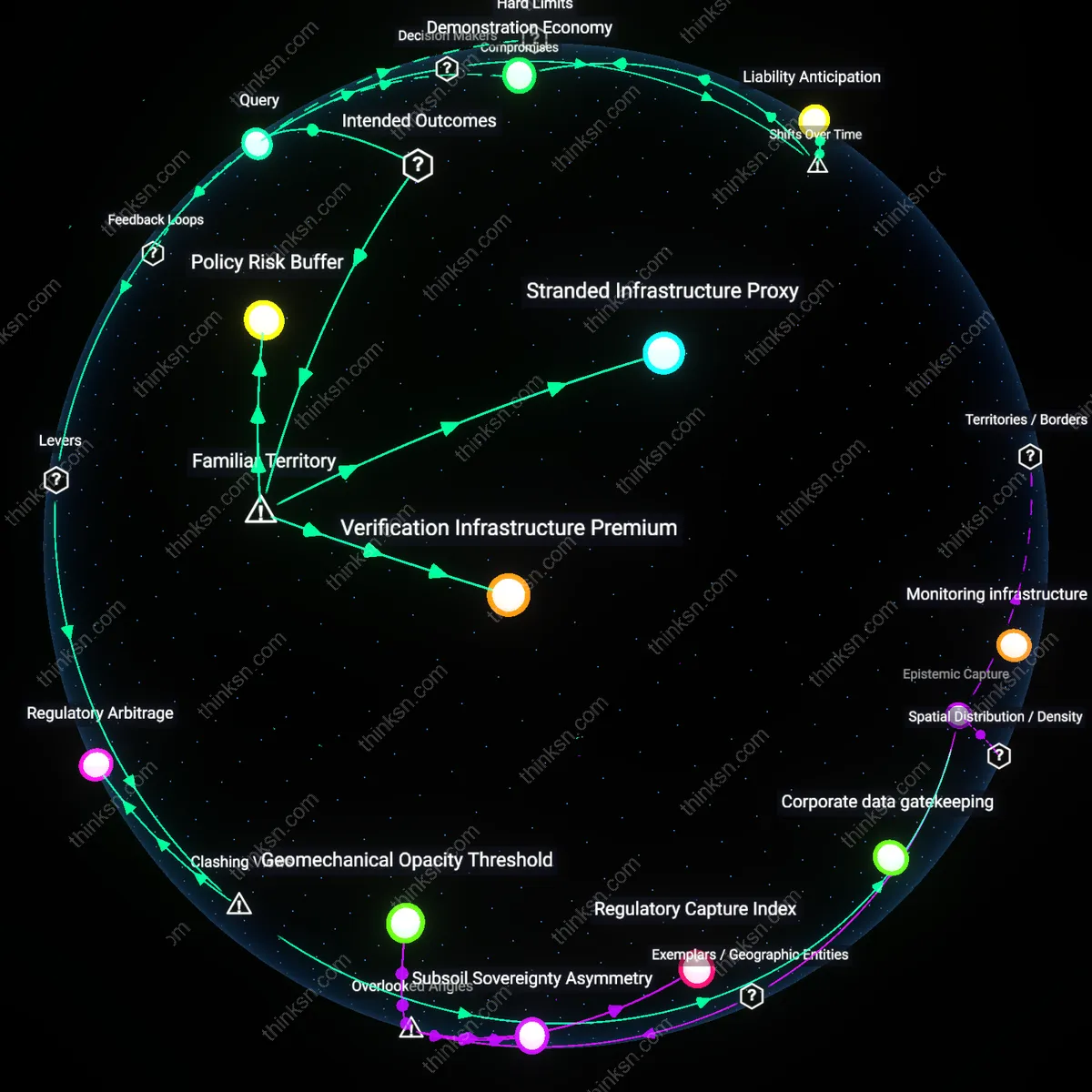
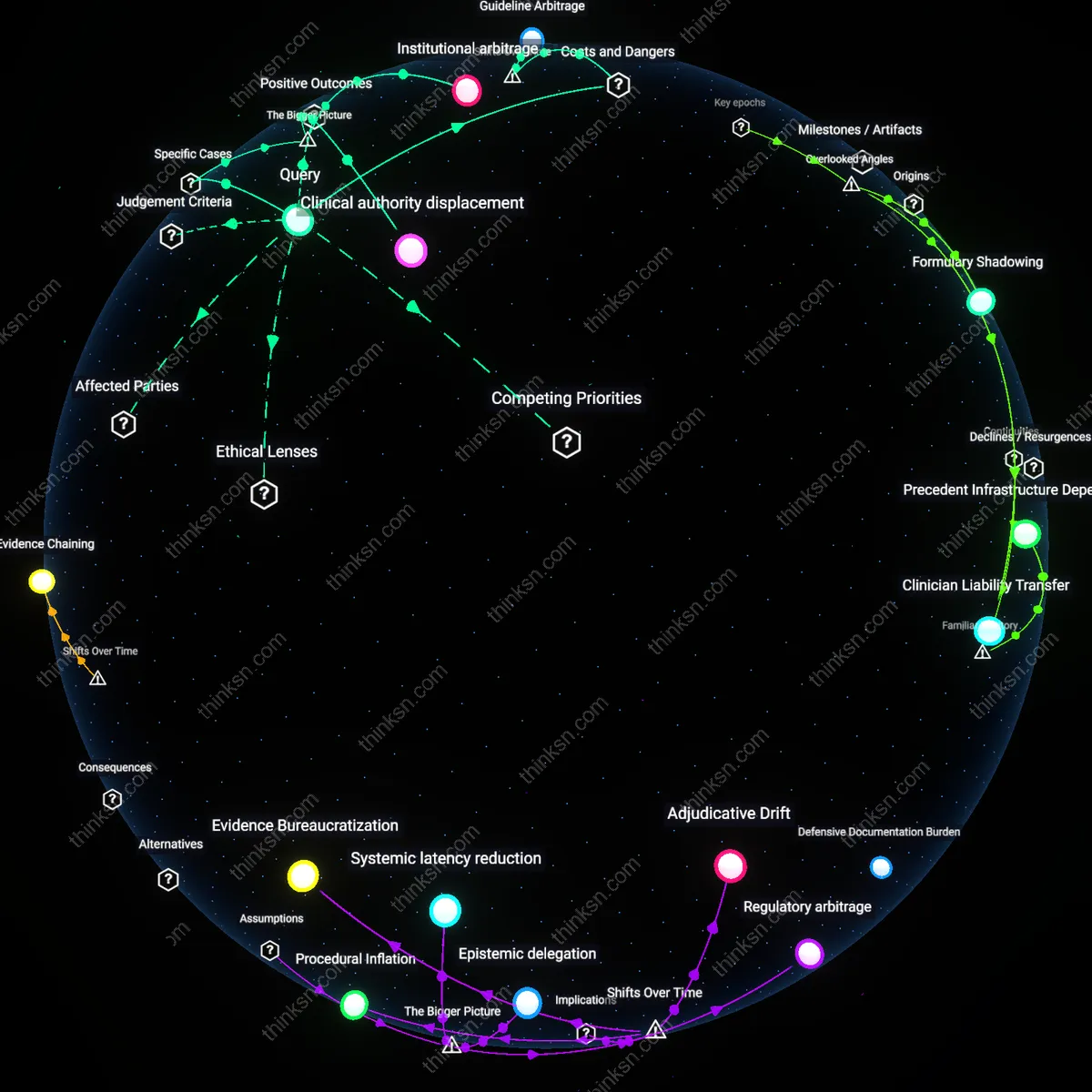
Analysis reveals 6 key thematic connections.
Key Findings
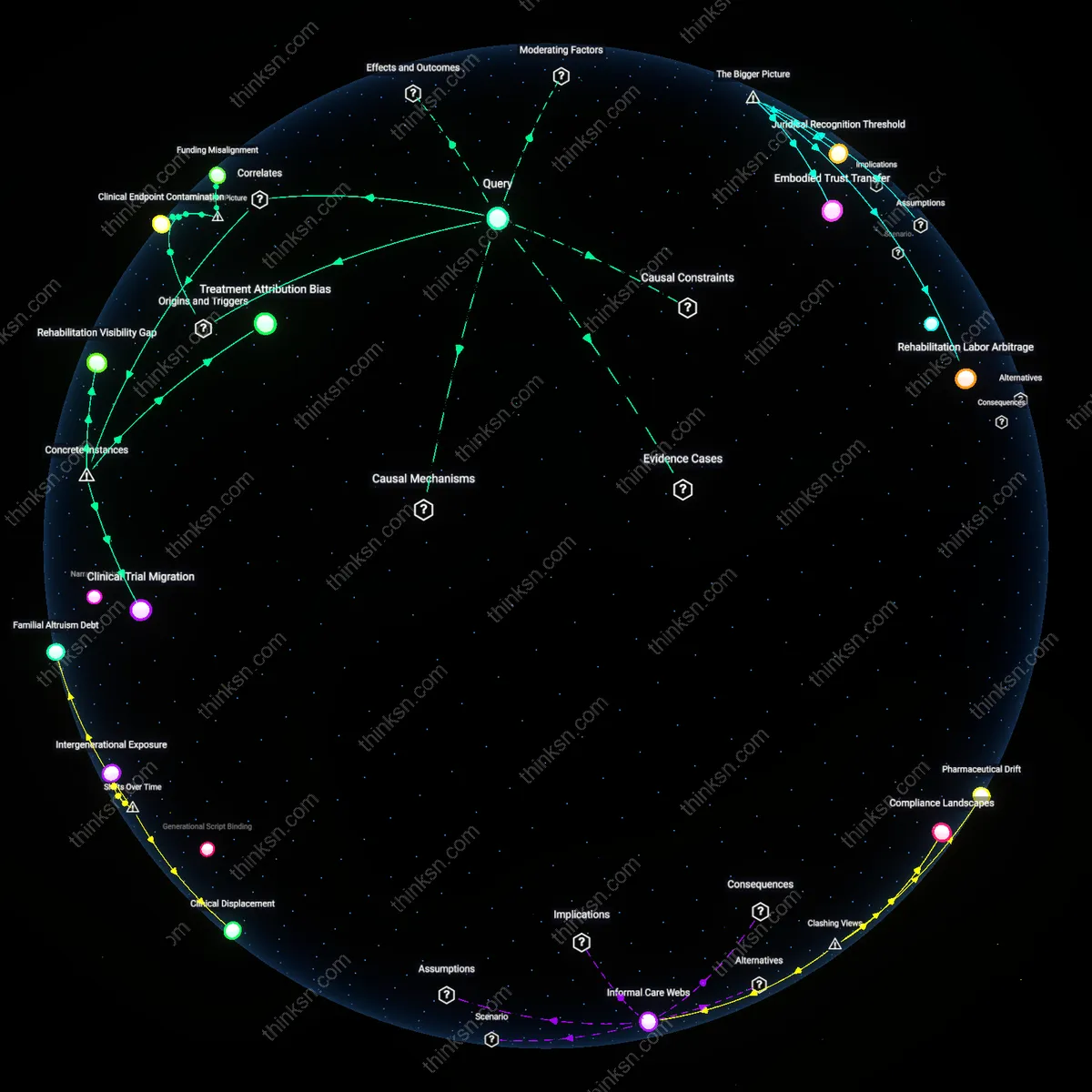
Funding Misalignment
Chronic low-back pain physiotherapy research remains underfunded relative to its socioeconomic burden because public health agencies and insurers prioritize acute care metrics, leaving long-term functional outcomes underassessed. This systemic neglect stems from the dominance of short-term ROI models in health financing, which discount investments in slow-recovery interventions even when they reduce long-term disability costs; the non-obvious consequence is that evidence generation lags not due to scientific complexity alone but because the financial architecture of healthcare treats chronic pain as episodic, not systemic.
Clinical Endpoint Contamination
The evidence base for intensive physiotherapy in chronic low-back pain is confounded by inconsistent operationalization of ‘success’ across trials—ranging from pain scores to return-to-work metrics—which prevents meta-analytic synthesis because regulatory and clinical stakeholders accept disparate endpoints to serve institutional reporting needs. This fragmentation emerges from the absence of a globally harmonized patient-centered framework, allowing trial outcomes to reflect local administrative priorities rather than biological or functional coherence; the overlooked reality is that evidentiary uncertainty is perpetuated not by treatment inefficacy but by epistemic incommensurability across research communities.
Therapeutic Burden Asymmetry
Patients facing chronic low-back pain often decline or disengage from intensive physiotherapy not due to treatment skepticism but because the time, effort, and opportunity costs exceed perceived benefits, especially when improvement is incremental and delayed. This decision calculus is shaped by structural time inequity—where low-wage workers cannot absorb unpaid time for care—despite clinical recommendations assuming uniform availability; the underappreciated dynamic is that adherence is less a function of motivation than of labor precarity, reframing non-compliance as rational response to social friction rather than individual failure.
Treatment Attribution Bias
Patients in the UK’s Improving Access to Psychological Therapies (IAPT) program who received combined physiotherapy and cognitive-behavioral interventions for chronic low-back pain disproportionately credited pain reduction to physical maneuvers rather than psychological components, despite equivalent outcome correlations—because biomechanical explanations align more tightly with lay intuition about back pain, creating a perceptual bias that skews retrospective treatment evaluation. This attribution persists even when clinical data show no differential efficacy, revealing how narrative coherence overrides statistical evidence in patient decision-making.
Clinical Trial Migration
The shift of major low-back pain trials from hospital-based rehabilitation units to primary care settings after the 2018 BACK trial in Denmark altered the intensity and standardization of physiotherapy protocols, as general practitioners lacked infrastructure to enforce treatment fidelity—leading to high variability in delivered care that diluted measurable outcomes, not due to inefficacy of intensive therapy itself, but because the setting became a confounding proxy for inconsistent dosage, which in turn amplifies patient skepticism about time investment despite theoretical benefit.
Rehabilitation Visibility Gap
At Ontario’s Hamilton Health Sciences center, patients monitored via wearable activity trackers during intensive physiotherapy showed no greater objective functional improvement than controls, yet self-reported adherence remained high—because visible effort, such as attending sessions or performing prescribed exercises, was conflated with therapeutic effectiveness, illustrating how the cultural salience of 'doing something structured' sustains commitment even when clinical endpoints are unmet, decoupling behavioral reinforcement from physiological outcomes.