Is Career Progress Worth Silent Gender Bias in Academia?
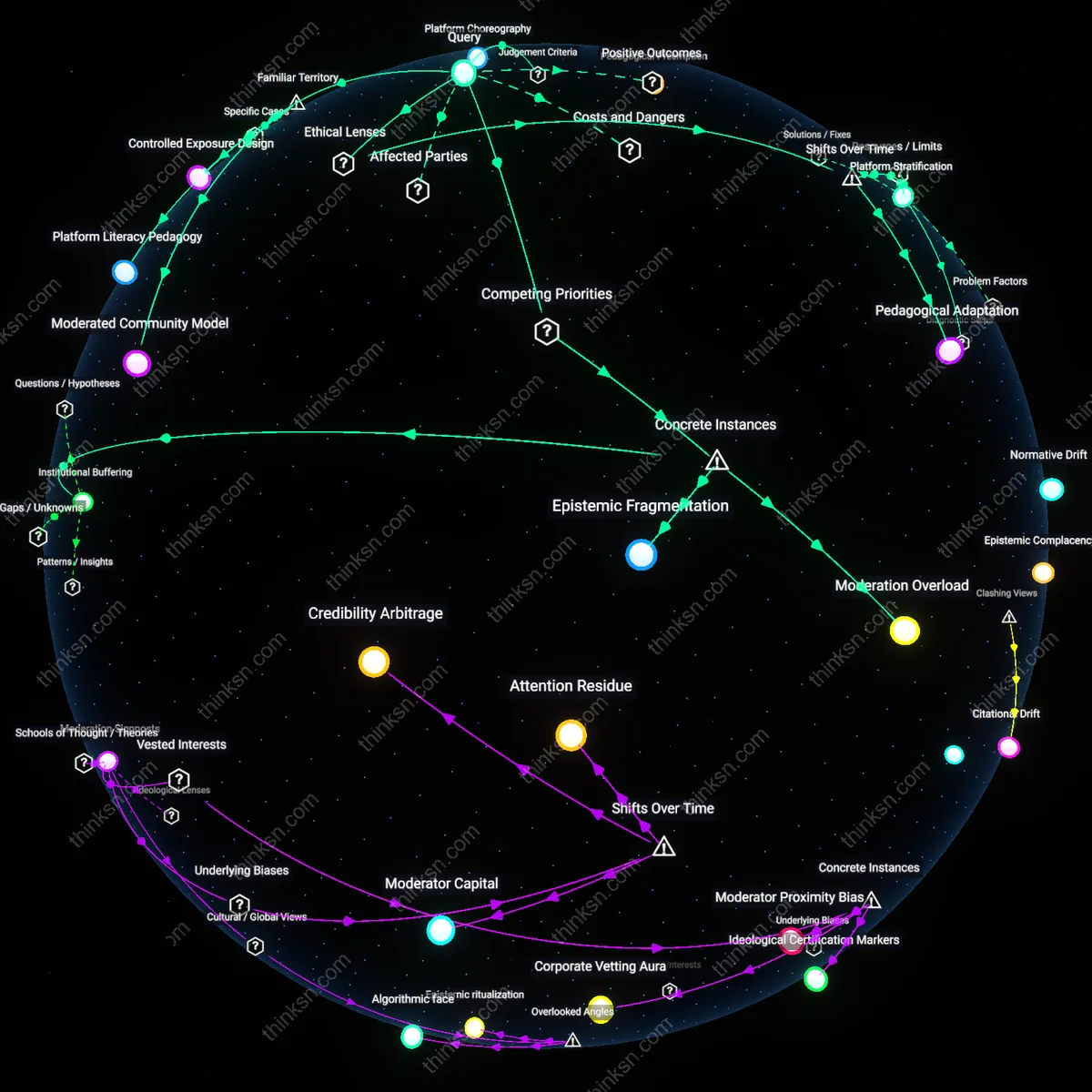
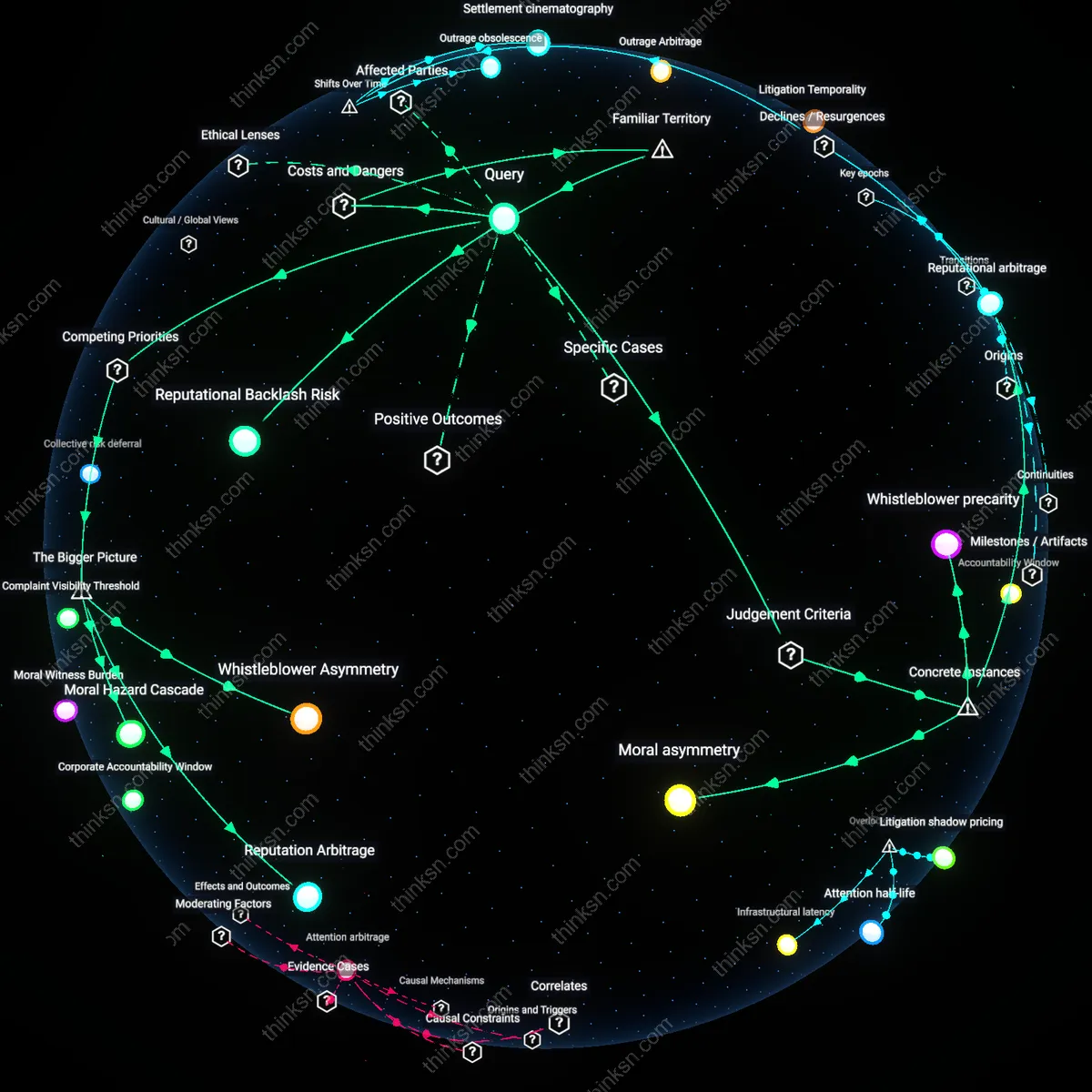
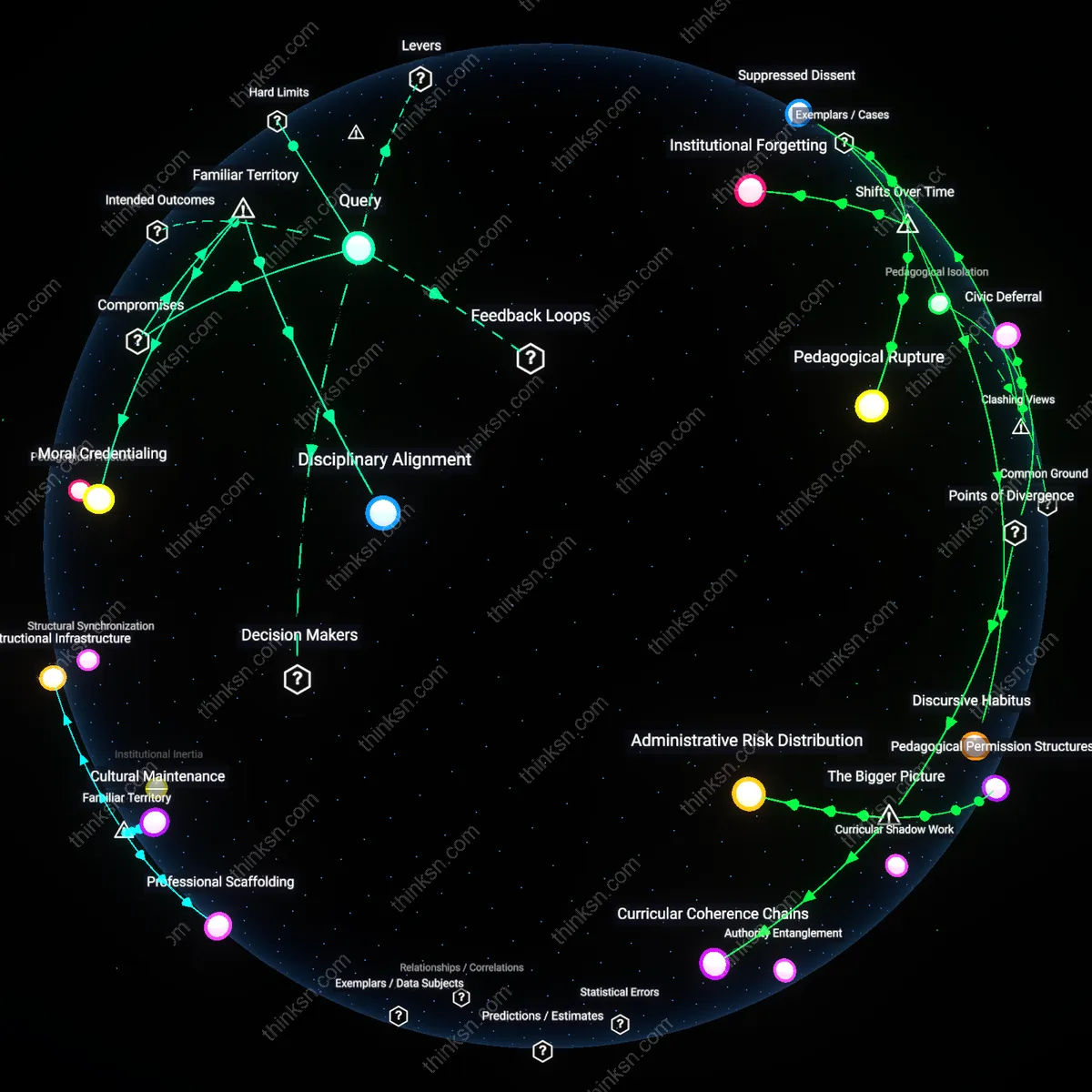
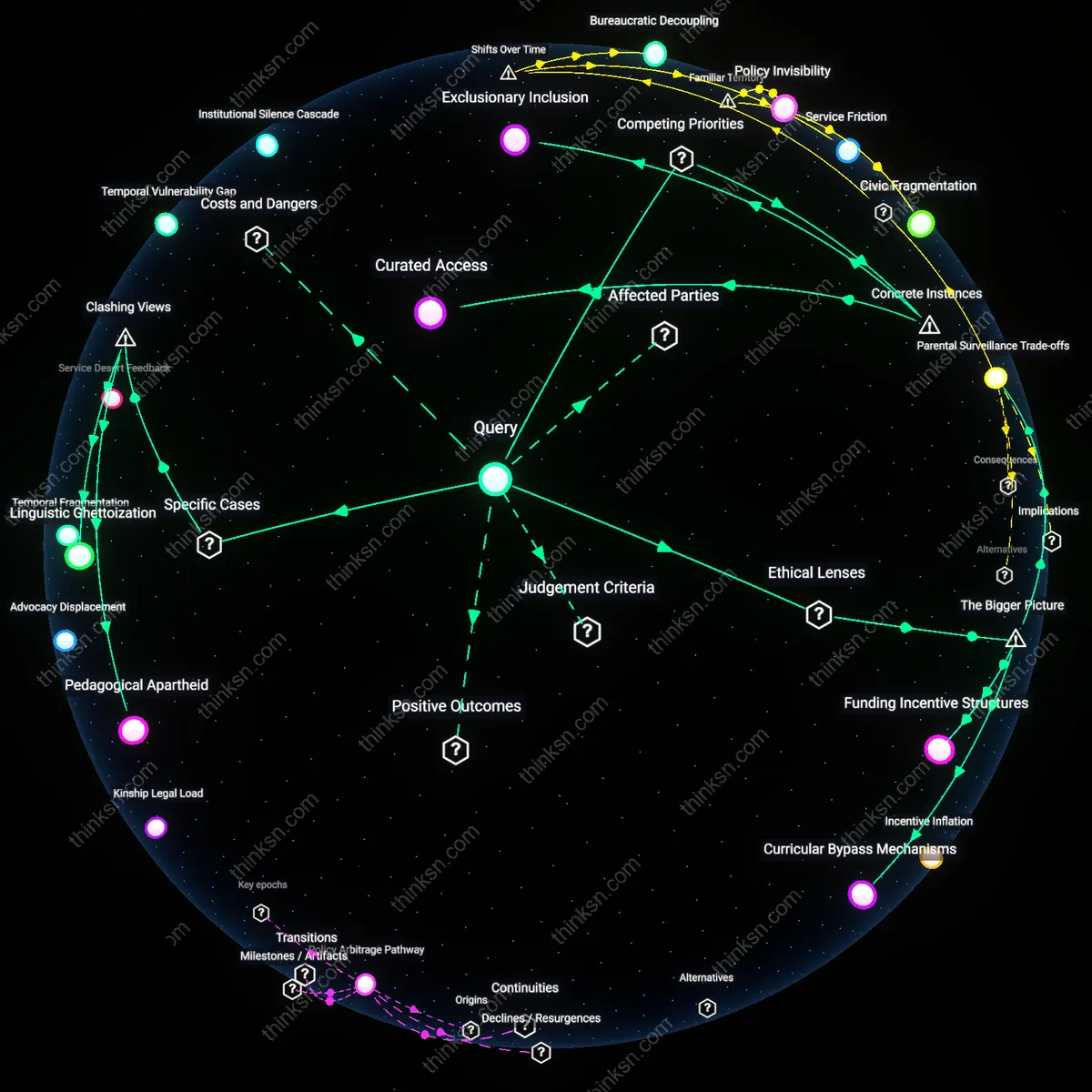
Analysis reveals 5 key thematic connections.
Key Findings
Ideological legitimacy
A university professor risks professional marginalization when speaking out about subtle gender discrimination because liberal institutional frameworks prioritize procedural neutrality over structural critique, thereby framing such disclosures as ideological rather than evidentiary. In research-intensive universities governed by liberal norms, claims of discrimination are often evaluated not for their social truth but for their adherence to depoliticized discourse, where emotional or experiential testimony is dismissed as unscientific. This mechanism preserves ideological legitimacy by treating institutional neutrality as objective, even as it systematically disadvantages those who challenge hierarchical norms, revealing how liberalism sustains inequity through the very criteria it uses to define fairness.
Bureaucratic insulation
Speaking out on subtle gender discrimination can expose a professor to reputational risk because conservative academic cultures prioritize institutional continuity and deference to senior authority, enabling informal sanctions through denial of promotion or exclusion from committees. In departments where tradition and personal loyalty shape advancement, accusations of sensitivity or divisiveness can trigger bureaucratic insulation—where administrators comply symbolically with equity policies but withhold substantive support. This dynamic allows systemic inequity to persist behind a façade of compliance, as conservative governance treats dissent not as civic engagement but as a threat to communal cohesion, thereby rewarding silence through passive career protection.
Reproductive precarity
A professor who challenges subtle gender discrimination risks undermining their position within the academic labor hierarchy because the tenure system is structured to exploit reproductive precarity, especially among women and marginalized genders. Universities function as knowledge-producing enterprises under capitalist academic regimes where publish-or-perish norms reward relentless availability, making resistance to gendered norms—such as emotional labor expectations—dangerous to career survival. Speaking out disrupts the unspoken bargain that faculty reproduce departmental function through self-exploitation, revealing how the Marxist contradiction between labor and institutional capital is managed by individualizing gendered oppression as personal failure rather than systemic extraction.
Silence as Sanctuary
A university professor in Confucian-influenced East Asian academic systems maximizes career progression not by confronting gender discrimination but by maintaining hierarchical harmony, because institutional prestige and personal advancement depend on perceived loyalty and social equilibrium rather than individual advocacy. In South Korea or Japan, where seniority and collective reputation dominate academic culture, public dissent—even when morally justified—disrupts the implicit pact between scholar and institution, triggering informal sanctions like exclusion from research councils or grant committees. This mechanism reveals that what Western frameworks interpret as moral courage, Confucian-embedded institutions often register as professional recklessness, making silence not complicity but a rational, protective strategy. The non-obvious insight is that ethical speech can be culturally coded as career self-sabotage, even when discrimination is widely recognized.
Infrastructure of silence maintenance
A professor can evaluate the risks by auditing the material infrastructure that supports silence, such as HR’s reliance on confidential mediation over public accountability, because these systems are designed to contain reputational risk to the institution rather than address injustice. When a faculty member speaks out, they disrupt a well-functioning bureaucratic circuit—legal teams, insurance assessors, public relations units—that depend on non-disclosure and procedural deferral to manage institutional liability, making the whistleblower an operational liability rather than a moral actor. The overlooked reality is that career risk stems less from individual prejudice than from an embedded administrative machinery that treats disclosure as system failure, incentivizing passive complicity through career consequences that mimic malfunction response.