Does Rent Control Shield Landlords from Tenant Strikes?
Analysis reveals 11 key thematic connections.
Key Findings
Regulatory Shield Effect
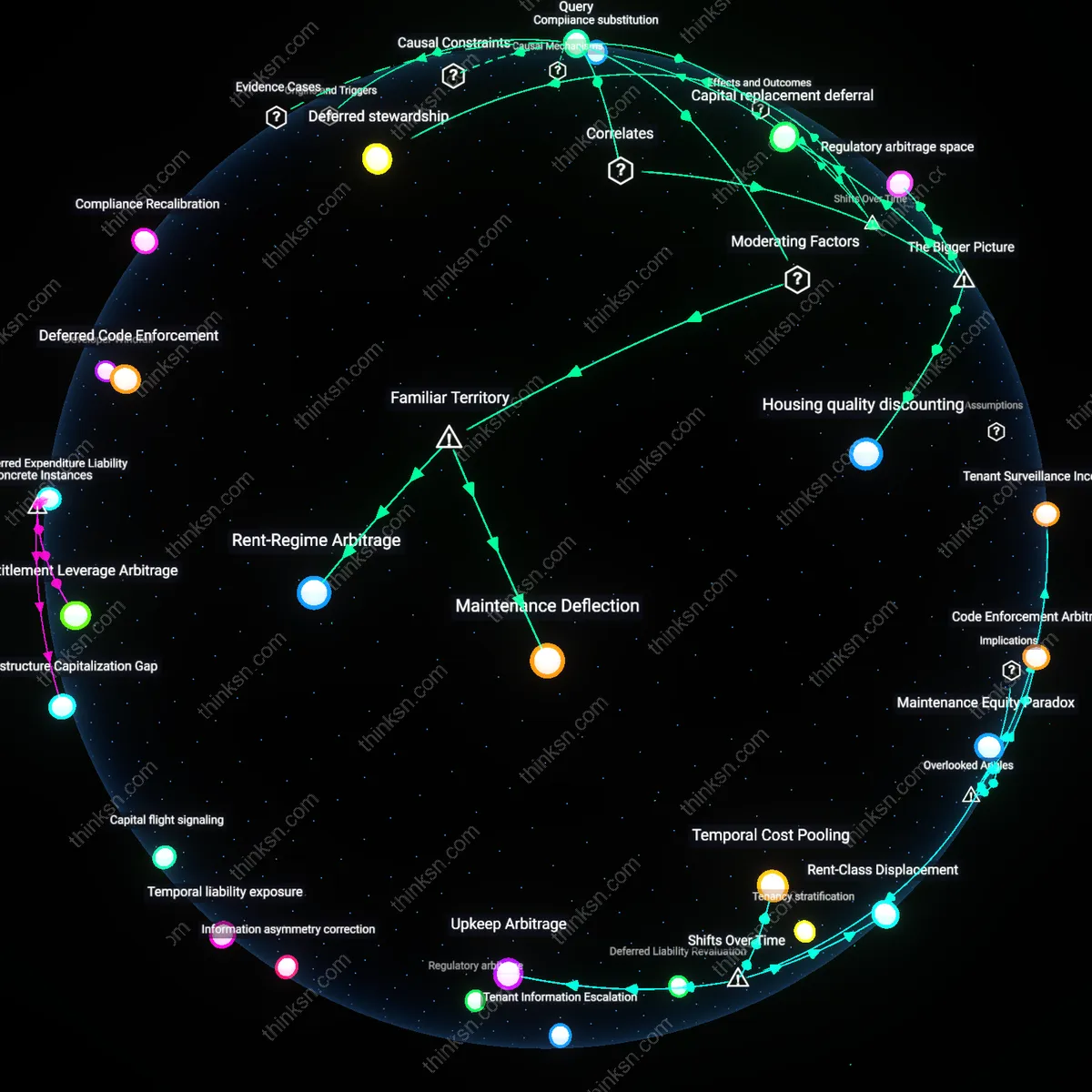
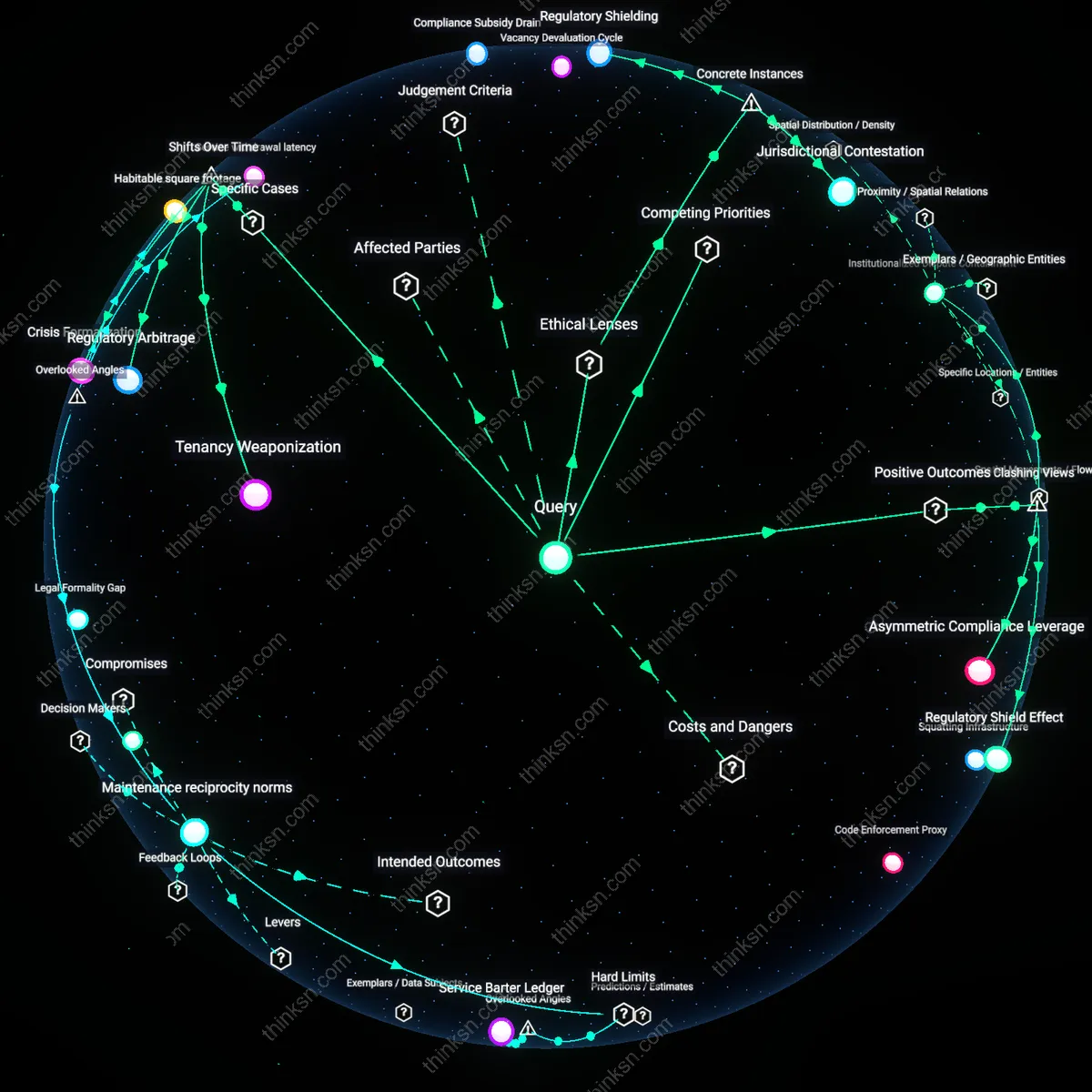
A rent-control ordinance strengthens a landlord's ability to evict by providing a legal buffer that decouples eviction from rent-strike provocation, allowing landlords to act under formal lease violations like nonpayment—irrespective of utility-cost grievances—through established municipal housing courts in cities like New York or San Francisco; this mechanism transforms eviction into a procedural compliance tool rather than a retaliatory act, which is non-obvious because rent control is typically seen as weakening landlord power, yet here it enhances operational authority by codifying predictable enforcement pathways that preempt tenant collective action.
Asymmetric Compliance Leverage
Rent-control ordinances indirectly empower landlords to evict by tightening tenants’ obligations to adhere strictly to lease terms, including timely payment of utility increases framed as separate from rent, thereby enabling eviction when rent strikes are interpreted as lease Default—even if utilities drive the protest—because enforcement systems in rent-stabilized jurisdictions like Los Angeles prioritize contractual literalism over contextual fairness, a dissonant outcome since the ordinance’s intent is tenant protection, yet it generates a precision tool for eviction through technical breaches.
Institutionalized Dispute Containment
Rent-control ordinances enhance a landlord’s eviction capacity by channeling tenant resistance into bureaucratic forums such as rent boards or housing agencies, delaying and depoliticizing rent strikes over utilities, which in turn allows landlords to proceed with eviction during procedural limbo—because courts often permit possession actions to advance even when disputes are pending—revealing that the ordinance’s proceduralism unintentionally advantages landlords by fragmenting tenant agency across jurisdictions, a counterintuitive result where tenant-protective infrastructure enables displacement through administrative delay.
Compliance Subsidy Drain
A rent-control ordinance indirectly weakens a landlord’s ability to evict by increasing their reliance on tacit tenant cooperation to avoid regulatory penalties, because landlords in cities like New York or San Francisco often depend on tenants not filing Housing Maintenance Code complaints to remain in good standing with housing inspectors; this dependence creates a hidden subsidy of compliance that discourages aggressive eviction actions, even in the face of rent strikes, revealing how enforcement asymmetry — where minor violations can trigger disproportionate regulatory scrutiny — makes landlords risk-averse about antagonizing tenants, a dynamic rarely included in standard supply-demand models of rent control.
Utility Reclassification Incentive
Rent-control ordinances alter a landlord’s eviction calculus by creating a financial incentive to reclassify utility cost increases as service reductions rather than pass-through charges, because in jurisdictions like Washington, D.C. or Los Angeles, regulators often treat utility pass-alongs differently depending on whether they are framed as tenant-paid or embedded in rent; this allows landlords to preserve eviction leverage by technically complying with rent caps while degrading service, thus reframing affordability conflicts as habitability negotiations — a strategic recharacterization that shifts power toward landlords in ways invisible to tenants focused solely on rent amounts, exposing how classification regimes quietly mediate conflict resolution outside formal eviction channels.
Vacancy Devaluation Cycle
A rent-control ordinance undermines eviction readiness by making prolonged vacancy disproportionately punitive in high-appreciation zones like Cambridge or Chicago’s North Side, because controlled units often reset to market only after long-term tenant departure, but fear of extended turnover — given tenant-favoring relocation ordinances and rising carrying costs — dissuades landlords from initiating evictions over utility-related rent strikes, thereby creating a de facto tolerance for nonpayment rooted not in legal constraint but in asset depreciation risk, a capital-immanence effect that ties eviction decisions to real estate liquidity models rather than lease enforcement norms.
Regulatory Shielding
Rent-control ordinances in New York City during the 1970s granted tenants protections that indirectly constrained landlords’ eviction powers when facing rent strikes over rising utility costs, as seen in the East Harlem Tenants Association actions of 1973, where local rent regulation frameworks required landlords to maintain habitability—including utility provision—while limiting justifiable eviction grounds, thereby transforming utility disputes into regulated housing maintenance issues rather than pure contract breaches. This reclassification empowered tenants to leverage rent withholding as a legal tactic, forcing landlords into administrative compliance rather than immediate eviction, a shift enabled by the intertwining of rent regulation and habitability standards under New York’s Emergency Tenant Protection Act. The non-obvious outcome was that landlords’ eviction capacity diminished not due to direct restrictions on eviction but because the regulatory framework absorbed utility disputes into a broader duty of care, effectively shielding non-paying tenants who framed their nonpayment as a response to breached conditions.
Jurisdictional Contestation
In Berlin’s 2020 rent cap (Mietendeckel) law, landlords’ attempts to evict tenants who withheld rent over increased utility charges led to protracted legal battles in district courts like those in Neukölln, where tenants argued that utility cost surcharges violated the cap’s spirit by enabling de facto rent increases, even though the law did not explicitly address utility pass-throughs. This triggered a shift from landlord-tenant disputes to constitutional jurisdictional conflicts between local housing authorities and federal property rights doctrine, culminating in the 2021 German Federal Constitutional Court ruling that invalidated the cap as an overreach of state legislative power. The residual dynamic revealed is that rent-control ordinances, when ambiguously worded, provoke institutional contestation where eviction power becomes contingent not on lease terms but on the outcome of higher-order legal conflicts between governance levels, rendering the landlord’s eviction right temporarily null pending constitutional interpretation.
Tenancy Weaponization
Rent-control ordinances in New York City during the 1980s heightened landlords’ vulnerability to eviction retaliation precisely because tenants gained leverage through rent strikes, shifting the balance of power from eviction-as-punishment to eviction-as-battlefield. The 1974 Rent Stabilization Law, expanded during the fiscal crisis, gave tenants legal cover to withhold rent over essential service failures like heating and hot water, creating a feedback loop where landlords, facing declining city maintenance and rising repair costs, could not legally evict for nonpayment during utility-related withholdings. This dynamic peaked in the 1980s Bronx and Brooklyn buildings, where landlord abandonment became more economical than compliance, revealing that rent control’s original intent—to stabilize housing—unintentionally enabled strategic rent strikes that transformed tenancy into an adversarial instrument.
Regulatory Arbitrage
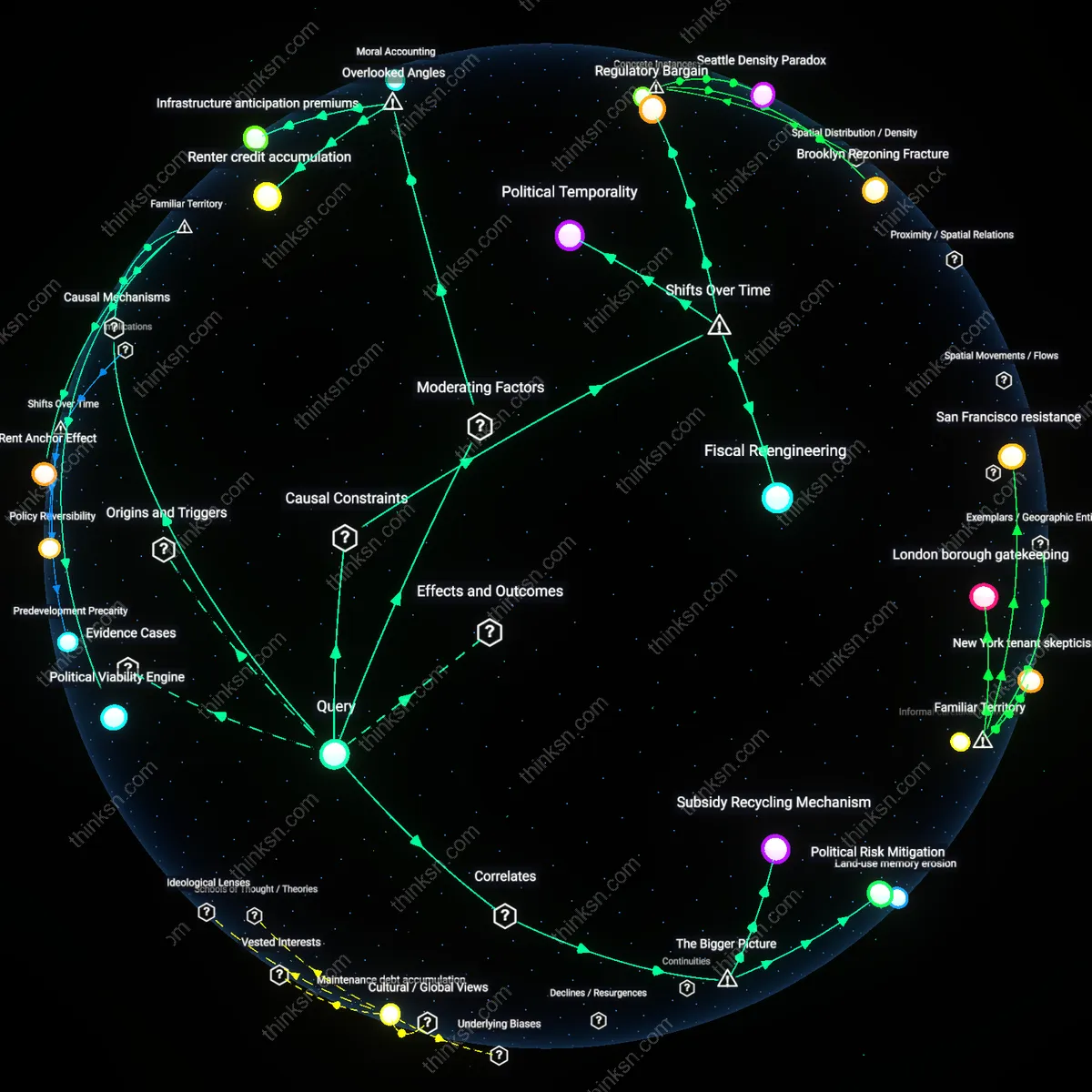
San Francisco’s 1990s vacancy decontrol reform fundamentally altered landlord incentives by allowing rent increases to market rate only upon tenant turnover, making non-economic eviction—especially under utility disputes—strategically rational only when rent control costs outweighed the risk of legal retaliation. After the 1995 Costa-Hawkins Act weakened local control, landlords increasingly used minor lease violations, including utility-related disputes, as pretexts for eviction not to punish strikes but to reset regulatory liability through rent decontrol. This pivot, visible in Castro and Mission District evictions from 1998–2003, reveals a shift where the landlord’s response evolved from direct suppression to systemic exploitation—eviction became less about expelling troublemakers and more about seizing narrow legal opportunities to escape rent-regulated tenancies altogether.
Crisis Formalization
The post-2008 expansion of emergency rent regulation in cities like Washington, D.C., produced unforeseen rigidity in landlord responses to tenant utility protests, locking eviction authority into procedural formalism that prioritized documentation over discretion. When utilities surged during the 2014 polar vortex, tenants in federally subsidized buildings successfully invoked emergency clauses under D.C.’s Rental Accommodation Act to resist eviction for striking against utility pass-throughs, forcing landlords to navigate months of adjudication rather than immediate removal. This transformation—from unilateral power to procedural entanglement—reveals how recurring economic shocks have incrementally converted evictions from an operational tool into a bureaucratic ritual, where the ability to act is constrained not by law alone but by the accumulated weight of crisis-response protocols.