Is a Small Claims Suit or Regulator Better for Telecom Overcharge?
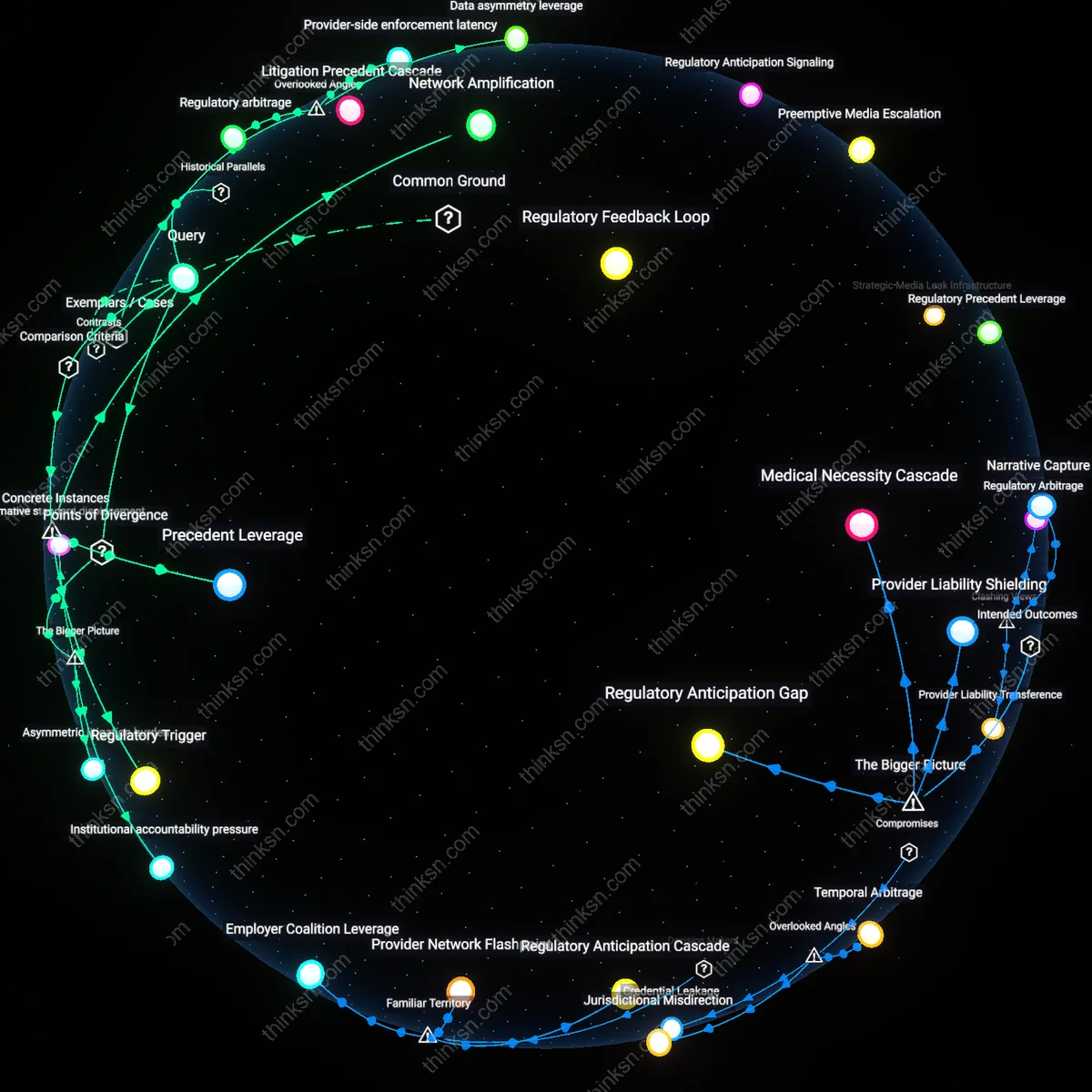
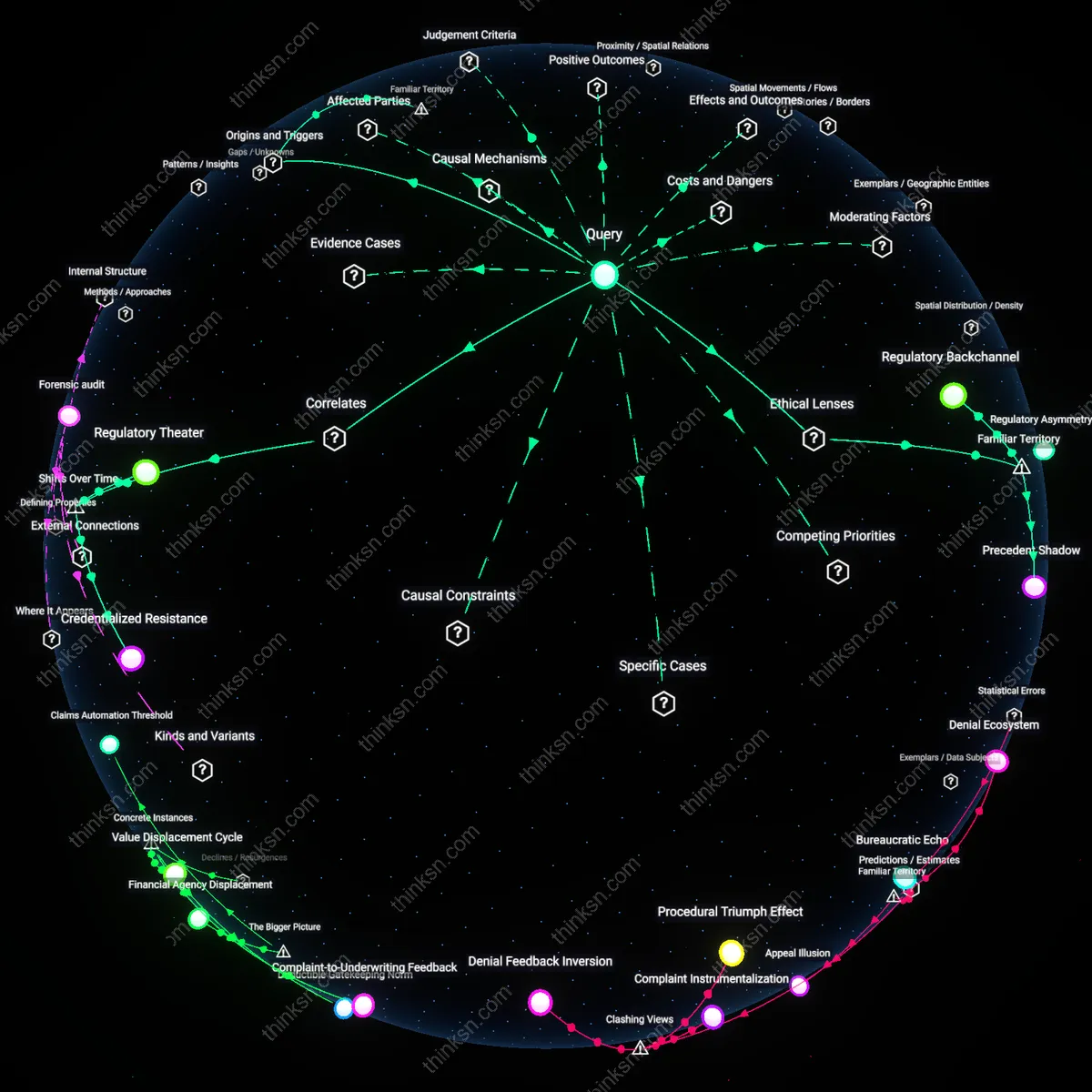
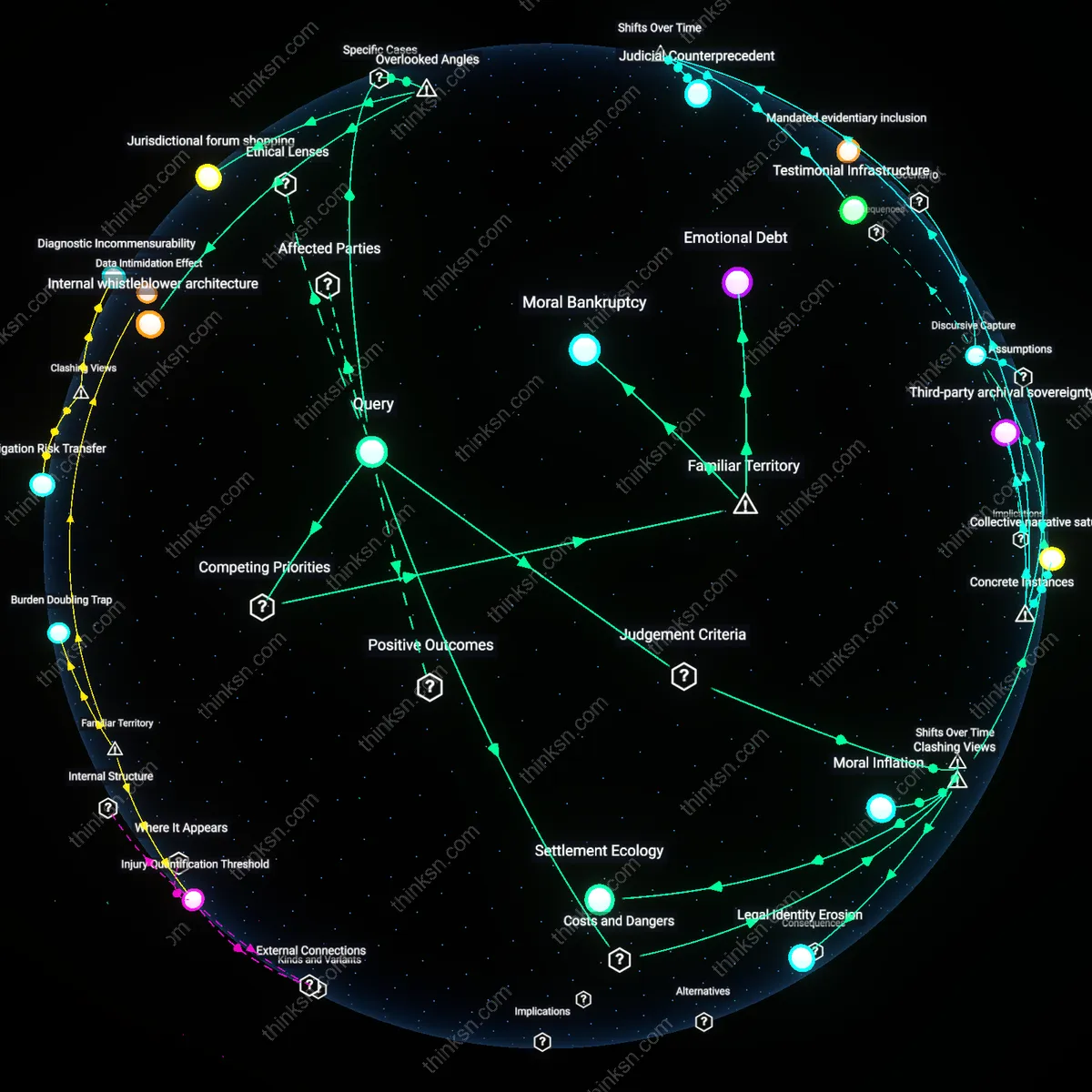
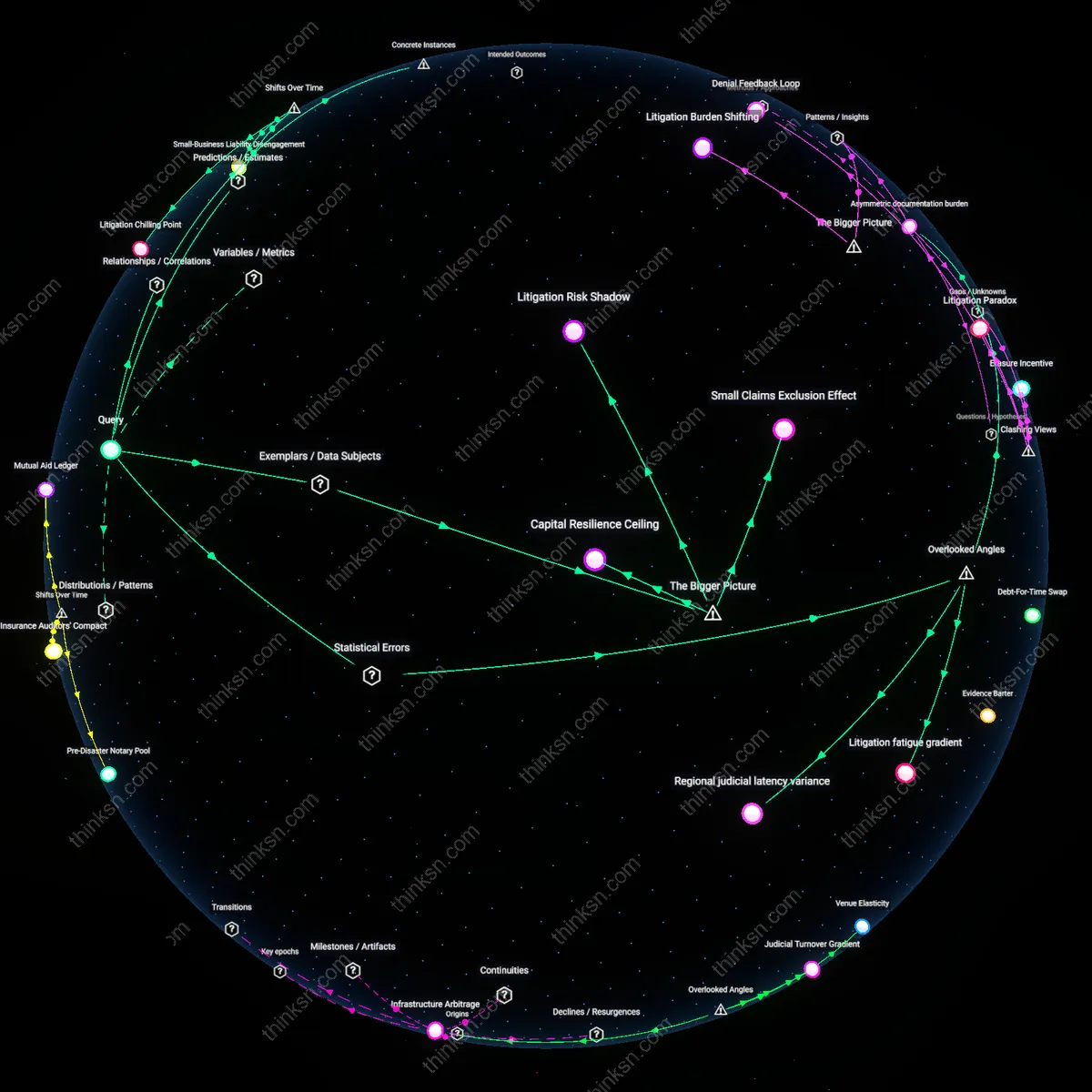
Analysis reveals 6 key thematic connections.
Key Findings
Jurisdictional Arbitrage
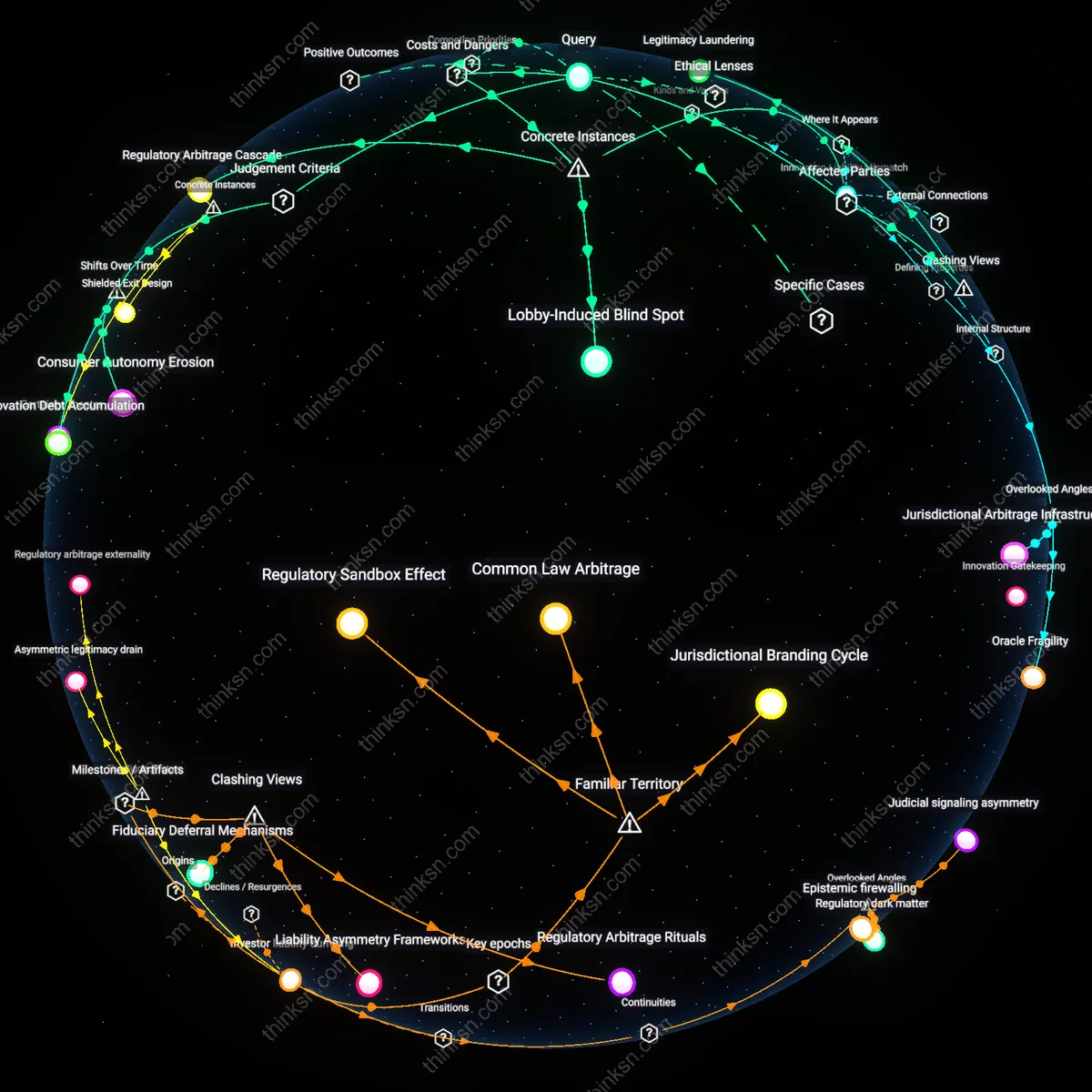
File small-claims suit first to exploit a post-2000 erosion of provider accountability under binding arbitration clauses, which telecoms began embedding in service agreements after the Federal Arbitration Act was aggressively interpreted in AT&T Mobility v. Concepcion (2011). By rejecting class actions and forcing individual disputes into private arbitration, companies neutralized regulatory complaints as deterrents—so consumers who bypass arbitration by filing in small claims court can reassert public forum access. This marks a shift from state-led consumer protection to tactical use of residual judicial venues, revealing how privatization of dispute resolution has made minor civil courts a last line of collective leverage.
Refund Aversion Trap
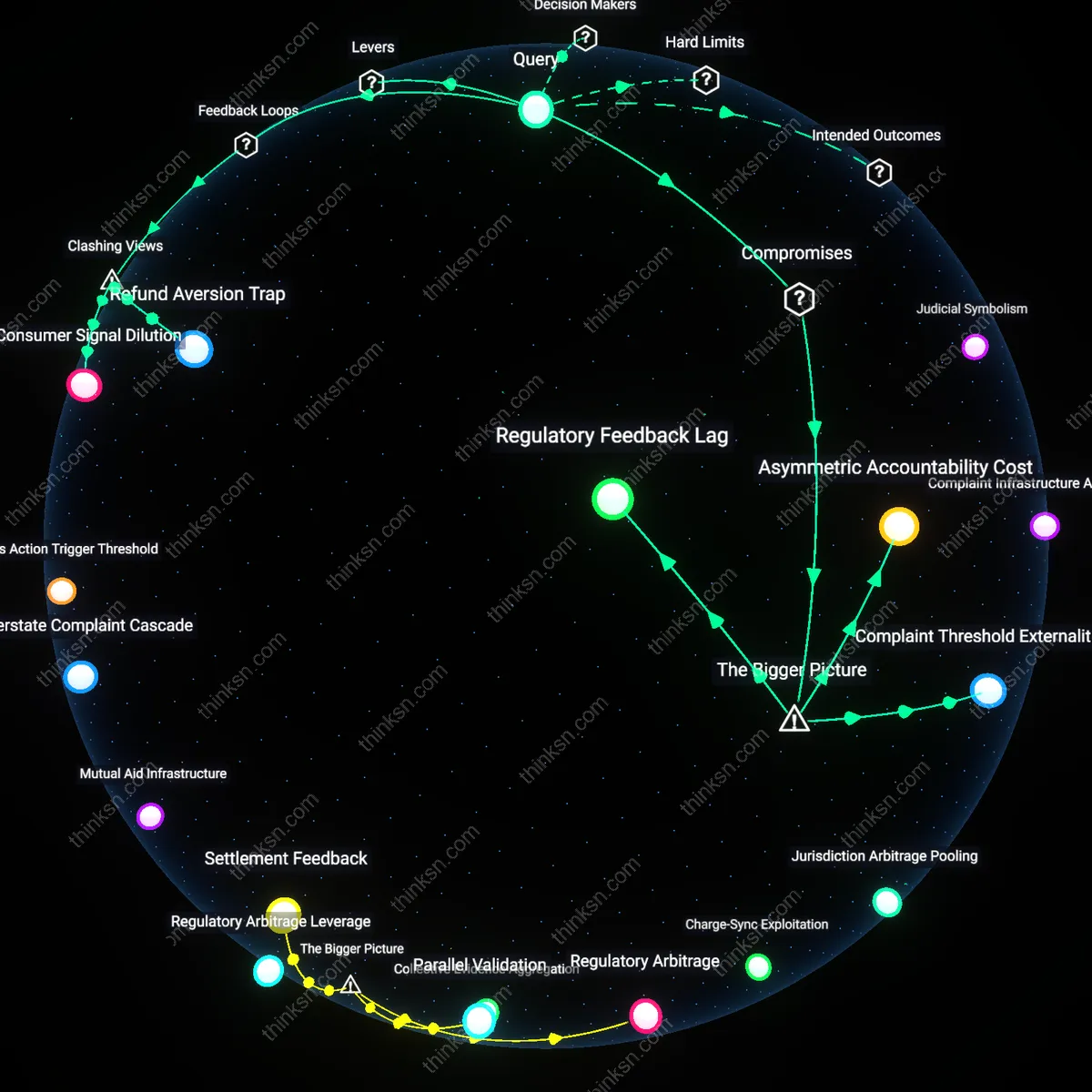
File a small-claims suit immediately, because the telecom provider’s refusal to refund is not an isolated decision but a node in a reinforcing loop where unresolved overcharges signal tolerance for future overbilling, emboldening systemic price extraction. This mechanism operates through customer attrition asymmetry—most consumers abandon pursuit below a threshold of hassle, reinforcing the provider’s cost-benefit calculus that minor overcharges are risk-free revenue streams—making legal action a counter-loop that resets expectations. The non-obvious insight, against the intuitive path of regulatory appeal as the ‘systemic’ fix, is that individual litigation disrupts the provider’s learning algorithm more directly than slow regulatory feedback, which often codifies rather than challenges existing norms.
Consumer Signal Dilution
Avoid both small-claims court and regulatory complaints as standalone actions, because each operates within separate feedback loops that dilute the consumer’s signal when used in isolation—legal judgements are privatized as one-off settlements, while regulatory complaints are aggregated beyond recognition—allowing the provider to absorb or ignore them. A superior intervention is to coordinate with consumer advocacy groups to file both simultaneously across multiple jurisdictions, generating a correlated spike in both legal and regulatory systems that overwhelms the provider’s normalization strategies. This challenges the intuitive dichotomy of ‘me versus the system’ by revealing that individual actions fail not due to weakness but due to dispersion, and only synchronized friction across feedback loops forces structural recalibration.
Regulatory Feedback Lag
A consumer should prioritize a regulatory complaint over small-claims court when overcharged by a telecom provider because systemic enforcement delays mean individual litigation compensates faster, even though it lacks structural impact. Regulatory agencies like the FCC or state public utility commissions depend on aggregated consumer complaints to trigger audits or rule enforcement, but their response cycles are institutionally slow due to bureaucratic throughput and political prioritization, making them ineffective for immediate redress. This reveals the underappreciated reality that regulatory systems are designed to correct patterns, not individual harms, so a single complaint’s value lies not in personal restitution but in contributing to data thresholds that eventually prompt oversight action. The residual dynamic is the time-based trade-off between personal remedy and collective leverage within administrative governance.
Asymmetric Accountability Cost
A consumer should choose small-claims court when the overcharge is isolated and quantifiable because the immediacy of judicial enforcement sidesteps the provider’s ability to absorb regulatory penalties without operational change. Telecom firms operate under regulatory capture conditions where fines are factored into compliance cost models and passed to consumers, whereas a successful small-claims judgment forces direct, non-transferable financial liability at the corporate local level, such as franchise or billing units that track loss metrics. This mechanism is underappreciated because most consumers assume regulators hold companies accountable, when in reality, decentralized legal actions create tangible performance pressures on subsidiary operations that centralized penalties do not. The critical insight is that accountability is more effectively localized through litigation than diffused through regulation.
Complaint Threshold Externalities
A consumer should file both a regulatory complaint and, if feasible, a small-claims suit because the regulatory complaint contributes to hidden accumulation thresholds that, when crossed, activate automated enforcement actions such as market-wide audits or license reviews by bodies like state attorneys general or the FTC. These thresholds are determined algorithmically from complaint databases (e.g., FCC Consumer Complaint Portal), and each filing incrementally raises the likelihood of systemic intervention that can reshape provider pricing practices beyond individual redress. The non-obvious element is that individual regulatory complaints generate positive externalities by feeding predictive enforcement models, meaning even futile-seeming filings can catalyze disproportionate downstream consequences when aggregated. This transforms isolated grievances into structural triggers through data-driven regulatory machinery.