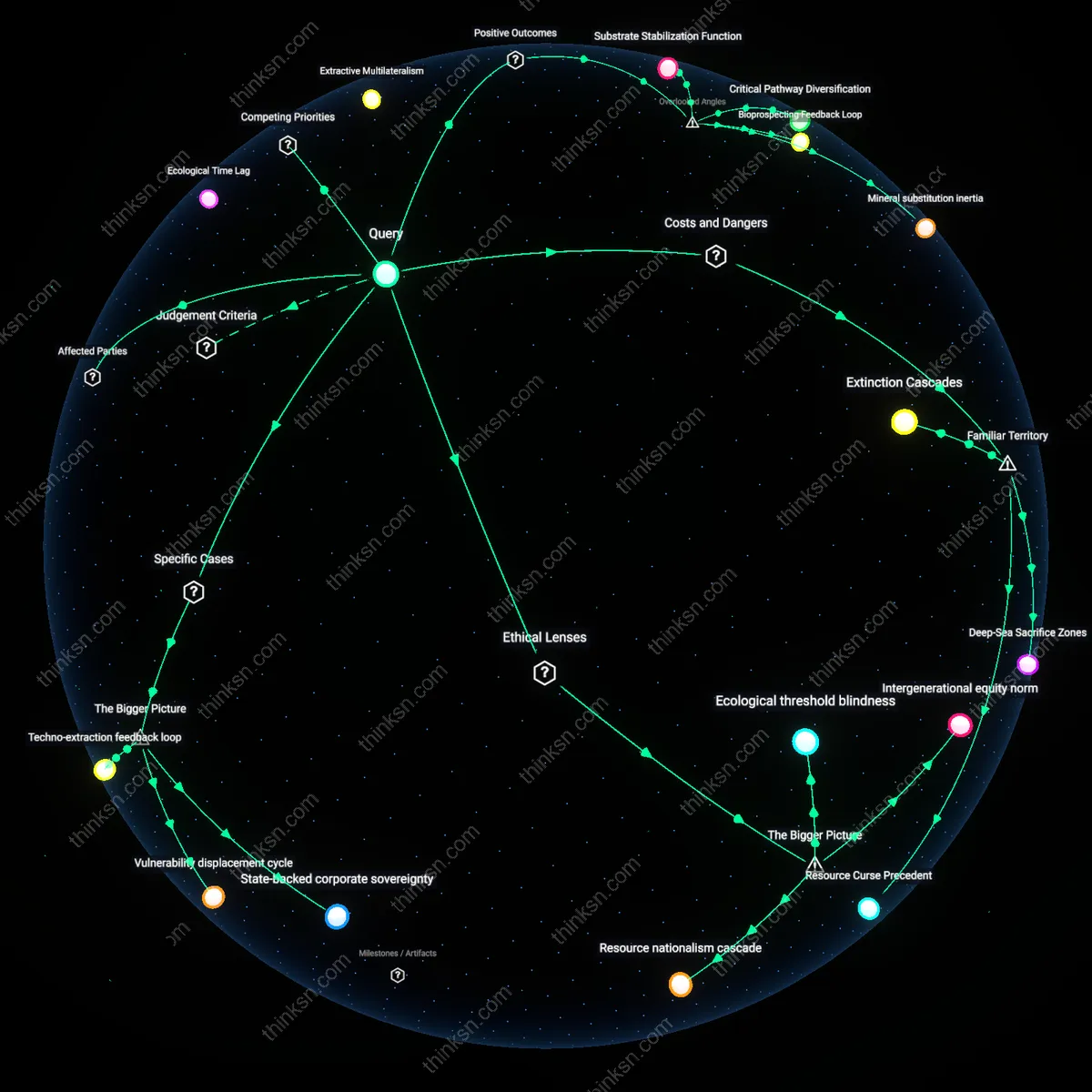
Deep Sea Mining: Precautionary Ban or Economic Risk?
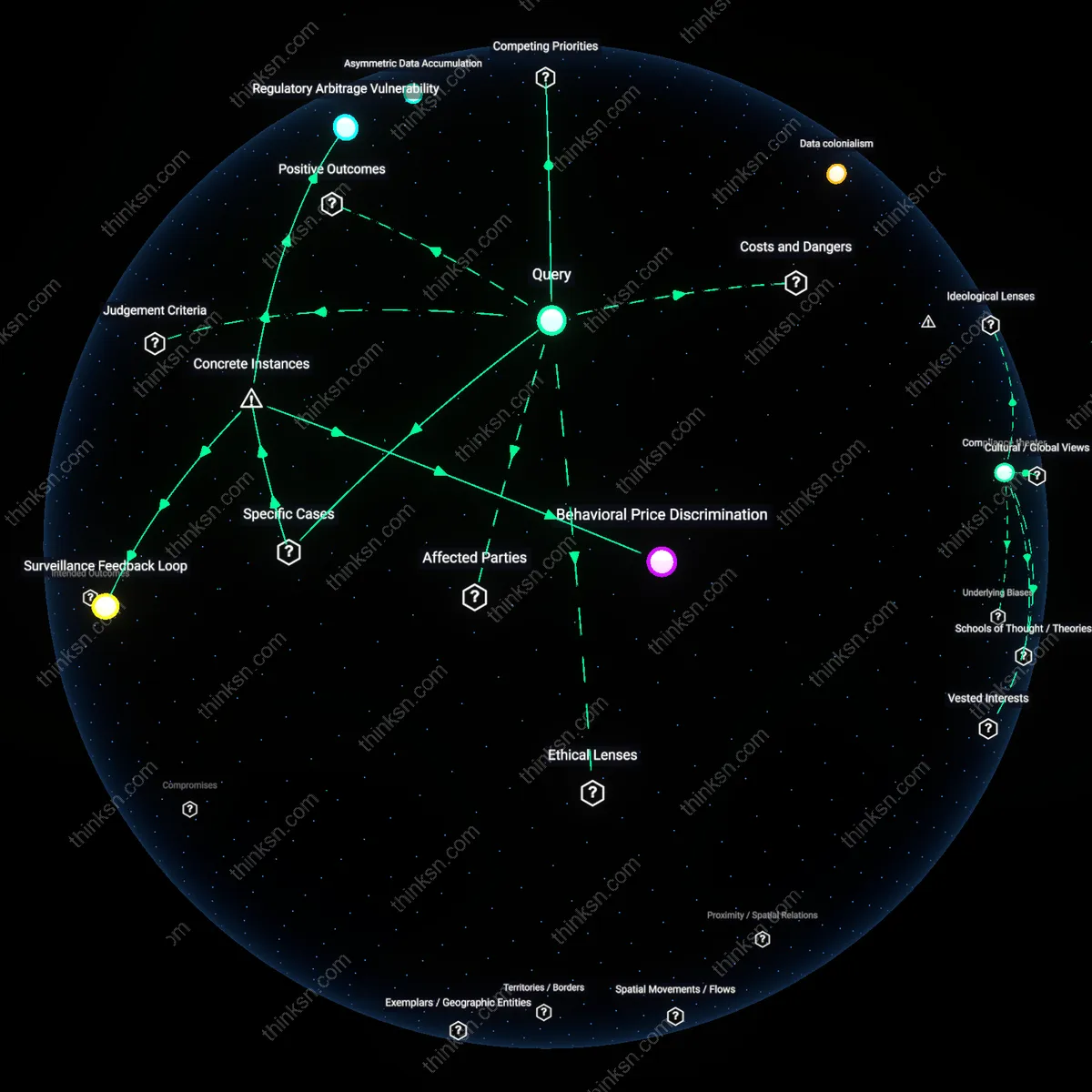
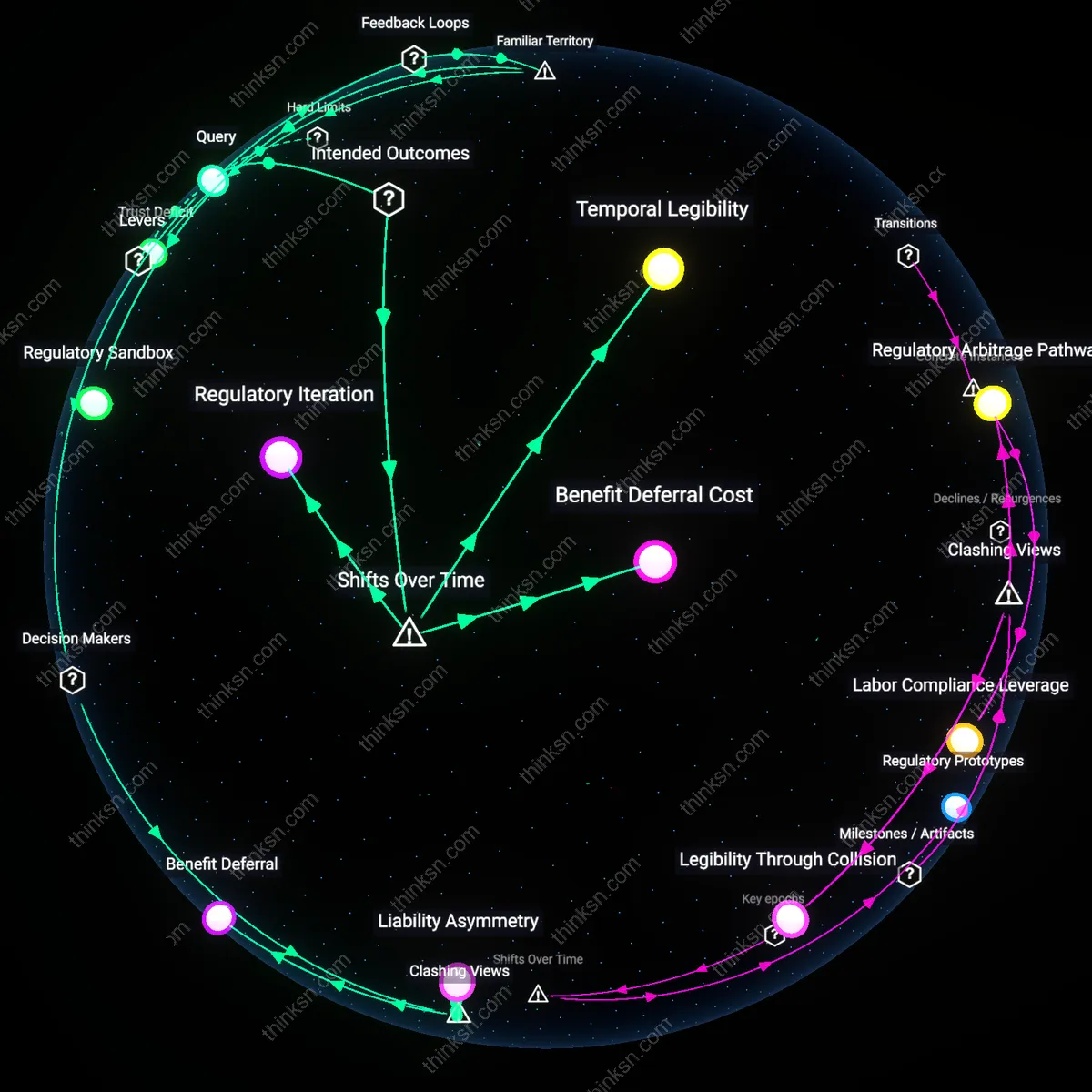
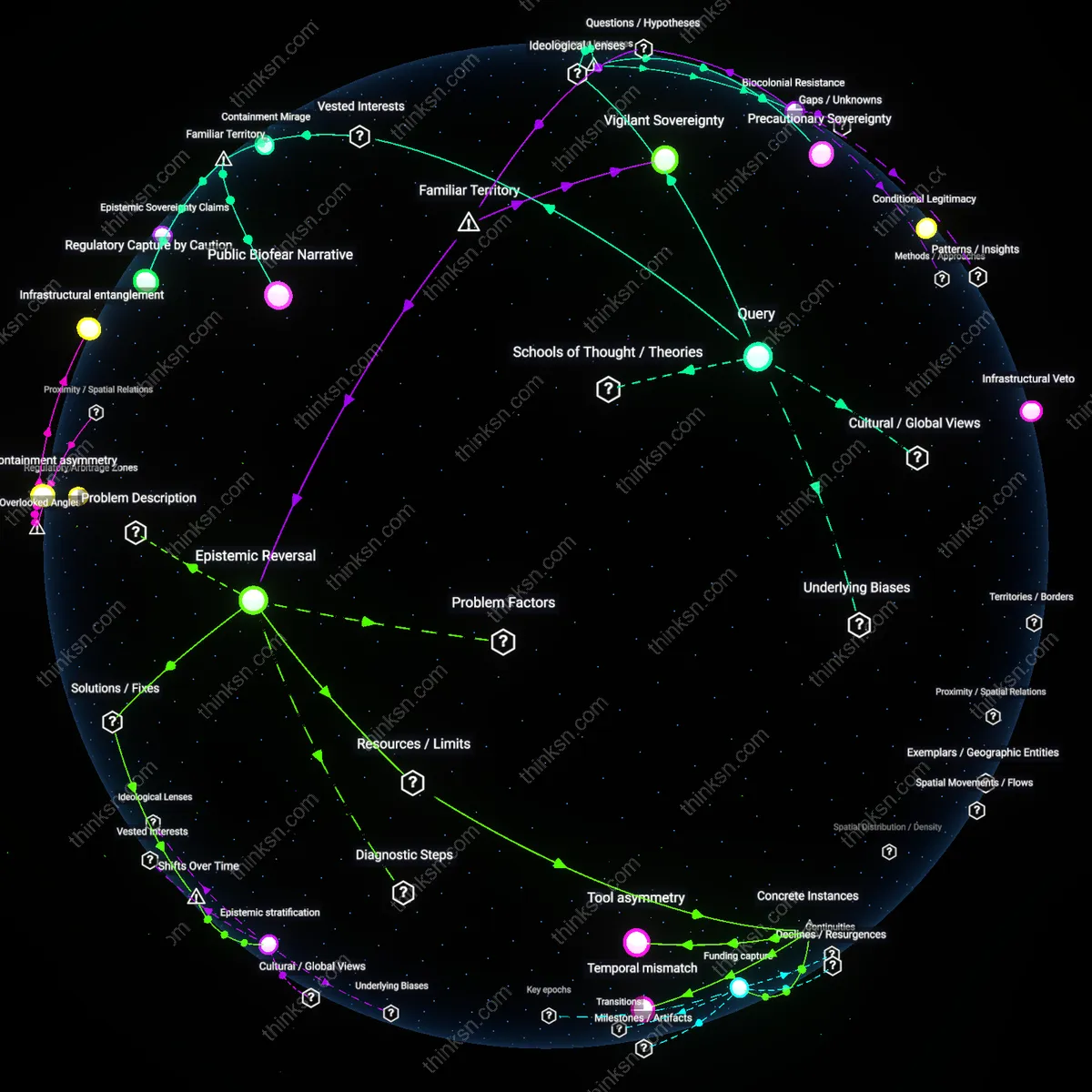
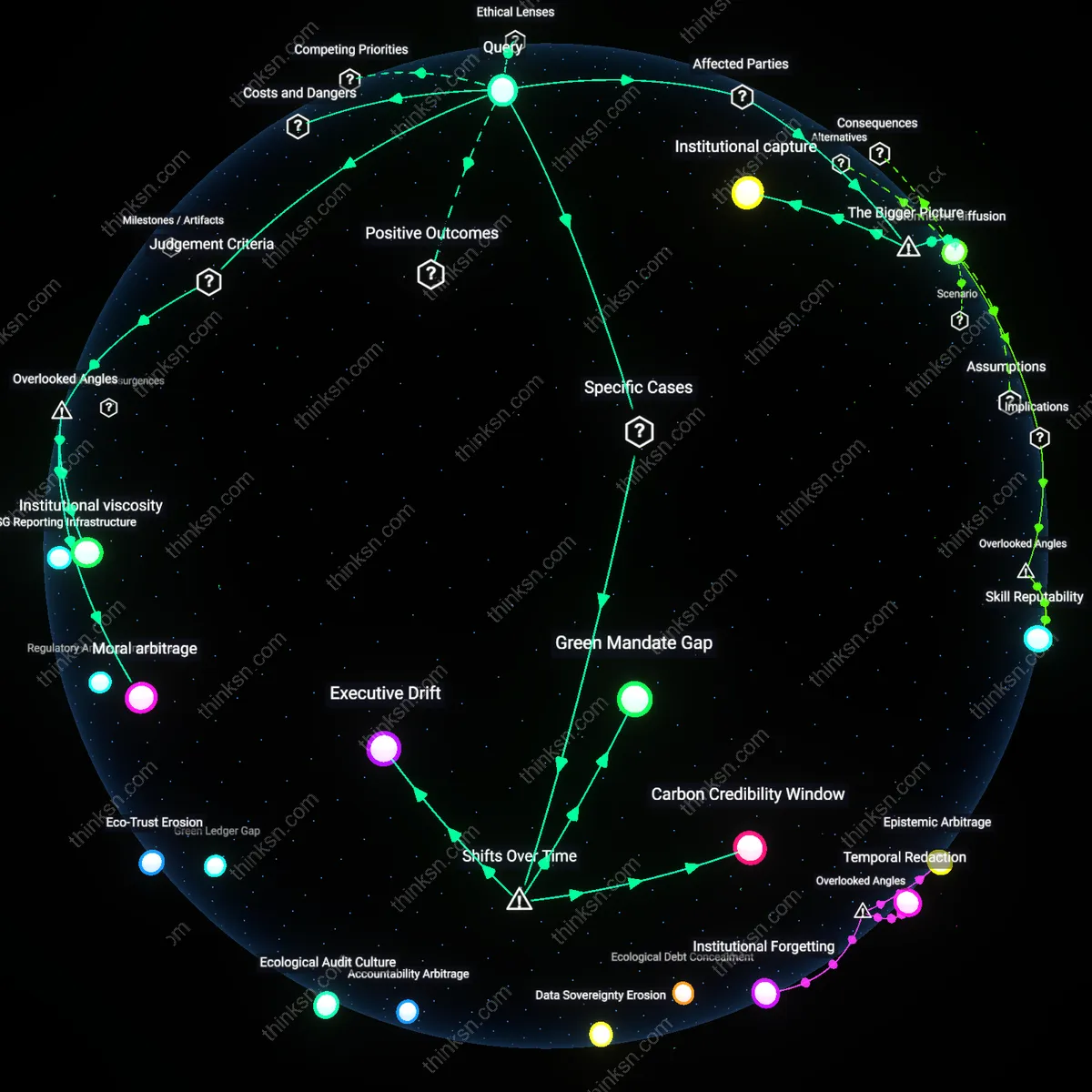
Analysis reveals 21 key thematic connections.
Key Findings
Fijian subsistence vulnerability
Deep-sea mining should be banned on precautionary grounds because communities like those in Fiji, who rely on marine subsistence and customary resource governance, face irreversible disruption from sediment plumes and habitat destruction caused by Solwara-1—Nautilus Minerals’ failed project off Papua New Guinea—which demonstrated that deep-sea excavation destabilizes benthic systems linked to coastal productivity, thereby imperiling food security for island populations who lack adaptive infrastructure. This case reveals that the risks of deep-sea mining are not abstract but directly undermine localized, culturally embedded survival systems that cannot be compensated through monetary benefit-sharing, exposing a structural asymmetry in risk distribution where marginalized coastal groups absorb ecological costs for distant economic gains.
Chinese rare earth leverage
Deep-sea mining should be permitted on economic grounds because China’s near-monopoly on terrestrial rare earth element (REE) production, demonstrated during the 2010 East China Sea dispute when it restricted REE exports to Japan, illustrates how strategic mineral control can be weaponized geopolitically—making deep-sea nodules in the Clarion-Clipperton Zone, rich in manganese, nickel, and cobalt, a critical alternative for nations like Japan and members of the International Seabed Authority’s pioneer investors to diversify supply chains and reduce dependency on single-state providers. This dynamic shows that deep-sea mining is not merely an environmental dilemma but a strategic hedging mechanism in global resource politics, where uncertain ecological impacts are weighed against tangible national security imperatives in clean energy and defense technology.
Jamaican regulatory capture risk
Deep-sea mining should be banned on precautionary grounds due to the precedent set by Jamaica’s role in the International Seabed Authority (ISA), where a small island state with limited oceanographic expertise hosts the ISA and stands to gain revenue from licensing deep-sea exploitation—mirroring how tax haven jurisdictions like the British Virgin Islands developed regulatory frameworks captured by foreign commercial interests, leading to systemic environmental and fiscal oversight failures—revealing that institutions governing global commons can become structurally compromised when host states are incentivized to prioritize fiscal survival over ecological stewardship, especially in the absence of binding environmental liability mechanisms.
Deep-sea governance feedback
Deep-sea mining should be permitted because controlled industrial activity creates an irreplaceable data feedback loop that strengthens adaptive ocean governance. Regulatory monitoring of active mining operations generates high-resolution, real-time ecological and geological data from remote abyssal zones—information that is otherwise prohibitively expensive and logistically difficult to collect through scientific voyages alone. This stream of operational data enhances model accuracy for ecosystem resilience, improves baseline assessments for conservation, and informs future multilateral agreements through the International Seabed Authority. The non-obvious mechanism is that commercial operations, despite their risks, act as distributed sensor networks that iteratively refine global regulatory capacity—a dynamic overlooked because most analyses treat extraction and protection as zero-sum rather than potentially co-constitutive through data infrastructure.
Critical material sovereignty
Deep-sea mining should be permitted because it enables resource-diverse developing nations to bypass geopolitical bottlenecks in terrestrial critical mineral supply chains and assert strategic autonomy in the green energy transition. Nations like Nauru, Tonga, and Papua New Guinea can leverage sponsorship rights under the UN Convention on the Law of the Sea to attract private investment and gain equity stakes in seafloor projects, building domestic capital and technical expertise. This shifts the global distribution of material power by allowing small states to become upstream suppliers of nickel, cobalt, and manganese for electric vehicle batteries—circumventing monopolies held by terrestrial producers in the Democratic Republic of Congo or China. The overlooked dynamic is that deep-sea access functions as a sovereignty multiplier, transforming oceanic legal claims into industrial leverage for states otherwise marginalized in global technology markets.
Mineral substitution inertia
Deep-sea mining should be temporarily permitted because delaying access to polymetallic nodules risks entrenching dirtier terrestrial mining systems due to industrial path dependency in battery manufacturing. Automakers and battery producers are already scaling capital-intensive production lines optimized for nickel-rich chemistries like NMC, creating a powerful lock-in effect that discourages transition to alternative materials like lithium iron phosphate, even when environmentally preferable. Polymetallic nodules offer a lower-impact source of high-purity nickel that aligns with existing industrial trajectories, buying time for innovation while reducing land-based ecological damage from sulfide ore processing in Indonesia or the Amazon. The underappreciated factor is that environmental outcomes depend not just on the direct impact of one activity, but on how it affects the momentum of entrenched industrial architectures resistant to change.
Substrate Stabilization Function
Deep-sea mining should be provisionally permitted because sediment disturbance from nodule extraction can enhance benthic substrate stability in abyssal plains dominated by mobile, unstable sediments. In specific regions like the Clarion-Clipperton Zone, the removal of ferromanganese nodules—anchored features amid otherwise shifting silts—alters hydrodynamic micro-processes by reducing sediment resuspension in their wake, thereby creating microhabitats with increased deposition cohesion. This overlooked geotechnical effect supports colonization by early-succession invertebrates, a dynamic absent from baseline environmental assessments that assume all disturbance degrades habitat. The stabilization of fine-grained substrates represents a non-intuitive ecological service of physical alteration, reframing localized mining impacts not as uniformly destructive but as potentially creating new physical conditions conducive to recolonization.
Critical Pathway Diversification
Deep-sea mining should be conditionally permitted because it disrupts monopolistic control over supply chains for critical metals, enabling emerging economies to bypass terrestrial mining dependencies dominated by geopolitical actors like China and the Democratic Republic of Congo. By developing undersea sources of cobalt, nickel, and rare earths, countries such as Papua New Guinea and the Cook Islands gain negotiating leverage in global battery and renewable infrastructure markets, altering power dynamics in clean energy transitions. This strategic redistribution of resource access is rarely modeled in environmental cost-benefit analyses, which focus on local ecosystems rather than macroeconomic sovereignty. The ability to fracture extractive cartels through seabed diversification introduces a resilience mechanism in global material flows that outweighs uncertain benthic risks when distributed across geopolitical systems.
Bioprospecting Feedback Loop
Deep-sea mining should be cautiously advanced because the microbial communities inhabiting hydrothermal vent margins and nodule fields exhibit unique extremophile biochemistries that are more readily identified during mining-related seabed sampling than through passive research cruises. Commercial exploration operations by entities like DeepGreen (now The Metals Company) have already led to the discovery of novel proteases and metal-resistant archaea with industrial biotechnology applications, as their large-scale sediment and water column monitoring generates high-resolution microbial data across gradients of disturbance. This unintended knowledge spillover—where industrial activity accelerates bioprospecting far beyond academic capacity—creates a feedback loop in which commercial access enables medical and enzymatic innovation that would remain latent under a moratorium. The environmental permitting process thus becomes a conduit for hidden bioeconomic value, repositioning mining not as a threat to biodiversity alone, but as a de facto accelerator of genomic discovery.
Deep-Sea Sacrifice Zones
Deep-sea mining should be banned because it converts irreplaceable marine abyssal plains into industrial sacrifice zones. These areas, such as the Clarion-Clipperton Zone in the Pacific Ocean, host poorly understood but highly specialized ecosystems—including rare microbial life and slow-growing fauna like sponges and xenophyophores—that are obliterated by seabed dredging. The mechanism is sediment plume dispersion from mining machinery, which migrates for kilometers and smothers benthic life, disrupting carbon sequestration processes that stabilize global climate. What is underappreciated is that unlike terrestrial mining sites, these zones have no cultural or legal framework for 'reclamation,' rendering loss absolute and permanent.
Resource Curse Precedent
Deep-sea mining must be prohibited because it replicates the historical pattern of resource curses where extraction enriches distant corporations while imposing ecological and social costs on vulnerable populations. Companies like The Metals Company, backed by wealthy nations and investors, position deep-sea mining as essential for green energy, yet the actual beneficiaries are rare earth processors in OECD countries, not coastal or Indigenous communities near mining zones. The mechanism is offshore jurisdictional arbitrage—exploiting weak international regulation under the International Seabed Authority’s ‘Area’ provisions—enabling risk privatization with cost externalization. The non-obvious truth is that the familiar postcolonial extractive dynamic is not being avoided but being deepened through oceanic legal loopholes.
Extinction Cascades
Deep-sea mining should be banned because its noise, sedimentation, and habitat fragmentation trigger extinction cascades in deep-ocean trophic networks that are invisible but functionally critical. Species like the hadal amphipod or abyssal holothurian, which occupy narrow ecological niches with no redundancy, are wiped out locally with minimal oversight, breaking unseen but essential nutrient-recycling functions. The mechanism is the disruption of vertical organic flux—the 'biological pump'—where minor benthic disturbances reduce carbon burial efficiency over centuries. What is habitually overlooked is that these ghost extinctions appear negligible in isolation but collectively destabilize planetary-scale biogeochemical systems, making them irreversible from the outset.
Resource Nationalism
Deep-sea mining should be permitted because delaying extraction risks ceding strategic control of critical minerals to geopolitical rivals, particularly China, which dominates current seabed exploration through state-backed entities like COMRA—this shift reframes environmental caution as a form of geopolitical disarmament where environmental sovereignty is sacrificed to maintain technological and military autonomy in a multipolar order. The non-obvious dynamic is that Western hesitation, framed as ecological responsibility, effectively consolidates Chinese influence over future battery and defense supply chains under the cover of precaution.
Ecological Time Lag
Deep-sea mining must be banned because the slow metabolic and reproductive cycles of abyssal species mean environmental damage will not become visually apparent for decades, rendering real-time regulatory oversight meaningless—this creates a policy illusion where permissive frameworks appear manageable because harm remains invisible, when in fact irreversible loss accumulates beneath detection thresholds. The counterintuitive truth is that the absence of evidence in deep-ocean monitoring is not reassurance but a structural artifact of timescales mismatched to human governance cycles.
Extractive Multilateralism
Deep-sea mining should be permitted under international regulation because outright bans would incentivize unilateral exploitation by powerful states outside the UN Convention on the Law of the Sea, transforming the ocean floor into a domain of covert, unregulated grabs—a dynamic already visible in Arctic resource claims—meaning that allowing limited, monitored extraction through the International Seabed Authority preserves a failing but irreplaceable norm of shared stewardship. The dissonance lies in accepting contained environmental risk as the price for upholding a fragile legal order designed to prevent worse outcomes.
Intergenerational equity norm
Deep-sea mining should be banned on precautionary grounds because failing to do so violates a nascent but binding norm of intergenerational equity rooted in environmental ethics and international law, particularly the principle of *erga omnes* obligations under the UN Convention on the Law of the Sea (UNCLOS). This norm holds states accountable not just to current stakeholders but to future generations and the integrity of global common-pool resources, institutionalized through bodies like the International Seabed Authority (ISA). The non-obvious force of this claim lies in how legal doctrines are quietly evolving to treat the deep seabed as a 'common heritage of mankind,' meaning exploitation risks triggering irreversible moral and legal precedents that prioritize short-term extractivism over long-term custodianship, thereby reshaping the very definition of sovereignty in oceanic spaces.
Resource nationalism cascade
Deep-sea mining should be permitted because delaying extraction risks triggering a cascade of resource nationalism among emerging economies seeking strategic autonomy from Western-dominated supply chains, particularly in critical minerals for green technologies. Countries like Tonga and Nauru, partnering with private firms such as The Metals Company, leverage the ISA’s sponsorship model to assert sovereignty claims and economic leverage, creating a feedback loop where exclusion from seabed wealth entrenches geopolitical resentment. The significance lies not in environmental uncertainty per se, but in how mineral scarcity narratives activate historical patterns of postcolonial assertion—turning oceanic governance into a proxy battleground for recalibrating global equity, thereby pressuring multilateral systems to prioritize distributive access over ecological caution.
Ecological threshold blindness
Deep-sea mining must be banned on precautionary grounds because current regulatory frameworks are structurally blind to nonlinear ecological thresholds, such as the collapse of microbial carbon sequestration networks in abyssal plains, which are undetectable until system-wide tipping occurs. Scientific advisory bodies like the ISA Legal and Technical Commission operate within linear risk models that discount slow-onset, irreversible disruptions—especially those affecting benthic biogeochemical cycles that regulate planetary climate stability. The underappreciated dynamic here is that economic valuation mechanisms fail not due to ignorance, but because they are institutionally prohibited from accounting for non-market ecological functions, rendering cost-benefit analyses inherently skewed toward extraction, regardless of downstream biospheric risk.
State-backed corporate sovereignty
Deep-sea mining should be permitted because state-backed corporations exploit regulatory vacuums in areas beyond national jurisdiction, where UNCLOS and the International Seabed Authority enable profit-driven exploration by granting exclusive rights without enforceable environmental safeguards. This mechanism is visible in the sponsorship of companies like Nauru Ocean Resources Inc. by the government of Nauru, which leverages its sovereign standing to fast-track exploitation licenses despite uncertain ecosystem impacts. The non-obvious force here is not environmental risk or economic need, but the quiet expansion of corporate operational sovereignty through state proxies in legally ambiguous global commons.
Vulnerability displacement cycle
Deep-sea mining should be banned because industrial extraction offends intergenerational equity by displacing ecological risks onto future societies unable to consent, as evidenced by the Solwara 1 project in Papua New Guinea, where deep-ocean hydrothermal vent mining jeopardizes benthic systems that may take millennia to recover. The causal force lies in the irreversible disruption of slow-renewal biomes that future scientific or medicinal value may depend upon, exposing a systemic tendency to externalize irreversible harm across temporal horizons when short-term economic pressures dominate. What is underappreciated is not the scale of immediate profit, but how technocratic timelines mask the permanent foreclosure of future options.
Techno-extraction feedback loop
Deep-sea mining persists because mineral scarcity narratives, amplified by battery manufacturers like Tesla and Rare Earth Elements Ltd., reinforce demand for deep-ocean cobalt and manganese, creating a self-justifying economic rationale that pressures the International Seabed Authority to accelerate exploitation despite inadequate impact baselines. This dynamic is clearest in the Clarion-Clipperton Zone, where exploration contracts have expanded under industry lobbying framed as essential for green energy transitions, despite unproven necessity in secondary recycling alternatives. The overlooked mechanism is not ecological uncertainty per se, but the structural momentum built by alliance between extractive industry and climate mitigation agendas, locking policy into techno-extraction paths.