Are Clinical Pathways Guiding or Influencing Prescribing Decisions?
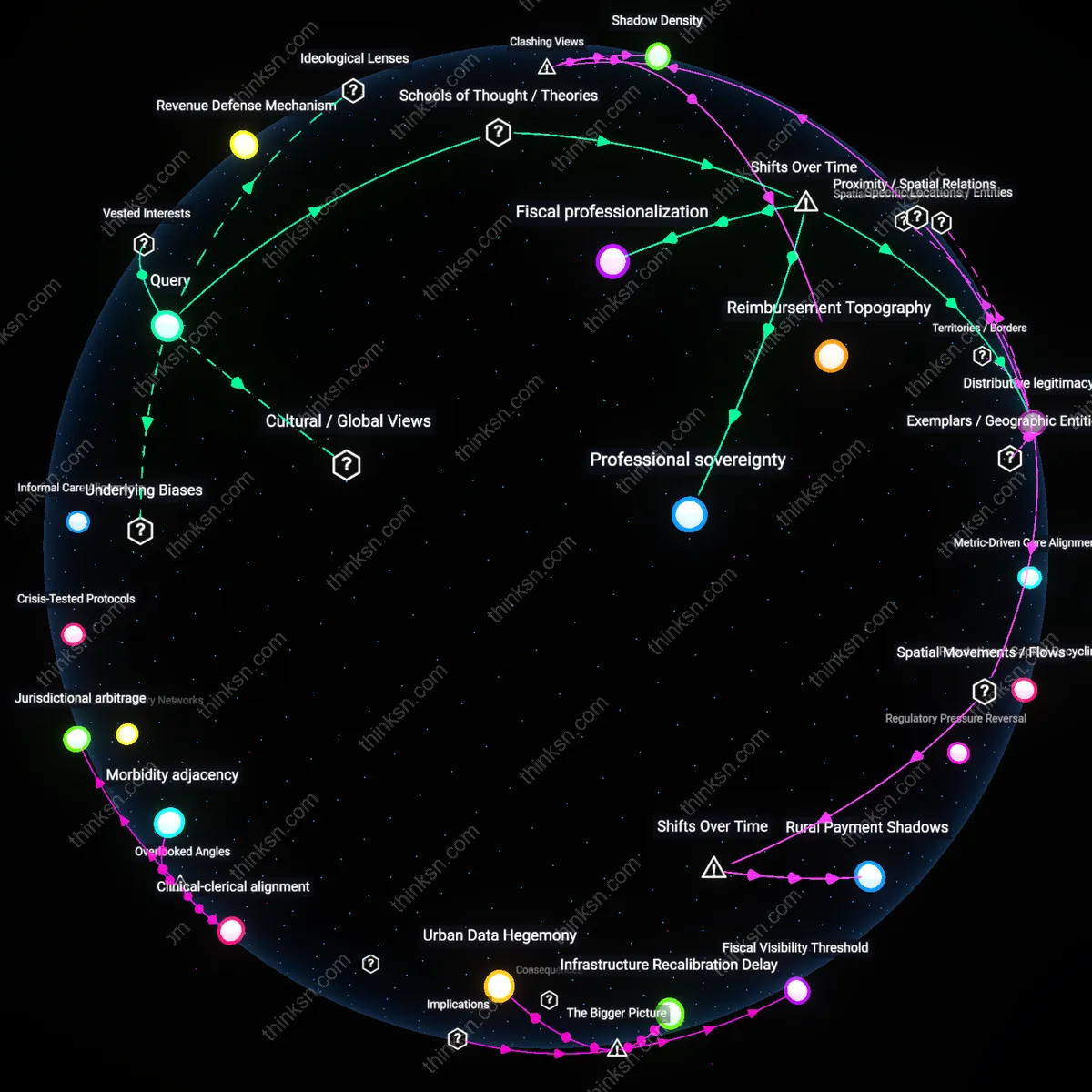
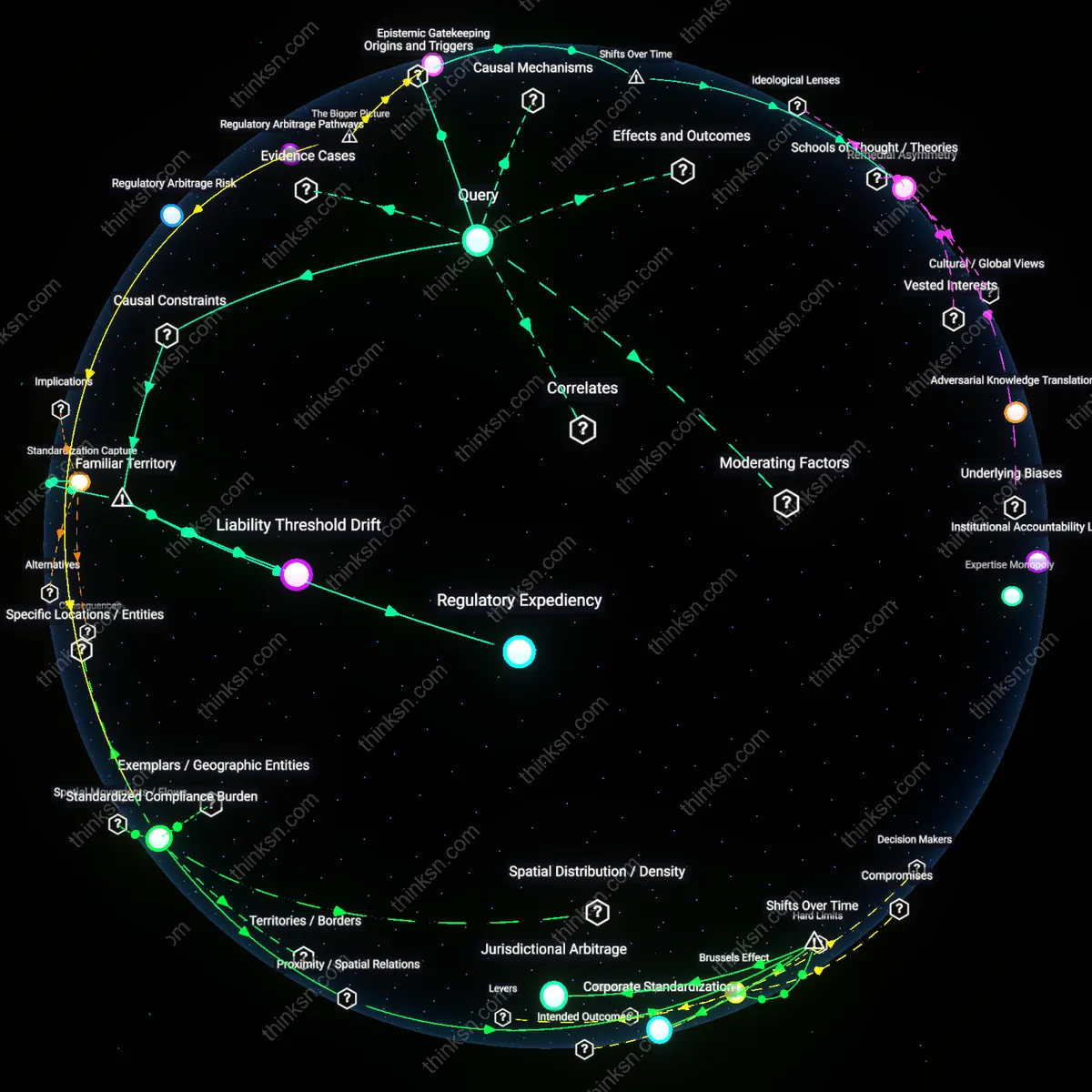
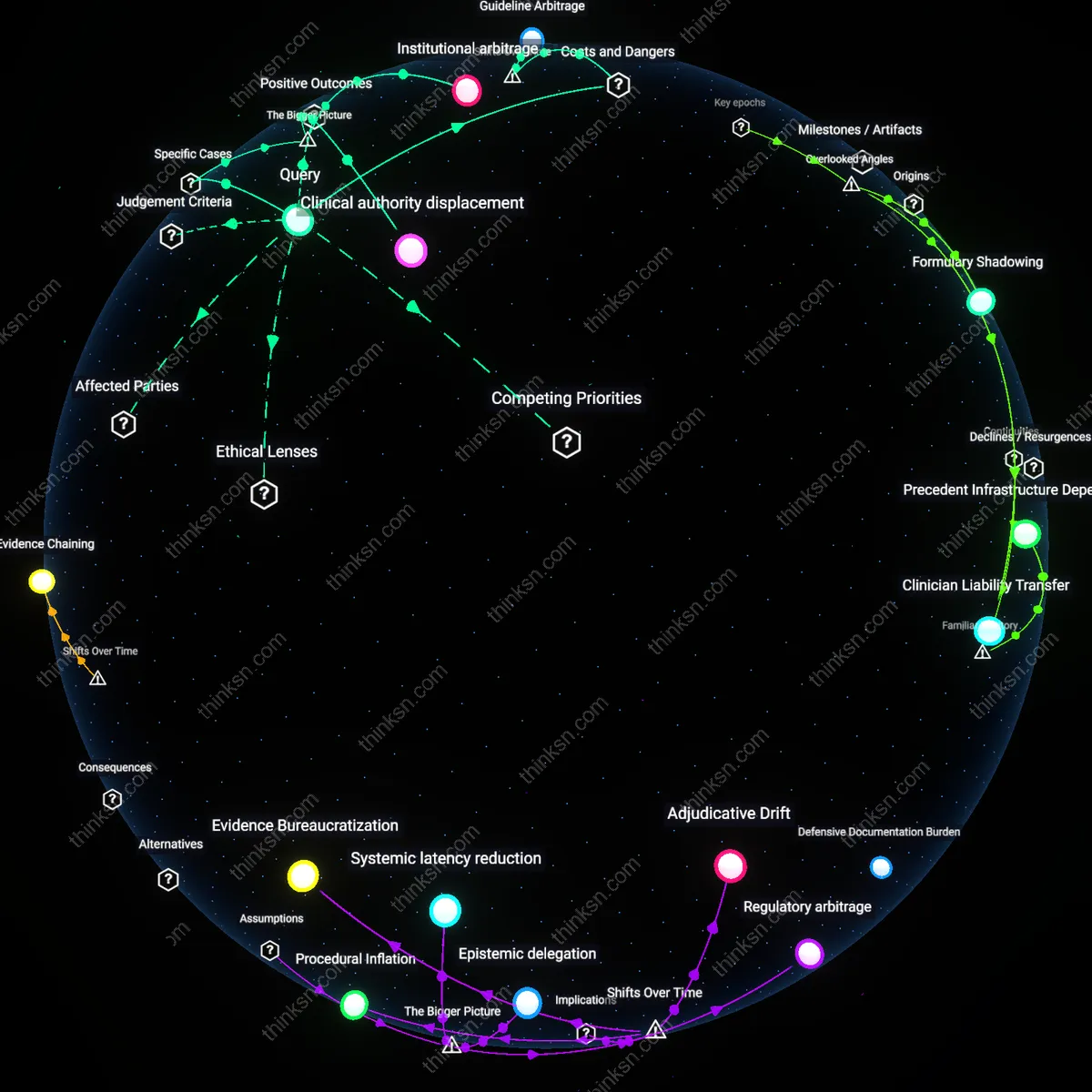
Analysis reveals 11 key thematic connections.
Key Findings
Epistemic Authority Capture
The American Society of Clinical Oncology's (ASCO) adoption of the Chemotherapy Safety Standards in 2009, developed in part through unrestricted educational grants from Merck and Genentech, demonstrates how pharmaceutical funding embeds industry-aligned practices within clinically authoritative guidelines. These companies contributed to the training modules and implementation toolkits tied to the standards, creating dependency on industry-supplied materials even as the guidelines were framed as independent. This reveals how specialty societies maintain clinical legitimacy while outsourcing logistical execution to sponsors, allowing commercial interests to shape the infrastructure of care without direct authorship of recommendations. The non-obvious mechanism is not bribery or coercion but the strategic alignment of educational support with procedural standardization, eroding the boundary between medical autonomy and sponsored implementation.
Institutional Self-Legitimation
The American College of Cardiology’s (ACC) 2013 collaboration with the American Heart Association (AHA) on cholesterol management guidelines, which expanded the eligible population for statin therapy by 12.8 million, reflects how medical societies leverage clinical pathways to assert professional jurisdiction amid rising healthcare costs and external oversight. The guideline panel included experts with prior involvement in statin trials funded by AstraZeneca and Pfizer, though no direct financial conflicts were declared, and the algorithmic risk calculator became a standard of care despite limited validation in diverse populations. This instance shows that specialty societies use pathway design not merely to standardize care but to centralize interpretive authority over disease definitions, subtly displacing payer or governmental control. The overlooked insight is that clinical pathways function as tools of professional sovereignty, where expertise is asserted through methodological rigor rather than overt commercial influence.
Therapeutic Class Lock-In
The European League Against Rheumatism (EULAR) 2010 recommendations for rheumatoid arthritis, which prioritized tumor necrosis factor (TNF) inhibitors after methotrexate failure, coincided with a tripling of biologic prescribing in Germany within two years, driven by uniform pathway adoption across statutory health insurance providers. Multiple EULAR task force members had participated in advisory boards for AbbVie, Roche, and Janssen—manufacturers of TNF inhibitors—raising concerns about implicit preference shaping through timing and framing rather than explicit endorsement. Here, clinical pathways act as de facto market enablers by structuring treatment escalation in ways that align with patented drug development trajectories, making alternative strategies like combination DMARDs appear off-guideline despite comparable efficacy. The critical dynamic is not corruption but the path dependency created when innovation-focused expert consensus sidelines equally effective but less commercialized approaches, effectively locking in therapeutic hierarchies.
Regulatory Arbitrage
The adoption of clinical pathways by specialty societies enables indirect pharmaceutical influence when drug labeling aligns with society-endorsed indications, because firms leverage the credibility of these guidelines to justify off-label promotion through third-party channels, revealing that economic efficiency and market expansion serve as judgment criteria; what is underappreciated is that FDA approval creates a downstream condition where clinical guidelines function as de facto regulatory validators, allowing manufacturers to exploit the gap between clinical authority and legal oversight, making guideline-setting a site of strategic alignment rather than neutral science.
Practice Standard Lock-in
Pharmaceutical companies shape prescribing practices by sponsoring the implementation infrastructure for clinical pathways—such as decision-support tools embedded in electronic health records—because scalable adoption depends on interoperable tools that follow society guidelines, revealing that practical efficiency and workflow integration serve as judgment criteria; what is underappreciated is that while medical expertise designs the content of pathways, industry controls the distribution mechanisms, creating a systemic lock-in where adherence is less about clinical belief and more about the embeddedness of commercially supported technologies in daily practice.
Institutionalized Guidelines
Clinical pathways developed by specialty societies since the 1990s institutionalized evidence-based medicine as a counterweight to pharmaceutical marketing, shifting prescribing norms from individual physician discretion or drug representative influence to peer-reviewed protocols. This transformation was catalyzed by the rise of outcomes research after 1989, when the Agency for Health Care Policy and Research began funding specialty societies to standardize care, embedding clinical expertise into structured decision trees that reduced unexplained variation. The mechanism—multidisciplinary panels drafting pathways using systematic reviews—created a buffer against industry-funded trial data dominating practice, revealing how professional autonomy could be collectively organized to resist commercial capture.
Commercialized Standardization
Beginning in the mid-2000s, clinical pathways increasingly incorporated formulary-aligned treatment options due to the growing reliance of specialty societies on unrestricted educational grants from pharmaceutical firms, subtly aligning ‘expert’ recommendations with market segmentation strategies. As oncology pathways adopted tiered drug lists tied to payer contracts around 2010, the pathways became financial instruments as much as clinical tools, with industry influencing not the content of guidelines per se but the economic architecture around which they operated. This shift reveals how standardization, once a mechanism of medical autonomy, became a vector for managed cost-containment in which industry interests are embedded structurally rather than overtly.
Dynamic Recalibration
Since 2015, real-world data integration into clinical pathways—such as from electronic health records and patient registries—has enabled continuous updates that reduce the lag between emerging evidence and guideline revision, diminishing the window during which pharmaceutical promotion can shape off-label use. This feedback loop, accelerated by FDA’s 2018 Real-World Evidence Program, allows specialty societies like ASCO to recalibrate pathways faster than clinical trials alone would permit, restoring clinical expertise as a dynamic counterbalance to static industry-funded research. The non-obvious insight is that temporal agility, not just content control, has become the critical site of medical authority in prescribing governance.
Data Curation Bias
The American Society of Clinical Oncology's (ASCO) incorporation of real-world observational studies into its breast cancer treatment pathways systematically privileges regimens with strong pharmaceutical sponsorship due to uneven real-world data availability, thereby embedding industry-driven data gaps as clinical evidence. This occurs because drug manufacturers fund registries for high-revenue agents while leaving older or generic treatments under-documented, making their outcomes appear less certain in pathway algorithms — a mechanism invisible to users who assume data neutrality. The non-obviousness lies in how clinical validity is compromised not by overt influence but by the passive structuring of evidentiary inputs, reshaping the standard view that pathway integrity depends only on guideline transparency.
Guideline Arbitrage
The Infectious Diseases Society of America’s (IDSA) Lyme disease guideline revisions indirectly amplify off-label antibiotic use by narrowly defining evidence thresholds that exclude patient-reported outcomes, creating a loophole where clinicians cite pathway exceptions to justify long-term prescriptions backed by pharmaceutical distributors. This dynamic emerges because the pathway’s strict hierarchy of evidence disqualifies non-RCT data, which then incentivizes specialty clinics — particularly in endemic areas like New England — to frame chronic symptoms as 'atypical presentations' to bypass restrictions, thus enabling industry-aligned practices under the guise of individualized care. The overlooked mechanism is how rigid methodological standards in pathways can generate profitable interpretive flexibility, shifting attention from direct influence to strategic noncompliance.
Maintenance Labor Invisibility
The American College of Cardiology’s sustained promotion of sacubitril/valsartan in heart failure pathways relies on continuous software updates to electronic health record integrations that auto-suggest the drug during clinical decision-making, a process maintained by hospital pharmacists and informaticians whose labor remains hidden in policy assessments of pathway independence. Because these behind-the-scenes actors routinely adjust clinical decision support rules based on society-endorsed updates without formal re-review, the pathway’s momentum favors newer agents even when new evidence is equivocal — a dependency rarely acknowledged in debates over industry influence. The critical but unexamined factor is how the operational upkeep of digital pathways entrenches specific therapeutic choices through infrastructural inertia rather than clinical deliberation.