Virtual Reality Takes Over: The Future of Public Parks
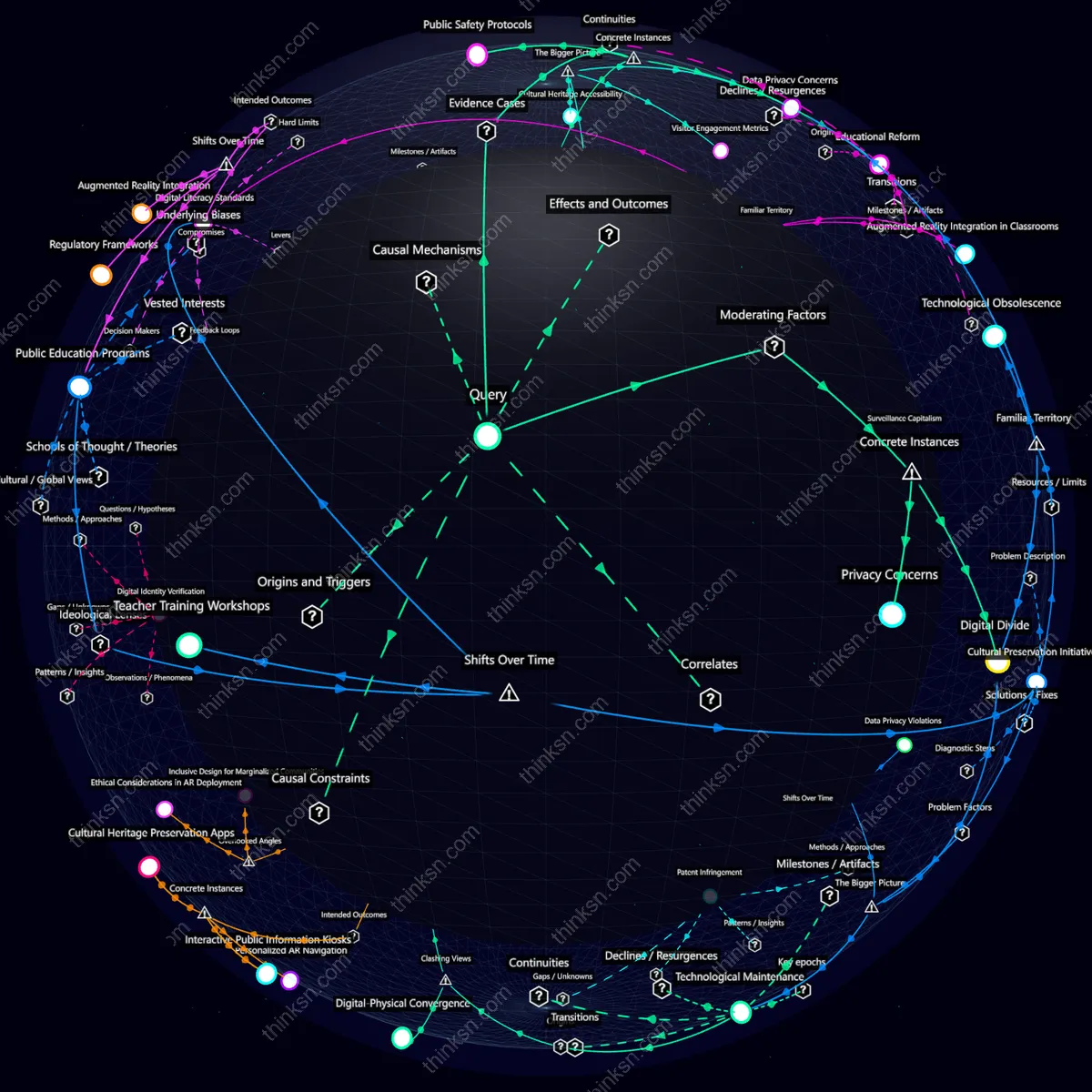
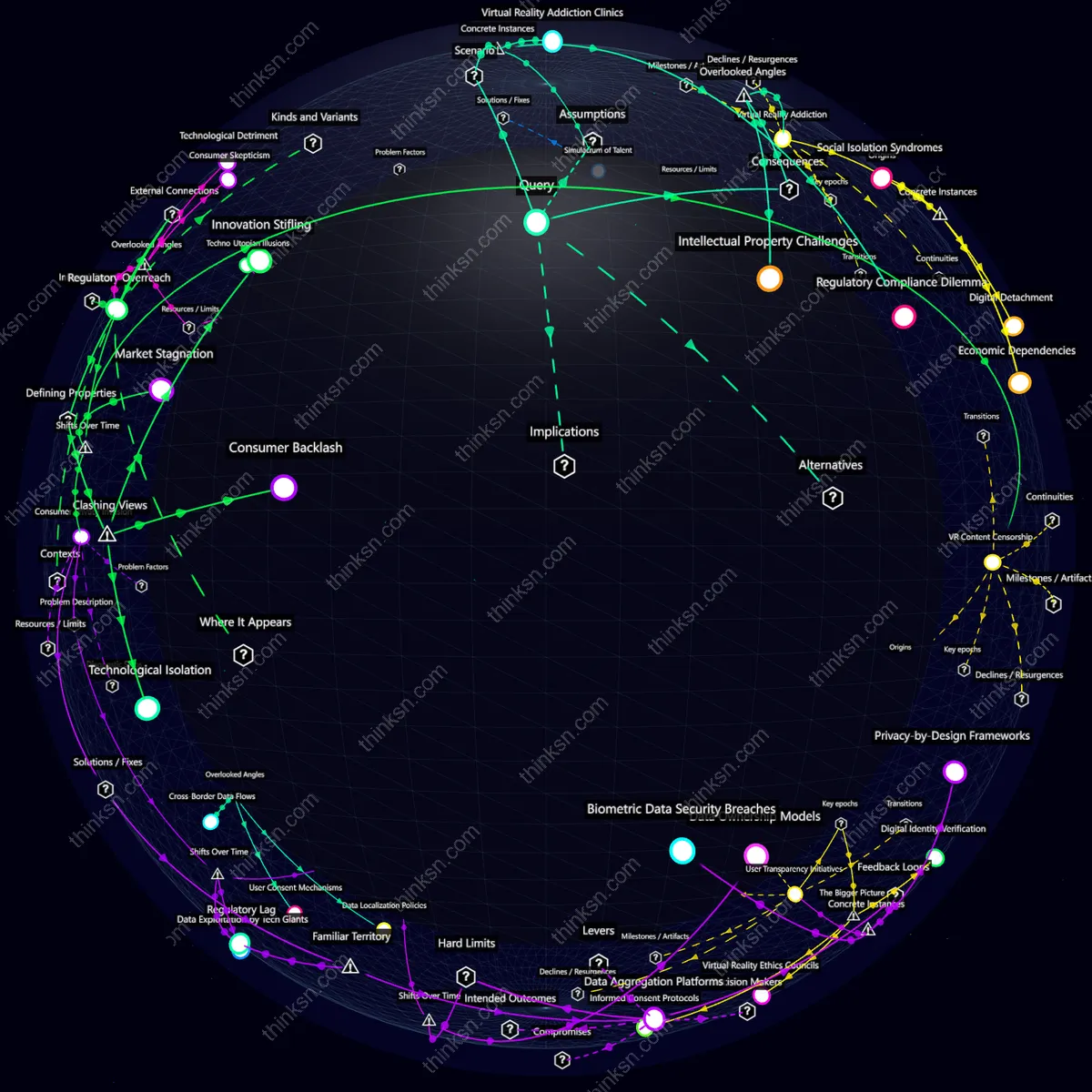
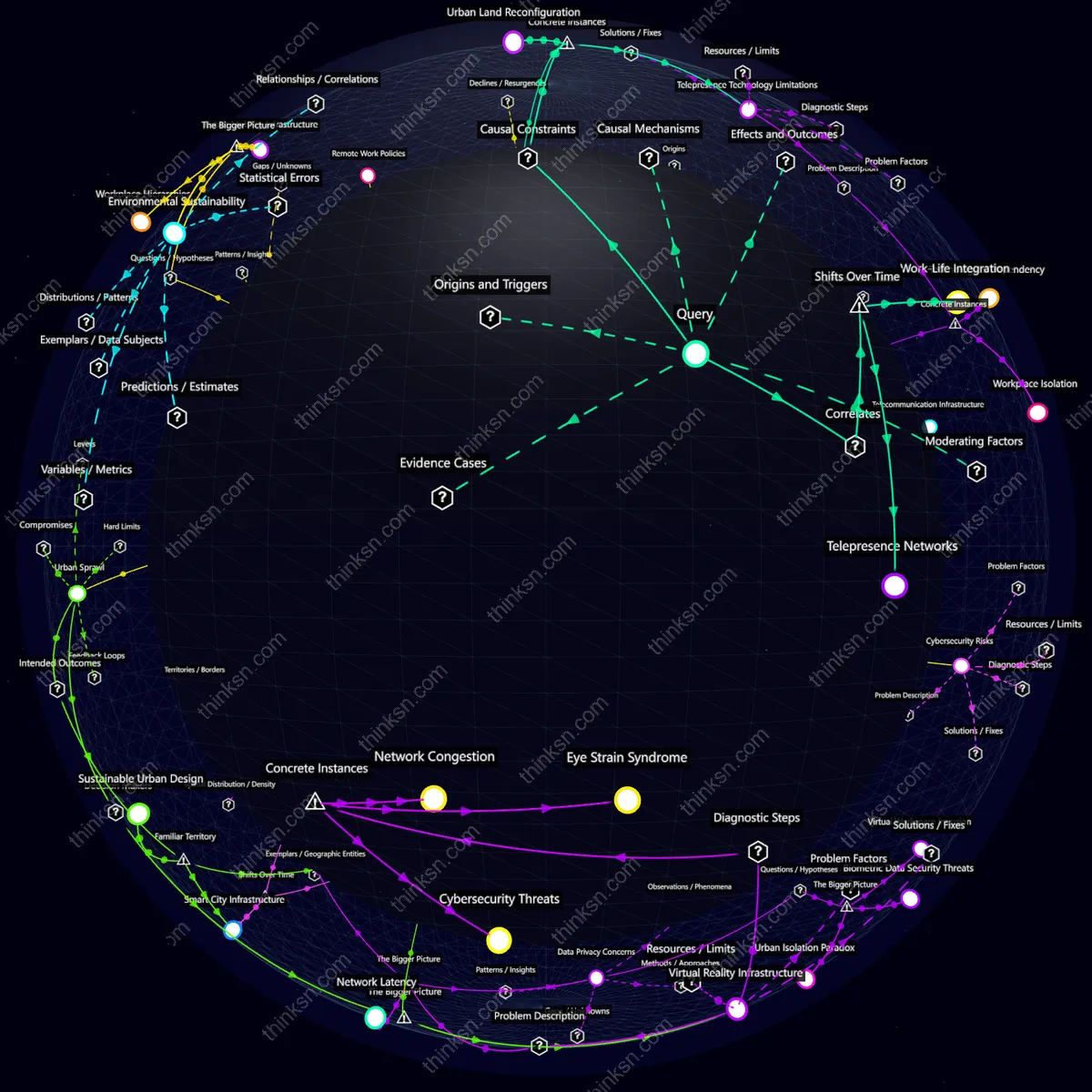
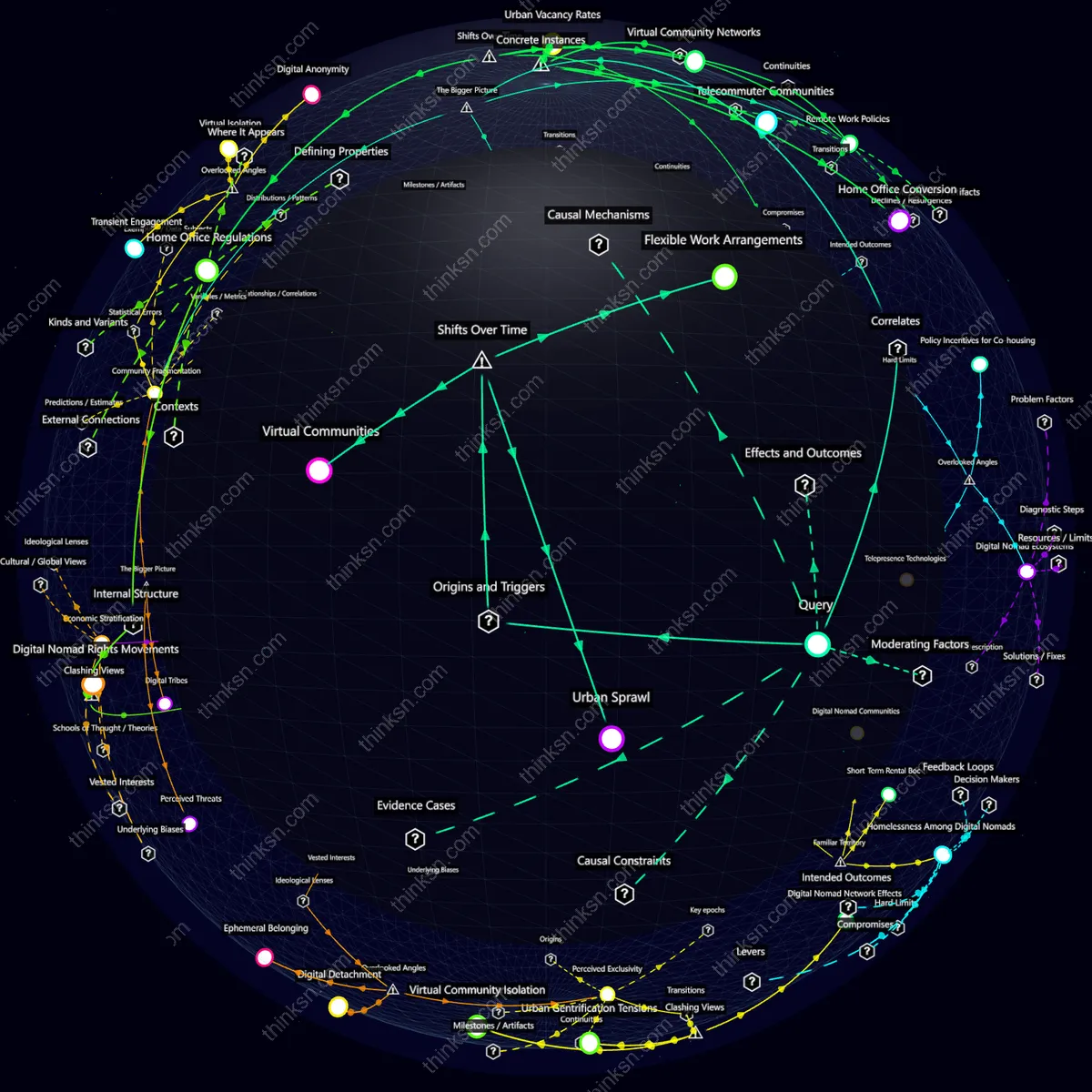
Analysis reveals 6 key thematic connections.
Key Findings
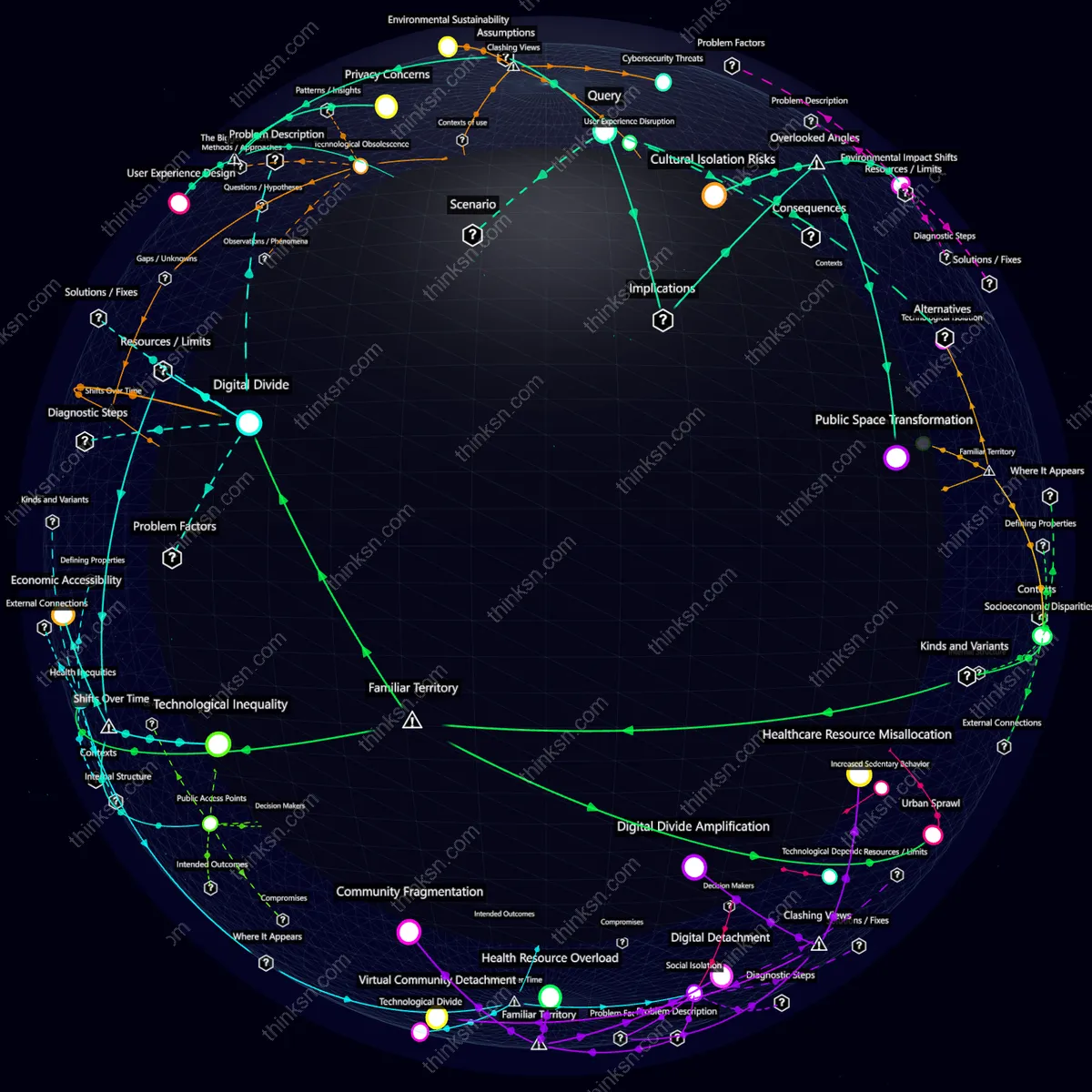
User Experience Design
The shift to VR experiences would necessitate a radical redesign of public parks from passive green spaces to interactive technological hubs. This transformation risks alienating traditional park-goers who might feel excluded or less catered for, highlighting the need for dual-use infrastructure that supports both VR and non-VR activities.
Privacy Concerns
As users engage in immersive virtual reality within public parks, privacy concerns rise exponentially. The constant presence of cameras and data collection points could lead to significant backlash from the public wary of surveillance, necessitating stringent data protection policies and transparent communication about user consent.
Maintenance Challenges
VR equipment in outdoor settings is prone to rapid degradation due to environmental factors like weather and vandalism. The high cost of maintaining these systems could strain municipal budgets, pushing local governments to seek private sector partnerships or innovative funding models, which may introduce new layers of complexity and oversight.
Public Space Transformation
The shift from traditional parks to VR centers transforms public space into a site of privatized digital experience, altering social dynamics and reinforcing class divisions as access to advanced tech becomes restricted.
Cultural Isolation Risks
Virtual reality experiences may isolate users within individualized digital worlds, diminishing face-to-face interactions and weakening community bonds in physical space, despite the potential for virtual socialization.
Environmental Impact Shifts
While VR parks might reduce direct environmental pressures like waste from sports equipment, they introduce new impacts through increased energy consumption and e-waste, challenging sustainable development goals.
Deeper Analysis
What are the maintenance challenges associated with converting public parks into centers for virtual reality experiences in terms of infrastructure and technology integration?
Technological Obsolescence
The rapid pace of VR technology advancements can lead to technological obsolescence in public parks, where initial investments may become outdated within a few years. This forces park managers into constant upgrade cycles, creating ongoing maintenance challenges and financial strain.
User Experience Disruption
Integrating virtual reality experiences in public spaces disrupts the traditional passive user experience of parks, leading to potential conflicts between VR enthusiasts and other park-goers. This social friction could result in a segmented audience, undermining the inclusive vision for these areas.
Environmental Vulnerability
Public parks often face challenges from weather elements like rain or sunlight, which can damage sensitive VR equipment. Ensuring robust protection and maintenance against environmental factors introduces significant logistical complexities and costs.
Cybersecurity Threats
As public parks integrate virtual reality experiences, the influx of internet-connected devices and infrastructure increases cybersecurity risks. Hackers targeting VR systems could expose personal data from users or disrupt park operations, leading to potential legal liabilities for the park management.
Environmental Sustainability
Integrating high-tech VR infrastructure into public parks poses significant environmental challenges. Increased energy consumption and electronic waste generation from maintaining complex systems can lead to conflicts with sustainability goals, prompting criticism from eco-conscious stakeholders and regulatory scrutiny over carbon footprints.
Explore further:
- What are the potential emerging patterns and hidden assumptions regarding technological obsolescence in public parks that transition to centers for virtual reality experiences?
- How would environmental vulnerability be impacted by the transition of public parks into centers for virtual reality experiences?
What are the potential emerging patterns and hidden assumptions regarding technological obsolescence in public parks that transition to centers for virtual reality experiences?
Digital Divide
As public parks transform into virtual reality centers, the digital divide widens between tech-savvy and less-privileged communities, exacerbating social inequalities. This shift may leave behind those without access to necessary hardware or internet connectivity, creating a barrier that prevents equal participation in new forms of recreation and learning.
Urban Regeneration
Urban regeneration efforts aimed at revitalizing public spaces through VR technology risk alienating long-term residents who may view these changes as gentrification. The introduction of high-tech amenities could lead to increased property values, pushing out lower-income families and small businesses that anchor community identity.
How would environmental vulnerability be impacted by the transition of public parks into centers for virtual reality experiences?
Urban Green Space Degradation
The transition of public parks into centers for virtual reality experiences risks degrading urban green spaces by reducing their accessibility to nature and diminishing the social value of these areas. This shift could lead to a decline in community engagement with environmental conservation efforts, exacerbating issues like biodiversity loss and heat island effects.
Technological Isolation
As public parks become hubs for virtual reality experiences, there is an increased risk of technological isolation among park-goers. This could deepen social divides between those who embrace digital immersion and others who prefer or require more traditional outdoor activities, leading to a fragmented understanding of environmental stewardship.
Socioeconomic Disparities
The move towards virtual reality in public parks may exacerbate socioeconomic disparities by creating new barriers for low-income individuals who cannot afford the necessary technology or subscriptions. This could lead to unequal access to both recreational and educational opportunities, further entrenching environmental vulnerability among marginalized communities.
How might urban regeneration initiatives be influenced by transforming public parks into centers for virtual reality experiences?
Digital Public Space
Transforming public parks into virtual reality centers redefines traditional urban spaces as digital hubs. This shift could enhance community engagement through immersive experiences but also risks deepening the digital divide, alienating those without access to VR technology.
Cultural Homogenization
Virtual reality installations in public parks might attract global audiences with standardized content, potentially diminishing local cultural expressions. This could lead to a homogenized urban landscape where unique neighborhood identities are overshadowed by uniform digital experiences designed for mass appeal.
Sustainable Urban Development
The integration of VR in public spaces can promote eco-friendly travel and entertainment, reducing carbon footprints. However, the high energy consumption required to run advanced VR systems poses a significant environmental challenge, potentially undermining sustainability goals if not managed properly.
How might socioeconomic disparities affect access to and usage patterns of virtual reality experiences in public parks?
Digital Divide
The digital divide exacerbates socioeconomic disparities by limiting access to technology like virtual reality (VR) in public parks. Wealthier neighborhoods often have more advanced infrastructure and funding for VR installations, reinforcing social stratification as lower-income areas struggle to catch up.
Health Inequities
Health inequities resulting from socioeconomic disparities can prevent marginalized communities from fully engaging with VR experiences in public parks. High costs of health care and technology maintenance may discourage these groups from participating, even when initiatives aim for inclusivity.
Urban Sprawl
Urban sprawl often correlates with socioeconomic disparities, leading to uneven distribution of public amenities like VR installations. Wealthier suburbs might receive more investment in such technologies, while inner-city areas suffer from neglect and lack of resources, further entrenching social inequalities.
Explore further:
- How would the transition of public parks to centers for virtual reality experiences exacerbate or mitigate the digital divide, and what are the potential measurable systemic strains on society?
- How would health inequities be affected by public parks transitioning to centers for virtual reality experiences instead of traditional recreation?
How would the transition of public parks to centers for virtual reality experiences exacerbate or mitigate the digital divide, and what are the potential measurable systemic strains on society?
Technological Inequality
The transition of public parks to virtual reality centers could exacerbate technological inequality by creating new barriers for those who lack access to VR equipment at home. This shift would reinforce the digital divide, as marginalized communities might find it challenging to engage with these spaces consistently due to limited time and resources.
Public Access Points
As public parks become hubs for virtual reality experiences, the role of traditional public access points like libraries or community centers in bridging the digital divide may diminish. This shift could lead to a fragmented support system where some individuals have more opportunities than others, highlighting the need for comprehensive and inclusive technology policies.
Economic Accessibility
The introduction of VR experiences in public parks can strain local budgets as municipalities must invest heavily in infrastructure and maintenance. This economic accessibility issue could disproportionately affect poorer neighborhoods, leading to further disparities and potentially isolating underprivileged groups from new technological advancements.
How would health inequities be affected by public parks transitioning to centers for virtual reality experiences instead of traditional recreation?
Physical Activity Decline
As public parks transition to VR centers, physical activity levels among low-income communities are likely to decline. This shift could exacerbate health inequities by disproportionately affecting those who rely on free outdoor spaces for exercise and social interaction.
Technological Divide
The conversion of public parks into VR experiences highlights the technological divide, where wealthier communities can afford more advanced equipment and services. This disparity deepens health inequities as access to technology in low-income areas remains limited, further isolating vulnerable populations from beneficial health resources.
Social Isolation
Public parks serve as community hubs that foster social cohesion and physical activity. Transitioning these spaces into VR centers could lead to increased social isolation among elderly individuals who may not be tech-savvy, potentially worsening mental health issues in an already vulnerable demographic.
How might the decline in physical activity affect public health and community well-being as public parks shift towards offering virtual reality experiences over time?
Obesity Epidemic
As public parks transition to virtual reality experiences, the decline in physical activity can exacerbate obesity rates. This shift diverts resources and attention from traditional outdoor activities, leading to a paradox where technological advancement inadvertently promotes sedentary lifestyles.
Community Isolation
With fewer opportunities for face-to-face interactions due to increased reliance on virtual environments in public spaces, community isolation can deepen. This trend isolates individuals from the shared experiences and social bonds that physical activity fosters, potentially weakening communal resilience and trust.
Urban Sprawl
The decline in physical activity as cities prioritize virtual entertainment over traditional parks might accelerate urban sprawl by reducing incentives to maintain compact, walkable communities. This could further degrade public health outcomes by increasing reliance on automobiles and diminishing access to green spaces.
Increased Sedentary Behavior
As public parks shift towards offering virtual reality experiences, the traditional outdoor activities that encourage physical activity are replaced by sedentary VR sessions. This transition not only diminishes opportunities for spontaneous and unplanned physical exercise but also normalizes prolonged periods of inactivity, potentially leading to chronic health issues such as obesity and cardiovascular diseases.
Social Isolation
The shift towards virtual reality experiences can exacerbate social isolation within communities. While VR offers immersive individual experiences, it reduces the likelihood of impromptu social interactions that typically occur in public parks. This decline in face-to-face communication and community engagement could lead to a sense of alienation and decreased social cohesion among residents.
Technological Dependence
The increasing reliance on virtual reality technology in public spaces can create a fragile dependency, where individuals become less adept at navigating real-world environments. This technological shift might reduce the overall resilience of communities by diminishing practical skills and reducing exposure to diverse physical challenges that promote adaptability and problem-solving abilities.
Explore further:
- What strategies can be implemented to mitigate community isolation caused by public parks transitioning to centers for virtual reality experiences?
- What are the potential levels of social isolation among park visitors if public parks become centers for virtual reality experiences, and how might this impact systemic strain on community health resources?
What are the potential levels of social isolation among park visitors if public parks become centers for virtual reality experiences, and how might this impact systemic strain on community health resources?
Digital Detachment
Increased reliance on virtual reality in public parks could lead to digital detachment among visitors who prefer isolated VR experiences over face-to-face interactions, exacerbating social isolation and diminishing opportunities for community building.
Health Resource Overload
As more park-goers experience heightened levels of social isolation due to virtual reality environments, local health services may struggle to meet the rising demand for mental health support, potentially leading to systemic strain on already limited resources.
Community Fragmentation
The shift towards VR experiences in public parks can accelerate community fragmentation by reducing spontaneous social interactions and shared outdoor activities, undermining communal bonds and collective well-being.
Virtual Community Detachment
The shift towards virtual reality experiences in public parks might lead to a paradoxical situation where visitors are physically present but socially detached, exacerbating feelings of isolation due to the lack of genuine human interaction and shared physical space.
Digital Divide Amplification
Public parks becoming hubs for VR experiences could widen the digital divide among park users, as those without access to advanced technology or who are technologically illiterate may feel excluded from these new communal activities, further isolating them within their community.
Healthcare Resource Misallocation
Increased social isolation among park visitors due to VR-centric environments might lead to an underestimation of mental health issues and a misallocation of healthcare resources, as the outward appearance of social engagement in virtual spaces masks underlying personal struggles.