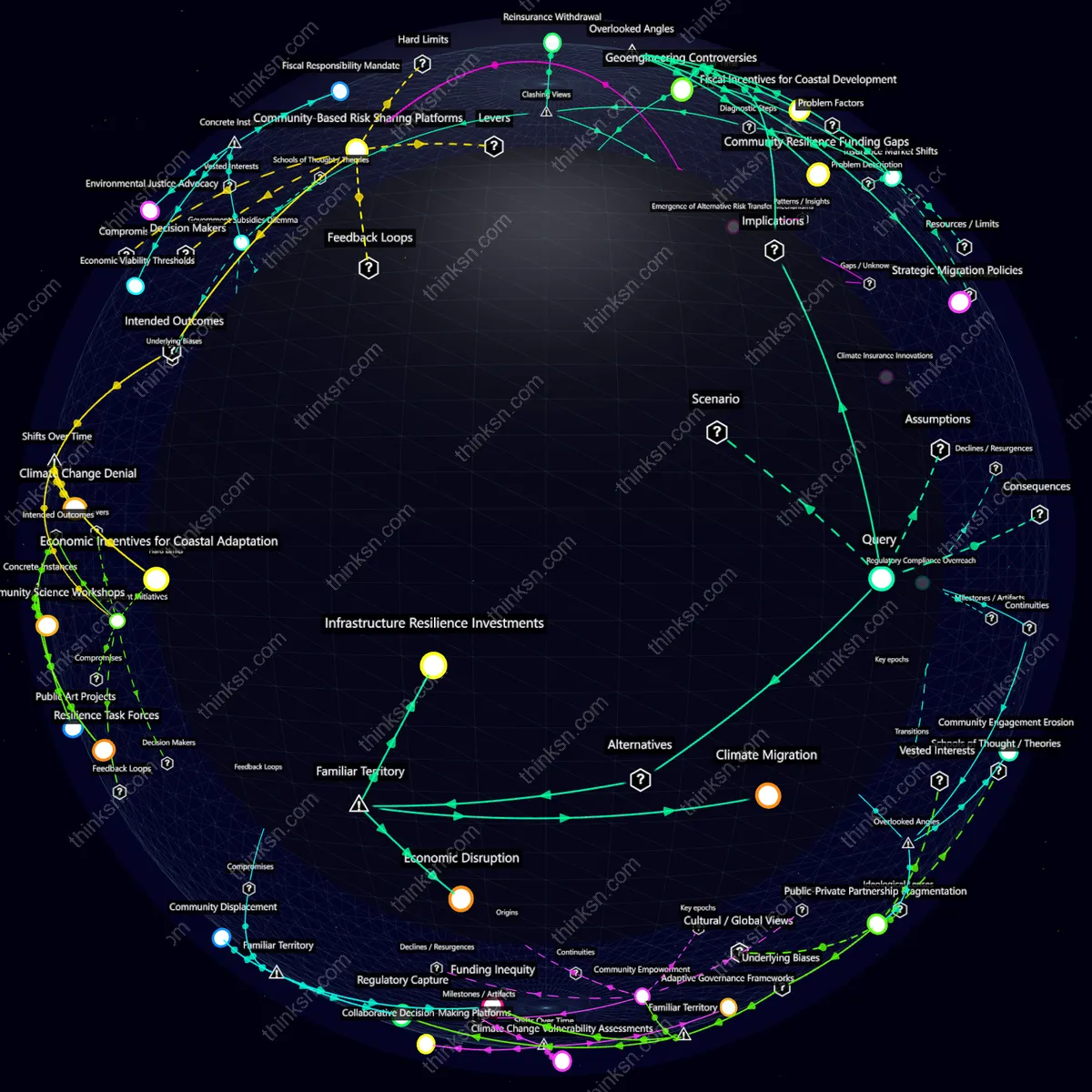
Will Rapid Ice Melt Due to Warming Exceed Models, Threatening Coasts?
Analysis reveals 5 key thematic connections.
Key Findings
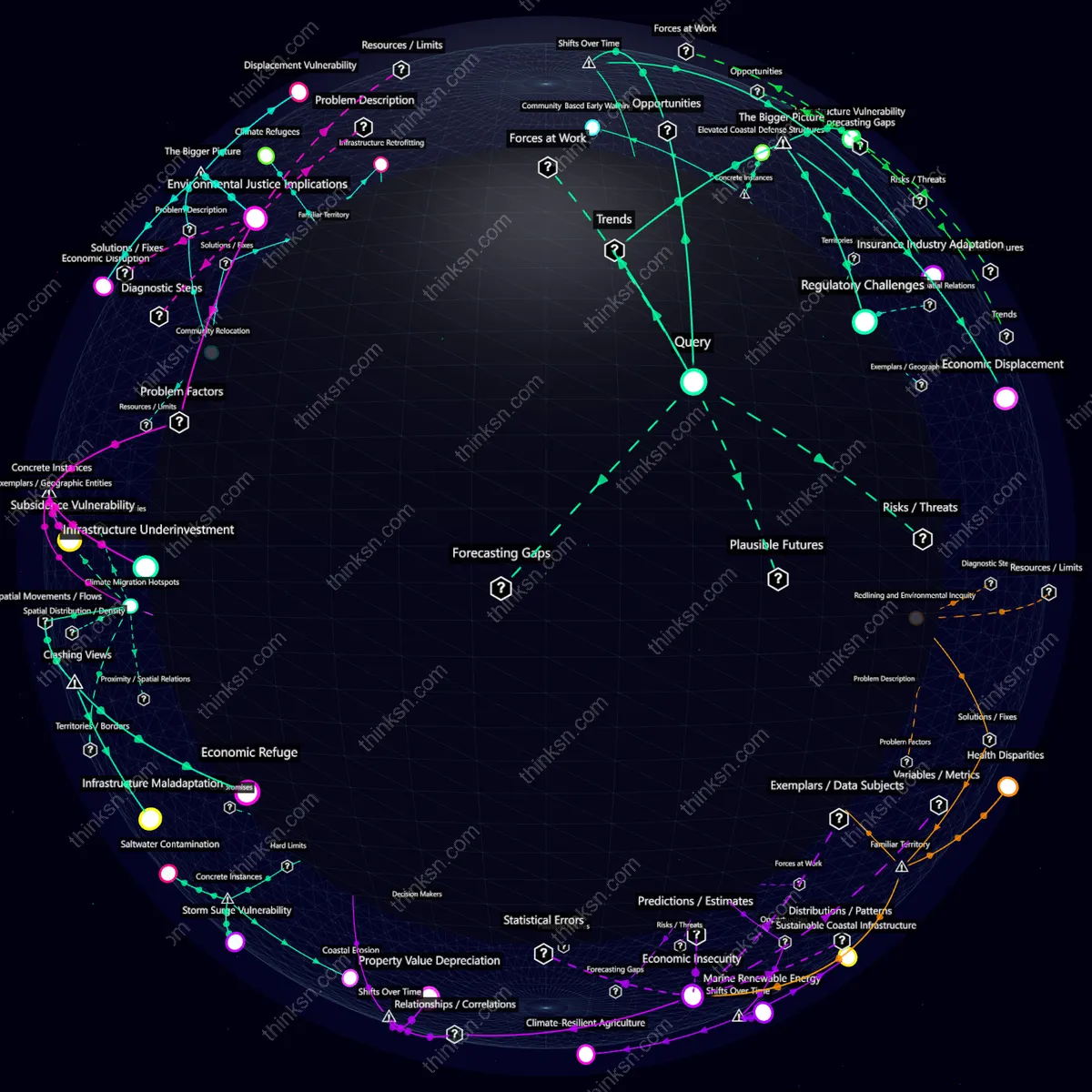
Infrastructure Vulnerability
Accelerated polar ice melting raises critical questions about the durability of coastal infrastructure. Investors are increasingly wary of long-term risks, leading to a shift in funding towards resilient designs and materials that can withstand rising sea levels and increased storm surges. This shift not only impacts construction companies but also financial institutions that must reassess risk profiles and insurance policies.
Economic Displacement
As polar ice melts faster than predicted, coastal communities face existential threats from rising sea levels. This necessitates large-scale relocation efforts, resulting in significant economic displacement and loss of property values. Coastal cities like Miami and Shanghai are particularly vulnerable, prompting both governments and private entities to reevaluate urban planning strategies and infrastructure investments, leading to a cascade effect on local economies and social stability.
Regulatory Challenges
The rapid pace of polar ice melting challenges existing environmental regulations, which often lag behind scientific findings. Policymakers struggle to implement timely and effective measures to mitigate risks associated with rising sea levels, leading to a mismatch between regulatory frameworks and real-world impacts. This disconnect creates opportunities for legal disputes over liability and compensation, while also encouraging the development of new adaptive governance models.
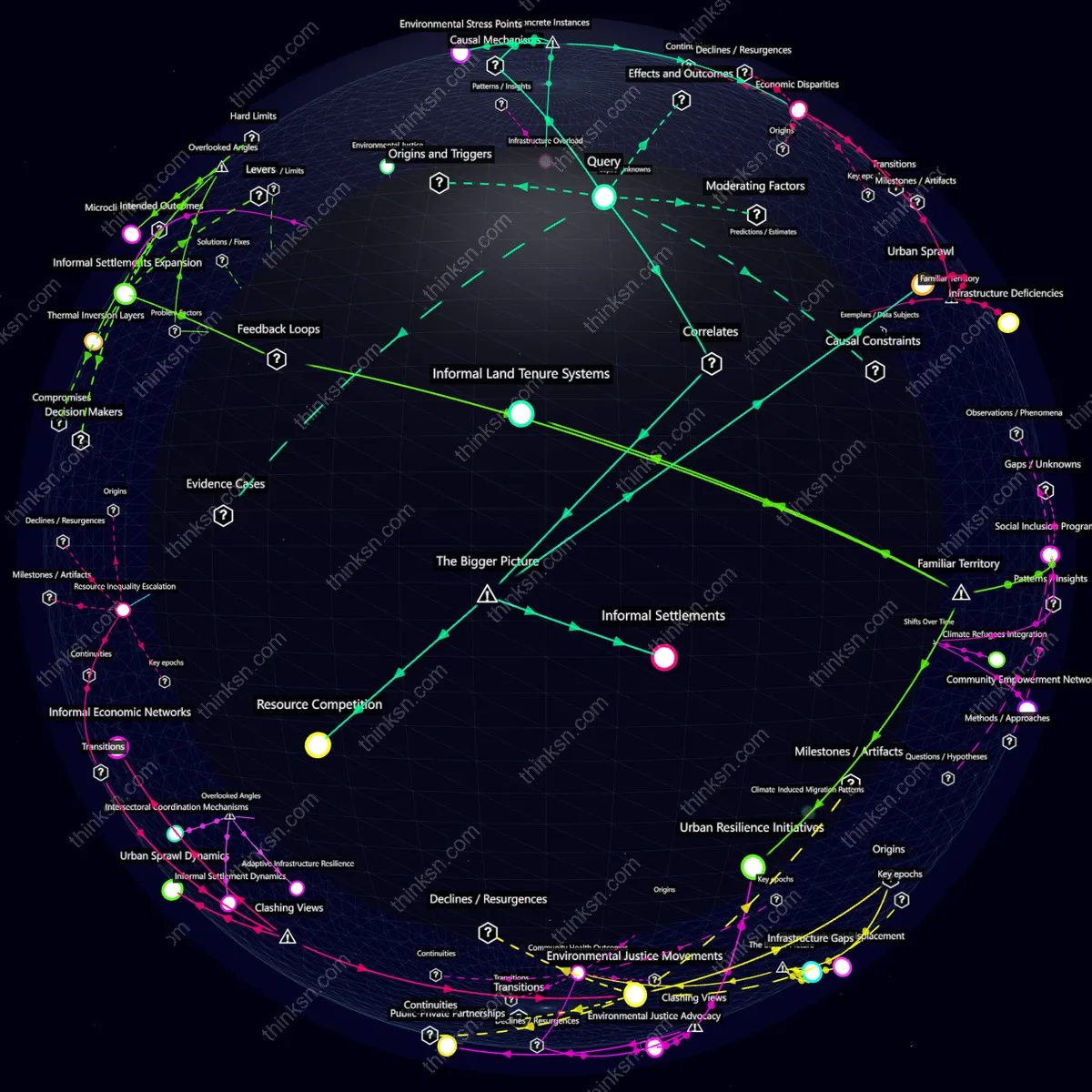
Climate Resilience Initiatives
As polar ice melts faster than expected, coastal cities are scrambling to implement climate resilience initiatives. These projects may divert substantial funding from other critical infrastructure needs, leading to trade-offs and unintended consequences for urban development priorities.
Insurance Industry Adaptation
The insurance industry is forced to adapt its risk assessment models rapidly due to accelerated polar ice melting, creating new opportunities but also risks. This shift could lead to significant premium hikes in vulnerable coastal regions, potentially pushing smaller property owners out of the market.
Deeper Analysis
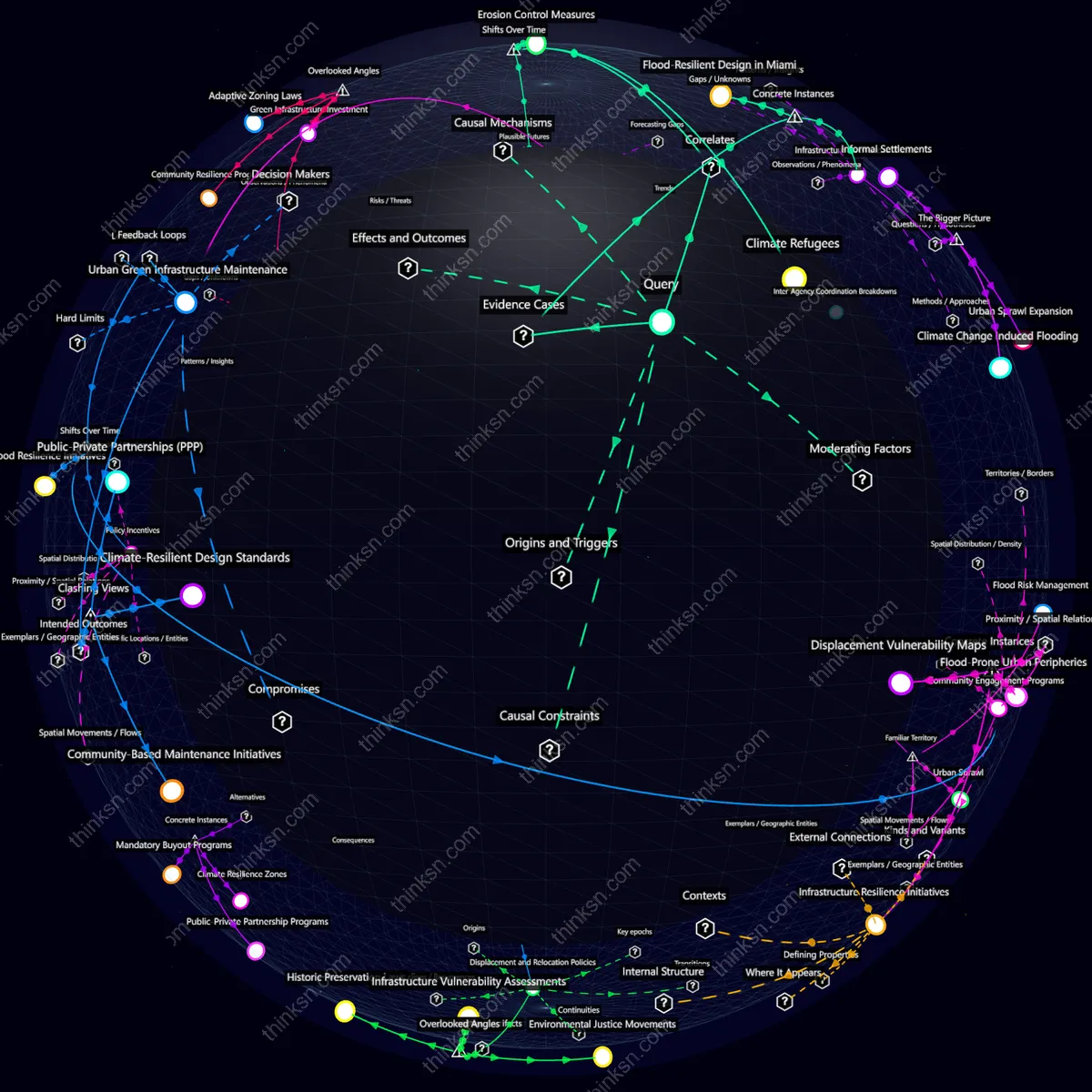
What are the spatial distributions and components of climate resilience initiatives aimed at mitigating risks to coastal infrastructure from accelerated polar ice melting?
Elevated Coastal Defense Structures
The construction of elevated coastal defense structures shifts local ecosystems and alters urban landscapes, often leading to increased costs for property owners near sea level. This adaptation can also exacerbate social inequalities as higher elevations become more desirable, potentially displacing lower-income residents.
Community-Based Early Warning Systems
Deploying community-based early warning systems empowers local populations but relies heavily on the reliability and reach of communication networks. Inconsistent coverage or technological failures can lead to critical delays in evacuations, endangering lives during extreme weather events.
Marine Protected Areas (MPAs)
Establishment of marine protected areas as part of resilience initiatives aims to restore coastal ecosystems but may conflict with fishing communities' livelihoods. MPAs require robust enforcement and community buy-in, which can be fragile without adequate support and education programs.
Coastal Ecosystem Restoration
Restoration projects aimed at rebuilding wetlands and mangroves often face trade-offs with urban development interests. In Louisiana, the state government's efforts to restore coastal ecosystems have clashed with oil companies seeking drilling rights, highlighting tensions between conservation and economic growth.
Infrastructure Retrofitting
Upgrading existing coastal infrastructure for resilience can be economically burdensome but essential in regions like Miami-Dade County, Florida. The decision to raise roads and install higher flood barriers is crucial yet costly, potentially straining municipal budgets and raising equity concerns over who bears the financial burden.
Community Relocation
In some cases, such as parts of Alaska and Louisiana, entire communities must be relocated due to severe coastal erosion. This process involves not only the physical relocation but also cultural displacement and social disruption, making it a delicate and complex policy issue.
Explore further:
- What is the spatial distribution and impact of Marine Protected Areas (MPAs) on coastal infrastructure investment risks in regions affected by accelerated polar ice melting?
- What are the potential systemic risks and trade-offs associated with community relocation due to accelerated polar ice melting, and how do these impact future coastal infrastructure investment decisions?
What are the potential systemic risks and trade-offs associated with community relocation due to accelerated polar ice melting, and how do these impact future coastal infrastructure investment decisions?
Displacement Vulnerability
As communities relocate due to polar ice melting, the displaced populations face heightened vulnerability. This is exacerbated by inadequate support systems in new locations, leading to economic hardship and social fragmentation, which can undermine community resilience and cohesion.
Economic Disruption
Relocation efforts often require significant financial resources, diverting funds from other critical infrastructure projects such as hospitals and schools. This economic disruption creates a trade-off between immediate survival needs and long-term development goals, potentially setting back the socio-economic progress of coastal communities.
Environmental Justice Implications
The relocation process disproportionately affects marginalized groups who lack resources to move or rebuild elsewhere. This highlights systemic inequalities, as wealthier individuals can adapt more easily, widening social and economic disparities and challenging notions of environmental justice in the face of climate change.
Climate Refugees
The surge in climate refugees due to community relocation amplifies social tensions and economic strain on host communities. This influx can lead to resource scarcity, housing shortages, and increased competition for jobs, further destabilizing local economies.
Infrastructure Retrofitting
Retrofitting existing coastal infrastructure poses significant challenges due to the urgent need for adaptation while balancing economic constraints and political feasibility. This process often results in delayed or inadequate upgrades, leaving communities vulnerable to future extreme weather events.
Environmental Justice Disparities
Community relocation disproportionately affects marginalized populations, exacerbating environmental justice disparities as wealthier neighborhoods may have more resources for relocation and rebuilding efforts. This disparity can lead to increased social inequality and undermine the equitable distribution of public resources.
Explore further:
- What are the environmental justice implications and potential systemic risks associated with accelerated polar ice melting on future sea levels and coastal infrastructure investments, particularly focusing on vulnerable communities and their adaptive capacity?
- What are the environmental justice disparities in coastal communities as a result of accelerated polar ice melting and rising sea levels, and how might these disparities affect future investment risks and decision-making processes?
What are the environmental justice implications and potential systemic risks associated with accelerated polar ice melting on future sea levels and coastal infrastructure investments, particularly focusing on vulnerable communities and their adaptive capacity?
Infrastructure Underinvestment
Coastal communities often lack the funding to build resilient infrastructure due to systemic underinvestment in low-income and minority areas. This exacerbates environmental justice issues as these communities are disproportionately affected by rising sea levels, leading to increased risk of property damage and displacement.
Climate Migration Hotspots
Areas like the Gulf Coast of Louisiana experience high rates of climate-induced migration due to rapid coastal erosion and flooding. These regions often have a history of environmental degradation, making it harder for displaced residents to find stable housing and employment elsewhere.
Subsidence Vulnerability
In cities such as Houston, subsidence caused by groundwater extraction exacerbates the risk from sea level rise. This compound effect leaves vulnerable communities at greater risk of flooding, highlighting the intersection between environmental justice and inadequate urban planning.
What are the environmental justice disparities in coastal communities as a result of accelerated polar ice melting and rising sea levels, and how might these disparities affect future investment risks and decision-making processes?
Vulnerable Coastal Infrastructure
Accelerated polar ice melting exacerbates the vulnerability of coastal infrastructure in developing nations, disproportionately affecting lower-income communities. As sea levels rise, these areas face increased risk from flooding and erosion, leading to higher insurance costs and reduced private investment. This creates a vicious cycle where already marginalized groups struggle even more to rebuild or adapt.
Redlining and Environmental Inequity
Historical redlining practices in coastal areas have created entrenched environmental inequities, with predominantly minority neighborhoods receiving less funding for sea defenses. As climate change intensifies, these communities face compounded risks from flooding and pollution, leading to increased health disparities and reduced economic opportunities. This perpetuates a cycle of disinvestment and poverty.
Climate Migration Hotspots
Coastal regions experiencing rapid environmental degradation due to rising sea levels are becoming hotspots for climate-induced migration. However, this mass movement often overwhelms already strained urban infrastructure in neighboring areas, leading to increased social tensions and further marginalization of displaced populations. This demographic shift underscores the need for proactive policy measures to mitigate future risks.
Explore further:
- How do redlining and environmental inequities exacerbate the risks associated with coastal infrastructure investment due to accelerated polar ice melting, and what are the measurable impacts on marginalized communities?
- How do climate migration hotspots spatially correlate with regions experiencing accelerated polar ice melting, and what are the implications for coastal infrastructure investment risks?
How do redlining and environmental inequities exacerbate the risks associated with coastal infrastructure investment due to accelerated polar ice melting, and what are the measurable impacts on marginalized communities?
Coastal Flooding
Redlining has historically concentrated marginalized communities in flood-prone areas, leading to increased vulnerability during coastal flooding events. As polar ice melts accelerate sea-level rise, these communities face compounded risks with limited resources for adaptation and resilience.
Health Disparities
Environmental inequities stemming from redlining can lead to higher exposure to toxic substances in marginalized areas. Coastal infrastructure investment often overlooks health needs of these populations, exacerbating respiratory issues and other health crises due to flooding and pollution.
Economic Insecurity
Redlined communities struggle with economic insecurity exacerbated by environmental inequities, limiting their ability to invest in protective measures against coastal hazards. This creates a vicious cycle where these areas are disproportionately affected by climate impacts but have minimal capacity for recovery.
Explore further:
- What is the spatial distribution and geographic extent of coastal flooding risks due to accelerated polar ice melting, and how will this affect future sea levels and coastal infrastructure investment risks?
- What are the potential economic insecurity risks for coastal regions due to accelerated polar ice melting and rising sea levels, and how can these risks be quantified and managed through investment strategies?
How do climate migration hotspots spatially correlate with regions experiencing accelerated polar ice melting, and what are the implications for coastal infrastructure investment risks?
Economic Refuge
As climate migration hotspots force rural populations into urban centers, economic refuge becomes a double-edged sword. Cities absorb displaced individuals, but the influx can strain local services and exacerbate poverty in already vulnerable areas, leading to a cycle of underinvestment in critical infrastructure.
Infrastructure Maladaptation
In regions experiencing accelerated polar ice melting, coastal infrastructure maladaptation is a significant risk. Investments in new ports and seawalls may inadvertently lock cities into high-carbon pathways, undermining long-term resilience while prioritizing short-term economic gains.
What is the spatial distribution and geographic extent of coastal flooding risks due to accelerated polar ice melting, and how will this affect future sea levels and coastal infrastructure investment risks?
Economic Diversification
Coastal flooding risks exacerbate economic vulnerabilities in coastal regions, pushing local governments to diversify their economies. However, this shift towards inland industries often leaves existing infrastructure at the coast underutilized and potentially hazardous for future generations as sea levels rise.
Insurance Market Instability
As risks of coastal flooding increase due to accelerated polar ice melting, insurance companies face unprecedented challenges in setting premiums. This instability can lead to a reduction in coverage availability, leaving homeowners and businesses vulnerable to substantial financial losses without adequate protection.
What are the potential economic insecurity risks for coastal regions due to accelerated polar ice melting and rising sea levels, and how can these risks be quantified and managed through investment strategies?
Property Value Depreciation
As coastal regions face increased flooding and erosion due to polar ice melting and rising sea levels, property values may plummet, leading homeowners and businesses to seek immediate sell-offs. This rapid shift can create a domino effect, where banks tighten lending criteria for high-risk areas, exacerbating economic insecurity and leaving long-term investors with significant financial losses.
Infrastructure Damage
The accelerated pace of polar ice melting necessitates substantial investments in coastal infrastructure to prevent catastrophic damage from rising sea levels. However, the delayed response from governments can leave critical facilities vulnerable, causing severe disruptions in trade and daily life, which further strains local economies and deepens economic insecurity among residents dependent on these services.
How might economic diversification evolve in coastal regions as a response to accelerated polar ice melting and its impacts on sea levels, and what are the potential trajectories for future investment risks?
Sustainable Coastal Infrastructure
As polar ice melts, coastal regions face rising sea levels and increased storm surges. Sustainable infrastructure projects, such as seawalls and green roofs, emerge as critical investments for economic diversification. However, these initiatives often rely on upfront public funding, creating a risk of delayed private sector involvement due to perceived high costs.
Marine Renewable Energy
Coastal regions are increasingly turning to marine renewable energy sources like tidal and wave power as traditional industries decline. While this shift presents new investment opportunities for offshore wind turbines and other technologies, it also introduces challenges in grid integration and maintenance due to harsh maritime conditions.
Climate-Resilient Agriculture
The transformation from conventional agriculture to climate-resilient farming practices, such as aquaponics and vertical farming, is driven by coastal flooding. While this diversification offers robust solutions for food security in the face of environmental changes, it requires significant investment in technology and skills development that may not be immediately profitable.
What strategies can be formulated to mitigate infrastructure damage risks for coastal areas due to accelerated polar ice melting and rising sea levels?
Coastal Erosion
Rising sea levels accelerate coastal erosion, threatening infrastructure such as roads and buildings. In Louisiana, the state's coastal zone loses land equivalent to a football field every hour due to erosion and saltwater intrusion, highlighting the need for urgent protective measures like artificial reefs and wetland restoration.
Storm Surge Vulnerability
Infrastructure in low-lying areas becomes increasingly vulnerable to storm surges. For instance, Hurricane Sandy severely damaged New York City's subway system due to flooding from a surge, underscoring the importance of resilient design and flood barriers.
Saltwater Contamination
Increased saltwater intrusion into freshwater systems poses risks to water treatment plants. Miami’s Biscayne Aquifer is threatened by rising sea levels, forcing local authorities to explore desalination as a costly and energy-intensive solution to maintain drinking water quality.