Arctic Ice Melt Redraws Shipping Routes, Impacts Coastal Eco
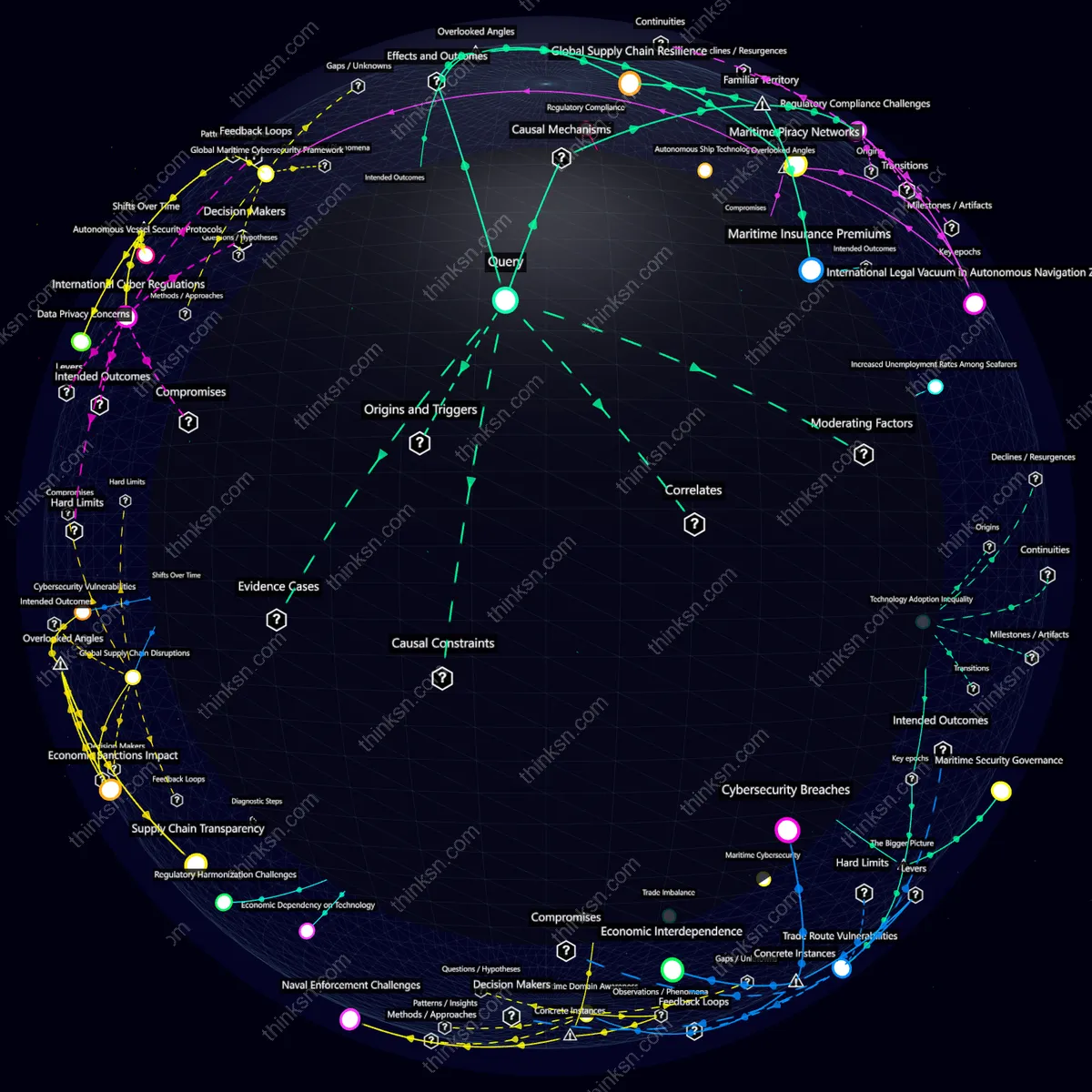
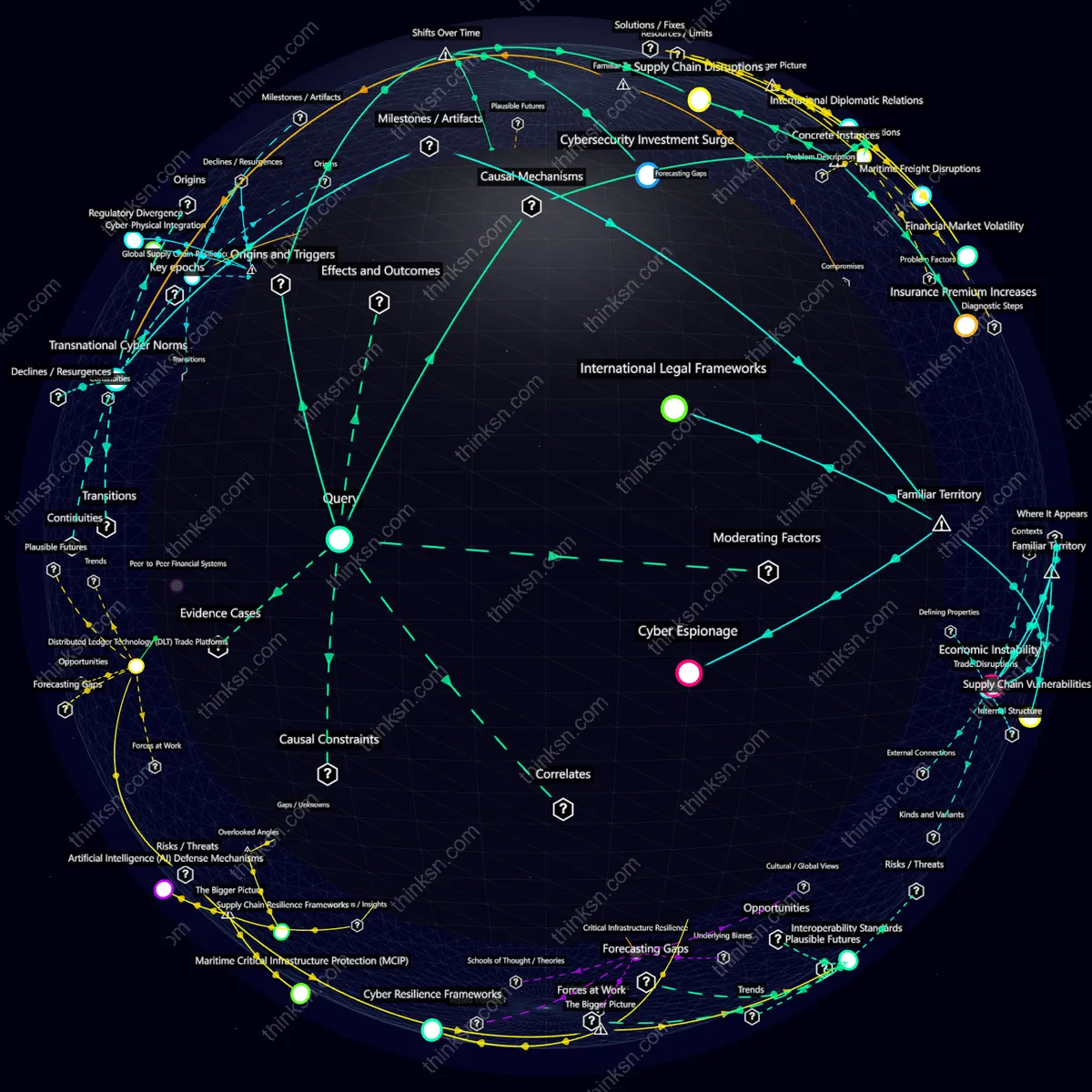
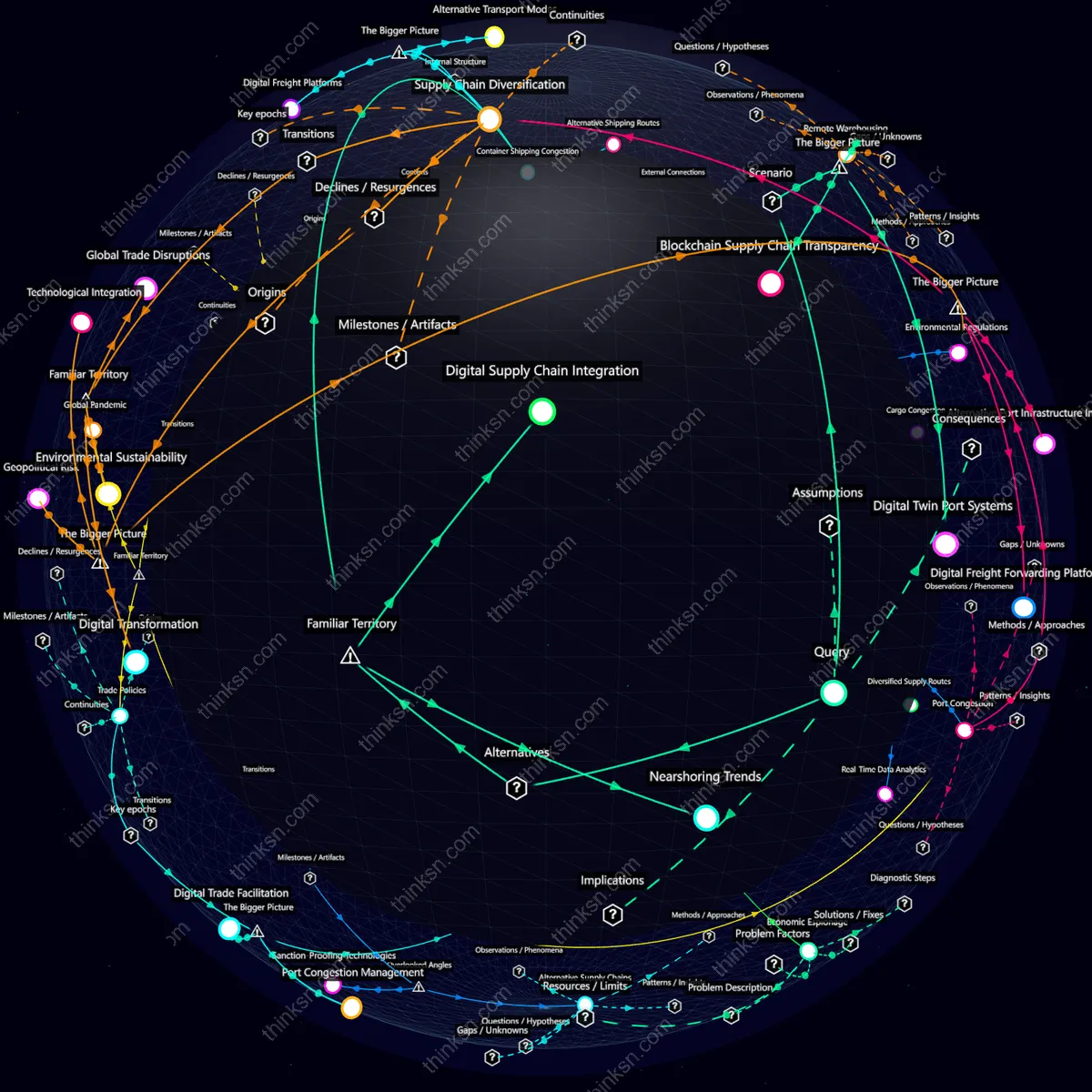
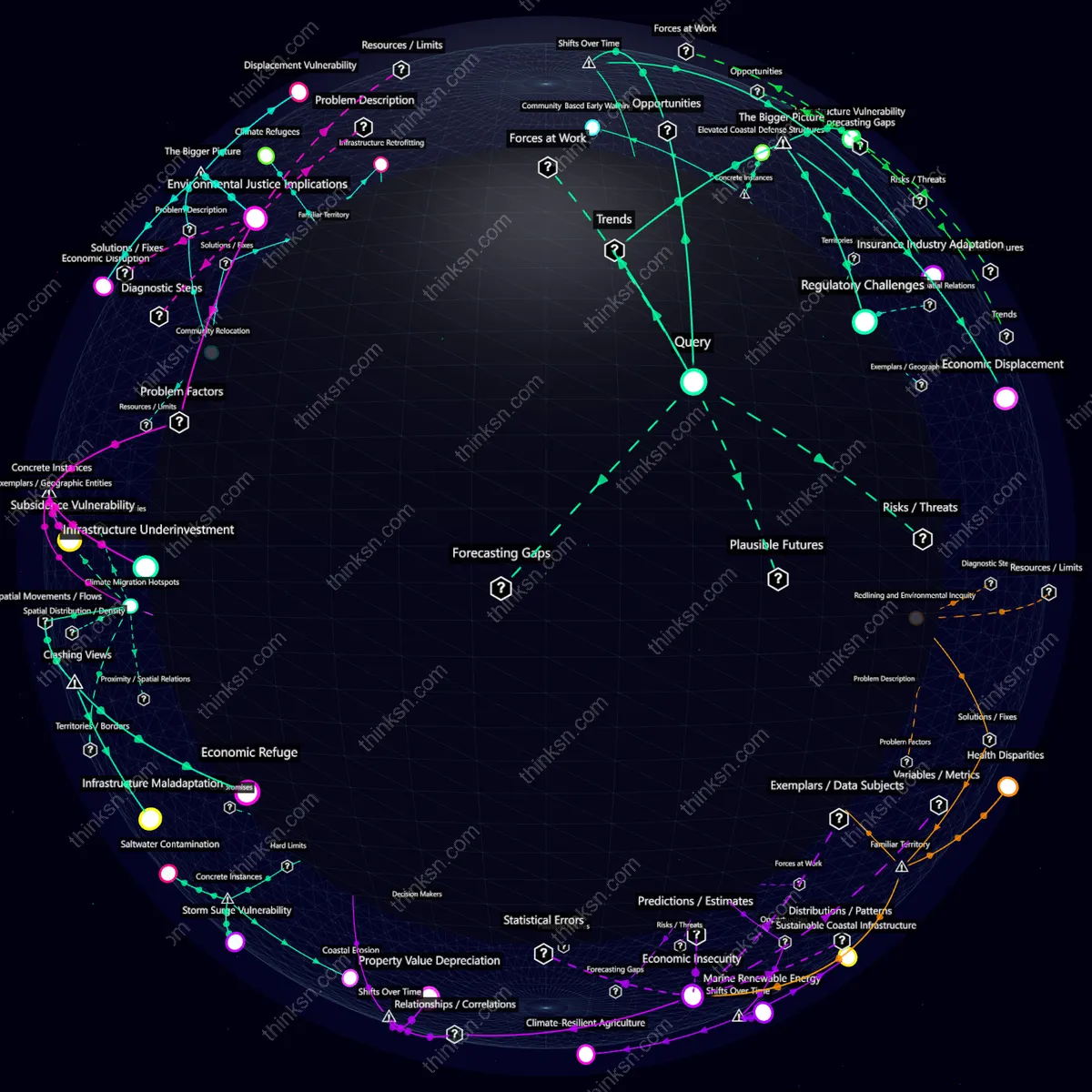
Analysis reveals 6 key thematic connections.
Key Findings
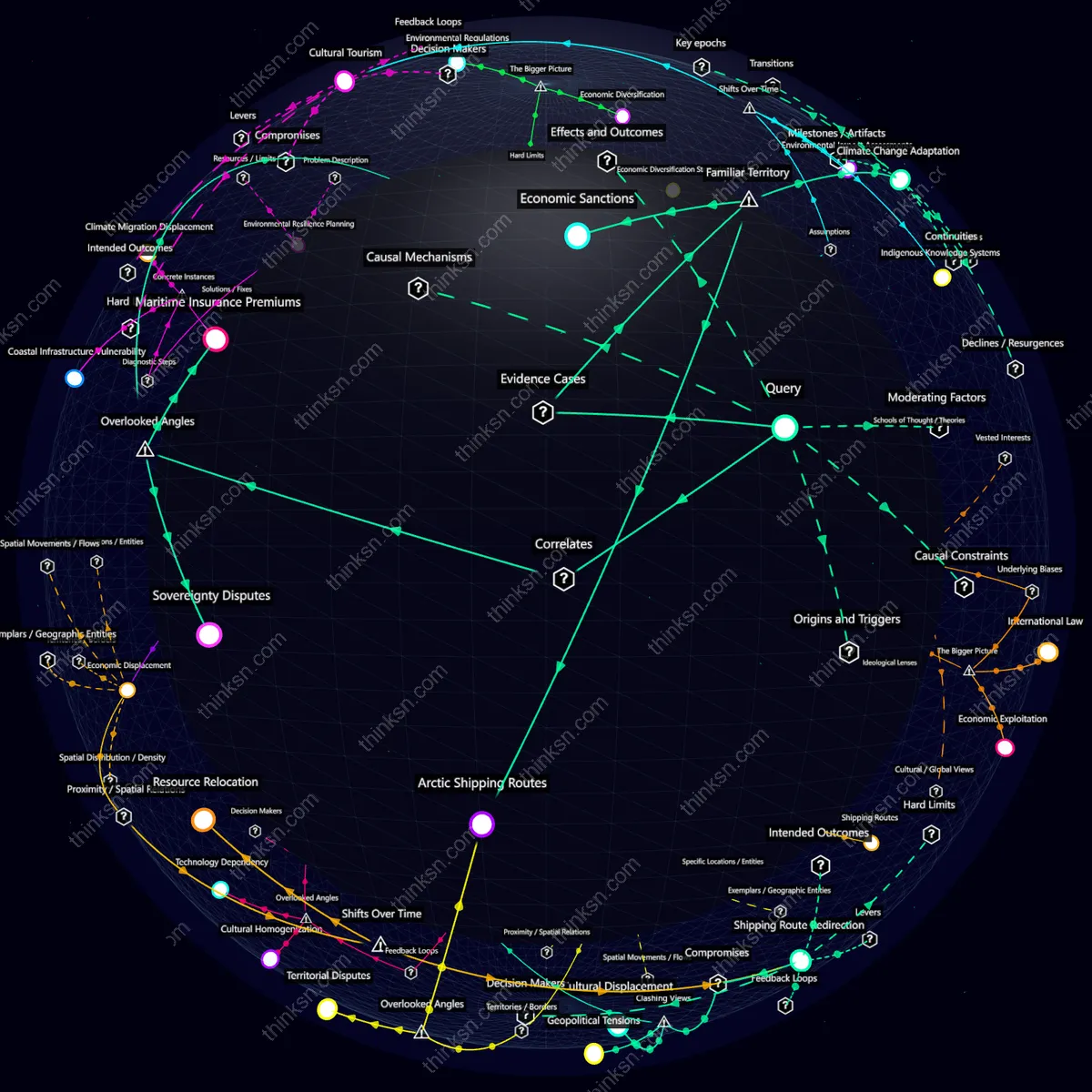
Maritime Insurance Premiums
As shipping routes through the Arctic become more viable due to ice-free conditions, maritime insurance premiums for coastal communities significantly fluctuate. This shift not only affects local economies but also introduces risks related to environmental liabilities and unpredictable weather patterns in previously uncharted waters.
Sovereignty Disputes
Changes in Arctic shipping routes intensify sovereignty disputes among nations with coastal territories, leading to increased militarization and diplomatic tensions. This dynamic alters the geopolitical landscape, impacting smaller coastal communities who find themselves caught between competing national interests.
Local Infrastructure Adaptation
Coastal communities must rapidly adapt their infrastructure to accommodate larger ships and increased maritime traffic. However, this adaptation often leads to unforeseen consequences such as environmental degradation and disruption of traditional fishing industries, highlighting the complex trade-offs between economic growth and sustainability.
Arctic Shipping Routes
The opening of Arctic shipping routes could dramatically reduce the distance and time for transporting goods between Europe and Asia, potentially reshaping global supply chains. However, this shift also exposes coastal communities to increased maritime traffic and environmental risks like oil spills or invasive species, undermining local economies reliant on traditional fishing and tourism.
Economic Sanctions
As Arctic shipping lanes become more viable, countries may use economic sanctions as a tool to control access to these new routes. This could create geopolitical tensions between nations with competing interests in the region, leading to unpredictable impacts on coastal communities that depend on international trade for their livelihoods.
Climate Change Adaptation
Coastal communities in the Arctic and along major shipping routes must adapt rapidly to changing environmental conditions. However, these adaptations often require significant financial investment and coordinated efforts between local governments and international stakeholders, posing challenges for small towns that lack resources or influence on a global scale.
Deeper Analysis
What strategic interventions can coastal communities implement to adapt their local infrastructure in response to changing shipping routes due to an ice-free Arctic?
Economic Diversification
Coastal communities must diversify their economies beyond shipping to mitigate the risks of over-reliance on a single industry. This shift can lead to conflicts with traditional stakeholders who benefit from current shipping routes, creating socio-economic tensions and requiring new investment in alternative sectors such as tourism or renewable energy.
Environmental Regulations
Stricter environmental regulations will likely accompany the expansion of shipping activities into previously inaccessible Arctic waters. This imposes significant costs on local infrastructure adaptation efforts but also provides opportunities for compliance with emerging standards, potentially attracting investment in green technologies and sustainable practices.
Economic Diversification Strategies
Coastal communities must balance the economic boost from increased shipping traffic with the risk of over-reliance on a single industry. Shifting focus solely towards maritime logistics could undermine local resilience by neglecting other sectors, leading to economic instability if shipping routes change again.
Environmental Resilience Planning
While enhancing infrastructure for heavier vessel traffic is crucial, it often comes at the expense of environmental protection. Coastal communities may prioritize rapid adaptation over long-term sustainability, risking ecological damage that could later necessitate costly retrofits and repairs.
Cultural Preservation Initiatives
Infrastructure projects aimed at adapting to new shipping routes can inadvertently overshadow local cultural preservation efforts. Community leaders face the challenge of integrating traditional knowledge with modern engineering solutions, potentially leading to a loss of indigenous practices if not managed carefully.
Explore further:
- How can coastal communities stress-test their environmental resilience planning to mitigate economic and geopolitical impacts from shifting shipping routes due to an ice-free Arctic?
- What hypothetical scenarios could arise for cultural preservation initiatives in coastal communities if shipping routes change due to an ice-free Arctic, and what strategic moves should be formulated as a response?
How can coastal communities stress-test their environmental resilience planning to mitigate economic and geopolitical impacts from shifting shipping routes due to an ice-free Arctic?
Arctic Shipping Lanes Expansion
The expansion of Arctic shipping lanes due to ice melt redefines coastal communities' economic and geopolitical priorities, necessitating a shift from traditional fisheries management to infrastructure for heavy maritime traffic. This transition risks over-reliance on volatile international trade patterns, exposing local economies to global market fluctuations and geopolitical tensions.
Coastal Infrastructure Vulnerability
As Arctic shipping lanes become more accessible, coastal ports face the challenge of adapting their infrastructure to accommodate larger vessels. This adaptation often requires significant investment in port facilities, leading to a potential trade-off between immediate economic gains from increased maritime activity and long-term environmental sustainability.
Climate Migration Displacement
The opening of Arctic shipping lanes triggers shifts in global supply chains, potentially displacing populations living along traditional trade routes. Coastal communities must prepare for influxes or outflows of people due to economic opportunities or hazards related to climate change, complicating social cohesion and governance.
What hypothetical scenarios could arise for cultural preservation initiatives in coastal communities if shipping routes change due to an ice-free Arctic, and what strategic moves should be formulated as a response?
Indigenous Knowledge Systems
The shift in shipping routes due to an ice-free Arctic forces coastal communities to adapt their traditional fishing and navigation practices. This adaptation risks undermining the transmission of indigenous knowledge systems, as younger generations may prioritize modern maritime technologies over learning ancestral ways. The loss of this knowledge could lead to a cultural disconnect and diminished community resilience.
Environmental Impact Assessments
Increased shipping activity in previously inaccessible Arctic waters triggers rigorous environmental impact assessments to mitigate potential harm. However, these assessments can be biased towards short-term economic benefits rather than long-term cultural preservation, leading to trade-offs that favor commercial interests over the maintenance of traditional ways of life and sacred sites.
Cultural Tourism
As shipping routes become more accessible, coastal communities see an uptick in tourism focused on their unique cultures. While this can provide economic benefits, it also exposes these fragile cultural landscapes to rapid commodification and loss of authenticity. The pressure to cater to tourists might dilute or distort local traditions, challenging the integrity of cultural preservation initiatives.
What are the emerging economic and geopolitical implications for coastal communities as Arctic shipping lanes expand, and what subjective perspectives should be considered to understand these impacts fully?
Environmental Degradation
The expansion of Arctic shipping lanes accelerates environmental degradation through increased oil spills and marine pollution. This not only threatens local wildlife but also disrupts traditional Inuit hunting practices, leading to cultural dislocation and food security issues.
Economic Disparity
Arctic communities face economic disparity as shipping lanes expand, with foreign companies benefiting from reduced transport costs while indigenous populations struggle with the loss of subsistence fishing grounds. This exacerbates existing wealth inequalities and limits local access to economic opportunities.
Strategic Competition
The opening of Arctic shipping lanes sparks strategic competition among major powers, increasing military presence in the region. This militarization can escalate tensions between nations and undermine cooperative efforts on environmental conservation and resource management, posing a significant geopolitical risk.
Indigenous Rights and Sovereignty
As Arctic shipping lanes expand, coastal communities face increased pressure from multinational corporations seeking resource extraction. This raises complex legal questions about indigenous sovereignty and rights over traditional lands and waters, potentially leading to conflicts with local governance structures and environmental protections.
Economic Displacement
The influx of global trade through new Arctic shipping lanes could lead to economic displacement for local communities that rely on traditional fishing or tourism. While some may benefit from increased economic activity, others risk losing their livelihoods due to market shifts and environmental changes.
Explore further:
In an ice-free Arctic, how might changes in shipping routes impact indigenous rights and sovereignty in coastal communities?
Environmental Changes
As ice melts in the Arctic, opening new shipping routes disrupts traditional hunting grounds and migration paths for marine mammals crucial to indigenous livelihoods. Coastal communities face heightened risk from invasive species carried by ships, undermining food security and cultural practices tied to local ecosystems.
Economic Exploitation
Foreign companies exploit legal loopholes to gain control over resources near indigenous lands, often without consultation or compensation. This economic exploitation undermines sovereignty as traditional governance systems are sidelined in favor of profit-driven development, exacerbating cultural erosion and dependency on external markets.
International Law
The Arctic Council's focus on cooperation among nations overlooks the rights of indigenous peoples to self-determination. International shipping regulations prioritize efficiency over environmental stewardship and community rights, leading to legal frameworks that disadvantage indigenous groups while benefiting large corporations and state actors.
How does economic displacement affect coastal communities' industries and geographic distribution due to changes in shipping routes because of an ice-free Arctic?
Shipping Route Redirection
The redirection of shipping routes due to an ice-free Arctic can lead to rapid economic displacement for coastal communities that traditionally relied on established maritime trade, as companies opt for shorter, more efficient routes. This shift not only disrupts local economies but also poses environmental and social risks, such as increased pollution and cultural dislocation.
Resource Relocation
The economic displacement caused by shifting shipping routes leads to the relocation of key resources and industries from traditional coastal hubs to newly accessible ports. This transition can result in a fragile dependency on these new areas, making them vulnerable to disruptions like political instability or environmental disasters, which could have far-reaching consequences for global supply chains.
How will environmental changes in the Arctic, leading to ice-free conditions, alter shipping routes and what are the resulting geopolitical and economic impacts on coastal communities over time?
Shipping Routes
The opening of new Arctic shipping routes due to ice-free conditions transforms global maritime trade patterns. However, this shift exposes coastal communities and infrastructure to increased risks from unpredictable weather events and potential marine accidents, highlighting the fragility of newly established economic dependencies.
Geopolitical Relations
Environmental changes in the Arctic exacerbate geopolitical tensions as nations vie for control over resources and strategic routes. This competition could trigger diplomatic conflicts or even military confrontations, undermining international cooperation on climate change mitigation efforts and setting back global environmental stability goals.
Economic Vulnerability
Coastal communities dependent on traditional fishing and tourism industries face severe economic disruption from environmental changes. While new opportunities arise in shipping and resource extraction, the rapid shift may leave many vulnerable to market volatility and regulatory uncertainties, highlighting a complex interplay between adaptation and resilience.
What strategic interventions can coastal communities implement to mitigate economic and geopolitical impacts if shipping routes are redirected due to an ice-free Arctic?
Economic Isolation
Coastal communities reliant on traditional shipping routes risk economic isolation as major shipping lanes shift northward. While new markets may open, local businesses are caught between the need for rapid adaptation and the high costs of infrastructure changes, potentially leading to a fragmented economy where smaller firms cannot compete.
Geopolitical Tensions
The redirection of shipping routes through formerly inaccessible Arctic waters can exacerbate geopolitical tensions as nations vie for control over newly navigable sea lanes. This competition not only disrupts established trade patterns but also threatens to undermine cooperative efforts in environmental conservation and maritime safety, thereby creating a fragile balance where peace is contingent on shared economic interests.
Cultural Displacement
Indigenous communities along traditional shipping routes face cultural displacement as new economic activities and increased human presence challenge their way of life. While the influx of trade and investment can bring short-term benefits, it often leads to environmental degradation and social disruption, forcing a choice between preserving cultural heritage and embracing modern economic opportunities.
How is economic vulnerability distributed among coastal communities due to potential shifts in shipping routes with an ice-free Arctic?
Arctic Shipping Routes
The opening of Arctic shipping routes due to ice-free conditions could shift global maritime trade patterns, redirecting traffic from traditional Southern routes. This change would disproportionately affect coastal communities in northern regions like Alaska and Norway, which currently rely heavily on fishing and tourism for economic stability. These communities face increased risks from disrupted supply chains and potential loss of traditional livelihoods.
Territorial Disputes
The expansion of shipping routes through the Arctic has heightened territorial disputes between nations like Canada, Russia, and Norway over control of newly accessible waters. Coastal communities near these contested areas are caught in geopolitical crossfires, with potential for militarization and restricted access to resources they depend on. This could lead to economic vulnerabilities due to decreased sovereignty and increased security risks.
What strategic interventions can coastal communities implement to mitigate economic isolation caused by altered shipping routes due to an ice-free Arctic?
Cultural Homogenization
Increased economic ties with global markets through newly accessible Arctic shipping routes can lead coastal communities to adopt more dominant cultural practices, diluting local traditions and social cohesion. This shift may undermine community resilience, as indigenous knowledge systems become less valued and transmitted.
Environmental Degradation
The opening of new trade routes often comes with accelerated resource extraction near coastal communities, leading to environmental degradation that can exacerbate economic isolation by degrading local natural assets crucial for sustainable livelihoods. This scenario creates a vicious cycle where the pursuit of economic stability through industrial development paradoxically undermines long-term sustainability.
Technology Dependency
Coastal communities may rapidly adopt advanced technologies to capitalize on new shipping opportunities, but this can create dependencies that are hard to sustain without continued external support. Over-reliance on imported technology can isolate communities further if local skills and knowledge become obsolete or irrelevant in the face of rapid technological change.