Climate Change Forces Mass Inland Migration, Straining City Infrastructure
Analysis reveals 6 key thematic connections.
Key Findings
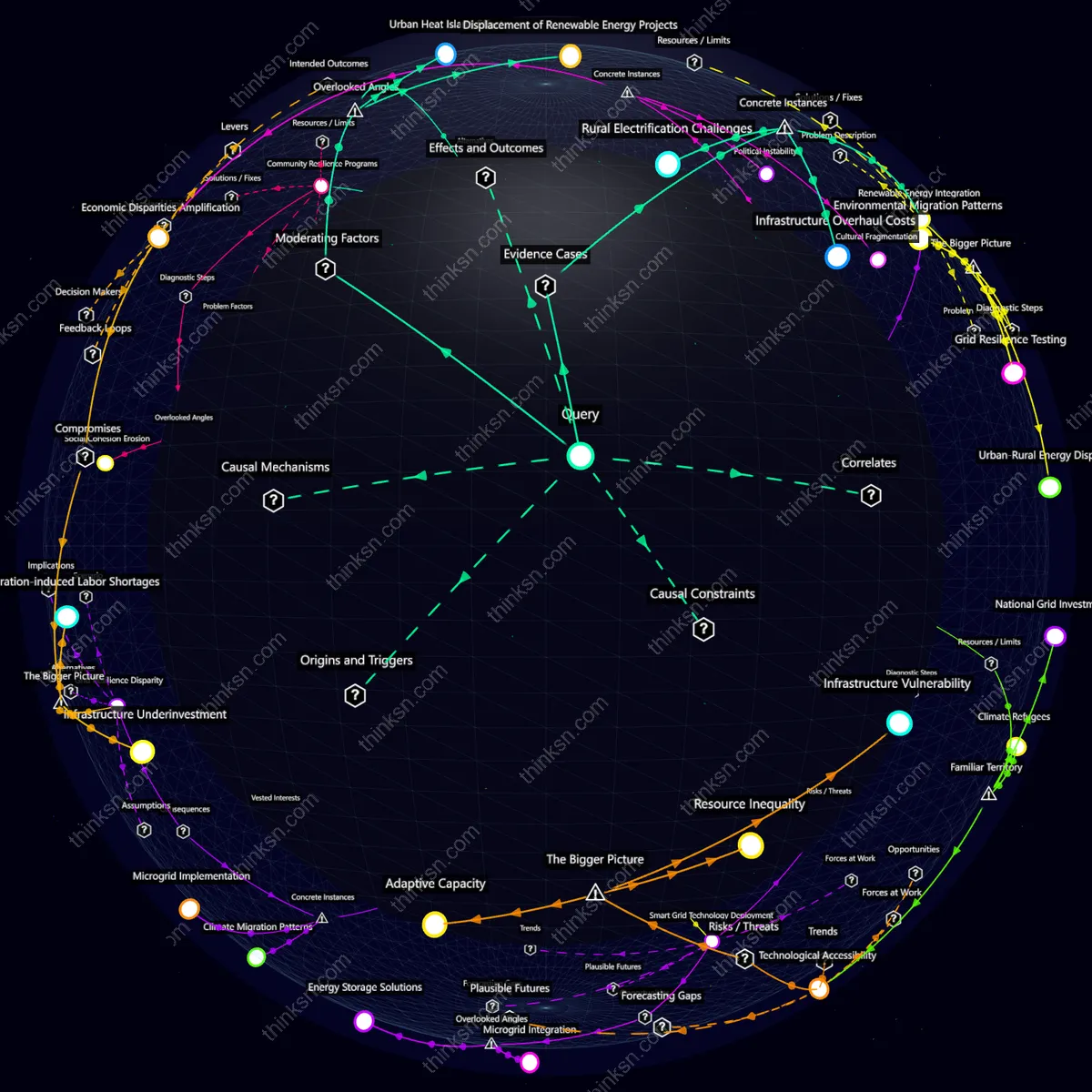
Infrastructure Overload
In Mumbai, rapid influxes due to climate migration have overwhelmed existing water and sanitation systems, leading to outbreaks of diseases like cholera. The urban poor are disproportionately affected as they rely heavily on already strained public services.
Economic Disparities
San Francisco's tech boom saw a surge in housing costs and income inequality due to influxes from rural areas hit by drought or wildfire, exacerbating existing socioeconomic divisions and leading to protests over gentrification and affordable housing shortages.
Environmental Stress Points
In Dhaka, Bangladesh, climate-induced migration into low-lying, flood-prone urban areas has intensified the risk of water contamination and infrastructure damage during monsoon seasons, highlighting how ecological vulnerabilities become compounded by human displacement.
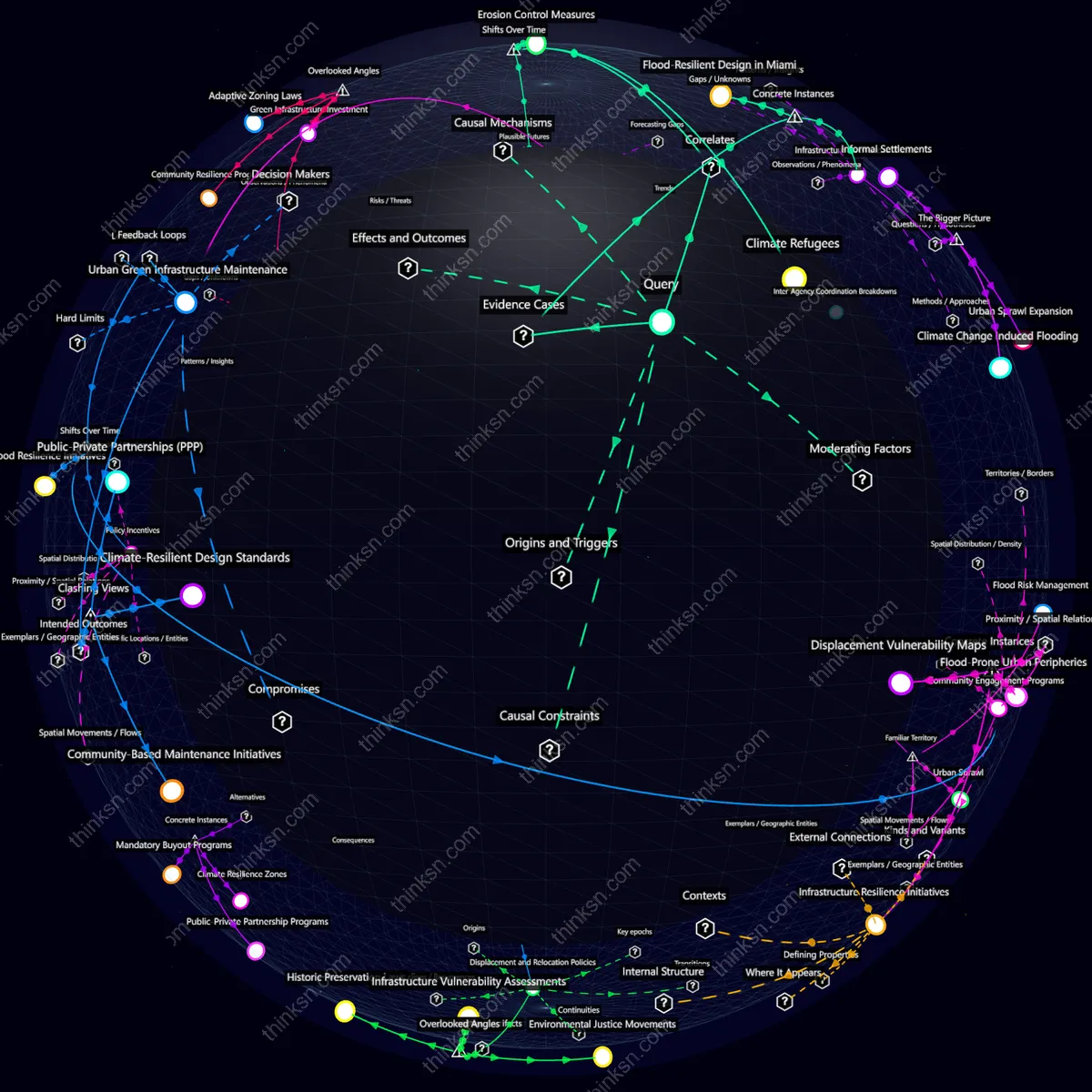
Urban Sprawl
Climate-induced migration can trigger urban sprawl as population surges strain existing infrastructure and lead to unplanned expansion into peripheral areas. This growth exacerbates socio-economic disparities, with newer suburbs lacking basic services while overburdened city centers struggle with congestion and inadequate housing.
Informal Settlements
The sudden influx of climate migrants can result in the rapid emergence of informal settlements around urban fringes. These areas often lack legal recognition, leading to substandard living conditions and restricted access to public services, which further marginalizes vulnerable populations.
Resource Competition
As urban infrastructure strains under population pressures from climate-induced migration, resource competition intensifies among residents. This can manifest in heightened tensions over water, electricity, and sanitation facilities, potentially escalating into conflicts that destabilize social cohesion and governance.
Deeper Analysis
What are the emerging insights and diverse perspectives on how infrastructure overload in urban areas exacerbates challenges posed by climate-induced migration?
Urban Heat Islands
The intensification of urban heat islands due to infrastructure overload reduces the effectiveness of cooling systems and exacerbates health risks for vulnerable populations, particularly during extreme weather events. This creates a vicious cycle where higher temperatures lead to greater energy consumption and further strain on already overloaded power grids.
Environmental Justice
Infrastructure overload disproportionately affects marginalized communities in urban areas, often exacerbating existing environmental justice issues by limiting access to clean water, sanitation, and emergency services. This highlights a critical blind spot where systemic inequalities are further entrenched through inadequate infrastructure management during climate-induced migration.
How do economic disparities evolve in urban areas due to climate-induced migration and insufficient infrastructure over time?
Climate-Induced Migration
As climate-induced migration increases urban populations, economic disparities intensify due to competition for scarce resources. This influx can exacerbate housing affordability crises and strain public services, deepening the divide between newcomers and established residents.
Infrastructure Deficiencies
Inadequate infrastructure in urban areas fails to support growing populations, leading to persistent economic disparities as essential services like transportation and sanitation are under-resourced. This can trap low-income communities in cycles of poverty while wealthy enclaves reinvest in their own development.
Urban Sprawl
Urban sprawl exacerbates economic disparities by pushing affordable housing options further from city centers, increasing commuting costs and reducing access to job opportunities for the less affluent. This creates a vicious cycle where infrastructure follows wealth rather than need, leaving marginalized communities isolated.
In urban areas experiencing climate-induced migration, how do Urban Heat Islands exacerbate infrastructure strain and what are the measurable systemic failures?
Thermal Inversion Layers
Urban areas experiencing thermal inversion layers trap pollutants close to the ground, exacerbating air quality issues. As temperatures rise due to urban heat islands, these inversions become more frequent and intense, leading to a feedback loop that strains emergency services and healthcare infrastructure.
Microclimate Disparities
The uneven distribution of green spaces and impervious surfaces within cities creates microclimates with significant temperature differences. This disparity can lead to localized flooding or extreme heat exposure, disproportionately affecting low-income neighborhoods lacking robust drainage systems or cooling measures.
What are the measurable impacts and systemic strains on urban infrastructure when climate-induced migration causes a sudden population increase in underprepared cities?
Urban Water Stress
Climate-induced migration intensifies urban water stress as a sudden influx of people overburdens existing infrastructure. This strain leads to increased competition for limited resources, potentially exacerbating social tensions and undermining public health.
Informal Settlements Expansion
The rapid growth in informal settlements due to climate-induced migration poses significant challenges for urban planning and disaster response. These areas often lack basic services like sanitation and electricity, making residents vulnerable to environmental hazards and diseases.
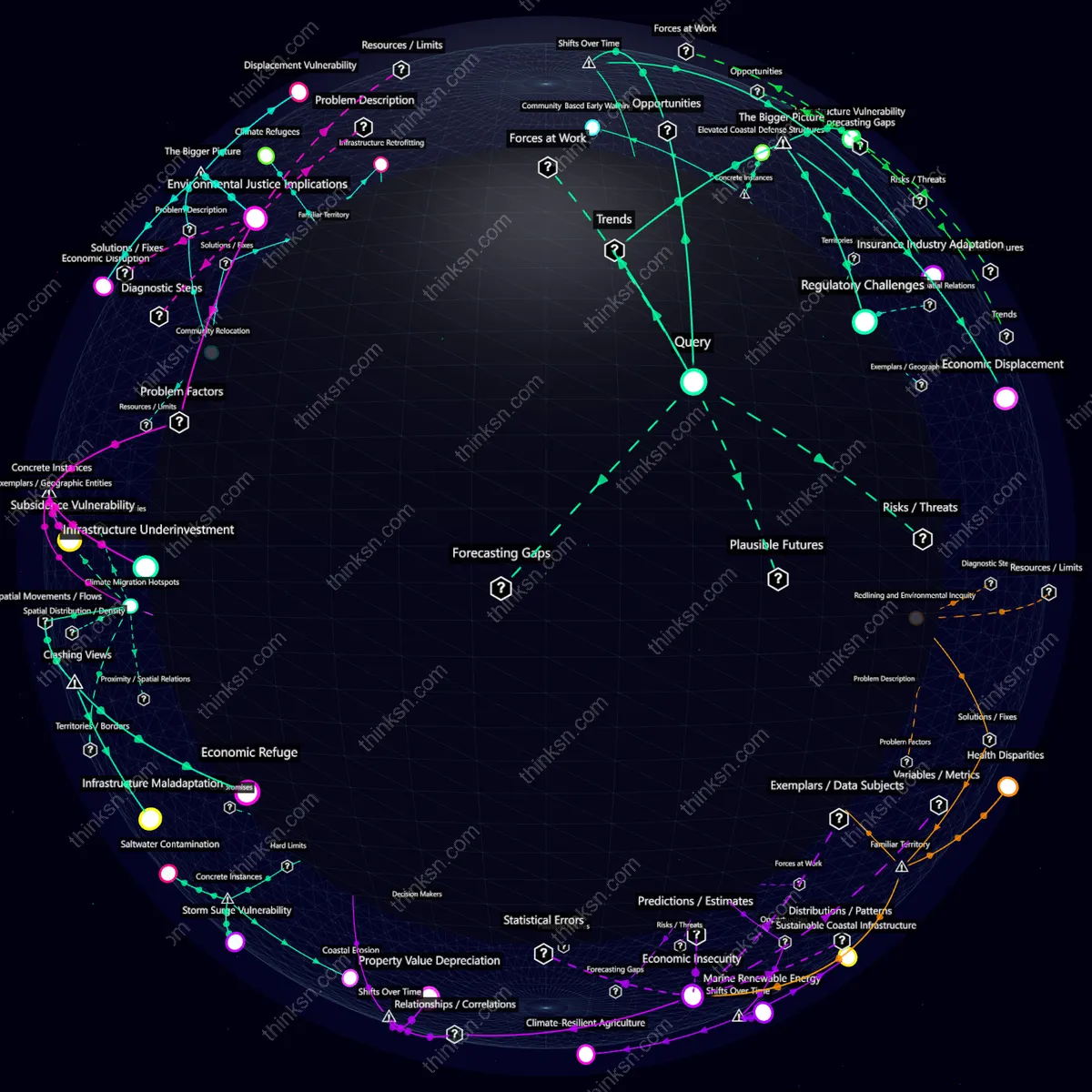
Economic Disparity Amplification
Climate-induced migration can amplify economic disparity within cities as newcomers struggle to find employment and secure housing in already tight markets. This can lead to the creation of marginalized communities that face persistent socio-economic challenges, further straining urban infrastructure.
Explore further:
- What are potential strategies for managing the expansion of informal settlements in urban areas due to climate-induced migration, especially when infrastructure is insufficient?
- In urban areas lacking sufficient infrastructure, how does climate-induced migration amplify economic disparity through spatial distribution and resource allocation?
What are potential strategies for managing the expansion of informal settlements in urban areas due to climate-induced migration, especially when infrastructure is insufficient?
Urban Resilience Initiatives
As informal settlements expand due to climate-induced migration, urban resilience initiatives often struggle with inadequate infrastructure. This leads cities to invest heavily in temporary solutions like portable sanitation facilities and mobile healthcare units, which can create a dependency on external aid rather than fostering sustainable development.
Informal Land Tenure Systems
The growth of informal settlements exacerbates the challenge of land tenure clarity. Informal land tenure systems become entrenched as migrants seek secure housing without formal property rights, leading to complex legal and social issues that impede effective urban planning and infrastructure development.
Social Inclusion Programs
Efforts to integrate informal settlement residents through social inclusion programs can backfire if not aligned with broader economic opportunities. Such initiatives may inadvertently isolate communities further by focusing on superficial integration rather than addressing root causes of migration, such as job scarcity and climate vulnerability.
In urban areas lacking sufficient infrastructure, how does climate-induced migration amplify economic disparity through spatial distribution and resource allocation?
Resource Inequality Escalation
Climate-induced migration from rural areas to urban centers lacking infrastructure leads to a rapid escalation in resource inequality. As displaced individuals flood into already strained urban environments, existing residents face heightened competition for scarce resources like housing and food, further entrenching economic disparity.
Spatial Segregation Intensification
The influx of migrants struggling with inadequate infrastructure amplifies spatial segregation within cities. Wealthier districts fortify their boundaries to prevent the spread of poverty-related issues, while marginalized communities become increasingly isolated and deprived of essential services, reinforcing economic disparity along geographic lines.
Informal Economy Expansion
In response to the lack of formal job opportunities in resource-scarce urban areas, an informal economy thrives but deepens the cycle of poverty. Informal workers are often exploited due to weak legal protections and limited social services, perpetuating economic disparity as systemic barriers prevent upward mobility.
What role do social inclusion programs play in addressing the challenges faced by urban areas that experience sudden climate-induced population surges due to inadequate infrastructure?
Climate Refugees Integration
Social inclusion programs must adapt rapidly to integrate climate refugees into urban areas, often leading to strained local resources and services. While these programs aim to provide essential support, they can inadvertently prioritize short-term needs over long-term integration strategies, risking the sustainability of both community bonds and infrastructure.
Urban Infrastructure Resilience
Social inclusion initiatives in urban settings are crucial for enhancing resilience against climate-induced population surges. However, these programs often face challenges when urban infrastructure is inadequate, highlighting a critical need for simultaneous investment in both social services and physical infrastructure to ensure sustainable growth.
Community Empowerment Networks
Social inclusion programs foster community empowerment networks that are pivotal during sudden population influxes due to climate events. Yet, these networks can become overburdened if not adequately supported by broader policy frameworks and financial resources, leading to potential burnout among volunteers and underutilization of available support.
How does climate-induced migration contribute to resource inequality escalation in urban areas over time, and what mechanisms are involved in this process?
Urban Sprawl Dynamics
Climate-induced migration pressures exacerbate urban sprawl dynamics as cities expand outward in search of available land and resources, leading to fragmented governance structures that dilute public service delivery. This sprawl can create new pockets of poverty and inequality far from the city center, while simultaneously straining existing infrastructure and social services.
Informal Economic Networks
Resource inequality escalation fosters informal economic networks in urban areas as individuals cope with inadequate access to formal employment or welfare systems. These networks can become entrenched mechanisms for survival but often operate outside legal frameworks, limiting broader socioeconomic mobility and reinforcing existing inequalities through cycles of debt and dependency.
Environmental Justice Movements
As resource inequality escalates due to climate-induced migration, environmental justice movements emerge or intensify in urban areas. These movements aim to address disproportionate impacts on marginalized communities but can also face significant backlash from those benefiting from the status quo, leading to polarization and further societal fragmentation.
What strategies can urban planners formulate to enhance infrastructure resilience in cities facing climate-induced migration and sudden population surges?
Climate-Induced Migration Patterns
As urban planners adapt infrastructure to cope with climate-induced migration, they must anticipate and mitigate the risk of social stratification. Newcomers may be concentrated in less resilient areas due to economic factors, exacerbating vulnerabilities during extreme weather events.
Dynamic Urban Planning Frameworks
Urban planners need flexible frameworks that allow for rapid infrastructure adjustments as population surges and migratory patterns shift unpredictably. However, this dynamism requires significant upfront investment in adaptable systems, potentially diverting resources from other critical needs.
Sustainable Resource Management Systems
Implementing sustainable water and energy management systems is crucial for long-term resilience but may face resistance due to short-term economic costs. Over-reliance on untested technologies can also introduce new risks, such as supply chain disruptions or technological lock-in.
How do environmental justice movements evolve in urban areas facing climate-induced migration and inadequate infrastructure?
Climate-Induced Displacement
As urban areas face escalating climate-induced displacement, environmental justice movements pivot towards advocating for relocation policies that prioritize community cohesion and cultural preservation over rapid infrastructure development. This shift risks exacerbating social inequalities if not carefully managed, as displaced communities may be relocated to less developed regions with inadequate services.
Infrastructure Gaps
Environmental justice movements in urban areas highlight the profound impact of inadequate infrastructure on marginalized populations, pushing for equitable distribution of resources like clean water and green spaces. This emphasis can lead to political tensions as governments may prioritize short-term economic gains over long-term environmental sustainability, undermining movement goals.
Community Health Outcomes
The intersection of climate-induced migration with existing urban infrastructure gaps has severe implications for community health outcomes. Environmental justice movements increasingly focus on these issues, advocating for policies that improve air quality and reduce pollution exposure in densely populated areas. However, without robust support from local government, these efforts may struggle to achieve tangible improvements.
What are the critical pressure points and trade-offs in dynamic urban planning frameworks when climate-induced migration leads to a sudden population surge in underprepared cities, and how can these systems be stress-tested for measurable systemic strain?
Adaptive Infrastructure Resilience
As climate-induced migration surges, cities with adaptive infrastructure resilience can better handle sudden population increases by reallocating resources and adjusting urban services. However, this flexibility often comes at the expense of long-term planning stability, leading to short-sighted investments and undermining sustainable development goals.
Informal Settlement Dynamics
Dynamic urban planning frameworks struggle to address informal settlements emerging from rapid migration, exacerbating socio-economic inequalities. These unplanned areas often lack basic services and are highly vulnerable to climate impacts, creating a feedback loop where disaster relief becomes the primary form of governance.
Intersectoral Coordination Mechanisms
Effective intersectoral coordination mechanisms are crucial for managing systemic strain in urban planning but require significant upfront investment. Without these structures, disparate city departments may operate at cross-purposes, leading to fragmented responses and inefficiencies during crises.
How do community health outcomes evolve in urban areas lacking sufficient infrastructure as a result of climate-induced migration over time?
Environmental Justice Advocacy
As urban areas struggle with climate-induced migration and insufficient infrastructure, environmental justice advocacy becomes a pivotal force. However, the effectiveness of such advocacy can decline as it faces increasing polarization and resource scarcity, leading to fragmented efforts that may exacerbate health disparities among marginalized communities.
Urban Resilience Initiatives
Urban resilience initiatives aim to fortify community health outcomes by integrating climate adaptation measures. Yet, these initiatives often rely on short-term funding and political will, making them vulnerable to cycles of obsolescence as priorities shift with changing administrations or economic conditions.
Public-Private Partnerships
Public-private partnerships in healthcare can offer innovative solutions for improving community health outcomes in underserved urban areas. However, such collaborations may also introduce conflicts of interest and market-driven biases that undermine the equitable distribution of resources and services, particularly during times of crisis.