Indefinite Unpaid Leave: How Corporations Would Cope with Employee Absences
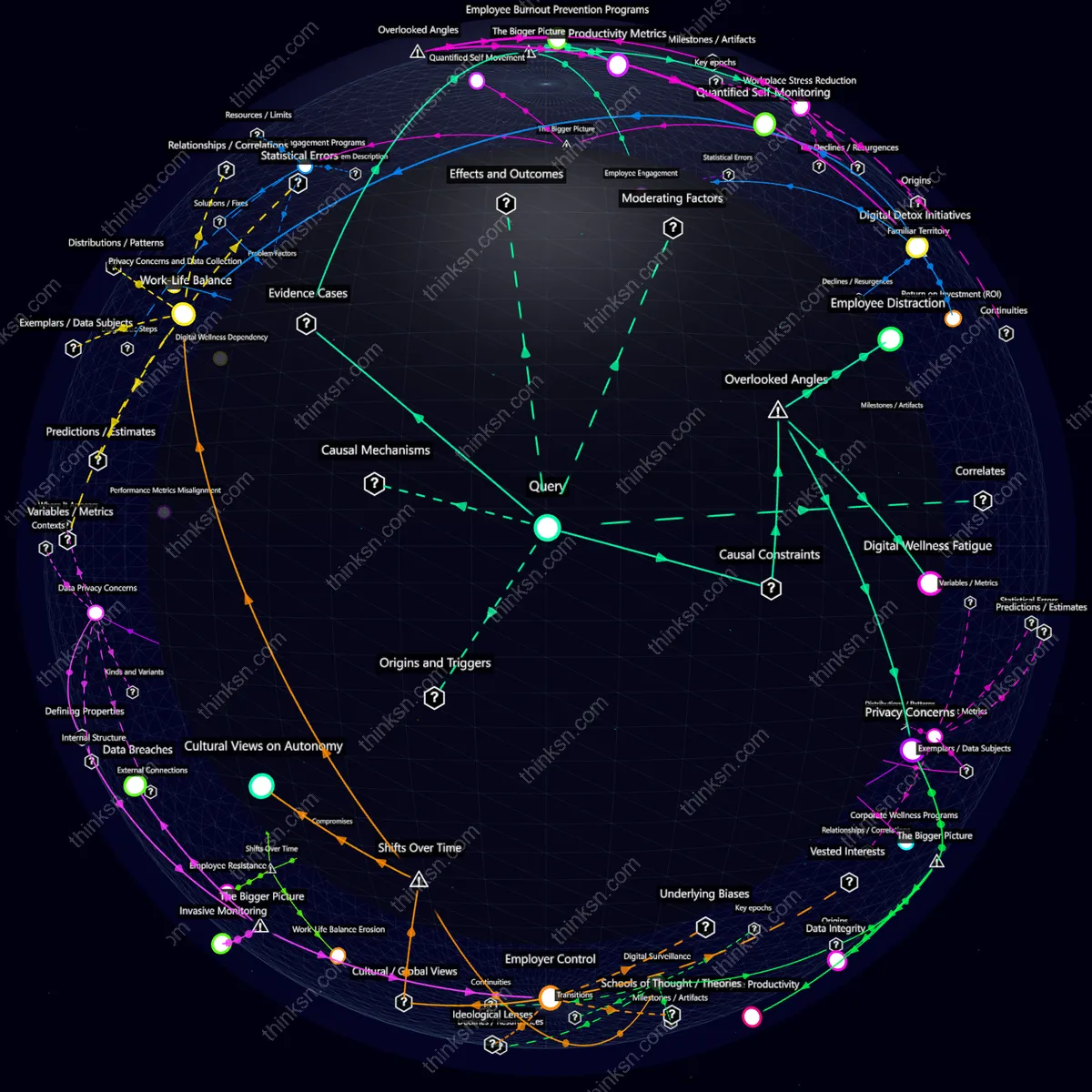
Analysis reveals 5 key thematic connections.
Key Findings
Employee Morale
Indefinite unpaid leave with job security can paradoxically lower morale as employees feel undervalued and overworked. For instance, during the Great Recession, companies that maintained employee benefits but required furloughs saw reduced productivity due to perceived lack of support.
Competitive Advantage
Companies implementing this policy might initially gain a competitive edge by retaining skilled workers in downturns. However, prolonged reliance on unpaid leave can erode long-term loyalty and attract scrutiny from labor rights groups, as seen with companies like Sears Holdings during its decline.
Regulatory Challenges
Such policies could face regulatory hurdles or public backlash, especially in regions with stringent labor laws. For example, the European Union's emphasis on worker protections might compel multinational corporations to offer alternative support measures instead of unpaid leave.
Employee Retention
Unpaid leave without job loss might initially retain employees, yet could also mask underlying dissatisfaction and turnover intentions. Companies may face a 'zombie workforce' where productivity declines as staff feel undervalued despite job security.
Workplace Activism
Employees permitted indefinite unpaid leave could become more vocal about benefits and working conditions, leading to an increase in unionization efforts or collective action, challenging corporate leadership's control over labor relations.
Deeper Analysis
How might employee morale be affected by indefinite unpaid leave if jobs and benefits are protected?
Work-Life Balance
Indefinite unpaid leave can exacerbate work-life balance issues, as employees might feel compelled to constantly prove their readiness for return, leading to persistent stress and anxiety. This dynamic can create a paradox where job security is maintained but personal well-being deteriorates.
Organizational Trust
The introduction of indefinite unpaid leave may erode organizational trust, as employees perceive it as an implicit acknowledgment of economic uncertainty or redundancy concerns, even if benefits are protected. This can lead to a generalized sense of vulnerability and mistrust within the organization.
Career Development Opportunities
While job security is preserved, indefinite unpaid leave might limit career advancement opportunities for employees due to perceived gaps in work experience or skill development during the leave period. This could discourage proactive engagement and innovation among staff members.
What strategies could corporations employ to retain employees if indefinite unpaid leave is permitted without job or benefit loss?
Work-Life Integration
Indefinite unpaid leave can blur boundaries between work and personal life. Employees might struggle to disengage from work due to constant availability, leading to burnout despite intended flexibility.
Remote Work Fatigue
Extended periods of remote work may exacerbate feelings of isolation and detachment from the organization's culture, reducing employee engagement and commitment over time as face-to-face interactions diminish.
Benefits Equity Concerns
The introduction of indefinite unpaid leave without job or benefit loss might create disparities among employees based on their financial stability, impacting morale and retention rates negatively for those less economically secure.
How might organizational trust evolve over time if companies implement indefinite unpaid leave without job or benefit loss for their employees?
Employee Loyalty Programs
Implementing indefinite unpaid leave can initially boost employee loyalty programs by showcasing commitment to workers' well-being. However, prolonged reliance on these programs may erode genuine trust as employees perceive them as obligatory rather than earned.
Corporate Social Responsibility (CSR) Initiatives
Unpaid leave policies might prompt companies to emphasize CSR initiatives to maintain public image and organizational trust. Yet, if seen as a superficial tactic without substantive support for employees' livelihoods, such efforts can backfire, damaging long-term reputation.
Workplace Flexibility Policies
In the wake of indefinite unpaid leave, companies may adopt more flexible work policies to retain talent and rebuild trust. However, overly rigid implementation without genuine flexibility can lead to skepticism among employees about true organizational commitment.
Explore further:
- In what ways could Corporate Social Responsibility (CSR) initiatives be leveraged to address and promote ethical implications arising from permitting indefinite unpaid leave without job or benefit loss?
- What strategies could companies adopt to leverage workplace flexibility policies if indefinite unpaid leave was permitted without job or benefit loss?
How might remote work fatigue affect employee well-being and productivity if indefinite unpaid leave is permitted without job or benefit loss?
Unpaid Leave Utilization
As remote work fatigue intensifies, employees increasingly opt for unpaid leave to recharge. This shift can paradoxically exacerbate organizational strain by leaving critical projects understaffed and disrupting team cohesion.
Mental Health Decline
The availability of indefinite unpaid leave without job or benefit loss may normalize prolonged breaks, but it also risks masking severe mental health issues that require professional intervention. This normalization can delay necessary support and treatment for employees struggling with remote work fatigue.
Employer-Worker Trust Dynamics
While indefinite unpaid leave might seem like a generous policy, the lack of clear expectations or reintegration plans could erode trust between employers and workers. Employees may become wary about their long-term job security and career prospects within such flexible but ambiguous work environments.
In what ways could Corporate Social Responsibility (CSR) initiatives be leveraged to address and promote ethical implications arising from permitting indefinite unpaid leave without job or benefit loss?
Employee Well-being Programs
Well-being programs under CSR initiatives can shift focus from financial incentives to holistic support for employees on indefinite unpaid leave. However, this shift may inadvertently weaken the economic safety net needed during tough times, leaving workers vulnerable despite corporate goodwill.
Community Engagement Initiatives
CSR-driven community engagement can be redirected towards addressing socioeconomic pressures that push employees into situations of needing unpaid leave. Yet, such initiatives might become superficial if not deeply integrated with actual employee needs and feedback loops, risking disconnection from the intended beneficiaries.
Ethical Supply Chain Management
Expanding CSR to include ethical supply chain practices may indirectly influence work-life balance policies by pushing for more sustainable labor conditions across industries. However, this broadening of scope can dilute focus on immediate employee welfare issues like unpaid leave protections.
What strategies could companies adopt to leverage workplace flexibility policies if indefinite unpaid leave was permitted without job or benefit loss?
Employee Retention Programs
Companies with robust employee retention programs see a surge in loyalty when offering indefinite unpaid leave without job loss. However, this can create a dependency on such policies, making it harder to attract employees who prefer more traditional benefits.
Remote Work Challenges
While remote work becomes more prevalent with flexible policies, companies face the challenge of maintaining company culture and team cohesion. Unpaid leave provisions add complexity, potentially leading to burnout among those continuing to work full-time remotely.
Parental Leave Extensions
Companies extending parental leave periods see higher employee satisfaction but also complicate return-to-work policies and career progression paths for parents taking extended leaves. The risk of long-term skill atrophy becomes a concern.
Explore further:
- What are the potential stress points and trade-offs that companies might encounter if they implement indefinite unpaid leave with job security, particularly in relation to remote work challenges?
- How might parental leave extensions evolve over time if indefinite unpaid leave was permitted without job or benefit loss?
What are the potential stress points and trade-offs that companies might encounter if they implement indefinite unpaid leave with job security, particularly in relation to remote work challenges?
Work-Life Balance
Indefinite unpaid leave with job security can exacerbate work-life balance issues for remote workers. Employees might feel pressured to maintain productivity while dealing with personal responsibilities, leading to burnout and decreased overall well-being.
Communication Breakdowns
Remote teams may face communication breakdowns due to reduced interaction, making it harder to collaborate effectively on projects. This can lead to misunderstandings, delays in project delivery, and a sense of isolation among team members.
Technological Inadequacies
The reliance on technology for remote work becomes more critical with indefinite unpaid leave, highlighting the need for robust infrastructure. Companies may face increased cybersecurity risks and technical issues that disrupt workflow, affecting productivity and morale.
Work-Life Balance Erosion
Indefinite unpaid leave with job security can blur the lines between personal and professional life for remote workers. The lack of clear boundaries may lead to prolonged work hours, causing mental fatigue and burnout among employees.
Resource Inequality Among Teams
Remote teams might face uneven access to tools and technology, exacerbating the disparity between well-equipped and under-resourced workers. This inequality can hinder collaboration and innovation, leading to a decline in overall productivity and job satisfaction.
Manager-Employee Trust Dynamics
The implementation of indefinite unpaid leave can strain trust relationships between managers and their remote teams. Uncertainty about job security and work expectations may lead to increased micromanagement or over-reliance on self-regulation, ultimately affecting morale and performance.
How might technological inadequacies in a company's HR systems stress-test the ability to manage indefinite unpaid leave without job or benefit loss?
Legacy Software
The reliance on outdated HR software hampers a company's ability to implement flexible leave policies during crises. As employees are forced into indefinite unpaid leave, the system’s inability to track such leaves accurately can lead to legal disputes and strained employee relations.
Data Silos
HR departments grappling with technological inadequacies often face data silos that prevent seamless communication between different departments. This isolation exacerbates issues when trying to manage complex leave scenarios, leading to inconsistent policies and frustrated employees seeking clarity on their benefits.
Manual Processes
Relying on manual processes for HR management during a crisis can significantly slow down response times and create errors. As companies struggle with outdated systems, the pressure mounts on overworked HR teams to handle time-sensitive inquiries manually, risking both employee morale and compliance issues.
Explore further:
- What are the measurable impacts on corporate legacy software systems if indefinite unpaid leave is permitted without job or benefit loss, and how might these pressures highlight existing vulnerabilities in IT infrastructure?
- What strategies could corporations use to prevent data silos from forming if indefinite unpaid leave was permitted without job or benefit loss?
How might resource inequality among teams evolve over time if indefinite unpaid leave was permitted without job or benefit loss?
Workforce Attrition
Indefinite unpaid leave can lead to workforce attrition as high-performing employees in less resourceful teams seek better opportunities, exacerbating skill gaps and deepening existing inequalities between well-resourced and under-resourced teams.
Benefit Inequity
While benefits are nominally protected, the practical impact of unpaid leave can create a perception of benefit inequity among employees, especially those in teams lacking critical resources like technology or training. This can lead to decreased morale and productivity as team members feel undervalued compared to their more resourced counterparts.
Team Polarization
Over time, the practice of indefinite unpaid leave without job loss can cause a polarization between teams based on resource allocation. Teams with ample resources will likely maintain high performance and attract talent, while under-resourced teams may struggle to retain skilled workers, leading to a widening gap in team effectiveness and innovation.
What are the measurable impacts on corporate legacy software systems if indefinite unpaid leave is permitted without job or benefit loss, and how might these pressures highlight existing vulnerabilities in IT infrastructure?
IT Budget Constraints
Unpaid leave policies strain IT budgets as companies must continue supporting legacy systems without additional revenue, exacerbating the risk of delayed maintenance and security updates. This financial pressure can lead to critical vulnerabilities being unaddressed, increasing the likelihood of data breaches or system failures.
User Skill Degradation
With prolonged unpaid leave, employees' technical skills related to legacy software may degrade due to lack of active engagement. This skill erosion can lead to inefficiencies and higher error rates when staff return, complicating the already complex task of maintaining outdated systems.
Operational Resilience
The prolonged absence of key IT personnel highlights the fragility of operational resilience in legacy environments. Companies may realize too late that their reliance on specific individuals with deep knowledge of archaic systems leaves them vulnerable to sudden disruptions, underlining a critical need for redundancy and modernization.
Workforce Attrition
Indefinite unpaid leave can exacerbate workforce attrition in legacy software environments. Talented developers and IT professionals may seek greener pastures with modern tech firms, leaving behind a core team ill-equipped to maintain complex, outdated systems without necessary expertise or fresh perspectives.
Dependency on Outdated Systems
Extended unpaid leave policies highlight the dependency on outdated legacy systems that are costly to replace or upgrade. Companies may find themselves trapped, unable to innovate due to heavy investment in obsolete technology and lacking viable migration paths without significant disruption or expense.