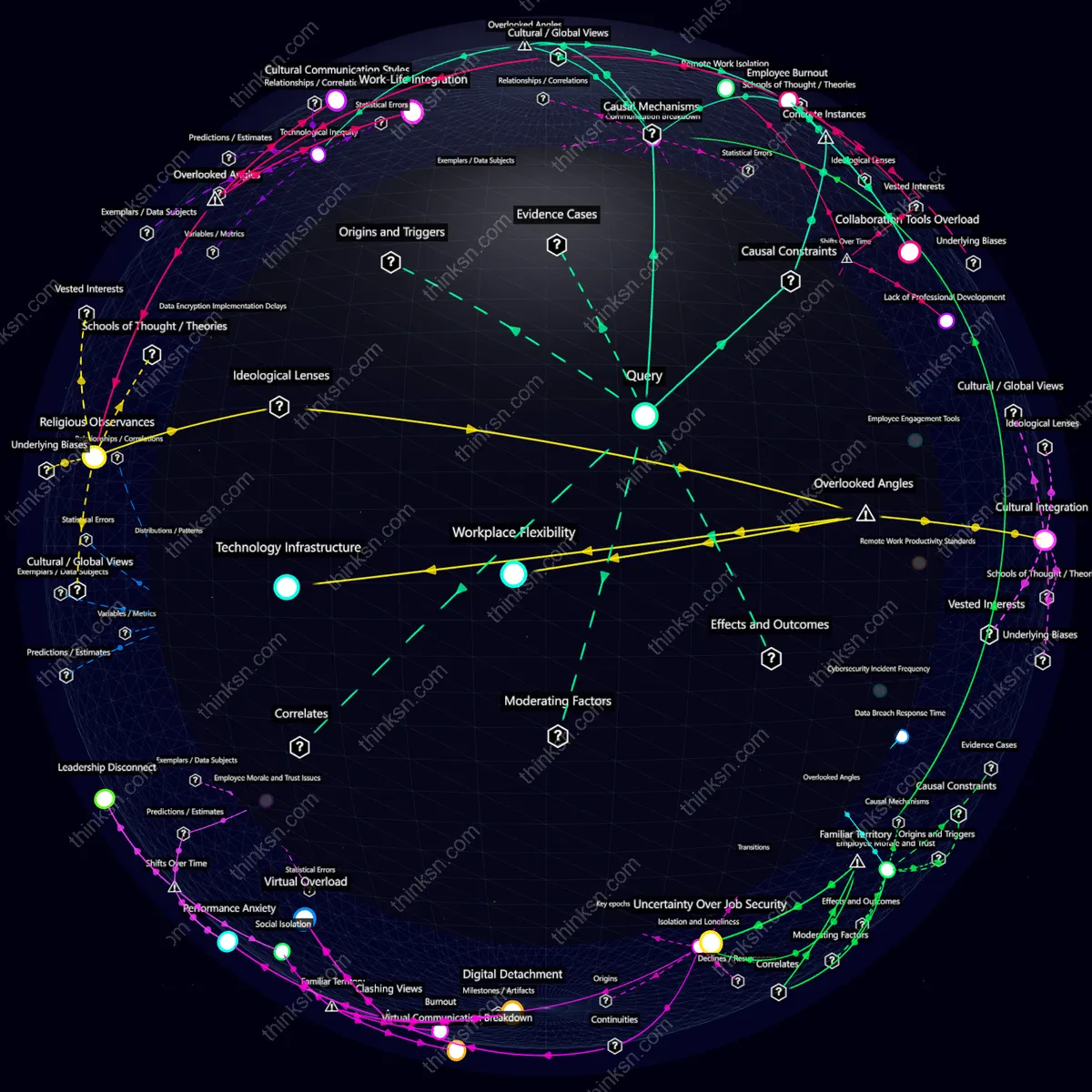
The Impact of Sudden Full Remote Operations on Internal Productivity
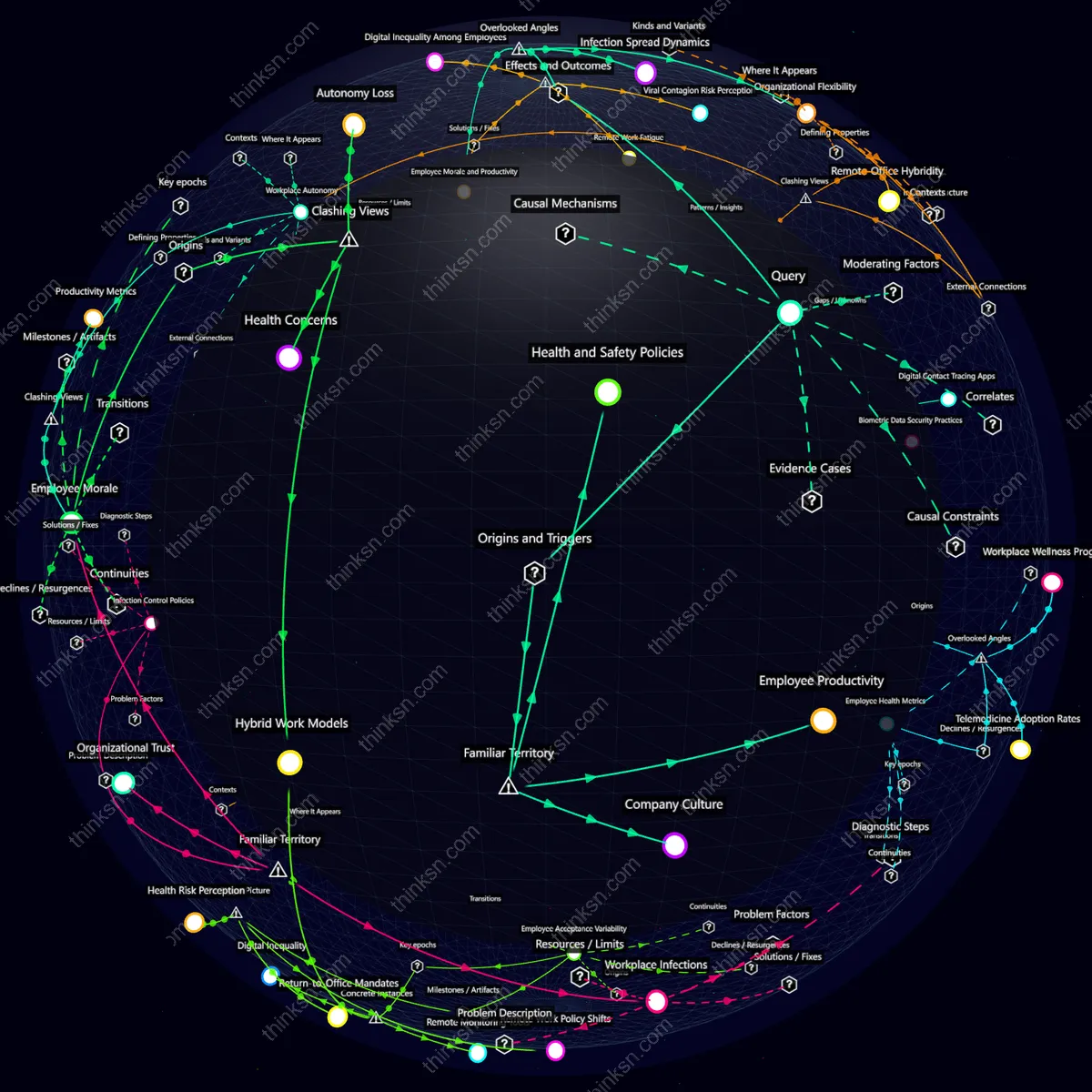
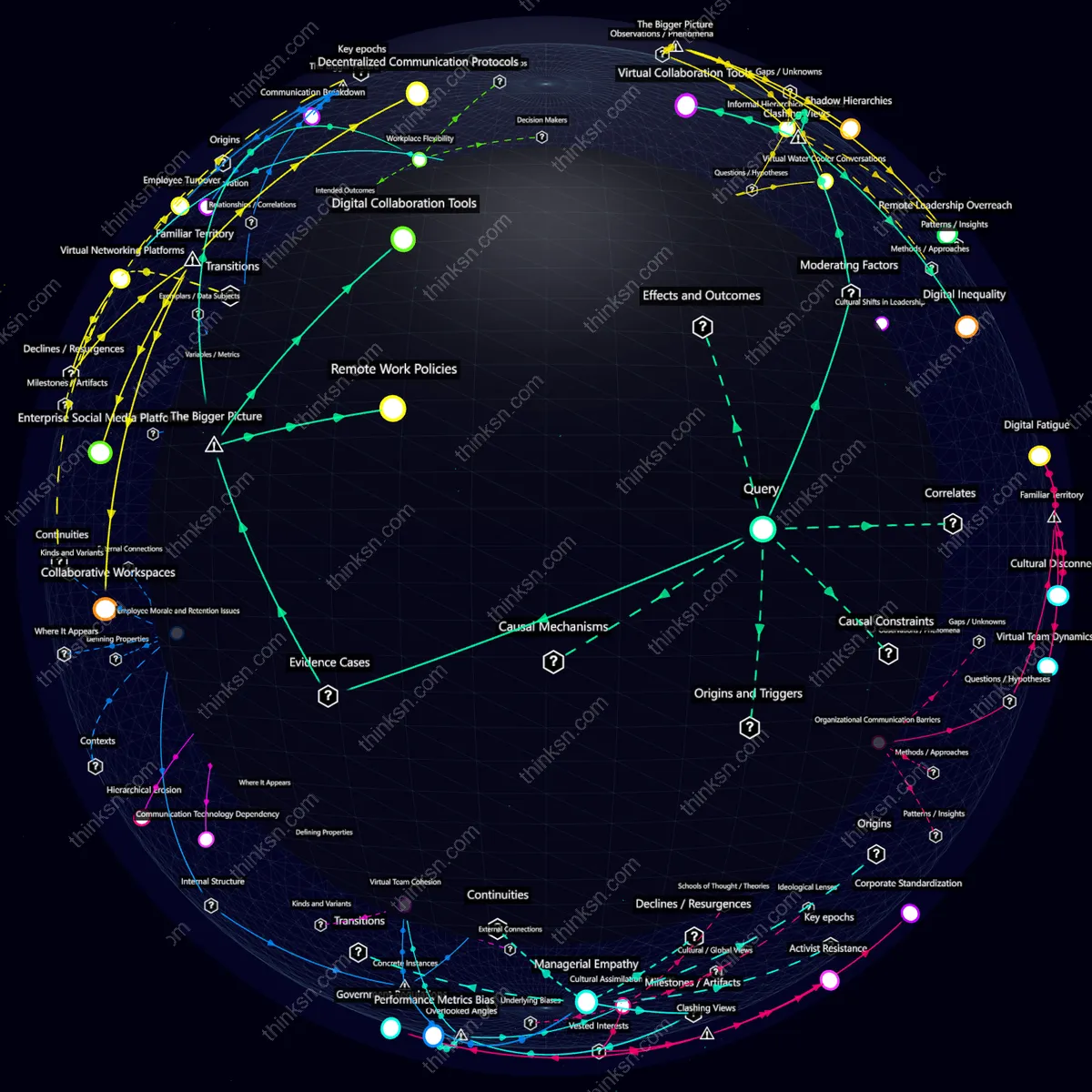
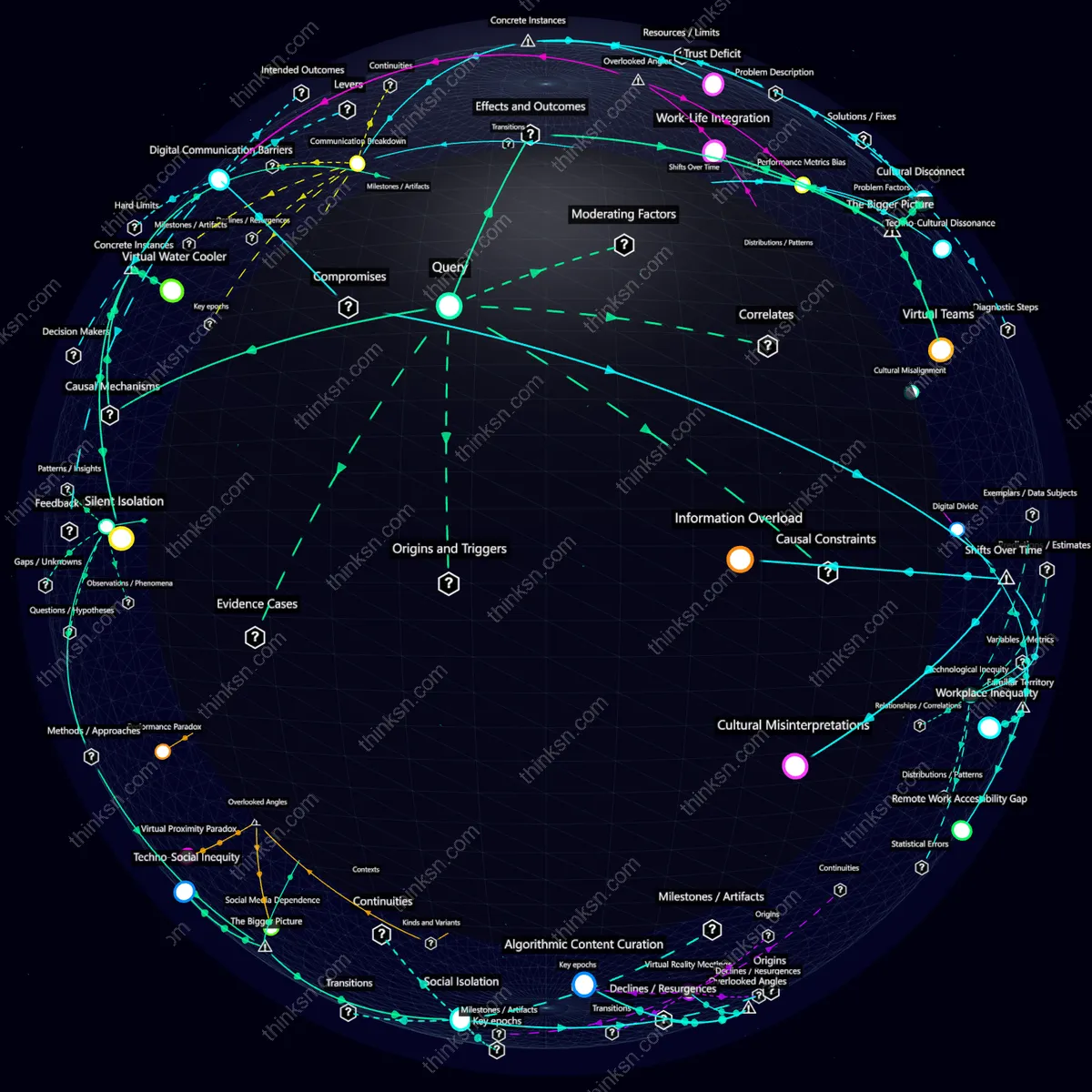
Analysis reveals 4 key thematic connections.
Key Findings
Communication Breakdown
An abrupt shift to remote work can lead to a significant communication breakdown, where employees struggle with the new digital tools and asynchronous nature of remote collaboration. This not only hampers productivity but also strains relationships and trust among team members, as misunderstandings and delays become more frequent.
Employee Burnout
Without proper planning for work-life balance in a fully remote setting, employees may experience increased stress from blurred boundaries between home and office life. This can lead to higher levels of burnout, impacting not only individual well-being but also long-term productivity and retention rates within the company.
Technological Inequity
A sudden transition to remote work without adequate technological infrastructure exposes disparities in employee access to necessary tools. This inequity can exacerbate existing social divides, causing some employees to fall behind or feel excluded from critical processes, thereby undermining overall team cohesion and efficiency.
Collaboration Tools Overload
Companies may find themselves overwhelmed by an abundance of collaboration tools without a coherent strategy. For example, Microsoft Teams, Slack, and Zoom might all be in use simultaneously but not integrated seamlessly, leading to inefficiencies as employees struggle with tool fatigue and multitasking.
Deeper Analysis
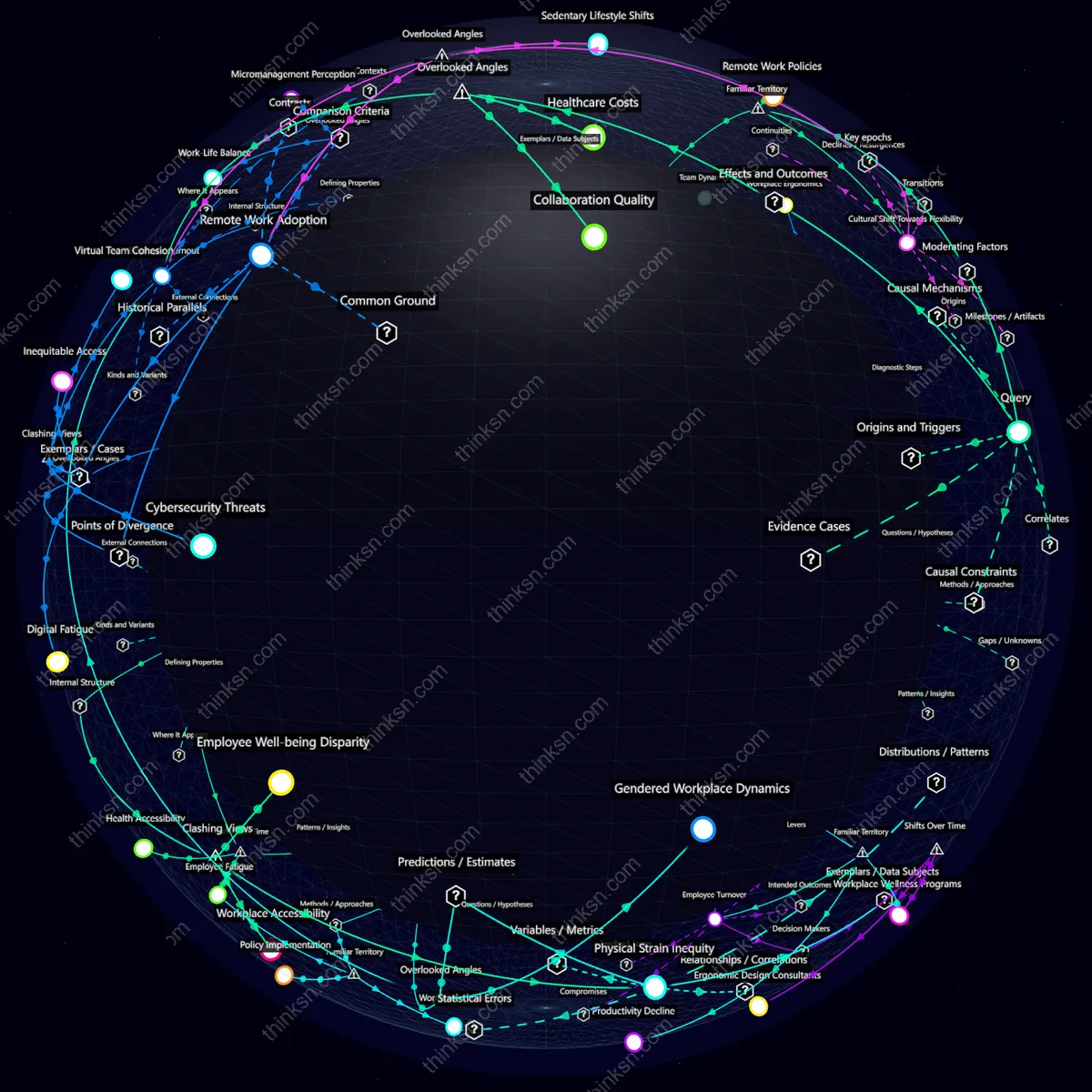
In what ways might abrupt full remote work arrangements without proper planning exacerbate employee burnout, and how could this affect company productivity from diverse perspectives?
Work-Life Integration
The shift to full remote work without proper planning often blurs the lines between professional responsibilities and personal life, leading to constant availability and reduced downtime. This integration can exacerbate burnout among employees who struggle with setting boundaries in a home office environment.
Cultural Communication Styles
Different cultures have varying norms for communication in the workplace, such as direct vs. indirect messaging styles. Abrupt remote work arrangements without cultural sensitivity training can lead to misunderstandings and increased stress among non-Western employees who may find it challenging to adapt to Western-oriented digital platforms and expectations.
Religious Observances
Employees from diverse religious backgrounds may face difficulties in balancing their faith practices with work demands in a suddenly remote environment, especially if companies lack awareness of global religious observance days. This oversight can lead to alienation and higher burnout rates among these employees.
Remote Work Isolation
The abrupt shift to full remote work without proper planning can intensify feelings of isolation among employees, leading to a heightened risk of burnout. As social interactions and informal support networks dwindle, the lack of clear boundaries between work and personal life further exacerbates this issue.
Performance Metrics Pressure
Companies may introduce stricter performance metrics in an attempt to monitor productivity during remote work arrangements. This pressure can create a toxic environment where employees feel constantly under scrutiny, leading to increased stress levels and burnout rates as the distinction between job performance and personal well-being blurs.
Lack of Professional Development
Without structured opportunities for professional growth and development in remote settings, employees may experience a stagnation of skills and career progression. This can lead to frustration, decreased motivation, and higher burnout rates as individuals feel undervalued or stuck in their roles without clear pathways for advancement.
In what ways might religious observances affect a company's productivity during an abrupt transition to full remote work without proper planning?
Workplace Flexibility
An abrupt shift to remote work can exacerbate the tension between religious observances and workplace demands. Employees may face pressure to choose between adhering to their faith's practices or meeting deadlines, leading to stress and decreased productivity. Companies lacking flexible policies might alienate employees who need time off for religious holidays or daily prayer.
Cultural Integration
Religious diversity in a remote workforce can highlight the lack of cultural integration within company practices. Without proper planning, religious observances may be overlooked, causing discomfort among employees and potentially leading to misunderstandings between colleagues from different backgrounds. This can erode trust and collaboration, affecting overall productivity and morale.
Technology Infrastructure
The necessity for robust technology infrastructure becomes paramount when accommodating diverse religious observances in remote work settings. Employees may require specific tools or platforms that support their religious practices, such as secure prayer rooms via video conferencing. Inadequate tech solutions can hinder participation and inclusion, leading to a sense of exclusion among employees.
How do performance metrics pressure evolve over time when a company transitions abruptly to full remote work without proper planning?
Remote Work Productivity Standards
As companies shift abruptly to full remote work without proper planning, the pressure to maintain pre-transition performance metrics can lead to unrealistic productivity standards. This often results in burnout among employees who struggle with balancing personal and professional life, highlighting a fragile dependency on traditional office environments for motivation.
Data Privacy Compliance
The sudden move to remote work amplifies the risks associated with data privacy compliance. Companies may rush to implement performance tracking tools that compromise employee data security, creating an unintended trade-off between maintaining productivity metrics and ensuring legal compliance.
Employee Engagement Tools
Inadequate planning for transitioning to remote work can lead companies to hastily deploy new engagement tools aimed at monitoring employee activity. These tools often fail to account for the nuances of virtual collaboration, leading to increased stress and a breakdown in genuine communication.
What are the measurable impacts on a company's data privacy compliance and productivity when abruptly transitioning to full remote work without proper planning?
Data Breach Incidents
The abrupt shift to remote work without proper data privacy planning often leads to a surge in data breach incidents. Companies struggle with insufficient training and inadequate security measures for home networks, exposing sensitive information to vulnerabilities that can compromise customer trust and legal compliance.
Employee Privacy Training Completion Rates
Without a structured approach to remote work, employee privacy training completion rates drop significantly, leaving a workforce ill-prepared to handle data securely. This gap in knowledge exacerbates risks such as phishing attacks, misconfigured cloud storage, and accidental data leaks.
Compliance Audit Failure Rates
Companies facing sudden remote work mandates often see an uptick in compliance audit failures due to inadequate preparation for secure digital environments. This fragility highlights the critical need for robust cybersecurity measures and proactive governance frameworks, underscoring the systemic challenges of rapid transitions.
Remote Work Policy Inconsistencies
Inconsistent remote work policies across departments can lead to fragmented data privacy practices, increasing the risk of non-compliance. For example, a finance department using strict encryption protocols contrasts with a marketing team relying on consumer-friendly but insecure file-sharing services, leading to potential breaches and regulatory penalties.
Employee Privacy Awareness Gap
The abrupt shift to remote work exposes employees' varying levels of data privacy awareness, often lacking in practical application. A case study from a tech firm revealed that 40% of new hires used personal email for sensitive company communications due to unfamiliarity with secure channels, highlighting the need for comprehensive training and oversight.
Data Encryption Implementation Delays
Delayed implementation of robust data encryption measures in remote settings can significantly undermine a company's compliance efforts. A retail giant experienced this issue when critical financial data was temporarily stored on unsecured local devices, leading to an audit failure and subsequent legal scrutiny.
Explore further:
- What is the probability and potential impact on a company's productivity if an abrupt transition to full remote work without proper planning leads to increased data breach incidents?
- What is the impact on a company's productivity when there are low completion rates for employee privacy training during an abrupt transition to full remote work without proper planning?
What is the impact on a company's productivity when there are low completion rates for employee privacy training during an abrupt transition to full remote work without proper planning?
Cybersecurity Incident Frequency
Low completion rates of privacy training during a sudden shift to remote work can lead to an increase in cybersecurity incidents as employees are less aware of phishing tactics and secure data handling practices, exposing the company to legal liabilities and reputational damage.
Employee Morale and Trust
A lack of proper training completion rates may erode trust between management and staff, especially if employees perceive a lack of support or guidance during an abrupt transition. This can lead to decreased morale, higher turnover rates, and increased absenteeism due to feelings of neglect.
Data Breach Response Time
Without adequate training, the response time for addressing data breaches is likely to be slower, as employees may not know how to report incidents or follow proper protocols. This delay can exacerbate the impact of a breach, leading to more severe consequences such as financial loss and regulatory fines.
Data Breach Incidents
Low completion rates of employee privacy training during a hasty shift to remote work increase the likelihood of data breaches as employees unknowingly expose sensitive information, risking legal penalties and damage to company reputation.
Remote Work Policy Gaps
Neglecting comprehensive privacy training leads to gaps in remote work policies, allowing vulnerabilities such as unauthorized access or misuse of confidential materials, highlighting the need for robust IT governance frameworks.
Employee Morale and Trust Issues
Failure to adequately train employees on privacy practices during a sudden transition erodes trust between management and staff, leading to decreased morale and higher turnover rates as workers feel their concerns are being ignored.
Explore further:
- How does employee morale and trust evolve over time when a company transitions abruptly to full remote work without proper planning, and what are the causal mechanisms at play?
- What are the measurable impacts on employee morale and trust issues when a company transitions abruptly to full remote work without proper planning, and how do these factors affect productivity?
How does employee morale and trust evolve over time when a company transitions abruptly to full remote work without proper planning, and what are the causal mechanisms at play?
Isolation and Loneliness
As employees transition abruptly to full remote work without proper planning, the lack of face-to-face interaction can exacerbate feelings of isolation and loneliness, leading to a decline in morale and trust. Managers who overlook this risk may inadvertently create an environment where virtual interactions feel superficial and impersonal, further deepening individual's sense of detachment from their team.
Communication Breakdown
When companies abruptly shift to remote work without adequate communication strategies in place, the resulting breakdown can erode trust between employees and management. This is exacerbated when critical decisions are made with limited input or transparency, leading to a perception that leadership is out of touch or unwilling to listen, which significantly undermines morale.
Uncertainty Over Job Security
The sudden shift to remote work without clear guidance can heighten employees' anxiety about job security and company stability. This uncertainty breeds mistrust as individuals speculate about potential layoffs or restructuring, undermining morale by fostering a climate of fear and insecurity.
Explore further:
- How do isolation and loneliness evolve over time in a workforce that has abruptly shifted to full remote work without proper planning, and what are the mechanisms leading to decreases or increases in productivity as a result?
- What are the measurable impacts on a company's productivity when communication breaks down during an abrupt transition to full remote work without proper planning?
What are the measurable impacts on employee morale and trust issues when a company transitions abruptly to full remote work without proper planning, and how do these factors affect productivity?
Social Isolation
Abrupt remote work transitions exacerbate social isolation among employees, diminishing informal communication channels that foster trust and camaraderie. Without proper planning to simulate in-person interactions, such as virtual coffee breaks or team-building activities, morale plummets due to a lack of human connection.
Performance Anxiety
The sudden shift to remote work heightens performance anxiety among employees who fear their productivity will be scrutinized without the usual office oversight. This anxiety can lead to burnout and reduced creativity, as individuals focus more on meeting rigid metrics than engaging in innovative problem-solving.
Leadership Disconnect
Remote work transitions often strain leadership's ability to stay attuned with employees' needs, leading to a disconnect that erodes trust. Managers who fail to provide clear guidance and emotional support face resistance from teams struggling to adapt to new routines, hindering overall productivity.
How do isolation and loneliness evolve over time in a workforce that has abruptly shifted to full remote work without proper planning, and what are the mechanisms leading to decreases or increases in productivity as a result?
Digital Detachment
As remote workers rely increasingly on digital communication tools, they may experience a sense of detachment from their colleagues. This digital isolation can lead to decreased empathy and understanding, eroding social bonds that are critical for team cohesion and productivity.
Virtual Overload
Remote work mandates often result in an overabundance of virtual meetings and digital communications, overwhelming employees with constant screen time. This overload can exacerbate feelings of isolation by creating a sense of being perpetually 'on', leading to burnout and reduced engagement.
Performance Anxiety
Isolation in remote work environments can trigger performance anxiety as employees fear their productivity is being monitored constantly via digital tools. This heightened self-awareness can lead to stress, decreased creativity, and a focus on superficial metrics over meaningful work outcomes.
Burnout
As the sudden shift to full remote work deepens feelings of isolation and loneliness among employees, many begin experiencing burnout due to blurred boundaries between home and office life. This exacerbates mental health issues, leading to decreased productivity, higher turnover rates, and a significant strain on HR departments tasked with managing employee well-being.
Social Isolation
The abrupt transition to remote work leads to social isolation, as employees miss out on the informal interactions that foster camaraderie and support. This can result in decreased collaboration and innovation, as ideas are less likely to be exchanged freely among team members who no longer share a physical workspace.
Virtual Communication Breakdown
Increased reliance on virtual communication tools during remote work periods often leads to a breakdown in effective communication. Misunderstandings and delays can arise, causing frustration and further isolating employees, especially those less adept at using digital platforms for complex interactions.