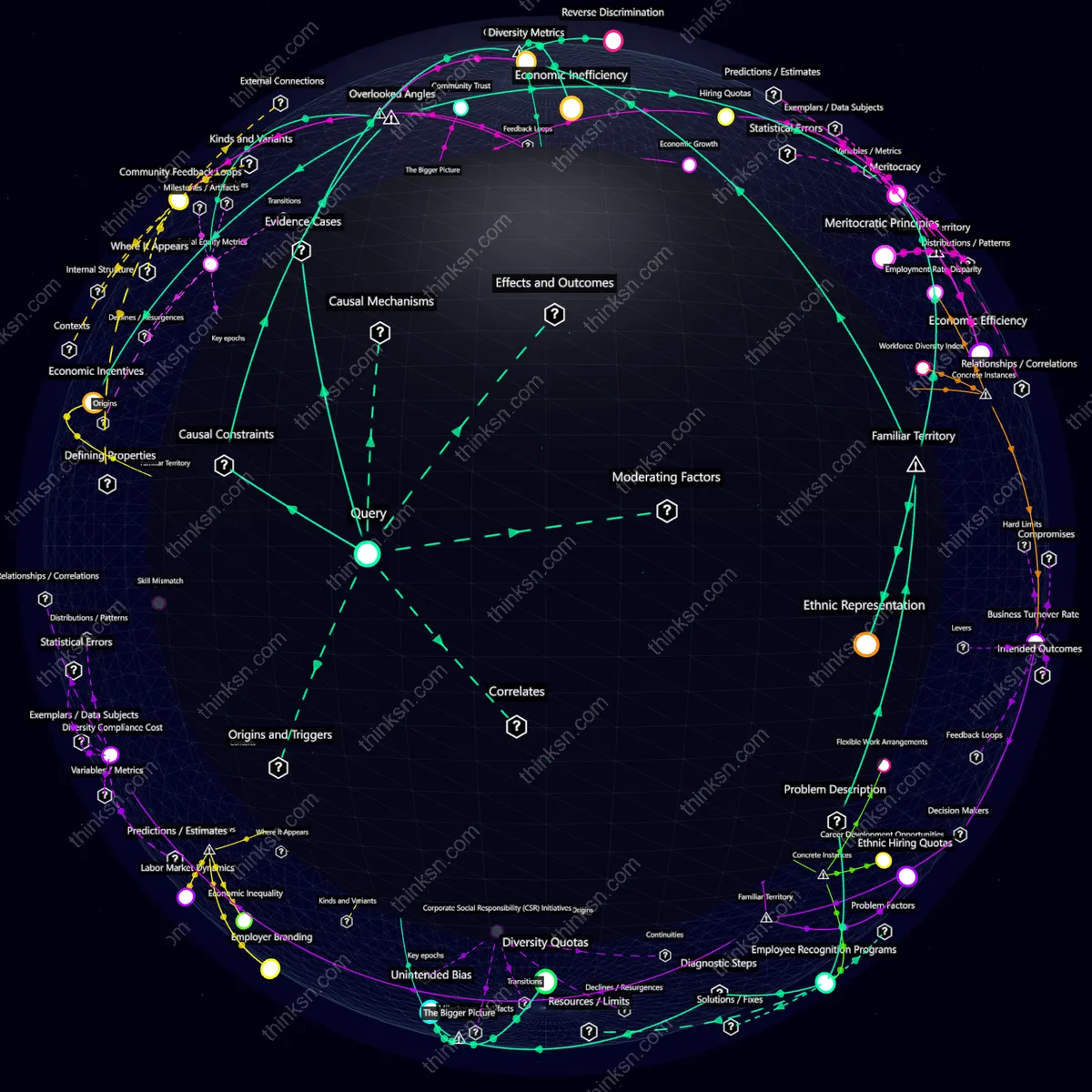
Workplace Wellness Fails Job Insecurity Stress Test
Analysis reveals 5 key thematic connections.
Key Findings
Employee Burnout
Workplace wellness programs often fail to address systemic issues like job insecurity, leading employees to experience chronic stress and burnout. This not only diminishes individual well-being but also creates a cycle of turnover and recruitment that strains HR resources.
Corporate Profit Prioritization
As companies prioritize short-term profits over long-term employee health, wellness programs may become superficial initiatives without real impact on systemic issues. This can lead to increased absenteeism and presenteeism, paradoxically harming productivity despite the company's intent to improve it.
Regulatory Compliance
The failure of workplace wellness programs to tackle systemic job insecurity often results in regulatory compliance becoming a mere formality. This can weaken the cultural significance of these initiatives, making employees skeptical and less likely to engage with them meaningfully.
Job Insecurity
Persistent job insecurity undermines the effectiveness of workplace wellness programs by shifting employees' focus from health to survival. This creates a cycle where stress management initiatives are seen as less urgent than financial stability, exacerbating chronic stress even when resources are available.
Microeconomic Pressures
In smaller or financially strained companies, microeconomic pressures can divert resources away from comprehensive wellness programs towards more immediate financial concerns. This shift often leaves employees feeling unsupported in their health and well-being efforts, deepening chronic stress due to a lack of holistic support systems.
Deeper Analysis
What strategies can companies formulate to prioritize addressing systemic issues like job insecurity in workplace wellness programs, thereby reducing chronic stress while balancing corporate profit goals?
Employee Engagement Programs
As companies prioritize profit over systemic issues like job insecurity, employee engagement programs often become superficial initiatives rather than genuine efforts to improve workplace wellness. This can lead to increased cynicism among employees who see these programs as mere PR stunts without real commitment to addressing their concerns.
Return on Investment (ROI) Calculations
The exclusive focus on ROI calculations for workplace initiatives often neglects long-term benefits and the intangible value of employee satisfaction. This narrow perspective can result in delayed recognition of how investing in mental health support actually reduces costs associated with high turnover and low productivity.
Regulatory Compliance
While companies may comply minimally with existing labor laws to avoid legal repercussions, prioritizing profit over systemic workplace issues often leads to a bare-minimum approach. This can exacerbate underlying problems such as job insecurity and chronic stress, ultimately harming both employees and the long-term health of the company.
What are the emerging insights and hidden assumptions about how microeconomic pressures, such as job insecurity, contribute to chronic stress in employees despite workplace wellness programs?
Workplace Flexibility
As job insecurity increases due to microeconomic pressures, employers often introduce flexible work arrangements as a cost-saving measure. However, this flexibility can paradoxically increase stress among employees who feel pressured to prove their indispensability and constantly manage boundary-less work expectations.
Economic Inequality
Microeconomic pressures exacerbate economic inequality by disproportionately affecting lower-income workers, leading to chronic stress as they struggle with financial instability despite workplace wellness programs. This widening gap can erode social cohesion within communities and undermine the effectiveness of corporate health initiatives aimed at all employees.
Healthcare Accessibility
In regions where microeconomic pressures are high, inadequate healthcare accessibility becomes a critical issue for workers facing chronic stress due to job insecurity. Even with workplace wellness programs, individuals often lack access to comprehensive mental and physical health services outside of work hours, highlighting the systemic fragility in addressing employee well-being.
In what ways do employee engagement programs potentially overlook systemic job insecurity issues, and how might this oversight contribute to chronic stress among employees despite their implementation?
Corporate Wellness Initiatives
Wellness programs often focus on individual stress management through activities like meditation and fitness classes. However, these initiatives can inadvertently divert attention from systemic job insecurity issues such as layoffs or restructuring, leading employees to feel that their well-being is an individual responsibility rather than a company obligation.
Employee Recognition Programs
Recognition programs may boost morale temporarily but often overlook the broader context of precarious employment conditions. Employees might receive accolades for short-term achievements while facing long-term uncertainty, potentially increasing stress as they feel caught between celebrating personal success and worrying about job security.
Performance Incentive Schemes
Incentives tied to performance metrics can create a high-pressure environment where employees prioritize hitting targets over their mental health. Such schemes may mask underlying issues by rewarding short-term productivity while ignoring systemic risks like unstable workloads and unpredictable job futures.
Job Insecurity
Employee engagement programs often overlook the pervasive issue of job insecurity, leading employees to feel their efforts are futile despite visible initiatives. This oversight can foster a sense of vulnerability and instability, contributing to chronic stress.
Organizational Transparency
A lack of transparency in company policies and decision-making processes undermines the effectiveness of employee engagement programs by breeding mistrust and skepticism among workers about the sincerity of these initiatives. This can exacerbate feelings of job insecurity even when engagement activities are robust.
Work-Life Balance
While employee engagement programs may offer perks like wellness workshops, they frequently fail to address systemic issues such as overwork and poor work-life balance, which directly contribute to chronic stress. The disconnect between program offerings and actual workplace conditions can lead employees to feel increasingly overwhelmed despite superficial support.
Explore further:
- What is the relationship between employee recognition programs and chronic stress levels in employees who face job insecurity due to systemic issues within workplace wellness initiatives?
- What is the impact of workplace wellness programs' failure to address systemic issues like job insecurity on employees' work-life balance and chronic stress levels?
What is the relationship between employee recognition programs and chronic stress levels in employees who face job insecurity due to systemic issues within workplace wellness initiatives?
Organizational Resilience
Employee recognition programs can paradoxically highlight disparities in job security among employees, increasing chronic stress for those facing systemic workplace wellness issues. This can undermine organizational resilience by creating a divisive environment where perceived favoritism and insecurity erode trust.
Wellness Program Integration
The effectiveness of employee recognition programs heavily relies on the seamless integration with existing wellness initiatives. Insecure employees may perceive these programs as superficial fixes, exacerbating their stress if they feel that underlying issues are being ignored. This disconnect can lead to increased absenteeism and decreased productivity.
Psychological Contract Breach
Recognition programs often imply a positive psychological contract between employer and employee, promising fairness and appreciation. However, when systemic issues undermine job security, these implicit promises are breached, leading employees to feel exploited or undervalued, which can dramatically increase stress levels and lead to chronic mental health problems.
Job Insecurity
Employee Recognition Programs can mitigate job insecurity by enhancing employees' sense of value and stability. However, if these programs are perceived as superficial or inconsistent with actual workplace conditions, they may exacerbate stress among insecure workers who feel their efforts go unnoticed.
Systemic Workplace Issues
When Employee Recognition Programs fail to address underlying systemic issues such as poor management practices or lack of resources, they can create a false sense of well-being. This disconnect can lead employees to overlook critical problems, delaying necessary reforms and potentially worsening job insecurity.
Chronic Stress
While Employee Recognition Programs aim to boost morale, their failure to tackle systemic issues can result in chronic stress among employees facing persistent job insecurity. Over time, this stress may undermine the effectiveness of recognition efforts, creating a vicious cycle that is hard to break without addressing root causes.
Explore further:
What are some emerging insights and hidden assumptions about how job insecurity contributes to chronic stress in employees despite workplace wellness programs?
Social Comparison
Employees facing job insecurity frequently engage in social comparison with their more secure colleagues, exacerbating feelings of inadequacy and stress. This dynamic can erode workplace morale and collaboration as individuals focus on perceived inequalities rather than collective success.
Cognitive Load
Job insecurity imposes a significant cognitive load on employees, who must constantly monitor job market trends and prepare for potential layoffs. This mental burden often leads to reduced productivity and increased anxiety, undermining the effectiveness of workplace wellness programs designed to alleviate stress.
Psychological Contract Breach
Perceived breaches in the psychological contract between employees and employers, due to job insecurity, can lead to a decline in trust and loyalty. This erosion weakens organizational culture and resilience, making it harder for wellness initiatives to address underlying stressors effectively.
Explore further:
- In what ways do employees engage in social comparison within workplace wellness programs, and how does this behavior exacerbate chronic stress due to systemic issues like job insecurity?
- What is the quantitative impact of psychological contract breaches on chronic stress levels among employees due to unaddressed systemic issues in workplace wellness programs?
What are the systemic workplace issues that contribute to chronic stress and how do they relate to the effectiveness of wellness programs?
Burnout Syndrome
In tech firms, relentless pressure to meet quarterly targets fuels burnout syndrome. While wellness programs offer short-term relief, the systemic need for sustainable work-life balance remains unaddressed, perpetuating a cycle of chronic stress and high turnover.
Micromanagement Culture
In manufacturing plants, micromanagement culture stifles initiative and creativity. Employees feel constantly monitored, leading to anxiety and disengagement. Wellness programs may ease symptoms but fail to combat the root cause of distrust and lack of autonomy.
Hierarchical Decision-Making
In financial institutions, hierarchical decision-making leaves junior staff with little say in critical decisions, fostering a sense of powerlessness and stress. While wellness initiatives might improve morale temporarily, systemic reform is needed to empower all levels and reduce chronic workplace strain.
In what ways do employees engage in social comparison within workplace wellness programs, and how does this behavior exacerbate chronic stress due to systemic issues like job insecurity?
Status Anxiety
Employees engaging in social comparison within workplace wellness programs often experience heightened status anxiety, as they compare their physical and mental health outcomes with those of their peers. This pressure to outperform others can exacerbate chronic stress by fostering a competitive environment where success is equated with superior health metrics.
Health Shaming
The practice of social comparison in workplace wellness initiatives can lead to the normalization of health shaming, where employees are subtly or overtly judged for their perceived lack of commitment to health and well-being. This behavior undermines trust and camaraderie among colleagues, increasing feelings of isolation and stress.
Inequitable Access
Social comparison within wellness programs often highlights disparities in access to resources such as healthy food options or gym memberships due to income inequality. These differences can be exacerbated by systemic issues like job insecurity, leading employees to feel stressed not only about their personal well-being but also about the unfairness of their working conditions.
What is the quantitative impact of psychological contract breaches on chronic stress levels among employees due to unaddressed systemic issues in workplace wellness programs?
Employee Burnout
When the psychological contract is breached due to systemic workplace issues, employees experience escalating stress leading to burnout. This can result in decreased productivity and increased absenteeism as workers struggle with both physical and mental health challenges.
Wellness Program Ineffectiveness
Unaddressed breaches of the psychological contract render wellness programs ineffective by failing to address core issues that employees face daily. This leads to a disconnect between company initiatives and employee needs, undermining trust and morale.
Organizational Trust Erosion
Psychological contract breaches accelerate the erosion of organizational trust, creating a fragile dependency on superficial communication strategies over meaningful engagement. As systemic issues persist, employees become cynical and disengaged, impacting both individual performance and collective cohesion.
What strategies can organizations implement to rebuild trust and address systemic issues like job insecurity, thereby reducing chronic stress in employees who feel let down by ineffective wellness programs?
Leadership Transparency
Transparent communication from leadership about company decisions can mitigate trust erosion by addressing employee concerns directly. However, overcommunication without concrete action can backfire, increasing skepticism and further eroding trust.
Employee Empowerment Programs
Initiatives that empower employees to take control of their work environment, such as participatory decision-making processes, can rebuild trust. Yet, if these programs are perceived as superficial or insincere, they may deepen distrust and resentment.
Work-Life Balance Initiatives
Organizations implementing flexible working hours and remote options aim to reduce chronic stress but must balance this with productivity demands. Mismanagement can lead to employee burnout due to blurred boundaries between work and personal life, exacerbating trust issues.
Employee Disengagement
High levels of employee disengagement due to organizational trust erosion can lead to a vicious cycle where reduced productivity and morale further undermine management's ability to address systemic issues, thereby deepening job insecurity and stress among employees who feel let down by ineffective wellness programs.
Leadership Incoherence
Incoherent leadership exacerbates organizational trust erosion as inconsistent messaging and lack of clear direction create an environment where employees question the organization's commitment to their well-being, leading to a breakdown in communication and increased skepticism about future initiatives aimed at improving workplace conditions.
Market Reputation Damage
A damaged market reputation due to organizational trust erosion can isolate an organization from potential partnerships or investments, limiting its ability to implement long-term solutions that address systemic issues like job insecurity. This isolation further strains the company's capacity to invest in employee wellness programs, perpetuating a cycle of chronic stress and disengagement.