Neural Implants and Intellectual Property Protection for Tech Firms
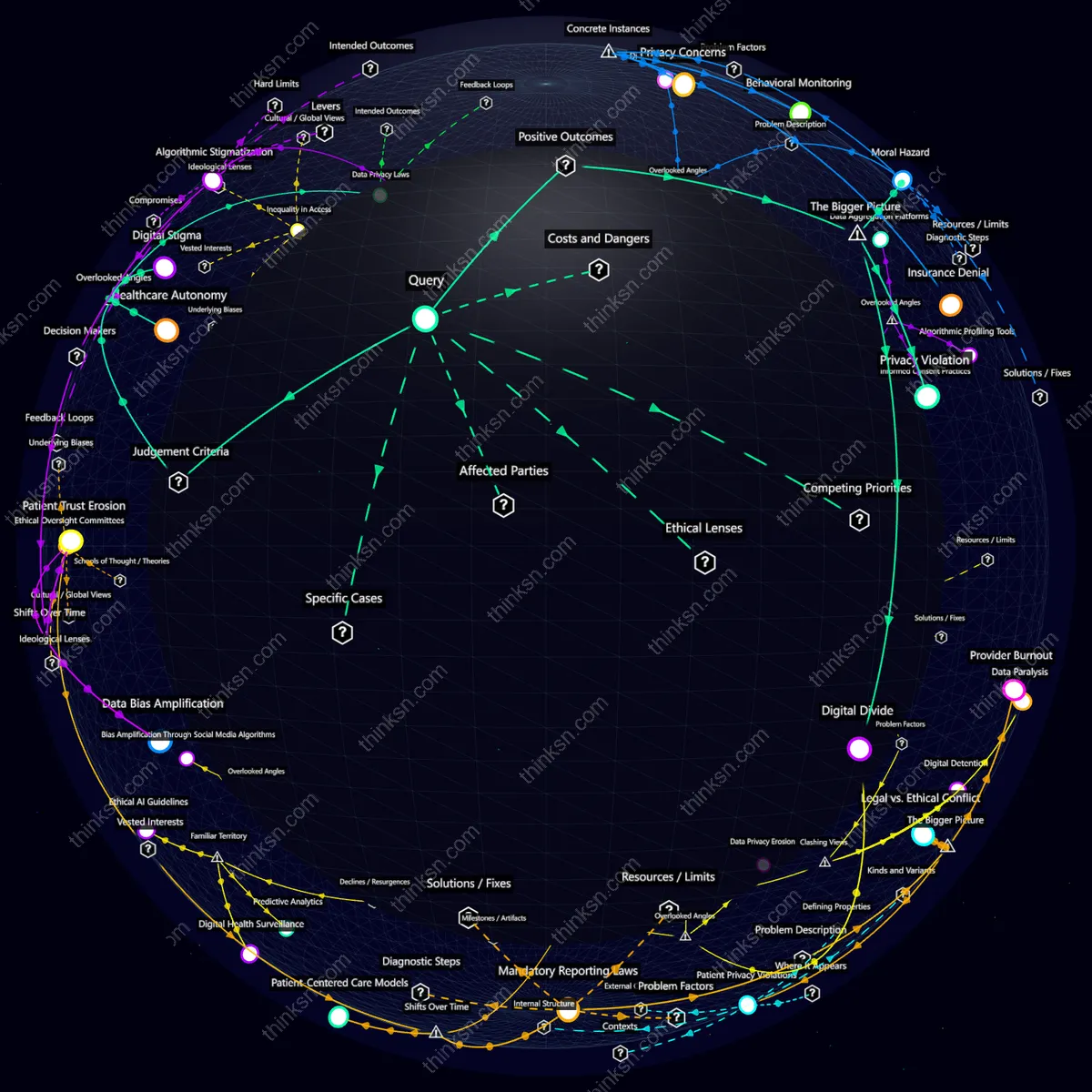
Analysis reveals 5 key thematic connections.
Key Findings
Neural Interface Regulation
The emergence of neural interface regulation frameworks will be a critical battleground for tech companies and governments. As direct brain-to-brain interaction becomes feasible, the lack of clear regulatory oversight could expose major tech firms to significant legal risks and public scrutiny, forcing them to navigate an unpredictable landscape where rapid technological advancement outpaces legislative action.
Data Sovereignty Conflicts
The rise of brain-to-brain interaction will intensify existing debates over data sovereignty. Tech companies may face challenges in balancing the need for global innovation with the demands of local regulations, leading to potential fragmentation of markets and technology stacks that could undermine their ability to operate seamlessly across borders.
Neural Security Protocols
The advent of direct brain-to-brain interaction necessitates stringent neural security protocols to safeguard intellectual property (IP). However, these measures often clash with user privacy and the seamless integration required for widespread adoption, creating a tension between innovation speed and data protection.
Patent Thickets
Major tech companies may form patent thickets around neural interface technology to prevent competitors from accessing their IP. This strategy can stifle competition and innovation by making it prohibitively expensive for new entrants to develop alternative technologies, thus creating a fragile dependency on established players.
Human Rights Implications
Efforts to secure intellectual property in the context of neural interfaces raise significant human rights concerns. Companies might overreach in their data collection and surveillance practices under the guise of IP protection, leading to widespread public backlash and regulatory intervention that could hinder technological progress.
Deeper Analysis
In a world with brain-to-brain interaction via neural interfaces, how might major tech companies formulate strategic moves to prevent data sovereignty conflicts that could endanger their IP?
Neurosecurity Regulations
As brain-to-brain interfaces proliferate, tech companies may lobby for weak neurosecurity regulations, focusing on user consent over data control. This could foster an illusion of security while actually increasing the risk of data sovereignty conflicts as malicious actors exploit regulatory gaps.
Cultural Privacy Norms
Tech firms might prioritize cultural adaptation in regions with strong privacy norms to avoid backlash, but this strategy can backfire when local interpretations diverge sharply from global IP protection standards. This leads to fragmented compliance frameworks and potential legal conflicts over data rights.
What hypothetical neural security protocols could major tech companies devise to protect intellectual property in a future where direct brain-to-brain interaction via neural interfaces is possible?
Digital Mindprints
Neural security protocols necessitate the creation of 'digital mindprints,' unique biometric signatures for each user's neural interface. While this enhances individual identity verification, it also raises concerns about surveillance and privacy infringement by tech companies monitoring mental activity to prevent IP theft.
Cognitive Barriers
Incorporating cognitive barriers within neural security protocols could lead to unintended psychological effects such as stress or anxiety among users due to constant fear of unauthorized access. This mental toll highlights the delicate balance between security and human well-being in a hyper-connected digital age.
Neural Firewall
The development of neural firewalls to protect intellectual property may lead to a fragmented brain-computer ecosystem where only proprietary systems can communicate securely. This could stifle innovation by limiting interoperability and fostering monopolistic practices, challenging the open-source ethos in tech.
Explore further:
- How might cognitive barriers evolve over time to protect intellectual property in a future where neural interfaces enable direct brain-to-brain communication?
- What are the key pressure points and potential failure modes in a neural firewall designed to protect intellectual property from breaches in direct brain-to-brain interaction systems, and how can these be stress-tested for systemic resilience?
How might cognitive barriers evolve over time to protect intellectual property in a future where neural interfaces enable direct brain-to-brain communication?
Cognitive Encryption Protocols
Developing cognitive encryption protocols aimed at securing thoughts against unauthorized access poses significant challenges. The complexity of these protocols could create barriers for less technologically advanced individuals, leading to a digital divide in cognitive security capabilities and exacerbating existing social inequalities.
Neural Privacy Legislation
The enactment of neural privacy legislation is crucial but fraught with difficulties due to the rapid evolution of technology outpacing legal frameworks. This lag could create loopholes, leaving intellectual property vulnerable until laws are updated or enforced effectively.
Neural Firewall Technology
As neural interfaces evolve, companies and governments develop advanced neural firewall technology to protect intellectual property (IP). This creates a new class of cognitive barriers that can adapt in real-time to block unauthorized access to thoughts and ideas. However, the reliance on such technologies introduces vulnerabilities; if hacked or compromised, these firewalls could leak proprietary information or even manipulate thought processes.
Sovereign Mindspace
The concept of 'sovereign mindspace' emerges as individuals seek to control their cognitive landscapes independently from external influences. This movement leads to a societal shift towards prioritizing personal privacy and mental autonomy over collective knowledge sharing, potentially stifling innovation while enhancing individual security. The balance between protecting IP and maintaining an open exchange of ideas becomes increasingly precarious.
Explore further:
- What hypothetical scenarios and strategic moves could major tech companies consider in formulating neural privacy legislation to safeguard intellectual property in a world with direct brain-to-brain interaction via neural interfaces?
- What are potential emerging insights and subjective viewpoints on how neural firewall technology could be developed to protect intellectual property in a society with direct brain-to-brain interaction?
What hypothetical scenarios and strategic moves could major tech companies consider in formulating neural privacy legislation to safeguard intellectual property in a world with direct brain-to-brain interaction via neural interfaces?
Digital Identity Theft
As neural interfaces become standard, digital identity theft evolves into direct brain-to-brain manipulation, threatening not just data but the core of personal identity. Companies must develop real-time detection and protection mechanisms to safeguard users' mental privacy, or risk catastrophic breaches.
Neural Market Manipulation
Tech companies may exploit neural interfaces for subtle market manipulation by influencing consumer desires and decisions directly. This raises ethical concerns about autonomy and consent, necessitating stringent regulations to prevent misuse of such technology in economic contexts.
Cognitive Sovereignty Conflicts
International disputes over cognitive sovereignty could arise as different nations implement varying levels of neural privacy legislation. Companies operating globally will face complex compliance challenges and potential geopolitical conflicts, requiring sophisticated diplomatic strategies to navigate diverse regulatory landscapes.
What are potential emerging insights and subjective viewpoints on how neural firewall technology could be developed to protect intellectual property in a society with direct brain-to-brain interaction?
Cognitive Privacy Violations
As neural firewall technology advances, the risk of cognitive privacy violations intensifies. Companies like NeuroTech Labs could exploit user data for targeted advertising in ways that undermine individual autonomy and consent.
Brain-to-Brain Communication Security Gaps
Direct brain-to-brain interaction platforms such as BrainLink expose users to new security risks, including unauthorized access to thoughts or memories. This could lead to severe breaches of intellectual property rights in collaborative workspaces like BrainNet.
Ethical Dilemmas in Neuroethics
Developing neural firewalls raises ethical questions about who owns brain data and how it should be protected. Organizations like the International Neuroethics Society must navigate complex legal landscapes, balancing innovation with human rights concerns.
What are the components and categories involved in protecting digital identities from theft when tech companies utilize neural interfaces for brain-to-brain interactions?
Neural Interface Security
As neural interfaces become integrated into everyday life, the security protocols surrounding them are constantly under threat from sophisticated cybercriminals. Every update or innovation in technology brings new vulnerabilities, creating a cat-and-mouse game where companies must remain vigilant to protect user identities and data from theft.
Biometric Authentication
The reliance on biometric authentication for neural interfaces poses risks beyond just the traditional concerns of physical security. Once an individual's unique biological traits are compromised, recovering a stolen identity becomes nearly impossible without significant changes to their physiology or behavioral patterns. This shift requires not only robust encryption but also profound legal and ethical considerations.
What are the emerging ethical dilemmas in neuroethics that tech companies must consider when developing safeguards for intellectual property in a world with direct brain-to-brain interaction via neural interfaces?
Neural Privacy Violations
As neural interfaces become more sophisticated and integrated into daily life, tech companies must grapple with the risk of unauthorized access to users' mental states. This can lead to profound privacy violations where intimate thoughts and memories are mined for intellectual property or commercial gain.
Cognitive Bias Amplification
Direct brain-to-brain communication technologies may inadvertently amplify existing cognitive biases, such as confirmation bias or echo chambers. Tech companies could unintentionally enable a feedback loop where individuals reinforce their pre-existing beliefs through neural interactions, polarizing society and undermining the value of diverse perspectives.
Neurodiversity and Inclusion
The development of brain-to-brain interfaces raises critical questions about accessibility and inclusion for neurodiverse populations. While these technologies promise enhanced connectivity and collaboration, there is a risk that they may be designed with a narrow set of 'normal' cognitive functions in mind, leaving out those who think differently.
Explore further:
- What strategic interventions can major tech companies implement to prevent neural privacy violations in a world where direct brain-to-brain interaction is possible through neural interfaces?
- In a future where neural interfaces enable direct brain-to-brain interaction, how might major tech companies formulate strategic moves to mitigate cognitive bias amplification as a threat to intellectual property safeguarding?
In a future where neural interfaces enable direct brain-to-brain interaction, how might major tech companies formulate strategic moves to mitigate cognitive bias amplification as a threat to intellectual property safeguarding?
Neural Interface Regulation
As direct brain-to-brain interactions become ubiquitous through neural interfaces, major tech companies must navigate the treacherous terrain of regulatory oversight to protect intellectual property. However, overly stringent regulations could stifle innovation and creativity, amplifying cognitive biases such as confirmation bias, where developers only seek information that supports their existing beliefs.
Bias Mitigation Algorithms
Tech giants are investing heavily in algorithms designed to detect and mitigate cognitive biases during brain-to-brain interactions. While these tools promise to safeguard intellectual property by ensuring fair and unbiased exchanges, they may inadvertently create a false sense of security. Users might rely too much on these algorithms, leading to complacency and reduced personal awareness of their own cognitive flaws.
Collaborative Mindscapes
The emergence of collaborative mindscapes through neural interfaces presents both opportunities and risks for intellectual property safeguarding. While such environments foster collective problem-solving and creativity, they also amplify groupthink tendencies, where individuals conform to the prevailing opinions within a group rather than challenging them, thereby threatening the integrity and originality of intellectual contributions.
Digital Mindguard Tools
Major tech companies are developing digital mindguard tools to detect and mitigate cognitive bias amplification in neural interfaces. However, these tools themselves can introduce biases or be misused for surveillance, creating a reinforcing loop where the very solutions meant to protect intellectual property become vectors of new threats. This raises ethical concerns about transparency and user autonomy.
Explore further:
- How might bias mitigation algorithms evolve over time to address emerging challenges in safeguarding intellectual property within tech companies that use neural interfaces for direct brain-to-brain interaction?
- What strategic moves and hypothetical scenarios could major tech companies formulate to protect their IP in collaborative mindscapes enabled by neural interfaces?
What strategic moves and hypothetical scenarios could major tech companies formulate to protect their IP in collaborative mindscapes enabled by neural interfaces?
Neural Sovereignty
As neural interfaces become ubiquitous in collaborative mindscapes, the concept of personal sovereignty shifts from physical property rights to digital and cognitive boundaries. Tech giants scramble to define legal frameworks that protect intellectual property while respecting individual privacy and mental autonomy, leading to ethical debates over who owns thoughts generated within shared virtual spaces.
Cognitive Firewall
Tech companies develop sophisticated 'cognitive firewalls' to safeguard proprietary knowledge from being inadvertently leaked or reverse-engineered through neural interfaces. This technology, while securing intellectual property, raises concerns about psychological intrusion and the potential for misuse by authoritarian regimes seeking to control thought.
Mindshare Monopoly
In a hyper-connected world where collaborative mindscapes dominate innovation and creativity, tech companies with deep neural interface integration begin to monopolize 'mindshare,' influencing not just what people think but how they perceive reality. This scenario pits corporate control against the preservation of individual consciousness and diverse thought.
Ethical AI Governance
The rise of ethical AI governance complicates collaborative mindscapes by introducing moral dilemmas around data ownership and consent. Companies must balance innovation with societal values, risking reputational damage if they prioritize profit over user safety and privacy.