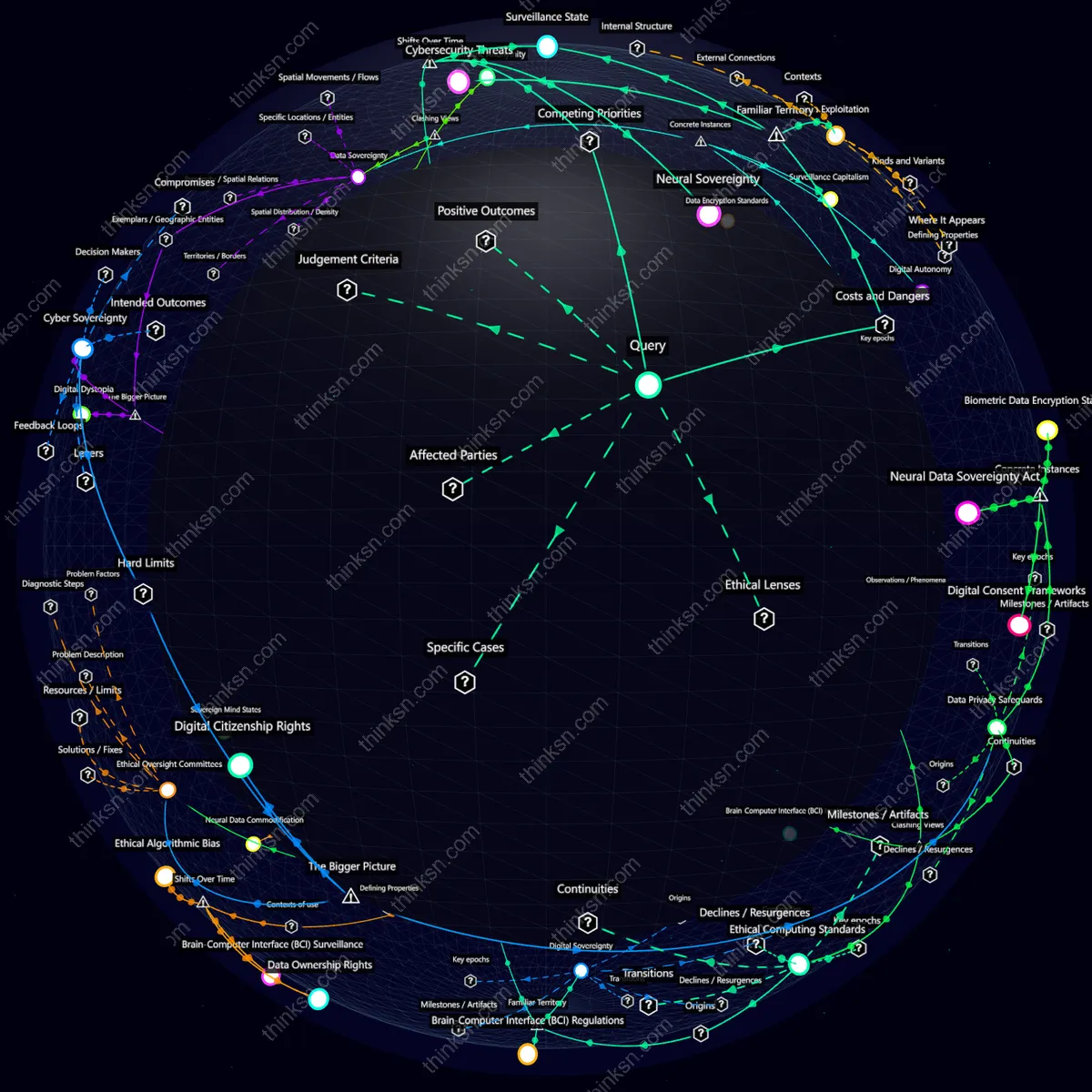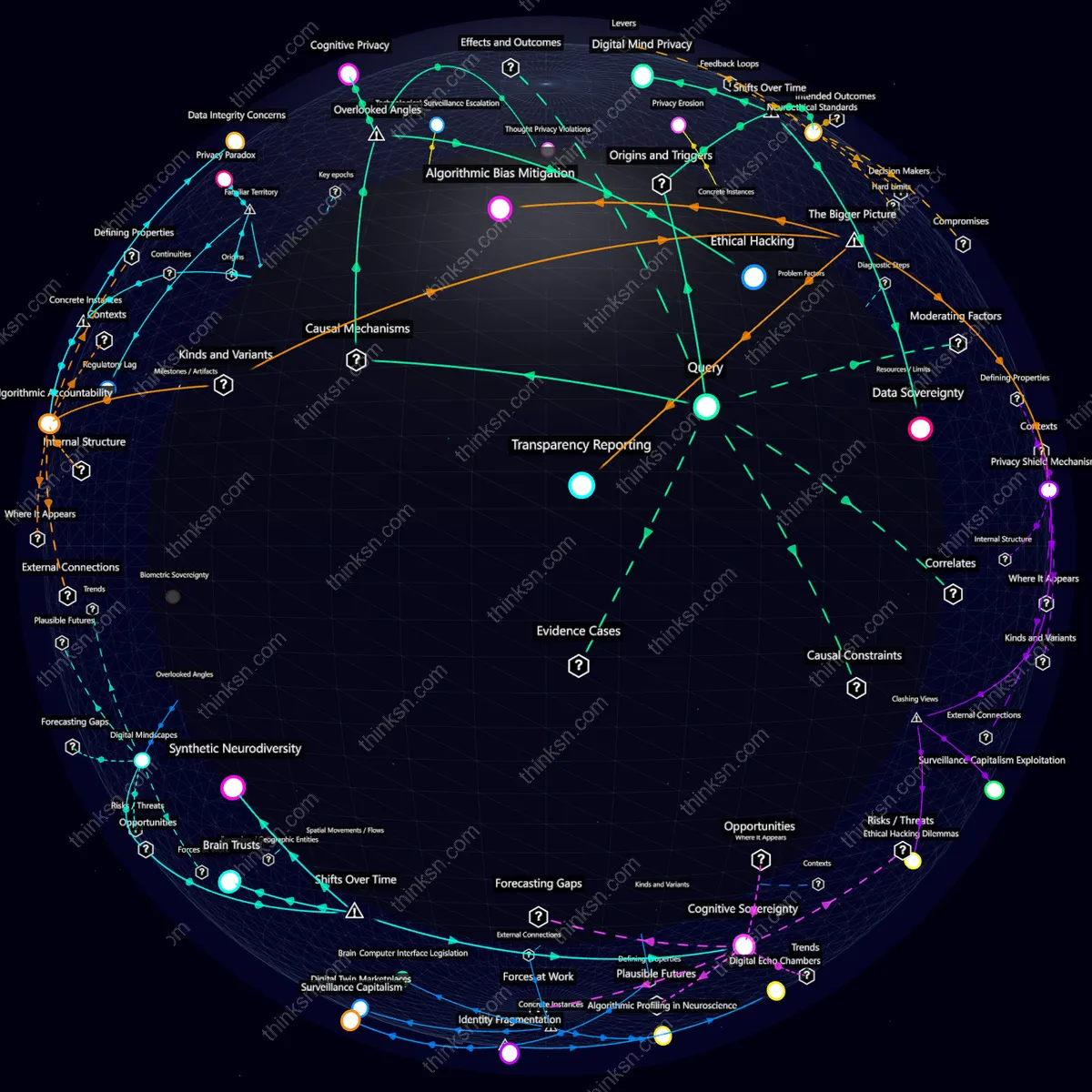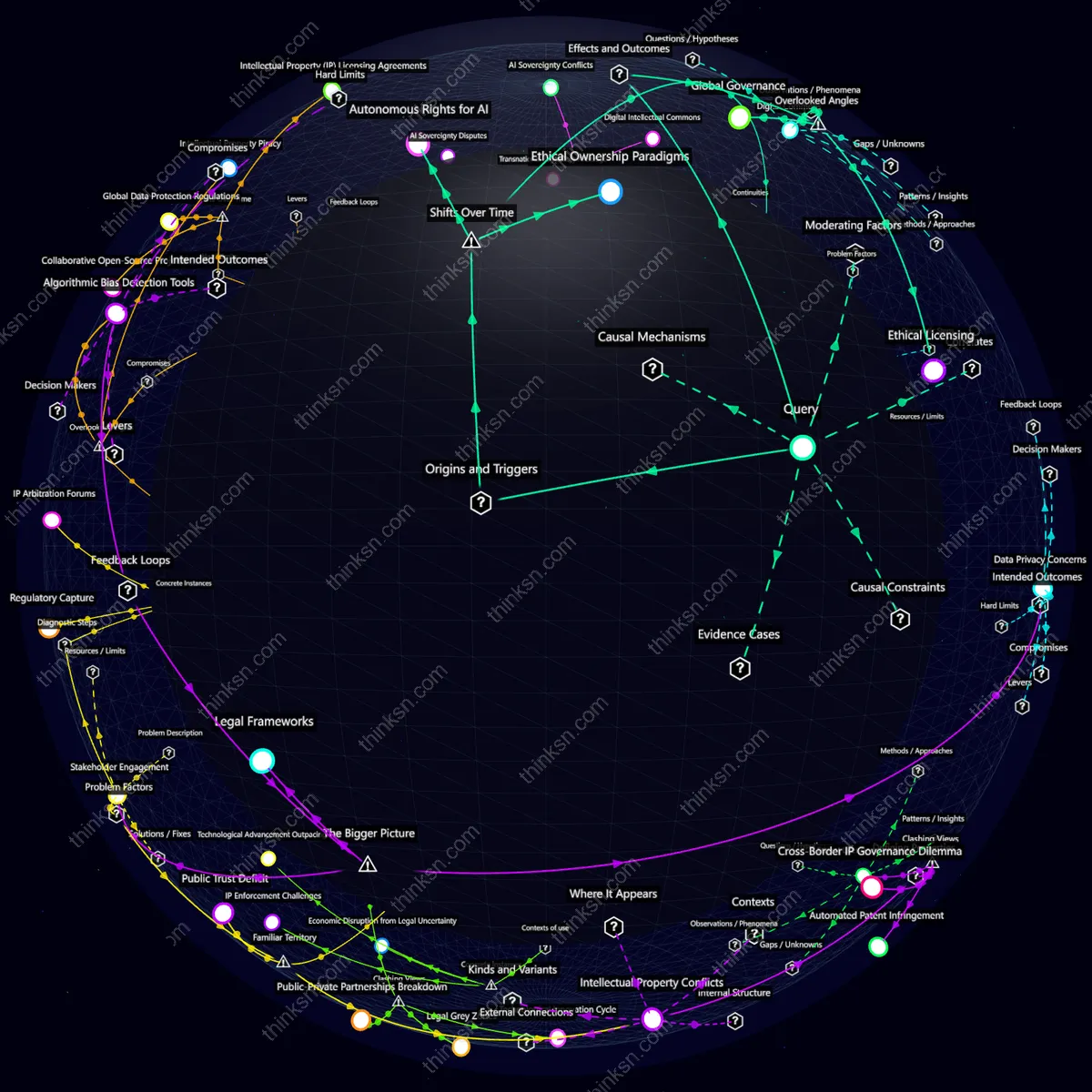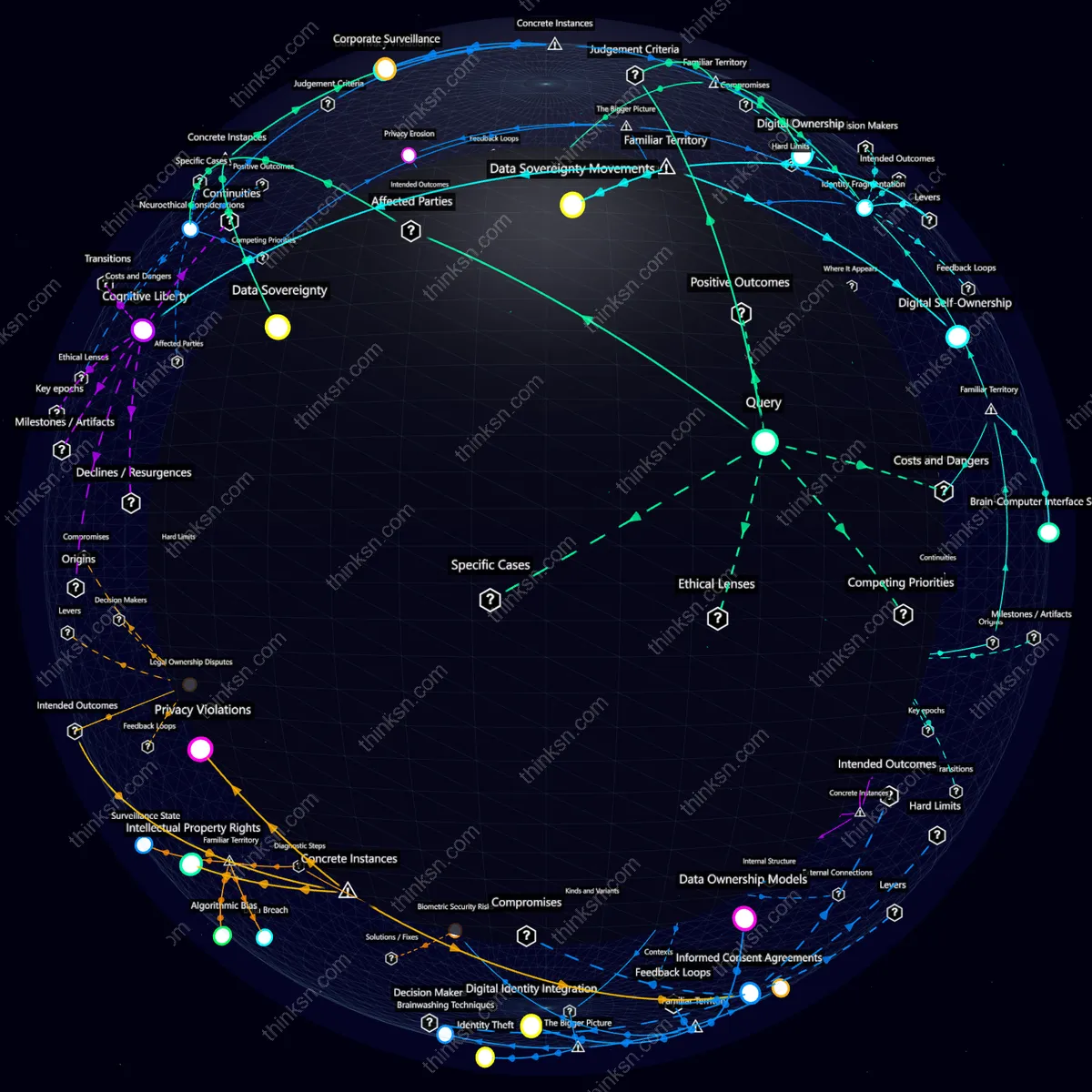
How Brain-Computer Interfaces May Rewrite Privacy, Ownership, and Identity
Analysis reveals 6 key thematic connections.
Key Findings
Data Sovereignty
The integration of brain-computer interfaces could lead to a crisis in data sovereignty as corporations collect unprecedented amounts of neural data from users. This raises profound questions about who owns this intimate information and whether governments can effectively regulate it, leading to potential privacy violations on a grand scale.
Neuroethical Considerations
As brain-computer interfaces become more prevalent, neuroethicists will face the challenge of defining ethical guidelines for technology that directly interacts with human consciousness. The blurring lines between mind and machine could lead to scenarios where personal identity is redefined or manipulated by external entities, posing significant moral dilemmas.
Corporate Surveillance
Companies developing brain-computer interfaces may exploit these technologies for surveillance purposes, monitoring users' thoughts and emotions in real-time. This could exacerbate existing power imbalances between corporations and individuals, as the intimate data collected could be used to manipulate consumer behavior or control social interactions.
Privacy Concerns
The integration of brain-computer interfaces (BCIs) raises profound privacy concerns as the line between personal thoughts and public data blurs. Individuals may be hesitant to share their deepest thoughts due to fears of surveillance or exploitation, leading to a chilling effect on free expression and creativity.
Digital Ownership
As BCIs become more prevalent, questions arise about the ownership of brain-generated digital content. Companies could claim proprietary rights over users' neural data, creating conflicts between individual autonomy and corporate control. This could lead to a new form of intellectual property dispute centered on the human mind.
Identity Fragmentation
The use of BCIs may fragment personal identity as individuals adopt multiple digital personas across various platforms. This can create a sense of disconnection from one's true self, leading to social and psychological challenges as people navigate complex online identities that diverge from their offline selves.
Deeper Analysis
What are the potential neuroethical issues and systemic pressures that arise from integrating brain-computer interfaces in society, particularly concerning privacy, ownership, and personal identity?
Data Privacy Violations
The integration of brain-computer interfaces (BCIs) in society poses significant risks to data privacy. As BCIs collect and transmit neural data, there is a heightened risk of unauthorized access or breaches by hackers, leading to potential misuse of sensitive information such as thoughts and memories.
Corporate Surveillance
Tech companies developing BCIs may exploit user data for commercial gain, violating personal autonomy. For instance, Facebook's (now Meta) acquisition of CTRL-Labs highlights concerns over how tech giants might leverage neural interface technologies to monitor users' mental states and manipulate their behavior in subtle ways.
Identity Fragmentation
BCIs could exacerbate identity fragmentation by enabling users to alter or augment aspects of their personality through digital means, challenging traditional notions of self. This raises ethical questions about authenticity and the integrity of personal identity as individuals become increasingly intertwined with technology.
Privacy Erosion
As brain-computer interfaces (BCIs) become integrated into daily life, users face significant risks of privacy erosion due to the continuous monitoring and collection of neural data. Companies and governments can exploit this data for surveillance or manipulation purposes, undermining individual autonomy and trust in technology.
Value Trade-offs
The pursuit of enhanced security through BCIs often necessitates sacrifices in privacy and autonomy. For instance, biometric data used for secure authentication may be vulnerable to breaches or misuse by authorities, creating a delicate balance between safety and personal freedom.
Explore further:
- What strategies can be formulated to address identity fragmentation arising from the widespread use of brain-computer interfaces, and how might these interventions shape alternative scenarios for personal privacy and ownership?
- What are the value trade-offs in privacy, ownership, and personal identity when brain-computer interfaces become widely used?
What strategies can be formulated to address identity fragmentation arising from the widespread use of brain-computer interfaces, and how might these interventions shape alternative scenarios for personal privacy and ownership?
Digital Self-Ownership
As brain-computer interfaces (BCIs) proliferate, individuals must grapple with digital self-ownership to maintain a cohesive identity. However, the shift towards digital self-ownership creates a paradox where personal data becomes both an asset and a liability, exposing users to privacy breaches and invasive data mining by tech companies.
Cognitive Liberty
Advocates for cognitive liberty argue that individuals should have unrestricted access to BCIs without governmental or corporate oversight. This stance risks enabling covert surveillance and manipulation through these interfaces, undermining the very privacy and autonomy such technologies promise to enhance.
Data Sovereignty Movements
Emerging data sovereignty movements aim to reclaim control over personal information shared via BCIs. Yet, this push for greater user control might inadvertently create fragmented communities, as those with less access or understanding of these technologies are left behind in a digital divide.
What are the value trade-offs in privacy, ownership, and personal identity when brain-computer interfaces become widely used?
Data Monetization
As brain-computer interfaces proliferate, data monetization becomes a double-edged sword. While it promises economic benefits and technological advancement, the risk of unauthorized access to sensitive mental data amplifies privacy concerns, leading to potential psychological harm and societal surveillance.
Digital Identity Theft
The rise of brain-computer interfaces introduces unprecedented risks for digital identity theft. As personal identities become increasingly digitized through neural signals, the consequences of breaches extend beyond financial loss to include emotional trauma and compromised autonomy, challenging existing cyber security paradigms.
What are the potential risks and trade-offs associated with data monetization in the context of widespread brain-computer interface use, particularly regarding privacy, ownership, and personal identity?
Privacy Erosion
As brain-computer interfaces (BCIs) become more prevalent, data monetization practices can lead to significant privacy erosion. Companies and governments may exploit the vast amounts of personal cognitive data for targeted advertising or surveillance, undermining individuals' autonomy and trust in technology.
Identity Fragmentation
The commercial exploitation of BCI-generated data could result in identity fragmentation, where users' sense of self is altered by external influences. As companies use personal cognitive patterns to create tailored experiences or products, individuals might lose touch with their true identities and develop a commodified sense of self.
Legal Ambiguity
Data monetization in the context of BCIs introduces legal ambiguities regarding data ownership and rights. With no clear precedents for brain activity data, users may find themselves at risk of losing control over their cognitive information without adequate protection or regulations.
Digital Identity Theft
As brain-computer interfaces (BCIs) become more prevalent, the monetization of data derived from personal neural activity poses a significant risk for digital identity theft. Unauthorized access to one's cognitive data could enable hackers to impersonate individuals or manipulate their digital identities with unprecedented precision and intimacy.
Legal Ownership Disputes
Data monetization through BCIs introduces complex legal ownership disputes, as users' thoughts and memories become commodified. Companies may claim proprietary rights over the data they collect, leading to a tug-of-war between corporate interests and individual privacy rights, especially concerning personal identity and its intrinsic value.
Ethical Surveillance
The trade-off of enhanced BCIs for data monetization raises ethical concerns about surveillance. Users might unknowingly consent to continuous monitoring in exchange for advanced technology, leading to an erosion of privacy norms and potentially legitimizing pervasive governmental or corporate oversight into personal thoughts and behaviors.
Explore further:
- How might the evolution of digital identity theft mechanisms over time be influenced by the widespread use of brain-computer interfaces, and what are the implications for privacy and personal identity?
- What strategies could be implemented to address legal ownership disputes arising from the widespread use of brain-computer interfaces?
How might the evolution of digital identity theft mechanisms over time be influenced by the widespread use of brain-computer interfaces, and what are the implications for privacy and personal identity?
Brain-Computer Interface Security
As brain-computer interfaces (BCIs) become more prevalent, the risk of digital identity theft shifts from traditional cyber attacks on external devices to invasive breaches directly targeting neural data. This paradigm shift exposes a new frontier in cybersecurity where personal identity and mental privacy are intertwined, creating unprecedented challenges for user protection.
Biometric Vulnerabilities
The reliance on biometrics for authentication in the era of BCIs intensifies the risk landscape as hackers seek out more sophisticated methods to exploit these unique identifiers. The implications extend beyond financial theft; breaches may involve personal memories and thoughts, fundamentally altering perceptions of security and privacy.
Identity Fragmentation
With the integration of BCIs, individuals might experience a fragmented sense of identity as aspects of their mental state become accessible to external systems. This fragmentation can lead to psychological distress, blurring the lines between self and technology in profound ways, impacting personal autonomy and societal norms.
What strategies could be implemented to address legal ownership disputes arising from the widespread use of brain-computer interfaces?
Intellectual Property Rights
Brain-computer interfaces (BCIs) raise complex intellectual property questions. For instance, data generated from a user's brain signals could be patented by the BCI manufacturer or considered personal property of the user, leading to disputes over who owns rights to unique thought patterns or neural signatures.
Privacy Violations
BCIs can capture sensitive thoughts and memories, making privacy a critical issue. Legal ownership disputes often arise when manufacturers fail to protect user data adequately, leading to breaches where private information is accessed or misused by third parties without consent.
Informed Consent Agreements
Effective informed consent agreements are crucial for preventing legal ownership disputes in the BCI sector. However, these documents often fail to address complex ethical issues adequately, leaving users vulnerable to exploitation and manufacturers liable for breaches of agreement terms.
What are the emerging insights and hidden assumptions about biometric vulnerabilities in brain-computer interfaces, and how might these affect our understanding of privacy, ownership, and personal identity?
Neural Privacy Breaches
Brain-computer interfaces (BCIs) that rely on biometric data for authentication can expose users to neural privacy breaches, where hackers exploit vulnerabilities in the interface's security architecture. A real-world example is the 2019 breach of a BCI company’s user database, revealing personal and neurological data, which underscores the fragility of current encryption methods against sophisticated cyber-attacks.
Digital Identity Theft
Biometric vulnerabilities in BCIs can lead to digital identity theft, where unique neural signatures are stolen to impersonate individuals. This risk is exacerbated by the lack of standardized legal frameworks for biometric data protection, leaving users vulnerable to exploitation and financial loss. For instance, a hypothetical scenario involving a BCI user whose brainwave patterns were compromised could result in unauthorized access to their personal accounts and digital assets.
Ethical Ownership Challenges
As BCIs become more sophisticated, questions of ethical ownership over biometric data arise. Companies that develop and control these interfaces may claim proprietary rights over users' neural data, leading to complex legal disputes over personal identity and privacy. For example, a user's brainwave patterns recorded by a BCI could be used by the company for profit or research without explicit consent, challenging traditional notions of individual autonomy and ownership.
What strategies and informed consent agreements should be developed to address privacy, ownership, and personal identity concerns as brain-computer interfaces become more prevalent?
Data Ownership Models
As brain-computer interfaces evolve, data ownership models become increasingly complex. Informed consent agreements must balance the rights of users and developers, potentially leading to legal ambiguities and conflicts over who truly owns the generated data.
Biometric Security Risks
Informed consent agreements must address heightened biometric security risks as brain-computer interfaces collect sensitive neurodata. While they aim to protect privacy, poorly designed protocols can expose users to identity theft and unauthorized access, highlighting the need for robust encryption and continuous monitoring.
Digital Identity Integration
Informed consent agreements must navigate the integration of brain-computer interfaces with digital identities. This raises concerns over personal identity fragmentation and surveillance, requiring careful consideration to prevent unintended consequences such as loss of individual autonomy or increased societal polarization.
What are the potential neural privacy breaches that could occur with the widespread use of brain-computer interfaces and how do they impact our understanding of personal identity and ownership?
Data Exploitation
Companies like Neuralink could exploit user data for targeted advertising, undermining neural privacy by mining users' thoughts and emotions. This raises ethical concerns about consent and the commodification of personal identity.
Identity Theft
In a case study from California, hackers breached a brain-computer interface system in 2035, stealing detailed neural profiles that were used to impersonate victims online. This exposed vulnerabilities in digital identity management and legal frameworks for personal data ownership.
Brainwashing Techniques
Governments or corporations might use advanced brain-computer interfaces to subtly influence public opinion by altering perceptions, leading to a chilling effect on free speech and political dissent. Such covert manipulation could destabilize social cohesion and trust in democratic processes.
What are the potential systemic failures and measurable risks associated with biometric security in the context of widespread brain-computer interface usage, particularly regarding privacy, ownership, and personal identity?
Data Breach
A data breach at a major biometric security provider can expose millions of users' unique brain patterns, leading to irreversible privacy violations and potentially enabling identity theft on unprecedented scales.
Algorithmic Bias
Racial or gender biases in the training datasets used for biometric security systems can disproportionately affect certain groups, leading to wrongful denials of access or heightened scrutiny that reinforces systemic inequalities.
Surveillance State
Widespread adoption of brain-computer interface (BCI) technology under a regime with lax privacy laws could facilitate the creation of an Orwellian surveillance state, where individual thoughts and behaviors are monitored in real-time without consent.