Telepathy Devices: Threat to Privacy and Society?
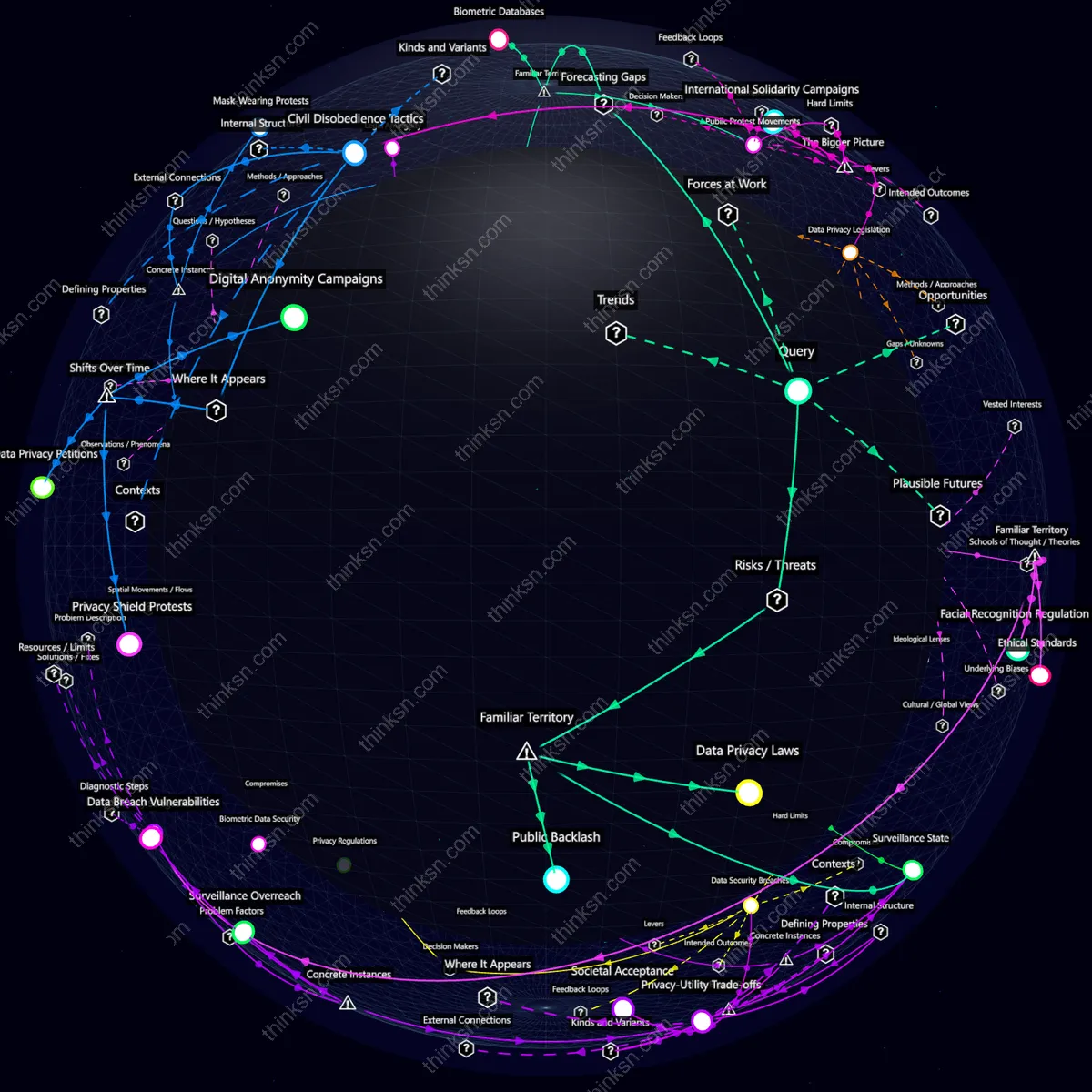
Analysis reveals 4 key thematic connections.
Key Findings
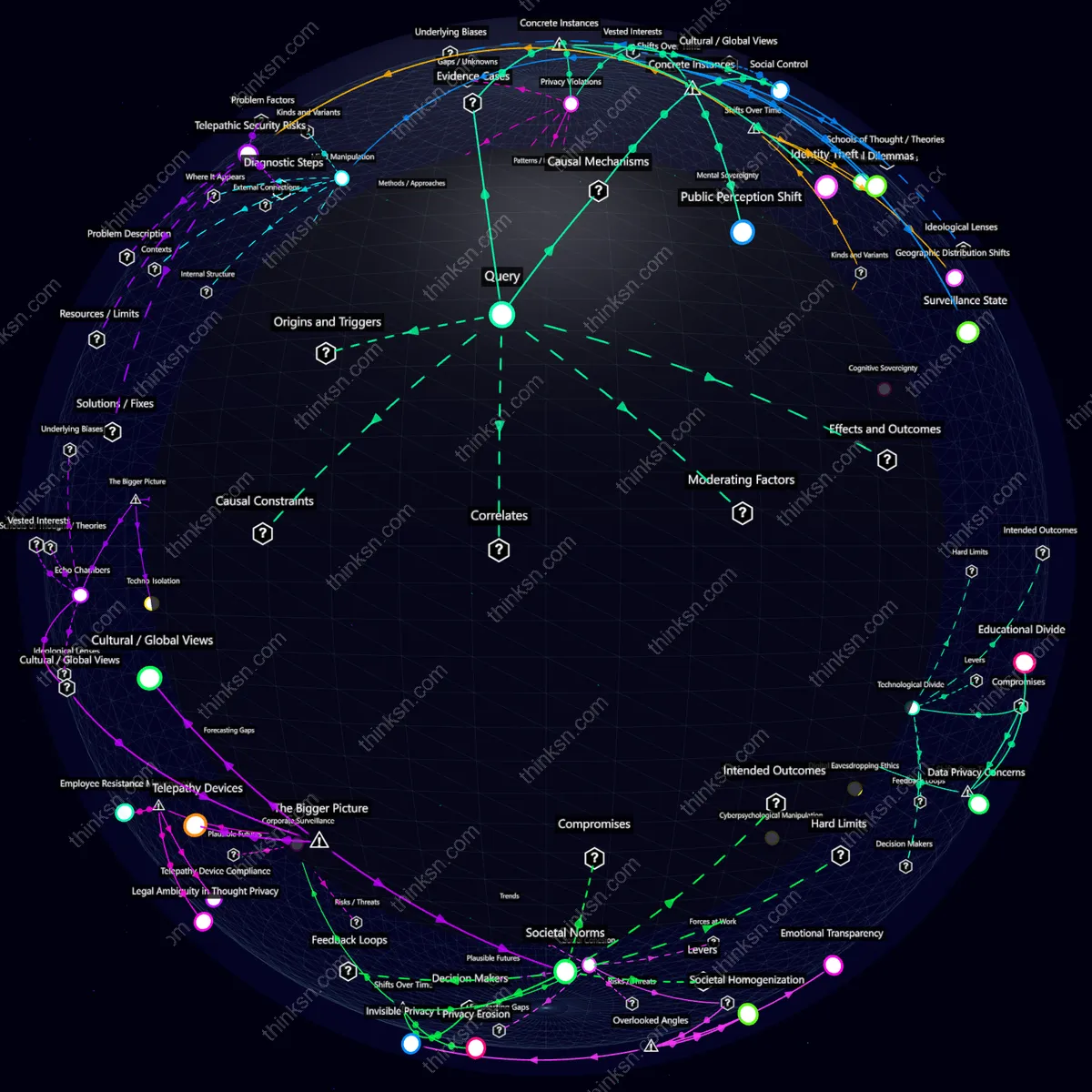
Privacy Violations
Telepathy devices could lead to a surge in privacy violations as intimate thoughts are transmitted without consent, creating new forms of psychological and emotional abuse. This shift would force governments to redefine laws around mental privacy, balancing technological advancement with human rights.
Social Control
The use of telepathy devices could enable unprecedented social control by authoritarian regimes or corporations, monitoring thoughts for dissent or compliance. Real-world examples like China's surveillance state show how such technologies can be weaponized to suppress freedom and individuality.
Public Perception Shift
Widespread telepathy could drastically alter public perception of intimacy and personal boundaries, potentially normalizing invasive thought-sharing. This cultural shift might start in niche communities but rapidly spread, challenging existing societal norms around consent and mental autonomy.
Identity Theft
Telepathy devices could lead to an unprecedented rise in identity theft cases, with hackers exploiting vulnerabilities to access individuals' deepest secrets and memories. This would necessitate new cybersecurity measures beyond current data protection standards.
Deeper Analysis
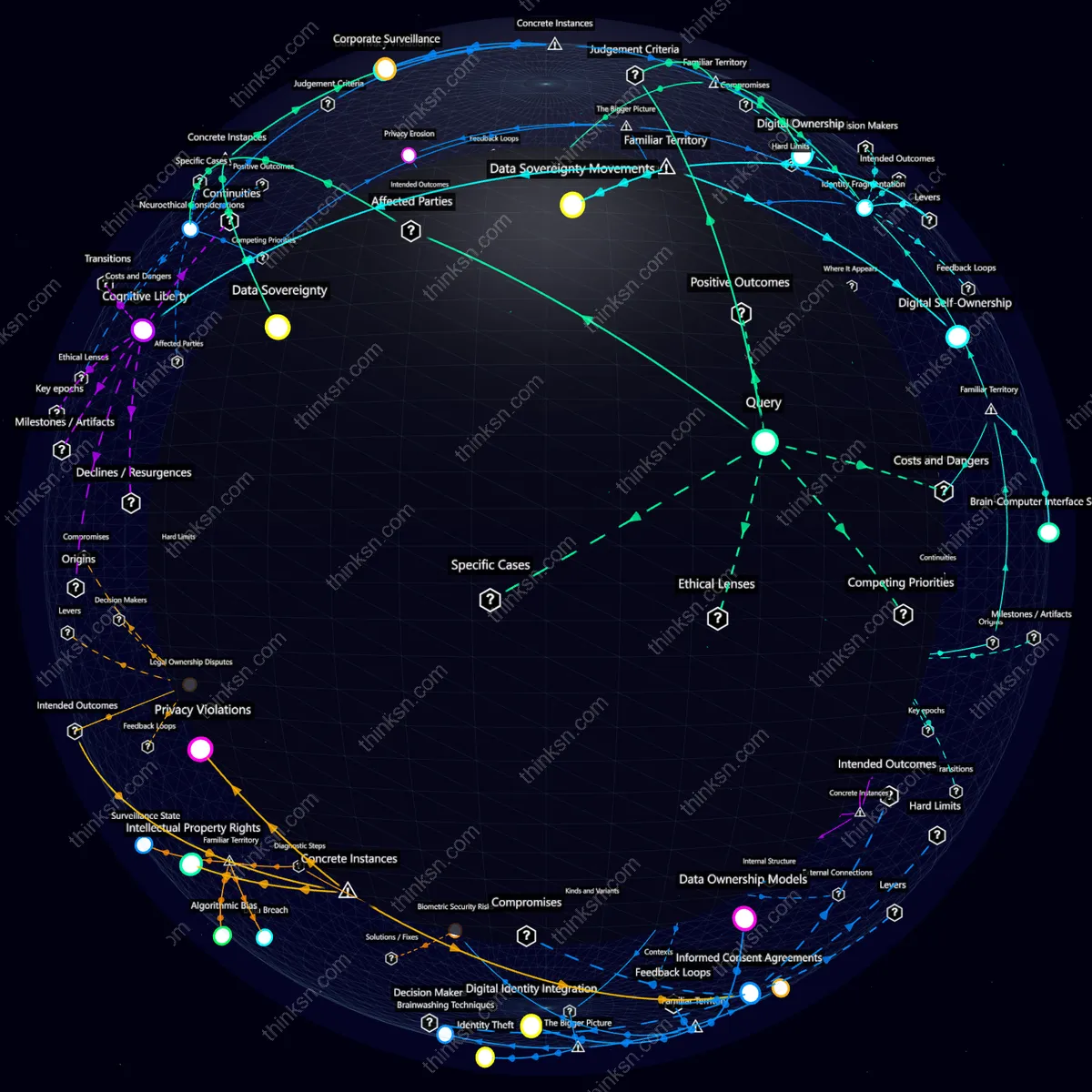
In what ways might the implementation of telepathy devices lead to unforeseen privacy violations and how could these impact societal norms?
Mental Sovereignty
Telepathy devices could erode mental sovereignty by allowing unauthorized access to thoughts and emotions. This would shift societal norms, making privacy a matter of physical and psychological intrusion rather than just digital or verbal communications.
Digital Mindscapes
The creation of 'digital mindscapes' where personal data includes subconscious thought patterns could lead to unprecedented profiling. Companies might exploit this for targeted advertising, creating a market-driven incentive to manipulate individual desires and fears at the deepest cognitive levels.
Social Paranoia
Widespread use of telepathy devices could foster social paranoia as individuals constantly monitor each other's thoughts. This would lead to an arms race in privacy technologies, while also stigmatizing those perceived as having 'unsafe' or 'unhealthy' thought patterns.
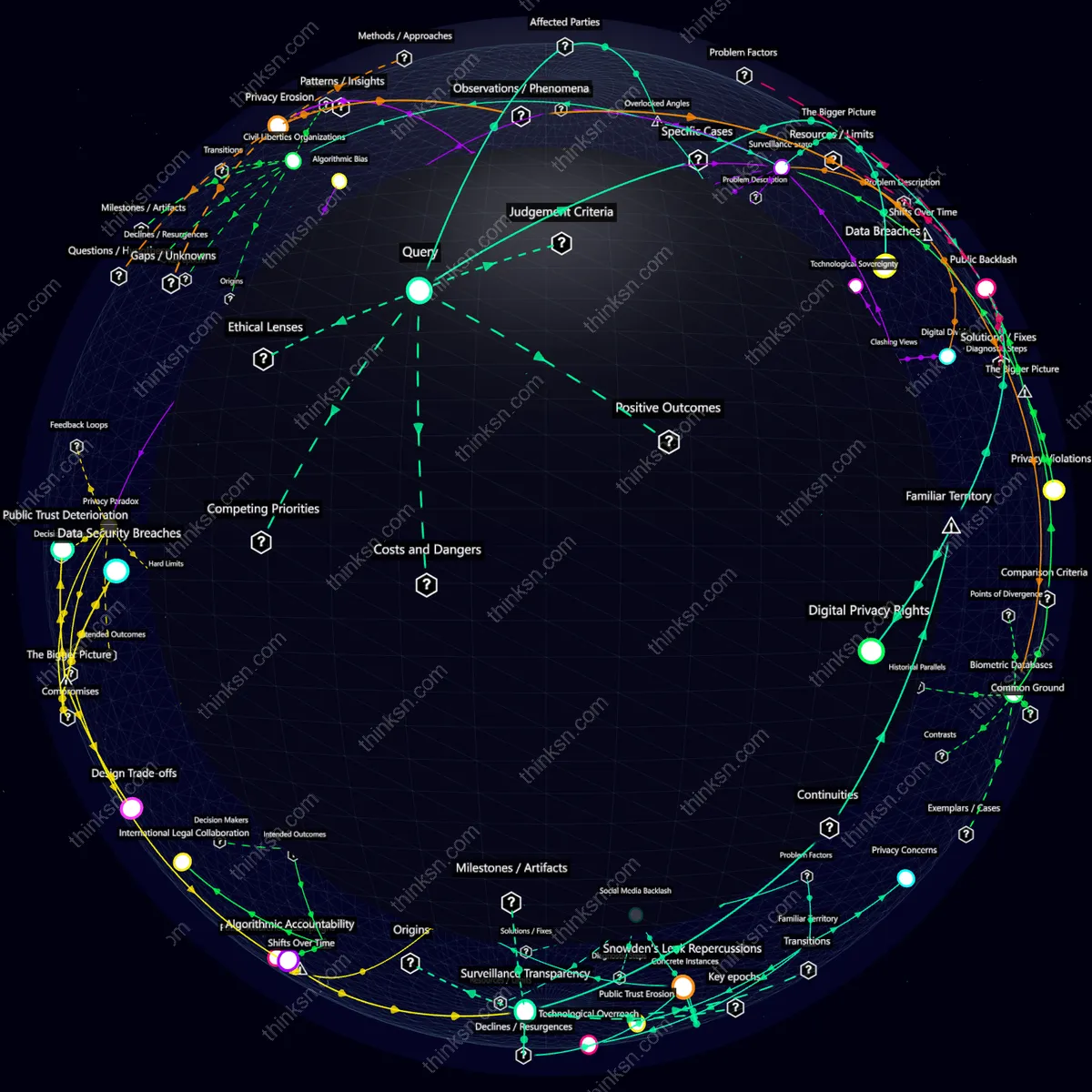
In what ways might telepathy devices be used as tools for social control, and how could this impact emerging societal norms and privacy laws from various perspectives?
Surveillance State
Telepathy devices could enable a surveillance state where thoughts are as accessible as actions. Governments might mandate their use in public spheres, turning private musings into actionable data points for behavioral modification or punishment, fundamentally altering notions of mental privacy.
Mind Manipulation
Such technology could be weaponized to manipulate large populations by subtly influencing thoughts and desires. Corporations might use it to create consumer dependency on their products or services, leading to a market dominated by psychological rather than economic coercion, undermining traditional notions of free will.
Ethical Dilemmas
The ethical implications of telepathy devices would be profound. For instance, mental health professionals could use them to monitor patients' thoughts for therapeutic purposes but risk overstepping boundaries and violating patient autonomy, creating a slippery slope where consent becomes increasingly complex and fragile.
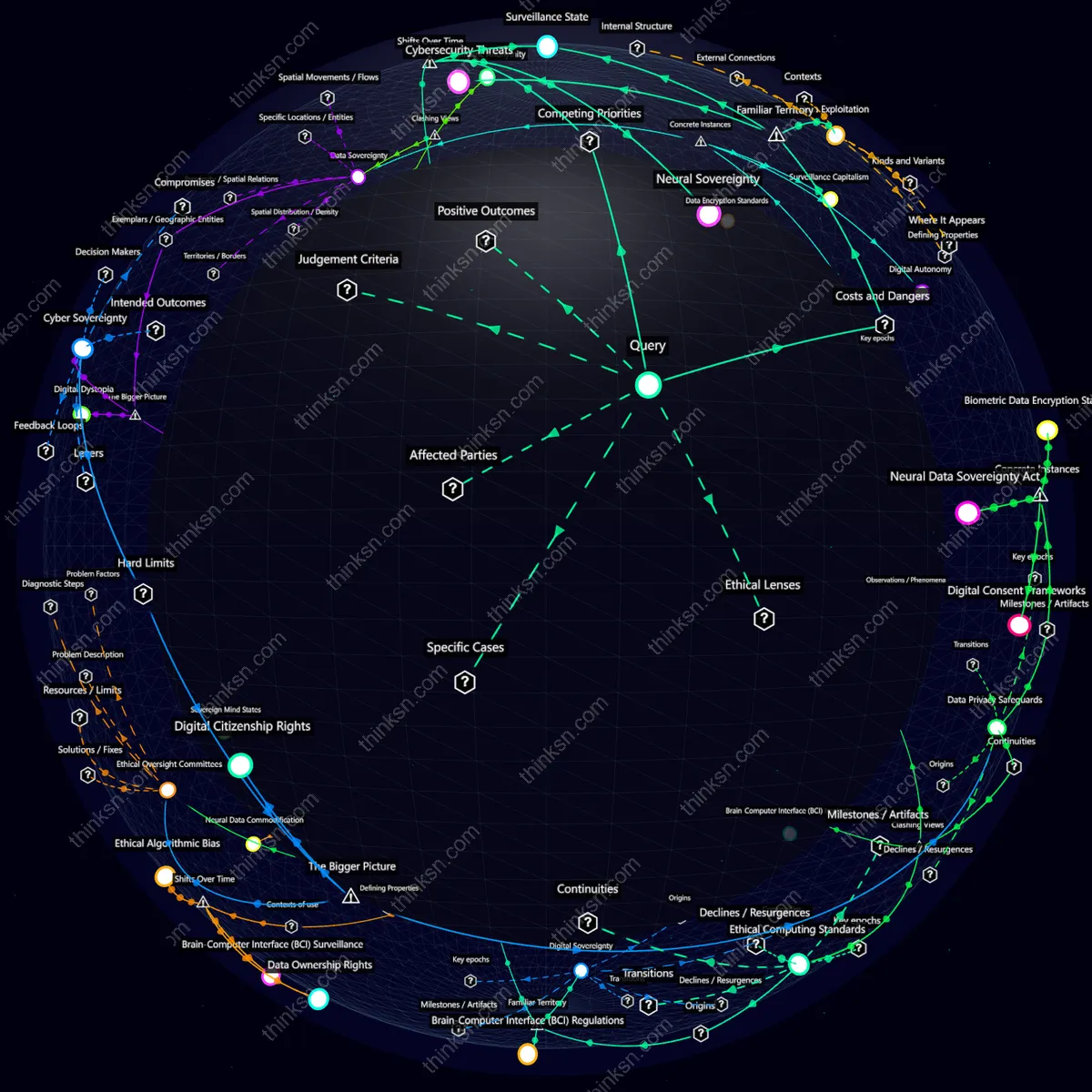
What are the key components and categories in digital mindscapes that could be affected by telepathy devices, and how might their geographic distribution change?
Cognitive Sovereignty
Telepathy devices challenge the sanctity of cognitive sovereignty, as individuals' mental privacy becomes compromised. This leads to a societal shift where personal space and boundaries are redefined in digital mindscapes, with potential for increased surveillance and manipulation by governments or corporations.
Neural Interconnectivity
The widespread adoption of telepathy devices could lead to unprecedented neural interconnectivity, transforming social dynamics into a complex web where thoughts can be shared instantaneously. This interdependence raises concerns about the fragility and resilience of such networks against cyber attacks or mental health crises.
Cultural Isolation
In certain geographic regions, resistance to telepathy devices may lead to cultural isolation as communities choose to preserve traditional forms of communication. This can exacerbate existing social divides and create new challenges in global cooperation and understanding, especially in conflict-prone areas.
Telepathic Security Risks
The advent of telepathy devices in digital mindscapes introduces unprecedented security risks. As mental interfaces become more integrated with everyday technology, the potential for data breaches and unauthorized access to thoughts escalates dramatically. This shift necessitates a radical rethinking of cybersecurity paradigms, moving from protecting physical networks to safeguarding neural pathways.
Digital Consciousness Networks
The emergence of digital consciousness networks transforms the way individuals perceive and interact with reality. These networks enable users to share not just information but also sensory experiences and emotions in real-time, creating a hyper-connected world where personal boundaries blur. This interconnectedness can lead to new forms of collective intelligence but also poses risks such as loss of individuality and heightened susceptibility to psychological manipulation.
Geographic Distribution Shifts
The deployment of telepathy devices across different regions reveals stark disparities in access, leading to a widening digital divide. Countries with advanced technological infrastructure may experience rapid adoption and integration of these devices into daily life, while less developed areas remain disconnected or lag behind, exacerbating existing social inequalities and geopolitical tensions.
Explore further:
- How might the geographic distribution of telepathy device usage contribute to cultural isolation in different regions?
- What are the potential failure points and systemic strains that arise from telepathic security risks when telepathy devices become widespread, and how do they threaten societal norms and privacy laws?
How might the geographic distribution of telepathy device usage contribute to cultural isolation in different regions?
Telepathy Divide
The uneven distribution of telepathy devices exacerbates a 'telepathy divide' between wealthy urban centers and rural or impoverished areas, deepening social stratification. Those without access are increasingly marginalized in interpersonal interactions, fostering alienation and further isolation.
Echo Chambers
Communities with high telepathy device usage tend to form echo chambers where diverse viewpoints are scarce due to the ease of connecting only with like-minded individuals. This reinforces cultural homogeneity and insulates groups from external influences, hindering cross-cultural understanding and cooperation.
Techno-Isolation
In regions heavily reliant on telepathy devices, traditional forms of communication begin to deteriorate as people lose practice in face-to-face interaction skills. This techno-isolation can lead to a breakdown in intergenerational and cross-cultural communication, isolating older populations who are less adept with the technology.
Language Barrier
In regions with low telepathy device usage, the language barrier intensifies as people rely solely on verbal communication. This leads to a fragmented understanding of global issues and ideas, isolating communities linguistically and culturally.
Technological Divide
The uneven distribution of telepathy devices exacerbates the technological divide between regions, creating an elite class that benefits from enhanced connectivity while others are left behind. This disparity fuels cultural isolation as marginalized groups struggle to access or understand shared knowledge.
Social Fragmentation
In areas where telepathy is less prevalent, the reliance on physical proximity for social interaction deepens social fragmentation. Communities become insular, reinforcing local norms and traditions while alienating individuals from diverse cultural perspectives elsewhere.
Explore further:
- How might telepathy devices exacerbate echo chambers and affect societal norms from a perspectival viewpoint?
- How could the development and distribution of telepathy devices exacerbate or mitigate the technological divide, and what strategic interventions can be formulated to ensure equitable access and privacy protection?
How might telepathy devices exacerbate echo chambers and affect societal norms from a perspectival viewpoint?
Telepathy Devices
In societies with telepathy devices, individuals may selectively connect only with those who share similar thoughts and beliefs, further entrenching echo chambers. This selective connectivity could lead to a fragmented society where cross-cultural understanding diminishes, exacerbating social divisions.
Cultural / Global Views
Western cultures might view telepathy devices as tools for personal connection and expression, while non-Western traditions may see them as intrusive or unnatural, potentially leading to cultural conflicts over their use. These differing perspectives could polarize global communities, making cross-cultural dialogue even more challenging.
Societal Norms
The adoption of telepathy devices could redefine social norms around privacy and transparency, with some groups embracing the technology while others reject it outright. This divergence in societal acceptance can create systemic challenges for governance and legal frameworks, leading to a fragmented regulatory environment.
How could the development and distribution of telepathy devices exacerbate or mitigate the technological divide, and what strategic interventions can be formulated to ensure equitable access and privacy protection?
Digital Dependency
The proliferation of telepathy devices intensifies digital dependency, exacerbating the technological divide as less affluent communities struggle to afford these advanced technologies. This creates a two-tier society where those without access are further marginalized in both social and economic spheres.
Data Privacy Concerns
The deployment of telepathy devices raises significant data privacy concerns, as personal thoughts can be easily intercepted or misused by tech companies or governments. This risk disproportionately affects vulnerable populations who might not have the means to protect their mental privacy, leading to increased surveillance and control over these individuals.
Educational Divide
As telepathy devices become integral in education, those without access are left behind, deepening educational disparities. Schools equipped with such technology offer students an advantage in cognitive training and knowledge sharing, while underprivileged schools lag behind due to financial constraints, perpetuating a cycle of inequality.
What strategic interventions could be formulated to mitigate potential threats to societal norms and privacy laws posed by the widespread use of telepathy devices?
Privacy Erosion
Telepathy devices rapidly erode traditional privacy norms as individuals struggle to maintain personal boundaries. This shift triggers a cascade of social and legal reforms, with governments and tech companies scrambling to redefine consent and confidentiality standards.
Corporate Surveillance
Tech giants leverage telepathic capabilities for unprecedented consumer profiling, exploiting societal trust in privacy laws that are quickly outpaced by technological advancements. This leads to a fragile dependency where individuals' mental states become commodified assets, threatening both personal autonomy and democratic values.
Social Cohesion
The widespread adoption of telepathy devices creates a paradoxical shift in social cohesion; while they promise deeper human connections, the risk of invasive mind-reading undermines trust and interpersonal intimacy. This fosters an environment where superficial interactions thrive at the expense of genuine emotional bonds.
Explore further:
- How might corporate surveillance practices evolve with the integration of telepathy devices and what implications could this have for societal norms and privacy laws over time?
- How might the widespread use of telepathy devices impact social cohesion over time, and what are the potential trajectories for societal norms and privacy laws as a result?
What strategic interventions could be formulated to mitigate digital dependency risks associated with the widespread use of telepathy devices in society?
Telepathy Overload Syndrome
The pervasive use of telepathy devices leads to a condition where individuals experience cognitive fatigue and diminished attention spans, as they are constantly bombarded with information from others. This syndrome highlights the risk of over-reliance on digital tools for communication at the cost of personal mental well-being.
Digital Eavesdropping Ethics
As telepathy devices become ubiquitous, the line between private thoughts and public discourse blurs, raising significant ethical concerns about privacy and consent. This forces a trade-off where enhancing speed and ease of communication necessitates compromising personal boundaries and trust within social networks.
Cyberpsychological Manipulation
The reliance on telepathy devices can create new vulnerabilities, making individuals susceptible to psychological manipulation through tailored messaging. This risk underscores the hidden dimension of mental health security, where optimizing for seamless digital interaction may inadvertently expose users to targeted influence campaigns.
How might corporate surveillance practices evolve with the integration of telepathy devices and what implications could this have for societal norms and privacy laws over time?
Telepathy Device Compliance
As corporations integrate telepathic devices into the workplace for surveillance purposes, employees may face heightened compliance pressures that challenge their autonomy and mental privacy. The risk of psychological manipulation becomes a reality as employers seek deeper insights into employee thoughts to enhance productivity or preempt dissent.
Legal Ambiguity in Thought Privacy
The introduction of telepathy devices raises complex legal questions about the extent of thought privacy and corporate rights over mental data. Courts may struggle initially to set clear precedents, creating a period of ambiguity where corporations can exploit legal gaps for surveillance purposes without adequate oversight or public discourse on ethical boundaries.
Employee Resistance Movements
Employees could form resistance movements advocating against invasive telepathy-based monitoring. These groups might leverage social media to spread awareness, drawing parallels with historical civil rights movements. However, such resistance could also be co-opted or infiltrated by the very corporations they oppose, leading to further surveillance and control measures.
How might the widespread use of telepathy devices impact social cohesion over time, and what are the potential trajectories for societal norms and privacy laws as a result?
Emotional Transparency
The widespread use of telepathy devices may lead to an era of emotional transparency, where individuals' true feelings are always exposed. This could foster deeper connections and empathy among people but also create immense pressure to conform to societal expectations of emotional expression, potentially stifling individuality.
Societal Homogenization
Telepathy devices might accelerate the homogenization of social norms by enabling instantaneous understanding of cultural values and beliefs across diverse populations. While this could reduce prejudice and misunderstandings, it also risks erasing unique subcultures and minority identities in favor of a dominant normative framework.
Invisible Privacy Laws
As telepathy becomes integrated into daily life, the concept of privacy shifts from protecting information to safeguarding emotional states. New invisible privacy laws might emerge, regulating who can access and interpret one's thoughts. This could redefine personal boundaries but also create legal grey areas where the line between public and private thought is blurred.