Is Facial Recognition Technology Endangering Privacy and Spurring Public Backlash?
Analysis reveals 5 key thematic connections.
Key Findings
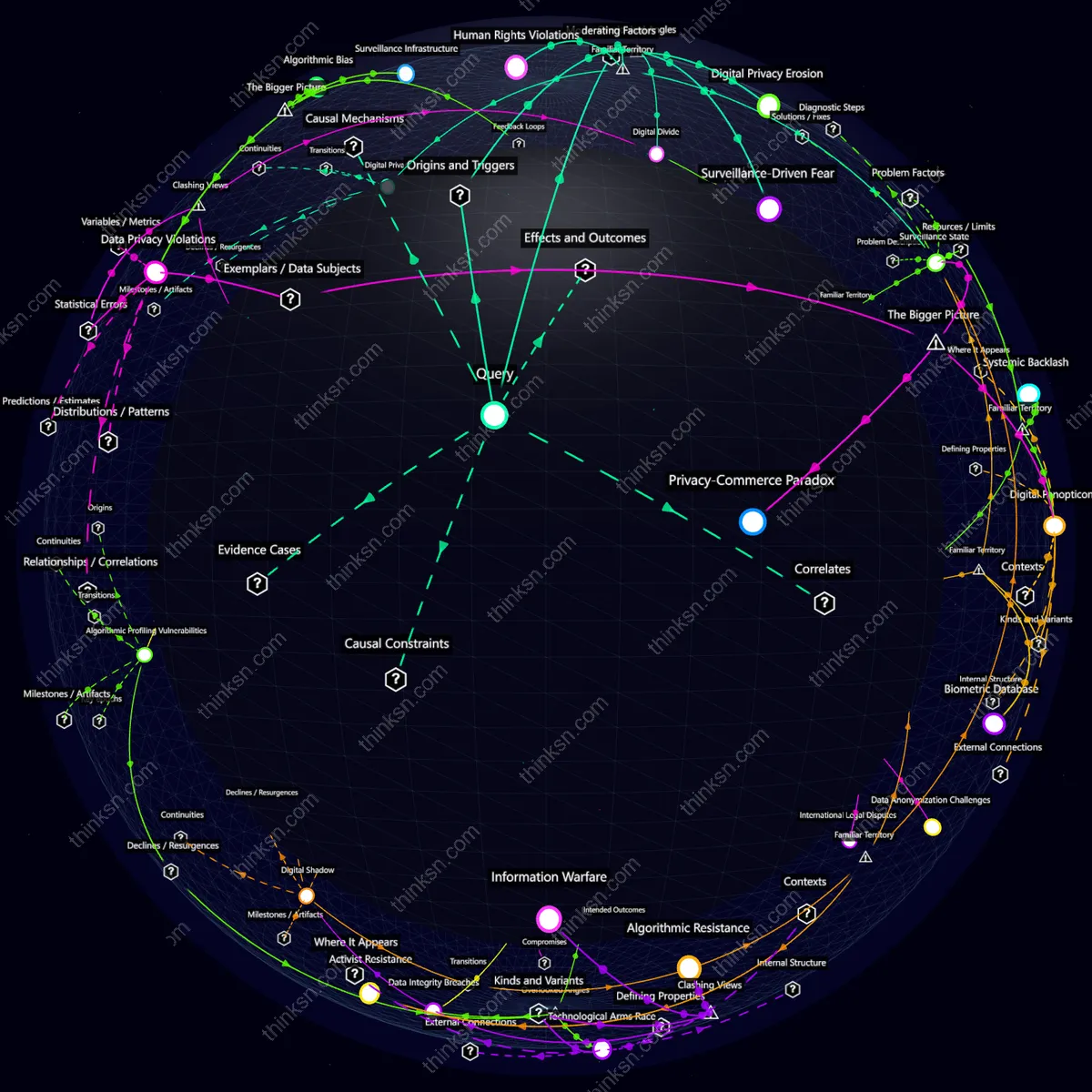
Surveillance State
The extensive use of facial recognition technology by the government could accelerate the transformation into a surveillance state, where privacy violations are normalized and public dissent is stifled. This creates a fragile dependency on technological infrastructure for social control, with risks of both data breaches and algorithmic bias.
Civil Liberties Organizations
Civil liberties organizations face increasing pressure to mobilize against government surveillance practices, leading to heightened activism and legal challenges. The effectiveness of these groups is contingent on public awareness and support, which can be unpredictable and fluctuate based on broader social and political climates.
Technological Dependence
Public institutions become increasingly dependent on facial recognition technology for security and administrative purposes, leading to a risk where technological failures or malfunctions could have severe systemic consequences. This dependence also creates vulnerabilities in terms of data integrity and cybersecurity threats.
Data Breaches
Facial recognition systems often rely on vast databases containing sensitive personal information. The risk of data breaches is high, as seen in the 2019 Capital One breach, where millions of customer records were compromised. Such incidents can expose individuals to identity theft and severe privacy violations, eroding public trust in government's ability to safeguard digital security.
Public Backlash
Communities affected by facial recognition technologies often respond with significant opposition, as witnessed in San Francisco's ban on police use of the technology. This backlash can escalate into broader civil rights movements demanding stricter regulations and oversight, highlighting the delicate balance between technological advancement and individual freedoms.
Deeper Analysis
What are the potential systemic failures and measurable strains on privacy when governments heavily depend on facial recognition technology, and how might this lead to public opposition?
Surveillance State
The reliance on facial recognition technology transforms public spaces into surveillance zones, fostering a 'surveillance state' where privacy is systematically eroded. This shift not only magnifies the risk of data breaches but also creates psychological barriers to free expression and assembly.
Digital Divide
Facial recognition's heavy dependence exacerbates the digital divide by disproportionately affecting marginalized communities, who may lack the resources or means to opt out of such systems. This inequality can deepen social stratification and undermine public trust in governance and technology alike.
Technological Sovereignty
Governments' heavy reliance on facial recognition technology from foreign vendors raises concerns about technological sovereignty, leaving nations vulnerable to geopolitical pressures or cyber-attacks. This dependency can lead to a loss of control over critical infrastructure and data integrity.
Privacy Erosion
The pervasive use of facial recognition technology erodes individual privacy rights as data collection becomes more invasive without clear consent or oversight mechanisms. This can result in significant public opposition due to perceived loss of personal freedoms and increased state control over citizens' lives.
Biased Algorithms
Facial recognition systems often exhibit biases, leading to disproportionate surveillance and punitive actions against certain demographic groups, such as racial minorities. This can exacerbate social tensions and fuel public opposition through mistrust in the technology's fairness and impartiality.
Explore further:
- What are the emerging concerns and diverse perspectives regarding privacy erosion caused by extensive government use of facial recognition technology?
- What strategies can be implemented to mitigate biases in facial recognition algorithms used by governments to prevent privacy violations and reduce public opposition?
What are the emerging concerns and diverse perspectives regarding privacy erosion caused by extensive government use of facial recognition technology?
Surveillance State
As governments increasingly rely on facial recognition technology, the line between public safety measures and invasive surveillance becomes blurred. This erosion of privacy through constant monitoring can lead to a chilling effect on civil liberties, with citizens becoming less willing to engage in dissent or participate in political activities for fear of repercussions.
Biometric Databases
The accumulation of biometric data by governments poses significant risks beyond just privacy. Potential breaches can lead to identity theft and blackmail, while the misuse of this sensitive information could undermine trust in government institutions and exacerbate social inequalities. The lack of robust security measures amplifies these vulnerabilities.
Digital Divide
Facial recognition technology often fails to account for diverse populations, including those with disabilities or belonging to ethnic minorities. This technological gap can lead to disproportionate privacy erosion and surveillance targeting specific communities, highlighting systemic biases and reinforcing social divisions within society.
Explore further:
- How might the implementation of extensive facial recognition technology by governments strain societal trust and what are the measurable impacts on privacy violations and public dissent under a surveillance state?
- What are the potential impacts of extensive government use of biometric databases on privacy and public acceptance in comparison to other forms of surveillance technology?
What strategies can be implemented to mitigate biases in facial recognition algorithms used by governments to prevent privacy violations and reduce public opposition?
Ethical Review Boards
Establishing ethical review boards to oversee facial recognition algorithms can introduce a critical layer of oversight. However, reliance on these boards alone may create a false sense of security if they lack diversity in expertise and perspectives, leading to the perpetuation of biases under the guise of regulation.
Public Scrutiny
Increased public scrutiny can drive governments to adopt more transparent practices when deploying facial recognition technology. However, a reactive approach may lead to rushed implementations that fail to address underlying biases, risking further erosion of public trust and privacy concerns.
Diverse Data Sets
Utilizing diverse data sets for training algorithms can significantly reduce bias but also introduces challenges in obtaining representative samples across all demographic groups. Insufficient attention to data quality and quantity can undermine efforts, leading to skewed outcomes that perpetuate existing biases.
How might the implementation of extensive facial recognition technology by governments strain societal trust and what are the measurable impacts on privacy violations and public dissent under a surveillance state?
Digital Panopticon
The implementation of facial recognition technology transforms public spaces into a digital panopticon, where citizens behave as if they are constantly under surveillance. This can lead to self-censorship and the stifling of dissenting voices, as individuals may refrain from engaging in activities that could be perceived negatively by authorities.
Privacy Paradox
As facial recognition technology becomes ubiquitous, a privacy paradox emerges where people increasingly disclose personal information online while demanding stronger privacy protections against government surveillance. This tension complicates efforts to regulate the use of such technologies and can lead to public skepticism about the effectiveness of privacy laws.
Algorithmic Bias
Facial recognition systems are often criticized for their potential biases, disproportionately affecting marginalized communities due to inadequate training datasets. This can exacerbate existing social inequalities, leading to mistrust in both the technology and the institutions deploying it, thereby undermining societal cohesion and public trust.
What are the potential impacts of extensive government use of biometric databases on privacy and public acceptance in comparison to other forms of surveillance technology?
Surveillance State
The extensive use of biometric databases by the government can transform a democratic state into a surveillance state, as citizens become acutely aware that their every move is monitored and recorded. This heightened awareness may lead to self-censorship and reduced civic engagement, undermining social trust and political discourse.
Privacy Violations
Biometric databases introduce unprecedented privacy violations due to the unique nature of biometric data, which cannot be altered like passwords or credit card numbers. The risk of data breaches can lead to severe identity theft and blackmail, eroding public trust in government institutions despite promises of enhanced security.
Public Backlash
As the scale and complexity of biometric surveillance grow, so does public backlash, with citizens organizing protests and legal challenges. This resistance can fragment society along ideological lines, creating a divide between those who see surveillance as necessary for safety and others who view it as an unacceptable infringement on personal liberties.
What strategies can be formulated to mitigate privacy paradox concerns and public opposition when implementing facial recognition technology by government entities?
Data Sovereignty
The push for data sovereignty by governments can paradoxically exacerbate privacy concerns when it comes to facial recognition technology. While designed to protect domestic data from foreign surveillance, stringent national control over data can lead to increased government access and misuse of personal information.
Surveillance Transparency
Implementing transparency measures for surveillance activities can backfire by increasing public awareness of the invasive nature of facial recognition technology without necessarily reducing its use. This heightened scrutiny may galvanize opposition movements but offer little in terms of concrete privacy protections.
Algorithmic Accountability
Calls for algorithmic accountability in AI-driven systems like facial recognition can lead to a false sense of security if not accompanied by robust legal and technical frameworks. Relying solely on voluntary industry standards may leave individuals vulnerable to privacy violations due to the lack of enforceable regulations.
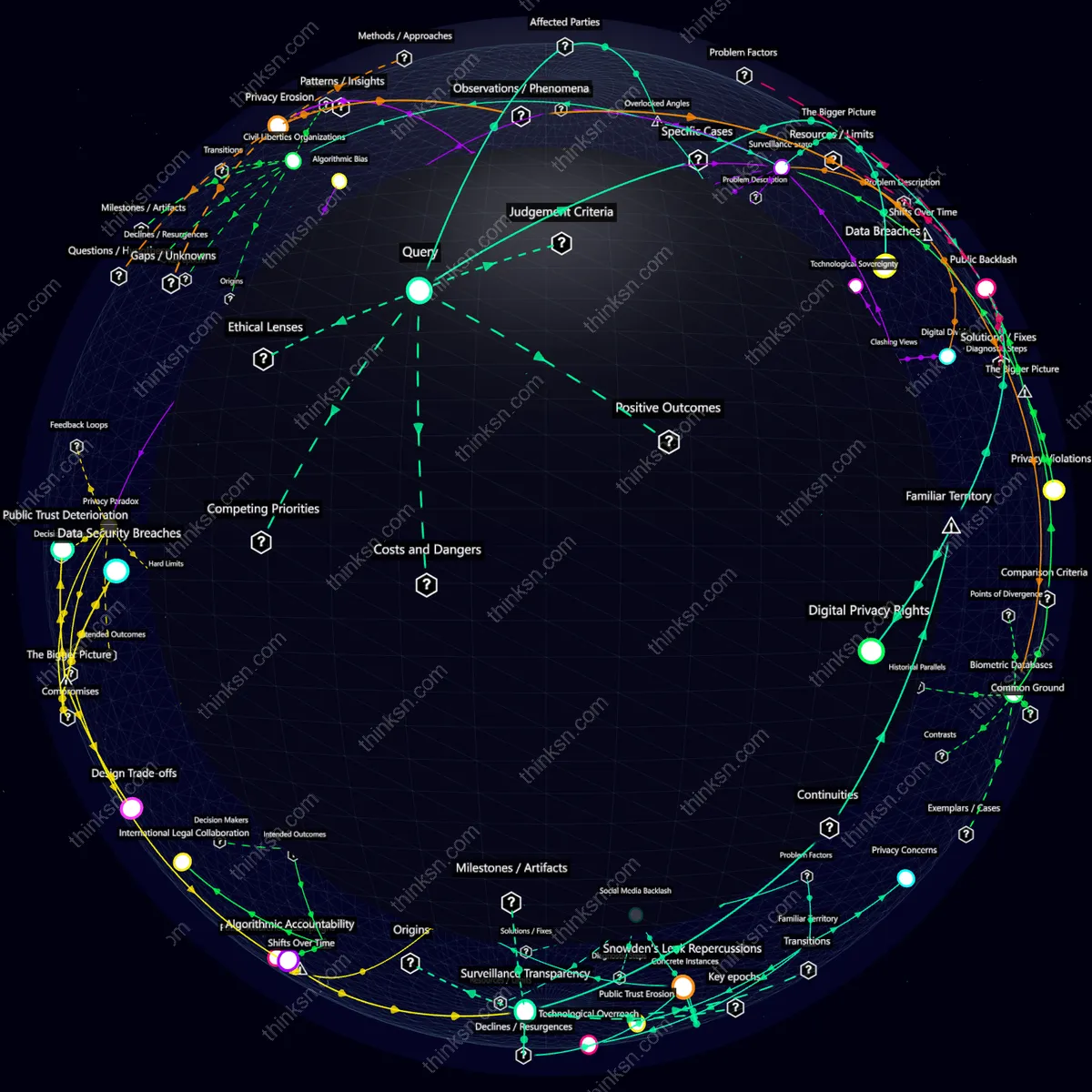
Public Trust Deterioration
The implementation of facial recognition technology by government entities often leads to a significant erosion of public trust in both the technology and governing bodies. This deterioration is exacerbated when citizens perceive that their privacy rights are being compromised without adequate safeguards or transparency, potentially leading to widespread opposition and reluctance to engage with civic services.
Data Security Breaches
Facial recognition systems pose a high risk of data breaches due to the sensitive nature of biometric information. When such breaches occur, they not only undermine individual privacy but also trigger broader concerns about national security and the effectiveness of government cybersecurity measures, leading to public outcry and political backlash.
Design Trade-offs
Optimizing facial recognition technology for speed often necessitates compromises in accuracy or cost, creating a delicate balance that can further exacerbate privacy concerns. For instance, increasing the system's processing power might reduce waiting times but also raise operational costs and potentially introduce new vulnerabilities, highlighting the complex interplay between technological efficiency and ethical considerations.
Explore further:
- What is the relationship between data sovereignty and the implementation of facial recognition technology by governments, considering potential privacy violations and public opposition?
- How has the evolution of surveillance transparency influenced public opposition to government use of facial recognition technology over time?
How has the evolution of surveillance transparency influenced public opposition to government use of facial recognition technology over time?
Digital Privacy Rights
As surveillance transparency increases, the line between public and private spheres blurs, intensifying debates over digital privacy rights. The trade-off becomes apparent as governments enhance security through facial recognition, while individuals face heightened scrutiny in their daily lives.
Public Backlash
Surveillance transparency has catalyzed a growing public backlash against government use of facial recognition technology. Activists and concerned citizens highlight potential misuse and overreach, fueling protests and calls for stricter regulations on data collection practices.
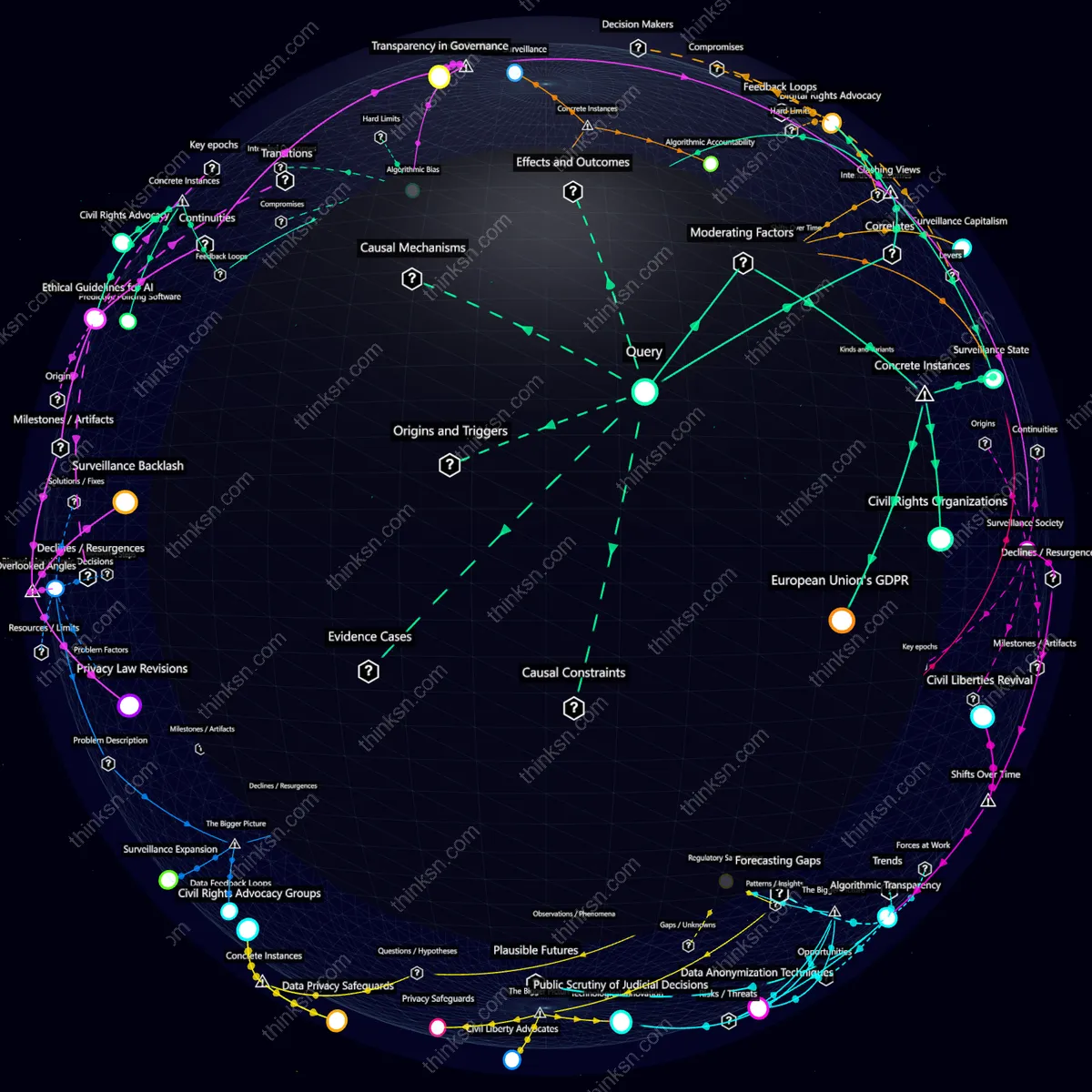
Privacy Advocacy Groups
As surveillance transparency increases, privacy advocacy groups shift from broad opposition to targeted campaigns against invasive technologies like facial recognition. This pivot underscores the evolving nature of public concern and the strategic adaptation of activist movements in response to new technological threats.
Snowden's Leak Repercussions
The 2013 leak by Edward Snowden catalyzed a wave of public skepticism towards government surveillance, making transparency in facial recognition technology a focal point for debates on privacy and civil liberties. This event marked a critical juncture where increased transparency led to heightened scrutiny over state powers.
Social Media Backlash
The rise of social media platforms has amplified the impact of surveillance transparency by creating viral movements against government use of facial recognition, leading tech companies to adopt more stringent privacy measures. This interplay between public outcry and corporate response demonstrates how digital activism can reshape policy landscapes.
Explore further:
- What strategies can privacy advocacy groups employ to counteract potential excessive privacy violations due to extensive government use of facial recognition technology, and what alternative scenarios might arise from these interventions?
- What are the measurable impacts and potential failures of social media backlash on the implementation and public perception of facial recognition technology by governments?
What strategies can privacy advocacy groups employ to counteract potential excessive privacy violations due to extensive government use of facial recognition technology, and what alternative scenarios might arise from these interventions?
Public Awareness Campaigns
Privacy Advocacy Groups launch public awareness campaigns to educate citizens on the risks of facial recognition technology, aiming to shift societal norms and regulatory frameworks. However, these efforts face significant challenges from tech companies’ aggressive marketing strategies, leading to a fragmented understanding among the public about privacy rights.
International Legal Collaboration
Privacy Advocacy Groups work with international bodies to draft model legislation that restricts government use of facial recognition technology. This collaboration is fragile due to varying national interests and can be undermined by powerful tech firms lobbying against such regulations, creating a complex web of dependencies and compromises.
What are the measurable impacts and potential failures of social media backlash on the implementation and public perception of facial recognition technology by governments?
Privacy Concerns
Social media backlash amplifies privacy concerns by exposing how facial recognition technology (FRT) invades personal space and autonomy. This reframes public perception, shifting focus from the benefits of FRT to its risks, such as unauthorized data collection and potential misuse by authorities.
Public Trust Erosion
Backlash on social media can quickly erode trust in government institutions that implement FRT. This erosion is exacerbated when these institutions fail to address privacy concerns transparently or adequately, leading to a spiral of mistrust and heightened skepticism towards technological advancements.
Technological Overreach
Social media platforms highlight instances where governments overreach in deploying facial recognition technology without proper safeguards. This can lead to public outcry against perceived misuse of power, undermining the legitimacy of FRT implementation and prompting calls for stricter regulations and oversight.