Impact of Annual Appraisals on Employee Productivity
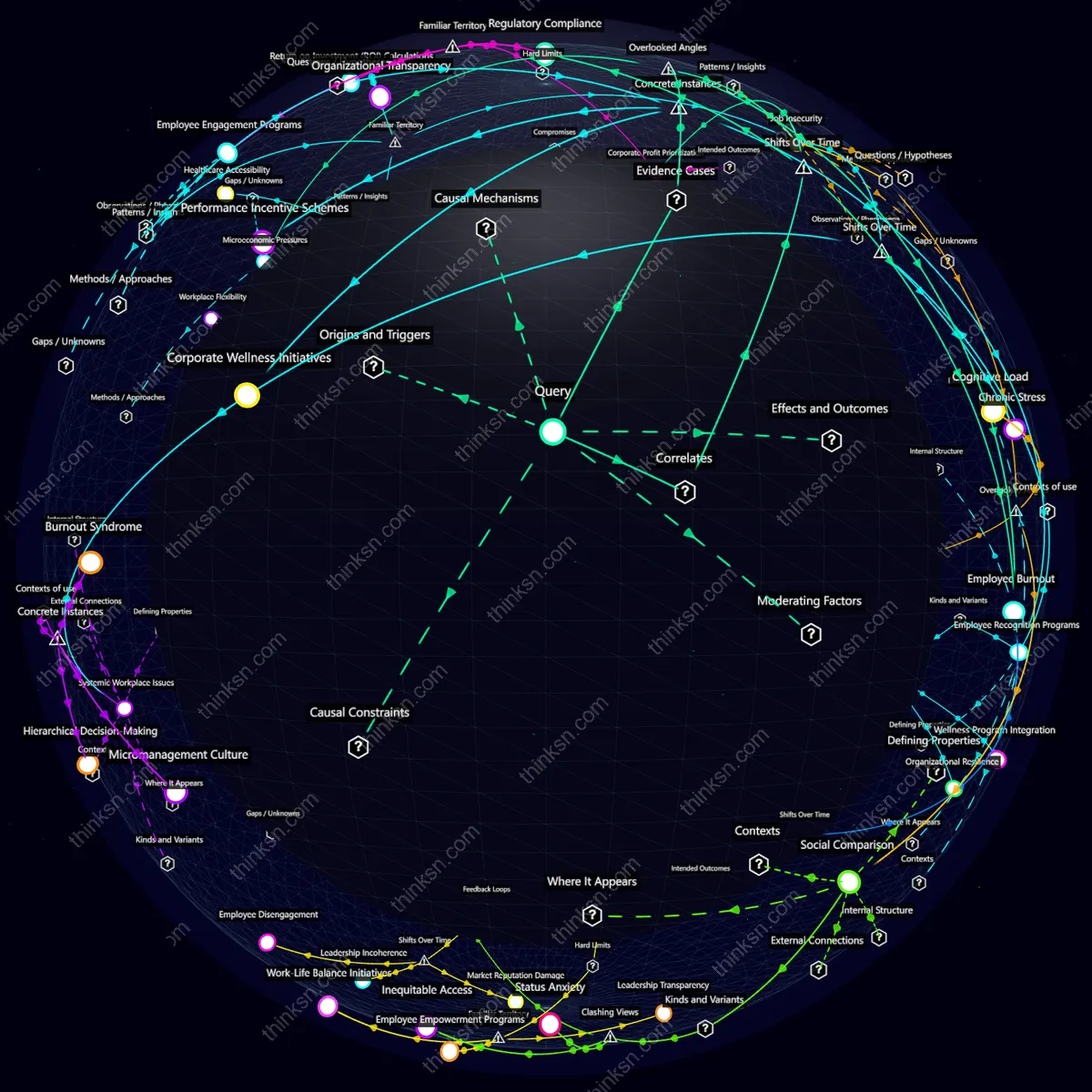
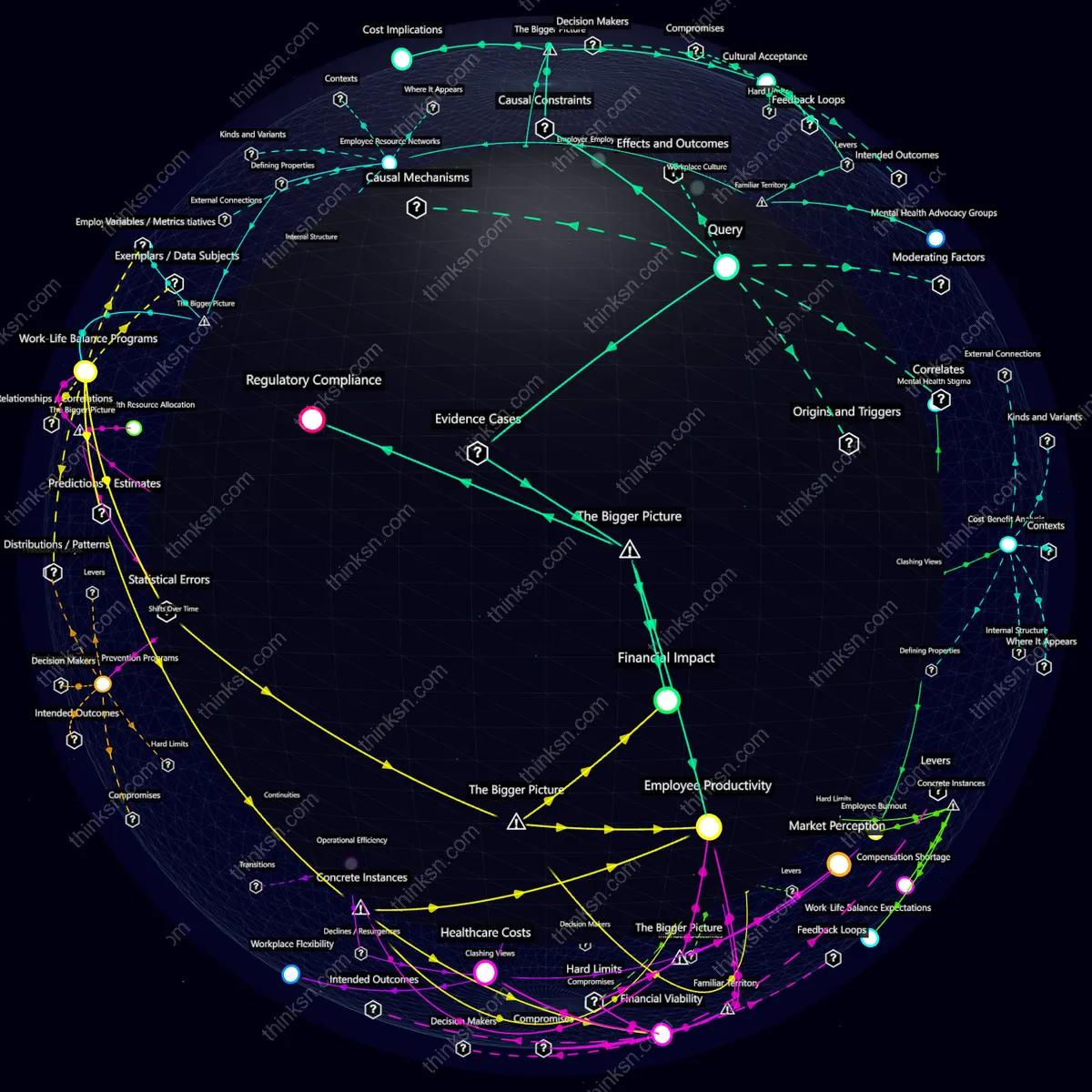
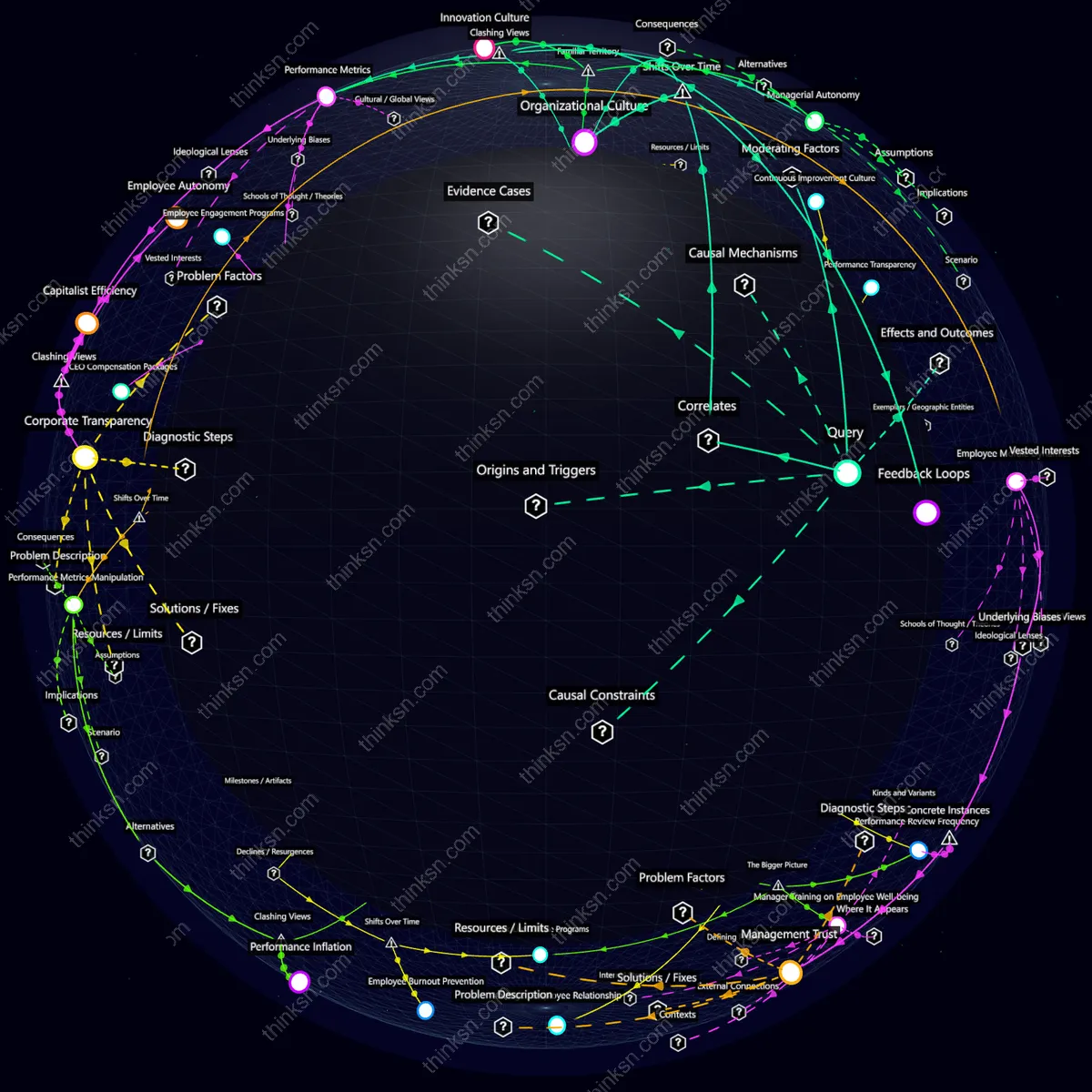
Analysis reveals 5 key thematic connections.
Key Findings
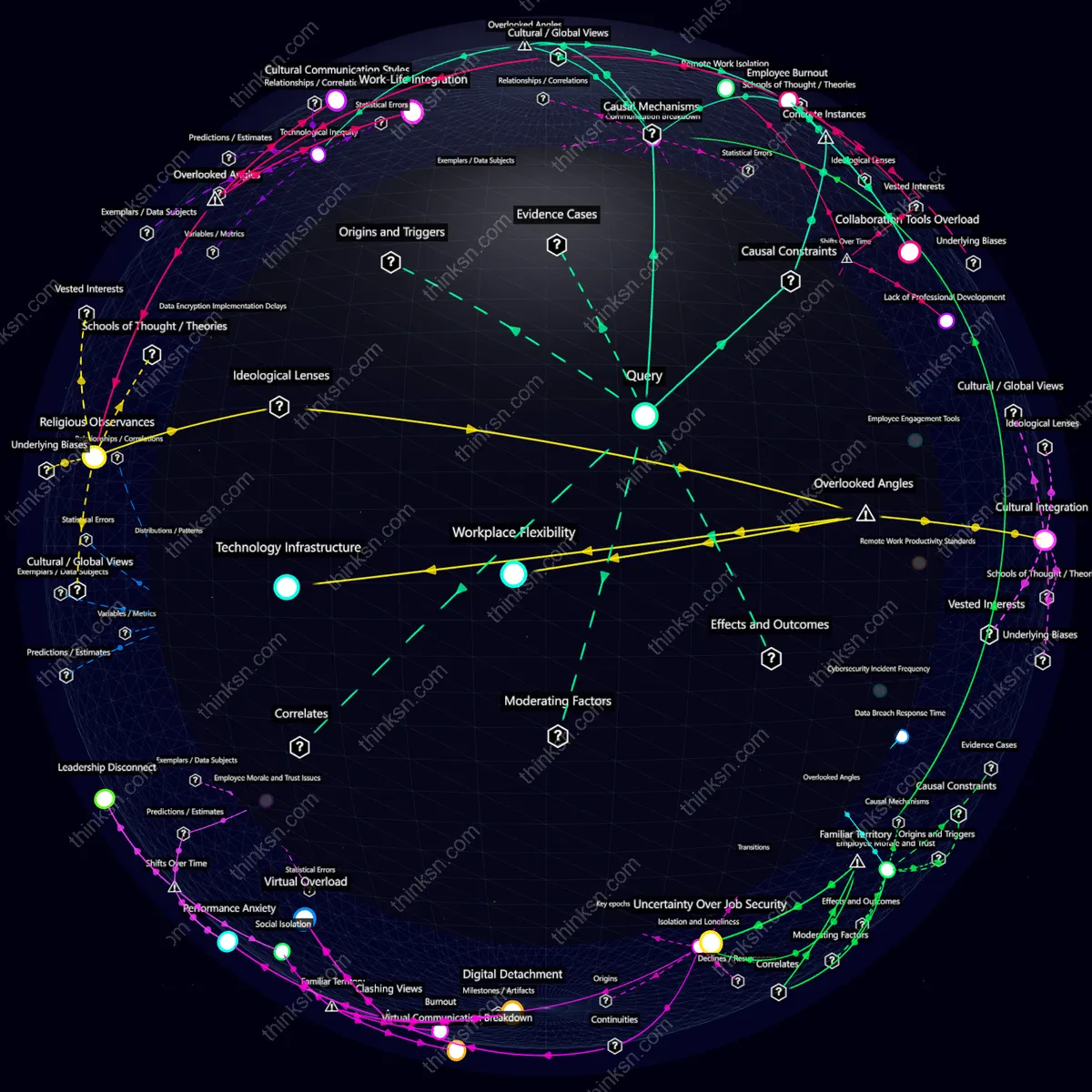
Managerial Autonomy
Transitioning from quarterly to annual reviews can paradoxically increase managerial autonomy, yet this empowerment may lead to delayed corrective actions and missed opportunities for continuous improvement. Managers might become complacent, focusing on short-term goals just before the review period.
Employee Morale
Annual performance reviews could diminish employee morale due to perceived lack of recognition and feedback frequency. This shift may exacerbate existing issues like burnout or dissatisfaction, particularly in high-stress roles where regular validation is crucial for motivation.
Performance Metrics
Changing review cycles can distort performance metrics, as employees might prioritize short-term achievements during quarterly reviews, leading to inconsistent long-term progress. Conversely, annual assessments may encourage strategic planning but at the cost of operational flexibility and responsiveness to market changes.
Feedback Loops
Annual reviews can distort feedback loops by compressing critical employee development insights into a single yearly assessment. This delay can reduce immediate corrective actions, stifling productivity and morale.
Organizational Culture
Shifting from quarterly to annual reviews can signal a cultural shift towards trust-based management. However, this approach risks undermining transparency and accountability in organizations where frequent feedback is crucial for maintaining employee motivation and alignment with organizational goals.
Deeper Analysis
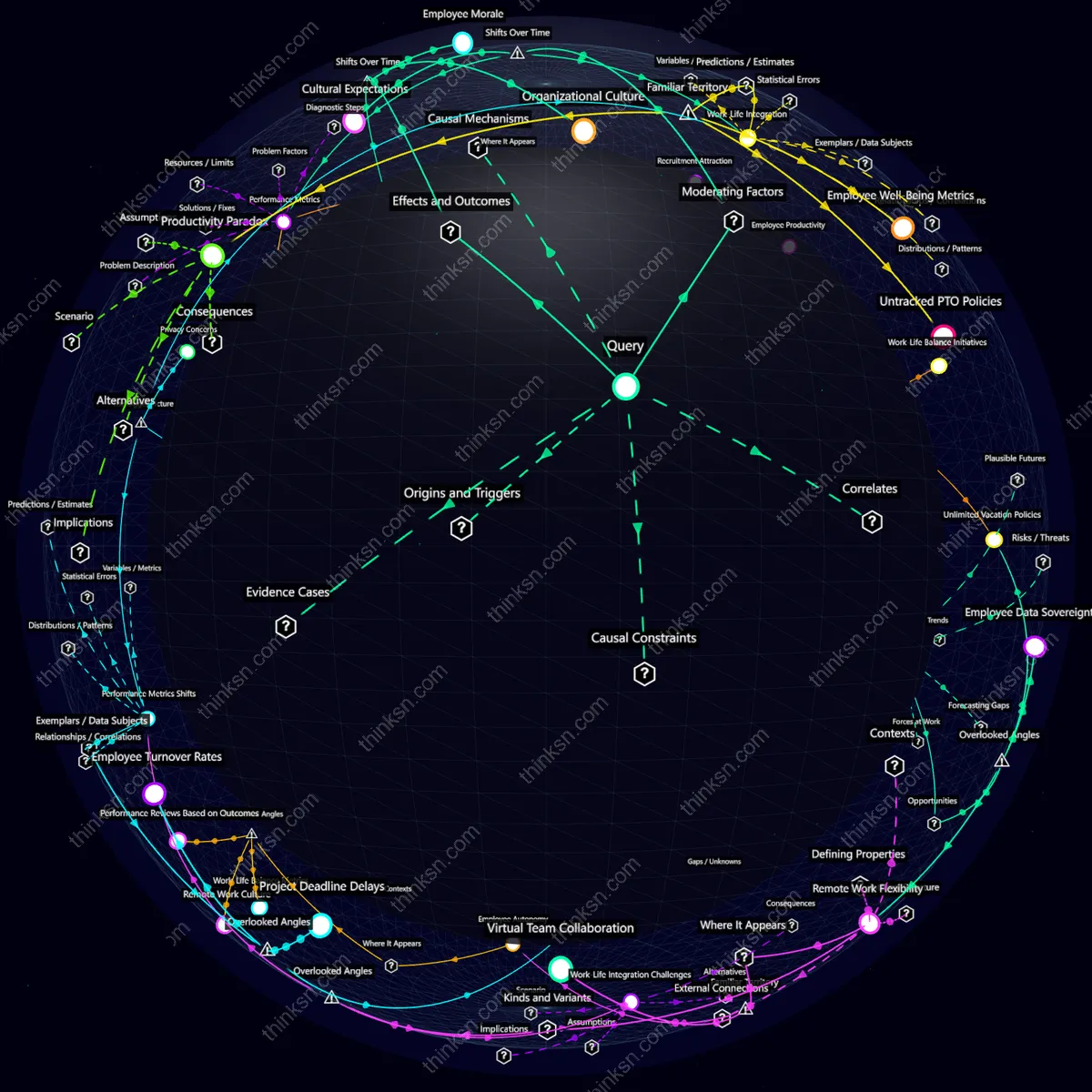
What hypothetical scenarios can illustrate how increased managerial autonomy under annual performance reviews might affect employee productivity compared to quarterly reviews?
Performance Metrics
Increased managerial autonomy under annual reviews might cause managers to focus on broad strategic goals over short-term performance metrics. This shift could lead to a disconnect between immediate employee productivity and long-term business success, as quarterly reviews typically ensure consistent attention to operational efficiency.
Employee Morale
Annual performance reviews give employees less frequent feedback cycles, potentially leading to decreased morale due to prolonged uncertainty about job security and career progression. This can create a fragile dependency on managerial discretion for critical evaluations, increasing the risk of subjective biases affecting employee motivation and productivity.
Innovation Culture
Greater autonomy in annual reviews might foster an environment where managers are more inclined to support innovative projects that require longer-term commitment. However, this could also result in a reluctance to initiate quick-turnaround innovations due to fear of disrupting the established review process and risking poor evaluations.
What is the impact on employee morale when transitioning from quarterly to annual performance reviews, and how does this affect measurable indicators of productivity under increased systemic stress?
Performance Transparency
Reducing performance reviews from quarterly to annual decreases transparency and immediate feedback loops. Employees may feel undervalued and lose motivation, leading to a significant drop in morale. This shift can also obscure early signs of systemic stress, making it harder for managers to intervene effectively.
Continuous Improvement Culture
Annual reviews undermine the continuous improvement culture by diluting feedback into less actionable annual assessments. Employees may feel their efforts go unnoticed until the year-end review, stifling motivation and innovation. This can lead to a decline in measurable productivity as employees lose sight of performance goals and milestones between evaluations.
Work-Life Balance
Increased systemic stress during annual reviews forces employees to compress months' worth of work into short periods leading up to the evaluation, potentially harming their work-life balance. This can result in burnout and decreased morale as employees struggle with unrealistic expectations and limited personal time.
What are different perspectives on how altering performance metrics from quarterly to annual reviews could impact employee productivity and motivation?
Employee Autonomy
Shifting performance metrics from quarterly to annual reviews could paradoxically reduce employee autonomy by extending the period during which employees feel their work is being intensely scrutinized. This shift might create an illusion of freedom but actually amplify stress and uncertainty, especially among those who thrive on regular feedback.
Corporate Transparency
Annual performance reviews may undermine corporate transparency by masking short-term underperformance or success, leading to a lack of accountability within teams. This could foster an environment where employees feel less compelled to address immediate issues, potentially delaying corrective actions and harming long-term productivity.
Capitalist Efficiency
From a capitalist efficiency perspective, annual reviews might seem counterintuitive as they delay the feedback loop necessary for rapid adjustment in competitive markets. This could lead companies to miss out on seizing opportunities or addressing threats promptly, highlighting a tension between long-term strategic planning and short-term tactical agility.
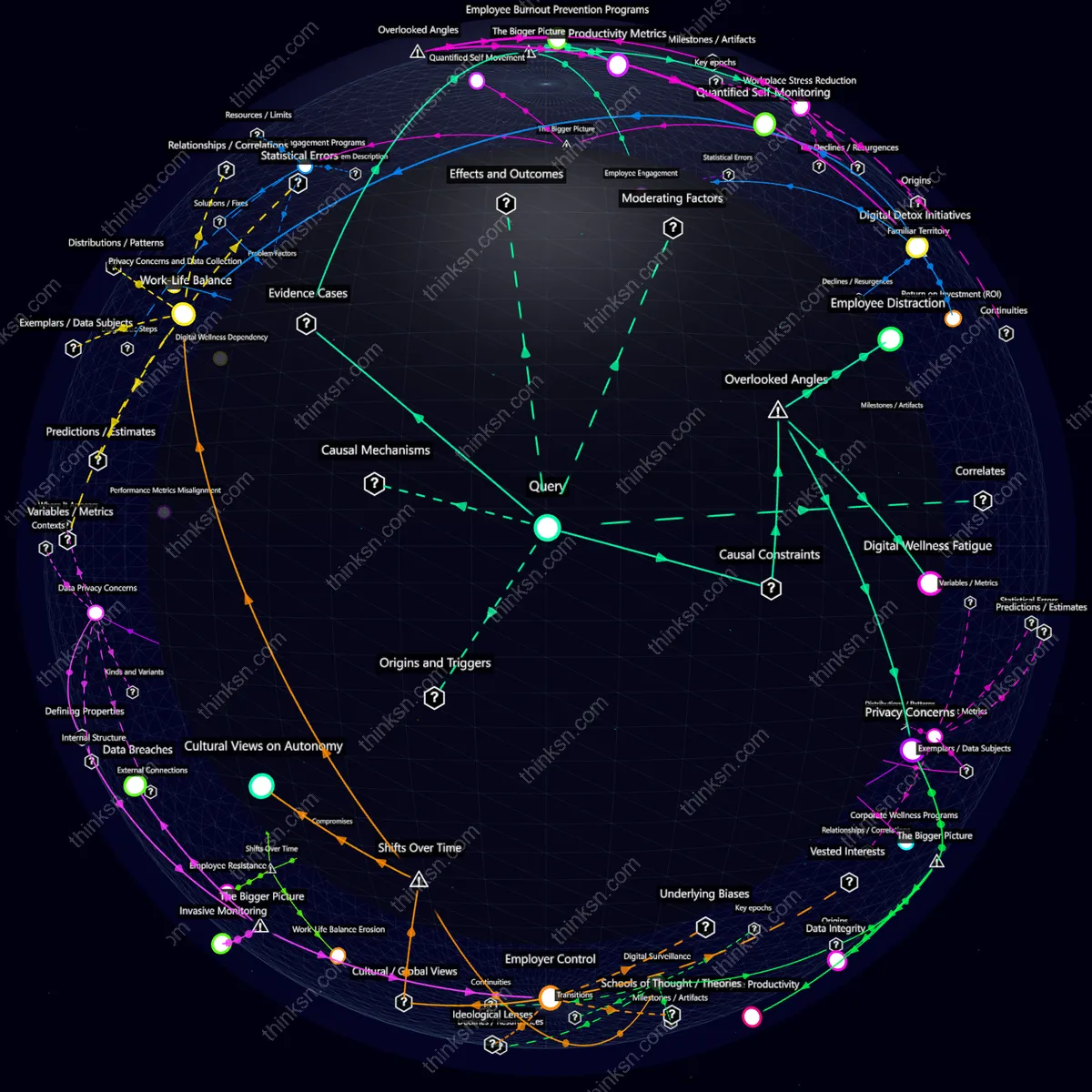
Employee Engagement Programs
Annual performance reviews can shift focus from short-term goal achievement to long-term strategic alignment. However, this may reduce immediate employee engagement and motivation due to longer feedback cycles, potentially harming productivity in the interim.
HR Analytics Platforms
Transitioning to annual reviews could undermine HR analytics platforms that rely on frequent data points for predictive modeling and trend analysis. This fragility can lead to less accurate insights, hampering strategic workforce planning and intervention timing.
CEO Compensation Packages
Annual performance metrics might align more closely with CEO compensation packages tied to broader financial targets rather than quarterly earnings. This could incentivize executives to prioritize long-term company health over short-term gains, benefiting shareholders at the expense of current employee productivity.
Explore further:
- How does altering performance review frequency from quarterly to annual impact corporate transparency and employee productivity under stress-test conditions?
- What hypothetical scenarios can be formulated using HR analytics platforms to explore how changing from quarterly to annual performance reviews impacts employee productivity?
What hypothetical scenarios can be formulated using HR analytics platforms to explore how changing from quarterly to annual performance reviews impacts employee productivity?
Employee Morale Dynamics
HR analytics platforms reveal that shifting from quarterly to annual reviews increases initial productivity spikes as employees feel less pressure. However, this masks underlying morale issues and sudden drops in engagement mid-year due to perceived lack of recognition.
Performance Metrics Manipulation
With fewer review opportunities, managers may game the system by inflating performance metrics during annual reviews to avoid negative consequences, undermining the accuracy and reliability of HR analytics platforms over time.
Work-Life Balance Shifts
Annual reviews correlate with a significant shift in work-life balance perceptions. Employees report higher stress levels immediately preceding review periods as they scramble to meet unrealistic expectations set earlier in the year, highlighting the delicate balance between performance and well-being.
Employee Morale
Switching from quarterly to annual reviews could initially boost morale by reducing stress and workload pressure on employees, but it may also delay feedback cycles, causing performance issues to go unnoticed for longer periods, potentially undermining long-term productivity.
Managerial Accountability
Annual reviews might shift managerial focus from continuous improvement to sporadic evaluation, weakening accountability mechanisms and diluting the impact of leadership on employee development, leading to a decline in managerial effectiveness over time.
Data Accuracy
HR analytics platforms may struggle with the increased complexity of capturing accurate performance data over longer intervals, risking skewed metrics that do not truly reflect individual contributions or organizational health during off-review periods.
Explore further:
- What are the potential impacts on employee morale when transitioning from quarterly to annual performance reviews, and how might these changes be perceived differently across various workplace cultures?
- What hypothetical scenarios can be formulated to assess how changing from quarterly to annual performance reviews might affect employee productivity and overall organizational performance metrics?
What are the potential impacts on employee morale when transitioning from quarterly to annual performance reviews, and how might these changes be perceived differently across various workplace cultures?
Performance Review Frequency
Shifting from quarterly to annual reviews can dilute the immediacy of feedback and accountability. Employees may feel less recognized for their efforts, leading to decreased morale. Conversely, in cultures valuing long-term planning and stability, this change might be seen as a positive move towards reducing stress.
Management Trust
Annual reviews can be perceived as a sign of management's trust in employees' self-motivation, boosting morale. However, if not clearly communicated or managed poorly, such changes may signal mistrust and lead to perceptions that employee input is undervalued.
What hypothetical scenarios can be formulated to assess how changing from quarterly to annual performance reviews might affect employee productivity and overall organizational performance metrics?
Employee Burnout
Annual reviews may delay timely feedback and support, exacerbating stress and leading to burnout. Employees could feel a lack of direction or validation for their efforts over the year, potentially reducing engagement and productivity.
Performance Inflation
With less frequent scrutiny, managers might inflate performance ratings to maintain morale or avoid confrontation, distorting true performance metrics and undermining organizational accountability. This could mask underlying issues until they become severe problems.
What hypothetical scenarios can be formulated to mitigate employee burnout when transitioning from quarterly to annual performance reviews, and how might these interventions affect employee productivity?
Performance Review Cycle Length
Extending the performance review cycle from quarterly to annual can reduce immediate pressure on employees but risks masking critical feedback and support at crucial moments, potentially leading to delayed recognition of burnout symptoms.
Managerial Oversight Adjustment
Shifts in managerial oversight strategies must evolve to compensate for less frequent formal reviews. Over-reliance on annual evaluations can undermine continuous performance management, leaving employees feeling neglected and undervalued during the interim period.
Employee Mental Health Initiatives
Integrating regular mental health check-ins alongside reduced review cycles could mitigate burnout risks but requires a cultural shift towards open conversations about well-being. This initiative might face challenges in gaining traction without visible leadership endorsement and dedicated resources.
Performance Review Frequency
Reducing performance reviews from quarterly to annual can initially alleviate the stress of constant evaluation but may paradoxically increase anxiety as employees anticipate a comprehensive review, impacting their sense of security and motivation.
Work-Life Balance Programs
Implementing robust work-life balance programs in response to shifting review schedules might inadvertently highlight inequities among teams, exacerbating feelings of burnout for those with less supportive managers or environments.
Manager Training on Employee Well-being
Enhancing manager training on recognizing and addressing employee well-being can mitigate burnout but may also create a false sense of security if managers lack genuine commitment to these principles, leading to superficial interventions that fail to address underlying issues.
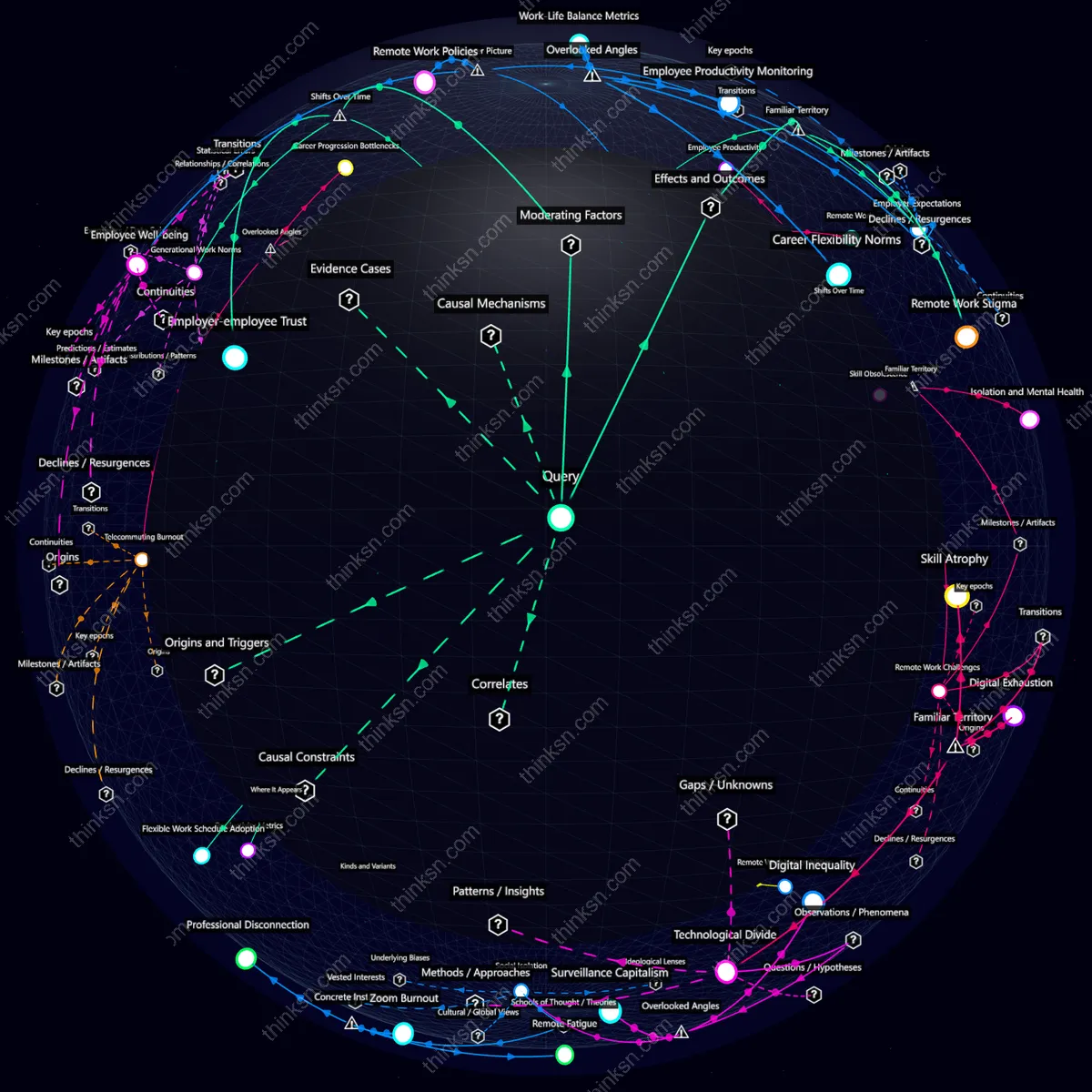
How might transitioning from quarterly to annual performance reviews impact employee mental health over time?
Performance Review Frequency
Reducing performance reviews from quarterly to annual can alleviate the constant pressure on employees but may also delay critical feedback, allowing small issues to escalate into major problems. This shift can lead to a lack of accountability and growth opportunities for employees.
Work-Life Balance
Annual performance reviews could provide more psychological space for work-life balance by reducing the frequency of stressful review periods. However, this also risks creating an unpredictable environment where employees feel less secure about their performance evaluations, leading to chronic stress and anxiety.
Manager-Employee Relationship
A decrease in review frequency might initially foster a more trusting relationship between managers and employees by reducing the adversarial nature of quarterly reviews. Conversely, this can also weaken the routine communication that helps build rapport and understanding, potentially harming long-term relationships.
Work-Life Balance Programs
Transitioning from quarterly to annual reviews may initially boost employees' mental health by reducing immediate stress and workload pressure. However, over time, the lack of frequent feedback can lead to a gradual decline in performance clarity and goal alignment, undermining long-term work-life balance programs.
Employee Burnout Prevention
Annual reviews could inadvertently increase burnout risk by amplifying uncertainty about career progression and recognition. Employees may feel their achievements are overlooked during the extended period between reviews, leading to demotivation and a sense of neglect from management.