Standing Meetings: Productivity Boost or Strain?
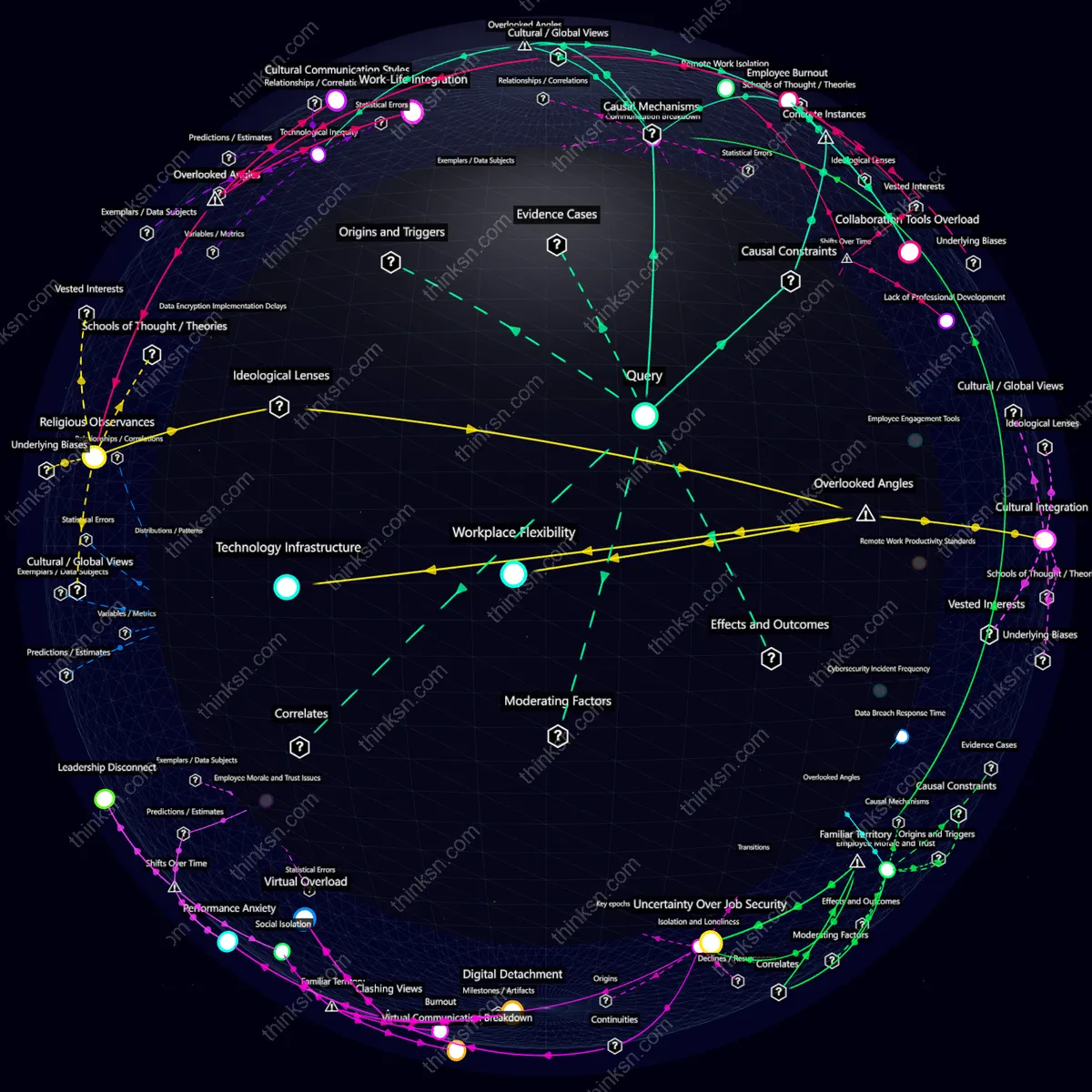
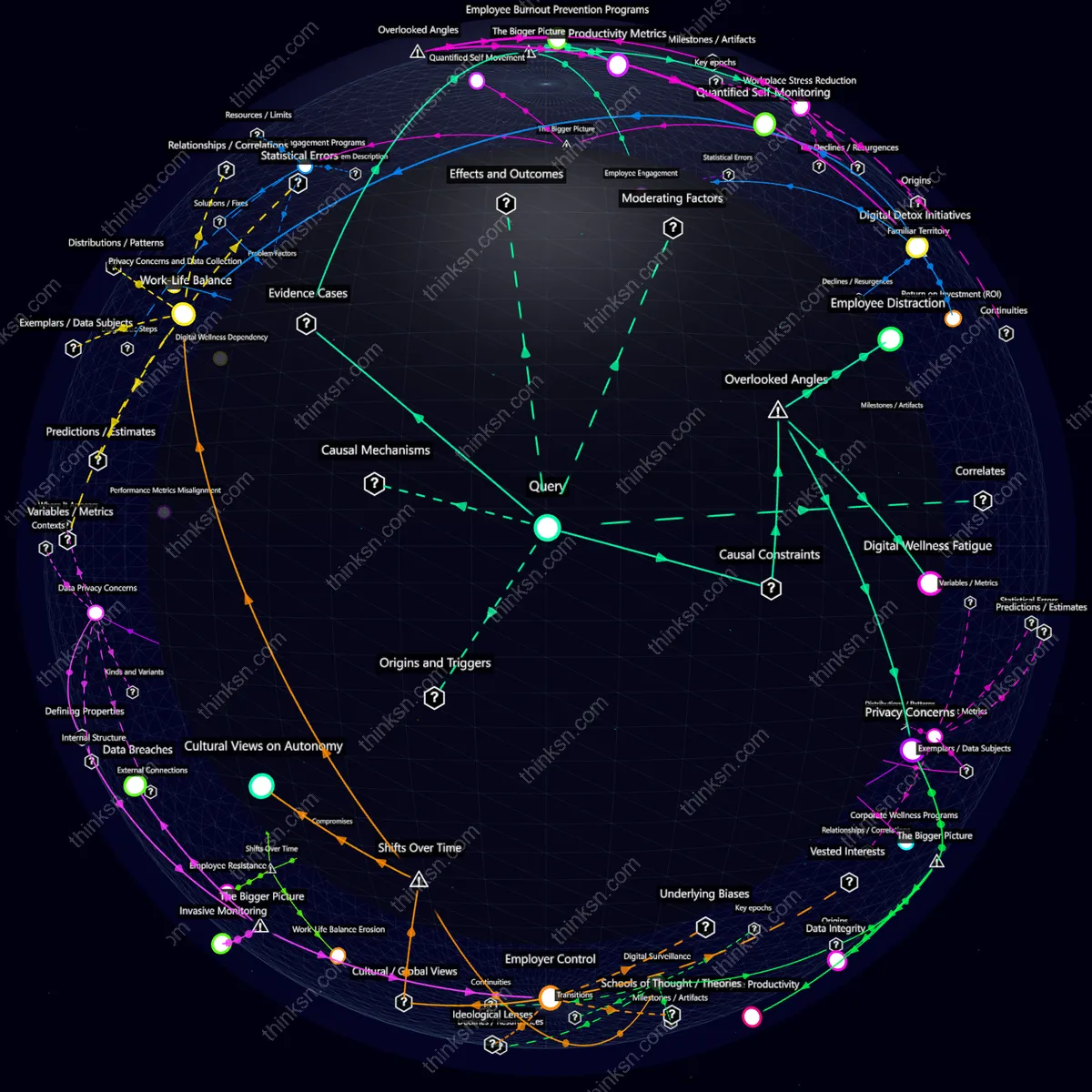
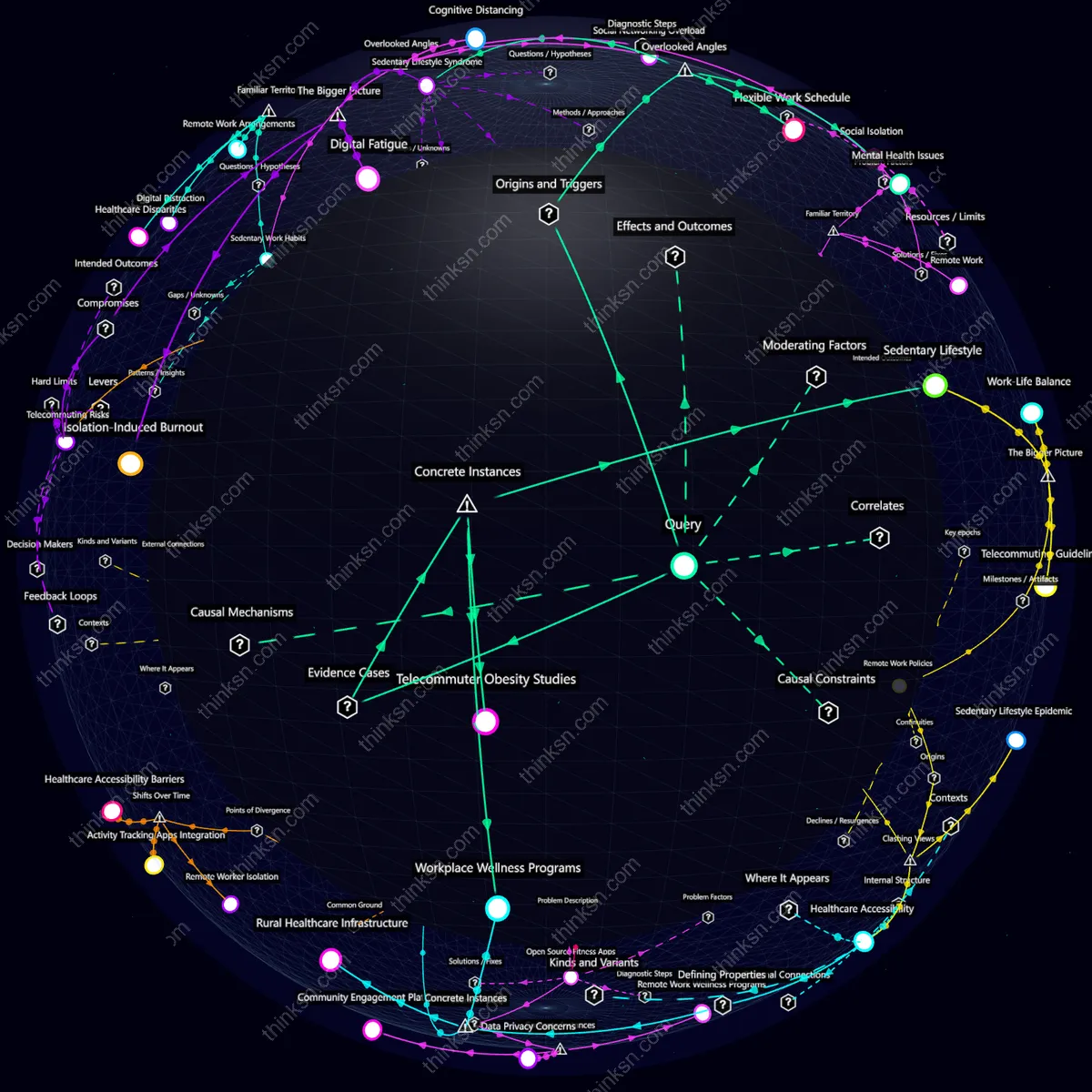
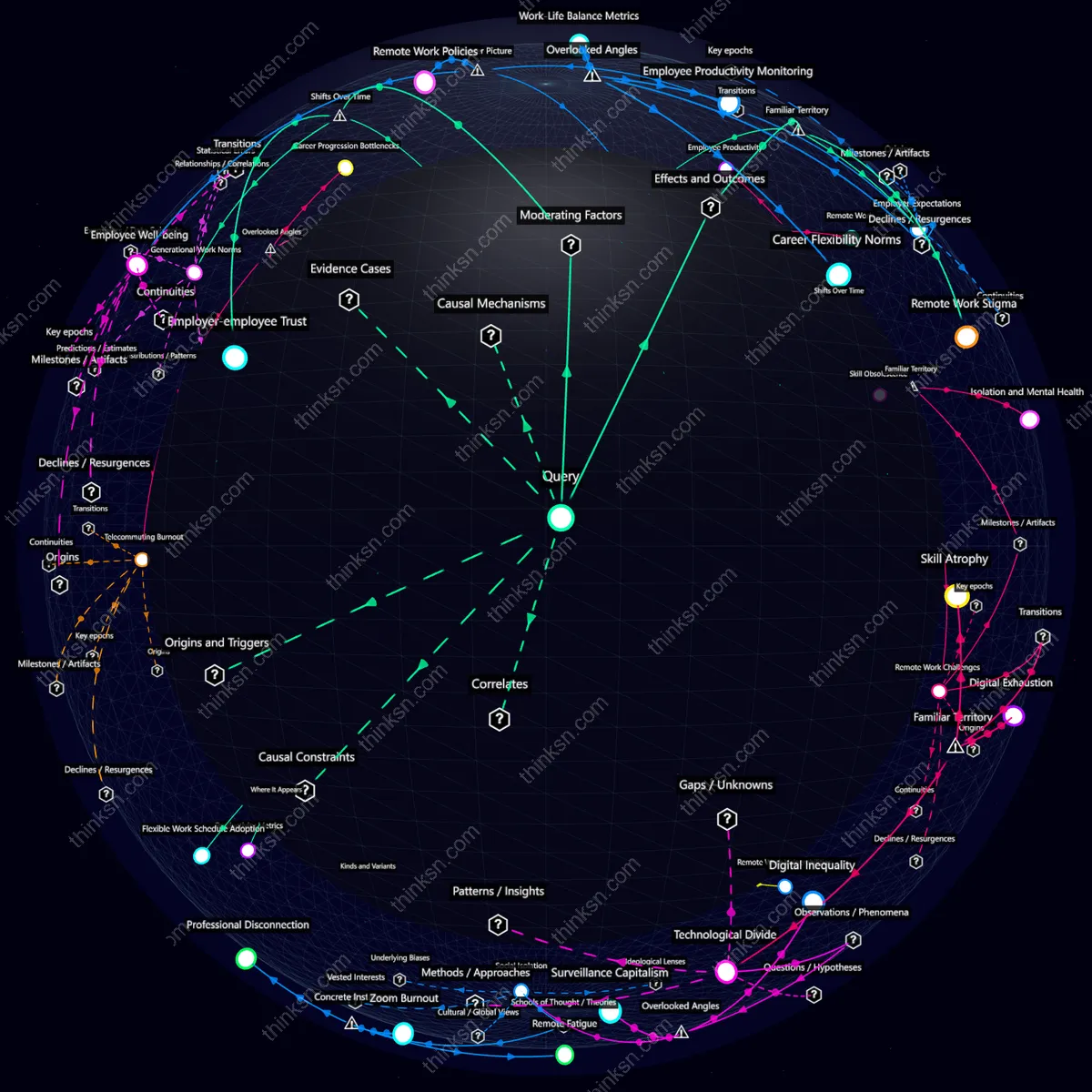
Analysis reveals 6 key thematic connections.
Key Findings
Employee Burnout
Shorter standing meetings might reduce immediate fatigue but could lead to increased workload as employees try to compensate for lost meeting time with longer hours, exacerbating chronic stress and burnout.
Collaboration Quality
While shorter meetings aim to enhance productivity by limiting discussion length, the trade-off might be a decrease in collaboration quality due to rushed decision-making processes and insufficient exchange of ideas among team members.
Healthcare Costs
Reducing meeting duration may lower the physical strain on employees initially but could result in higher healthcare costs over time as more employees suffer from chronic conditions like back pain, leading to increased absenteeism and medical expenses.
Employee Wellness Programs
Companies adopting standing meetings with reduced durations often implement wellness programs to mitigate physical strain on employees. However, these efforts may be superficial and fail to address the root causes of fatigue, leading to decreased morale and skepticism about leadership intentions.
Remote Work Policies
The shift towards shorter standing meetings can highlight disparities in remote work policies. Remote workers might face disadvantages as they miss out on spontaneous problem-solving sessions that occur during these brief encounters, potentially widening the productivity gap between office and home-based teams.
Cultural Shift Towards Flexibility
A cultural shift towards greater flexibility in work practices can be both a boon and a bane. While it fosters innovation by encouraging diverse meeting formats, it also introduces ambiguity about what constitutes an effective use of time, leading to potential inefficiencies or resistance from traditionalists who value more formalized processes.
Deeper Analysis
What are the measurable impacts on employee wellness and productivity when implementing standing meetings half as long, considering the trade-offs between physical strain and potential gains in efficiency?
Workplace Ergonomics
Reducing meeting durations can decrease the physical strain on employees from prolonged sitting. However, this shift requires a careful balance to avoid overlooking other ergonomic needs such as standing desk height or monitor placement. If not properly addressed, shorter meetings could lead to increased foot traffic and congestion around communal areas, exacerbating issues like back pain and eye strain.
Cognitive Load
While standing meetings may enhance mental alertness due to the change in physical posture, frequent transitions between sitting and standing can increase cognitive load. Employees might struggle with sustained concentration during longer work periods if they lack breaks or structured rest times. This could result in decreased productivity for tasks requiring deep focus.
Team Dynamics
Implementing shorter meetings aims to foster more efficient collaboration, yet it may inadvertently disrupt established team norms and rapport-building processes. Frequent short interactions without proper space for informal dialogue can weaken social bonds, affecting communication effectiveness and cohesion over time. This fragility underscores the need for hybrid approaches that balance efficiency with relationship maintenance.
How does a cultural shift towards flexibility in implementing shorter standing meetings impact long-term productivity and physical well-being trends within companies?
Remote Work Adoption
As companies embrace flexibility with shorter standing meetings, remote work adoption becomes more prevalent. This shift can lead to a fragmented sense of team cohesion and collaboration, potentially undermining long-term productivity through increased communication barriers and reduced serendipitous interactions.
Employee Burnout
The cultural emphasis on flexibility may inadvertently contribute to higher levels of employee burnout. Employees might feel pressured to be constantly available or responsive, even outside traditional work hours, leading to a blurring of work-life boundaries and negative impacts on physical well-being.
Sedentary Lifestyle Shifts
While shorter standing meetings aim to promote activity, the overall cultural shift might overlook the broader impact on sedentary lifestyles. Employees may compensate for increased standing with more prolonged periods of sitting elsewhere, undermining intentions to improve physical health and well-being.
How do standing meetings that are half as long compare to remote work adoption in terms of their impact on company productivity and employee well-being?
Digital Fatigue
As remote work adoption increases, the constant stream of digital communication can lead to digital fatigue among employees. This syndrome can undermine productivity and well-being, making short-standing meetings seem less effective as they add another layer of mental strain.
Cultural Disconnect
Remote work adoption often leads to a cultural disconnect between team members who rarely meet face-to-face. While half-hour standing meetings might seem like an efficient solution, they can exacerbate this issue by limiting meaningful interpersonal connections that foster trust and collaboration.
Inequitable Access
Remote work adoption highlights inequities in access to necessary technology and quiet spaces for focused work. Shortened standing meetings may not address the underlying issues of uneven digital literacy and environmental distractions, potentially widening productivity gaps between employees.
Employee Burnout
Remote work adoption has led to blurred boundaries between personal and professional life, causing employees in tech startups to experience heightened stress and burnout as they struggle with the constant availability expected by managers.
Virtual Team Cohesion
Despite efforts to maintain team cohesion through regular video calls and virtual social events, remote work adoption has resulted in a decline of spontaneous interactions that typically occur in office settings, leading to feelings of isolation among employees at large corporations like Google.
Cybersecurity Threats
The shift towards remote work adoption has exposed companies to new cybersecurity risks as employees connect from unsecured networks and personal devices, with notable breaches reported in the financial sector highlighting vulnerabilities that were previously mitigated by on-premises security measures.
Explore further:
- What strategies can be implemented to mitigate cultural disconnect in a company that adopts standing meetings half as long, considering potential impacts on productivity and physical strain?
- What is the relationship between standing meetings and employee burnout, considering the impact on company productivity?
What strategies can be implemented to mitigate cultural disconnect in a company that adopts standing meetings half as long, considering potential impacts on productivity and physical strain?
Workplace Adaptation Syndrome
Standing meetings aim to boost productivity by reducing meeting time, yet they can inadvertently trigger Workplace Adaptation Syndrome, where employees feel pressured to conform without questioning the underlying effectiveness of such changes. This syndrome risks diminishing genuine dialogue and innovation, leading to a superficial sense of engagement.
Remote vs In-Person Divide
Implementing standing meetings may exacerbate the Remote vs In-Person Divide, as remote workers might feel excluded from an in-person cultural norm that prioritizes quick decision-making over inclusivity. This can foster resentment and reduce collaborative spirit among team members who are not physically present.
Health Equity Concerns
While standing meetings aim to mitigate sedentary work habits, they might disproportionately affect employees with physical limitations or chronic conditions, leading to Health Equity Concerns. This can result in a hidden layer of inequality where certain individuals feel compelled to hide their medical needs for fear of appearing less committed.
Explore further:
- What are the emerging insights and diverse viewpoints on how Workplace Adaptation Syndrome manifests in employees who frequently participate in half-hour standing meetings, and what hidden assumptions might affect perceived productivity gains or losses?
- What are the health equity concerns arising from the implementation of standing meetings that are half as long in terms of physical strain distribution among employees?
What is the relationship between standing meetings and employee burnout, considering the impact on company productivity?
Work-Life Balance
The relentless schedule of standing meetings often undermines work-life balance for employees. As more time is dedicated to these short yet frequent meetings, the boundary between personal and professional life blurs, causing stress and burnout. This shift can lead to a vicious cycle where employees feel compelled to sacrifice their private lives to meet unyielding workplace demands.
Micromanagement Perception
Frequent standing meetings might inadvertently foster perceptions of micromanagement among staff, as they are subjected to constant oversight and reporting. This can erode trust between managers and employees, leading to heightened stress and burnout due to the feeling of lack of autonomy and support.
What are the health equity concerns arising from the implementation of standing meetings that are half as long in terms of physical strain distribution among employees?
Workplace Inequality
Standing meetings that halve the physical strain on employees might initially seem equitable. However, this shift often disproportionately affects those with pre-existing health conditions, such as back or knee issues, exacerbating workplace inequality and highlighting systemic biases in corporate wellness policies.
Employee Fatigue
While standing meetings aim to reduce sedentary behavior, they can lead to increased employee fatigue among workers who are less accustomed to prolonged standing. This shift could inadvertently elevate the risk of musculoskeletal disorders and undermine overall health equity in the workplace.
Health Accessibility
Implementing shorter standing meetings might improve accessibility for some employees with mobility issues, but it can also alienate others who require more accommodations. This highlights a complex trade-off where efforts to enhance physical health could inadvertently reduce overall health equity by neglecting diverse needs.
Physical Strain Inequity
Standing meetings of reduced duration can exacerbate physical strain inequities among employees with different body types and health conditions. For instance, longer standing periods disproportionately affect those with lower limb injuries or chronic pain, reinforcing an uneven distribution of workplace discomfort.
Workplace Accessibility
Shortened standing meetings might lead to a false sense of accessibility and inclusivity in the workplace, overshadowing persistent structural barriers that prevent certain employees from participating fully. This can marginalize individuals with mobility issues or health constraints who require seated accommodations.
Employee Well-being Disparity
Implementing shorter standing meetings could inadvertently highlight disparities in employee well-being by shifting focus away from broader health equity concerns such as mental health support and ergonomic workspaces. This narrow focus may neglect the diverse needs of a workforce, deepening existing inequities.
Explore further:
- How might standing meetings that are half as long impact workplace inequality through changes in productivity and physical strain among different employee groups?
- What are the measurable impacts on company productivity when standing meetings, which double physical strain inequity among employees, are implemented for half the duration compared to traditional seated meetings?
What are the measurable impacts on company productivity when standing meetings, which double physical strain inequity among employees, are implemented for half the duration compared to traditional seated meetings?
Employee Burnout
The increased physical strain from standing meetings exacerbates the risk of employee burnout. High-strain employees in physically demanding jobs are disproportionately affected, leading to a higher turnover rate and reduced overall productivity due to decreased morale and engagement.
Gendered Workplace Dynamics
Standing meetings reinforce gender biases by disproportionately affecting women who often report higher levels of discomfort. This leads to an underrepresentation of women's voices in critical decision-making processes, perpetuating a cycle where less diverse viewpoints hinder innovation and company growth.
Ergonomic Compliance
The implementation of standing meetings undermines workplace ergonomics compliance, leading to hidden costs such as increased medical expenses for treating repetitive strain injuries. This financial burden can divert resources from more productive investments in employee wellness and technological upgrades.
Employee Turnover
Standing meetings that exacerbate physical strain inequity can lead to higher turnover rates among employees with mobility issues. Companies like Amazon, known for their rigorous work environments, have seen increased attrition in roles requiring prolonged standing or mobility challenges.
Workplace Inequality
The implementation of standing meetings disproportionately affects workers from lower socioeconomic backgrounds who may not afford ergonomic solutions to alleviate strain. This exacerbates workplace inequality and can lead to a toxic work environment at tech firms like Google, which pride themselves on inclusivity.
Productivity Decline
Physical strain inequity caused by standing meetings can result in decreased productivity, especially among employees who experience discomfort or pain. A study from the University of California, Berkeley, found that workers with chronic conditions reported a significant drop in performance after mandatory standing meeting policies were introduced.
Explore further:
- What are the potential emerging insights and hidden assumptions regarding ergonomic compliance when adopting shorter standing meetings in a company setting?
- What strategies can companies implement to mitigate potential increases in employee turnover due to physical strain from adopting shorter, more frequent standing meetings?
What are the potential emerging insights and hidden assumptions regarding ergonomic compliance when adopting shorter standing meetings in a company setting?
Workplace Culture
The shift towards shorter standing meetings can inadvertently undermine a company's culture of ergonomic awareness if not properly communicated. Employees may perceive such changes as mere trends rather than genuine efforts to improve health and well-being, leading to skepticism about the sincerity of ergonomic compliance initiatives.
Employee Fatigue
Shorter standing meetings might initially reduce physical fatigue, but they could create a fragmented workday that leads to mental exhaustion. Frequent transitions between sitting and standing without proper breaks can exacerbate cognitive stress, affecting focus and productivity throughout the day.
Policy Implementation
The enforcement of ergonomic compliance through shorter meetings may face challenges if not aligned with broader company policies on work-life balance and health. This misalignment could result in inconsistent application, where some departments strictly adhere to new guidelines while others continue old practices, highlighting the need for comprehensive policy integration.
What strategies can companies implement to mitigate potential increases in employee turnover due to physical strain from adopting shorter, more frequent standing meetings?
Workplace Wellness Programs
Companies implementing standing meetings without robust wellness programs risk increasing physical strain and employee turnover. Decision-makers must consider ergonomic solutions like adjustable desks, supportive footwear, and regular health check-ups to mitigate these risks.
Ergonomic Design Consultants
Consultants specializing in office ergonomics become crucial architects of change as companies seek to adapt their workspaces. These experts must balance the push for innovative meeting styles with ensuring employee well-being, navigating complex trade-offs between productivity and health.