TikTok Dance Challenges and Dangerous Stunts Among Teens
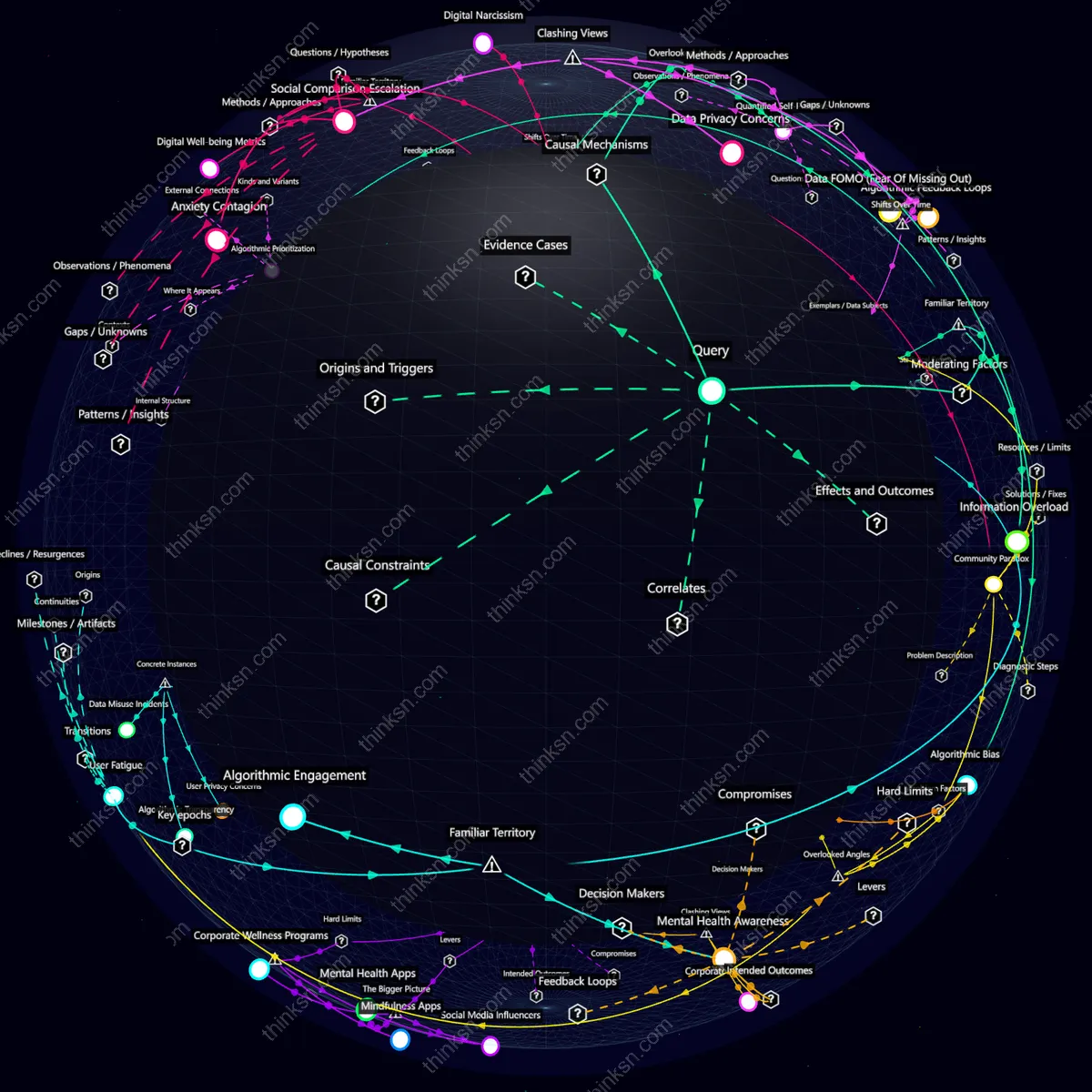
Analysis reveals 6 key thematic connections.
Key Findings
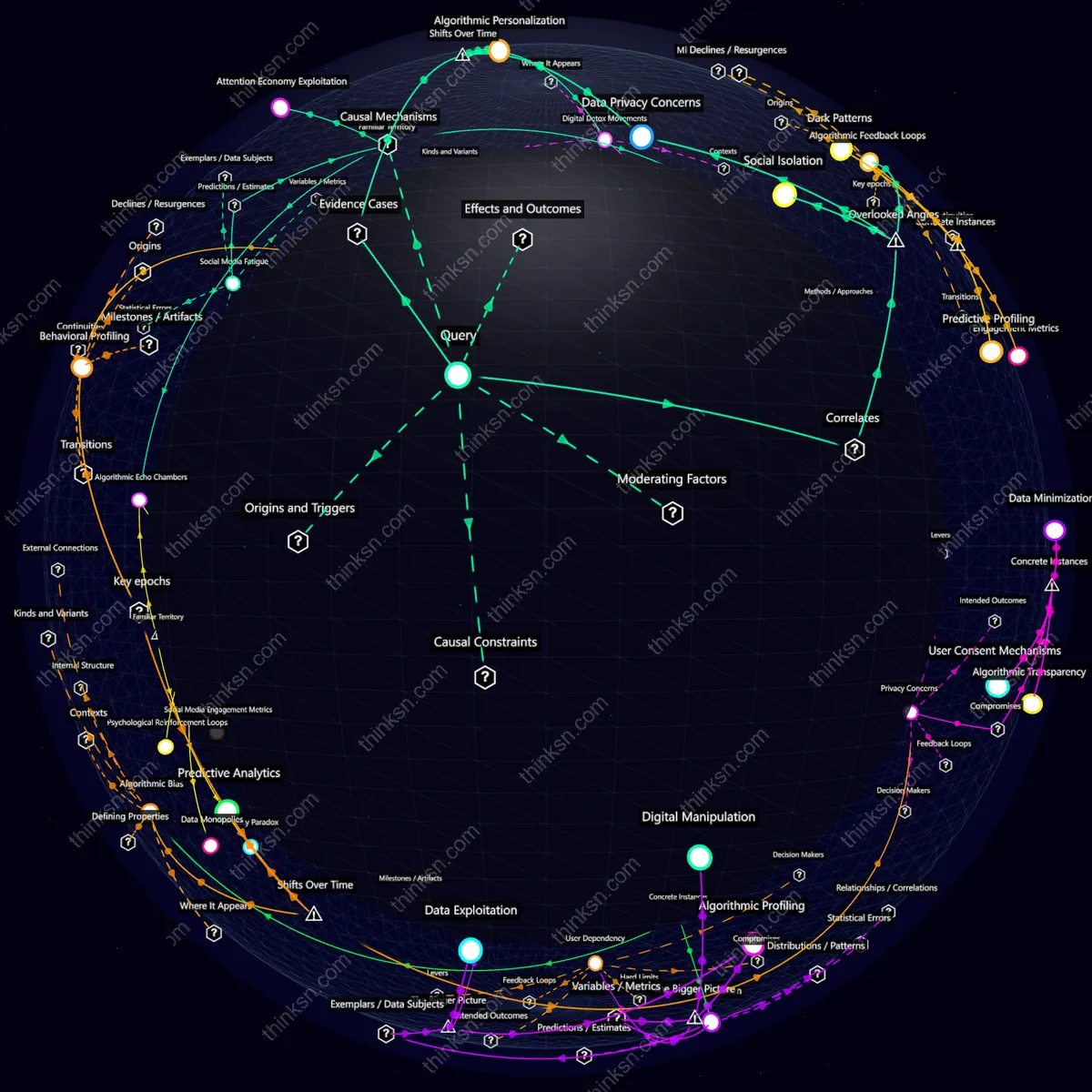
Peer Influence
Teenagers often imitate peers to fit in, making them susceptible to TikTok trends. When dance challenges become risky, the pressure from online communities can override personal safety considerations, pushing teens into behaviors that endanger their well-being.
Social Media Algorithms
Algorithms prioritize content that generates high engagement and views, often rewarding extreme or dangerous acts to keep users on the platform longer. This amplification loop can normalize risky behavior as a means to gain popularity among teens, fostering an environment where safety is compromised for virality.
Parental Awareness
Parents may be unaware of the risks involved in popular TikTok challenges due to generational gaps or lack of knowledge about platform dynamics. This ignorance creates a blind spot that leaves teenagers vulnerable, as adults fail to provide necessary guidance or intervention.
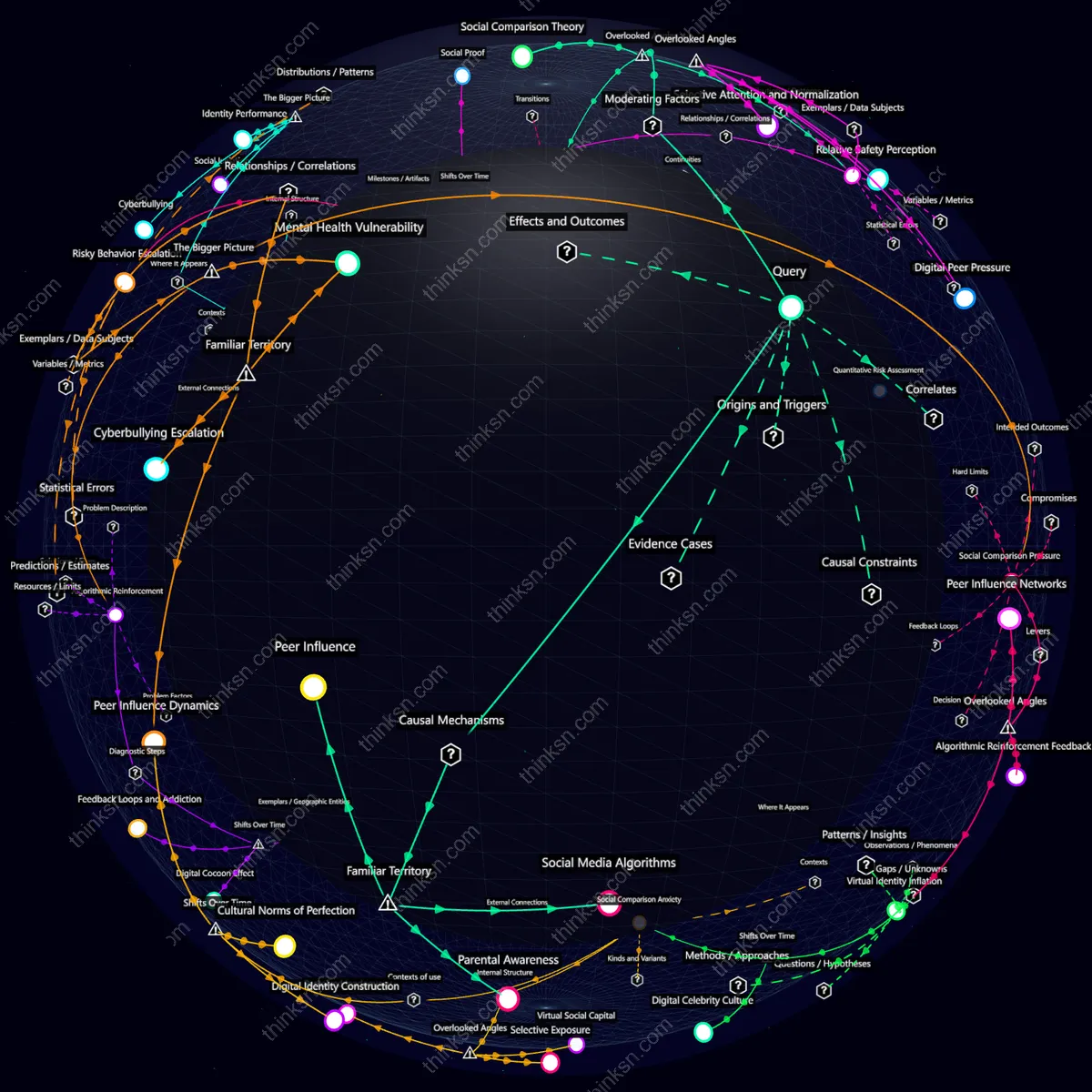
Social Comparison Theory
The pervasive influence of Social Comparison Theory in TikTok challenges can amplify the pressure on teenagers to engage in risky behaviors to gain validation and social status. This dynamic creates a fragile dependency where teens are driven by the need for likes and comments, often overlooking personal safety.
Algorithmic Bias
TikTok's algorithmic bias towards popular trends can inadvertently dampen teenagers' critical thinking skills, making them more susceptible to engaging in risky behaviors without considering consequences. This hidden dimension highlights how platform design choices can unintentionally normalize and incentivize dangerous activities.
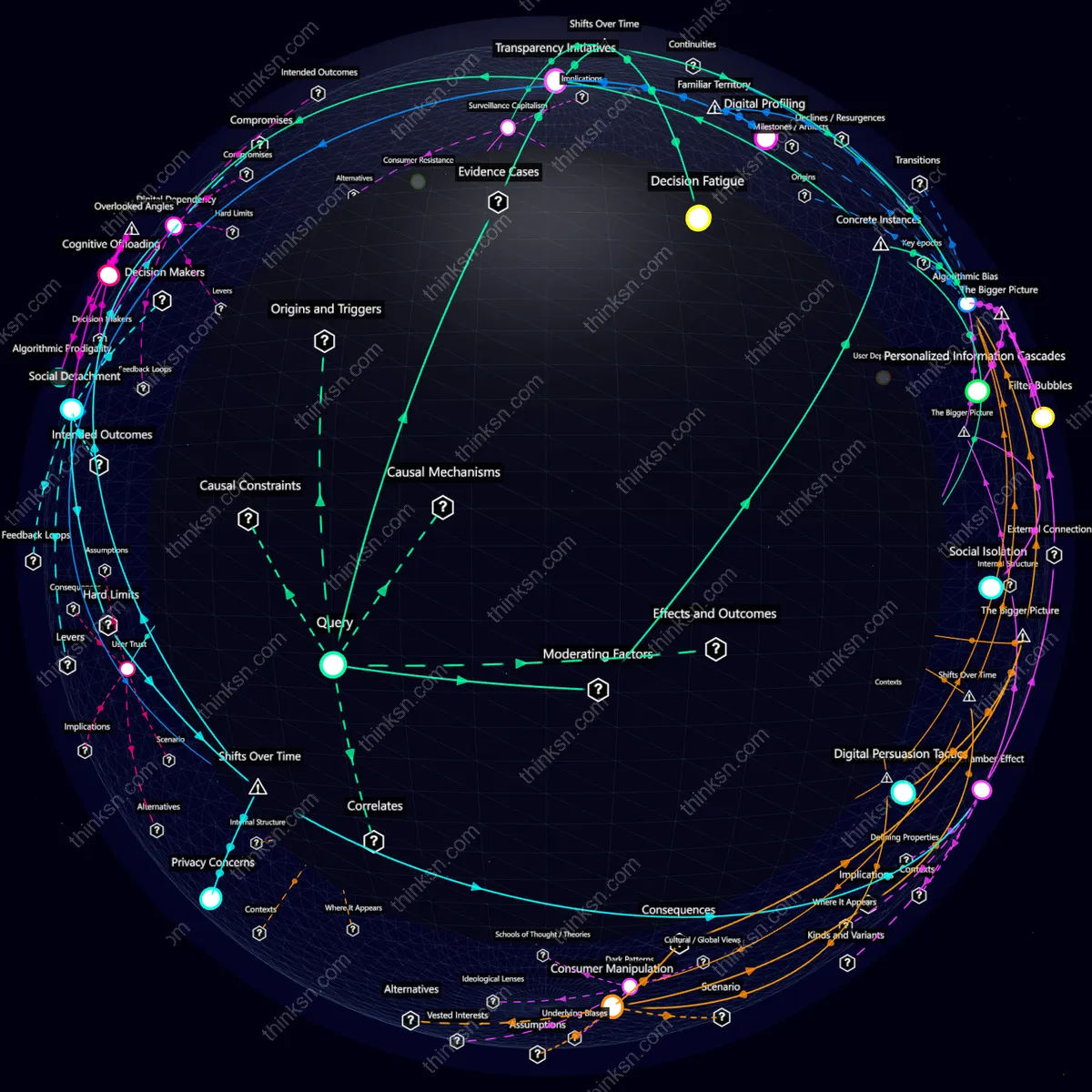
Moral Licensing
The concept of moral licensing plays a pivotal role by allowing teenagers to rationalize their engagement in risky behaviors as acceptable if they perceive themselves as otherwise virtuous. For instance, following health guidelines might lead teens to justify participating in dangerous dance challenges as a form of balance or 'fun.'
Deeper Analysis
Can moral licensing resulting from participating in TikTok dance challenges lead to risky behaviors among teenagers, and if so, how measurable is this systemic strain?
Social Proof
Teenagers engaging in TikTok dance challenges feel morally licensed to take risks when they observe peers receiving positive social feedback. This dynamic can normalize behaviors that are otherwise risky, creating a slippery slope where moral boundaries blur as adolescents seek validation and acceptance.
Digital Detachment
As teenagers participate in TikTok challenges, they may develop a sense of digital detachment from real-world consequences. This psychological distance can weaken their perception of risk, leading to behaviors offline that mirror the carefree attitude cultivated online. The transition between virtual and actual environments becomes fraught with potential harm due to this blurring of boundaries.
Behavioral Desensitization
Frequent exposure to morally ambiguous situations on TikTok can desensitize teenagers to risky behaviors, making them more likely to engage in dangerous activities off the platform. This process is gradual and subtle, with each repeated challenge participation incrementally lowering moral barriers and increasing the likelihood of engaging in real-world risks.
Relative Safety Perception
Teenagers engaging in TikTok dance challenges often perceive these activities as morally neutral or even positive, leading to a relative safety perception that can extend to other risky behaviors. For instance, after participating in seemingly harmless challenges, teenagers might feel licensed to take more significant risks, such as experimenting with substances or engaging in unprotected sexual activity.
Digital Peer Pressure
The pressure from peers on TikTok to participate in certain trends and challenges can subtly shift moral boundaries. This digital peer pressure may lead some teenagers to engage in risky behaviors under the guise of 'fitting in' or 'having fun,' even when they would normally refrain. For example, a teenager might feel compelled to share personal information online to gain popularity among peers after seeing similar actions rewarded.
Selective Attention and Normalization
Participation in TikTok challenges can lead to selective attention towards positive reinforcement from the platform while ignoring potential risks. This normalization of certain behaviors can undermine critical thinking, causing teenagers to overlook or underestimate real dangers associated with risky activities they might otherwise avoid. For instance, a teenager might normalize public shaming on social media after witnessing it rewarded as entertainment rather than condemned.
Explore further:
- What is the impact of digital detachment on teenagers' engagement with TikTok dance challenges and their potential to encourage risky behaviors?
- To what extent does TikTok's behavioral desensitization through dance challenges contribute to increased risky behaviors among teenagers, and how can this be quantitatively measured under different stress scenarios?
What is the impact of digital detachment on teenagers' engagement with TikTok dance challenges and their potential to encourage risky behaviors?
Social Isolation
Teenagers experiencing digital detachment may turn to TikTok dance challenges as a means of social connection, yet the superficial engagement can exacerbate feelings of isolation and lead to increased use of risky behaviors to gain attention.
Cyberbullying
In areas with high rates of digital detachment among youth, such as rural communities lacking robust internet infrastructure, TikTok becomes a platform where social hierarchies are reinforced through cyberbullying during dance challenge participation, pushing vulnerable teens towards harmful coping mechanisms.
Identity Performance
Teenagers disconnected from traditional offline interactions may develop an exaggerated sense of identity performance on TikTok, engaging in increasingly risky behaviors to stand out and receive validation, a trend notably observed during the 'Skelly' challenge which saw participants risking personal safety for likes.
To what extent does TikTok's behavioral desensitization through dance challenges contribute to increased risky behaviors among teenagers, and how can this be quantitatively measured under different stress scenarios?
Risky Behavior Escalation
TikTok's dance challenges often lead to increasingly risky behaviors among teenagers as they compete for likes and views, pushing the boundaries of acceptable behavior. This escalatory dynamic can be exacerbated by peer pressure and the desire for validation in a highly competitive online environment.
Quantitative Risk Assessment
Measuring the impact of behavioral desensitization through quantitative risk assessments involves tracking specific metrics such as frequency of participation, engagement levels with risky content, and correlation with real-world incidents. However, standard deviations in behavior across different stress scenarios can introduce significant margin of doubt in these measurements.
Cultural Sensitivity Shifts
As TikTok's cultural significance evolves, so too do societal norms around acceptable risks and behaviors. This shift can make it challenging to maintain accurate baselines for risk assessment, as what was once considered risky may become normalized over time, complicating efforts to quantify the impact of behavioral desensitization.
What measurable impacts do TikTok dance challenges have on the escalation of risky behaviors among teenagers under high-stress situations?
Peer Influence Dynamics
Teenagers under high-stress situations often look to peers for validation and support. TikTok dance challenges can amplify peer pressure, leading some teenagers to engage in increasingly risky behaviors to gain attention or fit in, even if these actions are harmful.
Cyberbullying Escalation
Engaging in dangerous stunts for online platforms like TikTok can attract negative attention too. Cyberbullies might target teens who participate in risky behaviors, further exacerbating stress and leading to more desperate or harmful actions as a response.
Mental Health Vulnerability
The constant pressure of performing for social media can take an immense toll on mental health. Teenagers struggling with anxiety or depression might turn to risky behaviors as a coping mechanism, spiraling into more severe issues when faced with the high-stakes environment of TikTok's competitive content creation.
Social Comparison Pressure
Teenagers often compare their TikTok dance challenge performances to those of peers. This constant comparison can lead individuals to take more extreme risks, such as engaging in dangerous stunts or posting provocative videos, to stand out and gain attention.
Algorithmic Reinforcement
TikTok’s algorithm often recommends similar content based on user engagement, which can trap teenagers in a cycle of risky behavior. The more they engage with dangerous challenges, the more such content is shown to them, reinforcing patterns that lead to escalating risk and potential harm.
Explore further:
- What strategies can be formulated to mitigate social comparison pressure in teenagers participating in TikTok dance challenges, thereby reducing unintentional encouragement of risky behaviors?
- How do algorithmic reinforcement mechanisms in TikTok potentially stress-test teenagers' behavioral boundaries, leading to unintentional encouragement of risky behaviors through repeated positive feedback loops?
What strategies can be formulated to mitigate social comparison pressure in teenagers participating in TikTok dance challenges, thereby reducing unintentional encouragement of risky behaviors?
Virtual Identity Inflation
Teenagers on TikTok often inflate their virtual identities to compete in dance challenges, leading to exaggerated self-presentations that fuel social comparison pressure. This inflation can result in teenagers feeling inadequate when comparing themselves to others' curated and idealized online personas, potentially driving them towards risky behaviors for recognition.
Algorithmic Reinforcement Feedback
TikTok's algorithm frequently reinforces content based on engagement metrics like likes and shares, creating a feedback loop that intensifies social comparison pressure. This can lead to teenagers feeling compelled to participate in more extreme or risky challenges to gain similar levels of attention and validation from peers.
Peer Influence Networks
The interconnectedness within peer influence networks on TikTok can amplify the impact of social comparison pressure, making it difficult for individuals to resist trends that encourage risky behaviors. This network effect can unintentionally escalate challenges beyond safe boundaries as teens seek to prove their status or loyalty within these groups.
How do algorithmic reinforcement mechanisms in TikTok potentially stress-test teenagers' behavioral boundaries, leading to unintentional encouragement of risky behaviors through repeated positive feedback loops?
Digital Cocoon Effect
Algorithmic Reinforcement creates a digital cocoon effect around teenagers by curating content that aligns with their existing preferences, potentially narrowing their worldview and limiting exposure to diverse perspectives. This can lead to an echo chamber where repeated positive feedback on risky behaviors inadvertently normalizes them.
Behavioral Conditioning
TikTok's algorithmic reinforcement acts as a powerful form of behavioral conditioning, using intermittent rewards to keep users engaged for extended periods. Teenagers may become conditioned to seek out increasingly extreme or provocative content to achieve the same level of dopamine release and social validation, pushing them into riskier behaviors.
Feedback Loops and Addiction
The feedback loops created by algorithmic reinforcement can lead to addictive patterns in teenage users who constantly scroll for that next positive response. This addiction can make it difficult for teenagers to disengage from the platform, even when they recognize potential negative consequences of their online behavior.
To what extent do TikTok dance challenges contribute to virtual identity inflation among teenagers, and how might this phenomenon inadvertently promote risky behaviors?
Social Comparison Anxiety
Teenagers constantly comparing their virtual identities to peers' idealized TikTok avatars can lead to a cycle of social comparison anxiety, where they feel compelled to curate and inflate their own online personas to keep up, potentially neglecting offline personal development.
Digital Celebrity Culture
The rise of digital celebrity culture through TikTok challenges encourages teenagers to view fame as attainable through viral content creation, fostering a competitive environment where virtual identity becomes paramount and real-world achievements are devalued or ignored.
To what extent do TikTok dance challenges act as stimuli in behavioral conditioning, potentially leading to risky behaviors among teenagers under stress and pressure?
Social Media Influencers
Influencers on TikTok create viral dance challenges that act as powerful stimuli for behavioral conditioning, shaping teen norms and behaviors. However, these influencers often prioritize engagement metrics over the psychological well-being of their young followers, leading to potential risks such as stress-induced risky behaviors.
Peer Pressure Dynamics
TikTok's algorithm promotes challenges that foster a sense of urgency and competition among teenagers, intensifying peer pressure dynamics. This constant push for participation can lead to teens engaging in increasingly daring acts just to be seen or recognized by their peers, even if these actions are dangerous.
Digital Addiction
The addictive nature of TikTok's features like endless scrolling and instant feedback loops reinforces behavioral conditioning patterns. Teenagers become conditioned to seek validation through likes and comments, which can distort their sense of self-worth and lead to engaging in risky behaviors to gain attention.
How does social comparison anxiety manifest among teenagers participating in TikTok dance challenges, and what components contribute to its development within this context?
Perceived Inadequacy
Teenagers often experience heightened feelings of perceived inadequacy when comparing their dance skills and creativity to those showcased in TikTok challenges. This can lead them to avoid participating altogether, fearing negative social feedback or judgment from peers, thereby isolating themselves further.
Selective Exposure
The algorithm-driven nature of TikTok often exposes teenagers to a curated selection of highly polished and successful dance videos, leading them to engage in selective exposure to idealized content. This can exacerbate social comparison anxiety by limiting their view of real-world variability and personal growth.
Virtual Social Capital
The pursuit of virtual social capital through likes, comments, and followers on TikTok challenges can intensify feelings of competition among teenagers. As they strive for validation in the form of social metrics, their anxiety may increase due to perceived failures or lackluster performance compared to peers.
Digital Identity Construction
Teenagers constructing their digital identity through TikTok dance challenges face increased pressure to present a flawless image, leading to heightened social comparison anxiety. This constant scrutiny and need for validation can distort attention away from personal growth towards maintaining an idealized online persona.
Peer Influence Dynamics
The fast-paced nature of TikTok challenges amplifies peer influence dynamics, where teenagers feel compelled to emulate trends and achievements they perceive as more impressive. This relentless comparison can undermine self-esteem and foster a fragile dependence on external validation, affecting mental health in profound ways.
Cultural Norms of Perfection
Influenced by TikTok's portrayal of perfect performances, teenagers internalize cultural norms emphasizing physical perfection and constant achievement. This can lead to unrealistic self-expectations and significant social comparison anxiety as they struggle to meet these idealized standards set by their peers.