Energy Drink Brands Risk Backlash from Aggressive Marketing
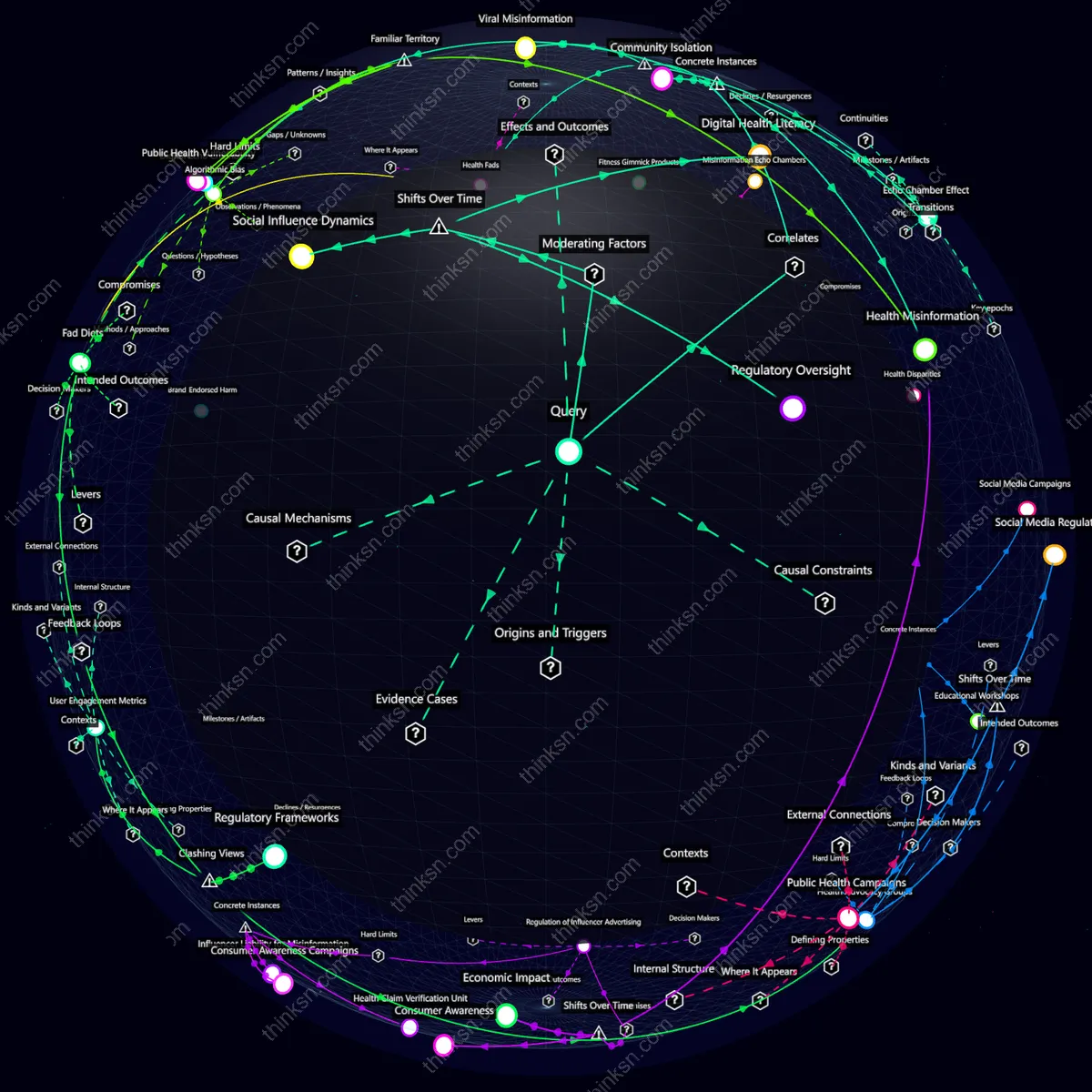
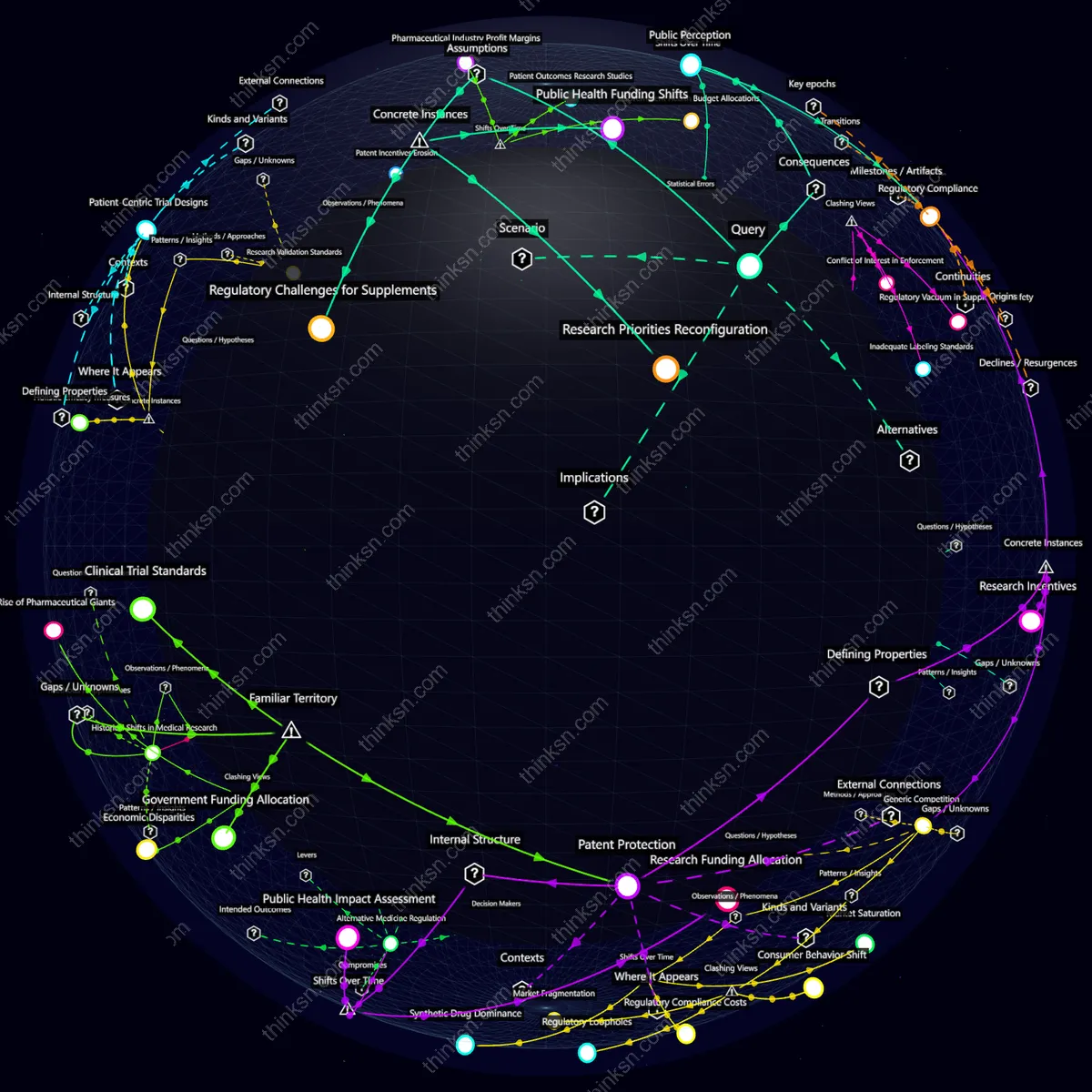
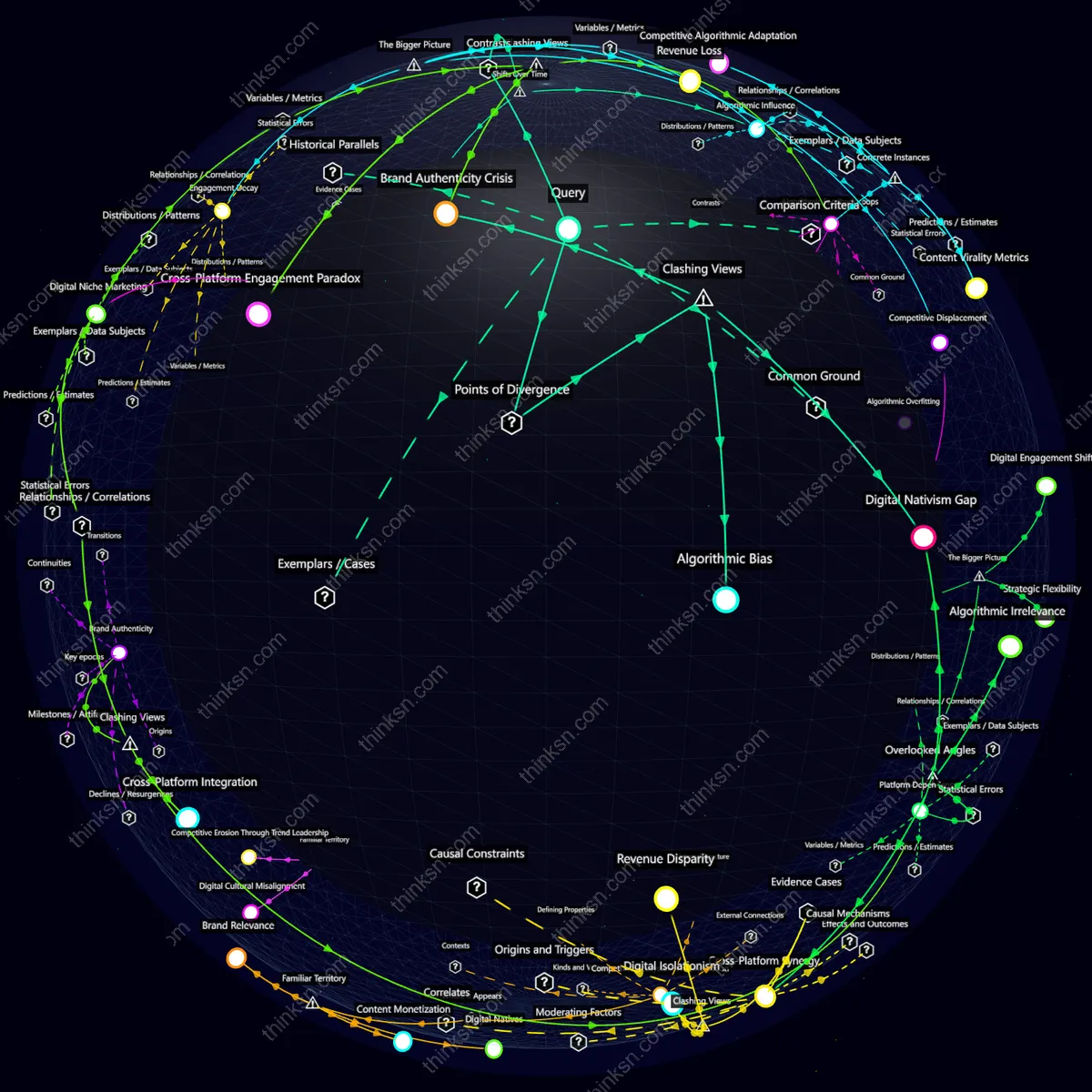
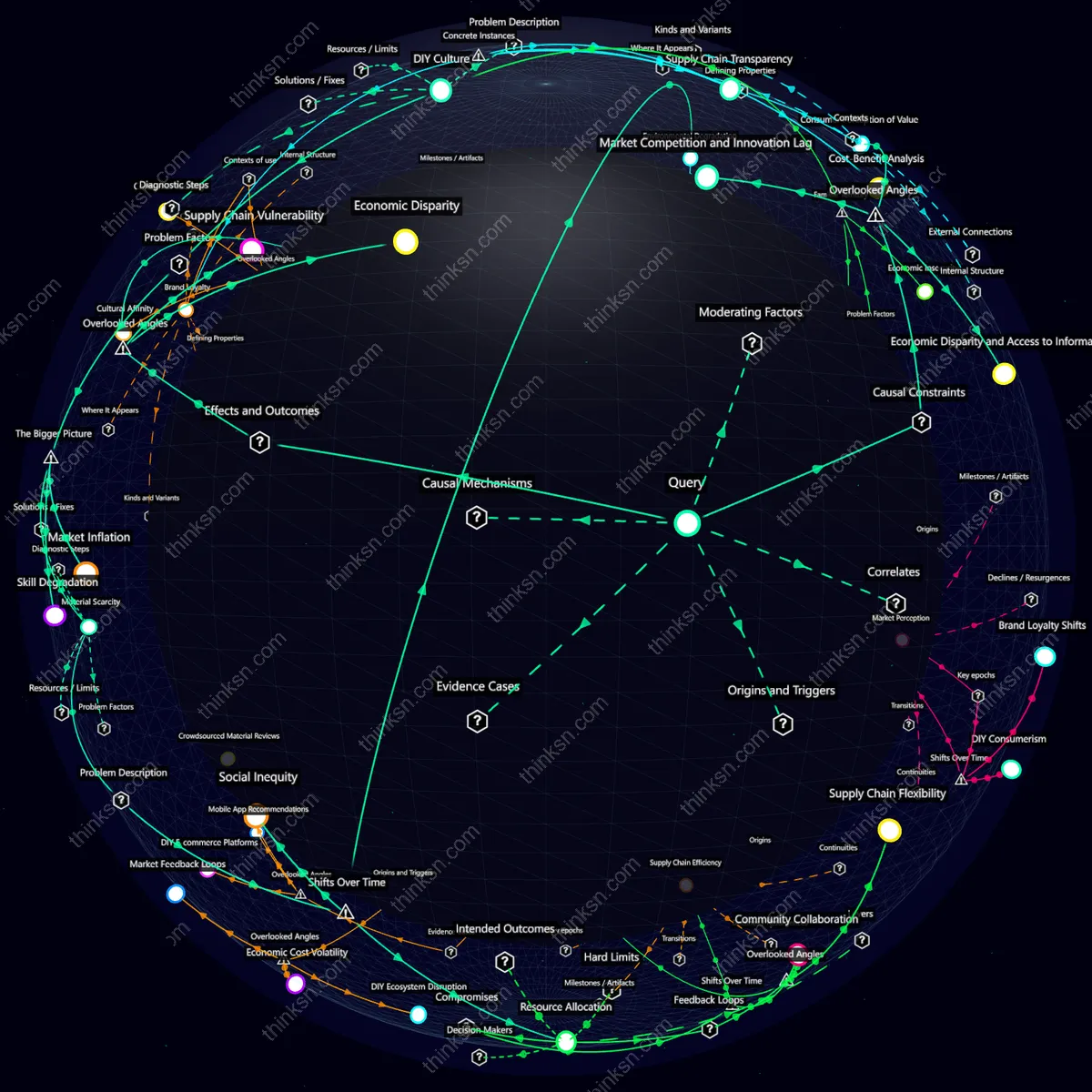
Analysis reveals 6 key thematic connections.
Key Findings
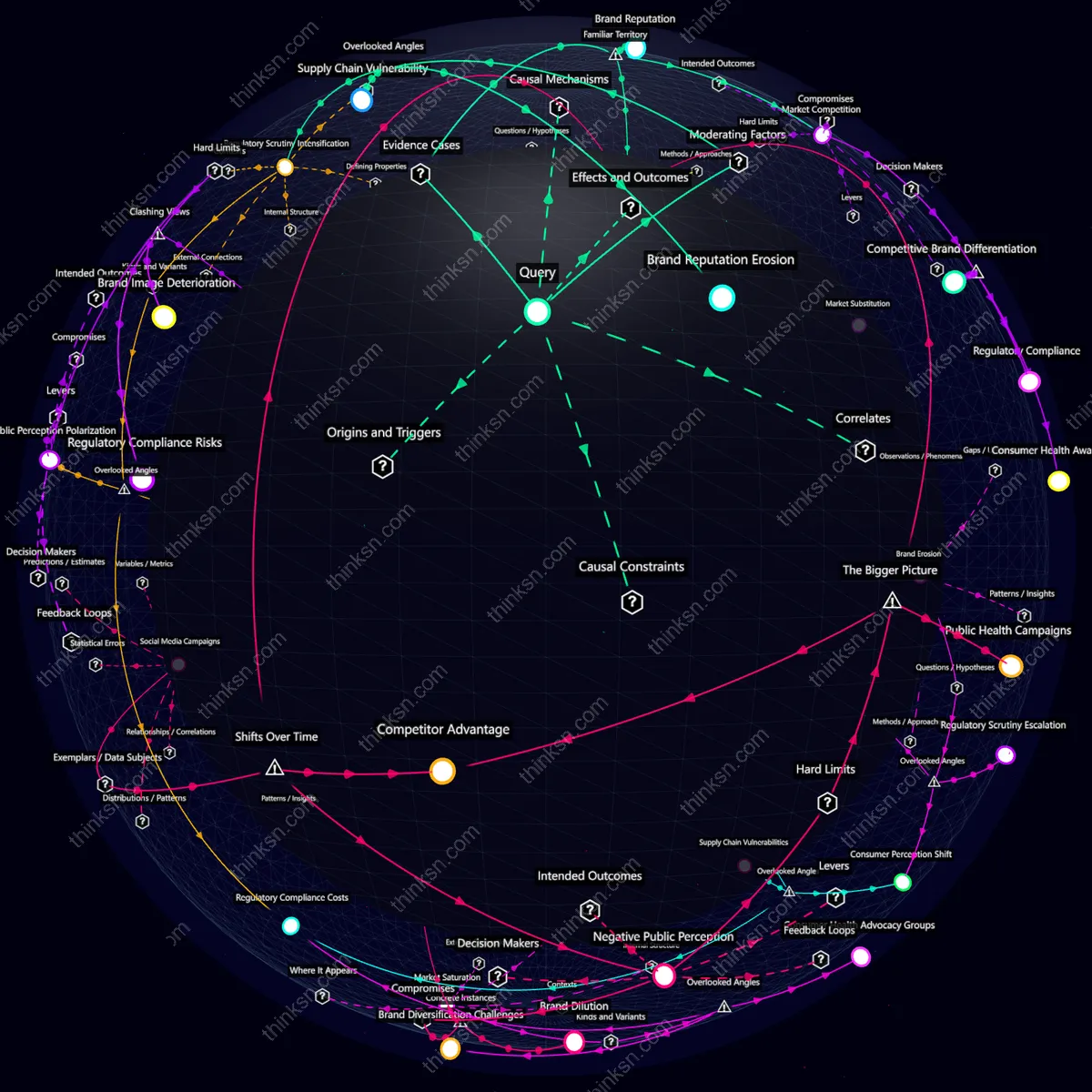
Brand Reputation Erosion
Health warnings can erode brand reputation rapidly, leading consumers to associate the energy drink company with negative health impacts. This shift in perception not only deters potential new customers but also alienates existing loyalists who may fear legal repercussions or health issues.
Regulatory Scrutiny Intensification
Increased regulatory scrutiny is a hidden dimension that amplifies the risk when marketing fails and health warnings emerge. Regulatory bodies may impose stricter labeling requirements, ban certain ingredients, or even levy fines, creating additional operational costs and legal challenges for the company.
Supply Chain Vulnerability
The failure of marketing efforts can pivot to supply chain vulnerabilities as major suppliers might reassess their partnerships with the energy drink company. Suppliers could demand higher margins or seek alternative clients, disrupting the company's ability to secure consistent ingredient supplies and maintain production levels.
Brand Reputation
A failed marketing campaign leading to health warnings can rapidly erode a company's brand reputation. Customers may lose trust in the product and the company, deterring future sales and causing long-term damage as consumers seek safer alternatives.
Regulatory Scrutiny
Health warnings due to excessive caffeine content can attract significant regulatory scrutiny. This might prompt government agencies to impose stricter regulations or even ban certain products, forcing companies to spend resources on compliance and potentially altering their product offerings significantly.
Market Competition
When an energy drink company faces health warnings due to excessive caffeine consumption, competitors may seize the opportunity to market their products as healthier alternatives. This shift in consumer preference can lead to a decline in market share and increased competitive pressures from rival brands.
Deeper Analysis
How might regulatory scrutiny intensification affect an energy drink company's market position if their marketing strategies lead to health warnings due to excessive caffeine consumption?
Market Displacement
Intensified regulatory scrutiny forces energy drink companies to shift focus from aggressive marketing to product reformulation and health claims compliance, potentially displacing them in the market as competitors introduce less controversial alternatives. This displacement can be sudden if consumers rapidly lose trust or switch brands.
Public Perception Polarization
Heightened regulatory activity polarizes public perception around energy drinks, with some consumers becoming highly critical and others staunchly supportive. This polarization complicates brand messaging and marketing efforts, making it difficult for companies to maintain a unified public image without alienating significant portions of their customer base.
Regulatory Compliance Costs
Rising costs associated with regulatory compliance can strain company resources, diverting funds from research and development or market expansion. As smaller players struggle with these expenses, larger corporations may exploit regulatory scrutiny to drive out competition, further consolidating their market position despite the initial challenges.
Explore further:
- What is the market displacement effect on an energy drink company's product range and customer base if their marketing fails and leads to health warnings about excessive caffeine consumption?
- What strategies can an energy drink company implement to mitigate public perception polarization if their marketing efforts lead to health warnings about excessive caffeine consumption?
What strategies can an energy drink company implement to mitigate market competition if their marketing efforts lead to health warnings about excessive caffeine consumption?
Regulatory Compliance
Stricter regulatory compliance can shift market dynamics by limiting product formulations and marketing claims. Energy drink companies might face a trade-off between adhering to health warnings and maintaining brand appeal, leading to reduced consumer engagement despite efforts to innovate.
Consumer Health Awareness
Increased consumer awareness of caffeine risks can reshape purchase behavior away from high-caffeine products. Companies may find that health-conscious consumers turn towards lower-stimulant alternatives or non-energy drink beverages, even if they invest heavily in marketing to counteract negative perceptions.
Competitive Brand Differentiation
The emphasis on health warnings can spur competitors to differentiate through claims of natural ingredients and reduced risk factors. This competitive shift might pressure existing players to pivot their product lines, risking alienation from loyal caffeine-seeking consumers who value high-energy content.
What is the market displacement effect on an energy drink company's product range and customer base if their marketing fails and leads to health warnings about excessive caffeine consumption?
Brand Erosion
As health warnings about excessive caffeine consumption emerge, the energy drink company's brand image rapidly deteriorates. This not only affects current customers but also deters potential new consumers, creating a vicious cycle where declining sales lead to reduced marketing budgets and further erosion of brand loyalty.
Regulatory Scrutiny
Increased regulatory scrutiny on the energy drink company can force them into costly product reformulations or limitations on caffeine content. This shift towards compliance introduces new operational complexities, potentially disrupting supply chains and production processes, while also undermining their competitive edge in a market that values innovation and boldness.
Market Substitution
With health concerns gaining traction, consumers may turn to alternative beverages such as herbal teas or sports drinks with lower caffeine levels. This substitution effect can swiftly shift consumer preferences towards competitors offering perceived healthier options, leaving the original company struggling to retain market share without a clear strategy for addressing customer needs.
What strategies can an energy drink company implement to mitigate public perception polarization if their marketing efforts lead to health warnings about excessive caffeine consumption?
Consumer Activism
As public perception polarizes around health concerns regarding excessive caffeine consumption in energy drinks, consumer activism intensifies. Protests and social media campaigns against the company increase pressure for regulatory action and can lead to boycotts or legal challenges from concerned citizens and advocacy groups.
Regulatory Compliance Risks
Companies face heightened scrutiny and potential punitive measures as public perception polarizes over health warnings. Regulatory bodies may tighten restrictions, demanding more stringent labeling requirements or even product modifications that could significantly impact revenue and market positioning if not navigated carefully.
Brand Image Deterioration
Polarized public perception can swiftly erode brand loyalty among health-conscious consumers. Despite marketing efforts to address concerns, the negative association with high caffeine content may resonate more strongly within certain demographic groups, leading to long-term damage to brand reputation and consumer trust.
How might brand erosion affect an energy drink company's market position if their marketing strategies result in health warnings due to excessive caffeine content, and what emerging insights can be gleaned from this scenario?
Consumer Perception Shift
As health warnings due to excessive caffeine content emerge from marketing strategies, consumer perception shifts towards viewing the energy drink brand as a risk rather than a solution. This shift can lead to increased scrutiny of product ingredients and labeling practices, undermining trust and loyalty among existing customers.
Competitor Market Penetration
Health warnings can accelerate competitor market penetration by attracting consumers seeking safer alternatives. New entrants may leverage the negative publicity to position their products as healthier or more responsible choices, thus capturing a significant portion of the market share previously occupied by the affected brand.
Regulatory Scrutiny Escalation
The association between aggressive marketing and health warnings can trigger heightened regulatory scrutiny. This escalation may result in stricter product regulations or mandatory health advisories, potentially stifling future growth opportunities for the company unless it adapts its strategies to align with changing consumer expectations and legal requirements.
How might consumer activism exacerbate the risks for an energy drink company if their marketing fails and leads to health warnings about excessive caffeine consumption, and what measurable impacts could this have on the company's financial performance?
Health Advocacy Groups
Consumer activism can amplify the impact of health advocacy groups, which scrutinize energy drink companies closely. If marketing fails and health warnings are issued, these groups may launch coordinated campaigns targeting retailers to pull products off shelves, potentially harming sales and public trust.
Online Petitions
The rise of online petitions can rapidly mobilize consumer activism, allowing for quick dissemination of concerns about energy drinks. If such petitions gain traction after health warnings, they could lead to regulatory scrutiny or even legal challenges against the company, impacting its operations and financial stability.
Social Media Campaigns
Consumer activists can leverage social media platforms to spread negative information quickly and broadly about an energy drink brand. This can erode consumer confidence and lead to significant drops in sales volume and market share, exacerbating the company's financial risks.
How might competitor market penetration exacerbate risks for an energy drink company if their marketing efforts fail and lead to health warnings about excessive caffeine consumption?
Consumer Perception Shift
When competitors successfully penetrate the market with aggressive advertising, consumer perception of energy drinks as harmful due to excessive caffeine can be exacerbated if a company's marketing fails. This shift in public opinion can erode brand loyalty and attract regulatory scrutiny, forcing companies into defensive mode rather than innovation.
Regulatory Compliance Costs
Increased competitor market penetration often leads to heightened regulatory attention on the industry as a whole. If one company's marketing fails and health warnings arise due to excessive caffeine consumption, the ensuing compliance costs for all companies can skyrocket, disproportionately affecting smaller players with limited resources.
Supply Chain Vulnerabilities
Competitor market penetration that leads to regulatory changes or public health concerns about energy drinks can highlight hidden vulnerabilities in a company's supply chain. If suppliers are unable to meet stricter quality control standards, companies may face significant disruptions, further damaging their reputation and financial stability.
What are the potential quantitative impacts on an energy drink company's social media campaigns if marketing fails and results in health warnings due to excessive caffeine consumption?
Negative Public Perception
A failed social media campaign for an energy drink due to health warnings can rapidly shift public perception from brand loyalty to skepticism and distrust. This negative sentiment can lead to decreased product sales, as consumers associate the brand with potential health risks, despite no direct legal action.
Regulatory Scrutiny
Following a social media campaign that results in health warnings due to excessive caffeine content, regulatory bodies such as the FDA may initiate closer scrutiny on the energy drink company's products and marketing practices. This increased oversight can force changes in product formulation or labeling, impacting future marketing strategies.
Competitor Advantage
Health-related controversies stemming from a failed social media campaign for an energy drink can provide competitors with opportunities to capitalize on the brand's image issues. Competitors may launch campaigns highlighting their products' safety and efficacy, thereby capturing market share in a short period.
Explore further:
- What strategies can an energy drink company formulate to mitigate negative public perception if their marketing efforts lead to health warnings about excessive caffeine consumption?
- What are potential emerging regulatory challenges and diverse perspectives on government oversight that an energy drink company might face if their marketing strategies lead to health warnings due to excessive caffeine content?
What strategies can an energy drink company formulate to mitigate negative public perception if their marketing efforts lead to health warnings about excessive caffeine consumption?
Regulatory Scrutiny
Increased regulatory scrutiny can force the energy drink company to reformulate products or limit marketing campaigns, impacting sales and brand image. This pressure may lead to a delicate balance between innovation and compliance, with potential for significant financial penalties if rules are breached.
Public Health Campaigns
Activists and health organizations might launch public health campaigns warning against excessive caffeine consumption from energy drinks, further eroding consumer trust. Such campaigns could shift public perception dramatically, making it difficult for the company to recover its reputation without a comprehensive PR strategy.
Competitor Advantage
Negative publicity can offer competitors an opportunity to gain market share by positioning their products as healthier alternatives. This competitive advantage may be hard to counteract unless the company quickly addresses public concerns and introduces new, less controversial product lines.
Brand Dilution
Negative public perception of health risks can lead to brand dilution as consumers associate the energy drink company with harmful practices. This forces a trade-off between maintaining aggressive marketing strategies and preserving product reputation, potentially sacrificing short-term sales for long-term consumer trust.
Regulatory Overreach
Increased negative public perception may trigger regulatory scrutiny and potential overreach by health authorities to protect consumers, leading the energy drink company to either comply with stricter regulations or risk legal penalties. This can compromise product accessibility and innovation while attempting to maintain market presence.
Market Saturation
Negative public perception can accelerate market saturation as competitors exploit consumer concerns by offering perceived healthier alternatives, pushing the energy drink company into a corner where aggressive marketing becomes more about survival than growth. This necessitates cost-cutting measures that might compromise product quality.
Explore further:
- What are the potential consequences for an energy drink company if regulatory overreach leads to stricter health warnings and regulations due to excessive caffeine consumption?
- How might market saturation exacerbate the risks for an energy drink company facing health warnings due to excessive caffeine consumption?
What are the potential consequences for an energy drink company if regulatory overreach leads to stricter health warnings and regulations due to excessive caffeine consumption?
Market Displacement
Regulatory overreach in the form of excessive health warnings for energy drinks can displace market share towards less regulated alternatives, such as home-brewed caffeine concoctions or illicit substances, undermining public safety and regulatory intent.
Consumer Paranoia
Excessive regulation may paradoxically increase consumer fear and misinformation about energy drink consumption, leading to unintended health consequences as individuals avoid necessary intake of vitamins and minerals found in fortified drinks out of exaggerated concern over caffeine content.
Innovation Stagnation
Stringent regulations can stifle innovation in the beverage industry by imposing high compliance costs on new products, thereby favoring established companies that can afford regulatory hurdles while discouraging startups and niche market entrants.
How might market saturation exacerbate the risks for an energy drink company facing health warnings due to excessive caffeine consumption?
Consumer Health Advocacy Groups
Market Saturation drives increased competition, forcing energy drink companies to innovate aggressively. However, as health warnings intensify due to excessive caffeine levels, consumer advocacy groups gain momentum and credibility, significantly complicating market entry for new products.
Regulatory Compliance Costs
As market saturation increases, regulatory bodies become more vigilant about health risks associated with high-caffeine beverages. Companies face escalating compliance costs to meet stringent labeling requirements and safety standards, squeezing profit margins and stifling innovation in already crowded markets.
Brand Diversification Challenges
Market Saturation pressures companies to diversify their product lines beyond traditional energy drinks. However, expanding into healthier alternatives like herbal teas or sports supplements can dilute brand identity and confuse consumers who associate the company solely with high-stimulant products.