Social Media Mental Wellness Fails to Calm User Anxiety
Analysis reveals 6 key thematic connections.
Key Findings
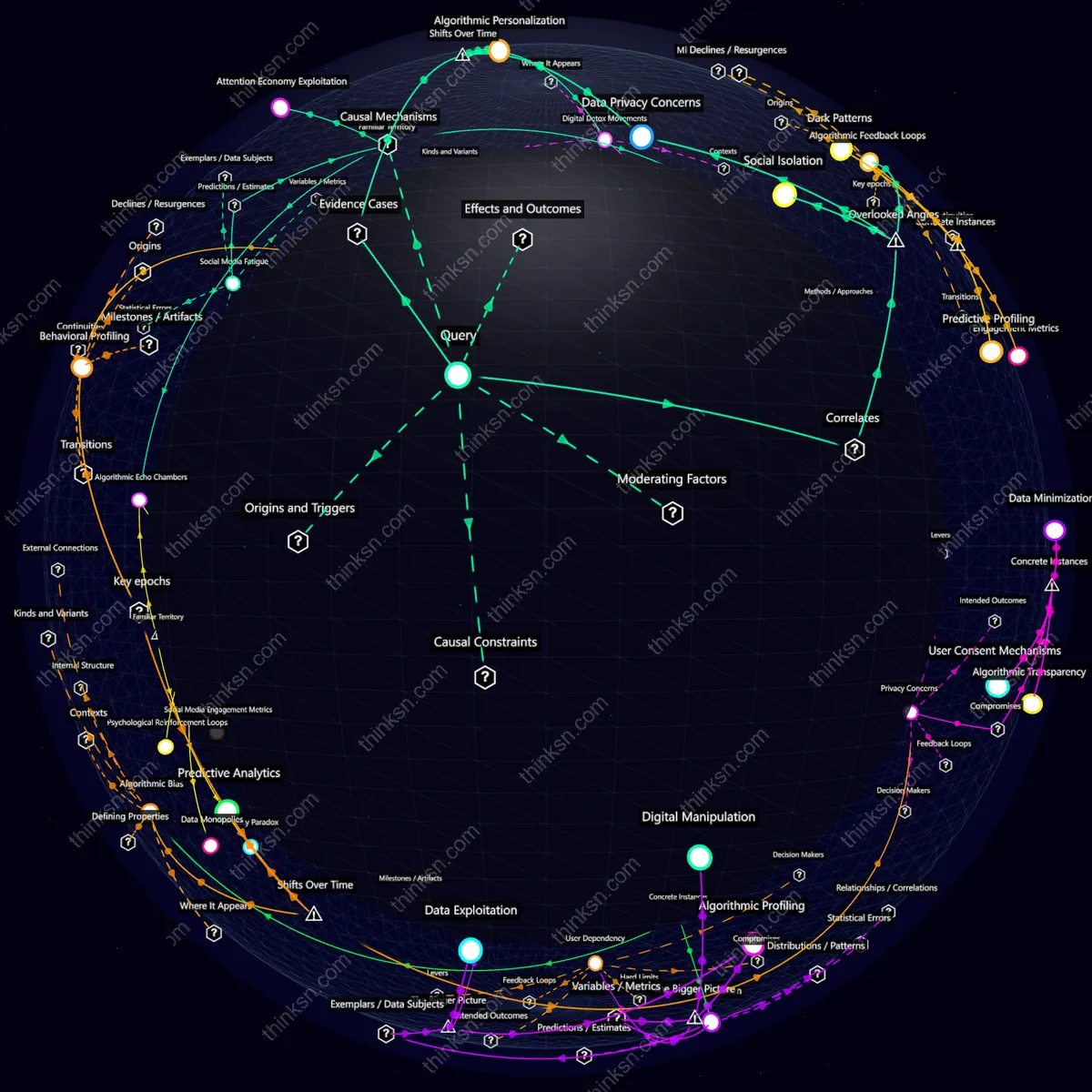
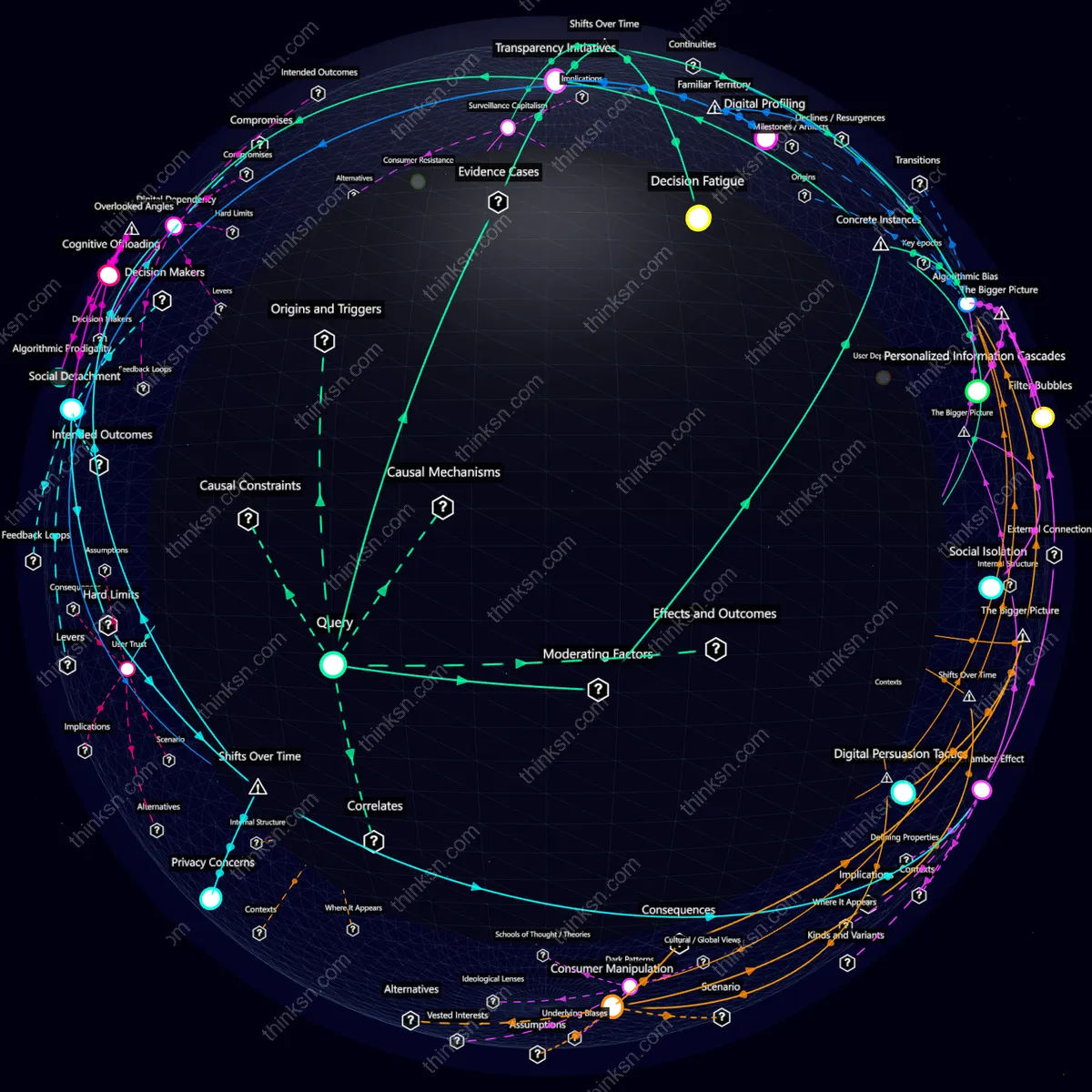
Algorithmic Bias
Social media algorithms prioritize content that maximizes engagement, often leading users to consume overly simplistic or sensational wellness advice. This can distort user perceptions of mental health issues, making them feel inadequate and anxious despite an abundance of wellness content.
Echo Chamber Effect
Users tend to engage with like-minded individuals, creating echo chambers where negative feedback loops reinforce anxiety. Even when platforms aim for positivity, the homogeneity of views can amplify underlying insecurities and fears.
Quantified Self-Pressure
The push towards self-monitoring and data-driven wellness on social media pressures users to constantly track and optimize their mental health metrics. This constant scrutiny and performance pressure can paradoxically exacerbate anxiety, leading to a vicious cycle of stress.
Algorithmic Prioritization
Social media algorithms prioritize engagement over mental wellness, often amplifying anxiety-inducing content despite stated intentions. Users may feel overwhelmed by curated feeds highlighting others' seemingly perfect lives and achievements.
Information Overload
The constant influx of wellness tips and success stories can lead to information overload, causing users to question their own mental health status and lifestyle choices, inadvertently increasing anxiety rather than alleviating it.
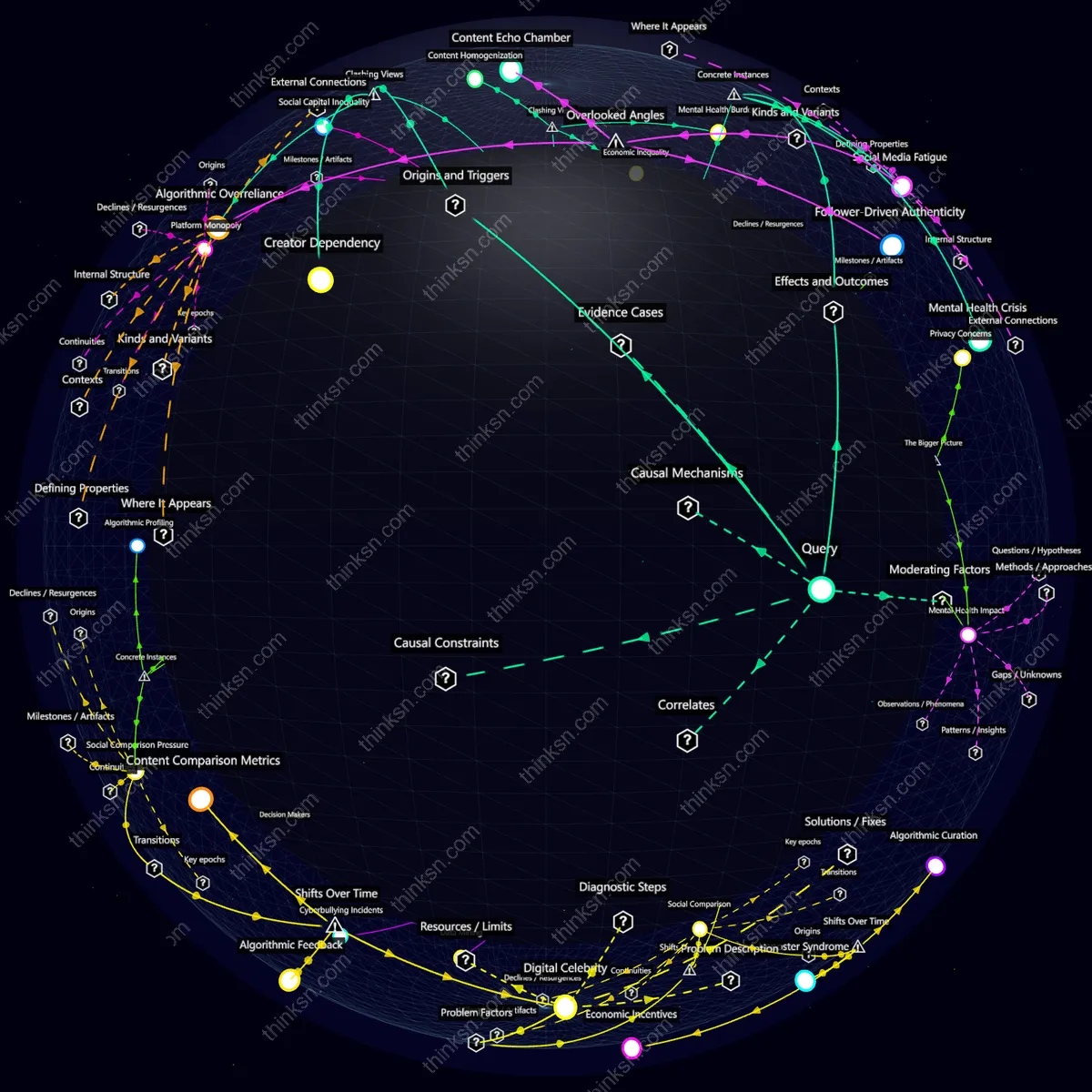
Social Comparison
Users frequently engage in upward social comparison on platforms saturated with idealized content, leading to decreased self-esteem and heightened anxiety about personal achievements and well-being relative to peers.
Deeper Analysis
How might quantified self-pressure contribute to increased anxiety among social media users even when platforms emphasize mental wellness content?
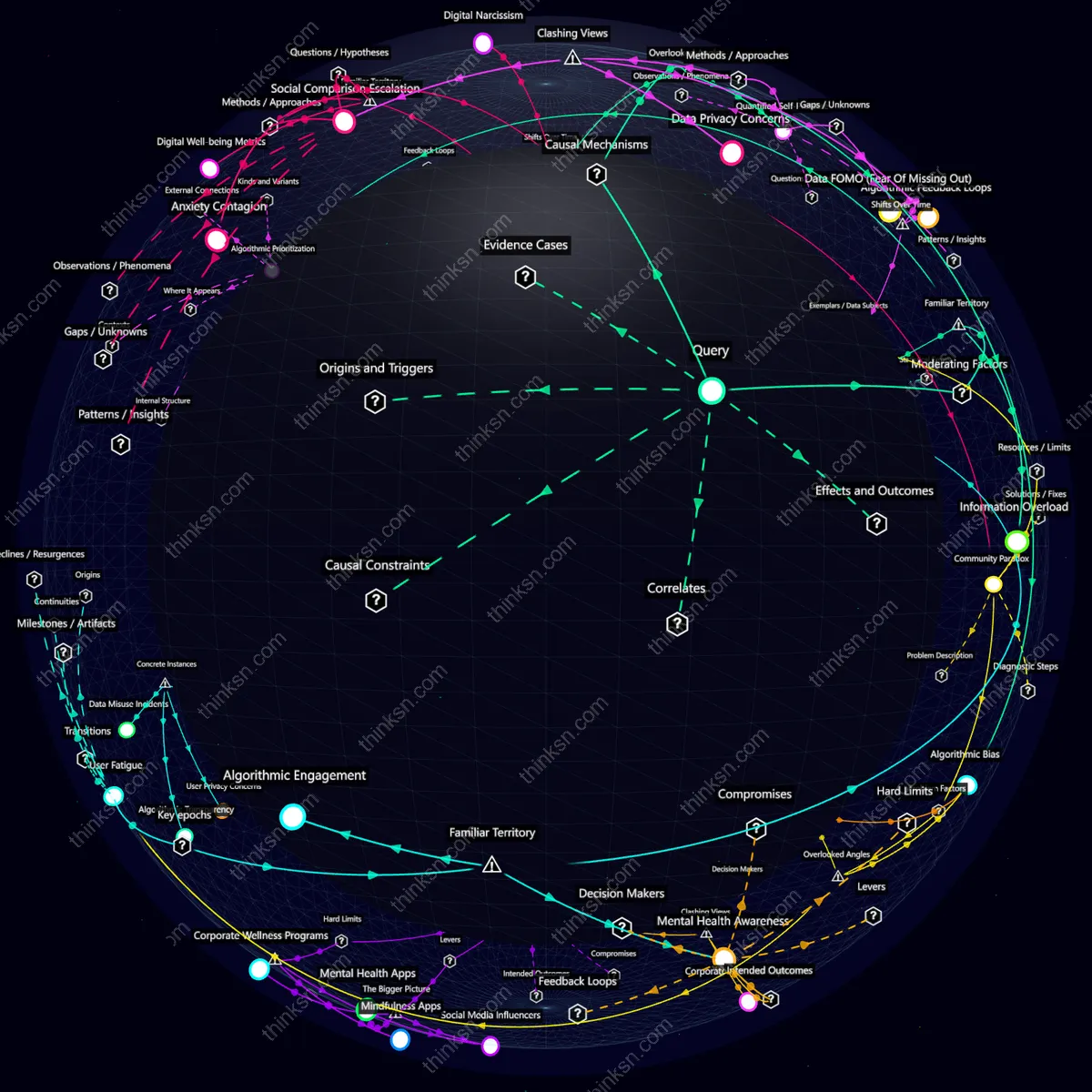
Algorithmic Feedback Loops
As users engage with mental wellness content on social media platforms that track quantified self-pressure metrics, algorithmic feedback loops may exacerbate anxiety by continuously highlighting personal shortcomings or deviations from perceived norms. This creates a cycle where individuals feel compelled to constantly monitor and improve their data-driven well-being indicators, leading to increased stress rather than relief.
Social Comparison Escalation
Quantified self-pressure encourages users to set ambitious personal goals based on peer comparisons and public achievements shared on social media. However, this can trigger a competitive spiral where individuals feel pressured to outperform their peers in various aspects of health and wellness, often leading to unrealistic expectations and heightened anxiety as they struggle to meet these externally imposed standards.
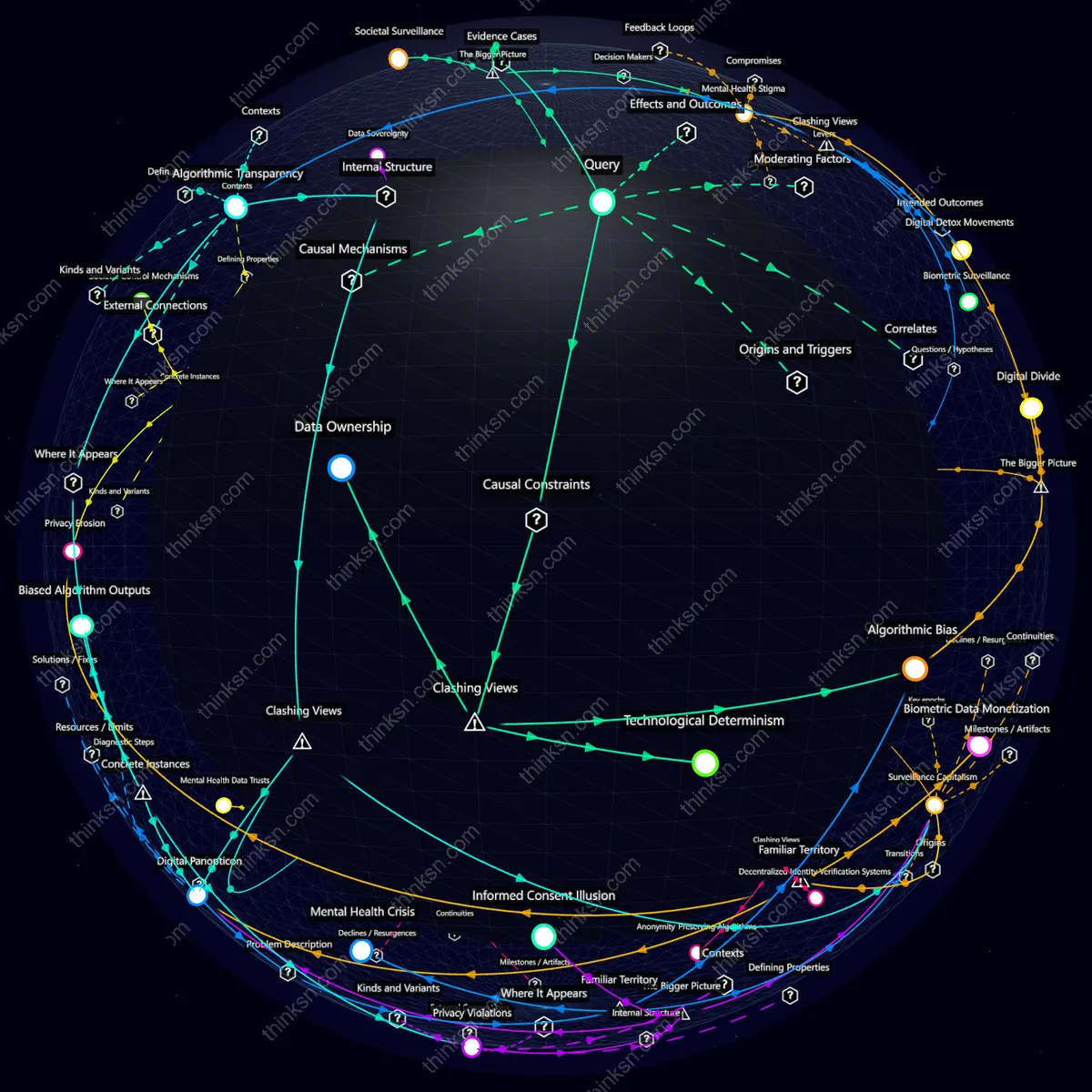
Data Privacy Concerns
The reliance on quantified self-pressure metrics raises significant privacy concerns as users share detailed personal data with social media platforms. This can lead to a fragile trust relationship where individuals feel anxious about the potential misuse of their sensitive information, even if the platform emphasizes mental wellness content and user protection policies.
Social Comparison
Quantified self-pressure amplifies social comparison by showcasing others' meticulously curated metrics of success and well-being. Users may feel inadequate when their own progress pales in comparison, even as platforms highlight mental wellness content, leading to a paradoxical increase in anxiety.
Data FOMO (Fear Of Missing Out)
The constant stream of quantified achievements creates an insatiable desire for users to track and measure every aspect of their lives. This data FOMO can lead individuals into obsessive tracking, undermining mental health despite platforms' efforts to promote wellness content.
Explore further:
- In what ways might social comparison escalation on mental wellness-focused platforms paradoxically increase user anxiety, and what emerging insights or hidden assumptions about user behavior can explain this phenomenon?
- What quantitative evidence supports the claim that social comparison on social media platforms, despite mental wellness initiatives, leads to increased anxiety among users?
In what ways might social comparison escalation on mental wellness-focused platforms paradoxically increase user anxiety, and what emerging insights or hidden assumptions about user behavior can explain this phenomenon?
Anxiety Contagion
As users constantly compare their mental wellness journeys to others on the platform, they can fall into a cycle where perceived inadequacies and setbacks are amplified, leading to anxiety contagion. This phenomenon can spread rapidly through social networks, causing individuals who may not have initially felt anxious to experience heightened levels of worry and distress.
Digital Well-being Metrics
The introduction of digital well-being metrics on mental wellness-focused platforms can paradoxically increase user anxiety. While these tools are meant to help users track their progress, the constant barrage of data points and comparisons with peers can create a sense of inadequacy and pressure to perform better, undermining the intended supportive role of such technologies.
Echo Chamber Effect
The echo chamber effect on mental wellness platforms can exacerbate social comparison escalation. Users tend to follow accounts that reinforce their own experiences or struggles, creating a feedback loop where exposure to similar narratives increases anxiety rather than providing relief or new perspectives.
Digital Narcissism
As users engage in social comparison on mental wellness platforms, they increasingly seek validation through likes and comments, leading to digital narcissism. This compulsion can paradoxically increase anxiety as individuals become more focused on external validation rather than genuine self-reflection.
Algorithmic Amplification
Mental health apps often use algorithms that promote content likely to engage users in prolonged social comparison. Over time, these algorithms amplify negative emotions by showing an idealized version of others' mental wellness journeys, leading users to feel inadequate and more anxious about their own progress.
Community Paradox
While mental health platforms aim to foster supportive communities, the pressure to present a perfect image can lead to a community paradox. Users may avoid sharing genuine struggles for fear of judgment or lack of empathy, deepening feelings of isolation and anxiety.
Explore further:
- What strategies can be formulated to mitigate the Echo Chamber Effect in social media platforms that prioritize mental wellness content, thereby reducing user anxiety?
- What are the measurable systemic strains and trade-offs that contribute to the community paradox, where social media platforms prioritizing mental wellness content still lead to increased user anxiety?
What are the measurable systemic strains and trade-offs that contribute to the community paradox, where social media platforms prioritizing mental wellness content still lead to increased user anxiety?
Algorithmic Bias
The prioritization of mental wellness content by algorithms often amplifies existing biases, pushing users towards a narrow set of resources that may not address their specific needs. This results in an echo chamber effect where anxiety-inducing comparisons and unrealistic standards become more prevalent.
User Fatigue
Repeated exposure to mental wellness content can lead to user fatigue, causing individuals to disengage or seek out less constructive online communities that may exacerbate feelings of inadequacy and anxiety. This shift in behavior underscores a hidden dimension where the intended support becomes a source of stress.
Content Monetization
Social media platforms monetize mental wellness content through targeted ads, leading to an oversaturation of commercialized self-help solutions that often prioritize profit over user well-being. This trade-off can foster a culture where genuine support is overshadowed by market-driven messaging, inadvertently increasing user anxiety.
Algorithmic Amplification
Social media algorithms designed to prioritize mental wellness content often amplify user anxiety by surfacing personalized feeds that highlight the most distressing topics, creating a paradox where positivity intended to soothe actually stirs up fear and unease.
Echo Chamber Effect
The echo chamber effect exacerbates community anxiety as users are exposed repeatedly to similar negative content from like-minded individuals within their networks, reinforcing existing fears and limiting exposure to diverse perspectives that could promote mental well-being.
Explore further:
- How does user fatigue evolve over time in response to social media's mental wellness content, and what mechanisms contribute to its development?
- What strategies can be formulated to mitigate the negative effects of content monetization on user anxiety despite social media platforms prioritizing mental wellness content?
How does user fatigue evolve over time in response to social media's mental wellness content, and what mechanisms contribute to its development?
Algorithmic Engagement
As social media algorithms prioritize content that keeps users engaged longer, the continuous stream of mental wellness content can paradoxically exacerbate user fatigue. The relentless pressure to consume and respond leads users into a cycle of overstimulation, where even beneficial content becomes overwhelming.
Social Comparison
The constant exposure to curated profiles showcasing idealized versions of life fuels an unhealthy comparison culture among social media users. This dynamic can intensify feelings of inadequacy and anxiety, contributing significantly to the development of user fatigue as individuals struggle to meet unrealistic standards portrayed online.
Mental Health Awareness
While increased awareness about mental health is generally positive, it also heightens sensitivity towards one's own psychological state. The abundance of content on social media can lead users to overthink their emotional well-being, resulting in heightened anxiety and fatigue as they navigate the fine line between self-care and self-diagnosis.
What strategies can be formulated to mitigate the negative effects of content monetization on user anxiety despite social media platforms prioritizing mental wellness content?
Algorithmic Bias
As social media platforms prioritize mental wellness content, algorithmic bias can exacerbate the negative effects of content monetization on user anxiety by disproportionately promoting monetized content that exploits user vulnerabilities. This amplifies engagement metrics for advertisers while masking underlying issues.
User Engagement Metrics
The reliance on user engagement metrics such as likes and shares to drive monetization strategies can lead to a superficial focus on surface-level interactions, neglecting deeper psychological impacts. This incentivizes creators to produce sensational content that triggers quick emotional responses but fails to address genuine user needs.
Transparency in Data Use
Lack of transparency regarding how data is used for monetization purposes can erode trust between users and platforms, increasing anxiety over privacy and surveillance. This opacity hinders informed decision-making by users and limits opportunities for constructive dialogue about content moderation practices.
What strategies can be formulated to improve mental health awareness and reduce anxiety among social media users despite platforms prioritizing wellness content?
Algorithmic Amplification
The prioritization of wellness content by social media algorithms can distort perceptions, amplifying a narrow view of mental health that may not reflect the diversity of user experiences. This selective curation risks marginalizing complex or challenging narratives, reinforcing superficial engagement over substantive dialogue and potentially exacerbating anxiety through curated perfectionism.
Digital Detox Movements
As awareness of social media's impact on mental health grows, digital detox movements challenge the notion that more wellness content is inherently beneficial. These initiatives encourage users to disconnect from platforms entirely or selectively, highlighting the paradoxical effect where increased visibility of mental health issues can lead to greater disengagement and avoidance behaviors.
Corporate Wellness Capitalism
The commercialization of mental health awareness on social media platforms underscores a tension between genuine support and profit-driven strategies. Corporate wellness capitalism leverages user concerns for marketing gains, creating a fragile dependency where the authenticity and effectiveness of mental health initiatives are compromised by underlying financial motivations.
Explore further:
- How does algorithmic amplification in social media platforms contribute to increased anxiety among users despite mental wellness content being prioritized?
- What strategies and workflows could be implemented to address increased anxiety among social media users through digital detox movements, considering the existing prioritization of mental wellness content?
What are the measurable impacts on user anxiety when social media platforms lack transparency in data use, despite prioritizing mental wellness content?
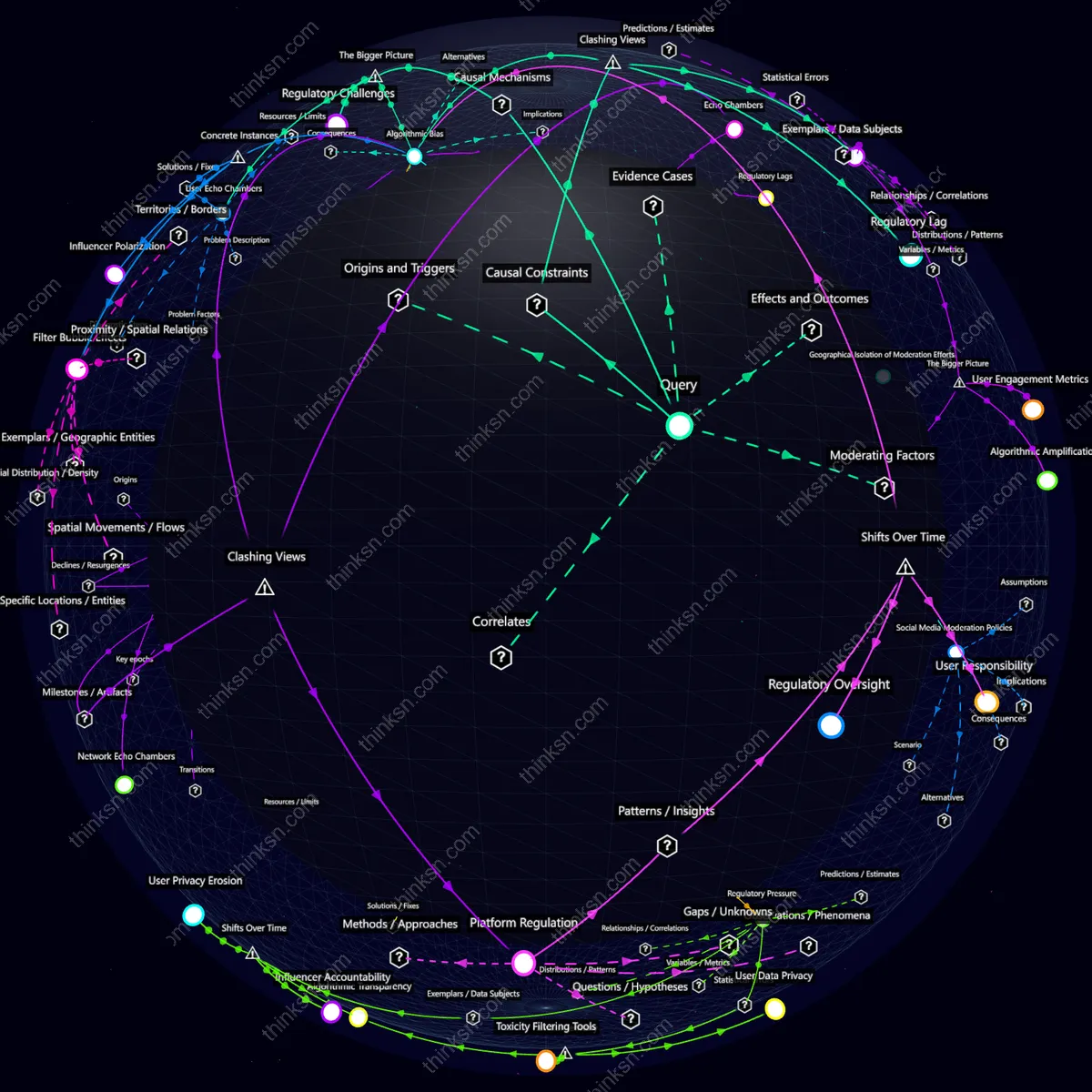
User Privacy Concerns
Lack of transparency in data use amplifies user privacy concerns as individuals perceive social media platforms as opaque and untrustworthy, leading to heightened anxiety about the misuse or mishandling of personal information.
Algorithmic Transparency
The absence of clear algorithmic transparency policies can distort users' perceptions of mental wellness content, making them feel manipulated rather than supported, as they cannot discern whether content is genuinely beneficial or merely tailored to increase engagement and ad revenue.
Data Misuse Incidents
Incidents of data misuse, such as the Cambridge Analytica scandal, exacerbate user anxiety by demonstrating the risks of opaque data practices. This can lead to a broader skepticism about mental health initiatives on social media platforms, undermining their intended positive impact.
What strategies and workflows could be implemented to address increased anxiety among social media users through digital detox movements, considering the existing prioritization of mental wellness content?
Mindfulness Apps
The proliferation of mindfulness apps designed to promote digital detox can paradoxically exacerbate anxiety by fostering a new form of technological dependency, where users feel pressured to constantly engage with these tools as part of their mental wellness routine.
Social Media Influencers
Influencers promoting digital detox often leverage the very platforms they critique, creating an ironic scenario where detox advocates are seen as perpetuating rather than resisting the culture of constant connectivity and attention-seeking behavior typical on social media.
Mental Health Apps
As mental health apps become increasingly integrated into digital detox movements, there's a risk that users rely too heavily on these tools for quick fixes rather than addressing deeper issues. This dependency can undermine genuine personal growth and may lead to a superficial engagement with mental wellness.
Corporate Wellness Programs
Corporate wellness programs often incorporate digital detox initiatives, but they may prioritize employee productivity over holistic well-being. Companies might leverage these programs to reduce burnout temporarily without addressing systemic issues like workload and work-life balance, leading to a fragile sustainability of mental health improvements.