Is Intensive Blood Pressure Control Really Worth It?
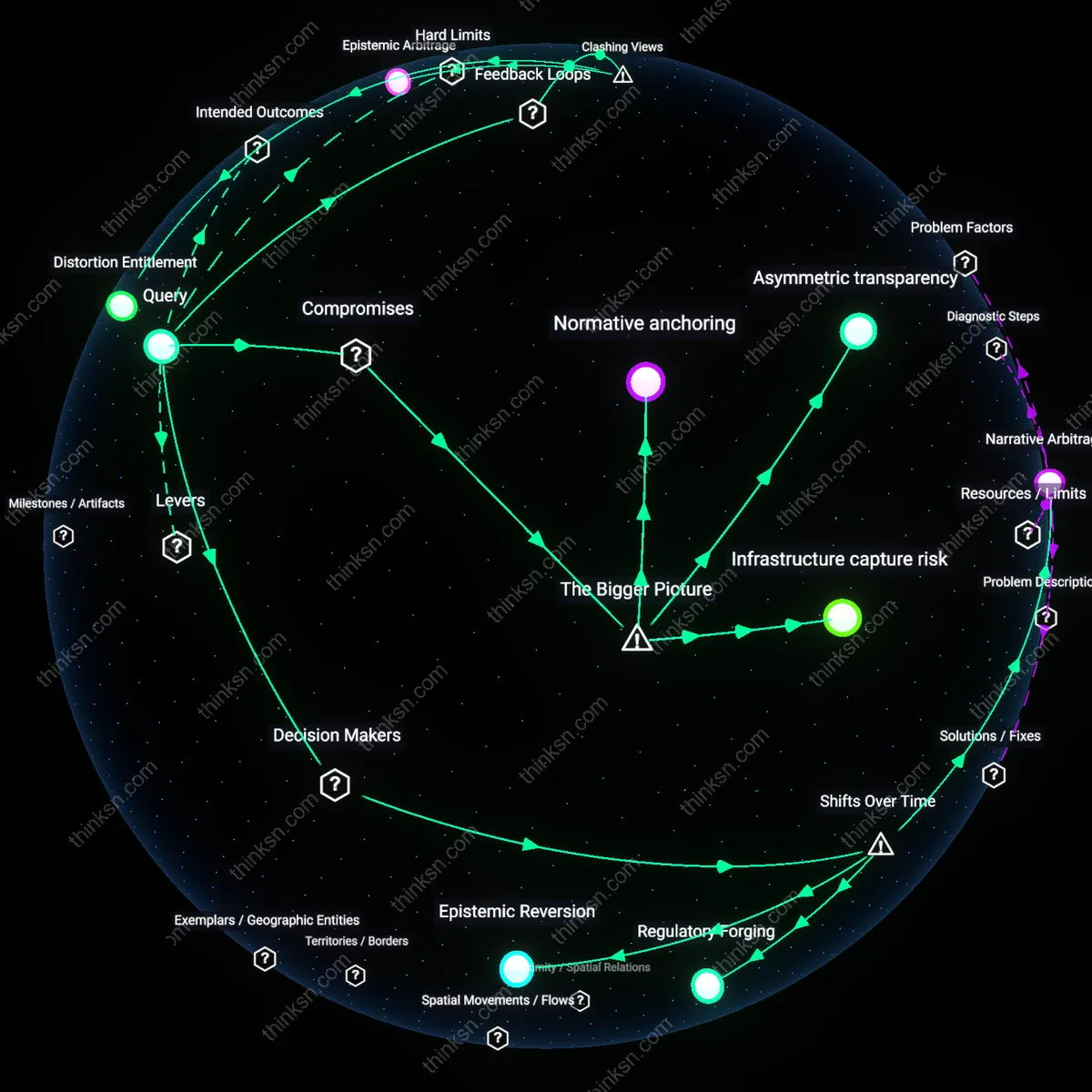
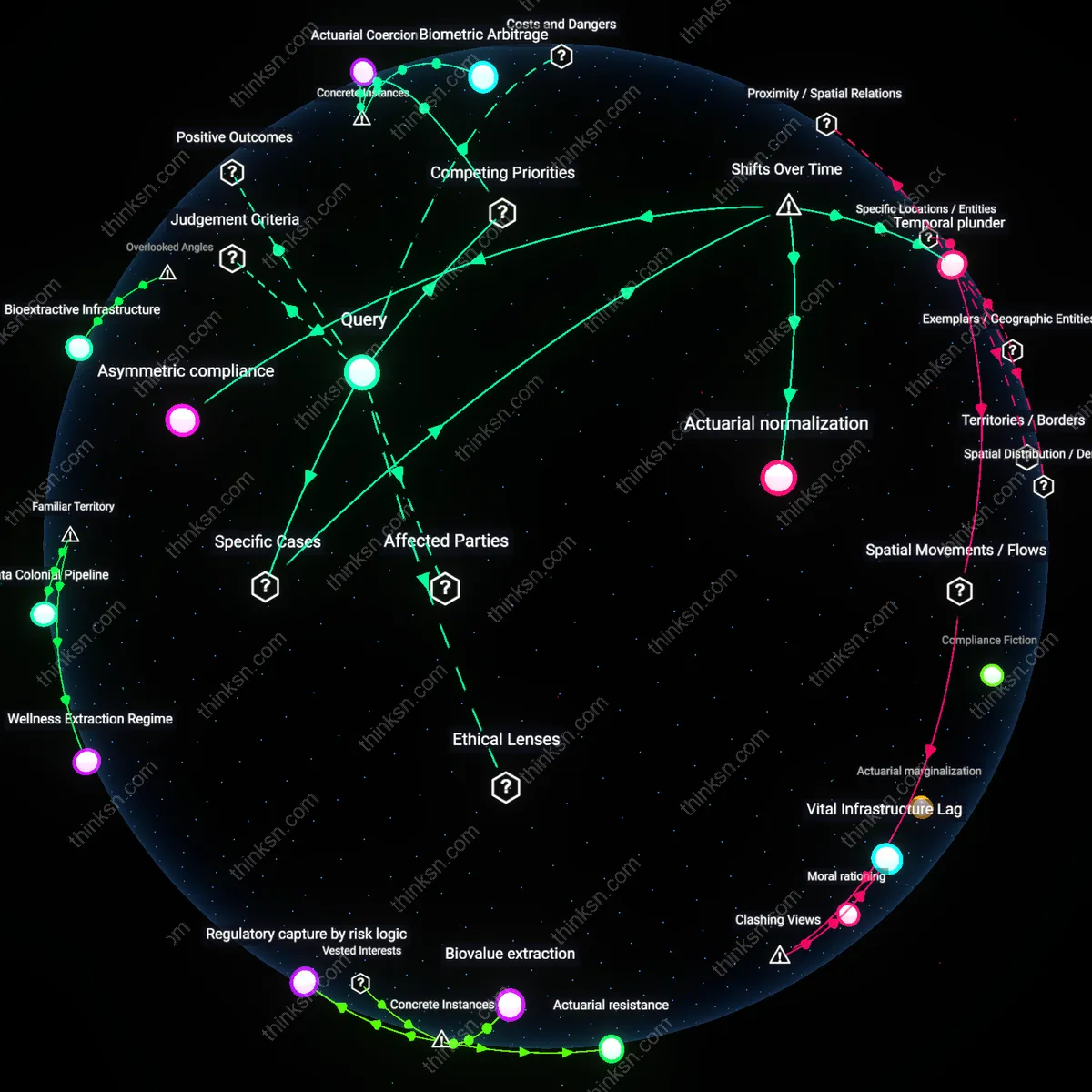
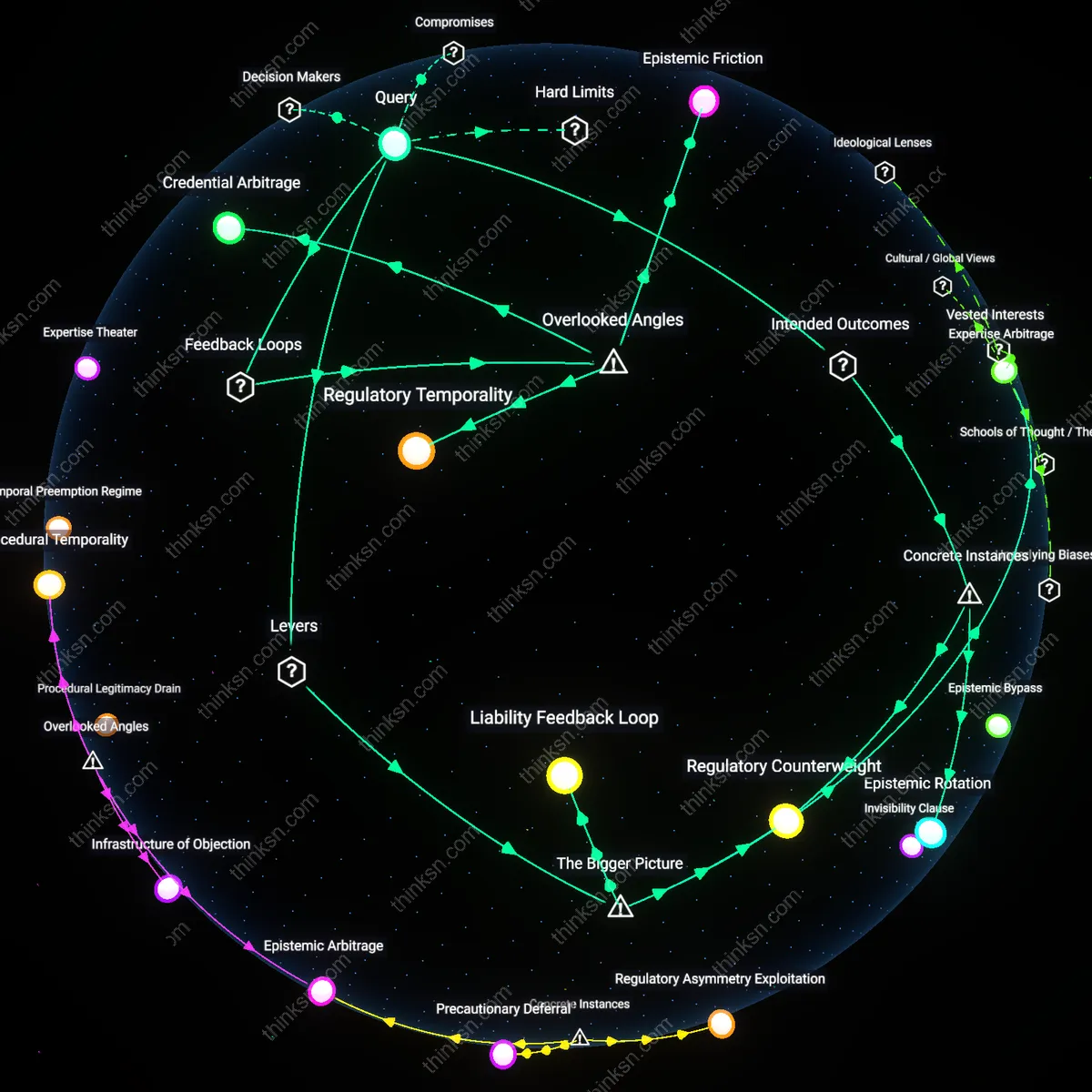
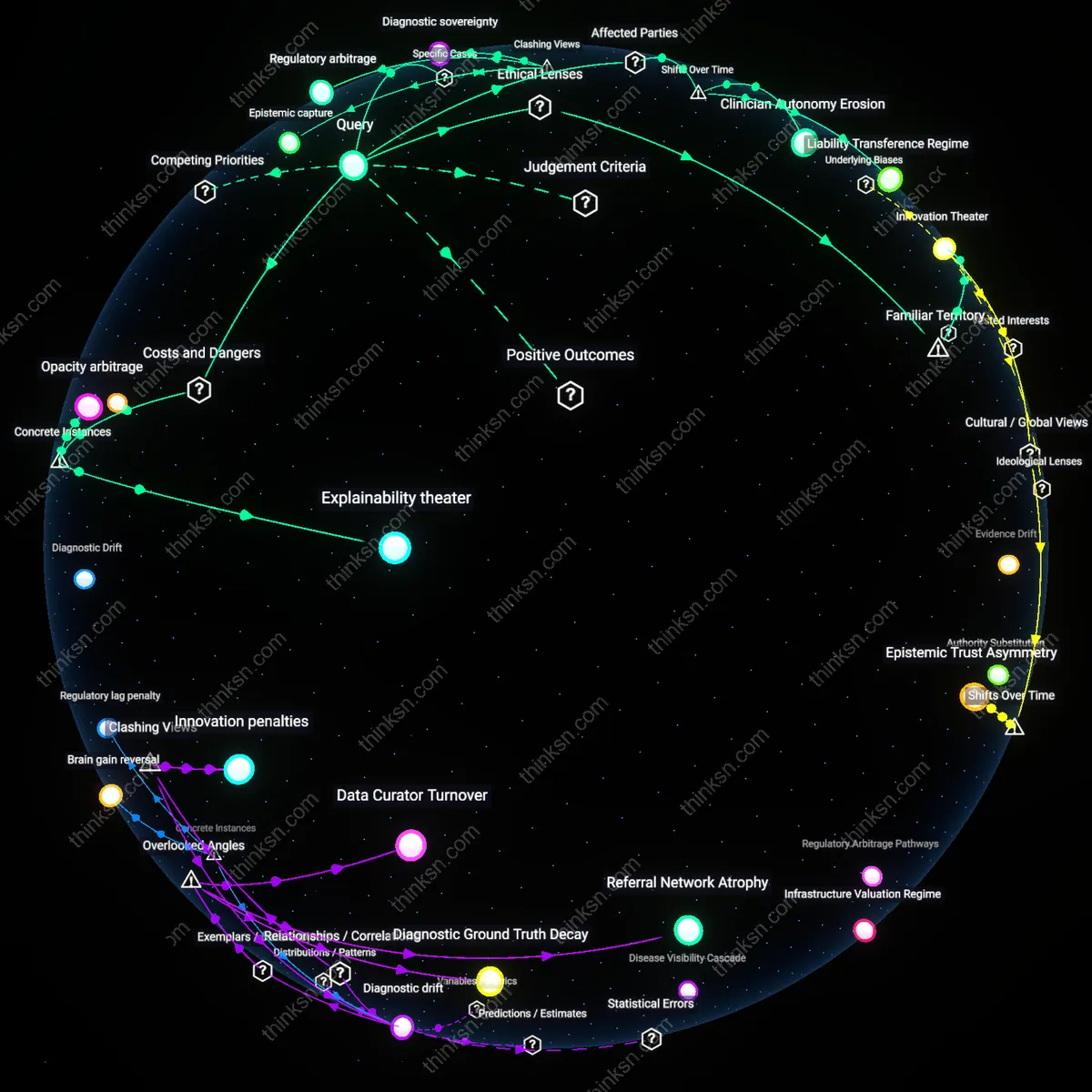
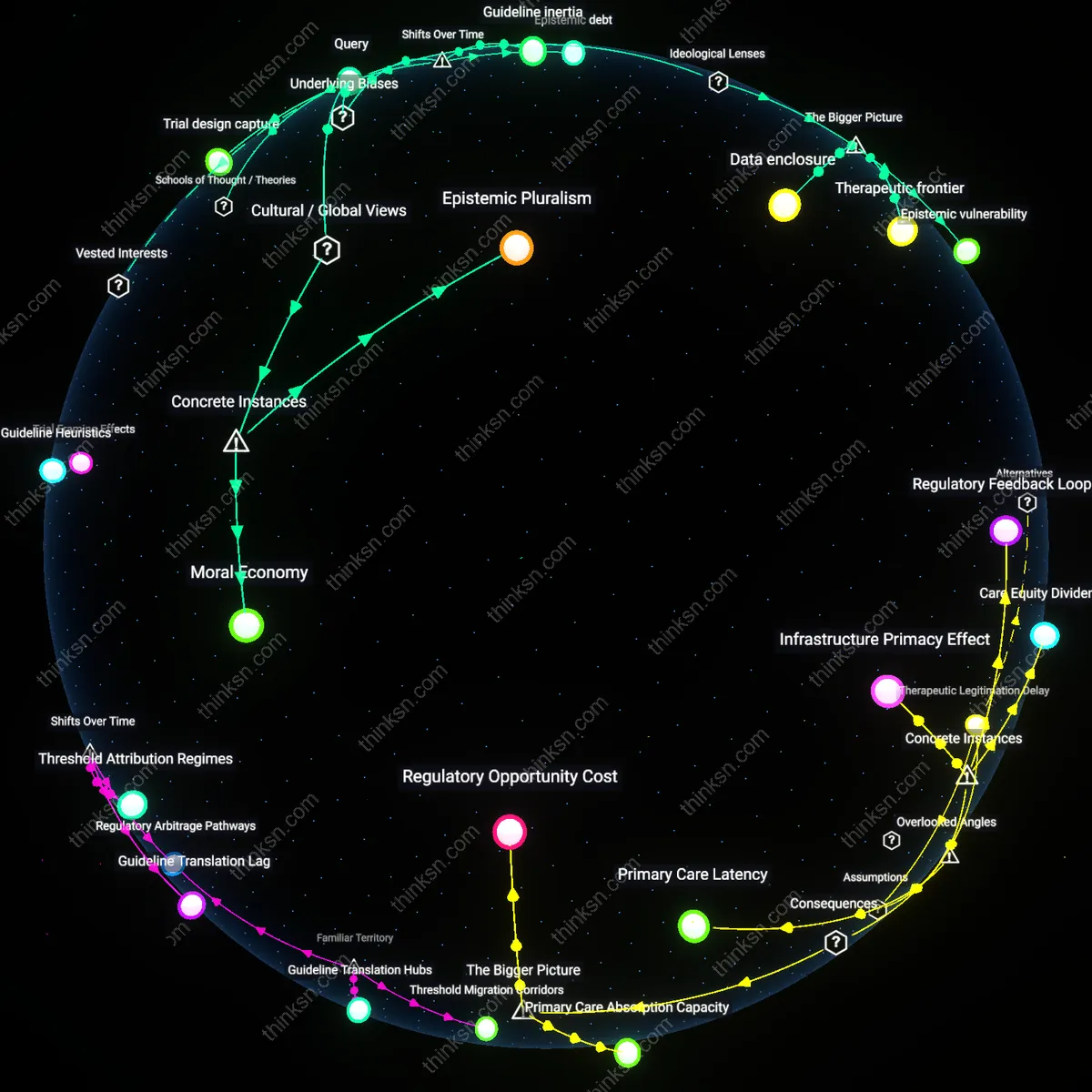
Analysis reveals 11 key thematic connections.
Key Findings
Guideline Heuristics
Follow major clinical practice guidelines from sources like the AHA or NICE because they synthesize conflicting trial data into standardized thresholds that reduce individual cognitive burden in decision-making. These guidelines function as cognitive shortcuts for time-pressed clinicians and patients by converting probabilistic evidence into binary thresholds, leveraging consensus processes that include input from epidemiologists, clinicians, and occasionally industry liaisons—thus embedding both scientific and institutional compromises into seemingly objective targets. The non-obvious element is that these heuristics do not resolve underlying evidentiary conflicts but instead stabilize them through bureaucratic authority, allowing professionals to outsource epistemic labor while appearing rigorously evidence-based.
Trial Framing Effects
Interpret blood pressure trial outcomes by comparing how different studies define 'intensive control,' because the threshold values (e.g., <120 vs. <130 mmHg) and primary endpoints (cardiovascular events vs. all-cause mortality) directly shape whether benefits appear significant. Trials like SPRINT used composite endpoints and selective enrollment criteria—excluding diabetics or those over 80—which amplified apparent mortality benefits, while industry-sponsored trials often use looser targets that diminish observed effects, subtly aligning with market viability. The underappreciated reality is that the same physiological intervention can yield opposite conclusions based on how success is statistically framed, revealing that numerical targets are rhetorical constructs as much as clinical ones.
Conflict Infrastructure
Audit the financial relationships embedded in trial funding and authorship affiliations because pharmaceutical companies strategically sponsor research designs that favor patent-protected drug classes, such as ACE inhibitors or calcium channel blockers, over cheaper generics or non-pharmacological interventions. This infrastructure manifests in the disproportionate representation of industry-affiliated investigators on guideline panels and in high-impact journals, where favorable framing of intensive control increases market expansion for newer agents under patent. What remains hidden in plain sight is that the controversy over mortality benefit is maintained—not resolved—because sustained uncertainty drives continued drug adoption and clinical engagement, making conflict of interest not a flaw but a functional feature of the knowledge-production system.
Epistemic vulnerability
A middle-aged professional is structurally exposed to contradictory clinical guidelines because pharmaceutical capital shapes the evidentiary threshold for hypertension intervention under liberal democratic governance, where regulatory science is framed as value-neutral yet responds systematically to industry-sponsored trial designs and publication channels; this creates disciplined uncertainty—patients and providers must navigate plural expert claims knowing that pivotal studies like SPRINT were both publicly funded and deeply entangled with commercial aftermarkets for branded antihypertensives. The non-obvious insight is that cognitive authority in medicine does not collapse under corruption, but intensifies as individuals internalize the burden of discerning truth within a sanctioned pluralism of evidence, rendering the patient-practitioner unit the de facto risk absorber of regulatory compromise.
Therapeutic frontier
Conservative medical epistemology treats blood-pressure targets as a domain of individual responsibility and risk moderation, thereby reframing clinical ambiguity as a call for personal prudence rather than systemic critique; this positions the professional patient not as a victim of industry influence but as a steward of bodily self-governance, where adherence to intensive regimens signifies moral discipline, and skepticism toward pharmaceutical escalation becomes indistinguishable from neglect. The non-obvious mechanism is that therapeutic conservatism thrives on evidentiary conflict, using it to reinforce hierarchies of compliance and medical virtue, thus transforming statistical uncertainty into a moral proving ground—all while deflecting scrutiny from the institutional arrangements that allow drug firms to set the tempo of clinical innovation through continuous redefinition of ‘normal’ biomarkers.
Data enclosure
Pharmaceutical firms, operating through the biopolitical logic of rent-based capitalism, sequester authoritative knowledge production in cardiovascular outcomes via proprietary trial infrastructure, regulatory lobbying, and exclusive access to large-scale electronic health records, such that even publicly funded studies depend on industry-coordinated endpoints and statistical models, making genuine scientific contestation structurally impossible. The non-obvious consequence is that conflicting evidence does not reflect honest scientific debate but reproduces the appearance of pluralism to legitimize market expansion—constructing zones of therapeutic ambiguity where dosage intensity becomes a proxy for proprietary advantage, and mortality data are functionally irrelevant to capital accumulation, thus revealing mortality itself as a secondary outcome in the value-extraction chain.
Epistemic Pluralism
Middle-aged Japanese professionals navigate conflicting blood-pressure guidelines by integrating state-endorsed Western medical protocols with traditional Kampo medicine practices, as seen in the 2019 revision of Japan’s Hypertension Management Guidelines which formally incorporated herbal formulations alongside pharmaceuticals—revealing a cultural epistemology that legitimizes concurrent knowledge systems rather than resolving contradictions through singular evidentiary hierarchies. This hybridization reflects a sociomedical logic where physiological outcomes are mediated through culturally sanctioned forms of trust, such as the historical authority of the Japan Society of Hypertension and the enduring clinical presence of Juzen-taiho-to in community pharmacies, making evidence integration a function of institutional coexistence rather than clinical meta-analysis. The underappreciated mechanism here is not reconciliation of data but the parallel validation of distinct truth regimes, each preserved within its own institutional vessel.
Moral Economy
In Kerala, India, public health activists and physician collectives have historically interpreted pharmaceutical industry influence on blood-pressure trials through the lens of postcolonial medical sovereignty, exemplified by the 2003 People’s Health Movement critique of the International Society of Hypertension’s Blood Pressure Study (ISH-2), which they argued prioritized Anglo-American drug regimens over locally viable low-cost alternatives—exposing a regional ethic where medical evidence is judged as much by its distributive justice as by its statistical rigor. This moral adjudication operates through longstanding networks like the Kerala Sastra Sahithya Parishad (KSSP), which frames health policy as an extension of anti-imperialist praxis, thus recasting clinical ambiguity not as a technical problem but as a political test of whose lives are valued in trial design. The significance lies in viewing conflicting evidence not as noise to be resolved but as a signal of deeper asymmetries in global knowledge production—a perspective rarely accessible within Western evidence-based medicine frameworks that treat guidelines as context-neutral.
Trial design capture
Adopt standardized outcome definitions from industry-funded hypertension trials to interpret conflicting evidence on intensive blood-pressure control. Pharmaceutical sponsors have shaped clinical endpoint criteria since the 1990s—particularly through the dominance of systolic thresholds in trials like SHEP and ALLHAT—aligning them with drug approval pathways rather than long-term mortality reduction, effectively narrowing what counts as valid evidence; this institutionalizes a form of epistemic control where the design of trials implicitly prioritizes marketable results over holistic patient outcomes, a shift cemented after the 1984 Drug Price Competition and Patent Term Restoration Act incentivized large, fast trials with clear regulatory endpoints, making it difficult for clinicians to distinguish mortality effects from surrogate-driven benefits.
Guideline inertia
Rely on major clinical guidelines updated during the 2010s, especially the 2017 ACC/AHA hypertension guideline that lowered thresholds for intensive control, because this shift marked a pivotal takeover of risk-based decision-making by specialty societies closely tied to pharmaceutical education grants; behind the apparent consensus was a move away from individualized patient assessment toward algorithmic treatment protocols developed in the post-JNC 7 era (2003–2014), where financial entanglements were minimized through institutional insulation while residual influence persisted via continuing medical education and key opinion leaders trained in commercial trial networks, rendering current disagreements about mortality less a scientific conflict than a lag effect between updated evidence and embedded practice patterns developed during a peak era of drug-company influence (2000–2010).
Epistemic debt
Recognize that conflicting mortality data stem from a structural reliance on cardiovascular risk models calibrated in populations and eras when blood pressure drugs were less differentiated—such as the Framingham cohort (1948–1990) and early thiazide-dominated trials (1970s–1980s)—whose assumptions were carried forward into contemporary intensive control debates despite profound changes in drug class efficacy and patient comorbidities; this continuity persists because modern evidence synthesis, including meta-analyses behind recent trials like SPRINT, fails to account for how older trial designs underrepresent long-term mortality due to shorter follow-up periods dictated by commercial trial timelines, creating a deferred cost in interpretive validity where current uncertainty reflects not new contradictions but accumulated unresolved assumptions from an earlier pharmacological regime now financially entrenched in clinical infrastructure.