Is a PhD Worth It for Mid-Level Engineers in Tech?
Analysis reveals 11 key thematic connections.
Key Findings
Knowledge capital
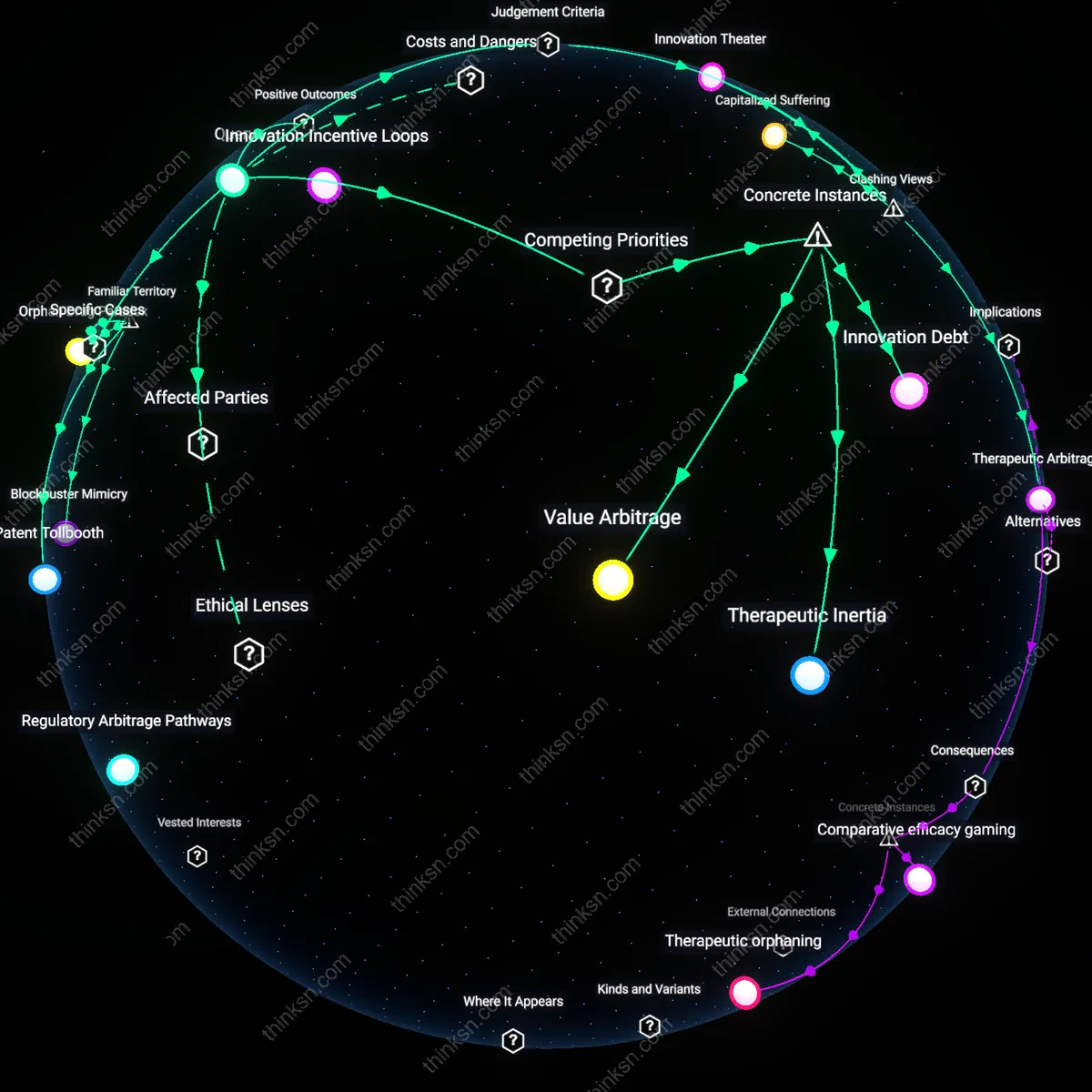
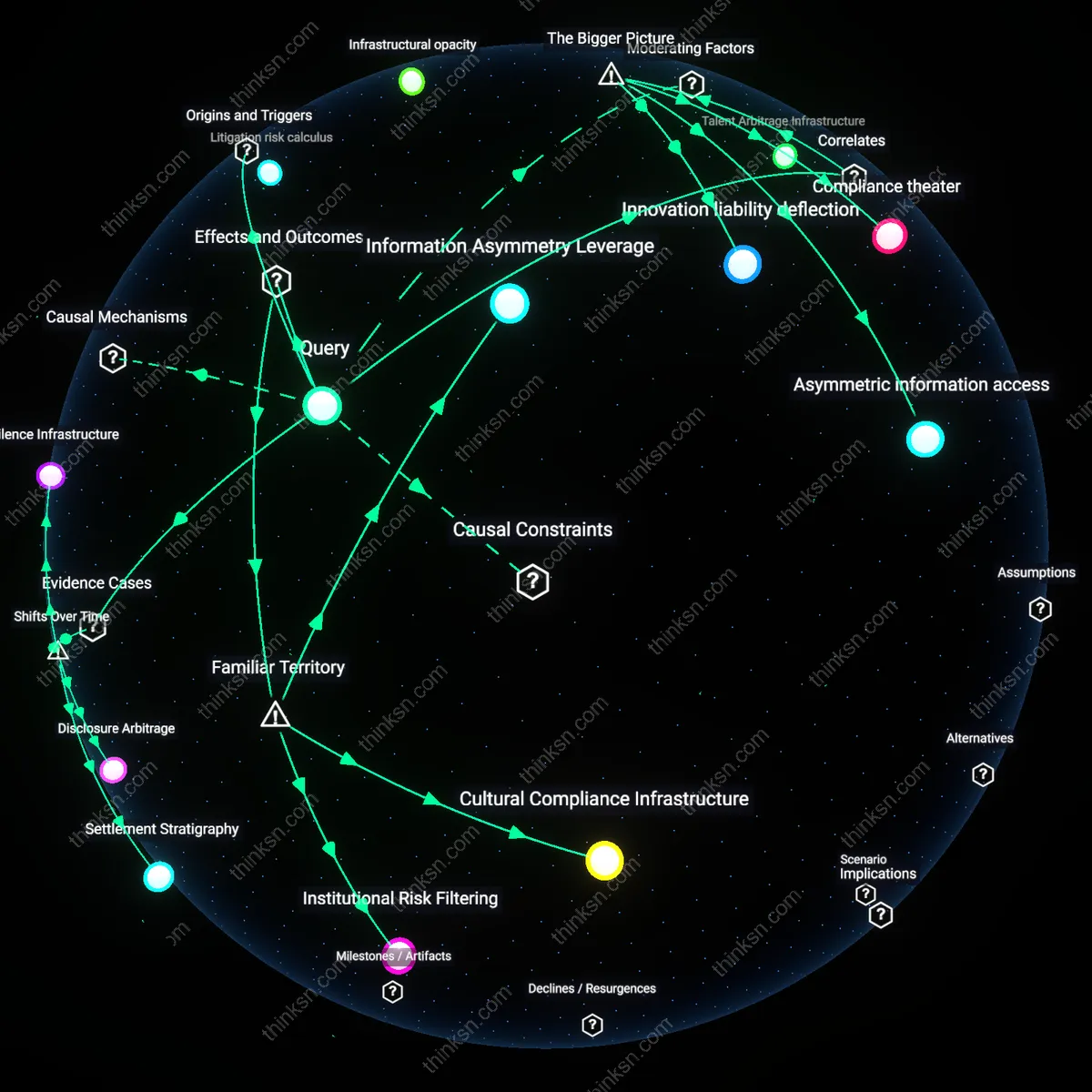
A mid-level engineer should pursue a PhD in computer science because the post-2008 shift from product-centric R&D to foundational algorithmic innovation has transformed advanced research training into a form of appreciating capital, not just delayed income; tenure-track labs and industrial AI institutes now treat deep technical expertise as compoundable intellectual property, accrued through doctoral training and leveraged across startup equity, patent rights, and platform control. This revalues the PhD from a terminal degree to a strategic asset class—distinct from salary—because it grants access to proprietary data regimes and model infrastructures that emerged after the deep learning revolution, a transition overlooked when evaluating trade-offs through short-term wage gaps.
Career path bifurcation
A mid-level engineer should not pursue a PhD because the 1990s dismantling of corporate industrial labs—exemplified by Bell Labs’ breakup and Xerox PARC’s privatization—produced a structural split between academic research and industrial scale, making PhDs necessary for entry into elite R&D circles but simultaneously isolating them from product-impact trajectories; today’s AI safety or systems conferences reward theoretical novelty, but the engineer’s prior industry experience loses valence in tenure-review criteria shaped by citation economies rather than deployment metrics. This path divergence, solidified in the 2010s as tech firms created dual-track ladders (research scientist vs. staff engineer), means the PhD no longer generalizes career mobility but locks individuals into increasingly narrow epistemic communities.
Epistemic Arbitrage
A mid-level engineer should pursue a PhD in computer science because it enables epistemic arbitrage—transferring overlooked theoretical advances from academic isolation into high-impact industrial systems where they compound value in applied R&D. This occurs when engineers internalize niche research methods during doctoral training and later deploy them in industry settings that lack access to or awareness of such knowledge, creating asymmetric advantage in problem-solving; the overlooked dynamic is that academic knowledge production is spatially and socially fragmented, so individuals who bridge these worlds act as conduits for innovation that would otherwise remain trapped in silos. This dimension matters because most career analyses assume knowledge flows freely, obscuring how mobility across institutional boundaries generates unique leverage.
Temporal Optionality
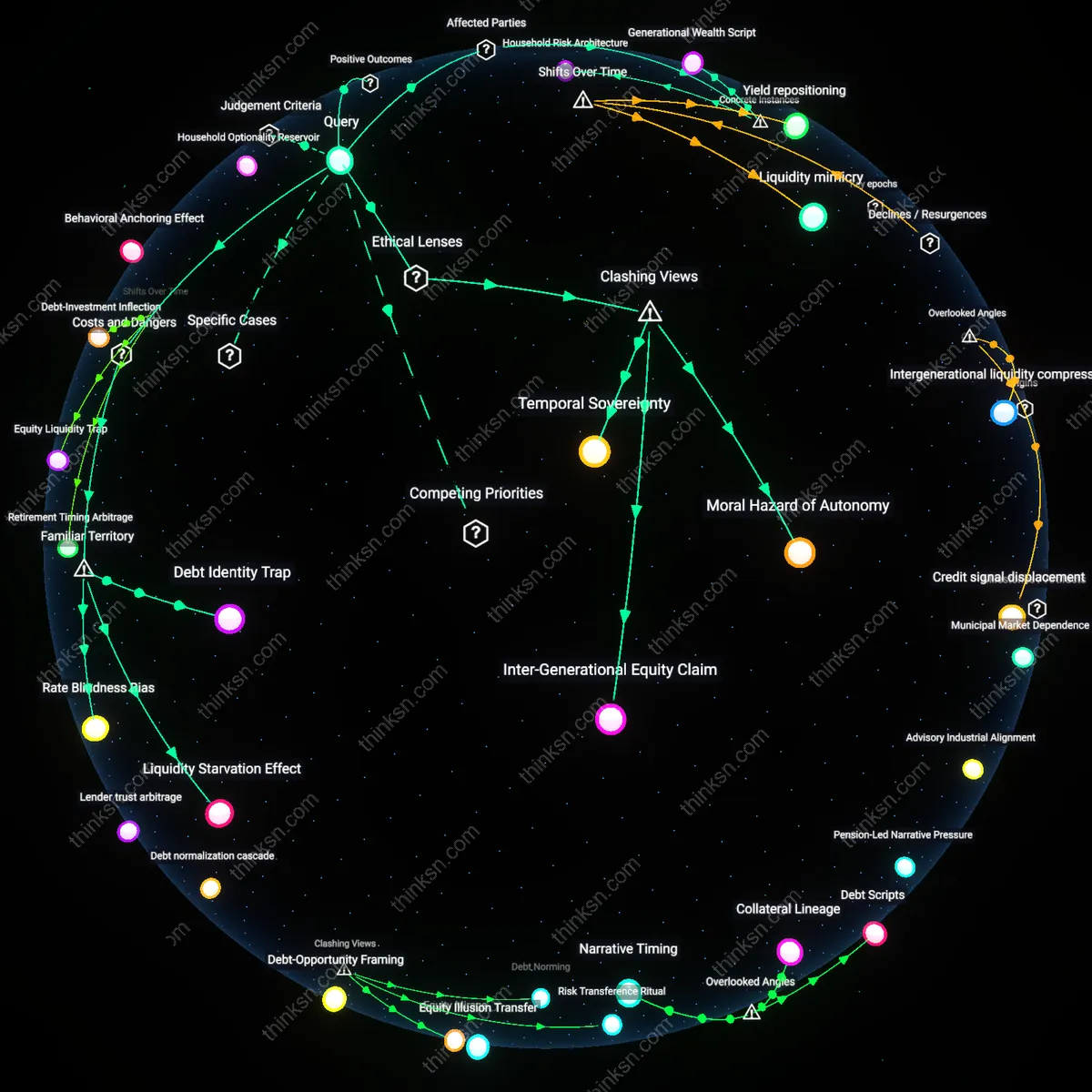
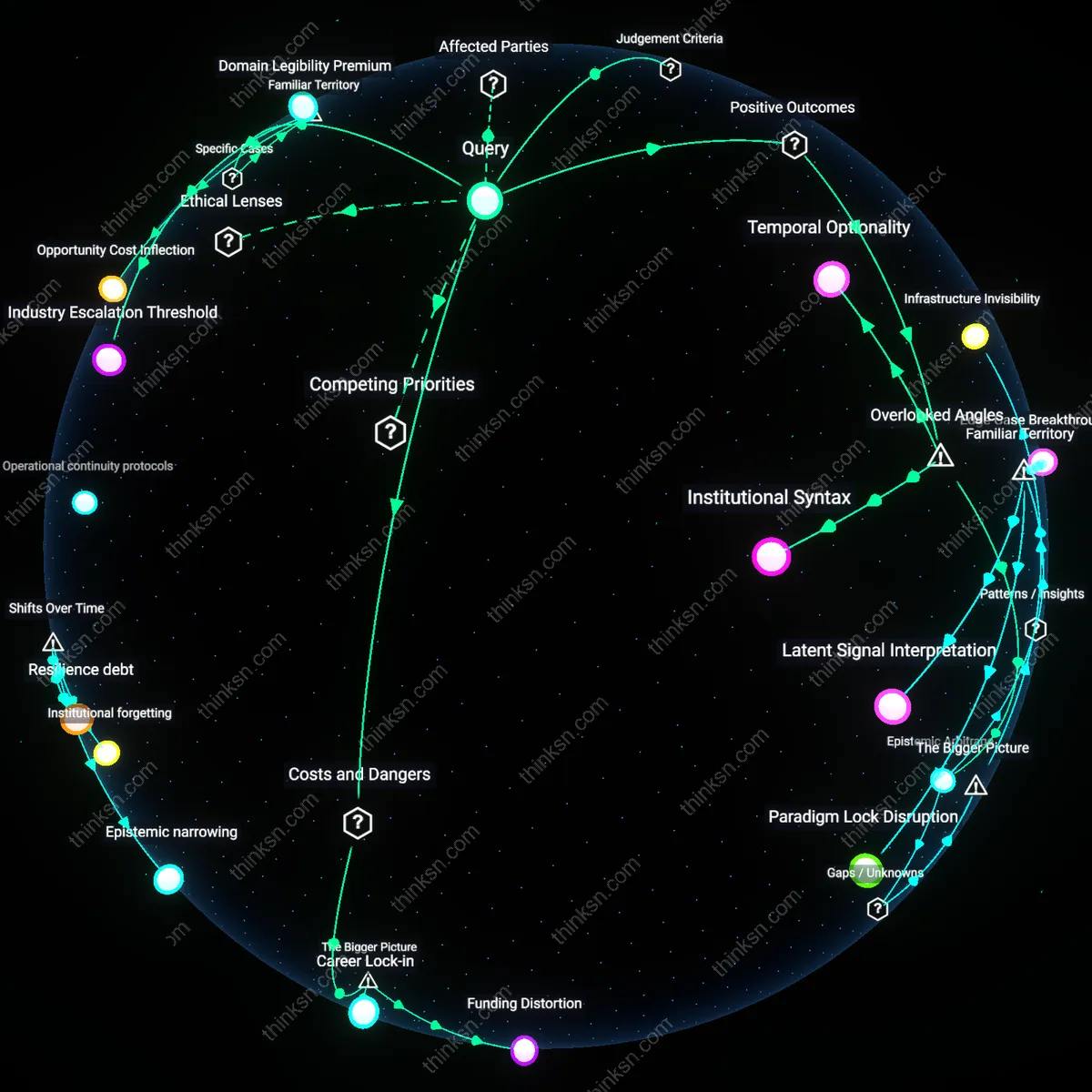
A mid-level engineer should pursue a PhD in computer science because it grants temporal optionality—the delayed but compounding ability to steer long-term R&D trajectories by gaining credibility to define research agendas rather than execute predefined tasks. This operates through the credential’s role as a gatekeeper to principal investigator roles in corporate labs (e.g., Microsoft Research, DeepMind), where agenda-setting power emerges years after graduation, not immediately; the overlooked factor is that PhDs function less as skill signals and more as delayed-access keys to governance structures in knowledge production. This reframes the salary trade-off as an investment in future decision rights, not just expertise, altering the standard cost-benefit analysis that prioritizes near-term income.
Institutional Syntax
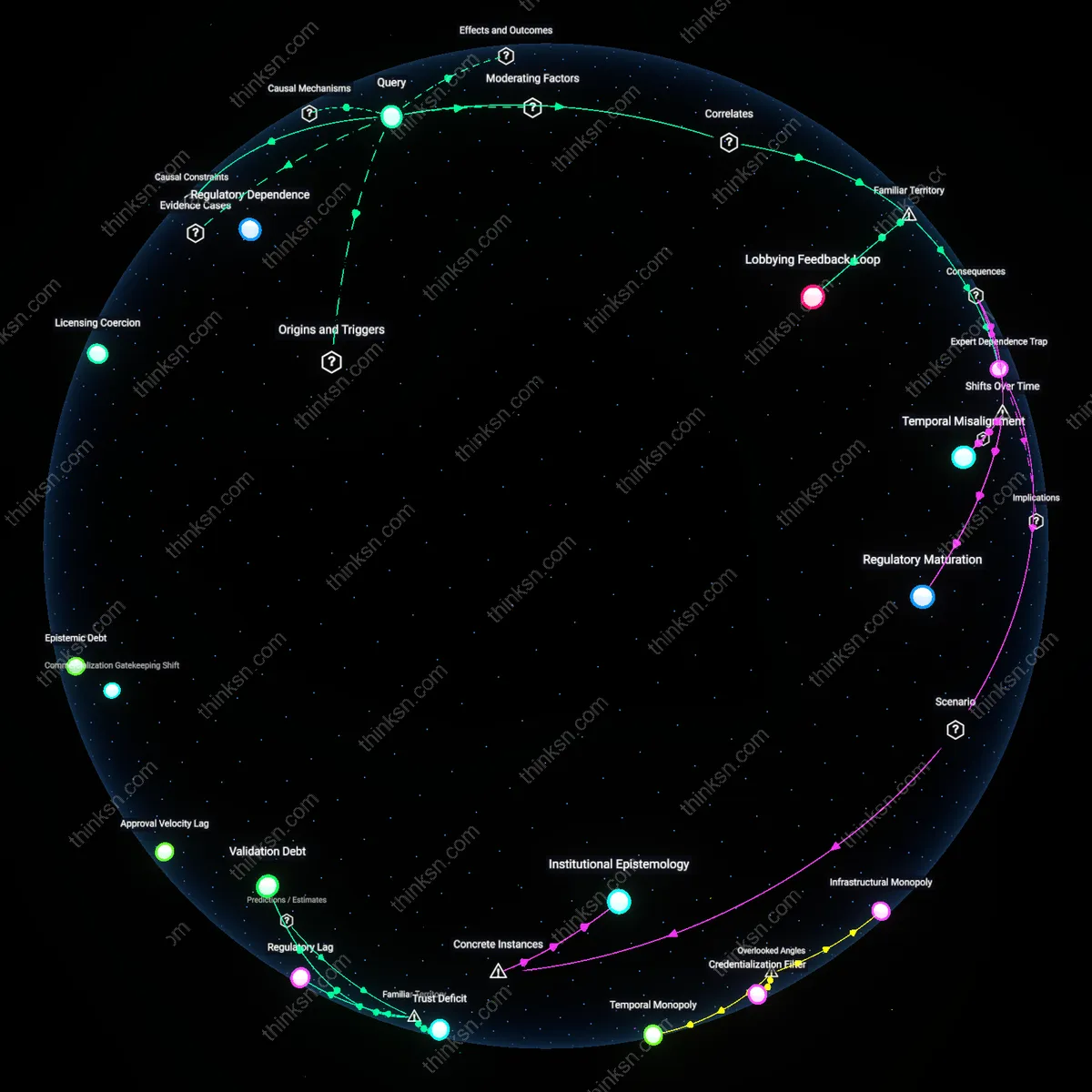
A mid-level engineer should pursue a PhD in computer science because it confers fluency in institutional syntax—the unwritten rules, genres, and evaluative criteria that govern how technical work becomes legitimate in R&D organizations. This fluency, acquired through peer review, dissertation defense, and grant writing, enables engineers to navigate approval chains for high-risk projects in settings like DARPA-funded labs or university spin-offs, where proposal success depends on ritualized communication rather than technical merit alone; the overlooked reality is that innovation bottlenecks often stem from misalignment with procedural logics, not capability gaps. Recognizing this shifts the PhD’s value from knowledge acquisition to ritual competence, a hidden dependency in technology transfer.
Funding Distortion
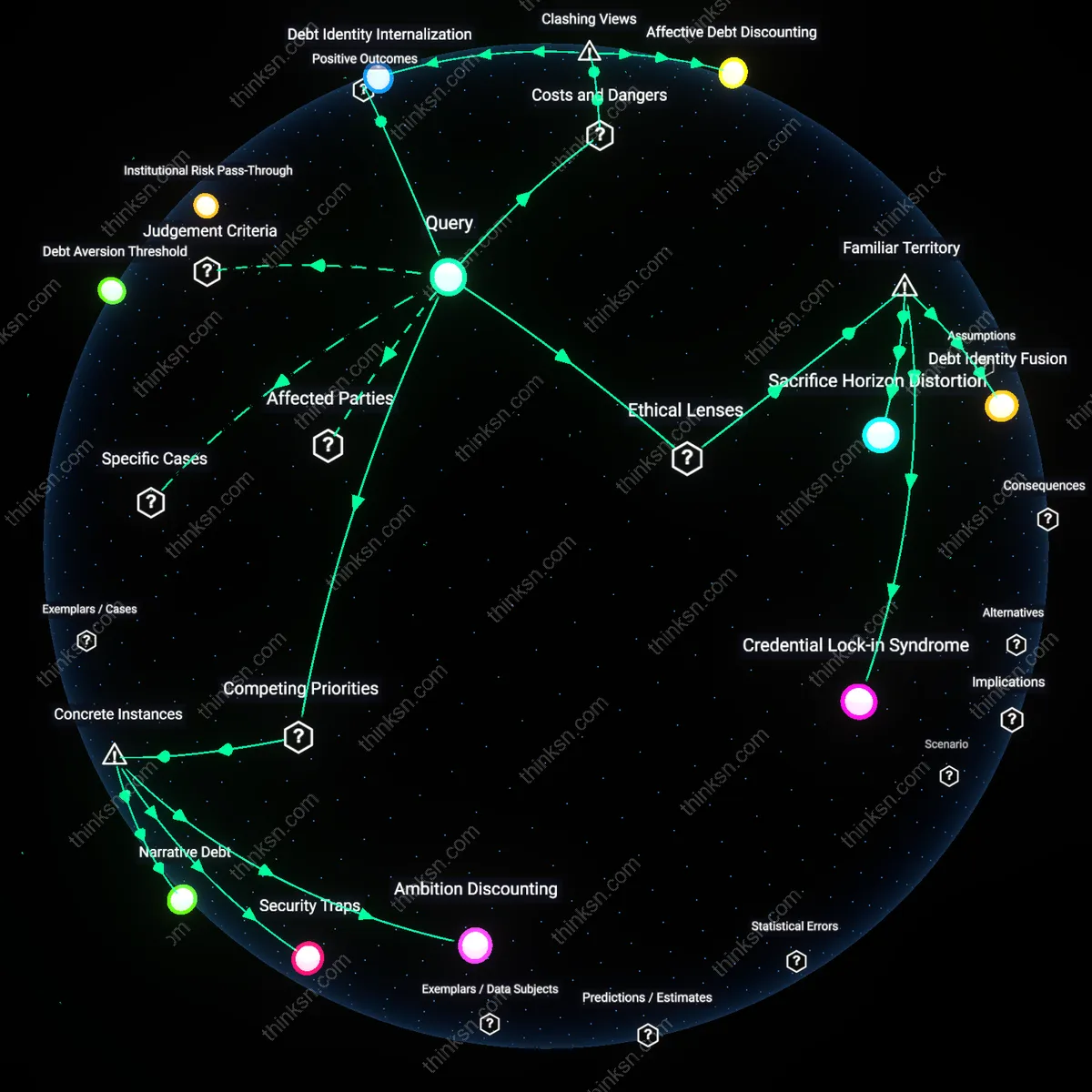
Pursuing a PhD diverts mid-level engineers from industry R&D into an academic system that prioritizes publication over deployable innovation, weakening the pipeline of practical technical advancement. University research funding—especially in computer science—is increasingly tied to citation metrics and grant renewal cycles, which incentivize theoretical or incremental work rather than robust engineering solutions. This misalignment channels talent into problems optimized for academic survival, not societal or industrial impact, ultimately degrading the capacity of national innovation ecosystems to translate research into scalable technologies. The key actors—federal grant allocators, tenure committees, and institutional review boards—enforce this dynamic by rewarding outputs that rarely intersect with real-world deployment constraints.
Career Lock-in
Entering a PhD program traps mid-level engineers in a credentialing system that erodes their market agility and reattaches them to lower-velocity career tracks. After three to six years of sub-market compensation and narrow research focus, graduates face diminished re-entry options into high-growth tech sectors, where rapid iteration and production experience are valued over academic specialization. This lock-in is enforced by hiring algorithms and HR filters in major tech firms that classify PhDs as 'research scientists'—a siloed role with fewer generalist leadership pathways—thereby downgrading their lateral mobility. The systemic pressure of organizational role codification transforms what appears to be skill accumulation into a de facto segmentation mechanism.
Innovation Drain
When mid-level engineers leave industry for PhDs, they exit a feedback-dense environment where technical problems emerge from real user behavior, infrastructure strain, and competitive pressure—contexts that ground meaningful R&D. In contrast, academic research often abstracts away deployment-scale constraints like latency budgets, system reliability, or cost efficiency, leading to solutions that fail under real-world conditions. This drain of operationally informed talent starves industrial R&D of engineers who could bridge theoretical advances and product integration, especially in domains like distributed systems or AI infrastructure. The consequence is a growing chasm between academic computer science and the engineering realities shaping global technology platforms, sustained by the incentive asymmetry between conference acceptance and system uptime.
Industry Escalation Threshold
A mid-level engineer should pursue a PhD in computer science if their target R&D employer requires terminal academic credentials for technical leadership roles, as seen at organizations like DeepMind or Bell Labs where PhDs dominate senior research scientist positions. These institutions operate through credential-based promotion filters that equate doctoral training with research autonomy, making the degree a non-negotiable proxy for technical legitimacy despite equivalent skill acquisition paths. This threshold is underappreciated because public discourse emphasizes output (e.g., code, papers) over the gatekeeping function of formal qualifications in elite industrial research settings.
Opportunity Cost Inflection
A mid-level engineer should not pursue a PhD in computer science because the five-year timeline for completion represents a critical loss of compounding industry salary and equity gains, as observed in Silicon Valley engineers at firms like Meta or Stripe who reach senior levels by age 30 without terminal degrees. The mechanism is the accelerating career-consumption curve in tech R&D, where continuous product iteration rewards persistent market presence over episodic academic re-entry. The non-obvious insight is that staying in industry often provides deeper real-world R&D exposure than doctoral specialization, contradicting the default narrative that PhDs are the primary path to technical mastery.
Domain Legibility Premium
A mid-level engineer should pursue a PhD in computer science when transitioning into fields where academic fluency determines access to problems, such as cryptography or formal verification, as evident in researchers joining teams at NIST or contributing to IETF standards bodies. In these domains, the PhD serves as a provenance signal that certifies comprehension of deeply abstract, peer-reviewed frameworks that lack industry analogs, thus enforcing a boundary around who can credibly participate. The underappreciated reality is that the degree itself becomes a translation device—granting legibility rather than technical skill—enabling engagement with epistemic communities that shape foundational technologies.