Is Renewable Natural Gas Worth It With Methane Leak Risks?
Analysis reveals 6 key thematic connections.
Key Findings
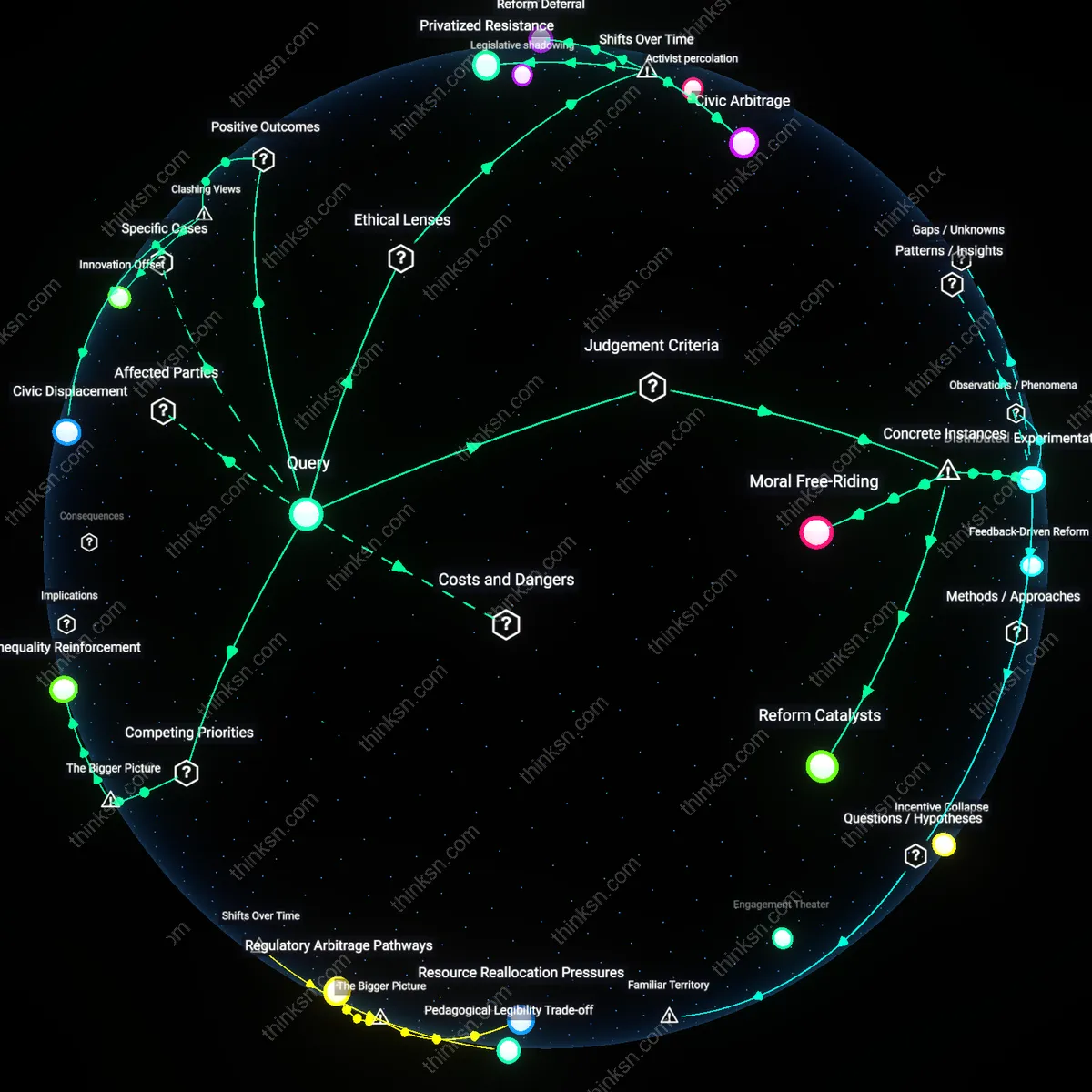
Moral Hazard of Green Credentials
Renewable natural gas should not be prioritized for household use because its marketed climate benefits are undermined by unregulated methane leakage, which distorts consumer and policy incentives toward false solutions. Utilities and biogas producers benefit from classifying RNG as carbon-neutral under frameworks like the Clean Air Act’s greenhouse gas reporting rules, yet these systems do not consistently mandate third-party monitoring of fugitive emissions at production sites or distribution networks. This creates a moral hazard where ethical justification—based on utilitarian promises of net emissions reduction—enables continued fossil infrastructure expansion under a green label, which is especially misleading in residential markets where consumers assume environmental responsibility through provider claims.
Energy Justice Calculus
Renewable natural gas is ill-suited for household use because its deployment reproduces energy inequities by concentrating pollution risks in low-income and rural communities hosting anaerobic digesters and aging pipeline systems. Environmental justice frameworks recognize that distributive fairness requires minimizing harm to vulnerable populations, yet current RNG development in places like California’s Central Valley or Iowa’s livestock regions follows historical patterns where regulatory compromises allow elevated methane and hydrogen sulfide exposure near source facilities. The non-obvious reality is that the familiar framing of 'farm-to-fork' sustainability masks a pattern of localized sacrifice zones that contradict the communitarian ethics underpinning democratic energy transitions.
Infrastructure Lock-in Rationality
Household use of renewable natural gas perpetuates dependence on centralized energy systems that crowd out more resilient, electrified alternatives like heat pumps, reinforcing path dependency through neoliberal policy instruments such as LCFS (Low Carbon Fuel Standard) credits. Policymakers and municipal gas providers invoke economic efficiency and consumer choice doctrines to justify blending RNG into existing pipelines, yet this preserves capital-intensive networks that were designed for fossil gas and resist decommissioning. The underappreciated consequence—visible through public choice theory—is that familiar appeals to 'transition fuels' and 'existing appliances' serve to entrench utility control and delay decarbonization, turning homes into anchors for an obsolete energy paradigm.
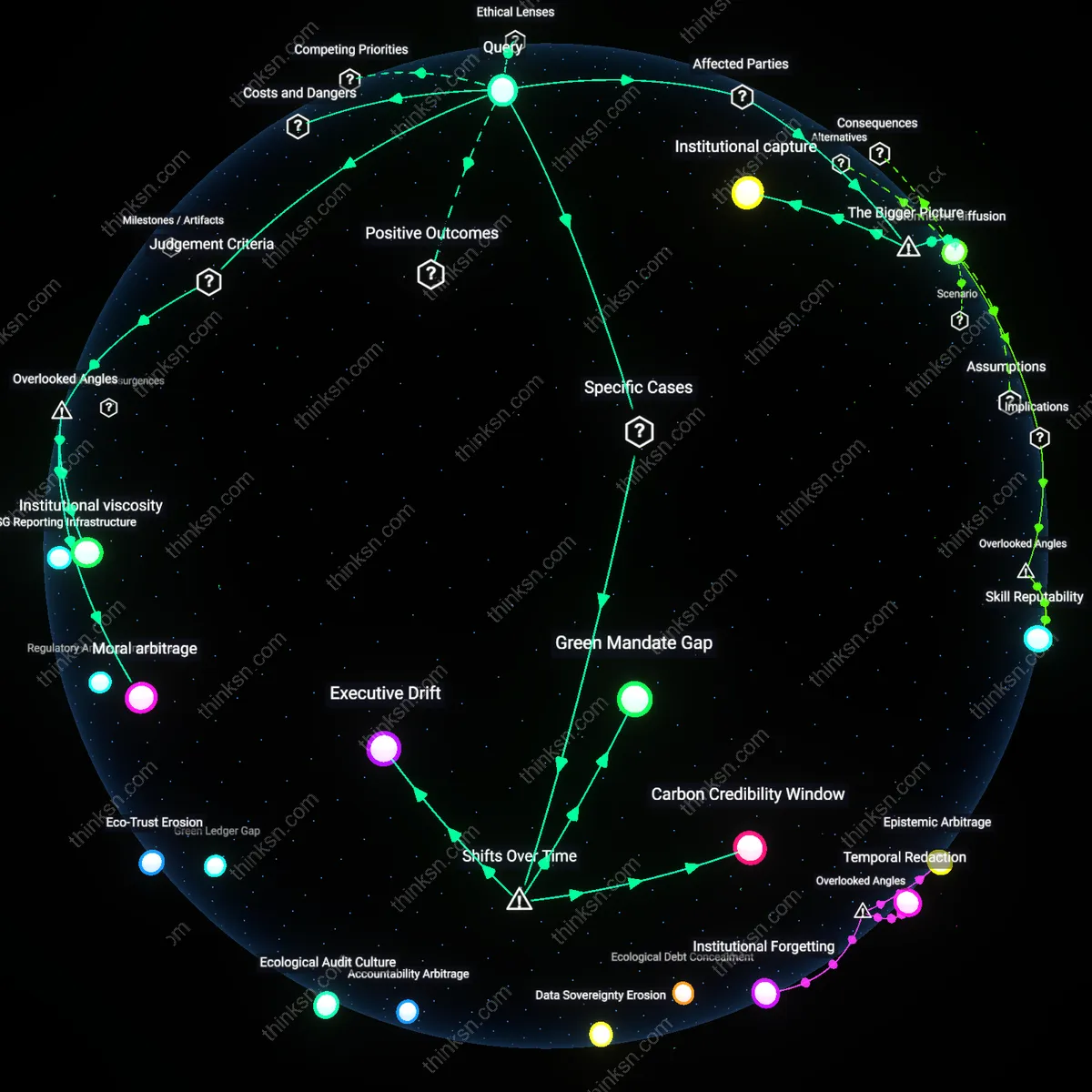
Regulatory Arbitrage
Methane leakage rates from renewable natural gas (RNG) sourced in California's dairy biomethane projects exceed 3%, undermining claims of carbon neutrality and making household RNG use complicit in net warming. This occurs because state incentives reward volume-based production without enforcing full lifecycle leakage standards, enabling operators to profit while externalizing climate costs. The pressure to meet renewable fuel mandates distorts environmental scrutiny, privileging displacement of fossil gas over absolute emissions, which reveals how policy design enables actors to exploit loopholes in climate accounting. What is underappreciated is that the system incentivizes production over integrity, turning household consumption into a cover for industrial-scale emissions leakage.
Infrastructure Lock-in
Despite methane leakage undermining climate benefits, utilities like CenterPoint Energy continue expanding RNG integration into residential networks because existing natural gas infrastructure creates a sunk-cost imperative to preserve utility margins. The mechanism operates through regulatory rate cases that allow recovery of distribution system investments regardless of fuel source, binding household supply to long-term pipeline commitments. This perpetuates dependence on combustible gases in buildings, delaying electrification even when technical alternatives are viable. The underappreciated dynamic is that infrastructure longevity, not fuel origin, determines emission trajectories—transforming household use into a political act sustaining fossil-aligned capital.
Moral Hazard of Offsetting
RNG from landfills like Puente Hills in Los Angeles is marketed as sustainable for homes because its methane would otherwise escape, but actual measurement shows engineered capture systems miss 15–20% of emissions, which are then offset rather than prevented. Because offset markets reward claimed reductions over verified performance, producers face no penalty for leakage, weakening operational diligence. This shifts household environmental responsibility from direct action—like electrification—to indirect financial mechanisms that legitimize continued combustion. The non-obvious consequence is that domestic RNG use entrenches a moral hazard where the appearance of sustainability replaces material change, protecting status-quo energy models.