Do Declining Civics Classes Mean Democracy Underprioritized?
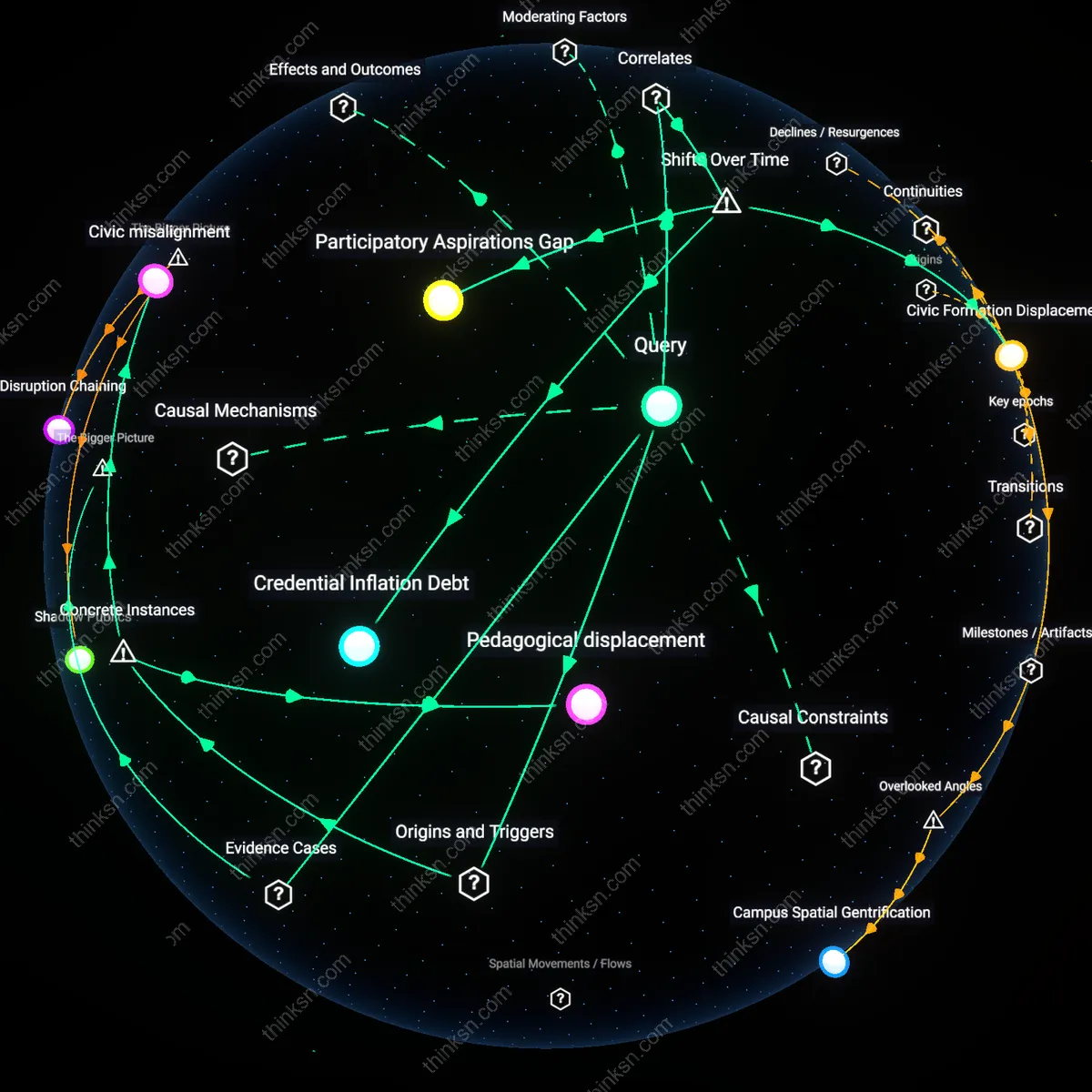
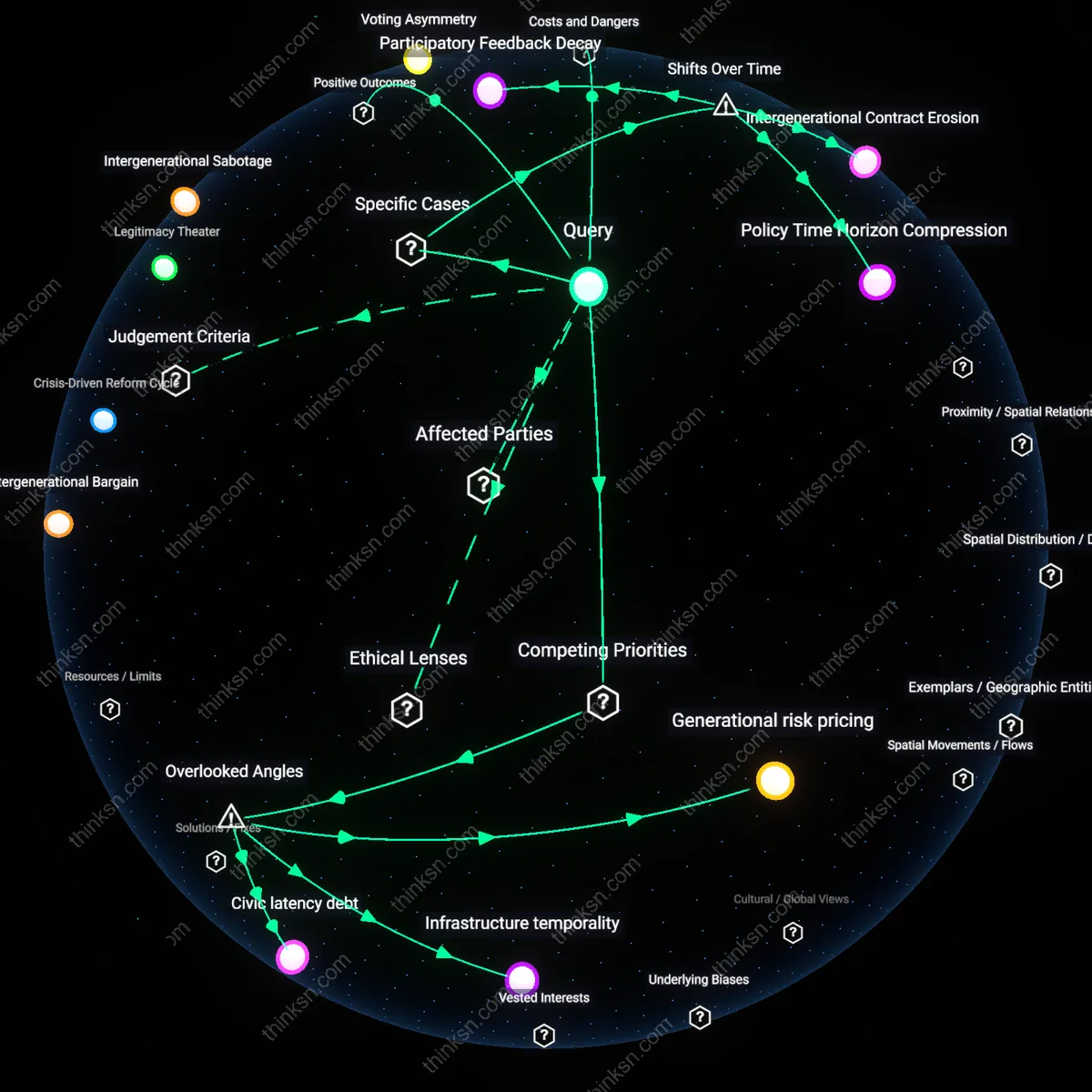
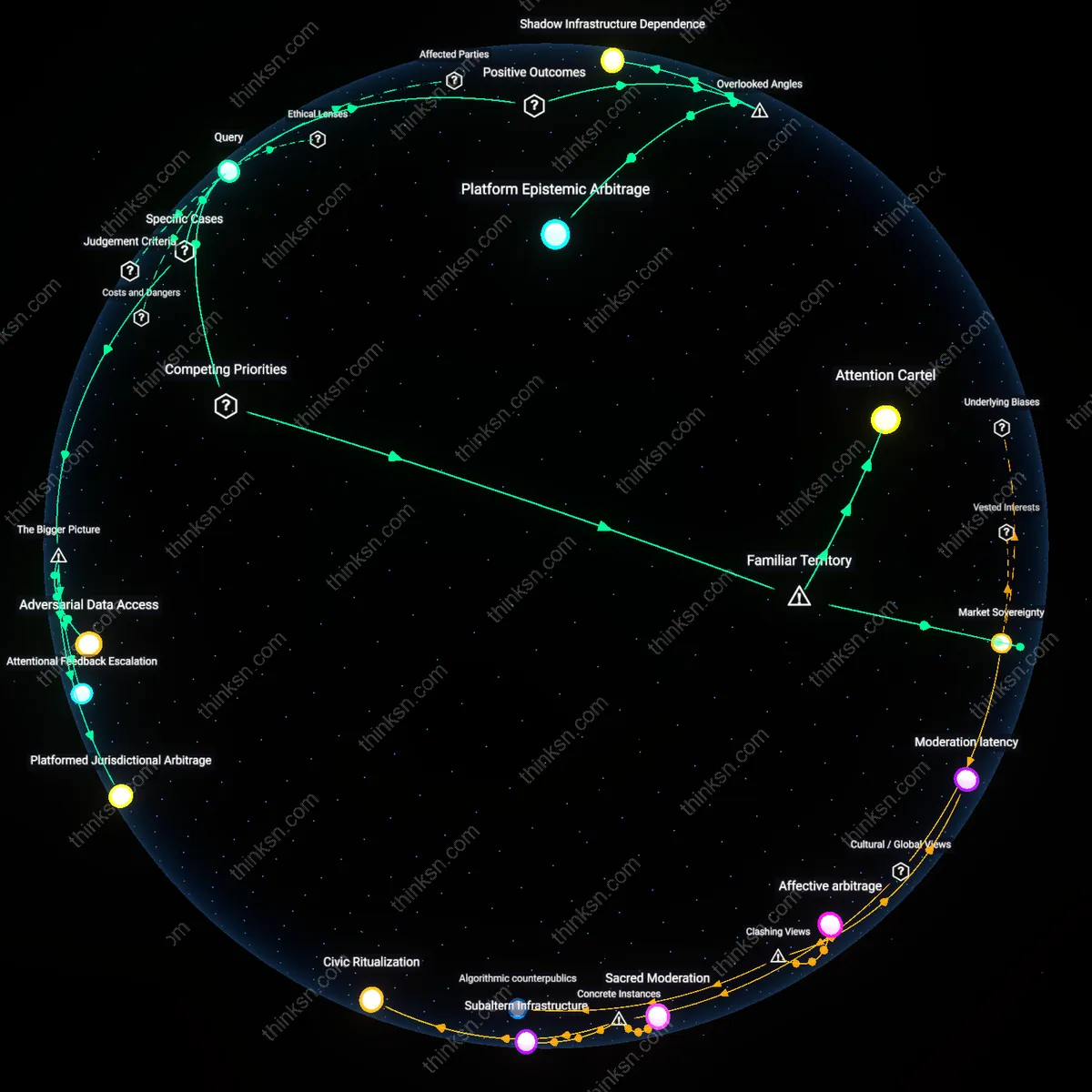
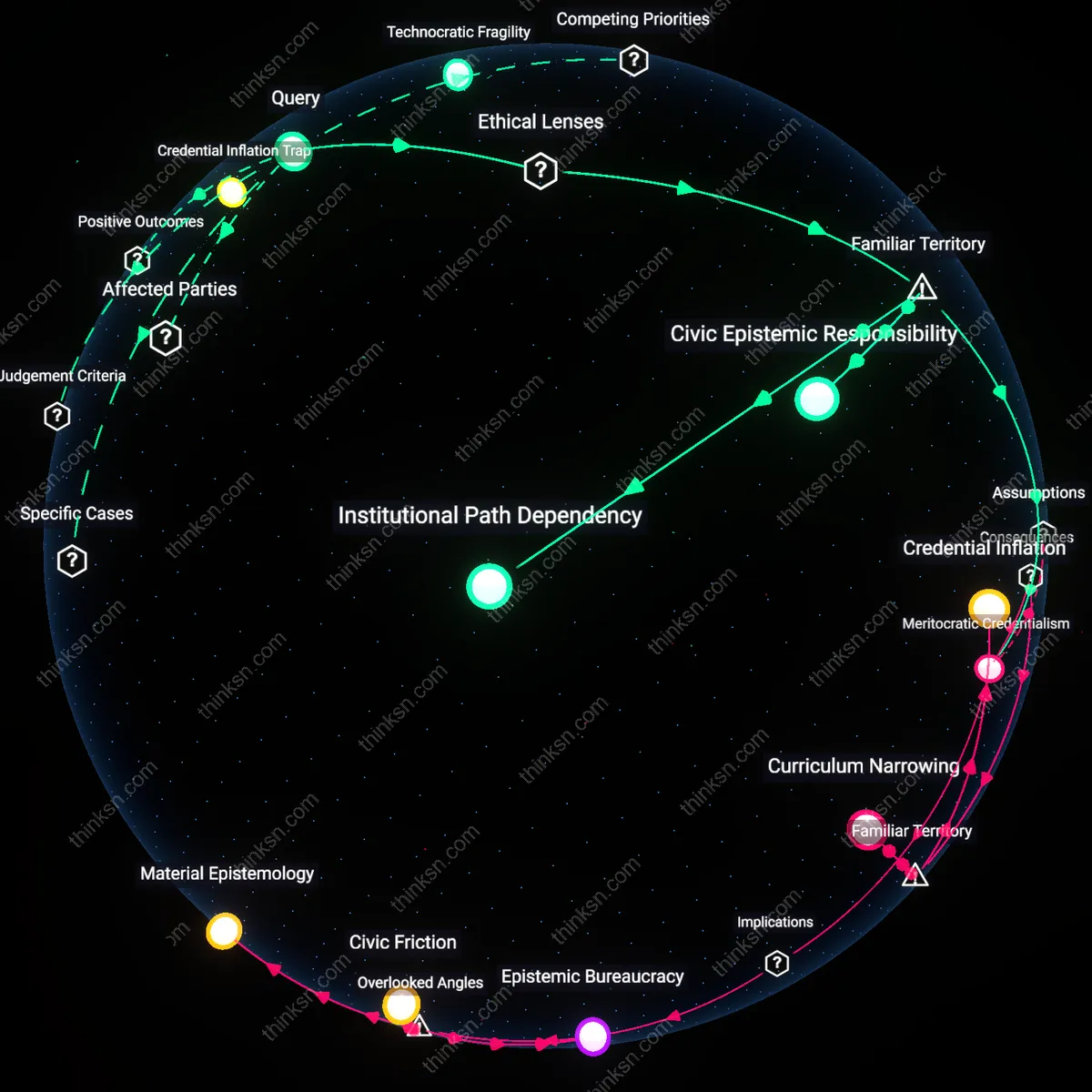
Analysis reveals 6 key thematic connections.
Key Findings
Civic Erosion
Reduced civics education erodes shared democratic norms by weakening citizens' ability to navigate institutions, leading to apathy and disengagement in local governance. Schools in states like Arizona and Texas that cut civics requirements have seen measurable declines in voter registration among young adults, revealing how institutional neglect directly degrades participatory habits. The non-obvious risk is not just ignorance but the normalization of political disengagement as a default civic posture.
Performative Participation
Community initiatives often replace substantive civic learning with symbolic acts like voter registration drives or town hall festivals, which prioritize visibility over depth and fail to teach structural power analysis. These efforts, common in urban nonprofits funded by short-term grants, mimic engagement without building lasting knowledge, thereby reinforcing the illusion of democracy while bypassing its intellectual demands. The danger lies in mistaking activity for agency, where feel-good events crowd out rigorous civic formation.
Democratic Drift
As civics education fades, democratic decision-making gradually shifts toward reactive populism fueled by misinformation, because citizens lack frameworks to assess policy or institutional legitimacy. This dynamic is evident in school board takeovers in Ohio and Idaho, where voters, untrained in governance mechanics, support candidates promising radical disruption over procedural continuity. What feels like grassroots empowerment often masks a systemic slide into governance by sentiment rather than informed consent.
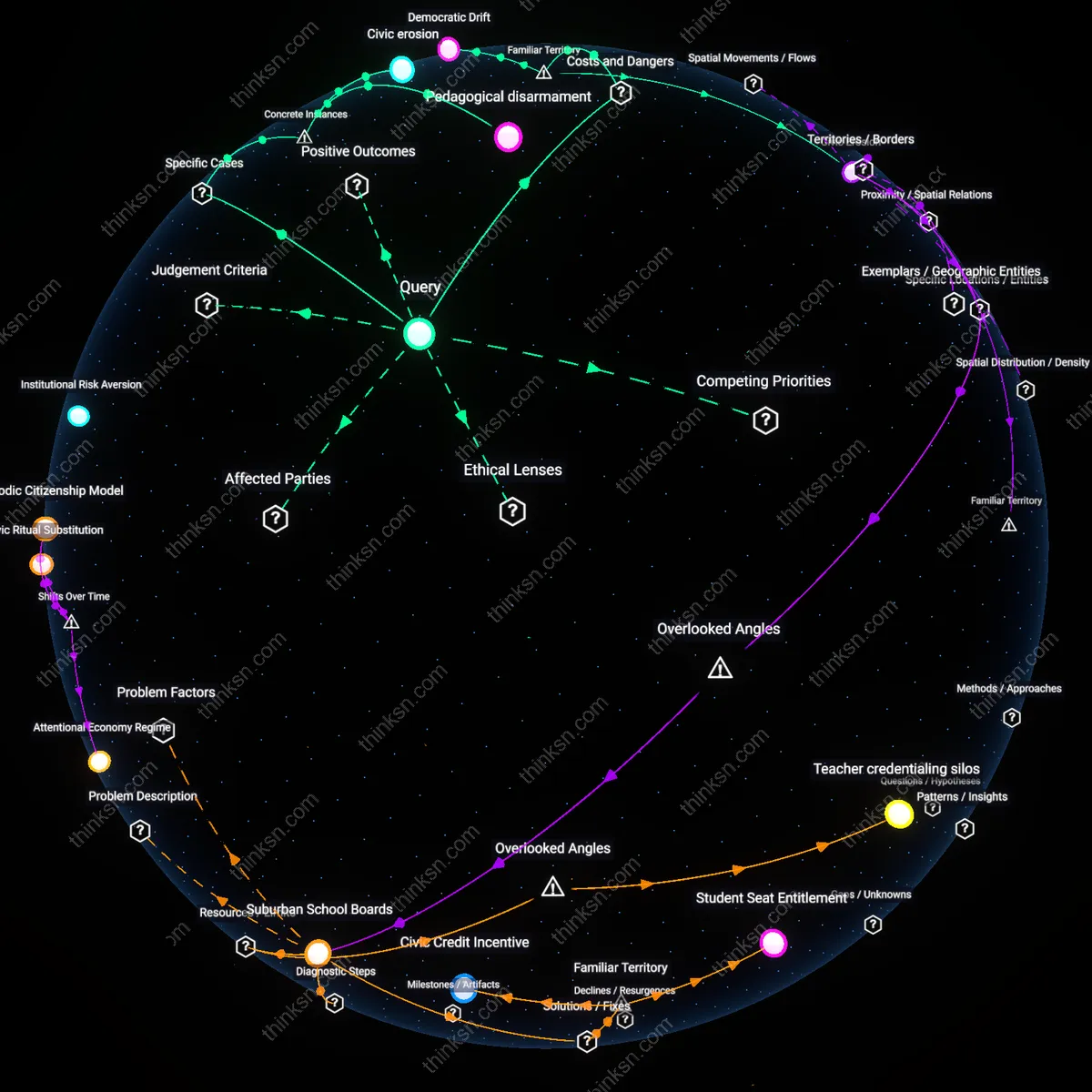
Civic erosion
The elimination of civics requirements in Florida public schools after 2012 reveals a de facto deprioritization of participatory democratic competence, where standardized testing incentives and political curriculum oversight led district administrators to marginalize civics in favor of testable subjects. This mechanism, observable in the decline of student performance on state-administered civics exams in districts like Hillsborough County, exposes how structural education policy—rather than public disinterest—actively hollows out democratic literacy at scale. The non-obvious insight is that democratic atrophy can be bureaucratically engineered through seemingly neutral administrative decisions that carry political consequences without explicit ideological labeling.
Substitutive praxis
The Mutual Aid School in Portland, operating since 2020 as a volunteer-run alternative to formal education, demonstrates how community coalitions can generate functional replacements for state-withdrawn civics instruction by embedding democratic deliberation into neighborhood disaster preparedness and mutual aid networks. Through structured consensus decision-making in distributing resources during winter storms and wildfire evacuations, participants practice binding collective governance absent electoral rituals. This reveals that community initiatives can cultivate democratic values not by replicating school curricula, but by creating lived experiences of reciprocity and decisional parity—thereby proving that democratic capacity can be sustained through infrastructures of care rather than pedagogy alone.
Pedagogical disarmament
The exclusion of marginalized youth from formal civics processes is confirmed by the Los Angeles Unified School District’s 2015 decision to cancel student-led governance forums after protests by Central American immigrants over police brutality, which administrators cited as 'disruptive.' By framing democratic expression as behavioral risk rather than civic engagement, the district institutionalized a form of political silencing under the guise of order maintenance. This case shows how official education bodies can actively disarm civics by reclassifying dissent as disorder, a move that reveals institutional aversion to cultivating critical citizenship among historically disenfranchised populations.