Does Anonymous Reporting Protect Workers from Wage Theft?
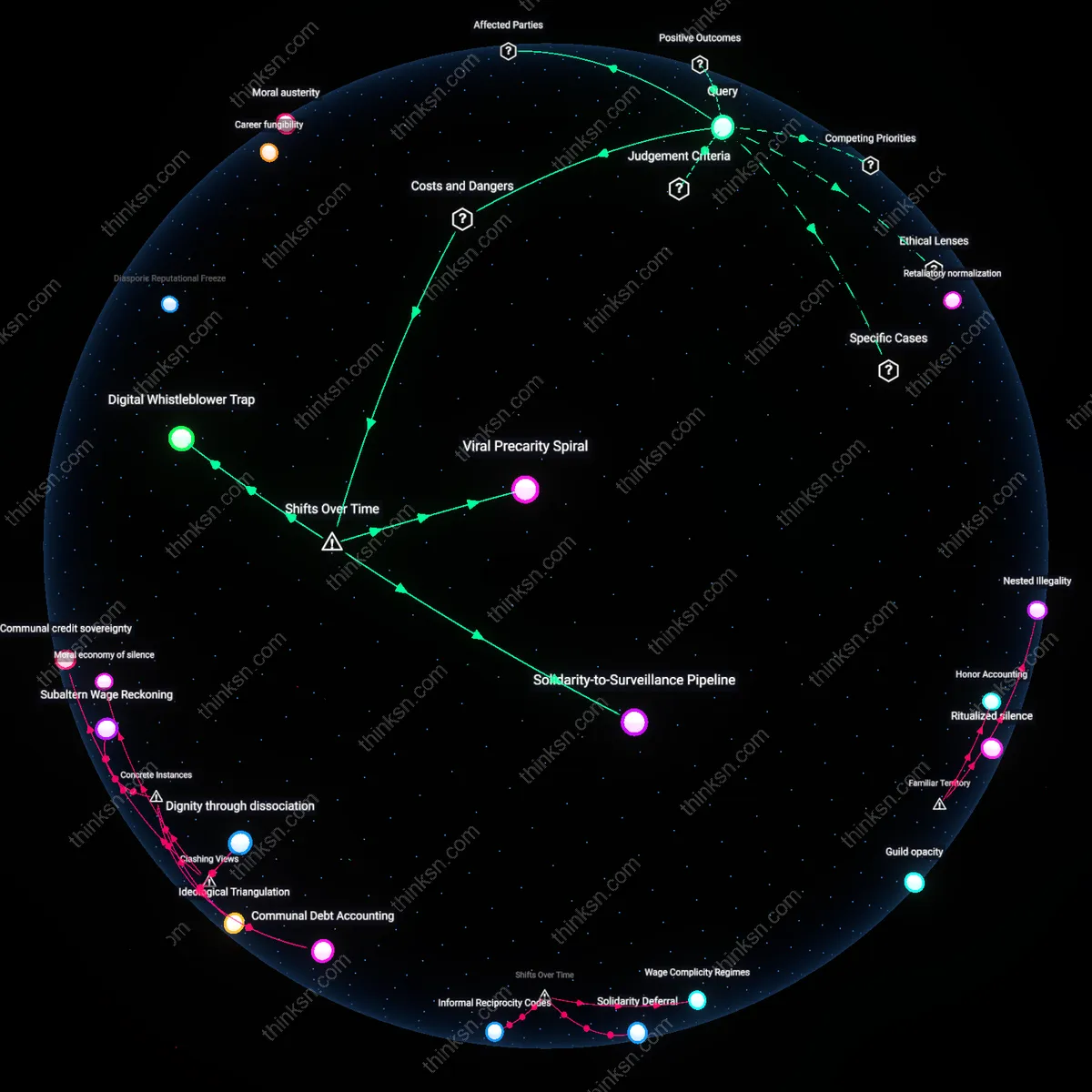
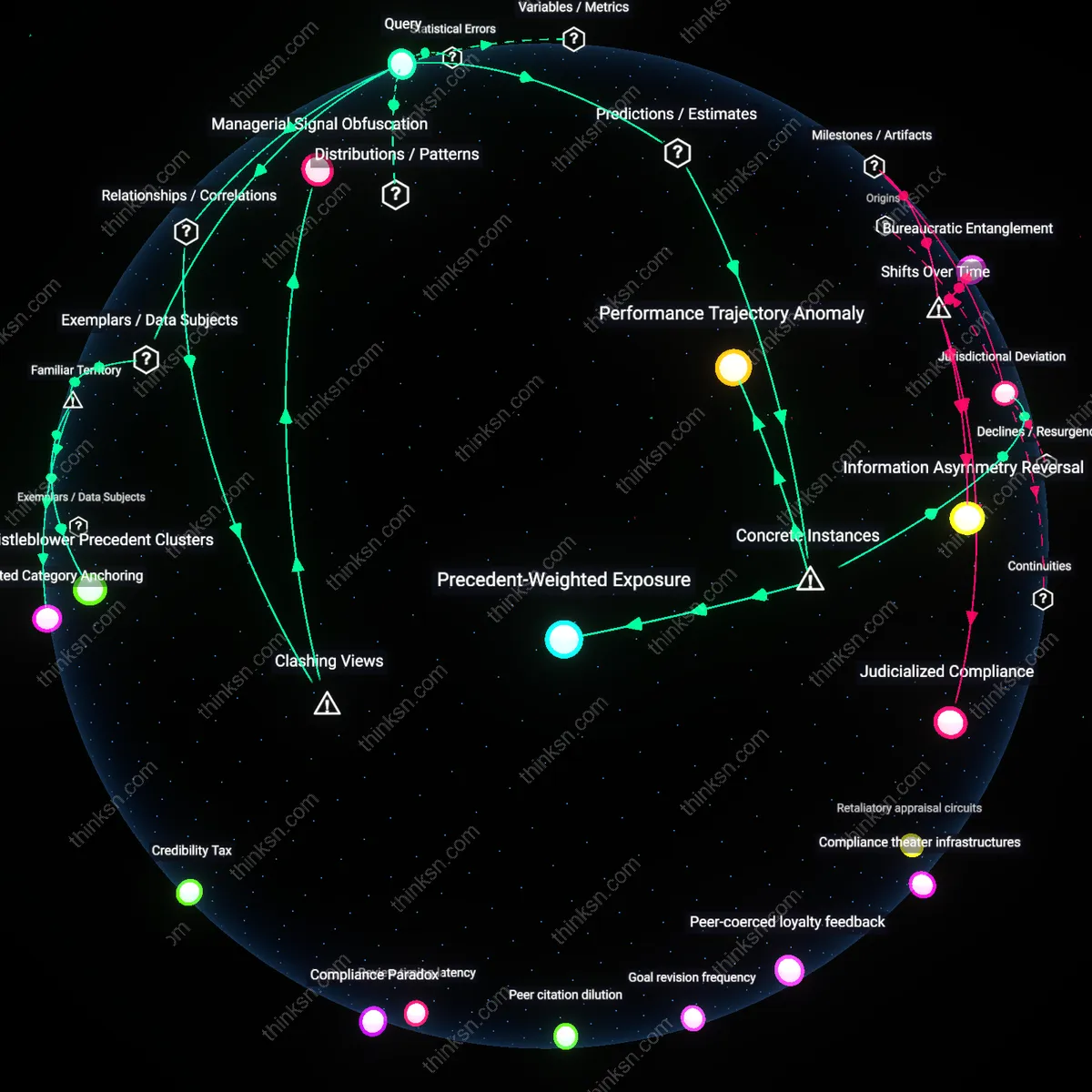
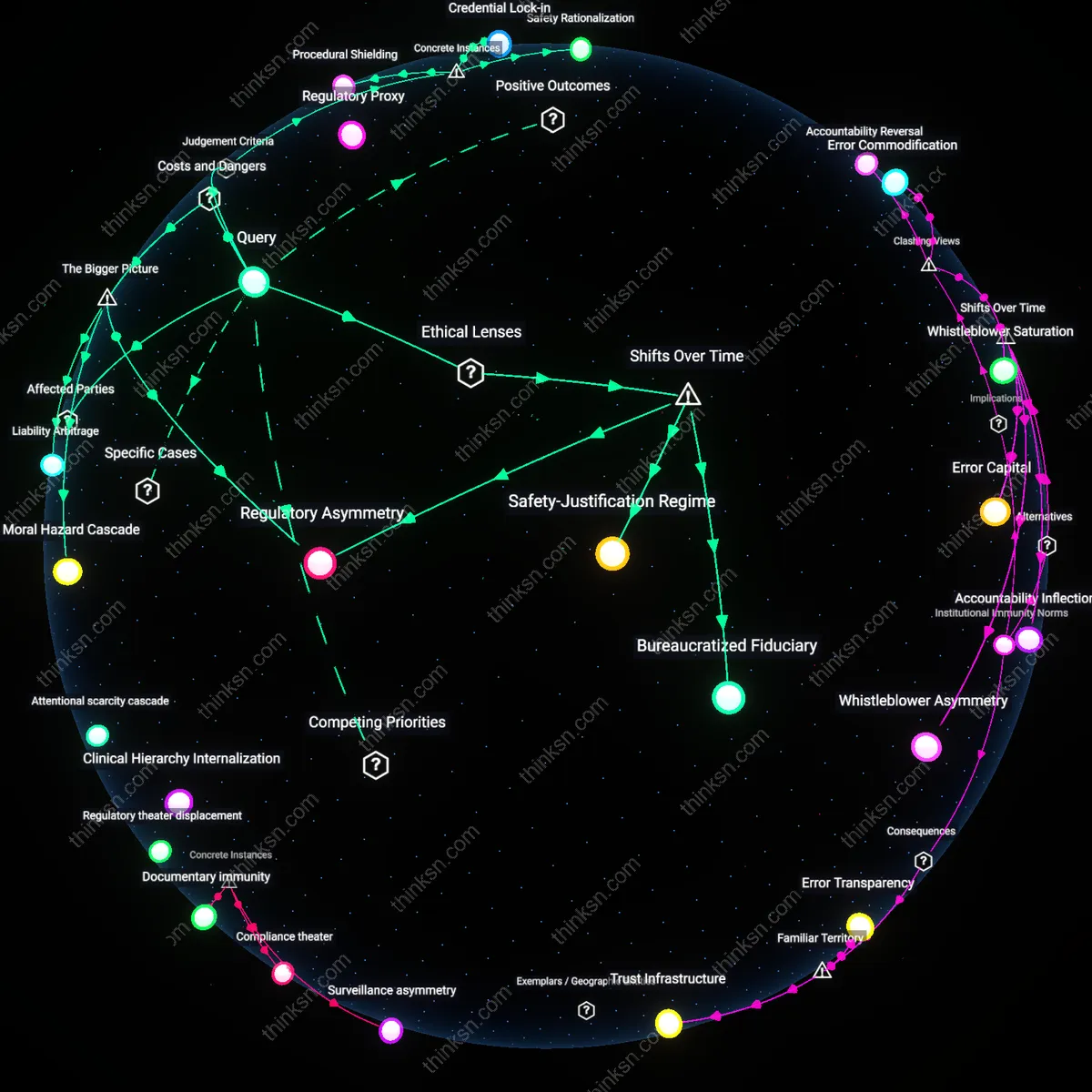
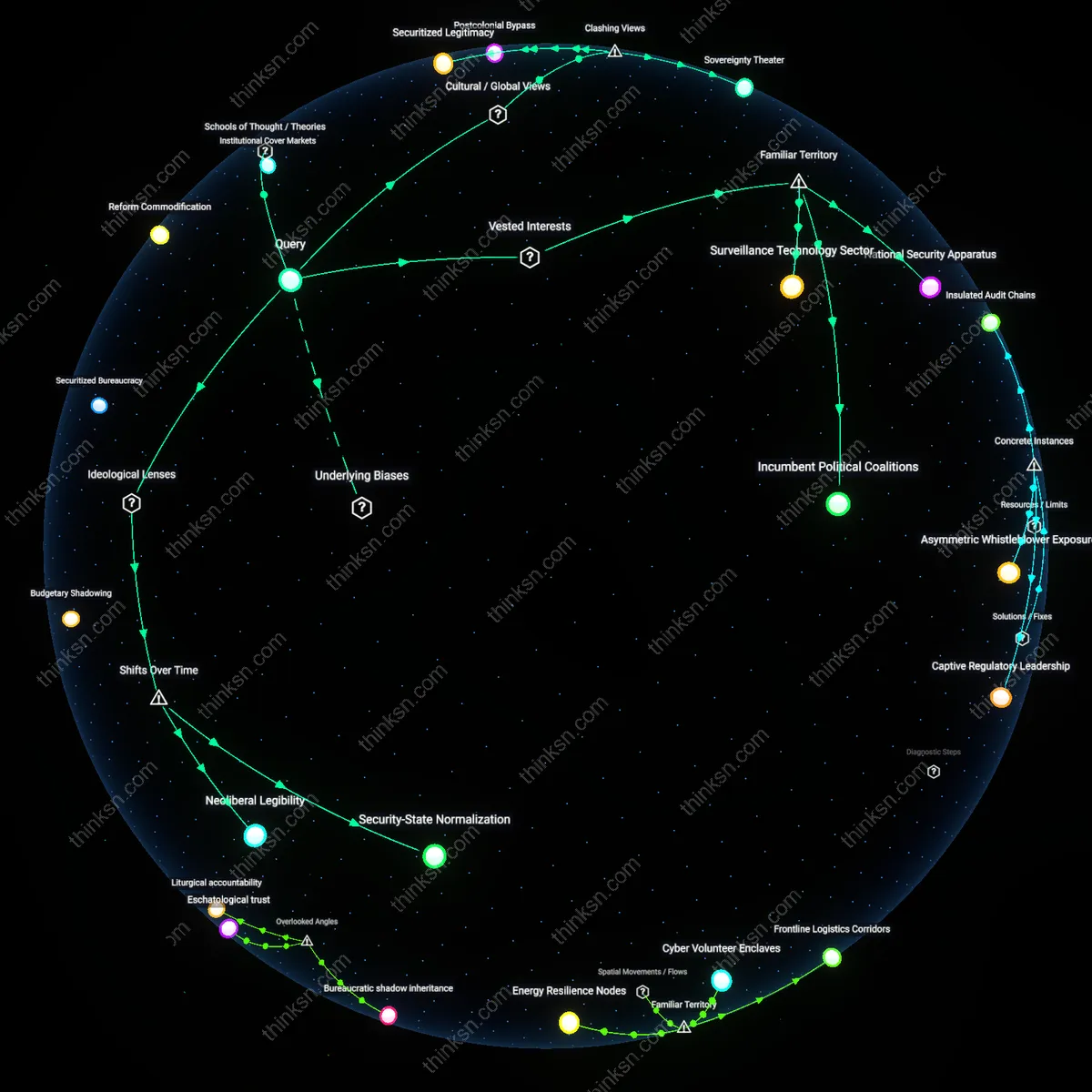
Analysis reveals 4 key thematic connections.
Key Findings
Bureaucratic Sanctuary
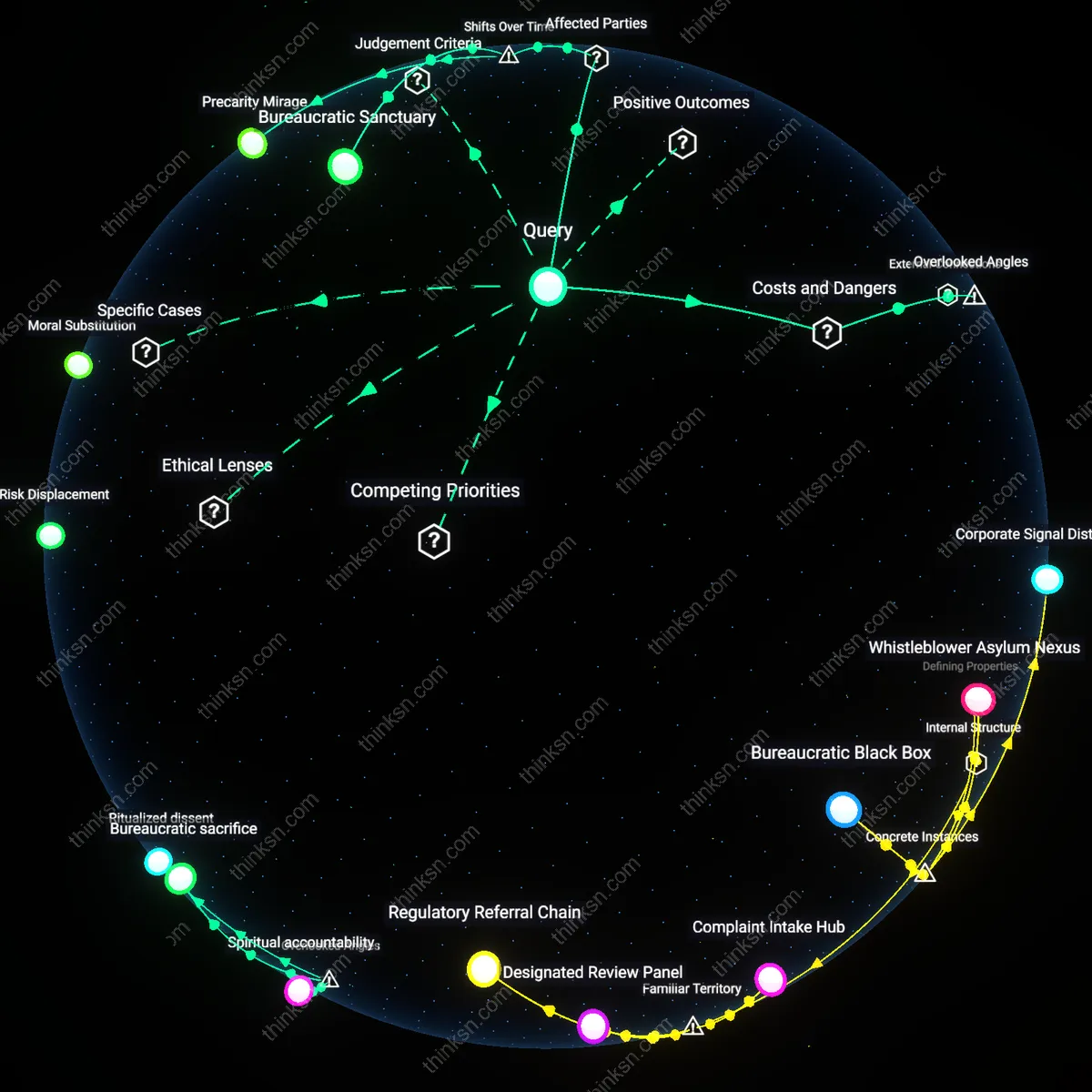
Anonymous reporting reduces personal risk for workers who suspect wage theft by creating a protective buffer between vulnerable employees and retaliatory employers, a mechanism that emerged prominently after the 2008 recession as gig economy platforms expanded and traditional labor enforcement systems became overloaded. The proliferation of digital complaint portals—like those integrated into city-level labor inspectorates in Los Angeles and New York after 2015—shifted the enforcement paradigm from workplace-based investigations to data-tracked, third-party mediated disclosures, which insulate workers not by legal force but by administrative distance. This shift reveals that protection now depends less on formal rights and more on whether the reporting process is structurally disconnected from the employer’s sphere of influence, a transformation made visible through the rise of app-based work where fear of deactivation replaced fear of formal firing.
Asymmetric Accountability
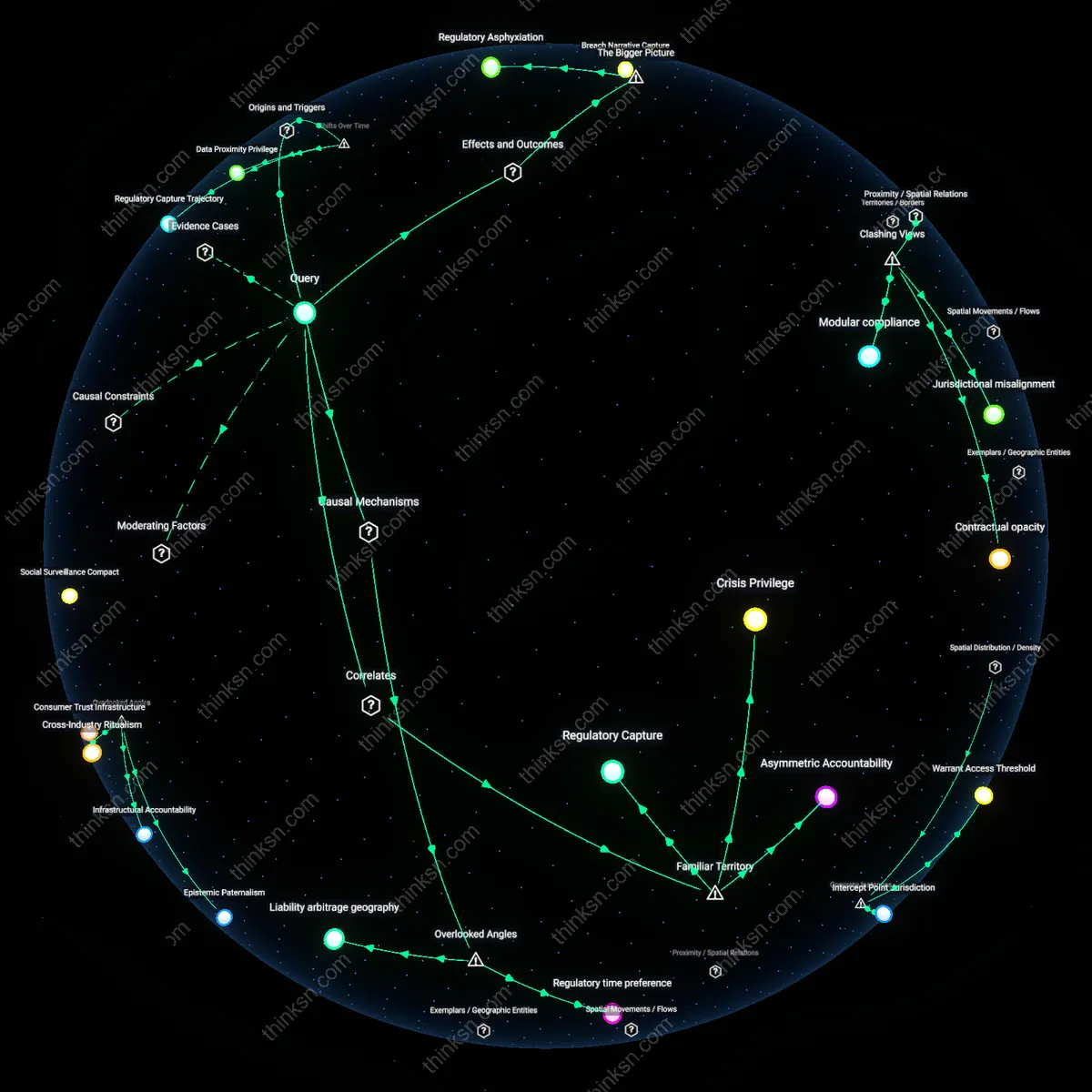
Anonymous reporting increases perceived safety for workers facing wage theft but systematically weakens accountability mechanisms over time, a change that crystallized during the 2010s as corporate HR departments adopted third-party ethics hotlines modeled after Sarbanes-Oxley compliance frameworks. These systems, designed to shield multinational retailers and franchise operators from liability, recast individual wage disputes as isolated ethical breaches rather than structural labor violations, shifting enforcement from public agencies to internal corporate monitors who prioritize case closure over remedy. The historical pivot from NLRB-led collective actions in the 1990s to today’s siloed digital reporting shows how personal risk is reduced at the cost of systemic redress, uncovering a governance trade-off where worker anonymity enables employer impunity through fragmented recordkeeping.
Precarity Mirage
Anonymous reporting appeared to reduce personal risk for low-wage workers during the 2020–2023 pandemic enforcement expansions, but this perception masked a growing disconnect between reporting access and actual remedy, particularly in decentralized sectors like home care and food delivery. Federal and state labor agencies, under pressure to demonstrate responsiveness during economic crisis, rapidly deployed anonymous complaint tools—such as the DOL’s Wage and Hour Division online portal updates in 2021—yet these tools lacked integration with immigration protections or unemployment systems, leaving undocumented and contract workers exposed to indirect retaliation despite formal anonymity. This transition from physical filing to algorithmic intake systems reveals that perceived safety in reporting often lags behind material vulnerability, producing a false sense of protection where technological access substitutes for legal shelter.
Compliance Theater
Anonymous reporting channels often function primarily as liability insulation tools for employers rather than worker protection mechanisms, creating a documented 'paper trail' of responsiveness that can be presented to regulators regardless of actual remediation. In franchised retail chains, for example, district managers are incentivized to close reports rapidly with minimal investigation, logging 'reviewed' or 'no evidence found' dispositions that satisfy audit requirements while leaving complainants exposed to unacknowledged retaliation. The underappreciated risk is not just ineffectiveness, but the institutionalization of symbolic compliance—where the existence of reporting systems becomes legal cover, rendering actual wage theft easier to perpetrate with reduced fear of systemic consequence.