Outsourcing Habits Inspections: Tenant Protection at Risk?
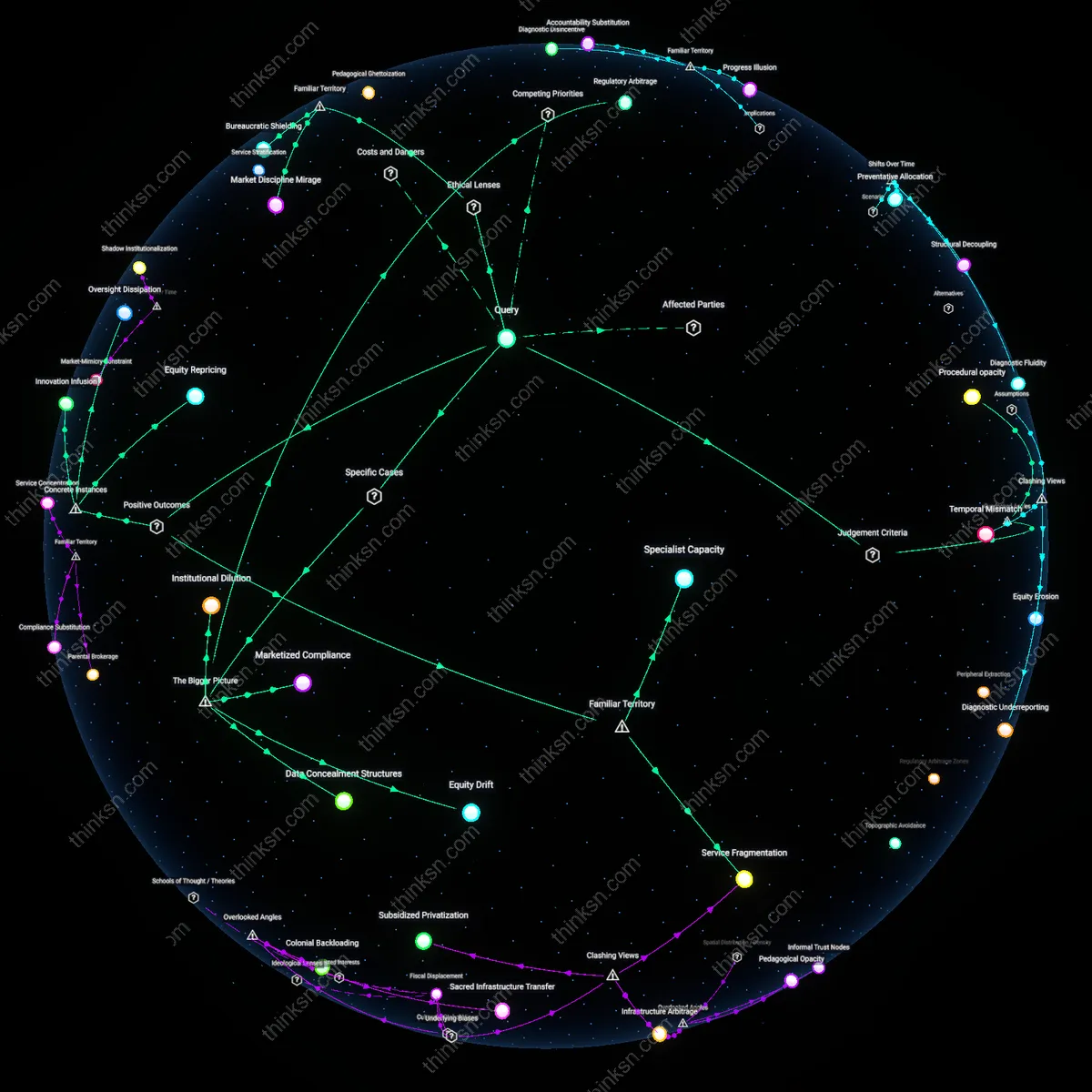
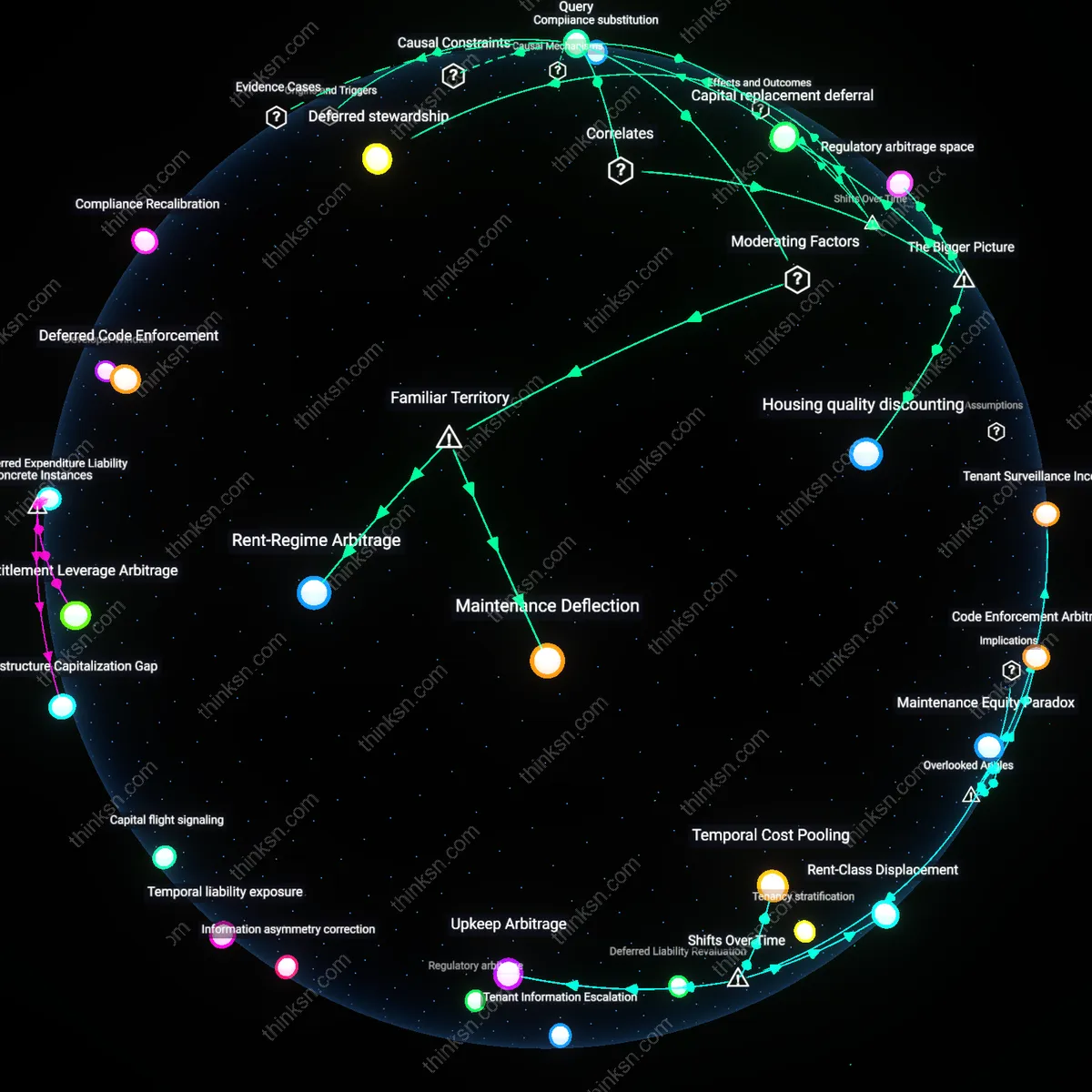
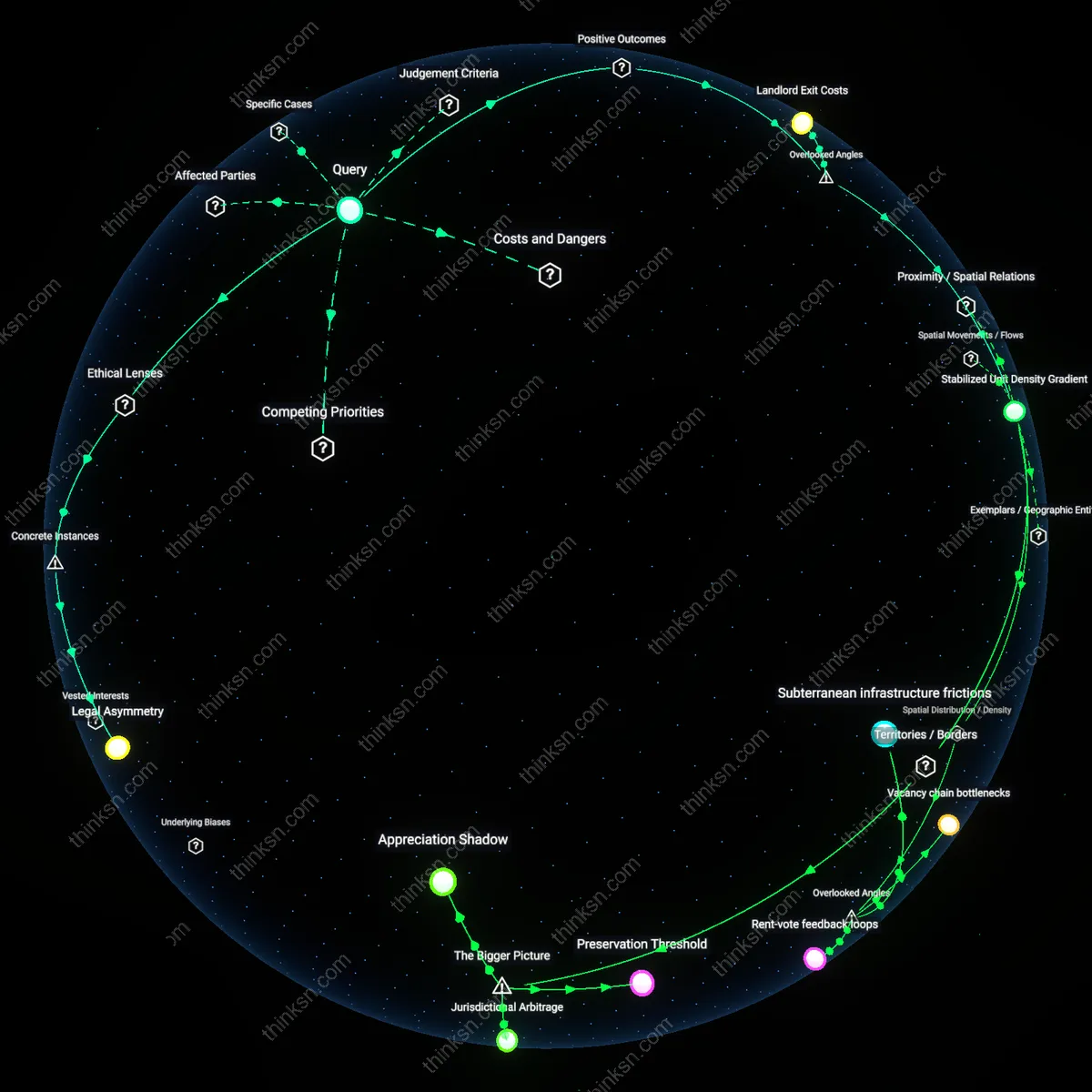
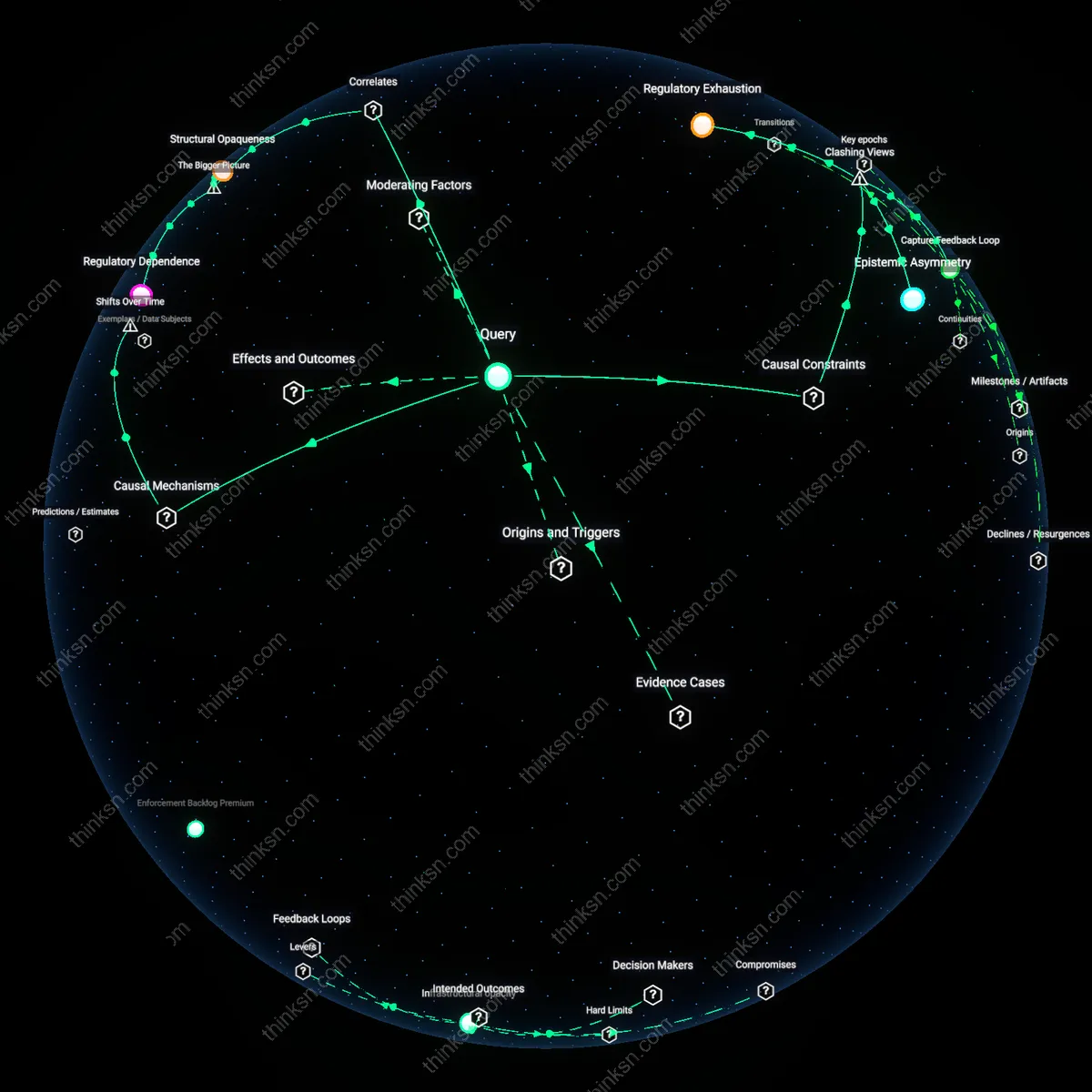
Analysis reveals 5 key thematic connections.
Key Findings
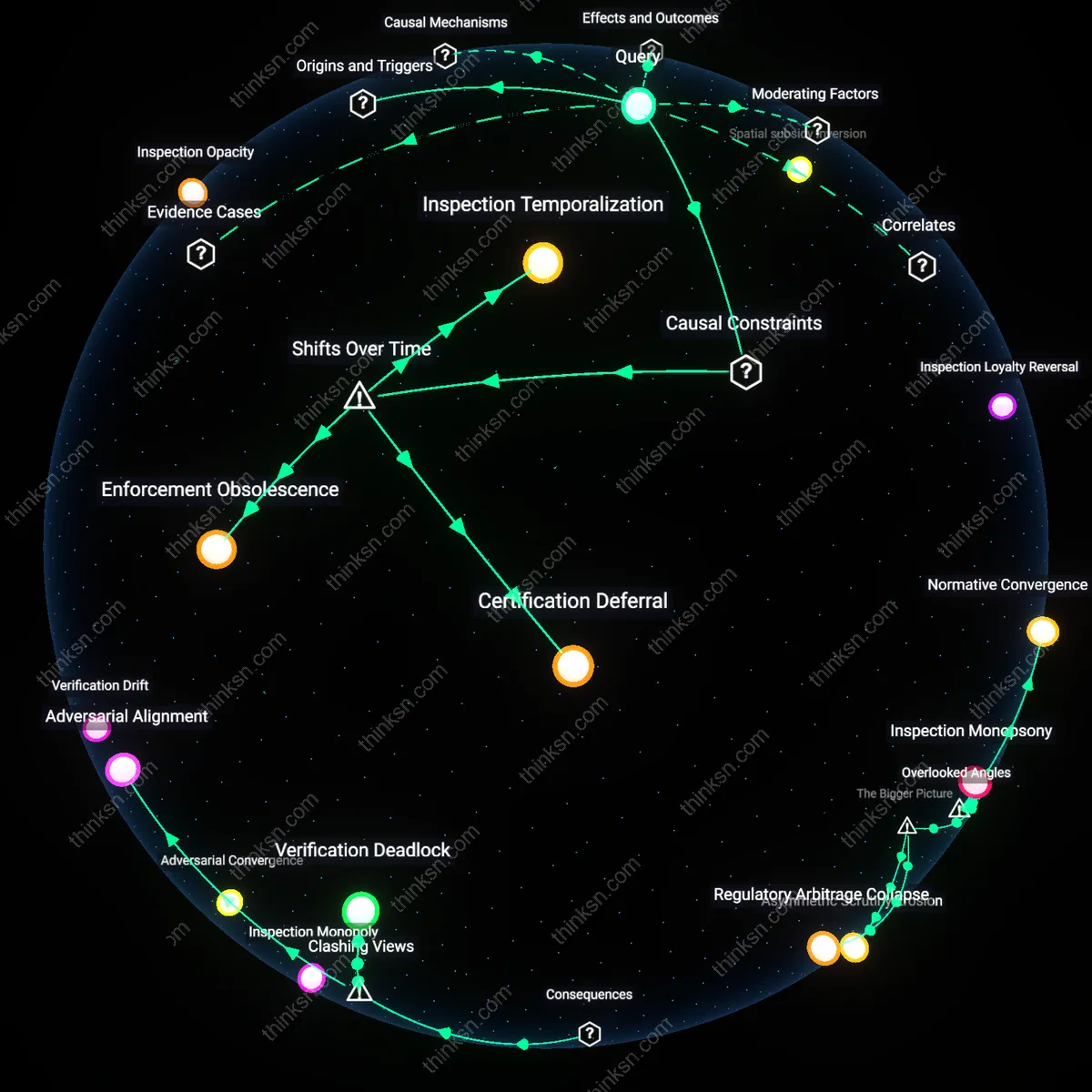
Inspection Opacity
Shifting habitability inspections from public agencies to private contractors reduces tenants' ability to verify compliance because private firms face weaker transparency mandates and reduced public accountability structures. Unlike municipal inspectors bound by open-records laws and standardized reporting, private inspectors often operate through proprietary assessment frameworks, shielding methodology and findings from tenant scrutiny; this institutional opacity enables landlords to exploit ambiguities in repair standards, particularly in jurisdictions like Chicago and Los Angeles where scattered-site housing programs rely on third-party certifications. The non-obvious consequence is not cost-cutting or corruption per se, but the erosion of a shared evidentiary basis between tenants and landlords, undermining repair enforcement at the documentation stage.
Regulatory Arbitrage
Municipal outsourcing enables landlords to treat inspection outcomes as contractual rather than legal obligations, reframing repair enforcement from a rights-based process to a service-delivery dispute. In cities such as New York and Philadelphia, where private firms are paid directly by property owners to certify habitability for subsidy programs, the financial alignment between landlord and inspector creates a structural incentive to minimize code violations—turning inspection reports into instruments of regulatory compliance theater rather than actionable repair mandates. This shift matters because it moves enforcement from public law into private contract logic, where tenants lack standing and remedies are bounded by commercial terms, not housing rights.
Inspection Temporalization
Private outsourcing of habitability inspections since the 1980s curtailed tenants’ ability to enforce repairs by replacing city-conducted inspections—triggered by tenant complaints and tied to immediate enforcement timelines—with scheduled, third-party audits that deprioritize urgent tenant reports. This shift, institutionalized through HUD’s Rental Rehabilitation Program and later replicated in voucher-backed private housing, inserted lag between notice and official recognition of non-compliance, allowing landlords to delay remediation without penalty. The bottleneck is the decoupling of inspection activation from tenant agency, rendering repair claims inert unless they align with pre-set audit cycles. What emerged was not merely slower enforcement but a temporal structuring of neglect—where repair obligations persist in law but expire in procedural time.
Certification Deferral
After the 1990s devolution of housing regulation to private management firms under Section 8 and public-private partnership models, municipal reliance on outsourced inspection reports created a bottleneck where tenant complaints required validation through firm-generated certification before any municipal action could proceed. Unlike direct city inspections that once allowed tenants to trigger enforceable findings within days, the post-1996 regime required complaints to pass through a private gatekeeper whose performance metrics prioritized cost containment over responsiveness. This institutionalized deferral transformed repair enforcement from a rights-based claim into a contingent administrative process, revealing certification itself as the barrier—where the ability to act depended not on legal right but on prior validation by a profit-motivated intermediary.
Enforcement Obsolescence
The integration of outsourced inspection data into municipal housing databases since the 2010s has progressively invalidated older tenant-driven enforcement pathways, such as rent withholding or repair-and-deduct, by redefining 'verified violation' to mean only those conditions recorded during contracted inspection cycles. This shift, accelerated by digital tracking systems like HPD’s Online Inspection Portal in cities such as New York, created a bottleneck where unreported or post-inspection conditions are treated as if they do not exist within the legal enforcement architecture. Tenants’ lived experience of habitability breakdowns no longer aligns with the state’s operational timeline, rendering their claims obsolete before they are heard. The result is not just weakened enforcement but a systemic erosion of temporally disjunct evidence—where repair obligations decay not from neglect, but from data exclusion.