When Rent Hikes Punish Tenants for Mold Complaints?
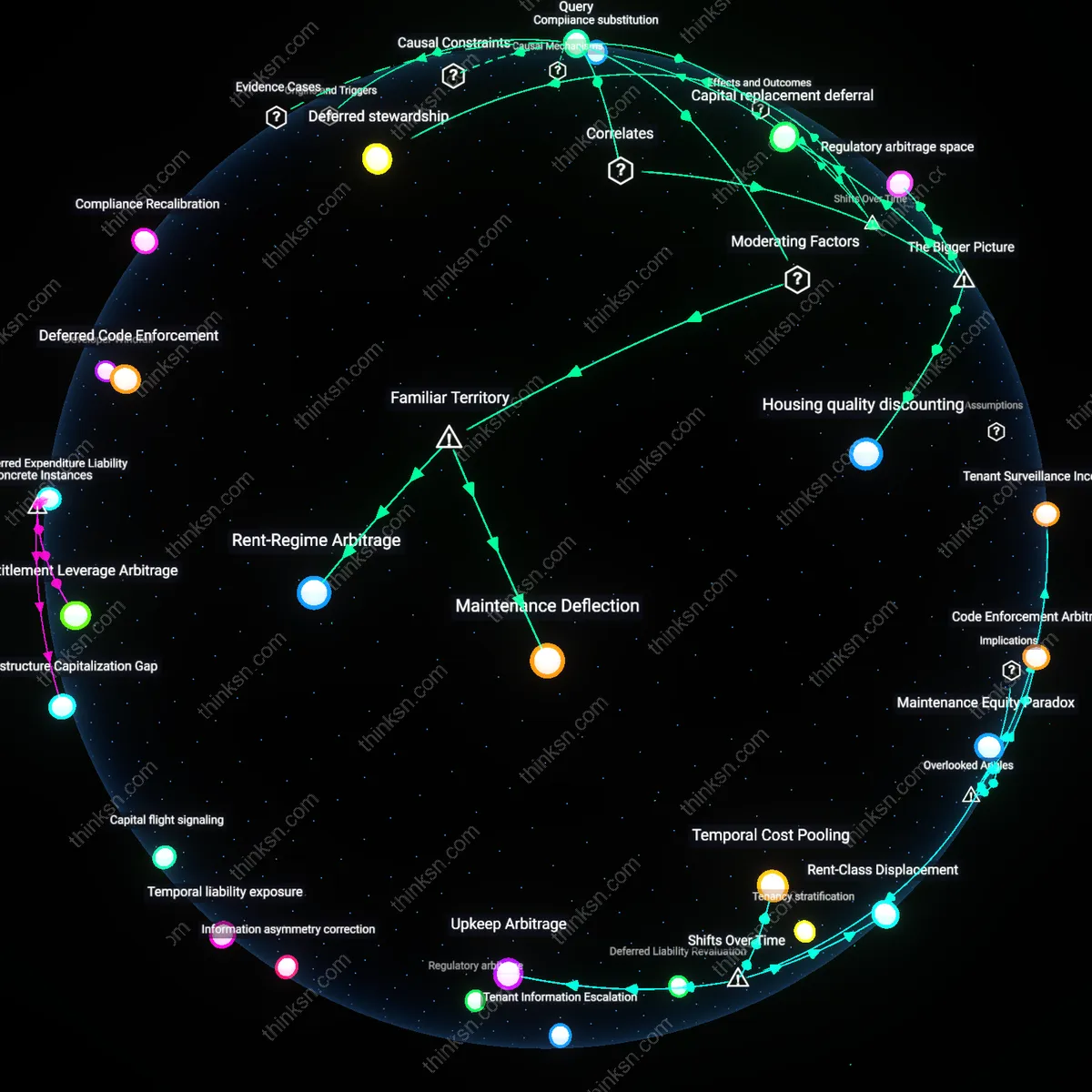
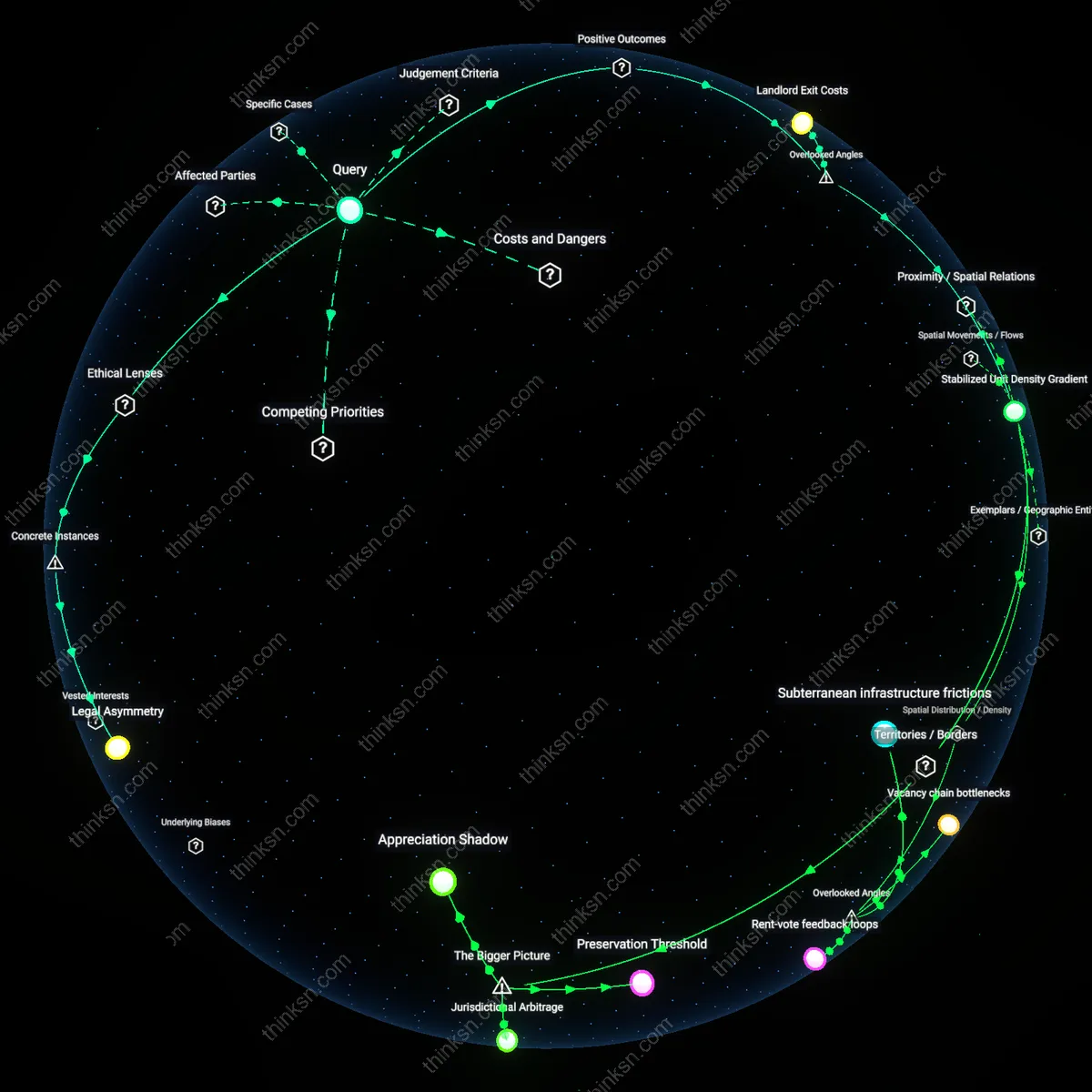
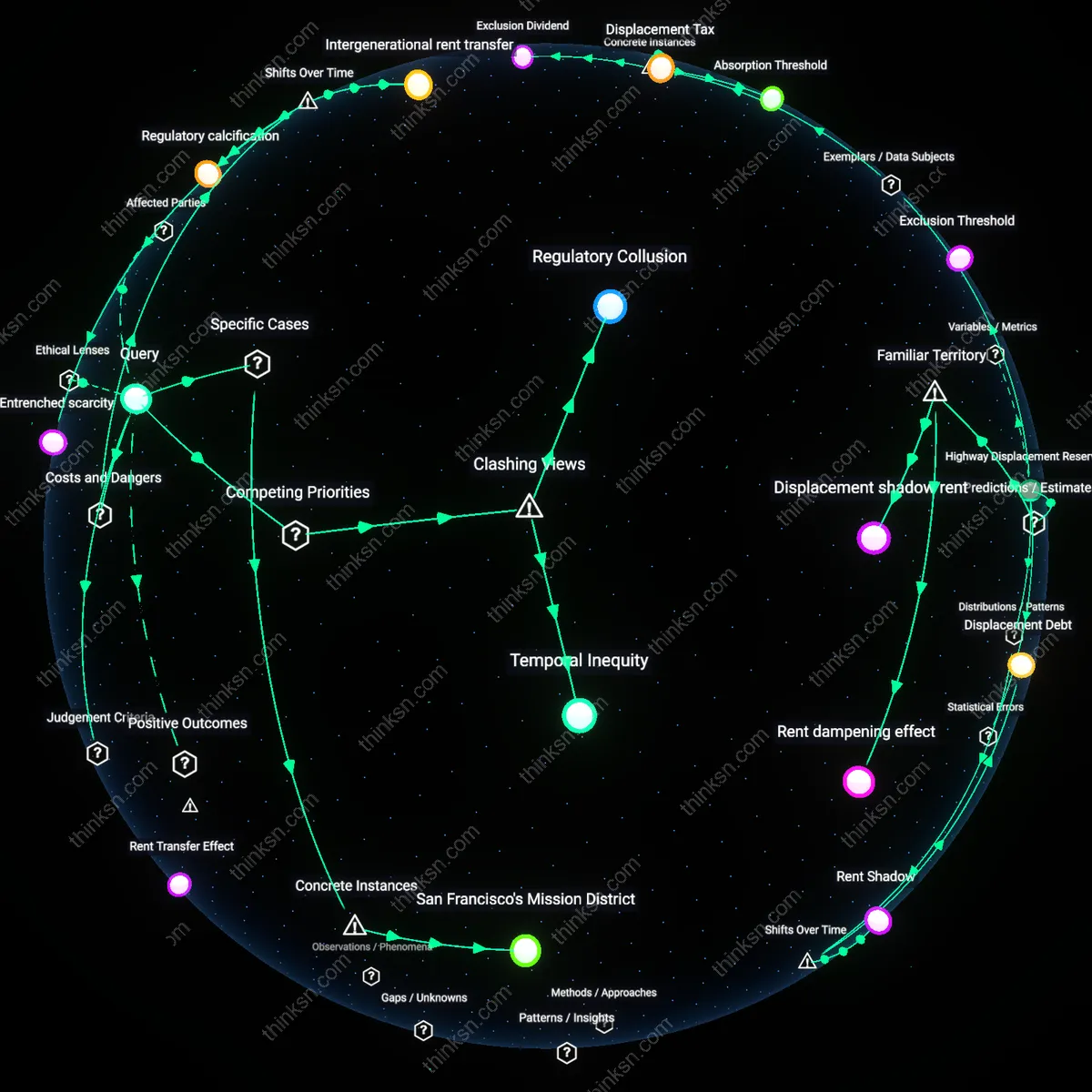
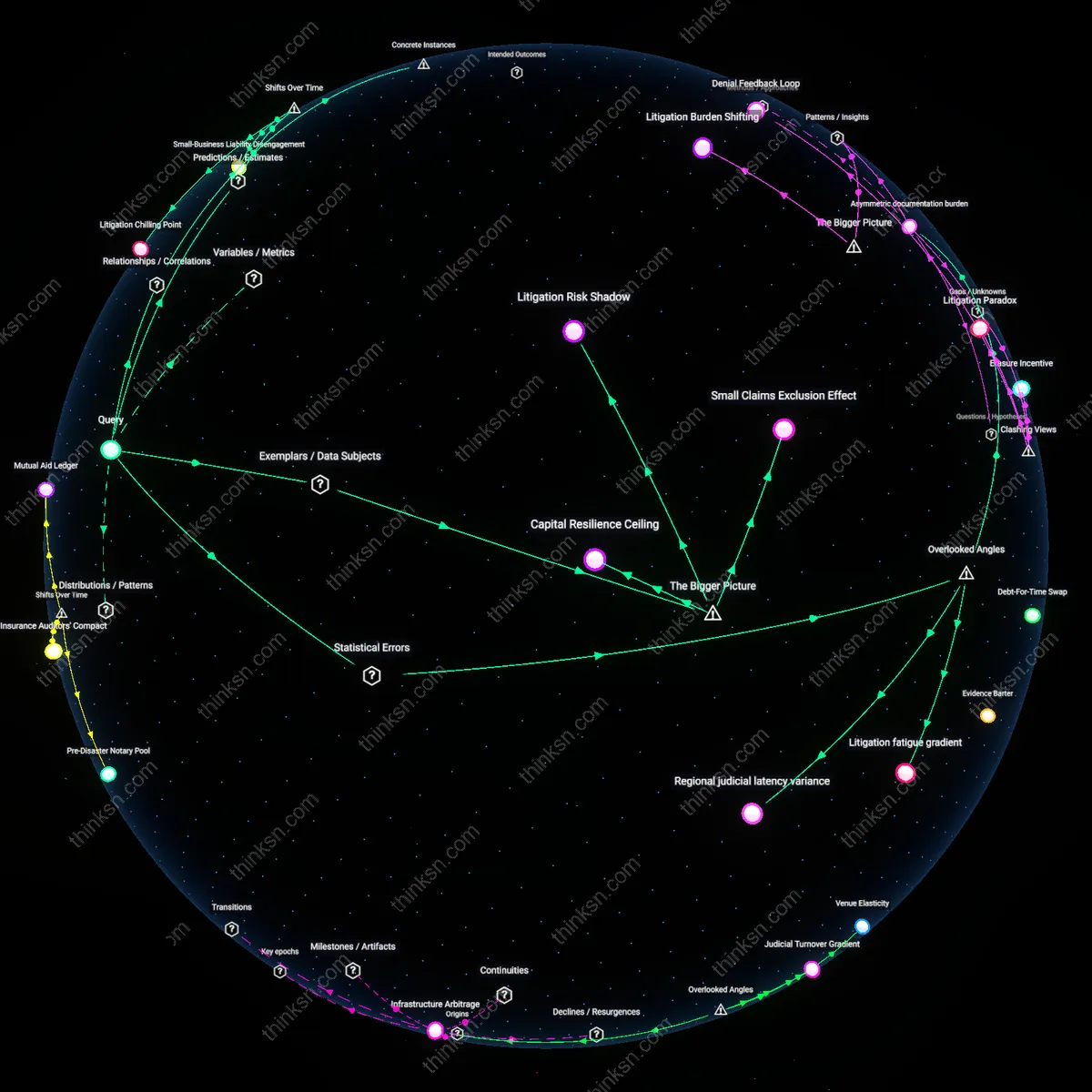
Analysis reveals 6 key thematic connections.
Key Findings
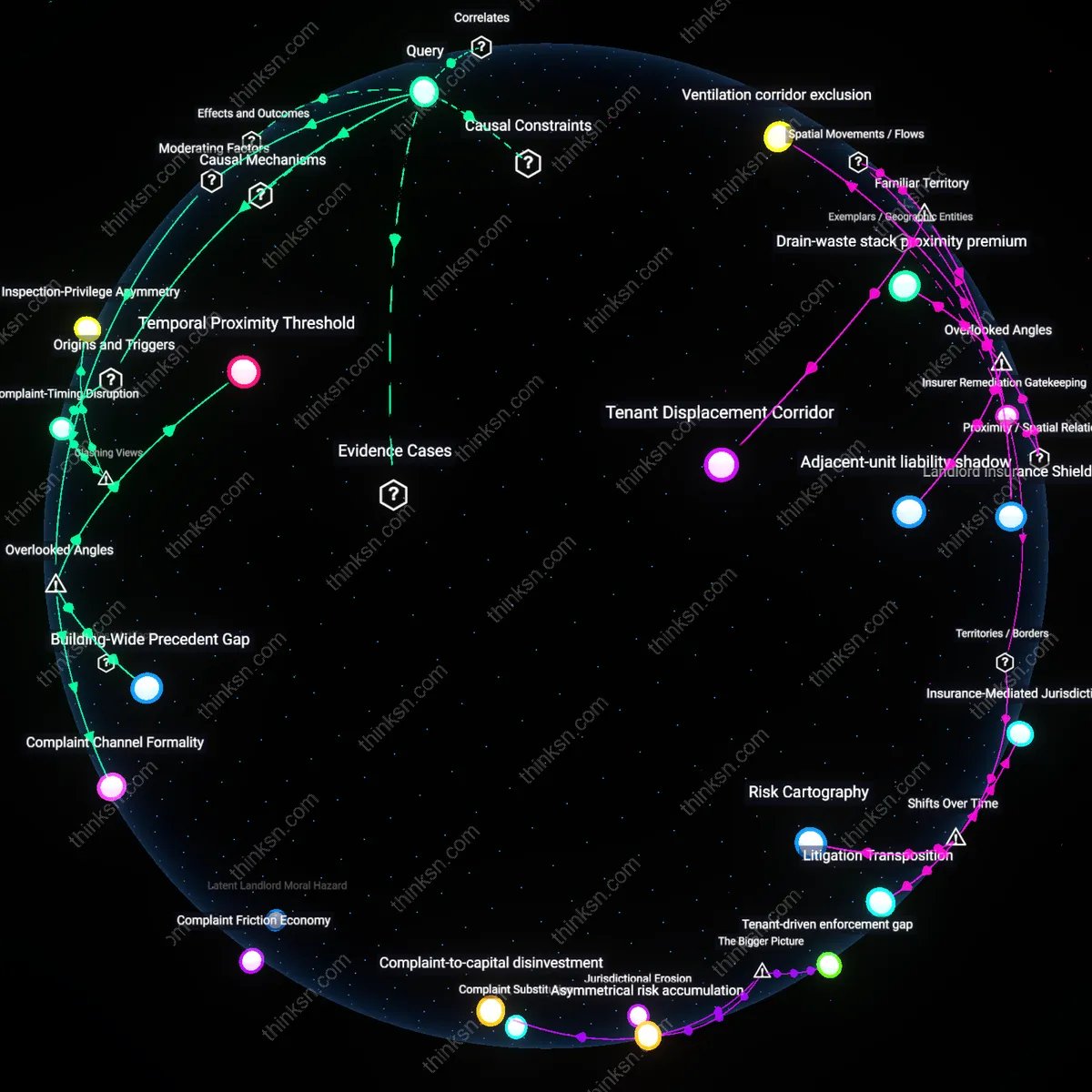
Complaint-Timing Disruption
A rent-increase notice constitutes unlawful retaliation not when the amount exceeds norms, but when it disrupts the temporal integrity of tenant enforcement behavior by arriving within a statutorily protected window after a mold complaint, thereby signaling administrative hostility. Jurisdictions like New York City anchor this in Local Law 112 of 2021, which creates a rebuttable presumption of retaliation if rent hikes follow within six months of a habitability complaint, treating timing as a regulatory proxy for intent. This mechanism bypasses subjective proof of landlord animus by institutionalizing sequence as evidence, revealing that retaliation is less about punitive motive than about the chilling effect of procedural disruption. The non-obvious insight is that the law penalizes not malice but the strategic orchestration of bureaucratic moments to destabilize tenant agency.
Inspection-Privilege Asymmetry
A rent-increase notice is retaliatory when it exploits the tenant’s compelled exposure during mold inspections to extract financial concessions masked as market adjustments, turning health compliance into a surveillance gateway. In rent-controlled buildings in San Francisco, for example, landlords may legally inspect units for mold remediation, yet data show spikes in rent increases after such entries—particularly in buildings with active Rent Board complaints—indicating that regulatory access becomes an intelligence tool for financial targeting. This reframes retaliation not as a reaction to complaint content but as a predatory utilization of asymmetric visibility, where compliance triggers data extraction. The clash lies in recognizing that the law’s protection of complaint rights ignores the secondary capture of physical access, transforming health oversight into a vector of economic coercion.
Jurisdictional Arbitrage Pressure
A rent-increase notice becomes unlawful retaliation not because of local tenant protections but when it reflects a landlord’s deliberate shift from jurisdictional compliance to regulatory evasion, using increases to fund cross-jurisdictional legal shielding in higher courts. In Los Angeles, landlords have increasingly filed preemptive rent adjustments immediately after mold complaints—not to profit but to establish standing in appellate forums that favor property rights over local rent control, effectively weaponizing increases as jurisdictional exit ramps. This reveals that retaliation operates not at the level of individual tenancy but within a layered legal topography where small rent hikes serve procedural functions in higher legal arenas. The dissonance lies in seeing retaliation not as a direct punishment but as a systemic migration tactic, where financial pressure enables jurisdictional disengagement from tenant protections.
Temporal Proximity Threshold
A rent-increase notice issued within 90 days of a tenant’s mold complaint constitutes unlawful retaliation if municipal inspection records show the complaint prompted agency scrutiny, because rent-controlled jurisdictions like New York City and San Francisco codify rebuttable presumptions of retaliation within fixed windows, yet the non-obvious mechanism lies in how inter-agency data synchronization — such as shared timestamps between housing violations and rent registration databases — creates evidentiary leverage that tenants rarely exploit; this exposes a hidden dependency on administrative interoperability, which alters the standard belief that retaliation rests solely on landlord intent.
Building-Wide Precedent Gap
A rent-increase notice is more likely unlawful retaliation when no other tenant in the same rent-stabilized building has received a comparable hike during the prior leasing cycle, because management entities often standardize rent adjustments across units to demonstrate non-selectivity, yet the overlooked dynamic is that auditors and arbitrators disproportionately weight pattern compliance over individual motive; this shifts the analysis from subjective landlord behavior to systemic deviation, a metric rarely tracked by tenants but embedded in Rent Guidelines Board audit protocols.
Complaint Channel Formality
A rent-increase notice following a mold complaint becomes presumptively retaliatory when the tenant bypassed landlord intermediaries and reported directly to a public health authority, because housing codes in jurisdictions like Portland and Washington, D.C., grant stronger anti-retaliation shielding when regulatory bodies — not property managers — become case initiators, yet the underappreciated factor is that the communication vector itself (e.g., 311 dispatch vs. email to landlord) alters statutory protections, redefining what counts as an official trigger under administrative law.