Fear of ICE Deters Domestic Abuse Victims from Seeking Protection?
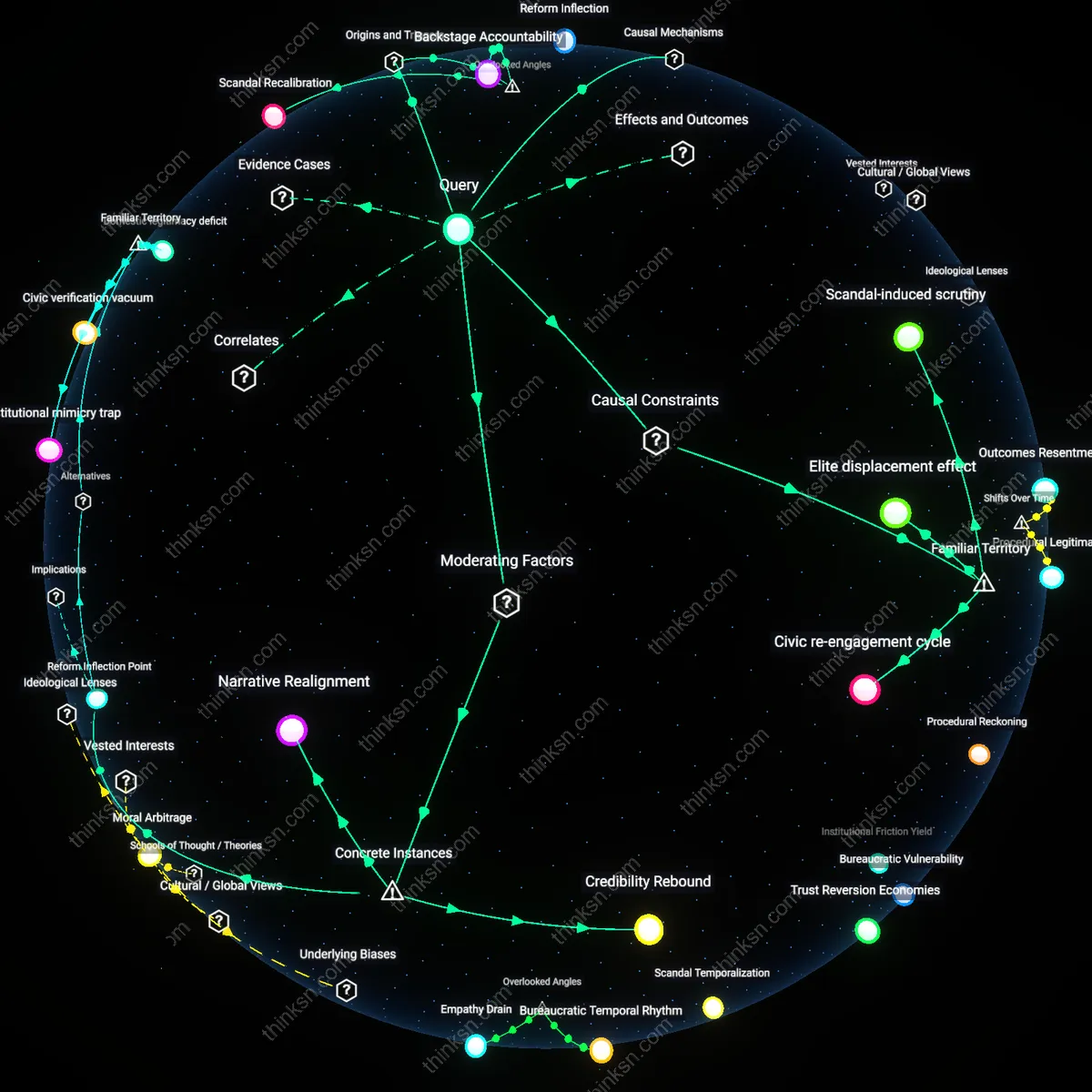
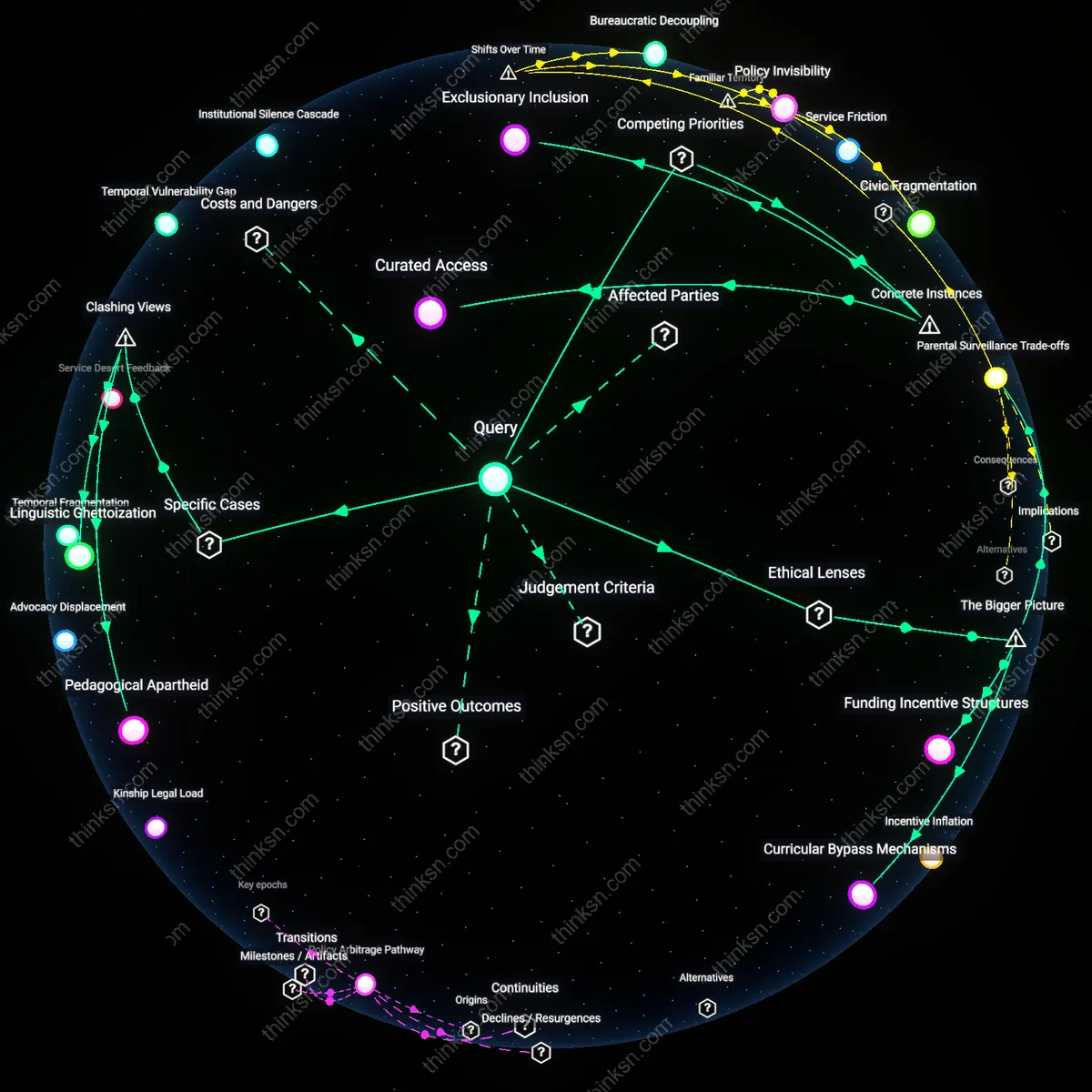
Analysis reveals 6 key thematic connections.
Key Findings
Chilling Effect Paradox
In Prince William County, Virginia, a 2019 policy requiring local police to verify immigration status during traffic stops led victims of domestic violence to avoid calling law enforcement even when severely injured, because reporting abuse risked ICE notification through shared databases. This systemic entanglement of local policing with federal immigration enforcement transforms protective legal mechanisms into conduits of deportation, suppressing help-seeking behavior despite the existence of legal remedies. The non-obvious consequence is not mere hesitation, but active strategic avoidance of all state institutions—rendering protection orders inaccessible not due to ignorance, but as an emergent survival tactic against institutional betrayal.
Jurisdictional Weaponization
In 2017 in Harris County, Texas, a woman seeking a protective order was referred by court personnel to a public defender’s office that routinely shared client intake data with ICE through informal channels, leading to her deportation after testifying against her abuser. The formal availability of civil protection is undermined by porous boundaries between civil courts and immigration enforcement actors, where data flows outside legal mandates weaponize the judicial process itself. This reveals that vulnerability is not merely structural but operational—where institutional proximity, rather than statutory prohibition, enforces silence.
Conditional Credibility Regime
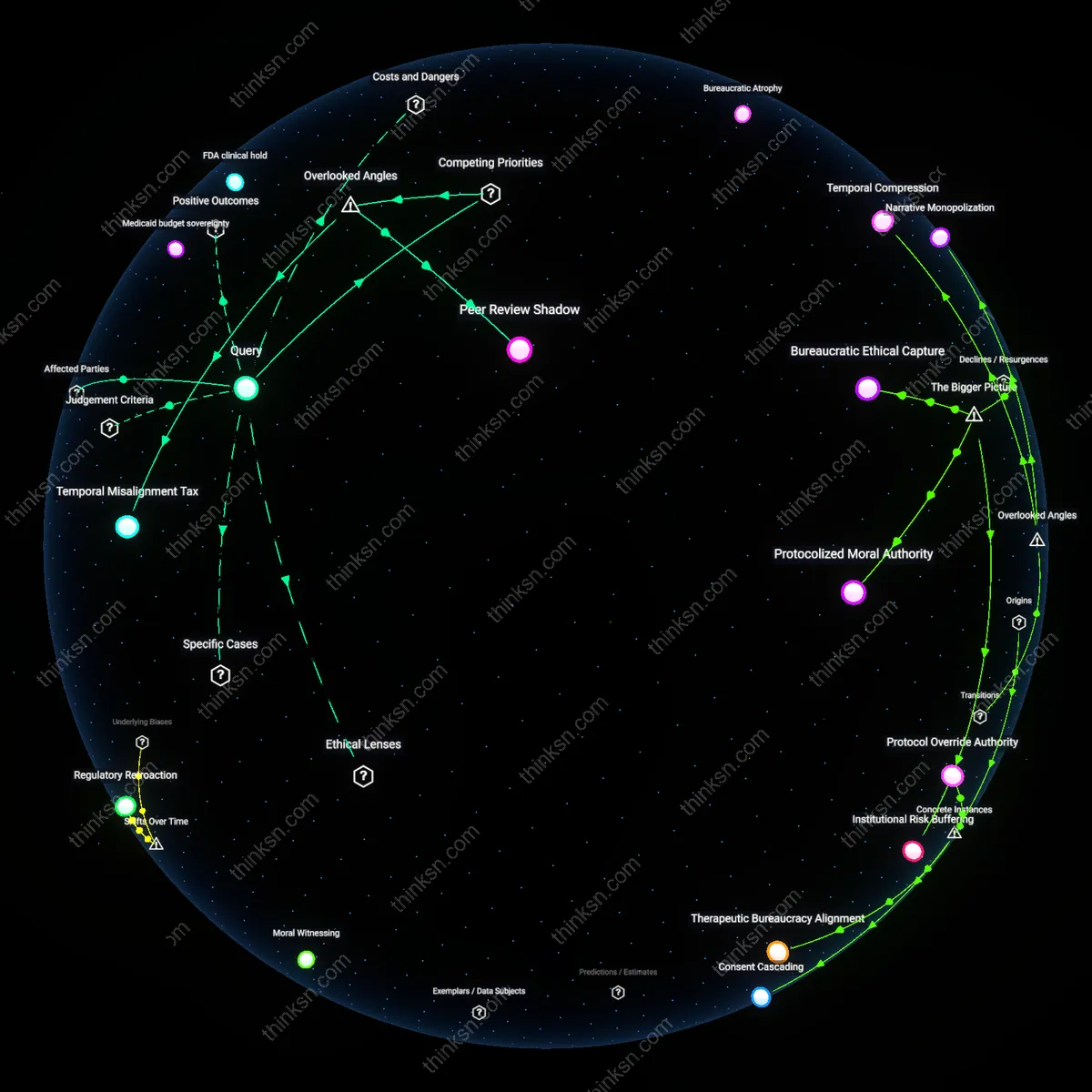
In the 2021 case of *Matter of A-B-*, the Attorney General reversed a precedent allowing asylum for domestic violence survivors, reinstating a standard that requires victims to prove state intervention was previously sought—effectively penalizing those deterred by ICE exposure. This retroactive imposition of credibility on past silence converts fear of deportation into a disqualifying factor for legal redress, masking systemic deterrence as individual failure to act. The mechanism exposes how adjudicative doctrine can retroactively criminalize self-preservation, embedding immigration enforcement within the logic of evidentiary evaluation.
Temporal Precarity
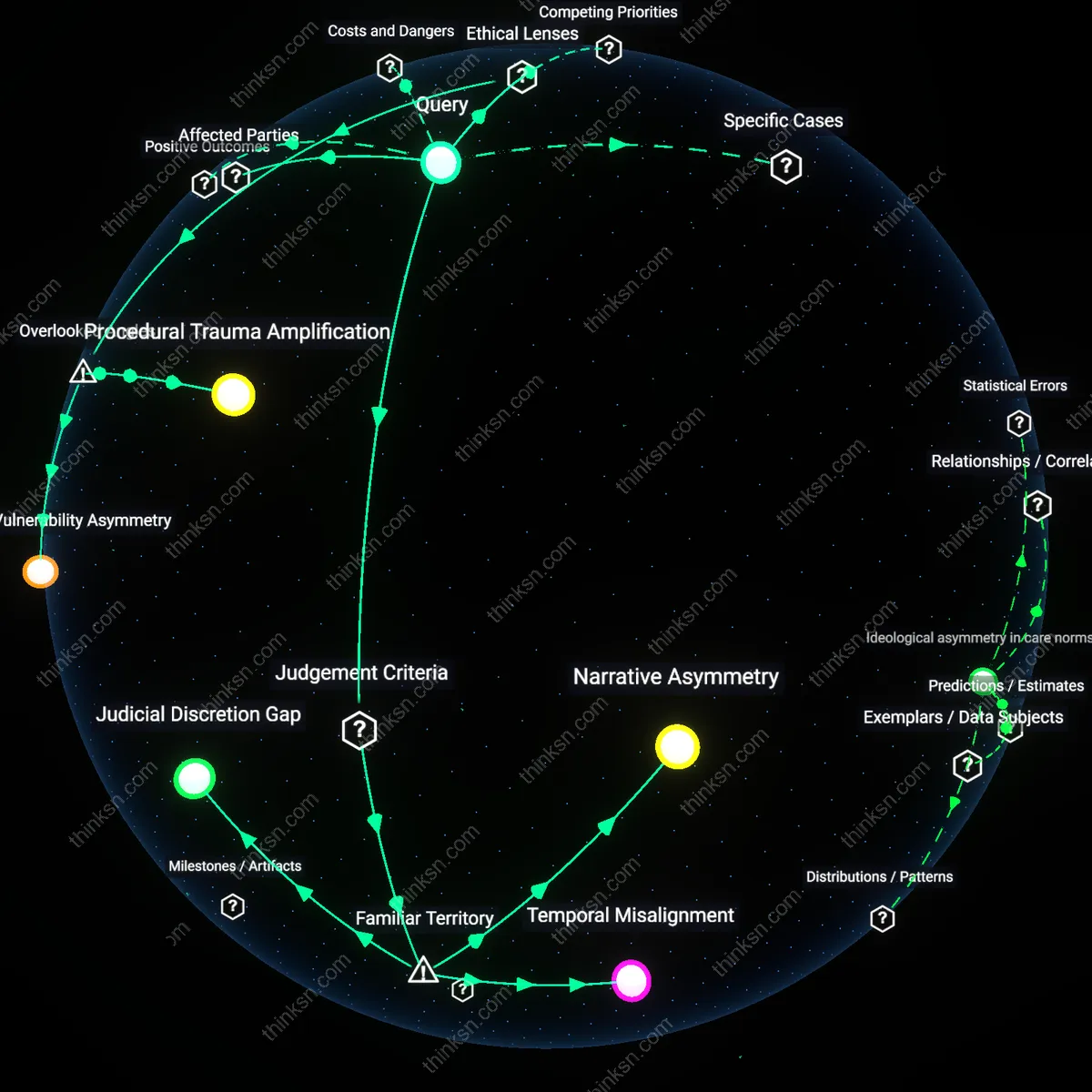
Fear of ICE deters undocumented domestic violence victims from seeking protection orders because the immediacy of deportation risk outweighs the delayed benefits of legal protection, making court dates and appointments too dangerous to pursue. The mechanism operates through local law enforcement’s routine sharing of courthouse entry data with federal immigration authorities in states like Texas and Arizona, where victims must appear in person multiple times to obtain final orders. This creates a time-bound vulnerability where the procedural slowness of the civil court system directly conflicts with the acute threat of immigration enforcement—revealing that the central obstacle is not lack of access but the misalignment between the state’s temporal demands and the migrant’s survival timeline.
Bureaucratic Hostile Design
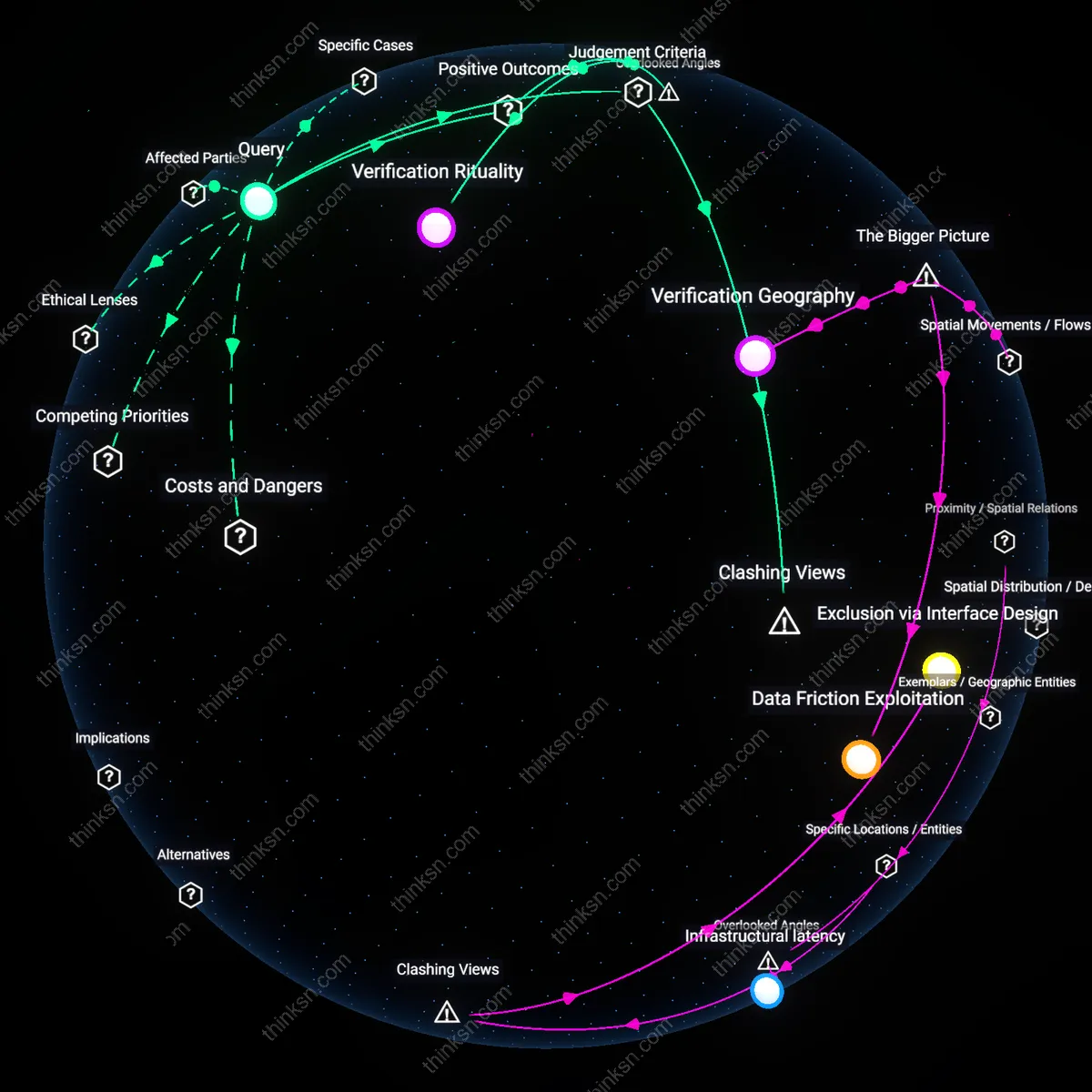
ICE deterrence is amplified not by active raids but by the intentional opacity and complexity of protection order applications, which function as a form of administrative violence that excludes those without legal or linguistic fluency. In jurisdictions like New York City, where forms require detailed narratives of abuse in English and strict evidentiary timelines, the process itself becomes a filter that disproportionately fails non-English speakers—even when police are legally barred from contacting ICE. This reveals that the system does not merely fail victims; it is quietly optimized to discourage engagement, rendering the availability of protection a procedural fiction for those without external advocacy.
Resource Monopolization
Legal services for undocumented survivors are concentrated in urban nonprofits that operate under short-term grants, forcing advocates to prioritize clients already in removal proceedings over preventive protection orders—directly deprioritizing domestic violence intervention. In California, for example, federal funding streams like the Legal Services Corporation bar immigration-related work, while state domestic violence grants exclude those without lawful status, creating a structural void where no entity is resourced to act until after ICE detention occurs. This exposes that the core limitation is not fear alone, but a deliberate distribution of resources that treats prevention for the undocumented as ancillary, not essential, to public safety.