Do High-Deductible Plans Hurt Vulnerable Households?
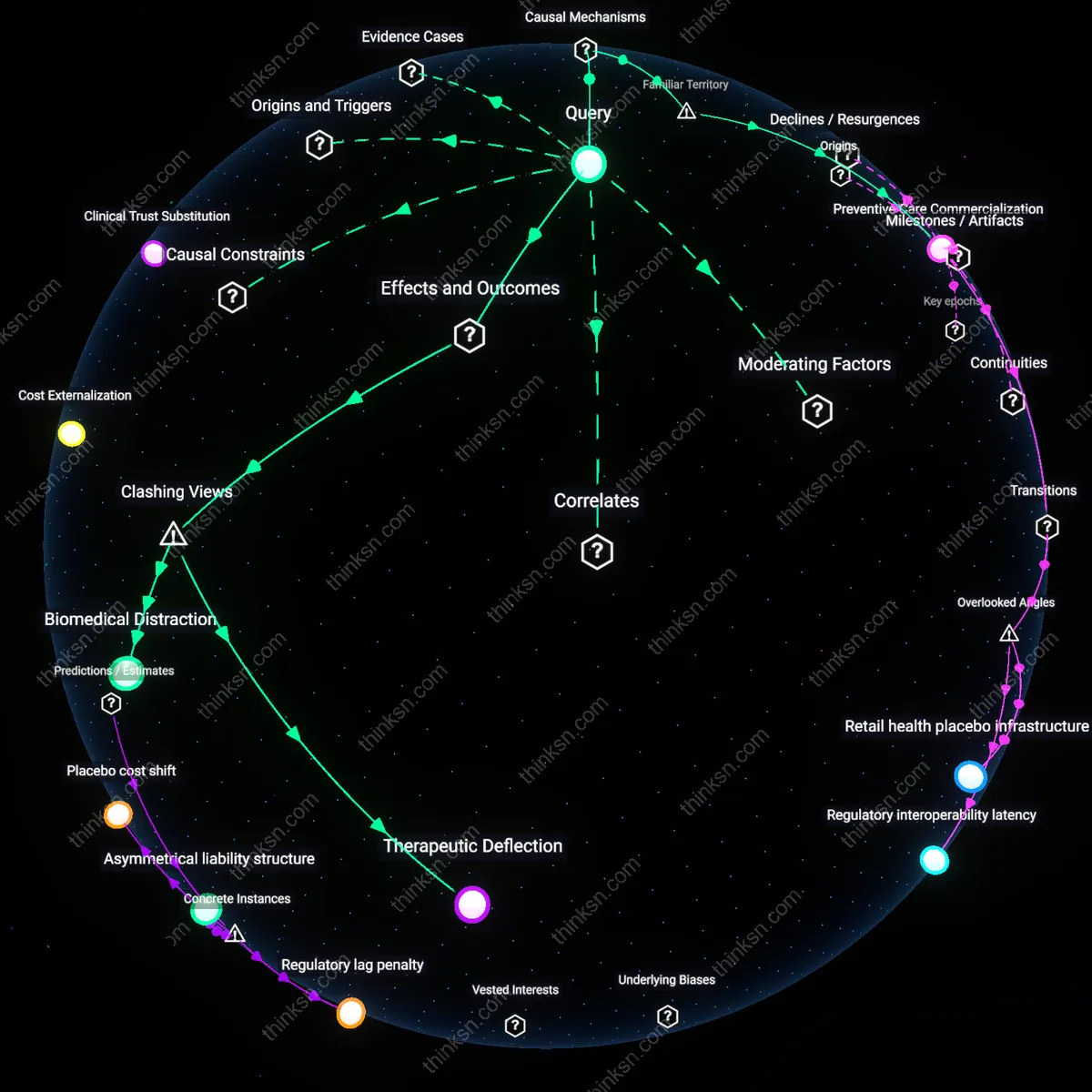
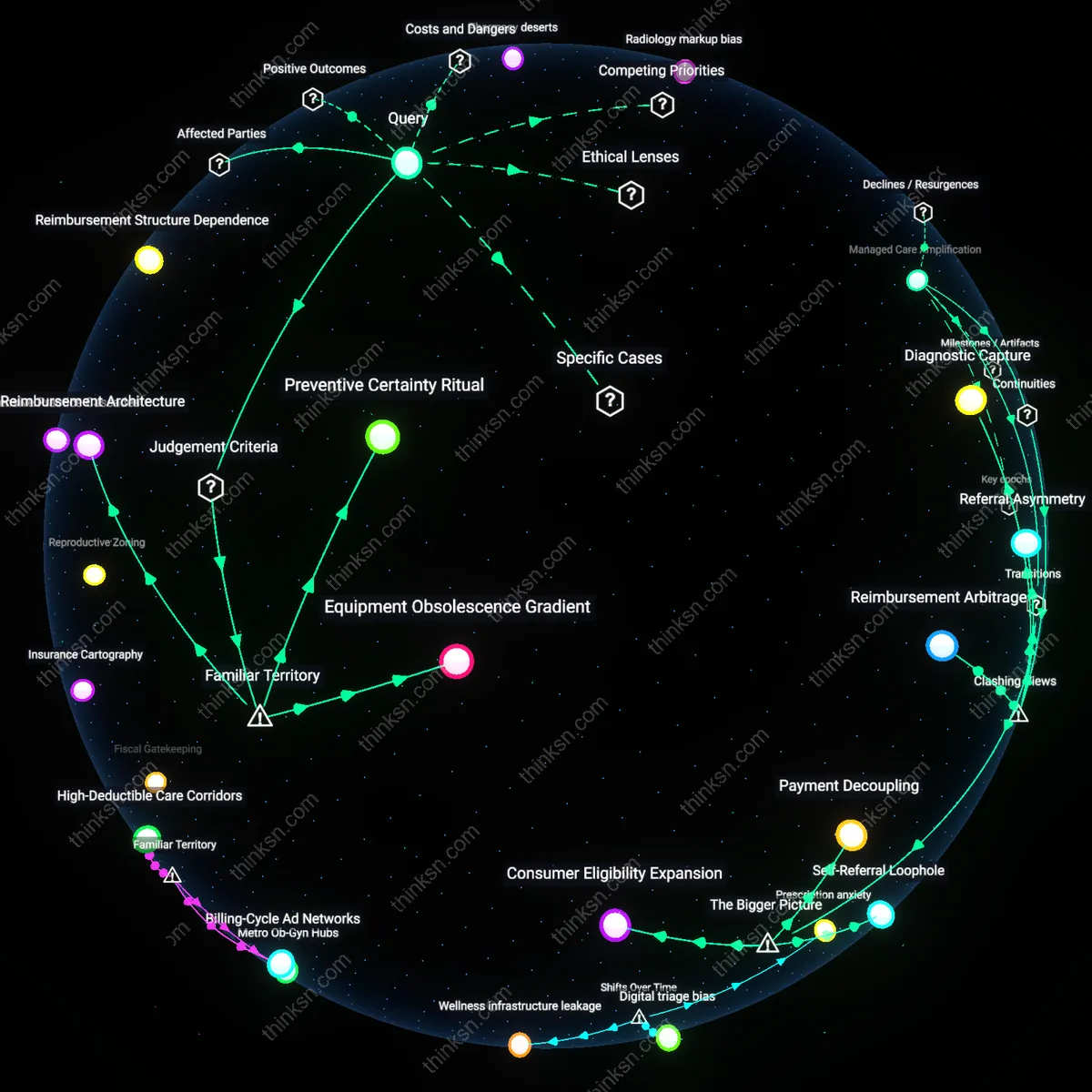
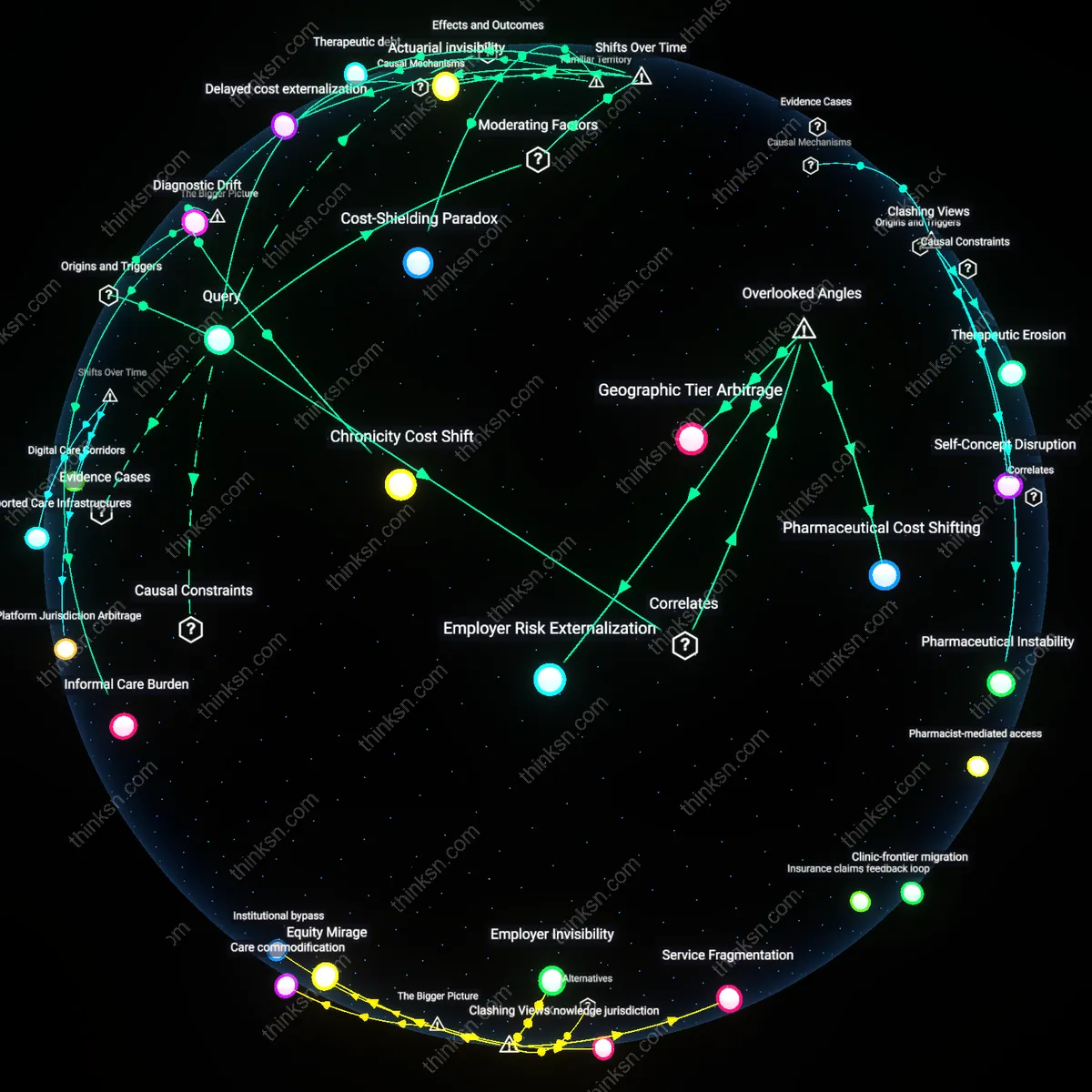
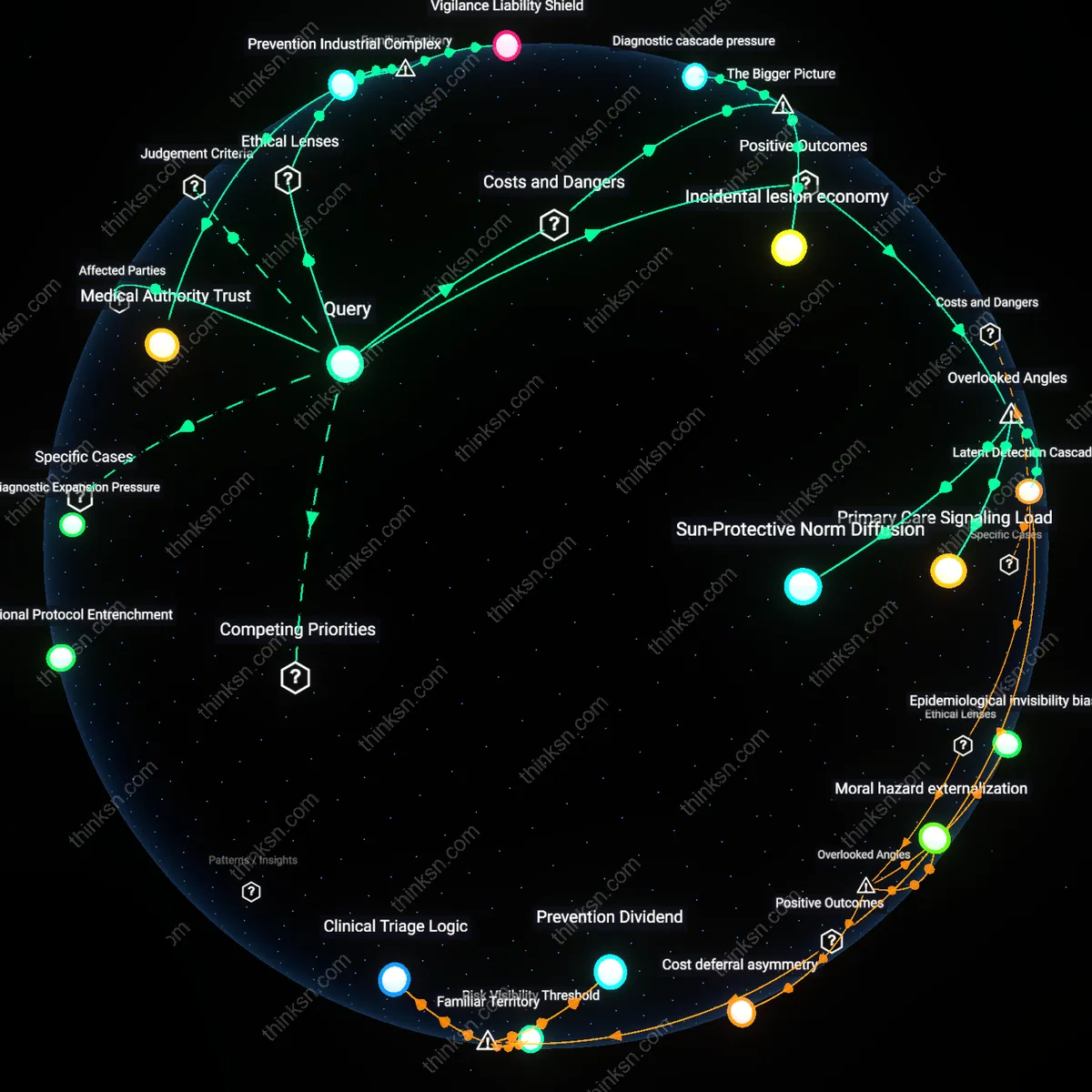
Analysis reveals 8 key thematic connections.
Key Findings
Medicalized Precarity
The promotion of high-deductible health plans has shifted risk from insurers to patients, particularly harming low-income workers since the post-2010 expansion of consumer-driven health care; this transition institutionalized financial vulnerability by tying essential medical access to out-of-pocket spending, embedding economic insecurity within clinical decision-making—a mechanism amplified by wage stagnation and eroded employer-sponsored benefits. The non-obvious consequence of this shift is that cost awareness does not lead to rational consumption but instead creates anticipatory deterrence, where patients avoid care not due to price comparison but fear of unmanageable bills, revealing how the post-Affordable Care Act era redefined risk management as a personal burden rather than collective protection.
Actuarial Subjectivity
Starting in the late 1990s, insurers began reframing patients as rational healthcare consumers, a shift accelerated by Medicare reforms and Health Savings Account legislation that presupposed financial literacy and stable income—conditions absent for elderly, disabled, and part-time workers; this transition constructed a new actuarial identity where patient responsibility replaced provider guidance, privileging those who could anticipate and absorb medical costs. The underappreciated outcome is that cost awareness became a performative metric of 'engagement' rather than an actual tool for decision-making, exposing how the rise of consumerism in medicine masked systemic cost inflation with individual behavioral expectations.
Insurance-Industrial Temporality
The normalization of high-deductible plans since the 2008 financial crisis reflects a broader realignment in how health risk is temporally managed—insurers now distribute costs across calendar years while patients bear cumulative, overlapping liabilities that exceed annual resets, especially among chronically ill populations dependent on continuous care; this temporal mismatch disrupts treatment adherence and converts episodic coverage into sustained financial exposure. The overlooked dimension is that cost awareness is structurally decoupled from affordability, revealing an emerging temporal logic in which insurance operates on fiscal cycles while patient need follows biological ones.
Supplier-induced innovation
Promoting high-deductible health plans incentivizes healthcare providers to develop transparent pricing models that reduce unnecessary services. Insurers shift cost responsibility to consumers, which pressures hospitals and clinics to compete on price clarity to retain patients, particularly in markets with price-sensitive enrollees such as those in employer-sponsored HDHPs. This dynamic activates provider-side reforms in cost disclosure and efficiency, a shift often absent in fully insured models where price signals are obscured. The non-obvious outcome is that consumer financial exposure indirectly reshapes supply-side behavior, not merely demand-side choices.
Preventive cost deferral bias
High-deductible health plans encourage consumers to prioritize preventive care when exempt from the deductible, leading to increased early intervention and long-term cost savings. Because many HDHPs cover screenings and vaccinations pre-deductible, enrollees—especially higher-income, health-literate populations—respond to price signals by consuming more preventive services relative to deferred acute care. This selective utilization shift alters healthcare spending trajectories at the population level, particularly in employer-based plans that pair HDHPs with health savings accounts and wellness programs. The overlooked systemic consequence is that HDHPs, when combined with strategic benefit design, can create a policy-driven arbitrage between immediate cost avoidance and long-term public health efficiency.
ER Avoidance Effect
High-deductible health plans led members of Safeway’s employee health plan to reduce emergency room utilization across Western U.S. states, including among low-income enrollees, because cost-sharing made patients weigh immediate financial exposure against perceived medical necessity; this reveals that consumer cost awareness can suppress even essential care when financial liability is front-loaded, exposing a hidden behavioral trade-off between prudential savings and acute health risk management.
Medical Debt Displacement
In rural Georgia hospitals such as Phoebe Putney Memorial, the proliferation of high-deductible plans among Medicaid expansion non-adopters has shifted unpaid care costs onto patients who initially believed they were insured, because insurers promoted coverage without adequately disclosing out-of-pocket maxima or network limitations; this demonstrates how cost transparency fails when structural complexity obscures true liability, turning nominal insurance into deferred personal debt.
Provider Pricing Feedback Loop
After Catholic Health Initiatives implemented bundled pricing in Colorado clinics tied to high-deductible plan billing, primary care providers began proactively quoting cash-equivalent charges to patients, because heightened consumer scrutiny forced administrative transparency; this illustrates that financial exposure under high deductibles can retroactively reshape provider behavior, generating price feedback mechanisms previously absent in fee-for-service ecosystems.