Mammography for All: Worth the Cost for Minimal Benefit Populations?
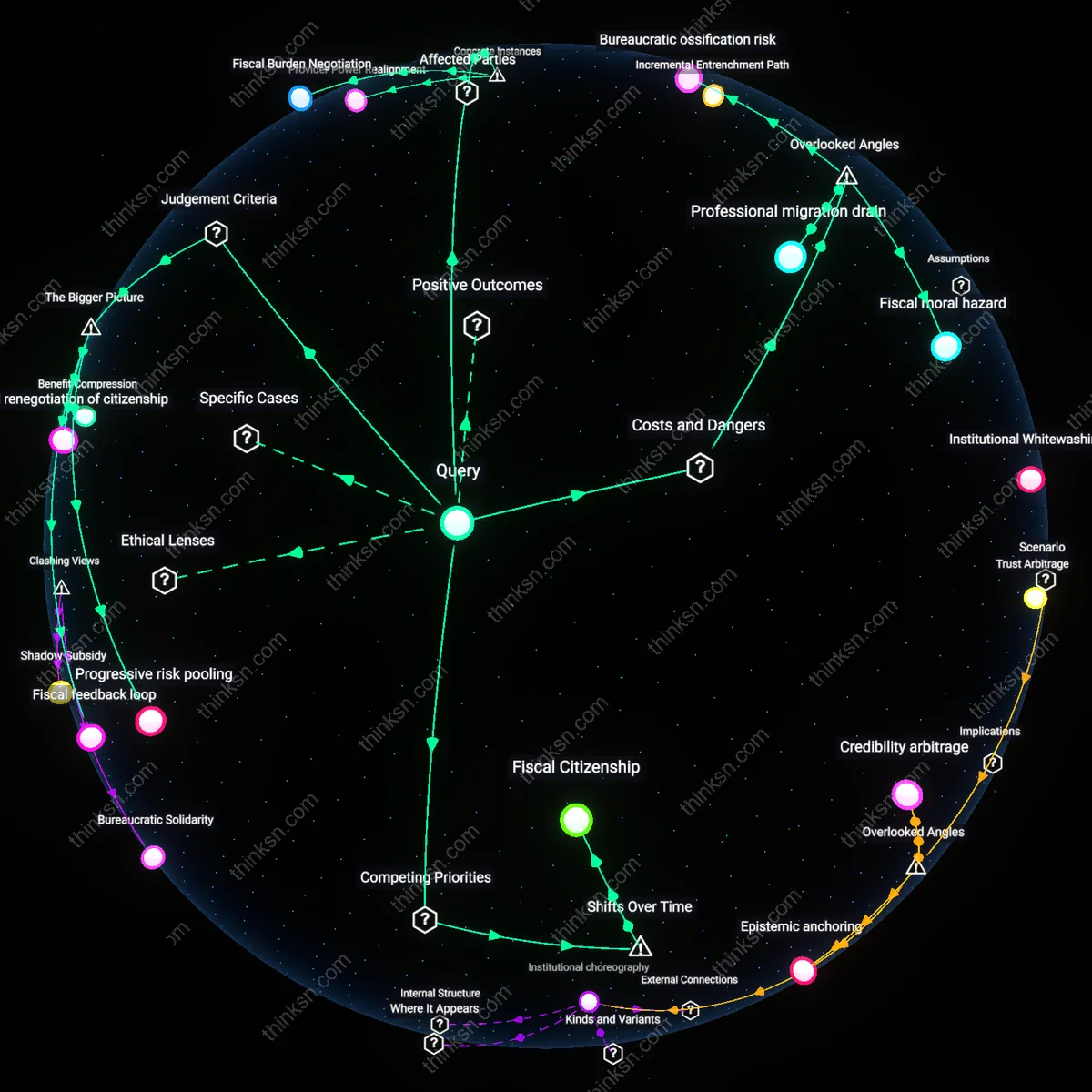
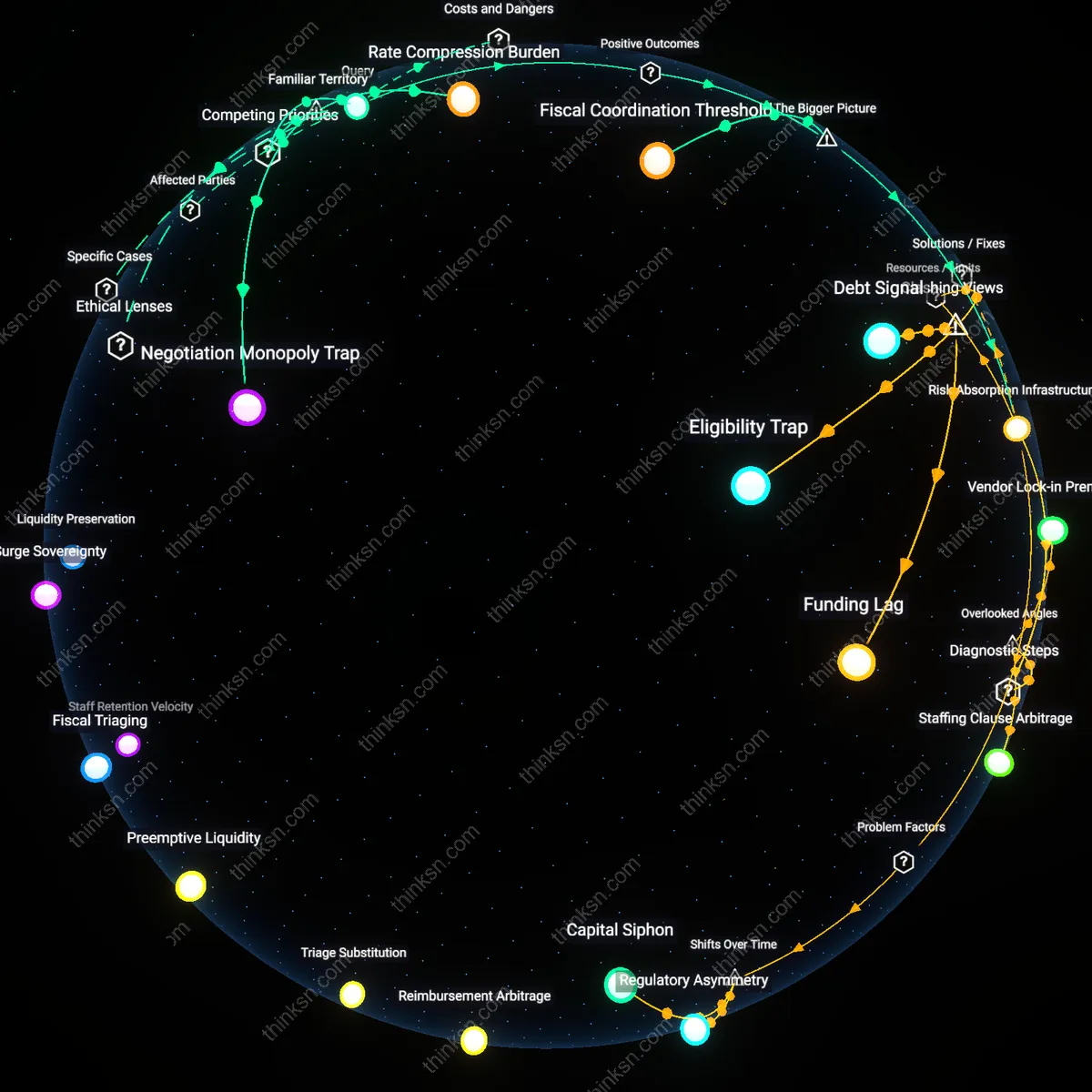
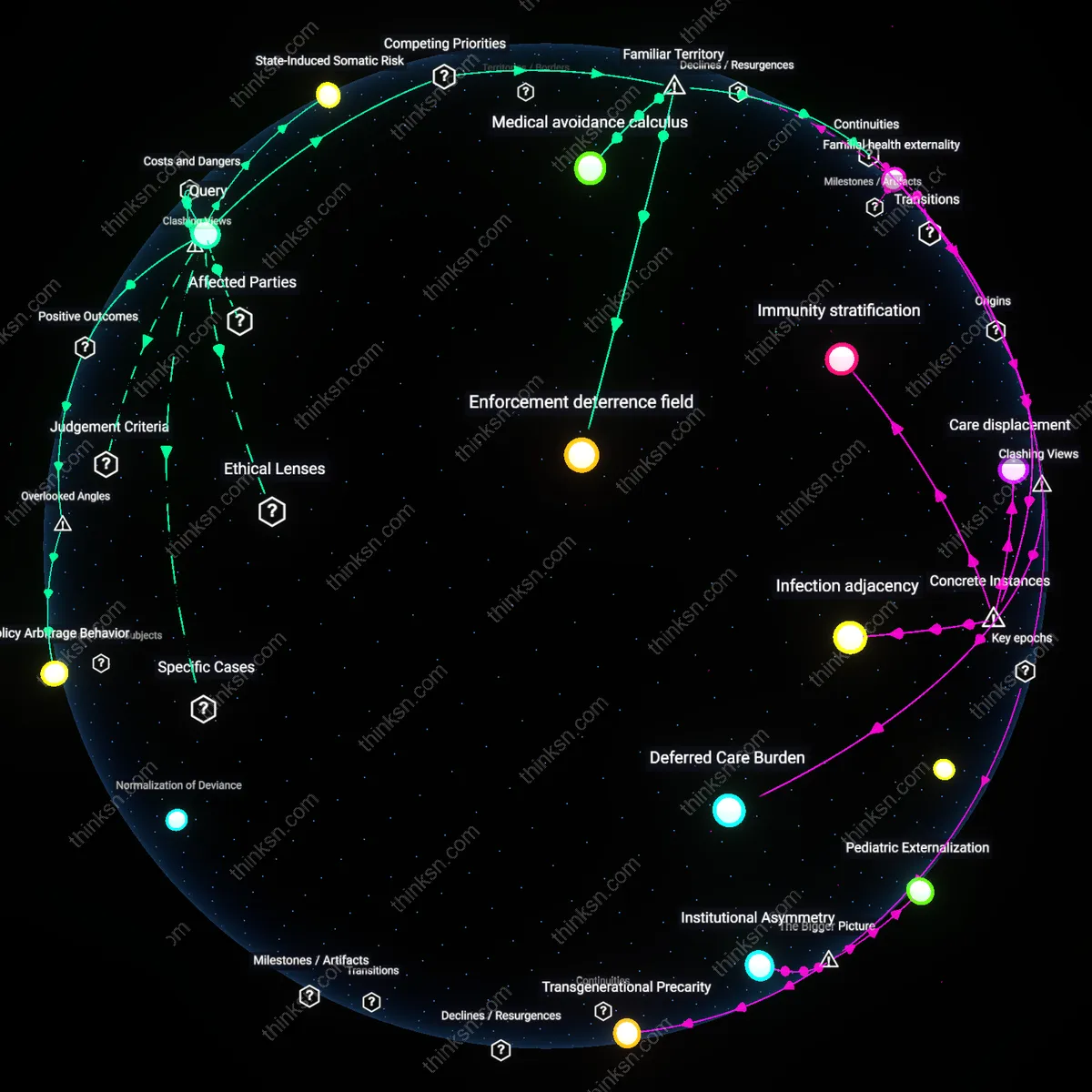
Analysis reveals 9 key thematic connections.
Key Findings
Tiered screening thresholds
Policymakers in the UK adjusted national breast screening guidelines in 2006 by raising the recommended age of routine mammography from 50 to 53 and extending intervals to every three years, based on Joint Committee on Vaccination and Immunisation modeling that weighed detection rates against false positives and overdiagnosis in women under 50; this recalibration reduced system-wide costs while maintaining mortality impact where evidence showed benefit was clearest, revealing that age-stratified initiation criteria can segment population risk more efficiently than universal access. The adjustment exploited epidemiological granularity to preserve life-years saved without expanding screening to lower-yield cohorts, exposing how threshold modulation serves as a fiscal and clinical lever when benefits are unevenly distributed.
Risk-stratified outreach
In 2016, the Netherlands introduced a pilot program in Utrecht that replaced blanket invitations with risk-based stratification using tools like the Breast Cancer Surveillance Consortium model, integrating genetic markers, density, and lifestyle factors to prioritize high-risk women for earlier or more frequent mammograms, while deprioritizing low-risk women—this shift reduced screening volume by 18% in the trial zone without increasing late-stage diagnoses. By embedding individual risk assessment into invitation algorithms, Dutch public health authorities demonstrated that targeted outreach, rather than uniform coverage, can optimize cost-benefit ratios, a finding that resurfaced long-underestimated trade-offs between equity in access and equity in outcome.
Cost-effectiveness triggers
In 2010, Ontario’s Medical Advisory Secretariat adopted cost-per-QALY (quality-adjusted life year) thresholds of CAD $50,000 in evaluating provincial mammography policy, leading to recommendations against biennial screening for women aged 40–49 due to a benefit-cost imbalance signaled at 3,200 QALYs gained per million dollars spent—far below benchmarks seen in older cohorts. This institutionalized threshold acted as a procedural gatekeeper, turning economic modeling into binding policy action, and revealed that pre-negotiated cost-effectiveness benchmarks can force explicit trade-off deliberations where political inertia typically favors expansion regardless of marginal utility.
Workflow absorption capacity
Expanding universal mammography without expanding radiologist staffing triggers diagnostic backlog, which destabilizes early detection by delaying recall imaging and erasing mortality benefits. Radiology departments in public health systems, such as the UK’s NHS, operate near maximum workflow throughput; adding population-wide screening increases study volume without increasing interpretation capacity, activating a balancing loop where delayed reporting undermines the timeliness required for effective intervention. This dynamic is non-obvious because cost-benefit analyses focus on test sensitivity and cancer yield, not the system’s ability to process and act on results within clinically relevant timeframes, making workflow absorption capacity a hidden constraint on screening efficacy.
False reassurance feedback
Universal mammography in low-risk younger populations generates a reinforcing loop of false reassurance, where negative results reduce future screening adherence and delay clinical presentation when symptoms arise. Women aged 40–49 with dense breast tissue—common in this group—receive more false negatives and false positives, leading to either premature dismissal of subsequent symptoms or loss of trust in screening after unnecessary biopsies. This feedback loop is overlooked because mortality models assume static screening behavior, but in reality, early negative experiences dynamically reshape future engagement, eroding long-term program effectiveness and skewing net benefits downward in ways invisible to static cohort simulations.
Infrastructure opportunity cost
Redirecting fixed radiology capital—MRI machines, contrast agents, maintenance contracts—toward mammography volume absorbs cross-modality flexibility needed for diagnosing non-breast cancers, weakening system resilience during disease outbreaks or aging-related demand spikes. For instance, during cervical or prostate cancer surges, repurposing imaging infrastructure becomes harder when mammography monopolizes maintenance cycles and technician time, creating a balancing loop that resists health system adaptation. This is rarely considered in cost-effectiveness models, which treat imaging resources as infinitely scalable or modality-specific, missing how screening programs silently preempt emergency adaptability through infrastructure lock-in.
Diagnostic Overload
Policymakers should prioritize limiting universal mammography because expanding screening generates diagnostic cascades that overwhelm follow-up systems, particularly in mid-income countries like Mexico, where radiologist shortages mean each new detected anomaly requires disproportionate public health resources to resolve; this reveals that the dominant focus on early detection ignores how improved sensitivity can destabilize downstream care infrastructure, making the allure of technological comprehensiveness a systemic liability rather than a clinical advantage.
Mortality Redistribution
Extending universal mammography to low-risk populations such as women under 50 in Nordic countries redistributes marginal survival gains without altering overall cancer mortality curves, effectively shifting finite resources toward statistically significant but individually negligible benefits while weakening prevention capacity for aggressive, non-screen-detectable subtypes; this challenges the moral imperative framing of universal access by exposing how equitable application of technology can exacerbate allocative injustice.
Biological Debt
Widespread mammography in aging populations like Japan amortizes small reductions in breast cancer mortality against rising burdens of overtreatment, where low-grade lesions are therapeutically amplified into lifelong medical identities, incurring long-term surveillance costs and psychological morbidity that are excluded from cost-effectiveness models; this reframes screening not as preventive care but as a deferral of medical spending into biologically ambiguous zones where disease definition itself becomes a fiscal liability.