Gifted Programs for Neurodiverse Kids: Risk of Isolation?
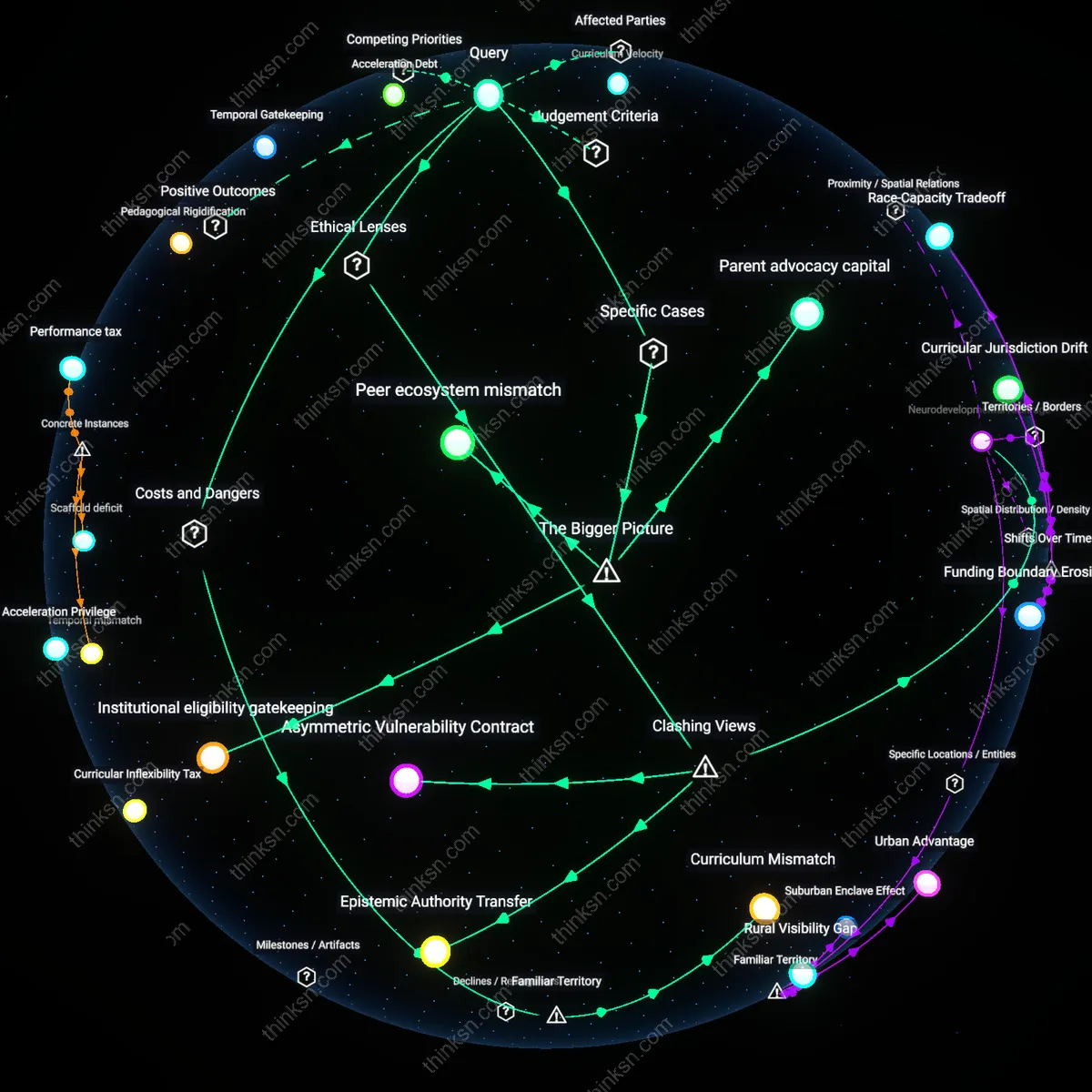
Analysis reveals 8 key thematic connections.
Key Findings
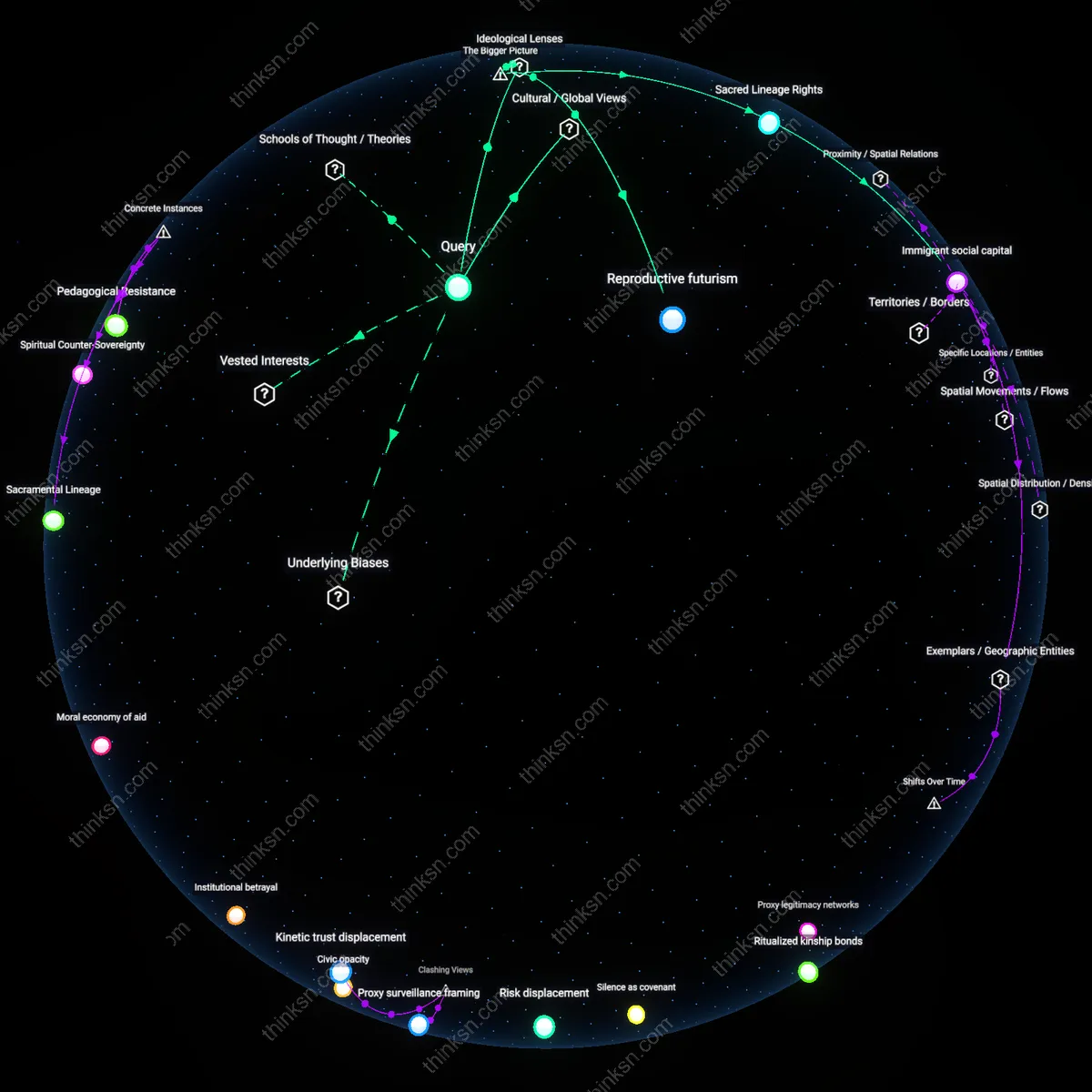
Peer Toxicity
Do not enroll the child because gifted programs often amplify social hierarchies that valorize intellectual performance, which can trigger aggressive exclusion of neurodiverse students by high-achieving peers. In competitive academic environments—such as accelerated math tracks in suburban U.S. public schools—status is tightly tied to speed and precision, creating informal peer economies where social capital punishes perceived inefficiency. This dynamic is rarely mediated by teachers trained in neurodiversity, making everyday interactions a source of chronic stress rather than enrichment. The underappreciated risk isn't academic overload but the mundane cruelty of peer-led ranking systems that treat difference as defect.
Curriculum Mismatch
Reject the choice to enroll because gifted curricula frequently prioritize abstract reasoning speed and verbal fluency—domains where neurodiverse children may struggle despite overall intelligence—thus converting potential into frustration. Programs like pull-out GATE in California commonly use discussion-based, open-ended inquiry models that disadvantage students with auditory processing delays or atypical expression patterns. The real cost isn't exclusion from challenge but exposure to a false metric of ability that conflates style with capacity. Most people assume giftedness means universal academic superiority, but the structural flaw is designing enrichment only for a narrow cognitive elite.
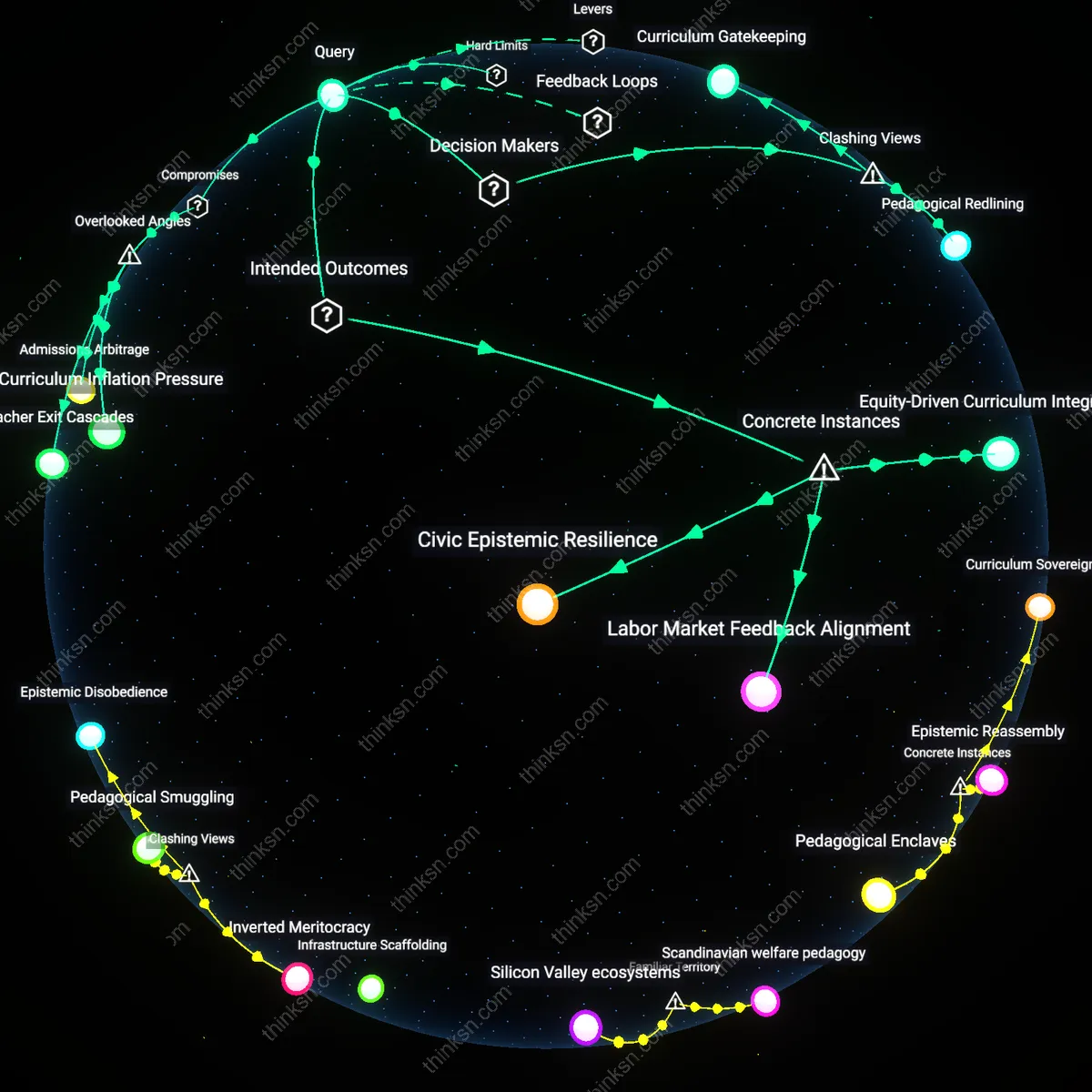
Epistemic Authority Transfer
One should enroll the neurodiverse child in the gifted program when the parent, as epistemic agent, transfers interpretive authority to the child’s lived experience rather than defaulting to institutional expertise, because emerging educational ethics grounded in epistemic justice—exemplified in Miranda Fricker’s work—recognize that systemic epistemic marginalization distorts clinical and pedagogical consensus; this mechanism reframes parental deferral not as negligence but as resistance to pathologizing norms embedded in mainstream giftedness research, which routinely conflate social conformity with cognitive merit—a non-obvious shift that positions the family as a counterpublic challenging the epistemic hegemony of neuropsychological orthodoxy.
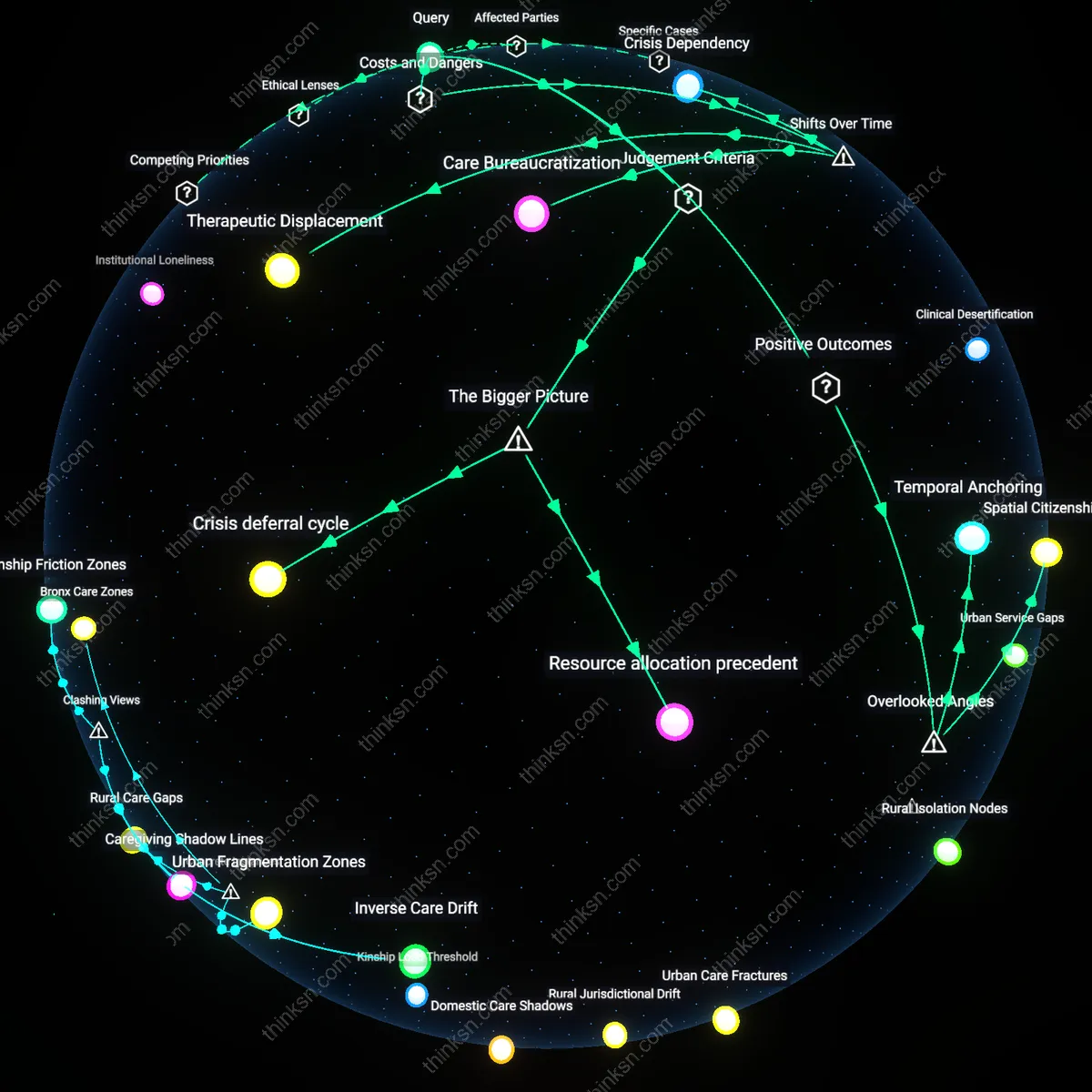
Asymmetric Vulnerability Contract
Enrollment should proceed only when the school assumes legally enforceable liability for the child’s social-emotional safety, transforming the program from a privilege into a civil rights accommodation under the IDEA and Section 504 framework, because the unspoken bargain in mixed-needs classrooms often exploits neurodiverse students’ vulnerability to fulfill diversity optics without structural support—a dynamic made visible in disability justice organizing in urban districts like Oakland, where parents have successfully litigated for ‘risk equity audits’; this claim disrupts the liberal assumption that access alone constitutes justice, revealing that inclusion without institutionalized accountability replicates predatory inclusion.
Neurodevelopmental Arbitrage
The decision should be based on the family’s capacity to leverage the gifted program as a site of tactical advantage in resource allocation, particularly in underfunded public systems where gifted tracks retain disproportionate funding and teacher autonomy, because neoliberal education policy in states like Florida has incentivized schools to prioritize high-performing outliers for accountability metrics, creating de facto educational arbitrage where neurodiverse students who can partially meet performance thresholds extract resources otherwise denied to special education; this reframes enrollment not as a developmental choice but as a survival strategy within austerity-driven systems, challenging the ethical ideal of needs-based placement by exposing how parents navigate tiered stratification as rational actors in a zero-sum environment.
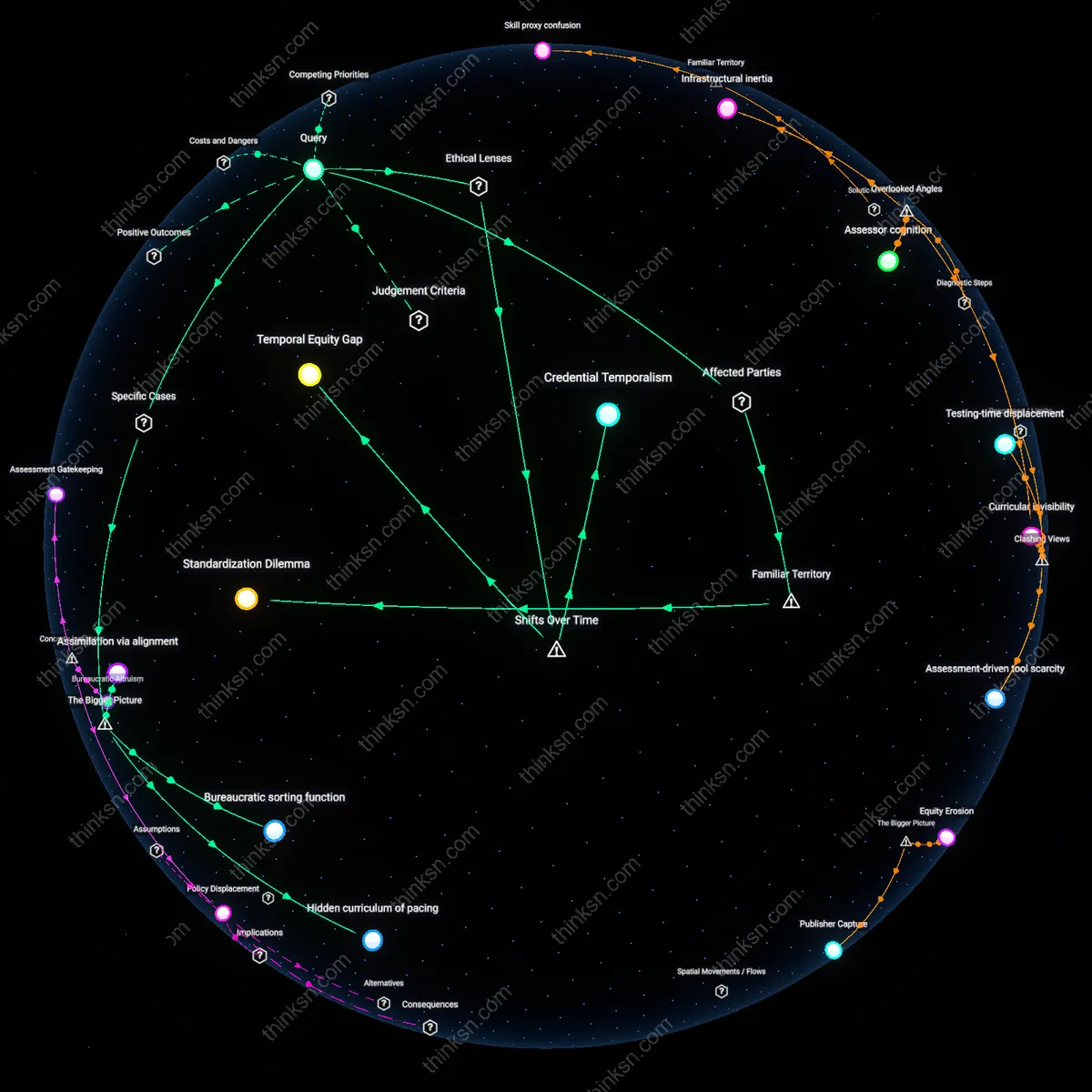
Institutional eligibility gatekeeping
One should decide based on whether the child meets the program's formal criteria, because enrollment often depends less on educational fit than on compliance with rigid identification protocols used by district psychologists and gifted coordinators in systems like those in Fairfax County Public Schools, where checklists and threshold IQ scores override teacher or parental observations of asynchronous development; this mechanism reveals how bureaucratic eligibility rules function as gatekeeping tools that prioritize administrative consistency over nuanced neurodevelopmental profiles, a dynamic underappreciated because it frames exclusion as objective when it is structurally risk-averse.
Peer ecosystem mismatch
One should decide by evaluating the social ecology of the cohort already in the program, because in magnet schools such as Hunter College Elementary, where gifted placement also implicitly selects for neurotypical social fluency, a neurodiverse child risks systemic peer rejection not due to intelligence but due to mismatched interaction styles, which activates a hidden curriculum prioritizing social mimicry; this dynamic is driven by unspoken peer norms enforced through exclusionary play and communication patterns, a consequence rarely acknowledged in policy debates that assume cognitive alignment guarantees social compatibility.
Parent advocacy capital
One should decide based on the family's capacity to mobilize institutional leverage, because in districts like New York City’s District 2, where gifted programs are embedded in politically contested school choice systems, access and sustained inclusion depend on parents’ ability to navigate appeals, demand accommodations, and pressure administrators—resources unevenly distributed across socioeconomic lines; this creates a de facto system where advocacy effort, not just student need or merit, determines program benefit realization, exposing how equity in gifted education is mediated by parental labor capital rather than pedagogical design.